Fishing the Owyhee River
The Owyhee River, especially its Idaho stretch, can feel like a riddle wrapped in a desert enigma for many anglers. It's not your typical easy-access, heavily stocked trout stream. Instead, you're venturing into a rugged, remote, and breathtaking landscape that often tests your patience and skill, making local knowledge invaluable. This comprehensive guide aims to demystify fishing the Owyhee, focusing on the incredible opportunities it offers within Idaho's borders.
Understanding the Owyhee River System
The Owyhee River isn't just a river; it's an experience, especially the part that winds through Idaho's high desert. While parts of it flow through Oregon and Nevada, the Idaho sections present unique challenges and rewards that demand a distinct approach from anglers. It's a place where wildness still reigns, and understanding its character is the first step to success.
The Owyhee's Unique Geography and Ecology
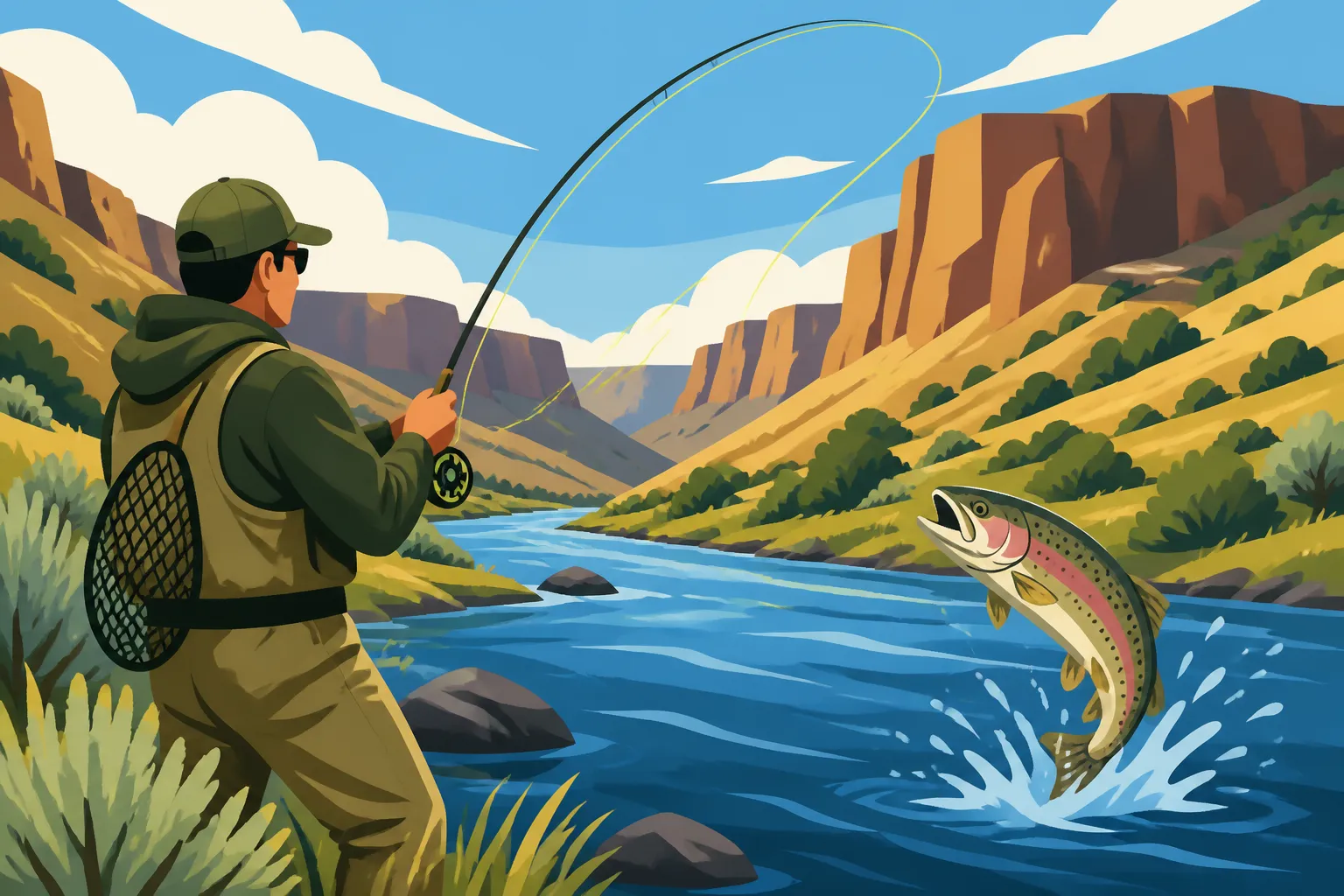
Imagine vast, undulating sagebrush plateaus giving way to sheer-walled canyons carved by millennia of water. That's the Idaho Owyhee in a nutshell. This isn't lush, green riverside; it's an arid, dramatic landscape where the river is a ribbon of life. The water itself often runs clear, fed by snowmelt and rain from distant mountains, though spring runoff can turn it into a chocolate milk torrent. This desert environment means extreme temperature swings – scorching summers and freezing winters – which heavily influence fish behavior and access. The unique ecosystem supports not just fish but diverse wildlife, from bighorn sheep to various raptors, adding to the wild allure. You're not just fishing; you're immersing yourself in a raw, untamed corner of Idaho. It’s this remoteness and rugged beauty that often deters casual anglers but draws those seeking solitude and a true wilderness challenge.
Main Species to Target in the Idaho Owyhee
While the Owyhee is famous in some circles for its redband trout, it offers more than just that. In the Idaho portions, you'll primarily be targeting these resilient, hard-fighting native trout, but that's not all.
- Redband Trout: These are the superstars of the Idaho Owyhee. They are a subspecies of rainbow trout, perfectly adapted to the often-harsh desert environment. Owyhee redbands are known for their vibrant coloring, aggressive takes, and strong fights, even when relatively small. They thrive in the cold, clear waters and are incredibly wary, making them a fantastic challenge for fly anglers. While you might not find trophy-sized behemoths consistently, a 16-inch Owyhee redband feels like a true accomplishment. Their wild nature means they are often opportunistic feeders, willing to chase a well-presented fly or lure.
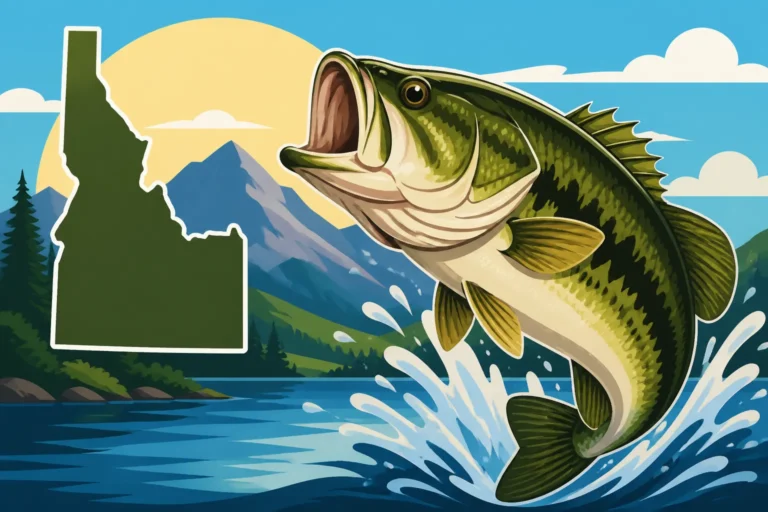
- Smallmouth Bass: In the lower, warmer sections of the Owyhee, particularly closer to its confluence with the Snake River, smallmouth bass become a prevalent and exciting target. These bronze battlers love the rocky structure and current, offering explosive strikes and acrobatic fights. They're a fantastic option when the trout fishing might be slow or if you prefer a different kind of challenge. You'll find them holding in eddies, behind boulders, and near submerged logs. Targeting smallmouth can be a great way to diversify your Owyhee fishing experience, especially during the warmer months when trout might be less active in certain stretches.
Understanding these key species and their preferred habitats is crucial. The Owyhee isn't a place where you blindly cast and hope; it demands a thoughtful approach tailored to what's beneath the surface.
Prime Fishing Locations on the Idaho Owyhee
Fishing the Owyhee River in Idaho isn't about finding a designated "best spot" so much as understanding the character of different stretches and how to access them. Given its rugged canyon landscape, access can be a real hurdle for many anglers.
Access Points and Bank Fishing Opportunities
For many, the first encounter with the Idaho Owyhee will be from the bank, and for good reason—it’s often the most accessible way in. However, "accessible" is a relative term here. The most well-known access point for the Idaho Owyhee is often found off Highway 78, leading to areas near the town of Grand View or slightly further downstream towards the Snake River confluence.
- Near Grand View: As you get closer to Grand View, the river starts to broaden out from its canyon confines. Here, you might find some public access points where the terrain is less steep, allowing for bank fishing. However, even these areas can be brushy, with private property interspersed. Always be mindful of land ownership and respect posted signs. You're likely to find smallmouth bass in these warmer, wider sections, along with some trout. The fishing here can be quite good for those willing to explore and find those open pockets.
- Owyhee River Wildlife Management Area: This area, managed by the Idaho Department of Fish and Game, provides crucial public access. You'll often find roads that get you close to the water, but be prepared for unimproved gravel tracks and potentially long drives on washboard surfaces. The WMA covers various habitats, from river bottomlands to uplands, and offers multiple points where you can hike down to the river. Remember that cell service can be spotty or nonexistent, so proper navigation and communication are essential. This is where you might start to encounter those elusive redband trout more frequently, especially in areas with more current and deeper pools.
- Challenges of Bank Fishing: One of the biggest frustrations for Owyhee bank anglers is the sheer ruggedness. You might see promising water, but getting to it means navigating steep, unstable slopes or thick, thorny brush. Waders can help you extend your reach from the bank, allowing you to cross shallow sections or skirt around dense vegetation. Always carry plenty of water, as the desert sun can be relentless, and be aware of rattlesnakes, especially in warmer months. A good pair of hiking boots is just as important as your fishing boots when tackling the Owyhee's banks.
Floating and Wade Fishing Sections
While bank fishing offers a taste, truly experiencing the Owyhee, particularly its prime redband trout water, often involves floating or extensive wade fishing.
- Wade Fishing the Lower Canyon: Upstream from the broad, lower river sections and below the various dams, there are stretches of canyon that offer fantastic wade fishing. Accessing these can be a trek, often requiring a hike down into the canyon from a rim road. Once you're in, you'll find a mosaic of riffles, runs, and deeper pools—perfect holding water for redband trout. The river here is often manageable to wade during lower flows, but always exercise caution. The rocks can be slick, and currents can be stronger than they appear. The solitude in these stretches is unparalleled, and the fishing can be exceptionally rewarding. For those who relish an adventurous hike-in, wade-out experience, this is the Owyhee at its finest.
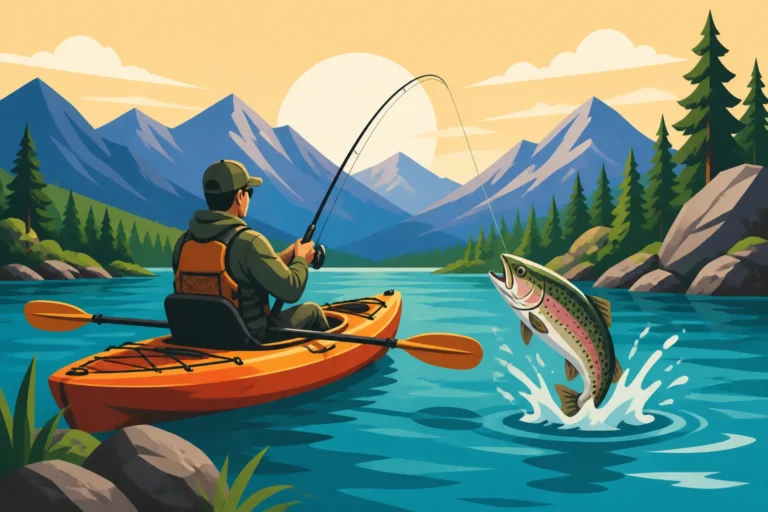
- Floating the Owyhee's Wild Sections: For a truly immersive Owyhee experience, many anglers opt for a multi-day float trip through its wilderness canyon sections. While much of the famed multi-day Owyhee float is in Oregon, the Idaho section also offers incredible floating, particularly upstream from the state line or in sections accessible from Idaho. These trips typically require rafts or drift boats, self-sufficiency, and advanced planning. They offer access to pristine, untouched waters that are otherwise impossible to reach. Floating allows you to cover vast stretches of river, targeting untouched holding lies and experiencing the canyon's grandeur from a unique perspective. This is where you're most likely to feel truly alone with nature, pitching a tent on a secluded beach after a day of incredible fishing. Companies like FishingBooker can sometimes help connect you with local outfitters who specialize in these kinds of multi-day trips, although for the Idaho Owyhee, finding dedicated fishing float guides might require a bit more direct research with local operators. Planning such a trip demands a deep understanding of river flows, safety protocols, and wilderness ethics.
When considering a float trip or extensive wade into the Owyhee, be sure to check the current Idaho Fishing Regulations Explained, as specific sections may have unique rules regarding tackle, bait, or catch limits.
Essential Techniques for Owyhee River Anglers
The Owyhee River isn't a place for one-size-fits-all fishing. Its wild nature and the wary fish it holds demand adaptable and often subtle techniques. Whether you're a seasoned fly angler or prefer the simplicity of spin fishing, there are specific approaches that will boost your success here.
Fly Fishing Strategies for Redband Trout
Fly fishing on the Owyhee for its native redband trout is a classic pursuit, and for good reason. The clear water and selective nature of these wild fish make it an incredibly rewarding challenge.
- Reading the Water: The first rule of Owyhee fly fishing is to slow down and observe. Redbands often hold in classic trout lies: current seams, behind boulders, in the tailouts of pools, and along undercut banks. Look for subtle rises or flashes. Due to the clear water, fish will often see you before you see them, so stealth is paramount. Approach fishing spots from downstream, stay low, and minimize movement. The clearer the water, the longer your leaders and the finer your tippet should be.
- Fly Patterns and Presentation: Owyhee redbands can be opportunistic, but they also get pressured in more accessible areas. A good strategy is to have a diverse fly box.
- Nymphing: This is often the most consistent producer, especially when fish aren't actively rising. Patterns like pheasant tails, hare's ears, prince nymphs, and various caddis larva imitations in sizes 14-20 are typically effective. Focus on getting a natural drift through likely holding water. Consider using a two-nymph rig with differing weights to cover the water column effectively.
- Dry Flies: When hatches are on, Owyhee dry fly fishing can be exceptional. Look for midges, blue-winged olives (BWO), caddis, and even grasshoppers in late summer. A good selection of standard attractor patterns like Parachute Adams or Elk Hair Caddis in various sizes is always a good bet. Presentation is key here; aim for drag-free drifts that mimic natural insects.
- Streamers: Don't overlook streamers, especially for larger, more aggressive redbands or when the water is slightly off-color. Small Sculpzillas, Woolly Buggers (black, olive, or brown), and various minnow patterns can entice a violent strike. Fish them with short, erratic strips through deeper pools or along cut banks.
- Adjusting to Conditions: The Owyhee's flows and clarity can change rapidly. During high flows or slightly murky conditions (common after spring runoff), larger, darker nymphs or streamers can be more effective. When flows drop and the water becomes crystal clear, scaling down your flies, using longer leaders, and making more precise presentations become critical. For more general guidance, our How to Fly Fish in Idaho guide covers many foundational techniques applicable here.
Spin Fishing Approaches for Bass and Trout
While fly fishing is often romanticized on the Owyhee, spin fishing can be incredibly effective, especially for beginners or when targeting smallmouth bass in the lower river. It's a pragmatic approach that can yield excellent results.
- Targeting Smallmouth Bass: If you're after those feisty smallmouth, focus on areas with rocky structure, current breaks, and deeper pools.
- Lures: Small crankbaits that mimic crawfish or baitfish, spinnerbaits (especially in chartreuse or white), and soft plastics rigged Texas-style or on a jig head are all excellent choices. For specific recommendations, check out our Best Bait and Lures for Idaho Fishing guide. Work these lures slowly and deliberately around structure. Smallmouth are ambush predators, so often a slight pause or twitch is what triggers a strike.
- Technique: Fan cast across likely areas, working your retrieve at different depths. Pay particular attention to current seams where slower water meets faster water. Smallmouth will often tuck into these areas, waiting for food to drift by. A medium-light spinning rod with 6-8 pound test monofilament or fluorocarbon line is usually sufficient.
- Spin Fishing for Redband Trout: While more challenging than fly fishing, spin anglers can absolutely catch Owyhee redbands.
- Lures: Small inline spinners (like Panther Martins, Mepps, or Rooster Tails) in silver, gold, or black patterns are often very effective. Tiny spoons (Kastmasters, Super Dupers) can also work well, especially in larger pools. Keep your lures on the smaller side, typically 1/8 to 1/4 ounce.
- Technique: Cast upstream and retrieve just fast enough to get the spinner blade rotating, allowing it to drift naturally downstream through prime trout lies. Or, cast across to the opposite bank or into current seams and retrieve. The key is to keep the lure near the bottom without constantly snagging. Ultralight or light action rods are ideal for presenting these smaller lures and for truly enjoying the fight of an Owyhee redband. Using light line (4-6 lb test) will also help with casting distance and stealth in the clear water.
Remember, regardless of your chosen method, minimizing your footprint and practicing catch and release, especially for redband trout, is crucial for preserving this unique fishery.
Best Times to Fish the Owyhee River
Timing is everything when it comes to fishing the Owyhee River. Its high desert environment means that conditions can swing wildly throughout the year, impacting everything from fish activity to river access. Planning your trip around the seasons and understanding the river's flows will dramatically increase your chances of success.
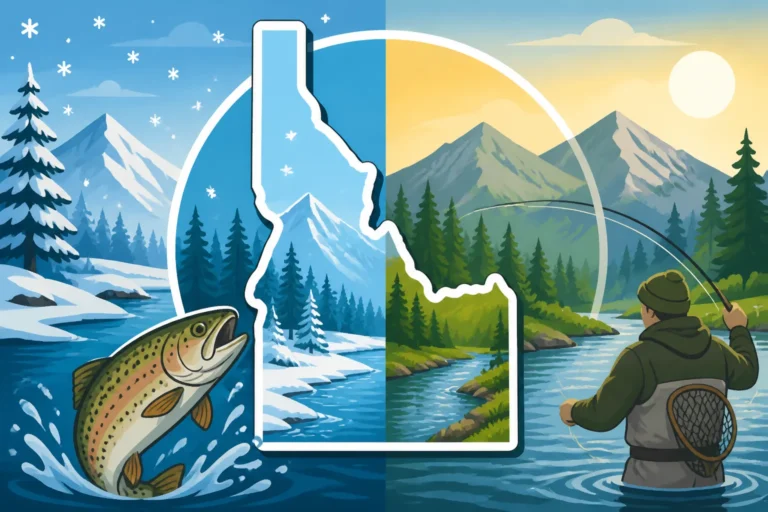
Seasonal Considerations and Weather Impacts
Each season on the Owyhee presents a different set of opportunities and challenges. There's no single "best" time, as it often depends on what you want to target and what kind of adventure you're seeking.
- Spring (March – May): This can be a fantastic, albeit tricky, time. Early spring (March-early April) often sees lower, clearer flows before the main snowmelt. Redband trout become more active as water temperatures rise, and hatches of midges and early caddis can occur. However, as the snowpack in the mountains melts, runoff can blow out the river, turning it high and muddy, making fishing difficult or impossible. This typically happens late April through May, depending on the year's snowpack. For accurate conditions, it's vital to check flow reports before heading out. Our Idaho Fishing Season Dates and Limits offers a general overview, but the Owyhee often has its own micro-climate.
- Summer (June – August): Once runoff subsides and flows drop (usually by late June or July), the Owyhee typically clears up and can offer excellent fishing. However, summer also brings extreme desert heat. Air temperatures can easily exceed 100°F, making fishing uncomfortable and potentially dangerous for both anglers and fish. Focus on early mornings or late evenings when targeting trout, as they will seek cooler, deeper water during the day. Smallmouth bass, however, thrive in the warmer summer temperatures and can provide excellent action in the lower sections of the river. Always carry ample water and sun protection during this season.
- Fall (September – November): Many consider fall to be the prime time to fish the Owyhee. The oppressive summer heat dissipates, flows typically stabilize and clear, and trout become increasingly active as they feed heavily before winter. Hatches of BWO's can be prolific, and streamer fishing becomes very effective as fish become more aggressive. This is also when conditions for multi-day float trips are often ideal, offering comfortable temperatures and stunning fall colors in the canyons. The mild weather and hungry fish make for an incredibly enjoyable experience.
- Winter (December – February): Winter fishing on the Owyhee is a tough, specialized endeavor. Access can be challenging due to snow and ice, and air temperatures can plummet below freezing. However, for the hardy few, nymphing for redband trout in deep, slow pools can yield results on milder days. The river's remoteness means you'll likely have it all to yourself, but safety precautions are paramount. Ice on the banks and slick wading conditions are common. This is not a season for the faint of heart, but the solitude can be profoundly rewarding. For general insights into the best overall fishing times in Idaho, our Best Time of Year to Fish in Idaho article provides a broader perspective.
Understanding River Flows and Water Conditions
Knowing the Owyhee's pulse – its flow rates – is arguably the most critical piece of information for planning a successful trip. The river's flow is heavily influenced by snowmelt and dam operations, and it dictates everything from fish behavior to access and safety.
- Checking USGS Gauges: Before you even think about driving to the Owyhee, you need to check the U.S. Geological Survey (USGS) stream gauges. Look for gauges on the Owyhee River that are relevant to the section you plan to fish. Websites like the USGS National Water Information System provide real-time data on cubic feet per second (CFS) and gauge height. Many dedicated Owyhee anglers check these daily, sometimes even hourly, leading up to a trip.
- Interpreting Flow Data:
- High Flows (e.g., above 1,000-2,000 CFS in many sections): This often indicates runoff or dam releases. The water will likely be high, fast, and potentially muddy, making fishing incredibly difficult and dangerous. Wade fishing might be impossible, and even floating can be hazardous. This is typically a time to avoid.
- Moderate Flows (e.g., 300-800 CFS): These are often ideal conditions. The river is at a good level for both wading and floating, with plenty of oxygenated water for fish. Clarity is usually good, and fish are actively feeding. This is usually when you'll find the most consistent action.
- Low Flows (e.g., below 200 CFS): While clear, very low flows can make fish extremely spooky, especially the wary redbands. Access for larger boats might be limited, and some sections might become too shallow to float comfortably. During summer, low flows coupled with high temperatures can also stress trout. However, low flows often mean easier wading and excellent sight fishing opportunities if you're stealthy.
- Impact of Clarity: Along with flow, water clarity is crucial. The Owyhee can go from gin-clear to chocolate milk overnight, especially during rain events or rapid snowmelt. Clear water demands smaller flies, lighter tippets, and a stealthier approach. Murky water might call for larger, darker patterns and more aggressive tactics, but if it's too muddy, it's best to fish elsewhere. Websites like FishingBooker sometimes offer localized reports or connect you with guides who have real-time updates on water clarity. Understanding these conditions and adjusting your approach accordingly is part of the true Owyhee experience.
Gear and Preparations for an Owyhee Adventure
Fishing the Owyhee isn't just about what's in your tackle box; it's about being prepared for the remote, rugged, and often unforgiving environment. Forgetting a crucial piece of gear or neglecting safety precautions can turn an incredible trip into a miserable, or even dangerous, ordeal.
Recommended Rods, Reels, and Lines
Choosing the right tackle for the Owyhee will depend on your target species and preferred method, but generally, versatility and durability are key.
- Fly Fishing Setup:
- Rods: For redband trout, a 4- or 5-weight rod, 8.5 to 9 feet in length, is your workhorse. It offers enough backbone to fight feisty fish and accuracy for delicate presentations. If you anticipate larger bass or want a bit more power for streamers, a 6-weight can also be useful. Consider a medium-fast to fast action rod for its versatility.
- Reels: A reliable reel with a smooth drag that matches your rod weight is sufficient. You won't typically need a large arbor for massive runs, but a good drag is always a comfort.
- Lines: A weight-forward floating line is standard for most Owyhee fly fishing. If you plan to nymph heavily or fish streamers in deeper water, a sink-tip line or a polyleader can be beneficial. For clear water conditions, carry leaders that taper down to 4X, 5X, or even 6X tippet. Fluorocarbon tippet offers abrasion resistance and stealth in clear water.
- Spin Fishing Setup:
- Rods: A light to medium-light action spinning rod, 6 to 7 feet long, is excellent for both smaller trout lures and bass. This length provides good casting distance and sensitivity.
- Reels: A spinning reel in the 1000 to 2500 series range, spooled with 6-8 pound test monofilament or fluorocarbon line, is a solid choice. Consider braid for your main line if you want more sensitivity and casting distance, adding a fluorocarbon leader for stealth.
- Line: For trout, 4-6 lb test monofilament or fluorocarbon is ideal. For smallmouth bass, 6-8 lb test gives you a bit more power. The clear water often dictates lighter line for better presentation and fewer refusals. Our Idaho Fishing Gear Guide by Season can offer more general gear insights, but remember the Owyhee's unique environment often requires specific adaptations.
What to Pack Beyond Your Fishing Tackle
This is where the Owyhee truly differentiates itself. Its remoteness means you need to be largely self-sufficient. Forgetting something critical can create a serious problem.
- Water, Water, Water: This is paramount. The high desert can dehydrate you rapidly, even on cooler days. Carry far more water than you think you'll need, and consider a reliable water filter or purification tablets for multi-day trips.
- Sun Protection: Sunscreen, a wide-brimmed hat, sunglasses (polarized are a must for seeing fish and structure), and lightweight, long-sleeved clothing are non-negotiable. The sun reflected off the water and canyon walls is intense.
- Navigation and Communication: Cell service is often nonexistent in the Owyhee canyon. Carry detailed maps (physical and digital on a GPS device), a compass, and know how to use them. Consider a satellite communication device (like a Garmin inReach or Zoleo) for emergencies, especially on solo or multi-day trips.
- First-Aid Kit: A comprehensive first-aid kit is essential. Be prepared for cuts, scrapes, blisters, insect bites, and more serious injuries. Knowing basic wilderness first aid can save a trip, or a life.
- Footwear: Wading boots with good ankle support and felt or studded soles are critical for navigating slick, rocky riverbeds. Beyond that, sturdy hiking boots are a must for bank access and exploring.
- Layered Clothing: Even in summer, desert nights can be cool, and mornings can be chilly before the sun hits the canyon. Pack layers that can be added or removed as temperatures change. Quick-drying fabrics are best.
- Food and Snacks: High-energy snacks and a packed lunch are vital, especially for full-day excursions or those involving significant hiking.
- Headlamp/Flashlight: If you're out before dawn or after dusk, a headlamp is indispensable.
- Bug Spray: Mosquitoes and other biting insects can be present, especially near still water or during certain times of year.
- Tools: Pliers, nippers, hemostats, and a small knife are always useful.
- Waders and Rain Gear: Even if the forecast is clear, a lightweight rain jacket and waders (if not already wearing) are smart to have. The weather can change quickly.
- Camera: To capture the incredible scenery and, hopefully, your successful catches!
Planning your gear with meticulous care ensures you can focus on the fishing and fully appreciate the wild beauty of the Owyhee.
Navigating Regulations and Conservation
Fishing the Owyhee River is not just about technique and gear; it’s also about respecting the resource and understanding the rules. Because of its remote nature and the presence of native fish, specific regulations and a strong conservation ethic are vital to ensure this incredible fishery remains healthy for future generations.
Idaho Fishing License and Permit Requirements
Before you even think about casting a line in the Owyhee River within Idaho, you absolutely need to have the correct licensing. This isn't just a suggestion; it's a legal requirement, and Idaho Fish and Game wardens patrol even remote areas.
- Idaho Fishing License: Every angler 14 years of age and older needs a valid Idaho fishing license. If you're an Idaho resident, you'll purchase an Idaho Resident Annual Fishing License. If you're visiting from out of state, you'll need an Idaho Nonresident Annual Fishing License or a shorter-term option like a one-day or three-day license if your trip is brief.
- How to Obtain Your License: Licenses can be purchased online through the Idaho Department of Fish and Game website, at most sporting goods stores (like Cabela's or Sportsman's Warehouse), or from authorized license vendors across the state. It's always a good idea to buy it before you head to a remote location like the Owyhee, where access to vendors might be non-existent.
- Checking Regulations: Beyond the basic license, always consult the current Idaho Fishing Regulations in the official Fish and Game brochure. These regulations are updated annually and are your go-to source for specific rules for the Owyhee River. Different sections of the river might have special regulations that vary from the general statewide rules. Missing a detail could mean a hefty fine or, worse, harm to the fishery. Our comprehensive Idaho Fishing License Guide and Idaho Fishing Regulations Explained articles provide more in-depth information on these requirements.
Special Regulations and Catch-and-Release Practices
The Owyhee River, particularly its trout sections, often falls under special regulations designed to protect its wild fish populations. It's not just about having a license; it's about understanding and adhering to these nuances.
- Catch-and-Release Zones: Many prime redband trout stretches of the Owyhee River in Idaho are managed as catch-and-release only, or with very restrictive harvest limits (e.g., barbless hooks only, single-point hooks, specific bait restrictions, or length limits). These rules are in place because the redband trout are wild, native fish that are particularly sensitive to harvest pressure. The goal is to allow these fish to grow and spawn, maintaining a robust wild population.
- Barbless Hooks: If a section requires catch-and-release, or even if it doesn't, using barbless hooks is highly recommended. Barbless hooks minimize damage to the fish, making the release process quicker and significantly increasing the fish's chances of survival. You can easily pinch down the barb on most hooks with a pair of pliers.
- Proper Fish Handling: This is arguably as important as the regulations themselves. When practicing catch-and-release:
- Minimize Air Time: Keep the fish in the water as much as possible. A fish out of water for too long struggles to breathe and can suffer internal damage.
- Wet Hands: Always wet your hands before touching a fish. Dry hands can remove the protective slime coat, leaving the fish vulnerable to disease.
- Gentle Hold: Support the fish gently, preferably by cradling it under its belly. Avoid squeezing it, especially around the gills or belly. If necessary, you can lightly hold the tail.
- Use Hemostats/Pliers: Have these ready to quickly and easily remove hooks. If a fish is deeply hooked, sometimes it's better to cut the line as close to the hook as possible rather than trying to remove it, especially if the hook isn't stainless steel.
- Revive Carefully: If the fish seems stressed, hold it gently facing upstream in a mild current until it can swim away on its own. Don't pump it back and forth, as this can force water the wrong way through its gills.
- Be an Advocate for the River: The Owyhee is a special place, and its wildness depends on every angler's commitment to conservation. This means packing out all your trash, staying on designated trails when possible, and respecting the wildlife and other users. Consider using resources like FishingBooker not just for finding guides, but also for checking their commitment to sustainable fishing practices, as many reputable guides are staunch conservationists themselves. By adhering to regulations and practicing thoughtful angling, you contribute directly to the health and future of the Idaho Owyhee fishery.
Disclaimer
The information provided in this guide is for general informational purposes only and is subject to change. Fishing regulations, conditions, and access points can vary. Always consult the most current Idaho Department of Fish and Game regulations and local conditions before planning any fishing trip to the Owyhee River. Outdoor activities carry inherent risks; always prioritize safety and be prepared for wilderness conditions.