Fishing Lucky Peak Reservoir Near Boise
It's tough when you're itching to cast a line but don't want to drive for hours to find a decent fishing spot. For those of us living in or visiting Boise, the good news is you don't have to sacrifice convenience for quality fishing. Lucky Peak Reservoir offers an incredible escape right on the city's doorstep, providing abundant opportunities for a variety of popular game fish without the long haul. This guide will walk you through everything you need to know to make your next trip to Lucky Peak a successful and enjoyable one.
Lucky Peak Reservoir: Your Convenient Boise Fishing Escape
Imagine having a fantastic fishing destination just a few minutes from downtown. That's exactly what Lucky Peak Reservoir provides to the anglers of Boise and beyond. It’s not just a beautiful place for recreation; it's a thriving fishery that consistently produces great catches, making it a favorite for both casual and serious fishermen.
The Allure of Proximity to Boise
For many of us, time is a precious commodity, and the thought of spending an entire day driving to and from a fishing hole can be a real deterrent. Lucky Peak Reservoir completely sidesteps this problem. Located just southeast of Boise, it's so close that you can easily squeeze in a morning or evening fishing trip before or after work, or just head out for a few hours on a whim. This unparalleled accessibility means less travel time and more time with a line in the water, which is a huge win for any angler. You’ll see families, seasoned pros, and beginners alike enjoying the waters, often just a short drive from their homes. This convenience truly makes it one of the go-to spots for fishing near Boise.
The drive itself is part of the experience, winding along the Boise River and offering scenic views as you leave the city's hustle behind. Before you know it, you're greeted by the expansive waters of Lucky Peak, a world away from the urban landscape. It's the perfect antidote to city stress, a place where you can quickly reconnect with nature and the peace that only fishing can bring. Many people even stop at one of the several parks along the way, like Sandy Point or Spring Shores, which offer easy access and amenities, making it truly effortless to get out on the water.
Understanding Lucky Peak's Dynamic Environment
Lucky Peak Reservoir is more than just a large body of water; it's a complex and dynamic ecosystem shaped by its purpose and the rivers that feed it. Formed by the Lucky Peak Dam on the Boise River, with a smaller contribution from Mores Creek, the reservoir stretches for miles, offering a diverse range of habitats for fish. Its primary roles include flood control, irrigation, and power generation, which means its water levels can fluctuate significantly throughout the year. These fluctuations are crucial to understand for successful fishing, as they impact fish behavior, access points, and productive fishing depths.
The reservoir’s depth can vary dramatically, with some areas dropping to over 200 feet near the dam, while others are relatively shallow. This variety in depth, combined with numerous coves, submerged structures, and varying bottom contours, creates a rich tapestry of fishing opportunities. The clear, cold water often found in the deeper sections is ideal for species like Kokanee and trout, while the shallower, warmer coves are perfect for smallmouth bass. Anglers who take the time to study the reservoir's maps and understand its ever-changing conditions, perhaps even by checking the dam's outflow information, will undoubtedly have a greater edge in locating fish and adapting their strategies. This ever-shifting environment means that a spot that was hot last week might be barren today, so staying flexible and observant is key to mastering Lucky Peak.
Diving into Lucky Peak's Diverse Fish Population
Lucky Peak Reservoir is a true multi-species fishery, offering something for every angler. While it's most famous for its smallmouth bass, rainbow trout, and kokanee salmon, you'll find other panfish and even some surprise catches. Understanding what species call Lucky Peak home and their preferred habitats is the first step to a successful day on the water.
The Thrill of Smallmouth Bass Fishing
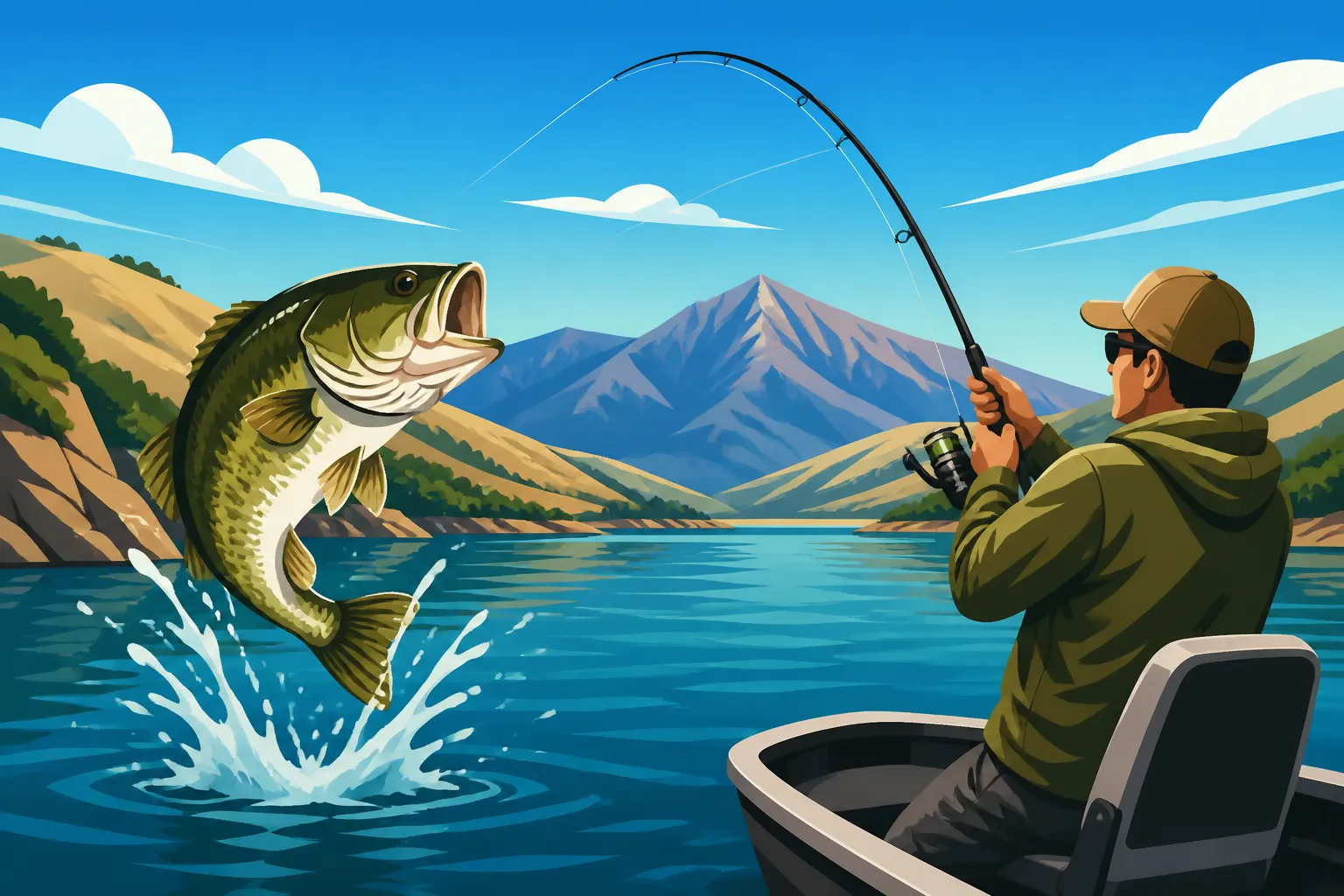
For many anglers at Lucky Peak, the smallmouth bass is the undeniable star of the show. These feisty, hard-fighting fish are abundant throughout the reservoir, particularly in the warmer months. Smallmouth are known for their aggressive strikes and acrobatic jumps, making them a blast to catch on light to medium tackle. They thrive in Lucky Peak's rocky shorelines, submerged ledges, and transition areas where rocks meet gravel or sand. When you feel that distinctive thump on your line and then a determined tug, you know you're in for a good fight.
Identifying prime smallmouth habitat is key. Look for areas with broken rock, riprap along the dam, and points that extend into the main channel. These areas provide both cover from predators and ambush points for baitfish, which smallmouth absolutely love to chase. The coves, especially those with some weed growth or submerged timber when water levels are high, can also hold good numbers of bass. Anglers often target them from boats, casting towards shorelines, but bank anglers can also find success, particularly in the many accessible spots around the reservoir. If you're keen to learn more about targeting these aggressive fish, our guide on Idaho Smallmouth Bass Fishing has even more detailed tips.
Chasing Stocked Rainbow Trout
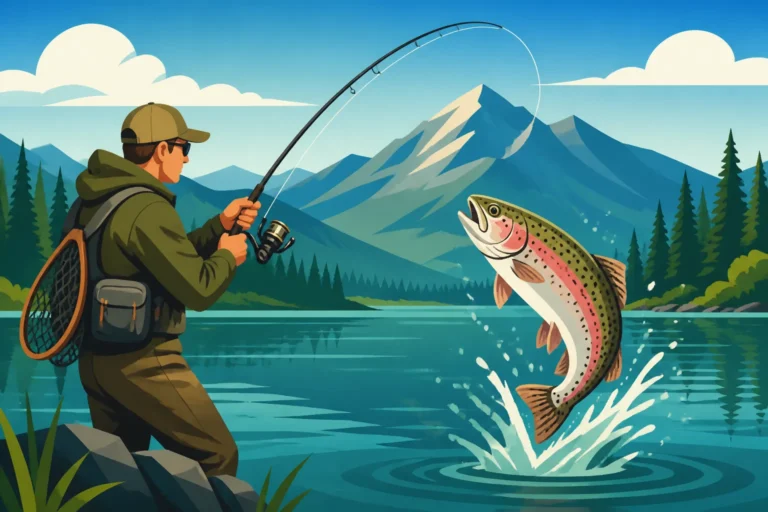
Lucky Peak Reservoir is a consistent producer of rainbow trout, thanks to regular stocking efforts by the Idaho Department of Fish and Game. These stockings ensure a healthy population, providing fantastic opportunities for anglers of all skill levels. While not always the biggest, these trout offer reliable action and can be caught using a variety of methods, making them an excellent target for family outings or those just looking to bend a rod.
Rainbow trout in Lucky Peak tend to cruise the open waters and shallower coves, especially during the cooler parts of the year or in the mornings and evenings during summer. They are often found near the surface or suspended at various depths, feeding on insects, plankton, and smaller baitfish. Identifying where the trout are holding often involves a bit of exploration, but popular areas include the main body of the reservoir and near inflow points where cooler, oxygenated water enters. Shore anglers have particularly good luck at places like Sandy Point and Spring Shores, especially after a recent stocking. You can learn all about these colorful fighters in our comprehensive Idaho Rainbow Trout Fishing Guide.
The Dance with Kokanee Salmon
Ah, the Kokanee salmon. These landlocked sockeye are a true Idaho treasure, and Lucky Peak offers a respectable fishery for them, though they can be a bit more elusive than the bass or trout. Kokanee are renowned for their delicate bites and superb table fare, and many dedicated anglers specifically target them. They prefer cooler, deeper water and often suspend in schools in the main basin of the reservoir. Catching Kokanee often requires specific techniques and a good understanding of their seasonal movements.
During the warmer months, Kokanee will retreat to the cooler, deeper sections of the reservoir, often suspending at specific depths where the water temperature and oxygen levels are ideal. As fall approaches, they begin their spawning ritual, moving into shallower areas and sometimes even into the lower reaches of the Boise River, though fishing for them during this sensitive time can be restricted. Anglers targeting Kokanee will need specialized gear, and patience is definitely a virtue. If you're ready to dive deep into these silver beauties, check out our Idaho Kokanee Fishing Guide for detailed tactics and strategies.
Other Species You Might Encounter
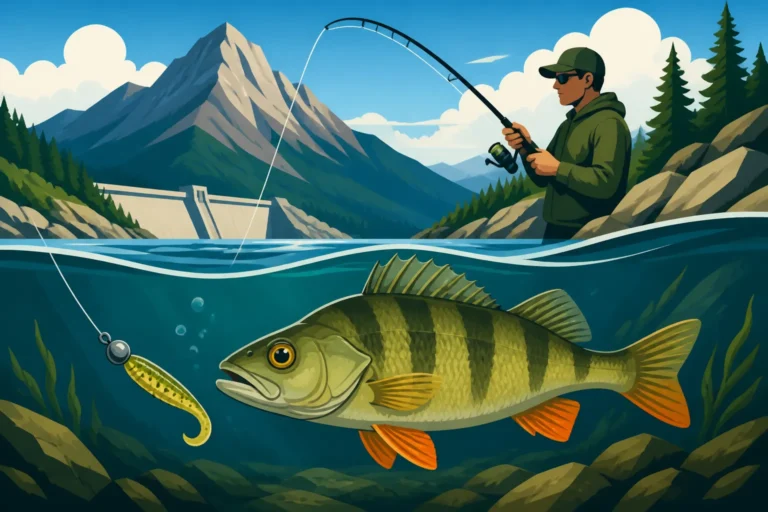
While smallmouth bass, rainbow trout, and Kokanee salmon are the primary draws, Lucky Peak Reservoir is also home to a variety of other fish species that can add an exciting surprise to your catch. Yellow perch and bluegill are common panfish found throughout the reservoir, particularly in shallower, vegetated areas and around submerged structures. These smaller fish are fantastic targets for kids or anyone looking for consistent action on lighter tackle.
Occasionally, anglers might even stumble upon a stray bull trout, though these protected native fish must be immediately released unharmed. It's crucial to know how to identify these species and understand the strict regulations surrounding them to ensure their conservation. Furthermore, the presence of these diverse species speaks to the overall health and productivity of the Lucky Peak ecosystem, offering a broader experience for those willing to explore beyond the main targets. This mix ensures that even on a slow day for one species, there's always a chance to hook into something else.
Unlocking Fishing Success: Techniques and Timings
Successfully fishing Lucky Peak Reservoir isn't just about knowing what fish are there; it's about understanding when and how to target them effectively. The reservoir's dynamic nature means that techniques and locations can shift dramatically with the seasons and even the time of day. Being prepared with the right approach will significantly boost your chances of a memorable day on the water.
Seasonal Strategies for Each Species
Fishing at Lucky Peak is a year-round affair, but what you target and how you do it changes with the seasons.
- Spring (March-May): As ice melts and water temperatures rise, fish become more active. Smallmouth bass move into shallower coves and rocky areas to feed aggressively before their spawn, making them a prime target. Rainbow trout are also very active, often near the surface, especially after recent stockings. This is a fantastic time for both bank and boat anglers.
- Summer (June-August): This is peak recreation season, but the fishing remains strong. Smallmouth bass can be found deeper during the heat of the day, congregating around submerged structures and drop-offs. Early mornings and late evenings are still great for shallower action. Kokanee salmon are typically in the cooler, deeper parts of the main reservoir, requiring trolling with downriggers. Trout can also be found deeper, or in areas with cooler inflows. Don't miss our article on Summer Fishing in Idaho for more tips on hot-weather angling.
- Fall (September-November): Many consider fall to be one of the best times to fish Lucky Peak. Water temperatures begin to cool, and all species go on a feeding frenzy in preparation for winter. Smallmouth bass return to shallower areas, often in large schools, providing incredible action. Kokanee begin their pre-spawn movements, becoming more accessible, though specific regulations apply. Rainbow trout are voracious and can be caught almost anywhere.
- Winter (December-February): While the reservoir doesn't typically freeze over completely, ice fishing is possible in some calmer coves if conditions allow. Otherwise, open-water fishing can still be productive, especially for rainbow trout which remain active. Smallmouth bass will be lethargic and hunkered down in deeper areas, requiring slower presentations. This is definitely a time for patience and precision.
Understanding these seasonal shifts in fish behavior is paramount. What works in May will likely not work in August, and vice-versa. Always check the latest Idaho Fishing Season Dates and Limits before you head out, as these can change.
Recommended Baits, Lures, and Flies
Having the right tackle in your box can make all the difference. Lucky Peak's diverse species respond to a wide array of offerings.
- For Smallmouth Bass: Crankbaits, jerkbaits, spinnerbaits, and swimbaits are excellent for covering water and triggering aggressive strikes. Soft plastics, such as tubes, grubs, and creature baits, rigged on jig heads or Texas-rigged, are deadly when fished slowly along the bottom or through rocky cover. Topwater lures can provide exhilarating action during low-light conditions.
- For Rainbow Trout: PowerBait, worms, and corn are classic and effective baits when still fishing from the bank or a boat. For lure fishing, small inline spinners (like Mepps or Rooster Tail), spoons, and small crankbaits work well. Fly anglers can find success with nymphs, wet flies, and streamers, especially near inflows or during insect hatches.
- For Kokanee Salmon: These finicky eaters require a more specialized approach. Small, bright hootchies or wedding rings tipped with corn, trolled behind dodgers or flashers, are standard. Downriggers are essential for presenting these offerings at the precise depth where the Kokanee are schooling. Scent is also incredibly important for Kokanee; many anglers use Anise or garlic scents on their corn.
For a comprehensive breakdown of what to tie on, you'll want to check out our guide on the Best Bait and Lures for Idaho Fishing. Remember, what's working one day might not the next, so always be prepared to experiment with different presentations and colors.
Effective Fishing Methods for Lucky Peak
How you present your bait or lure is just as important as what you're using. Lucky Peak offers various fishing scenarios, each benefiting from specific techniques.
- Trolling: This is a highly effective method for covering large expanses of water, especially when targeting Kokanee salmon and rainbow trout. For Kokanee, trolling at slow speeds (usually 1.0-1.5 mph) with downriggers to reach specific depths is crucial. You'll want to use dodgers or flashers paired with hootchies or wedding rings. For trout, trolling with small spoons, spinners, or crankbaits without downriggers can also be very productive, especially early in the season. Learning proper Idaho Trolling Techniques Guide can seriously up your game.
- Jigging: Jigging is a versatile technique that works well for suspended fish like Kokanee or for probing submerged structures for smallmouth bass. For Kokanee, small leadhead jigs tipped with corn or specialized Kokanee jigs can be effective when you locate schools on your fish finder. For bass, vertically jigging spoons or soft plastic jigs near rocky drop-offs and ledges can entice strikes from deeper-holding fish.
- Casting from Shore: Lucky Peak offers excellent shoreline access, particularly at recreational areas like Sandy Point and Spring Shores. This method is popular for rainbow trout, using PowerBait or worms on a slip-sinker rig, cast out and allowed to sit on the bottom. Smallmouth bass can also be targeted by casting crankbaits, spinnerbaits, or soft plastics along rocky banks and points.
- Boat Fishing: Whether you're in a bass boat, a pontoon, or a kayak, having a boat opens up vast areas of Lucky Peak. This allows you to reach remote coves, offshore structures, and the deeper main channel where fish often congregate. Boat anglers can employ all the techniques mentioned above, from trolling for Kokanee in the middle of the reservoir to casting for smallmouth bass along rocky bluffs. Using a fish finder is a huge advantage for locating structure and schools of fish.
Accessing the Reservoir and Local Resources
Knowing where to go and what's available nearby can make your Lucky Peak fishing trip much smoother and more enjoyable. From boat ramps to bait shops, having this information at your fingertips saves you precious fishing time.
Public Access Points and Boat Ramps
Lucky Peak Reservoir is well-equipped with several excellent public access points, catering to both boaters and shore anglers. The ease of access is definitely one of its major draws, especially being so close to a metropolitan area.
- Spring Shores Marina (Idaho State Park): This is arguably the most popular and well-developed access point on Lucky Peak. Located on the north side of the reservoir, Spring Shores offers multiple paved boat ramps, ample parking, and a marina with fuel, a store, and rentals. It's an excellent launch point for any type of fishing, and the surrounding shoreline provides good bank fishing opportunities, especially for trout after stockings. It's also a great spot for families, with picnic areas and restrooms.
- Turner Gulch Recreation Site: Situated further east from Spring Shores, Turner Gulch offers another excellent boat ramp and a quieter experience. While it has fewer amenities than Spring Shores, it's a solid choice for launching a boat and accessing the eastern portions of the reservoir. The surrounding area also provides decent shoreline access for those without a boat.
- Sandy Point Beach & Park: Located on the western end of the reservoir, near the dam, Sandy Point is primarily known as a popular beach and day-use area. However, it also offers good bank fishing, particularly for rainbow trout. While there's no dedicated boat ramp here, smaller craft like kayaks or float tubes can be launched from the shore. It's a fantastic spot for a quick fishing trip or for anglers with kids due to its easy access and facilities.
- Mores Creek Arm: For those looking for a slightly different experience, the Mores Creek arm of the reservoir (accessible via Highway 21) can offer unique fishing opportunities, particularly in spring. Access here might be less developed, but it's worth exploring, especially if you're targeting fish influenced by the creek's inflow.
Always be mindful of water levels, as they can impact the usability of some ramps, especially during significant drawdowns. Checking current conditions before you head out is always a good idea.
Essential Amenities and Services Nearby
Even though Lucky Peak feels like a wilderness escape, it's close enough to Boise to benefit from a wealth of nearby amenities and services that can enhance your fishing trip. You won't be stranded without bait or a snack here.
- Bait and Tackle Shops: Before you even hit the water, you'll want to swing by one of the local sporting goods stores in Boise or the surrounding areas. Places like Cabela's or local shops often carry a good selection of Lucky Peak-specific baits, lures, and tackle. They can also provide up-to-the-minute fishing reports and local advice, which is invaluable. For example, if you need PowerBait for trout or specific soft plastics for smallmouth, these stores will have you covered.
- Fuel and Food: Both Spring Shores Marina and nearby communities along Highway 21 offer options for fuel, snacks, and even sit-down meals. You don't have to pack a massive cooler for a full day if you prefer to grab lunch on the go. Having access to these conveniences means you can spend more time fishing and less time worrying about logistics.
- Boat Rentals and Services: If you don't own a boat but want to experience Lucky Peak from the water, Spring Shores Marina offers boat rentals, including pontoon boats, which are great for family fishing trips. Additionally, if you encounter any unexpected issues with your own vessel, there are marine services available in the Boise area.
- Guided Fishing Trips: While many enjoy DIY fishing at Lucky Peak, if you're new to the area or want to learn the ropes from an expert, consider booking a guided trip. Guides specializing in Lucky Peak can dramatically shorten the learning curve and put you on fish quickly. Platforms like FishingBooker can connect you with experienced local guides who know the reservoir intimately and can teach you the best techniques for catching its various species. They often provide all the necessary gear and expertise, making for a hassle-free and educational experience.
Navigating Idaho's Regulations for Lucky Peak
Fishing in Idaho comes with a set of rules and regulations designed to protect our fisheries and ensure sustainable angling for generations to come. It’s absolutely essential to be familiar with these guidelines, especially when fishing a popular spot like Lucky Peak. Ignoring them can lead to hefty fines and impact the fish populations we all love.
Understanding Your Fishing License Requirements
First things first: you need a valid fishing license to cast a line in Lucky Peak, just like almost any other public water body in Idaho. This isn't just a formality; it's how Idaho Fish and Game funds vital conservation efforts, fish stocking programs, and habitat restoration.
- Who Needs One: Generally, anyone 14 years or older needs an Idaho fishing license. If you're a resident, you'll pay a different rate than a nonresident, and there are specific licenses available for seniors and youth. You can find detailed information on obtaining your permit in our Idaho Fishing License Guide. Don't forget that if you're planning on fishing for specific species like Steelhead or Salmon, you'll need additional permits or tags, even if they aren't common in Lucky Peak. Always confirm your age and residency status when purchasing.
- Where to Buy: Getting a license is easy. You can purchase one online through the Idaho Fish and Game website, at numerous sporting goods stores (like Cabela's or local tackle shops), or from any Idaho Fish and Game office. Our guide on Where to Buy an Idaho Fishing License can point you to the closest vendor.
- Validity Period: Annual licenses typically run from January 1st to December 31st. However, if you're just visiting for a short trip, daily or multi-day licenses are available. Be sure to understand the full Idaho Fishing License Validity Period to avoid any surprises.
Failing to have a proper license can result in significant penalties, so it's always worth double-checking that yours is current before heading out. Think of it as your passport to Idaho's incredible fishing opportunities. You can even check out our Idaho Fishing License Cost Guide to plan your budget accordingly.
Species-Specific Rules and Bag Limits
Beyond the general license, Idaho Fish and Game sets specific rules for different species and even different bodies of water. Lucky Peak Reservoir has its own unique set of guidelines, which are primarily aimed at managing the populations of smallmouth bass, rainbow trout, and kokanee salmon. These rules can dictate minimum size, daily bag limits, and even tackle restrictions.
- Rainbow Trout: While generally abundant due to stocking, Lucky Peak often has a daily bag limit for rainbow trout. This limit helps ensure that enough fish remain for other anglers and for the ecosystem. You'll typically find a certain number per day and a possession limit that refers to the maximum number you can have in your cooler or at home.
- Smallmouth Bass: These aggressive fighters usually have a daily bag limit as well. Sometimes, there might be a slot limit, meaning you can only keep fish within a certain size range, or specific rules about releasing larger fish to protect breeding stock. This ensures the ongoing health of the bass population.
- Kokanee Salmon: Kokanee often have very specific bag limits, which can be quite generous at times due to their life cycle, but always double-check. Given their tendency to school and their susceptibility to overfishing, these limits are crucial.
- General Regulations: Always consult the current Idaho Fishing Regulations Explained brochure or the Idaho Fish and Game website. This annual publication is your ultimate source for all rules, including those specific to Lucky Peak. It details everything from the number of rods you can use to rules about live bait, foul-hooking, and protected species like bull trout. Our Idaho Catch Limits and Bag Limits Explained guide can provide more context on these regulations.
Regulations can change year to year, so relying on old information is a common mistake. A quick look at the Idaho Fish and Game website before your trip is a good habit to adopt.
Responsible Angling and Conservation Practices
Being a responsible angler goes beyond simply following the rules; it means actively contributing to the health of the fishery and the environment. Lucky Peak is a precious resource, and its continued quality depends on all of us.
- Catch and Release: For many species, especially smallmouth bass, practicing catch and release is vital for maintaining healthy populations, particularly for larger, breeding-size fish. Learn proper handling techniques to minimize stress on the fish. Wet your hands before touching, support the fish horizontally, and use needle-nose pliers or hemostats to quickly remove hooks. Our information on Idaho Catch-and-Release Sturgeon Rules highlights just how important responsible release is for vulnerable species.
- Respect the Environment: Pack out everything you pack in. This includes fishing line, lure packaging, and any trash. Litter not only degrades the natural beauty of Lucky Peak but can also harm wildlife. Be mindful of fragile shoreline vegetation and avoid disturbing nesting birds or other animals.
- Know Your Fish: Be able to accurately identify the species you catch. This is particularly important for differentiating between legal and protected fish or for adhering to species-specific bag limits. If you're unsure, it's always best to release the fish unharmed.
- Report Violations: If you witness any poaching or illegal fishing activities, report them to Idaho Fish and Game. These actions threaten the resources we all share and enjoy.
By embracing these responsible angling practices, you help ensure that Lucky Peak Reservoir remains a vibrant and productive fishery for everyone, now and in the future.
Disclaimer
The information provided in this guide is for general informational purposes only and is subject to change. Fishing regulations, season dates, and access points can vary. Always consult the latest official Idaho Department of Fish and Game regulations and local advisories before planning your fishing trip to Lucky Peak Reservoir. Fishing involves inherent risks; please exercise caution and ensure your safety on and near the water.