Do You Need a License to Fish for Sturgeon in Idaho?
It can feel a bit overwhelming trying to figure out all the specific rules and requirements for fishing in a state like Idaho, especially when you're targeting a magnificent, unique species like the sturgeon. You're probably wondering if there are special hoops to jump through, beyond just a standard fishing license, just to get a line in the water for these incredible fish. This guide will walk you through exactly what you need to know about licensing for sturgeon fishing in Idaho, making sure you're fully prepared and compliant.
Understanding Idaho's Fishing License Requirements
Navigating fishing regulations can sometimes feel like deciphering ancient texts, but when it comes to the basics of casting a line in Idaho, there's a pretty straightforward rule that applies across the board.
The General Rule for Anglers
Let's cut right to the chase: almost anyone who wants to fish in Idaho needs a valid fishing license. This isn't just a suggestion; it's a legal requirement enforced by the Idaho Department of Fish and Game (IDFG). Generally, if you're 14 years old or older, you're expected to have that license in your possession whenever you're out on the water, whether you're dangling a worm for trout in a small pond or casting for bass on a big reservoir. There are a few rare exceptions, like Idaho's annual Free Fishing Day, when the state waives the license requirement for a day to encourage new anglers, or if you're fishing strictly on private property that you own and isn't connected to public waters. But for the vast majority of angling adventures, that little piece of paper (or digital proof) is your golden ticket. For a complete rundown, our comprehensive Idaho Fishing License Guide is an invaluable resource.
Specifics for Sturgeon Fishing
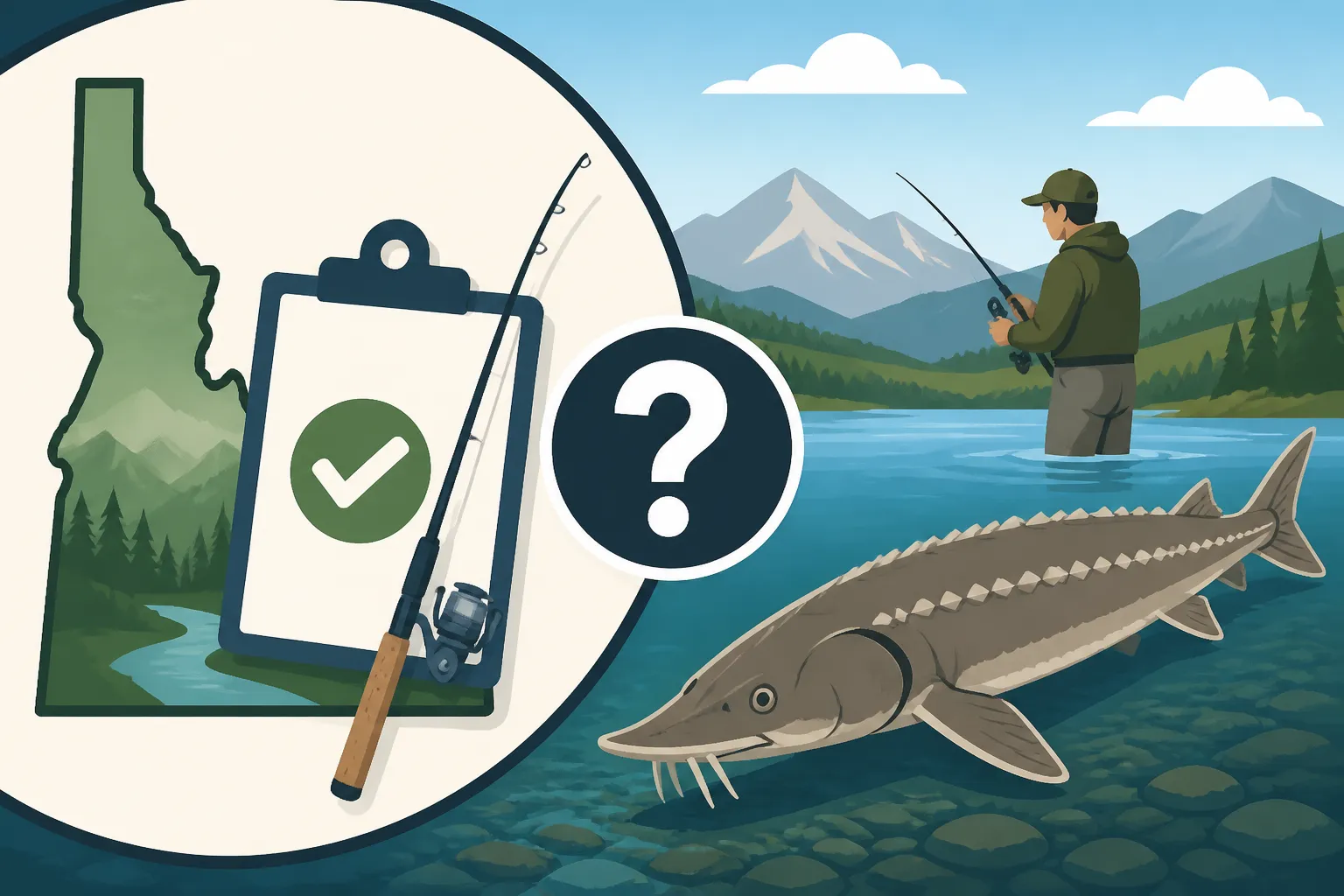
Now, when we talk about fishing for something as iconic and majestic as sturgeon in Idaho, the general rule not only applies, it becomes even more critical. Yes, absolutely, you need a valid Idaho fishing license to target sturgeon. Unlike some other highly sought-after species, such as salmon and steelhead, you don't typically need a separate special permit or tag in addition to your general fishing license specifically for sturgeon. Your regular annual or short-term Idaho fishing license covers you for sturgeon, provided you adhere to all other species-specific rules. The reason for this strict requirement, even without an additional permit, ties directly into the intense conservation efforts surrounding these ancient fish. Every license purchased contributes directly to the vital work of monitoring, protecting, and managing Idaho's sturgeon populations, ensuring these giants can continue to thrive for future generations.
Why Sturgeon Fishing is Different: A Focus on Conservation
Sturgeon fishing in Idaho isn't just another day on the water; it's an experience wrapped in deep conservation ethics, primarily because of the unique and often precarious status of these incredible fish.
The Unique Status of Idaho's Sturgeon Population
Idaho is home to the White Sturgeon, one of the largest freshwater fish in North America, and they are truly a marvel. These fish can live for over 100 years and grow to immense sizes, often exceeding 10 feet in length and hundreds of pounds. However, their slow growth and late maturity make them incredibly vulnerable to overfishing and habitat degradation. In many stretches of Idaho's iconic rivers, particularly the Snake River, White Sturgeon populations have faced significant declines in the past, leading to their classification as a protected species. This isn't just a local concern; it's part of a broader effort to preserve a species that has been around since the dinosaurs. Because of this, almost all sturgeon fishing in Idaho is strictly catch-and-release, meaning you can enjoy the thrill of the fight, marvel at their size, and then safely return them to the water. This commitment to conservation also necessitates specific gear requirements, such as the mandatory use of Idaho Barbless Hook Requirements to minimize harm.
How Your License Supports Sturgeon Management
Every dollar spent on an Idaho fishing license plays a crucial role in the ongoing conservation and management of sturgeon, as well as all other fish species in the state. The funds generated from license sales go directly to the Idaho Department of Fish and Game. These funds aren't just squirreled away; they are actively put to work. This includes funding critical research into sturgeon spawning habits, migration patterns, and population health. IDFG biologists conduct surveys, tagging programs, and habitat restoration projects aimed at improving conditions for sturgeon, particularly in key areas of the Snake River. Your license fees also support the enforcement of fishing regulations by game wardens, ensuring that rules like catch-and-release and barbless hooks are followed, protecting these vulnerable fish from illegal harvest or improper handling. In essence, your license isn't just a permit; it's a direct investment in the future of Idaho's incredible sturgeon fishery, making responsible angling possible. You can learn more about specific rules in our article on Idaho Sturgeon Fishing Rules.
Getting Your Idaho Fishing License for Sturgeon Fishing
Securing your Idaho fishing license is a straightforward process, designed to be accessible to both residents and visitors alike. Understanding your options and where to go makes it even easier.
Types of Licenses Available
Idaho offers a variety of fishing licenses to suit different needs, whether you're a lifelong resident or just visiting for a quick fishing trip. For Idaho residents, the most common choice is the Resident Annual Fishing License. This license covers you for a full calendar year and is generally the most cost-effective option if you plan to fish more than a few days out of the year. Our Idaho Resident Fishing License Guide details all you need to know.
If you're an out-of-state angler, you'll need an Idaho Nonresident Fishing License. Nonresidents also have the flexibility of choosing between an annual license or shorter-term options like a 1-day, 3-day, or 10-day license. These short-term licenses are perfect if you're just passing through or planning a specific weekend trip to target sturgeon. While a standard fishing license covers sturgeon, remember that species like salmon and steelhead do require additional permits, so always double-check if your trip plans include those species. For a breakdown of costs, check out our Idaho Fishing License Cost Guide.
Where and How to Purchase
The great news is that buying an Idaho fishing license is incredibly convenient, offering a few different avenues to get you geared up for your sturgeon adventure.
- Online: The easiest and often quickest way to get your license is through the Idaho Department of Fish and Game's official website. You can purchase your license from the comfort of your home, print it out immediately, or save a digital copy on your phone. This is particularly handy for planning a trip in advance or if you suddenly decide to hit the water on a whim. The online portal is user-friendly, guiding you through the selection of license types, adding any necessary permits for other species you might target, and processing payment securely. We've got a detailed guide on How to Buy an Idaho Fishing License to walk you through it.
- Licensed Vendors: If you prefer a more traditional approach or need to pick up some last-minute bait and tackle, you can purchase your license from hundreds of licensed vendors across the state. These include most sporting goods stores, outdoor retailers like Cabela's, and even many convenience stores and tackle shops. Just look for the Idaho Fish and Game logo, or simply ask at the counter. The staff at these locations are often knowledgeable about local regulations and can help you ensure you're getting the correct license for your planned activities. This method also provides an opportunity to support local businesses while getting your fishing needs met.
No matter which method you choose, always make sure to have proof of your license on your person (physical printout or digital copy) when you're fishing. It's a simple step that saves you a lot of potential headaches.
Consequences of Fishing for Sturgeon Without a License
It's tempting to think you might slip under the radar, especially if you're just "testing the waters," but fishing without a proper license in Idaho, particularly for a protected species like sturgeon, comes with very real and often severe repercussions. It's not just a minor slap on the wrist.
Legal Repercussions and Penalties
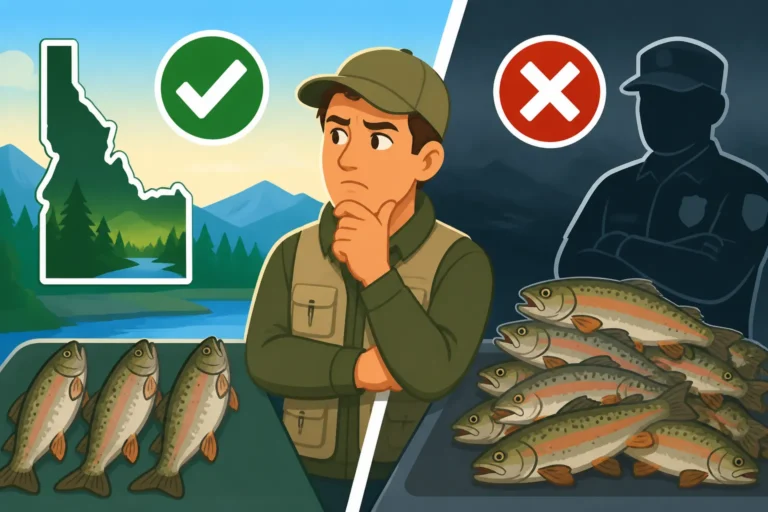
Idaho Fish and Game takes wildlife enforcement very seriously, and game wardens are dedicated to protecting the state's natural resources. If you're caught fishing for sturgeon without a valid license, you're looking at more than just a stern talking-to. The most immediate consequence will likely be a substantial fine, which can range from hundreds to even thousands of dollars, depending on the specifics of the violation and any prior offenses. But it doesn't stop there. Game wardens also have the authority to confiscate your fishing gear, including rods, reels, and even your boat, especially if the violation is severe or repeat. Beyond the monetary and material losses, you could face the suspension or complete loss of your fishing privileges in Idaho, and potentially in other states through interstate compacts. Imagine being barred from enjoying the very activity you love, all because you skipped a simple, relatively inexpensive step. The article What Happens If You Fish in Idaho Without a License? delves deeper into these consequences.
Ethical Considerations and Impact
Beyond the legal penalties, there's a significant ethical dimension to fishing without a license, especially when it comes to sturgeon. These aren't just any fish; they are a vital part of Idaho's ecological heritage and have required extensive conservation efforts to recover. When you fish without a license, you're not contributing to the funds that directly support those conservation programs – the research, habitat restoration, and enforcement that keep sturgeon populations healthy. You're essentially freeloading on the efforts of countless responsible anglers who do buy their licenses and follow the rules.
Moreover, ignoring regulations undermines the very principle of sustainable angling. It sends a message that the rules don't apply to everyone, which can encourage others to disregard them, ultimately jeopardizing the health and future of the fishery. Responsible angling means understanding and respecting the rules, not just to avoid penalties, but because it's the right thing to do for the fish, the environment, and the angling community as a whole. Every legal catch-and-release sturgeon encounter is a testament to successful conservation, and your license is a small but powerful part of that success.
Beyond the License: Essential Sturgeon Fishing Regulations
While securing your Idaho fishing license is the first crucial step, catching a sturgeon involves a whole set of unique regulations that go hand-in-hand with conservation, ensuring these majestic fish are protected. Ignoring these rules, even with a valid license, can lead to serious trouble.
Catch-and-Release Rules
Perhaps the most critical regulation for sturgeon fishing in Idaho is the overwhelming emphasis on catch-and-release. In most Idaho waters where sturgeon fishing is allowed, it is strictly catch-and-release only. This isn't just a suggestion; it's a legal mandate designed to protect a species that is often endangered or threatened. This means that after you've landed one of these incredible fish, admired its ancient beauty, and perhaps snapped a quick photo, you must release it back into the water unharmed as quickly and safely as possible.
A key part of this rule is the strict prohibition against removing a sturgeon from the water. Even for a photo, lifting a large sturgeon out of the water can cause severe internal injuries dueence to their immense weight and delicate skeletal structure, particularly impacting their organs. Instead, keep the fish submerged or partially submerged in the water, supporting its body properly, for any photos or measurement. The goal is to minimize stress and maximize its chances of survival after release. Our guide, Why Sturgeon Fishing on the Snake River Is Catch and Release Only, offers deeper insight into this vital practice.
Gear Restrictions and Best Practices
To further ensure the well-being of sturgeon, Idaho Fish and Game has specific gear restrictions in place, particularly concerning hooks.
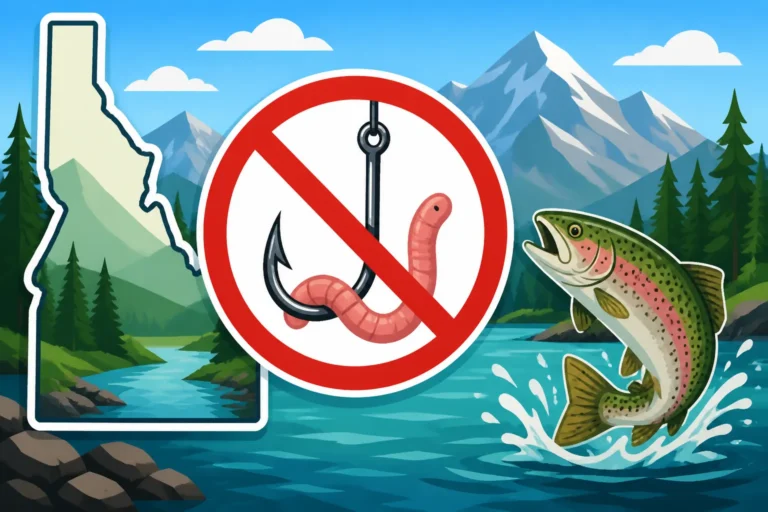
- Barbless Hooks are Mandatory: For sturgeon, barbless hooks are not optional; they are a requirement. The reason is simple: barbless hooks cause less damage to the fish's mouth and are much easier to remove, greatly reducing handling time and injury during the release process. Many anglers opt for large, sturdy circle hooks, which tend to hook fish in the corner of the mouth, making for an even safer release. You can find a wide selection of appropriate barbless hooks and heavy-duty gear on platforms like Amazon, ensuring you're ready for the fight and safe release.
- Heavy Tackle is Essential: While not a "restriction" in the same way as barbless hooks, using appropriately heavy tackle (rods, reels, and line) for sturgeon is a critical best practice. These fish are incredibly powerful, and under-gunning can lead to prolonged fight times, exhausting the fish and diminishing its chances of survival after release. A stout rod, a robust reel with a strong drag system, and heavy monofilament or braided line are indispensable. You want to bring the fish in relatively quickly but without horse-playing it, allowing for a swift and healthy release.
- Proper Handling Techniques: Beyond the gear, how you handle the fish is paramount. When a sturgeon comes to the boat or shore, be prepared with appropriate tools like large, soft-mesh landing nets or a cradle, if necessary, and de-hooking tools. Avoid dragging them onto rough surfaces. Always support the fish horizontally, especially large ones, if you absolutely must briefly adjust them. Never hold them vertically by the tail or gills. Minimize air exposure, and ensure they are revived properly before letting them swim off under their own power.
Adhering to these regulations and best practices isn't just about avoiding a fine; it's about respecting these incredible creatures and participating in a truly sustainable fishing experience. Always consult the current Idaho Fishing Regulations Explained brochure before heading out, as rules can change.
Key Idaho Sturgeon Fishing Regulations Summary
To make things a little clearer, here's a quick overview of the essential rules for sturgeon fishing in Idaho:
| Regulation Aspect | Requirement | Purpose |
|---|---|---|
| Fishing License | Mandatory for all anglers 14+ | Funds conservation & management |
| Additional Permit | Not typically required for sturgeon (unlike salmon/steelhead) | General license covers sturgeon |
| Catch Type | Strictly Catch-and-Release Only (in most waters) | Protects vulnerable populations |
| Fish Handling | Must remain in water; no removal from water allowed (for photos, etc.) | Prevents internal injury & stress |
| Hook Type | Barbless Hooks are Mandatory | Minimizes injury and aids quick release |
| Tackle Strength | Heavy tackle (rods, reels, line) highly recommended | Reduces fight time, minimizes fish exhaustion |
| Reporting | No catch card needed for sturgeon (unlike salmon/steelhead) | IDFG monitors populations through other methods |
| Seasons | General fishing season applies, but always check for special closures/sections | Ensures protection during spawning or sensitive periods |
Disclaimer
Please remember that fishing regulations, including those for sturgeon, can change. It is always your responsibility to consult the latest Idaho Fishing Regulations and Proclamations published by the Idaho Department of Fish and Game (IDFG) before you head out on your fishing trip. This guide provides general information and should not be considered a substitute for official legal documents.