What Happens If You Fish in Idaho Without a License?
We've all been there: standing on the bank of a beautiful Idaho river, maybe you're on vacation, maybe you're just out for a quick evening, and the thought crosses your mind, "Do I really need a license for just a few casts?" Or perhaps you simply forgot to renew. It's easy to underestimate the importance of that little piece of paper, but fishing without a valid license in Idaho can lead to a whole cascade of frustrating, costly, and long-lasting problems that far outweigh the convenience of skipping it. This guide will walk you through exactly what happens if you're caught fishing without proper authorization in the Gem State, so you can avoid those unwelcome surprises.
The Immediate Sting: On-the-Spot Consequences
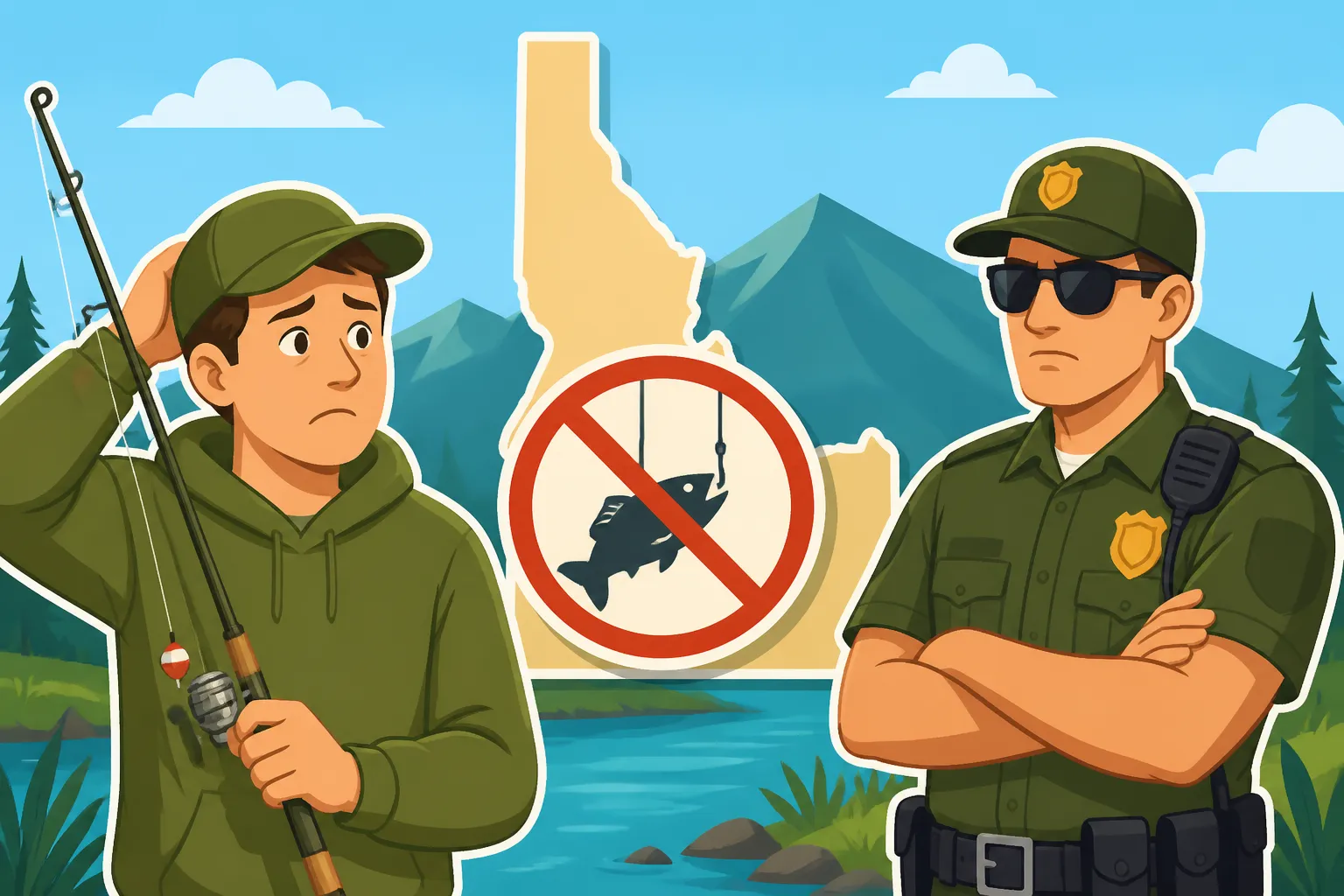
When an Idaho Fish and Game (IDFG) conservation officer spots you fishing, one of the first things they'll do is ask for your fishing license. If you can't produce a valid one, whether it's because you never bought one, it expired, or you simply left it at home, you're immediately facing a violation. These aren't just minor inconveniences; they come with real, tangible repercussions right there on the water.
Fines and Citations that Add Up Quickly
The most common immediate consequence is a citation, essentially a ticket for breaking the law. The fine for fishing without a license in Idaho can vary depending on the specifics of the situation, including whether it's your first offense, if you were also violating other regulations (like exceeding catch limits), and the discretion of the officer and the court. Generally, you can expect a base fine that’s significantly higher than the cost of an actual license. For instance, a basic Idaho Resident Annual Fishing License might cost around $30.75 (as detailed in our Idaho Resident Annual Fishing License guide), but the fine for fishing without one could easily be $150, $200, or more, plus court fees and surcharges.
Imagine you're enjoying a peaceful morning on Lake Coeur d'Alene, just casting for kokanee, and suddenly, an officer is asking for your license. If you forgot yours or simply didn't bother, that serene morning could quickly turn into a headache. The financial hit alone can be jarring, a stark reminder that the state takes its regulations seriously. It's not just the sticker price of the fine; it's the time lost, the frustration, and the feeling of being caught off guard. These fines are designed to deter illegal fishing, and they certainly do a good job of that.
Potential Equipment Seizure and Loss
Here's where it can get really painful for an angler: the risk of having your fishing equipment confiscated. While not every instance of fishing without a license results in seizure, it's absolutely within the rights of an IDFG officer, especially if the violation is severe, repeated, or combined with other illegal activities. This means your prized fishing rod, that expensive reel you just bought, or even your tackle box full of custom lures could be taken as evidence.
Consider the scenario: you've invested hundreds, maybe thousands, in your gear – a high-end fly rod, a boat with a fish finder, or specialized trolling equipment. If you're caught without a license, particularly if you're engaging in activities like illegal harvest or fishing in closed waters, that gear could be seized. Recovering it might involve court proceedings, additional fines, or it might not be returned at all. Losing your favorite rod and reel because you decided to chance it with no license is a truly heartbreaking and completely avoidable situation. It's a real consequence that adds insult to injury, making a cheap, missing license feel like an incredibly costly oversight.
The Lingering Legal Repercussions: Beyond the Initial Encounter
The immediate consequences like fines and potential equipment seizure are just the beginning. Fishing without a license in Idaho can lead to longer-term legal and administrative headaches that can impact your ability to enjoy the outdoors for years to come.
Suspension of Fishing Privileges
One of the most significant long-term consequences is the suspension of your fishing privileges. Depending on the severity of the offense and whether you have a history of violations, the Idaho Fish and Game Commission can revoke your ability to purchase an Idaho Fishing License Guide for a specified period. This isn't just a slap on the wrist; it means you're officially barred from participating in fishing activities anywhere in the state, even if you decide to buy a license later.
Imagine planning that dream steelhead trip to the Clearwater River, only to find you can't legally buy the required Idaho Salmon and Steelhead Permit because of a past infraction. These suspensions can range from a few months to several years, effectively sidelining you from a beloved pastime. For those who live and breathe fishing, this can feel like an eternity. It’s a powerful deterrent, ensuring that those who disregard the rules face substantial consequences that cut to the very core of their outdoor enjoyment. This suspension might also extend to other states through interstate compacts, meaning your Idaho violation could impact your ability to fish elsewhere too.
Criminal Record and Its Implications
While fishing without a license is typically considered a misdemeanor, having it on your record can carry unexpected implications. A misdemeanor charge, even for something seemingly minor, is still a criminal offense. This can show up on background checks, which might impact future employment opportunities, housing applications, or even travel to some foreign countries.
It’s easy to dismiss a "fishing ticket" as no big deal, but the reality is that any criminal record can create complications down the road. Imagine trying to explain to a potential employer why you have a misdemeanor for fishing without a license. It might seem trivial to you, but to others, it can reflect a disregard for rules and regulations. This isn't just about paying a fine; it's about potentially impacting your professional and personal life in ways you might not have anticipated. Taking the time to understand the Idaho Fishing Regulations Explained and securing the necessary permits is a small price to pay to avoid such lasting issues.
Increased Future License Costs or Difficulty Obtaining One
If you are eventually allowed to purchase a fishing license again after a suspension, you might find that the process isn't as straightforward or as affordable as before. Some states impose additional fees or surcharges for individuals with prior violations. While Idaho doesn't have a universal system for this, repeat offenders or those with serious violations might face closer scrutiny, or certain privileges might be withheld.
Furthermore, if you've had your license revoked, it can make navigating the system more complicated when you try to get back into legal fishing. You might need to appeal decisions, prove you've learned from your mistake, or wait out lengthy probationary periods. This added layer of bureaucracy and potential extra costs underscore the importance of simply getting your license in the first place. You can easily find information on specific costs by looking at our Idaho Fishing License Cost Guide. Buying your license through the Idaho Fish and Game website or a licensed vendor, like many sporting goods stores, is designed to be simple and accessible, avoiding all these potential future hassles. Even finding a fishing regulation brochure and proclamation can be done easily, sometimes even online or through retailers like Amazon which often carries state-specific guides.
The Broader Impact: Ethical and Environmental Considerations
Beyond the personal legal and financial consequences, fishing without a license also has a wider ripple effect, impacting the very resources and community that passionate anglers cherish. These aren't just arbitrary rules; they exist for important reasons that benefit everyone.
Undermining Conservation Efforts
Every dollar collected from fishing license sales in Idaho goes directly towards funding vital conservation and management programs. These funds support fish stocking efforts, habitat restoration projects, research into fish populations, enforcement of regulations, and public access improvements. When someone fishes without a license, they are essentially taking from the system without contributing to its sustainability.
Think about the incredible work the Idaho Department of Fish and Game does to ensure healthy populations of trout in the Henry's Fork or robust steelhead runs on the Salmon River. This work costs money. Without license fees, these programs would dwindle, leading to depleted fisheries, degraded habitats, and fewer opportunities for everyone. It's a collective responsibility, and those who shirk their duty are directly harming the resource they seek to enjoy. Ensuring you have an Idaho Resident Fishing License Guide or an Idaho Nonresident Fishing License Guide is more than just following a rule; it's an investment in the future of Idaho's fishing heritage.
Jeopardizing Healthy Fish Populations
Fishing regulations, including the requirement for a license, are carefully crafted to manage fish populations sustainably. They ensure that angling pressure doesn't exceed what the ecosystem can bear, preventing overfishing and protecting vulnerable species. Licensing allows IDFG to track angler numbers and estimate harvest rates, which are crucial data points for sound management decisions.
Without accurate data from license sales and adherence to regulations like Idaho Catch Limits and Bag Limits Explained, it becomes much harder to assess the health of a fishery. When individuals fish illegally, they not only take fish that haven't been accounted for in management plans but also fail to contribute to the financial mechanism designed to monitor and sustain those very populations. This unchecked harvesting, even by a few individuals, can accumulate and negatively impact the long-term health and abundance of cherished species, making it harder for everyone to enjoy quality fishing experiences.
Unfairness to Responsible Anglers
Perhaps less tangible but equally important is the sense of unfairness it creates among the angling community. The vast majority of Idaho's anglers diligently purchase their licenses, permits, and adhere to all the rules. They contribute their hard-earned money and time to ensure the sport remains vibrant and accessible for future generations. When others flout these rules, it's a direct insult to the integrity and commitment of those who do it right.
It fosters a feeling of resentment and a breakdown of community trust. Why should someone else get to enjoy the same resources without contributing their fair share? This ethical breach can erode the camaraderie that often defines the fishing community. It's a foundational principle: we all contribute to maintain the health and accessibility of the waters we love. Respect for the resource and fellow anglers is paramount, and fishing without a license directly undermines that respect. Even if you're just dipping a line on Idaho Free Fishing Day, it's important to know that specific rules still apply regarding species and catch limits, though the license itself is waived.
Staying Legal: Prevention and Rectification
The best way to avoid all these headaches is simple: always carry a valid Idaho fishing license and understand the regulations. But life happens, and sometimes mistakes occur. Here's how to prevent issues and what to do if you find yourself in a bind.
Always Secure Your License Before Heading Out
This might seem obvious, but it's the most crucial step. Before you even think about putting a line in the water, make sure you have a current, valid license. You can easily purchase an Idaho fishing license online purchase through the IDFG website, or visit a licensed vendor like a sporting goods store (Bass Pro Shops, Cabela's, Fred Meyer, or many local tackle shops across Idaho). Some state parks and general stores also sell them. Keep a digital copy on your phone and a physical copy in your tackle box or wallet. It’s a good idea to set a calendar reminder for when your annual license is due to expire. You can find detailed instructions in our guide on How to Buy an Idaho Fishing License. If you're considering a more comprehensive approach, perhaps check out the Idaho Combination Hunting and Fishing License for even broader outdoor access.
Check Regulations Frequently
Idaho’s fishing regulations can change, especially for specific waters or species. What was legal last year might not be this year. Always consult the most current Idaho Fishing Regulation Brochure and Proclamation, available on the IDFG website or at most license vendors. Pay close attention to season dates, bag limits, gear restrictions, and special rules for particular bodies of water. A small investment in a water-resistant regulation booklet, often found at retailers like Amazon, can save you a lot of trouble on the water.
What to Do If You’re Caught
If an IDFG officer approaches you and you realize you don't have a valid license, the best course of action is to be polite, cooperative, and honest. Arguing or being confrontational will only make the situation worse. Explain your situation calmly. While an officer still has a job to do and will likely issue a citation, your demeanor can sometimes influence the severity of the action taken (e.g., whether equipment is seized).
It’s always a good idea to understand your rights, but don't impede the officer's investigation. Take the citation, understand the charges, and address them promptly. This usually means either paying the fine by the due date or appearing in court as instructed. Ignoring a citation will lead to even more severe penalties, including potential warrants for your arrest and increased fines. Even kids, while often exempt from license requirements depending on age (as clarified in Idaho Fishing Rules for Kids and Families), must still abide by all other regulations.
Here’s a quick comparison of the minimal cost of a license versus the substantial cost of a violation:
| Item/Action | Approximate Cost/Consequence | Notes |
|---|---|---|
| Resident Annual Fishing License | $30.75 | Your annual pass to legal fishing in Idaho. |
| Nonresident Annual Fishing License | $98.50 | Higher cost, but covers all general fishing for a year. |
| One-Day Resident License | $13.50 | Good for a short trip, less commitment. |
| Fine for Fishing Without License | $150 – $500+ (plus court fees) | Varies by judge/officer, often significantly more than license cost. |
| Equipment Seizure | Loss of valuable gear | High potential cost, sometimes gear is never returned. |
| License Suspension | Loss of fishing rights (months/years) | Cannot legally fish in Idaho, regardless of future license purchase. |
| Criminal Record | Misdemeanor on record | Can impact employment, housing, travel. |
This table clearly illustrates that the smart, economical, and ethical choice is always to purchase and carry your fishing license. It's a small price for peace of mind, legal compliance, and supporting the natural resources we all enjoy.
It's clear that while the temptation to skip the license might be there for a fleeting moment, the risks and long-term consequences are simply not worth it. The small fee for an Idaho fishing license is an investment in your peace of mind, your enjoyment of the sport, and the future of Idaho's incredible fisheries. Do yourself a favor, grab that license, and hit the water with confidence, knowing you're doing things the right way. Many great resources, including specialized tackle or even specific fly patterns for Idaho's waters, can be found easily on platforms like Amazon to help you prepare for your legal fishing adventures.
Disclaimer
The information provided in this guide is for general informational purposes only and does not constitute legal advice. While we strive to provide accurate and up-to-date information, fishing regulations and legal consequences can change. Always consult the official Idaho Department of Fish and Game regulations and, if facing legal issues, seek advice from a qualified legal professional.