How Weather Affects Booking an Idaho Fishing Guide
Planning an Idaho fishing trip often conjures images of pristine mountain lakes and crystal-clear rivers, but the reality is that weather can throw a serious wrench into those perfect visions. It's incredibly frustrating to invest time and money into a guided experience, only to worry about a sudden storm or an unexpected heatwave derailing your plans. This comprehensive guide will walk you through exactly how Idaho's ever-changing weather patterns can impact the process of booking a fishing guide, helping you make informed decisions and ensure a successful outing, rain or shine.
The Unpredictable Nature of Idaho Weather and Fishing
Idaho is a state of stunning natural beauty, but also one with notoriously dynamic weather. From the high desert plains to the jagged peaks of the Sawtooths, conditions can shift dramatically, sometimes even within a single day. This inherent unpredictability is perhaps the biggest factor to consider when you're looking to book a fishing guide, as it influences everything from guide availability to fish behavior.
Seasonal Weather Patterns and Their Impact
Understanding the general seasonal trends is your first line of defense against weather-related booking headaches. Each season in Idaho presents its own set of challenges and opportunities for anglers and, by extension, for fishing guides.
Spring: Ah, spring! The promise of warmer weather and waking fish. But here in Idaho, spring often means volatile conditions. You might experience glorious sunny days that feel like summer, only for a cold front to sweep in overnight, bringing rain, snow, or biting winds. The biggest factor during spring is often the runoff, especially from April into early June, when snowmelt swells rivers. This can lead to high, fast, and often muddy water, which drastically changes where fish hold and what techniques guides can employ. Some guides might pivot to lakes or smaller, less affected streams, while others might cancel trips if conditions become unsafe or unproductive. It's a real juggling act, and patience is key.
Summer: Summer in Idaho brings more stable weather, but it's not without its challenges. While long, sunny days are perfect for being on the water, heat waves can cause water temperatures in some rivers and lakes to rise to levels that stress trout, leading to "hoot owl" restrictions where fishing is only allowed during cooler morning hours. Afternoon thunderstorms, particularly in the mountains, are also a common occurrence, bringing sudden downpours, lightning, and strong winds that can quickly turn a calm lake into a dangerous place. Guides are constantly monitoring these conditions, sometimes rescheduling trips to an earlier start or shifting locations to higher elevation waters where temperatures remain cooler.
Fall: Many Idaho anglers consider fall to be the golden season. The air is crisp, the leaves are turning, and fish are often actively feeding before winter. However, fall can also be quite variable. Early fall might feel like a continuation of summer, while late fall can bring early snowstorms, freezing rain, and plummeting temperatures. Fluctuating water levels as irrigation demands drop, and the onset of steelhead and salmon runs in specific rivers, add to the complexity. Guides need to be incredibly adaptable, sometimes switching from dry flies for trout to heavy gear for migratory fish within a week or two, depending on the weather and fish movements.
Winter: For the dedicated few, winter offers unique fishing opportunities, especially ice fishing on frozen lakes or targeting steelhead on milder days. However, winter weather means extreme cold, heavy snow, and limited access to many areas. Roads to high mountain lakes might be impassable, and river sections can become slushy or ice-bound. Guides specializing in winter trips have specific gear and locations they frequent, but their schedules are highly dependent on safe ice thickness and manageable temperatures. A severe cold snap or a major blizzard can easily lead to cancellations.
How Weather Directly Influences Fish Behavior and Guide Strategies
It's not just about comfort or safety; the weather has a profound impact on the fish themselves. A good Idaho fishing guide is practically a meteorologist and a hydrographer rolled into one, constantly assessing how current conditions are affecting the fish and adjusting their strategy accordingly.
Water Temperature, Clarity, and Flow: These are the holy trinity of factors influenced by weather. A sudden cold snap can drop water temperatures, making fish sluggish and less willing to feed. Conversely, too-warm water can stress fish. Heavy rains or rapid snowmelt can turn gin-clear rivers into chocolate milk, forcing guides to use different lures or baits that create more vibration, or to seek out clearer tributaries. High flows can push fish into slower eddies and pockets along the banks, while low flows might make them more skittish and visible, requiring a more delicate approach. Guides spend years learning How Water Temperature Affects Idaho Trout Fishing or How to Fish Idaho Rivers During Spring Runoff.
Fish Activity Levels: Just like us, fish have good days and bad days. A warm, cloudy day with a light breeze might spark an insect hatch, leading to a feeding frenzy for trout. A bright, bluebird day after a cold front, however, might make them hug the bottom, requiring a much more patient and subtle presentation. Guides know that barometric pressure changes associated with weather fronts can dramatically alter fish behavior, sometimes making them bite aggressively before a storm, and then shut down completely afterward. Their deep understanding of these nuances is what makes a guided trip so valuable.
Guide's Choice of Techniques, Locations, and Gear: Based on the weather and water conditions, a guide will make real-time decisions about where to go, what methods to use, and what gear to rig. If the main river is blown out from rain, they might suggest a smaller tributary or a nearby lake. If the wind picks up, they might switch from delicate dry flies to heavier nymph rigs that can cut through the gusts. If temperatures are soaring, they'll prioritize cooler, oxygenated water. This adaptability is critical; what worked yesterday might not work today, and it's the guide's job to know why and what to do about it. Their expertise extends to knowing What Gear to Pack for a Sawtooth Backcountry Fishing Trip or Best Rod Setup for Idaho Steelhead Fishing based on the conditions.
How Weather Affects Guide Availability and Booking Flexibility
Given Idaho's variable climate and the direct impact on fishing, it stands to reason that weather plays a huge role in guide availability and how flexible your booking options will be. It's a delicate dance between angler demand, guide capacity, and Mother Nature's whims.
High Demand During "Ideal" Weather Windows
When the weather aligns perfectly with prime fishing conditions, every angler wants to be on the water. This creates intense demand for fishing guides during what are considered "ideal" windows.
Explaining Peak Seasons: Think about late summer or early fall for trout fishing on the Henry's Fork, or the heart of steelhead season on the Clearwater River. These times often coincide with historically stable and favorable weather patterns, making them incredibly popular. When the bite is hot and the conditions are comfortable, guides' calendars fill up fast, sometimes months or even a year in advance. If you're hoping to fish during these peak times, especially for a sought-after species or on a famous river, trying to book a last-minute trip is often an exercise in futility.
The Struggle to Book Last-Minute: Imagine a sudden stretch of perfect weather in April, clearing rivers after runoff and warming temperatures. Every guide's phone will be ringing off the hook. Unless you have extreme flexibility or get incredibly lucky with a cancellation, securing a guide on short notice during these unexpected "perfect" windows is highly improbable. This is where a platform like FishingBooker can sometimes help by showing real-time availability across multiple guides, but even then, slots during peak times are rare. Many guides have regulars who book their prime dates year after year, further limiting last-minute options.
Importance of Early Booking for Desired Dates: The best way to secure your preferred guide and date is to book well in advance. This is especially true if you're targeting a specific species, river, or fishing technique that is highly dependent on a narrow weather window, such as Best Time of Year for Cutthroat Trout on Bear Lake or Best Month to Catch Chinook Salmon in Idaho. Booking early gives you peace of mind and locks in your spot, even if the weather closer to your trip date remains uncertain. It also provides more time for you and your guide to discuss contingency plans if the weather turns sour.
Guide Cancellation Policies and Rescheduling Options
Because weather is such a dominant factor in fishing, understanding a guide's cancellation and rescheduling policies is absolutely crucial before you put down a deposit. Don't assume anything; always ask for and read the policy carefully.
What to Look for in a Guide's Policy: Reputable guides will have clear policies regarding weather. Generally, if the guide deems conditions unsafe or unfishable (e.g., severe lightning, extreme high water, dangerous ice conditions), they will offer to reschedule or provide a refund. However, if the weather is simply "unpleasant" (a bit of rain, slightly chilly, or just slow fishing), it's typically considered a go. This distinction is important. Some guides might be more flexible than others, especially if they have open dates later in the season. When browsing guides on platforms like FishingBooker, look for clear statements about their weather policies.
Understanding "Act of God" Clauses: Many guide services include an "Act of God" clause in their contracts. This generally covers severe natural events like floods, wildfires, or blizzards that make fishing impossible or unsafe, and often allows for rescheduling without penalty or a full refund. However, a light rain shower or a windy day is rarely covered under such a clause. It's vital to know where your guide draws the line, and to respect their professional judgment when it comes to safety and fish welfare. A good guide will always prioritize these over getting a trip in.
Communication with Guides: This cannot be stressed enough. If you're concerned about the weather leading up to your trip, reach out to your guide. They live and breathe these conditions and can give you the most accurate, up-to-the-minute forecast for your specific fishing location. They can also discuss alternative plans, suggest different dates, or explain what to expect. Don't wait until the last minute. Open communication builds trust and helps manage expectations, which is especially important if you're coordinating a trip for a group or during a busy season. Asking Questions to Ask Before Booking a Fishing Guide should definitely include weather-related concerns.
| Weather Condition | Impact on Booking | Typical Guide Response |
|---|---|---|
| Heavy Rain/Flooding | High likelihood of cancellation/reschedule for river trips; lakes might be less affected. | Guide will likely call off trip, offer reschedule or refund. |
| Severe Thunderstorms | High likelihood of cancellation/reschedule, especially on open water. | Guide will prioritize safety, reschedule. |
| Extreme Heat (affecting water temps) | Potential for "hoot owl" restrictions, early start times, or relocation to cooler waters. | Guide may suggest early start, change location, or offer reschedule if fish stress is high. |
| Heavy Snow/Blizzard | High likelihood of cancellation/reschedule due to access and safety issues for winter trips. | Guide will call off trip, offer reschedule or refund. |
| Strong Winds | Can make boat control difficult, casting challenging, and create unsafe conditions on large lakes. | Guide may relocate to sheltered areas, switch techniques, or, in extreme cases, cancel if unsafe. |
| Mild Rain/Cloudy | Generally a go; often good fishing conditions. | Trip proceeds as planned. |
| Cold Front/Dropping Temps | Fish can become sluggish; guide may adjust techniques and target different areas. | Trip proceeds, guide adapts strategy. |
Strategies for Booking an Idaho Fishing Guide with Weather in Mind
You can't control the weather, but you can certainly control how you plan around it. By being proactive and flexible, you can significantly increase your chances of a successful guided fishing adventure in Idaho, no matter what the skies decide to do.
Researching Historical Weather and Water Conditions
While no two years are exactly alike, historical data can provide valuable insights into what to expect for your chosen time and location.
Using Long-Term Averages: Before you even pick up the phone, do a little homework. Look up the average temperatures, precipitation, and even historical river flows for the specific area and time of year you plan to visit. Websites like NOAA or USGS (for river flows) can be incredibly helpful. This won't predict the exact day, but it will give you a general idea of what conditions are most likely to prevail. For example, knowing When Idaho's General Trout Season Opens or When Idaho Steelhead Season Starts Each Year can help you time your trip to coincide with historically good conditions.
Checking River Flows and Lake Levels: For river fishing, water levels are paramount. The USGS website provides real-time and historical streamflow data for many Idaho rivers. High, fast water might mean certain sections are unfishable, while extremely low water might mean fish are concentrated or easily spooked. For lake fishing, understanding average lake levels can influence access to boat ramps or prime fishing areas. If you're planning on fishing a big river like the Snake or Salmon, checking the flows is as important as checking the forecast. Guides who operate on waters like the South Fork of the Snake River will be intimately familiar with these patterns.
Flexibility as a Key: Perhaps the most crucial piece of advice is to build flexibility into your plans. If your schedule allows, consider booking a trip that offers a few alternative dates, or choose a guide who operates on multiple bodies of water. This way, if a particular river blows out or a lake gets too windy, your guide might be able to pivot to a different, more favorable location, rather than canceling outright. It's also helpful to be flexible with your target species – sometimes a tough day for trout might be a great day for bass on a nearby reservoir.
Communicating Proactively with Your Guide
Once you've booked, your guide becomes your primary source of real-time, hyper-local information. Leverage their expertise!
Discussing Contingency Plans: Don't be shy about asking your guide, "What happens if the weather turns bad?" A good guide will appreciate your proactive approach and be able to outline their plan B, C, and even D. They might suggest alternative fishing spots, different techniques that work better in challenging conditions, or discuss their cancellation/reschedule policy in detail. This conversation helps set realistic expectations for your trip. This kind of planning is especially important for Idaho Fishing License Rules for Group Trips and Charters where multiple people are involved.
Understanding Alternatives: A truly seasoned Idaho fishing guide will have a mental rolodex of backup plans. If the Clearwater River is too high for steelhead, they might know a stretch of the Salmon River that fishes well. If the mountain lake is iced in, they might suggest a low-elevation pond for bass. They've spent years learning the intricacies of Idaho Year-Round Fishing Waters and Idaho Special Regulation Waters to maximize opportunities regardless of conditions. Trust their judgment when they suggest a change; they want you to have a great day just as much as you do. Some guides, easily found on sites like FishingBooker, highlight their flexibility across different waters.
Using Platforms like FishingBooker for Booking and Communication: When you book through a reputable platform such as FishingBooker, you often have a centralized communication system that helps facilitate these important weather discussions. It creates a clear record of conversations and any agreed-upon changes. Plus, these platforms often have review systems where other anglers might mention how a guide handled adverse weather, giving you even more confidence in your choice.
Planning for "Shoulder Season" Opportunities
While everyone flocks to the peak seasons, the "shoulder seasons" (late spring/early summer and late fall) can offer incredible fishing opportunities with the added benefit of fewer crowds and potentially more flexible guide availability.
Advantages of Fishing Spring/Fall: During these transitional periods, you might hit a sweet spot where the weather is still pleasant but not extreme, and the fishing can be phenomenal. For example, late spring can see excellent hatches on many rivers after the main runoff subsides but before summer heat sets in. Fall brings aggressive feeding behavior from fish preparing for winter, and often some of the most beautiful scenery. You might also find that guides are more willing to work with you on rescheduling if unexpected weather arises, simply because their calendars aren't as jam-packed. Learning Spring Fishing in Idaho or Fall Fishing in Idaho techniques can really pay off.
Less Crowded, Potentially More Flexible Bookings: Picture the Henry's Fork in late September versus mid-July. The September crowds are significantly thinner, the fish are still active, and the experience is often more serene. Guides might have more availability, and if a sudden cold snap comes through, they might have more flexibility to shift your trip a day or two to find better conditions. This allows for a more relaxed trip planning experience and often a more intimate day on the water. It also means you might have an easier time finding Idaho Fishing Lodges with Guide Packages during these times.
Navigating Weather-Related Changes During Your Trip
Even with the best planning, Idaho weather can surprise you. The key to a successful guided trip, regardless of what the sky throws at you, is preparedness, trust in your guide, and a good attitude.
Be Prepared for Anything
When fishing in Idaho, the adage "there's no bad weather, just bad gear" holds especially true.
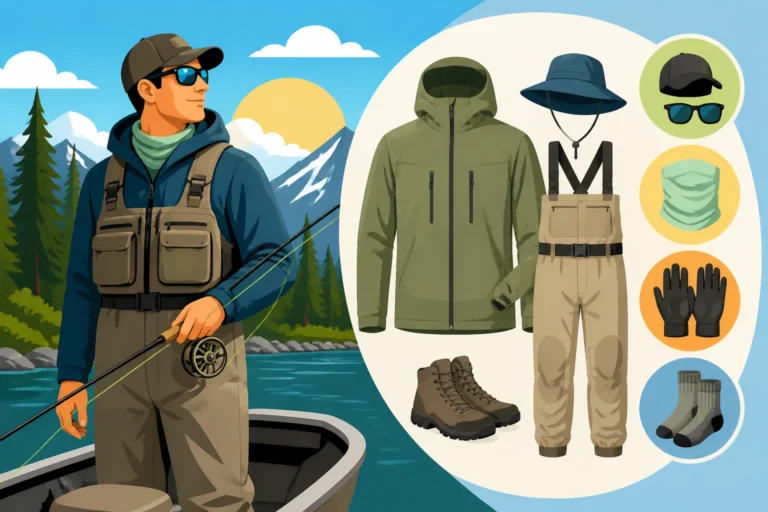
Layering Clothing: This is fundamental. Even if the forecast is for sun, pack layers. A warm morning can quickly turn into a chilly afternoon, or a sunny day can be interrupted by a sudden rain shower. Bring moisture-wicking base layers, insulating mid-layers (fleece or down), and a good waterproof/windproof outer shell. Gloves and a warm hat are also often wise, especially in spring and fall. Your guide can advise you on What to Wear on a Guided Fishing Trip based on the specific forecast, but always pack for a wider range of conditions.
Rain Gear, Sun Protection, and More: A quality rain jacket and pants are non-negotiable. Even a drizzle can make a long day uncomfortable, and a downpour can be miserable. Don't forget sun protection either: hat, sunglasses, and sunscreen are crucial, even on cloudy days, as UV rays can still be intense, especially on the water. Bug spray is another smart addition, particularly if you're fishing stillwaters or areas with dense vegetation.
Mentally Preparing for Changes: Go into your trip with an open mind. Accept that the weather might not be perfect, or that the original plan might need to change. Part of the adventure of fishing in Idaho is adapting to its wildness. If you're mentally prepared for a little drizzle or a change of plans, you're much more likely to enjoy the experience, even if it's not exactly what you pictured. This positive mindset is crucial, whether you're fly fishing Henry's Fork's Most Technical Water for Fly Anglers or battling a big Idaho White Sturgeon Facts on the Snake.
Trusting Your Guide's Expertise
Your guide is your greatest asset in navigating uncertain weather conditions. They are the local experts, often with decades of experience on the very waters you're fishing.
Their Local Knowledge and Safety First: A good guide isn't just about finding fish; they're about ensuring your safety. They know the river currents, the sudden winds on big lakes, and where lightning tends to strike. If your guide suggests packing up early due to an approaching storm, or changing locations because conditions are unsafe, trust them implicitly. Their decisions are based on deep experience and a commitment to your well-being. They've probably dealt with What Happens If Weather Cancels a Guided Idaho Trip countless times.
Alternative Plans on the Fly: Sometimes, the weather changes mid-trip. A planned float trip might turn into a wade trip if the river rises too fast, or a stillwater trip might move to a more sheltered cove. Your guide has likely seen it all and has a repertoire of backup plans for various scenarios. Be open to these adjustments; they are made to maximize your chances of success and enjoyment, given the current conditions. They'll know the Best Fishing Technique for a Windy Day on an Idaho Lake or how to adjust to How Weather Fronts Affect Idaho Trout Fishing.
Making the Most of Unexpected Weather
Sometimes, what initially seems like "bad" weather can actually lead to incredible fishing!
Sometimes "Bad" Weather Means Good Fishing: Overcast, drizzly days can often be fantastic for trout, making them feel more secure and willing to feed throughout the day. A slight chop on a lake can activate predator fish like bass or lake trout, as it breaks up the surface and makes them harder to spot. Even a drop in temperature can sometimes kick off a feeding spree. Don't let a cloudy sky or a little rain dampen your spirits – some of the most memorable fishing trips happen under less-than-ideal weather conditions.
Adapting and Enjoying the Experience: The beauty of Idaho fishing is its diversity. If the big river is blown out, maybe a small stream is fishing great. If the dry fly bite is off, perhaps nymphing is productive. Your guide is there to help you adapt and find success. Focus on the experience – the stunning scenery, the thrill of the bite, and the knowledge you gain from your guide. Even if you don't land a trophy, a day spent on Idaho's waters, adapting to nature's whims, is a day well spent. Understanding Why Idaho Guide Prices Vary So Much by River often relates to the complexity of navigating weather and conditions on different water bodies.
Disclaimer
This article is for general informational purposes only and does not constitute professional advice. Laws, prices and regulations vary by location and change over time. Consult a qualified professional for guidance on your specific situation.