Best Time of Year for Cutthroat Trout on Bear Lake
When you dream of casting a line into Idaho's stunning waters, the image of a massive cutthroat trout often comes to mind. But if you're like many anglers, you might wonder, "When exactly is the best time to chase those elusive giants, especially on a unique fishery like Bear Lake?" It’s a common frustration, trying to time your trip perfectly to hit that sweet spot when the fish are active and hungry. This comprehensive guide will peel back the layers of Bear Lake's seasons, revealing the prime windows and expert tactics to help you land the cutthroat trout of your dreams.
Understanding Bear Lake's Unique Cutthroat Trout
Bear Lake isn't just any body of water; it's a geological marvel shared between Idaho and Utah, boasting a distinctive ecosystem that supports some truly impressive fish. While many lakes have cutthroat, Bear Lake's population of Bonneville Cutthroat Trout is something special. They've adapted to this large, deep, and relatively infertile lake, evolving into powerful, hard-fighting fish that grow to substantial sizes.
The Biology and Behavior of Bear Lake Cutthroat
The Bonneville Cutthroat Trout found in Bear Lake are unique because they are a native subspecies perfectly adapted to the lake's conditions. Unlike some cutthroat strains that prefer smaller streams, these fish thrive in the deep, cold, and clear waters of Bear Lake. They are known for their beautiful coloration, often with vibrant red slashes under their jaw, and a streamlined body that makes them incredible fighters. They spend much of their lives in the deeper parts of the lake, particularly during the warmer months, seeking out cooler temperatures and their primary food source.
Their behavior is heavily influenced by water temperature and the availability of their main prey, the Bonneville Cisco. These small, silvery fish form dense schools in the open water, providing a rich, high-protein diet that allows the cutthroat to grow large. Understanding this predator-prey relationship is key to knowing where and when to find the cutthroat. When the cisco are abundant and accessible, the cutthroat will be actively feeding. During different seasons, the cisco move, and so do the cutthroat, making seasonal adjustments to your fishing strategy absolutely essential. This deep-water habit often means you won't see them cruising the shallows like trout in a typical mountain stream, making specialized techniques crucial for success.
Why Bear Lake is Special for Cutthroat Fishing
Bear Lake truly stands out among Idaho's fishing destinations, particularly for those passionate about cutthroat trout. Its immense size and depth create a stable environment where these fish can thrive and reach impressive dimensions, with many anglers reporting catches in the 20-inch range and some even larger. The lake's unique trophic structure, centered around the Bonneville Cisco, provides an almost perfect feeding ground, allowing the cutthroat to put on significant weight and develop their formidable fighting capabilities. This isn't just a place to catch a few trout; it's a destination for pursuing trophy-sized fish that test your angling skills and your tackle.
Moreover, the sheer pristine nature of Bear Lake adds to its allure. The water is incredibly clear, which means the fish are often keenly aware of their surroundings, demanding a thoughtful and stealthy approach from anglers. This clear water, combined with the often-calm surface in the mornings and evenings, creates a beautiful backdrop for a day on the water, whether you're trolling, jigging, or even ice fishing. The commitment by both Idaho and Utah Fish and Game departments to maintain a healthy and robust cutthroat population through careful management and stocking further solidifies Bear Lake's reputation as a premier cutthroat fishery, making it a bucket-list destination for many trout enthusiasts. For a broader look at some amazing spots, check out our guide on the Best Lakes for Fishing in Idaho.
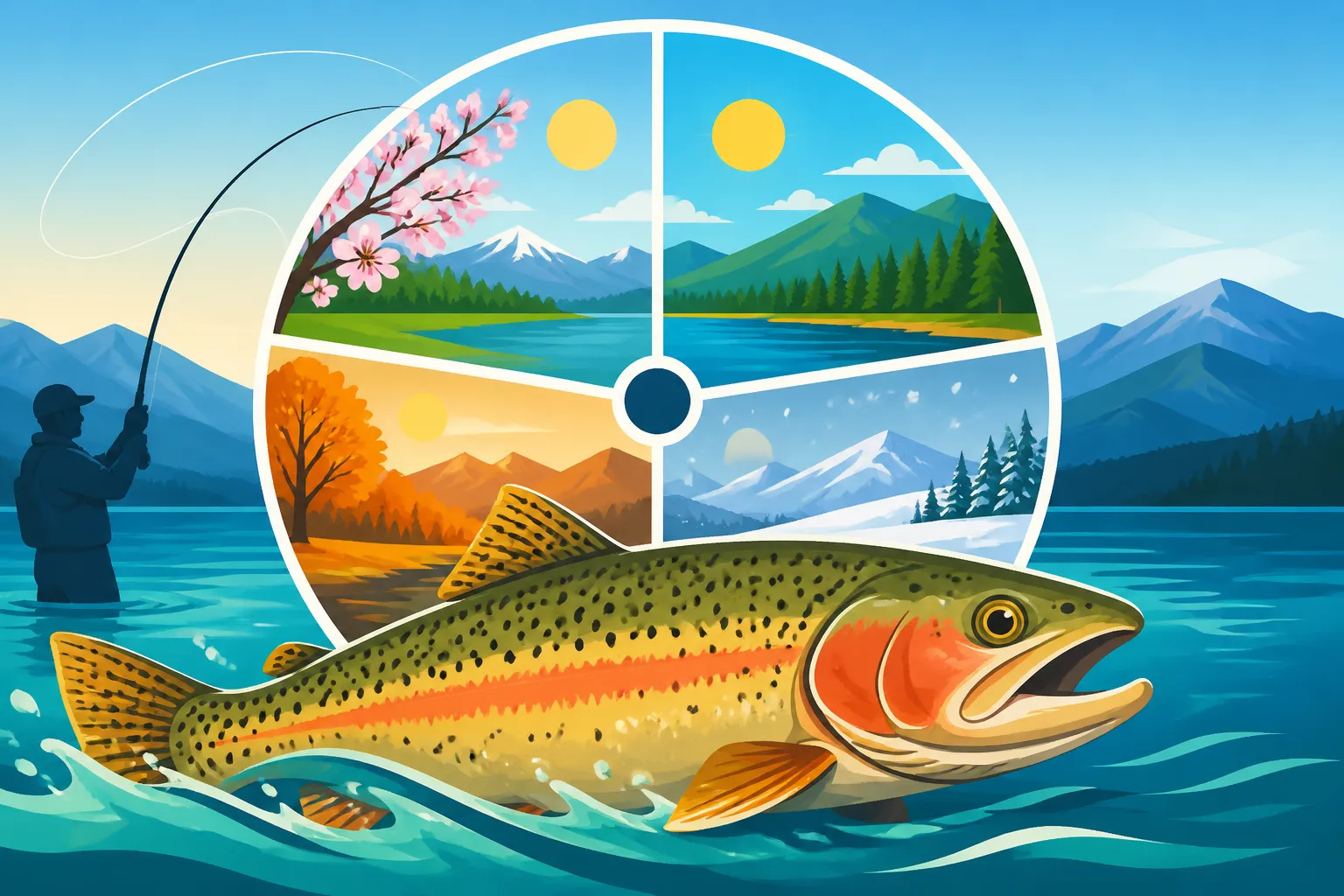
Seasonal Breakdown: When to Target Bear Lake Cutthroat
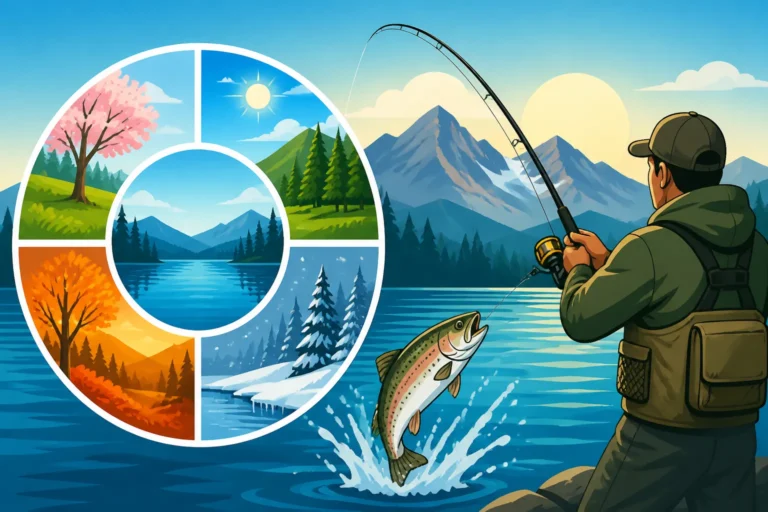
Timing your trip to Bear Lake is perhaps the most crucial element in successfully catching cutthroat trout. Each season offers distinct advantages and challenges, dictating where the fish will be and what methods will work best. Being prepared for these seasonal shifts will dramatically improve your chances of a memorable day on the water.
Spring: Post-Spawn Aggression and Shallow Water Opportunities
Spring, typically from late April through May, is an exciting time for Bear Lake cutthroat. As the ice finally recedes (if it formed) and water temperatures begin to slowly rise, the cutthroat become incredibly active. They've often just finished their spawning rituals or are recovering from them, leading to a period of intense feeding as they replenish their energy reserves. This is when you'll find these typically deep-dwelling fish moving into shallower waters, sometimes even within casting distance from shore, making them more accessible than at any other time of year.
During this period, focus your efforts on the shoreline breaks, points, and areas near submerged structures where the Bonneville Cisco might be congregating. Trolling along these contours with spoons, crankbaits, or even shallow-running plugs can be incredibly effective. For those fishing from shore, casting similar lures or even small swimbaits can yield fantastic results, especially during dawn and dusk. The key is to match the hatch, so to speak, by presenting lures that imitate the cisco. While the weather can be a bit unpredictable, offering anything from warm sunshine to late-season snow flurries, the aggressive nature of the post-spawn cutthroat makes it well worth bundling up. Don't forget to check the Idaho Trout Season Opening Weekend Explained for specific dates.
Summer: Deep Water Trolling and Thermocline Tactics
As the long days of June stretch into August, Bear Lake's surface waters warm considerably, pushing the cutthroat trout into their preferred cold, oxygen-rich depths. This means goodbye to shallow water fishing and a hearty hello to deep-water tactics. If you're planning a summer trip, expect to target fish anywhere from 30 to 80 feet deep, or even deeper, depending on the thermocline – that invisible boundary layer where water temperature changes rapidly.
This is prime time for trolling with specialized gear. Downriggers become your best friend, allowing you to precisely present lures at the exact depth where the fish are holding. Popular setups include dodgers or flashers paired with squids, small spoons, or tube jigs that mimic the Bonneville Cisco. Vary your trolling speed until you find what triggers bites, and don't be afraid to experiment with different lure colors. Another effective technique in summer is vertical jigging. Locate schools of cisco and suspended cutthroat using your fish finder, then drop a heavy jigging spoon or a tube jig right into the action. This can be an incredibly productive way to catch larger, solitary fish. While summer offers consistent fishing, it absolutely demands the right equipment and a good understanding of sonar technology to pinpoint those elusive deep-water giants. For more insights on how to present your lures effectively, refer to our Idaho Trolling Techniques Guide.
Fall: Pre-Winter Feeding Frenzy
Autumn, spanning roughly from September through November, marks another fantastic window for Bear Lake cutthroat. As the surface waters cool down and the lake begins its annual turnover, the cutthroat trout once again become highly active, embarking on a serious feeding spree to bulk up for the lean winter months. This period often sees them moving slightly shallower than in the peak of summer, though still often holding in the 20 to 60-foot range.
The tactics for fall fishing often blend those used in spring and summer. Trolling with spoons, crankbaits, and soft plastics that imitate cisco remains incredibly effective, but you might find success presenting them a bit deeper than in spring. Downriggers are still valuable for precise depth control, but sometimes the fish will push up higher in the water column, making lead core line or weighted planer boards useful for hitting those mid-depths. Jigging over structure or schools of baitfish can also be very productive. Fall often brings more stable weather than spring, with crisp, clear days that are a joy to fish. The lake tends to be less crowded than in summer, offering a more serene angling experience. Just be mindful of sudden drops in temperature and be prepared for changing conditions, as winter can arrive abruptly.
Winter: Ice Fishing for Deepwater Giants
For the truly dedicated and cold-hardy angler, winter offers a unique and often incredibly rewarding experience on Bear Lake: ice fishing for cutthroat. Once the lake freezes over sufficiently, typically from December through March, anglers can access areas that are otherwise only reachable by boat, and the fishing can be exceptional. These fish are still feeding under the ice, often quite actively, and the lack of boat traffic can make them less wary.
Ice fishing for Bear Lake cutthroat usually involves jigging. Anglers drill holes over known deep-water haunts, points, and the edges of drop-offs, then employ various jigging spoons, tube jigs, and soft plastics tipped with a small piece of bait (like a wax worm or a cisco strip). A fish finder is almost essential for ice fishing here, as it allows you to spot schools of cisco and individual cutthroat, as well as monitor your lure's depth. Be prepared for cold temperatures, bring an ice auger, a comfortable shelter, and dress in layers. The patience required for ice fishing can be immense, but the reward of pulling a massive, iridescent cutthroat through a hole in the ice is truly unforgettable. For those new to hard water angling, our guide on How to Ice Fish Idaho Lakes provides excellent foundational knowledge.
| Season | Best Months | Typical Depths | Recommended Techniques | Special Considerations |
|---|---|---|---|---|
| Spring | April – May | 10 – 30 feet | Shallow Trolling (spoons, crankbaits), Shore Casting | Post-spawn aggression, variable weather, accessible from shore |
| Summer | June – August | 30 – 80+ feet | Deep Trolling (downriggers, dodgers, squids), Vertical Jigging | Requires electronics (fish finder, downriggers), consistent bites |
| Fall | September – November | 20 – 60 feet | Trolling (spoons, crankbaits), Jigging | Pre-winter feeding, often less crowded, stable weather |
| Winter | December – March | 40 – 100+ feet | Ice Jigging (spoons, tube jigs), Live Bait | Requires ice fishing gear (auger, shelter), safety checks crucial |
Key Factors Influencing Bear Lake Cutthroat Success
Beyond just picking the right season, several other critical factors play a significant role in determining your success rate for Bear Lake cutthroat. Understanding these nuances can turn a good day into a fantastic one.
Water Temperature and Depth
The most influential factor for cutthroat trout, especially in a deep lake like Bear Lake, is undoubtedly water temperature and the corresponding depth. Cutthroat, like most trout species, prefer cold, oxygenated water. As the surface layers of Bear Lake warm up during the summer months, a distinct thermocline forms – a layer where water temperature rapidly changes. The cutthroat will almost invariably be found just above, within, or just below this thermocline, seeking their optimal temperature range, which is typically between 50 and 60 degrees Fahrenheit.
This means that having a reliable fish finder with a temperature gauge is not just a luxury, but a necessity for summer and fall fishing. By identifying the thermocline and the schools of baitfish (Bonneville Cisco), you can precisely target the depths where the cutthroat are most likely to be actively feeding. In spring and late fall, as the lake mixes and temperatures become more uniform, the fish may roam more freely, but even then, they'll often relate to areas where cooler water persists or where baitfish are concentrated due to temperature advantages. Constantly monitoring your depth and adjusting your presentation to stay in the strike zone is paramount.
Forage and Food Sources
The diet of Bear Lake cutthroat is almost entirely dominated by the Bonneville Cisco, a small, silvery fish native to the lake. This makes understanding and mimicking the cisco absolutely crucial for successful angling. If your lure or bait doesn't look, move, or even smell like a cisco, your chances of enticing a strike diminish considerably. Beyond the cisco, Bear Lake cutthroat will also feed on sculpins and other opportunistic prey, particularly in shallower areas or around rocky structures.
When selecting your lures, think about color, profile, and action. Silver, blue, and white are excellent choices for imitating the flashy scales of a cisco. Lures with a slim profile and a subtle wobble or darting action are often more effective than bulky, overly aggressive presentations. For those who prefer bait, a strip of cisco meat or a whole small cisco (if legal and obtainable) can be incredibly enticing. Pay attention to fish finder readings that indicate schools of cisco; if you can locate the bait, you're usually not far from the predators. This focus on matching the primary food source is a cornerstone of effective Bear Lake cutthroat fishing and a prime example of adaptive Idaho Fishing Techniques Guide.
Weather Patterns and Barometric Pressure
Just like with humans, fish behavior can be significantly influenced by changes in weather patterns and barometric pressure. While hard to predict, understanding these effects can give you an edge. Stable, high-pressure systems often lead to clear skies and calm waters, but can sometimes make fish less active, causing them to hug the bottom or suspend deeper. Conversely, falling barometric pressure, often signaling an approaching storm front, can trigger a feeding frenzy as fish sense a change and feed heavily before conditions worsen.
On Bear Lake, strong winds can make trolling and boat control difficult, but chop on the water can also break up light penetration, sometimes making fish more comfortable feeding higher in the water column or closer to structure. After a major cold front passes, fishing can often be tough for a day or two as the fish recover from the shock. Keeping an eye on the weather forecast and paying attention to these subtle changes in atmospheric pressure can help you decide when to be most aggressive with your presentations and when to slow down and be more patient. It's all about playing the percentages!
Equipment and Technique Adaptations
Successfully targeting Bear Lake cutthroat requires adapting your equipment and techniques to the specific conditions of the lake and the season. This isn't a "one-size-fits-all" fishery. In summer, for instance, heavy action rods and reels capable of handling deep trolling with downriggers are essential. You'll need durable mainlines and leaders that can withstand the pressure and potential abrasion of deep-water fishing. During ice fishing season, a different set of specialized tools comes into play, including ice augers, insulated shelters, and sensitive rods designed for detecting subtle bites in frigid temperatures.
Lure selection is another critical adaptation. As discussed, mimicking the Bonneville Cisco is paramount. This means carrying a variety of spoons, crankbaits, swimbaits, and soft plastics in appropriate sizes and colors (silver, blue, chartreuse, white). Experimentation is key; what works one day might not work the next, so having a diverse tackle box is vital. For a detailed rundown on what to pack for your trip, our Idaho Fishing Gear Guide by Season offers some excellent advice. Regardless of the season, ensure your knots are strong, your hooks are sharp, and your equipment is in top working order – Bear Lake cutthroat are powerful fish, and you don't want to lose one due to equipment failure.
Planning Your Bear Lake Cutthroat Adventure
A successful fishing trip to Bear Lake, particularly when targeting cutthroat, is all about preparation. From knowing where to launch your boat to understanding the local rules, a little planning goes a long way in maximizing your time on the water.
Access Points and Launch Ramps
Accessing Bear Lake effectively, especially for boat anglers, means knowing the best launch points. On the Idaho side, Bear Lake State Park offers excellent facilities, including concrete launch ramps at the North Beach and East Beach units. These ramps are generally well-maintained and suitable for a variety of boat sizes, but always check their current status, especially during low water years or early/late season. North Beach is particularly popular and can get busy during peak summer weekends, so arriving early is always a good strategy.
For shore anglers, both North and East Beach offer good access, especially during the spring and fall when cutthroat can be found closer to the bank. However, the vastness of Bear Lake means that shore fishing opportunities are somewhat limited compared to what a boat can offer, particularly when the fish move deep in summer. Keep in mind that some areas of the lake are privately owned, so always respect property boundaries and look for designated public access points. Parking for boat trailers and vehicles is usually ample at the state park facilities, but fees may apply, so have your Idaho State Parks Pass or be prepared to pay at the gate.
Hiring a Local Guide
While Bear Lake offers fantastic fishing, its immense size and the deep-water habits of its cutthroat can be intimidating, especially for first-time visitors or those without specialized gear like downriggers and advanced sonar. This is where the invaluable expertise of a local fishing guide truly shines. A good guide knows the lake intimately, understands the seasonal movements of the fish, and has all the necessary equipment to put you on the cutthroat. They can teach you the specific techniques required, from setting up downriggers for optimal depth to reading the subtle bites of a deep-water fish.
Hiring a guide isn't just about catching fish; it's an educational experience that can accelerate your learning curve on this unique fishery. Many guides offer half-day or full-day trips, catering to various skill levels, including beginners and families. If you're looking to book a reputable guide for Bear Lake, platforms like FishingBooker can be an excellent resource. They allow you to browse experienced captains, read reviews, and compare services to find the perfect fit for your trip. For more details on the process, our How to Book a Fishing Guide in Idaho guide walks you through the steps.
Regulations and Conservation
Fishing responsibly on Bear Lake means being fully aware of and adhering to Idaho's fishing regulations. The rules are in place to ensure the sustainability of the cutthroat trout population and the overall health of the fishery. Before you cast a line, always consult the most current Idaho Fishing Regulations brochure, available online from the Idaho Department of Fish and Game or at local license vendors. Pay close attention to species-specific rules for Bear Lake, which may include special limits, seasons, or gear restrictions for cutthroat trout. For a comprehensive overview, read our Idaho Fishing Regulations Explained article.
Conservation is paramount, especially for a prized species like the Bonneville Cutthroat. Understand the daily bag limits and possession limits, which dictate how many fish you can keep. These regulations are designed to allow for a harvest while also protecting the breeding stock. Our guide on Idaho Catch Limits and Bag Limits Explained provides further clarification. If you're practicing catch and release, handle fish gently, minimize their time out of water, and use barbless hooks to reduce injury. Responsible angling ensures that Bear Lake remains a world-class cutthroat fishery for generations to come.
Disclaimer
Please remember that fishing conditions, regulations, and fish behavior are subject to change due to various environmental factors, management decisions, and natural cycles. Always consult the latest official Idaho Fish and Game regulations before your trip. This guide is for informational purposes only and should not be considered a substitute for official legal documents or professional advice. Tight lines and stay safe out there!