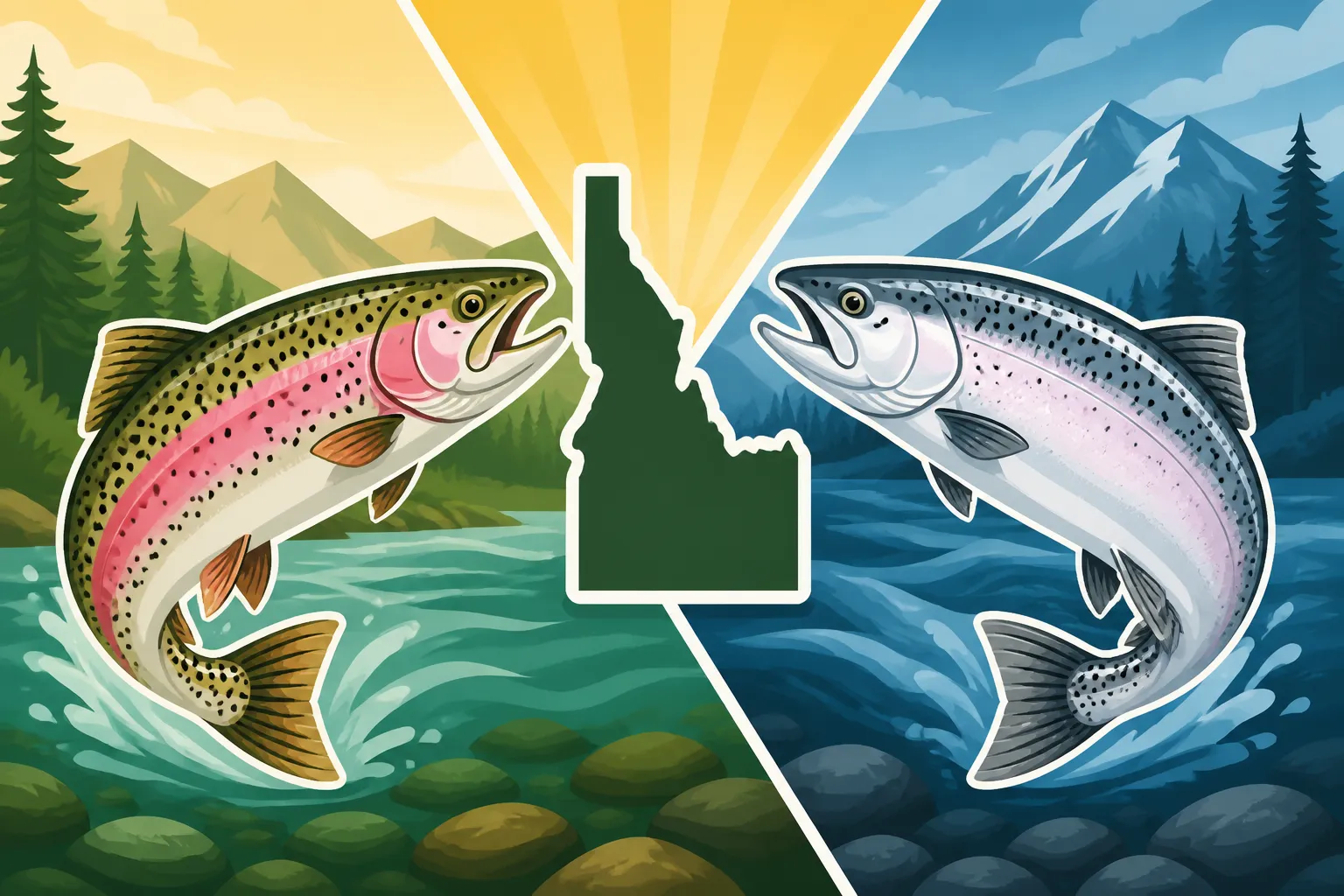
Difference Between Rainbow Trout and Steelhead
For many folks venturing into the beautiful waterways of Idaho, there's a common bit of confusion when it comes to trout. You're out there, reeling in a feisty fish, and you might wonder: is this a rainbow trout, or is it a steelhead? It's a valid question, and one that trips up even experienced anglers because, visually, they can look remarkably similar. But understanding the difference isn't just a matter of bragging rights; it's crucial for following Idaho's specific fishing regulations and contributing to conservation efforts. This guide will help you clearly distinguish between these two incredible fish and explain why knowing the difference is so important for every Idaho angler.
Understanding the True Rainbow Trout
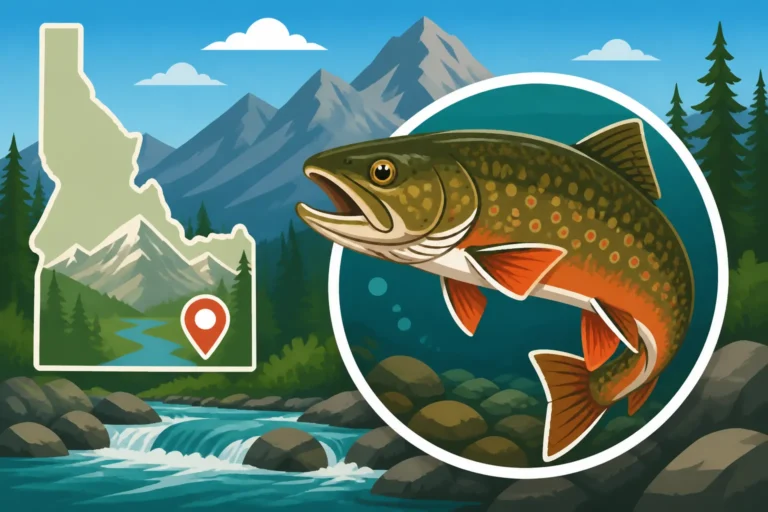
Let's start with the classic, the quintessential trout most people picture: the rainbow trout. These are truly iconic fish, known for their beautiful colors and spirited fight. In Idaho, you'll find them in just about every type of cold-water habitat, from small mountain streams to vast lakes and reservoirs.
Native vs. Stocked Rainbow Trout in Idaho
It's important to remember that not all rainbow trout in Idaho are the same. Idaho has native populations of rainbow trout, particularly in certain drainages, but a significant portion of the rainbows you encounter are the result of stocking programs. Idaho Fish and Game works hard to ensure there are plenty of fishing opportunities, and stocking is a big part of that, especially in popular lakes and community ponds. These hatchery-raised fish are often easier to catch, making them perfect for beginners and family outings. When you're fishing a small pond near Boise or a popular lake that gets a lot of pressure, chances are good you're going to hook into a stocked rainbow. They're often eager to bite and provide a fun experience for anglers of all skill levels. You might find resources like Idaho Rainbow Trout Fishing Guide invaluable for understanding where these fish thrive.
Physical Characteristics of a Resident Rainbow
A "resident" rainbow trout, meaning one that lives its entire life in freshwater, typically has a torpedo-shaped body, with a noticeable pink or reddish stripe running horizontally along its side. This stripe can be vibrant or quite faint, depending on the fish's age, diet, and habitat. Their backs are usually a bluish-green, fading to silvery sides and a white belly. You'll also notice small, dark spots scattered across their back, sides, and fins. These spots are a key identifier. They generally average a foot or two in length in most Idaho waters, though they can grow much larger in fertile lakes with abundant food. Think of the ones you catch in the Boise River or smaller mountain lakes; they fit this description perfectly. When you're trying to identify your catch, pay close attention to the overall body shape and the density of those spots.
Delving into the World of Steelhead
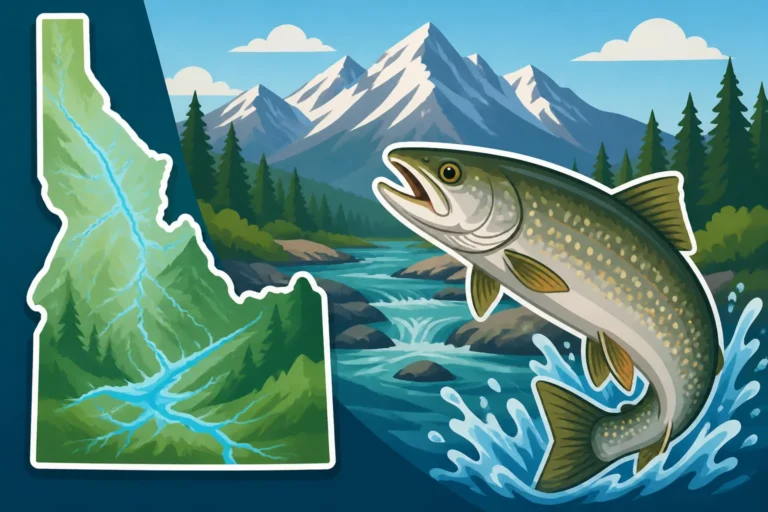
Now, let's talk about steelhead. This is where the confusion often begins, because, genetically, a steelhead is a rainbow trout. The critical difference lies in its life history: steelhead are anadromous. This fancy word simply means they are born in freshwater, migrate to the ocean to grow, and then return to freshwater to spawn. This incredible journey shapes their entire being and makes them a truly unique and highly sought-after game fish in Idaho.
The Anadromous Journey of Idaho Steelhead
The journey of an Idaho steelhead is nothing short of epic. Born in the clear, cold waters of Idaho's rivers like the Salmon and Clearwater, juvenile steelhead (called smolts) migrate thousands of miles downstream, through a series of dams, to the Pacific Ocean. There, they spend one to three years feeding and growing, transforming from small stream fish into powerful, chrome-bright specimens. Once mature, driven by an instinctual call, they turn around and begin the arduous journey back to their natal streams to spawn. This upstream migration often takes them hundreds of miles, battling currents and overcoming obstacles, sometimes spanning over a year. The sheer determination of these fish is astounding. Idaho Steelhead Fishing Guide provides a deeper dive into this fascinating species.
Distinctive Features of an Ocean-Run Steelhead
When steelhead first re-enter freshwater from the ocean, they are typically a brilliant, almost iridescent silver or "chrome" color. This silvery sheen helps them camouflage in the open ocean. As they spend more time in freshwater, their colors begin to change, often developing a faint pinkish stripe, similar to a resident rainbow, but usually less pronounced and sometimes with a purplish hue. Their spots are also typically less numerous and more subtle than a resident rainbow, especially on their lower sides. Steelhead are also generally much larger and more powerfully built than resident rainbows of the same age, thanks to the rich food sources of the ocean. They tend to have a sleeker, more streamlined body, designed for long-distance swimming. Imagine a fish built for endurance and power, and you're picturing an Idaho steelhead. They are truly magnificent creatures, and catching one is an unforgettable experience.
The Key Differences: Physical, Behavioral, and Legal
So, how do you really tell them apart when you're standing on the bank of the Snake River, or wading the Clearwater? It comes down to a combination of subtle clues and understanding their lifecycle.
Visual Distinctions: Size, Coloration, and Fin Clips
Let's break down the visual cues that separate these two fish:
- Size: Steelhead are almost always larger than resident rainbow trout found in the same river system. While a rainbow might hit a few pounds, a steelhead can easily reach ten, fifteen, or even twenty pounds.
- Coloration: Fresh-run steelhead often appear silver or "chrome," lacking the pronounced red stripe of a typical resident rainbow. As they spend more time in freshwater, they may develop a pink stripe, but it's usually less vibrant than a rainbow's. Their spots might be fainter or less numerous on their lower sides.
- Fins: This is a huge one for Idaho anglers. Many (but not all) hatchery-raised steelhead released into Idaho waters have their adipose fin clipped. The adipose fin is a small, fleshy fin located between the dorsal fin and the tail. If a fish has a clipped adipose fin, it's a hatchery fish, and in many Idaho rivers, only hatchery steelhead with a clipped adipose fin can be kept. Wild steelhead, which have an intact adipose fin, must be released. Always check for the fin clip! This rule is critical for Idaho Catch Limits and Bag Limits Explained. You can often find diagrams and descriptions of this identification mark in the official Idaho Fishing Regulation Brochure and Proclamation. Knowing What a Clipped Adipose Fin Means on a Steelhead is paramount for legal fishing.
Behavioral and Habitat Differences
While both are trout, their life histories lead to different behaviors and preferred habitats:
- Migration: This is the ultimate differentiator. Rainbow trout live their entire lives in freshwater. Steelhead undertake a massive migration to the ocean and back. This means you'll typically find steelhead in large rivers connected to the ocean (like the Salmon, Snake, and Clearwater Rivers) during their spawning runs. Rainbow trout, on the other hand, are widespread in almost all Idaho freshwater bodies, including high mountain lakes, smaller tributaries, and reservoirs.
- Fight: Due to their ocean-fed growth and powerful migratory instincts, steelhead are renowned for their incredible fighting ability. They are known for long, powerful runs and acrobatic jumps that can truly test an angler's skill and tackle. Resident rainbows are also feisty, but generally don't possess the sheer power and stamina of a steelhead.
Regulatory and Conservation Implications
This is perhaps the most important reason to know the difference. Idaho's fishing regulations are very specific when it comes to steelhead, primarily due to conservation efforts.
- Special Permits: To fish for steelhead in Idaho, you almost always need a specific Idaho Salmon and Steelhead Permit in addition to your regular Idaho Fishing License Guide. This permit helps fund conservation and management programs for these unique fish.
- Catch Limits and Seasons: Steelhead seasons are often more restricted, with specific dates, open waters, and strict bag limits. Many stretches of river are "catch-and-release only" for steelhead, or only allow the harvest of hatchery (fin-clipped) fish. Wild steelhead are federally protected and must be released unharmed. This is Why Wild Steelhead Must Be Released in Idaho is so important.
- Gear Restrictions: Certain methods or gear might be restricted when targeting steelhead to minimize harm to wild fish or ensure fair chase. Always consult the current Idaho fishing regulations brochure before heading out, as these rules can change. You can also pick up specialized gear for steelhead, often found on platforms like Amazon, but ensure it complies with local regulations.
Why Knowing the Difference Matters to Idaho Anglers
Beyond simply identifying your catch, understanding the distinctions between rainbow trout and steelhead profoundly impacts your fishing experience and your responsibility as an angler in Idaho.
Legal Compliance and Avoiding Penalties
First and foremost, it's about staying on the right side of the law. Mistaking a wild steelhead for a hatchery fish, or simply not knowing the regulations, can lead to significant fines and penalties. Idaho Fish and Game officers patrol actively, and ignorance of the law is generally not considered a valid defense. Imagine heading out for a relaxing day on the river, only to face a hefty fine because you accidentally kept a wild steelhead. It's a preventable situation if you educate yourself. Always have the current regulations brochure handy, either physically or digitally on your phone. Many anglers even mark pages relevant to the water they plan to fish. You can also search online retailers like Amazon for waterproof regulation guides or laminated cards that fit in your tackle box.
Conservation and Ethical Angling
Knowing the difference also speaks to your role in conservation. Wild steelhead populations face many challenges, including habitat loss, dam passage issues, and historical overharvest. The regulations are designed to protect these fragile runs and ensure their future. By correctly identifying and releasing wild steelhead, you directly contribute to the survival of this magnificent species. It's a testament to ethical angling, respecting the resource, and ensuring that future generations can also experience the thrill of catching an Idaho steelhead. This ethos is deeply embedded in the culture of Idaho fishing, especially when you consider species like the bull trout, which are fully protected.
Tailoring Your Fishing Techniques and Gear
Finally, distinguishing between these fish can significantly enhance your success on the water. While you can catch both with similar gear, optimizing your approach based on the target species can make a huge difference.
For resident rainbow trout, especially in stocked waters, lighter tackle, smaller lures, and common baits like worms, PowerBait, or small spinners often work wonders. They are less wary and more opportunistic feeders. You can experiment with various Best Lures for Idaho Trout Fishing.
For steelhead, particularly those fresh from the ocean, you'll need heavier gear capable of handling their powerful runs. Specialized rods, reels with robust drag systems, and strong lines are essential. Techniques like drift fishing with jigs or bait, using large flies, or back-trolling plugs are common. The tackle you find for steelhead on Amazon, for instance, will often emphasize strength and durability, unlike the lighter setups for smaller trout. Learning How to Tell a Hatchery Steelhead from a Wild One in Idaho is crucial for successful and legal steelhead fishing. Understanding these nuances will not only keep you compliant but also make you a more effective and respectful angler in Idaho's diverse waters.
| Feature | Rainbow Trout (Resident) | Steelhead (Anadromous Rainbow) |
|---|---|---|
| Life Cycle | Spends entire life in freshwater | Born in freshwater, migrates to ocean, returns to freshwater to spawn |
| Typical Size | Generally smaller (1-5 lbs common, larger in some lakes) | Larger (5-20+ lbs common) |
| Coloration (Fresh) | Pronounced pink/red stripe, bluish-green back, silvery sides | "Chrome" silver, faint or no pink stripe, sometimes purplish hue |
| Spotting | Numerous dark spots on body, head, and fins | Fewer, smaller, more subtle spots, especially on lower body |
| Body Shape | Torpedo-shaped, slightly more robust | Sleeker, more streamlined, powerful build |
| Adipose Fin | Intact (unless hatchery stocked for other purposes) | Often clipped if hatchery-raised (check regulations) |
| Habitat | Widespread in streams, rivers, lakes, reservoirs | Primarily large rivers connected to the ocean during runs |
| Fishing Regs | General trout regulations, typically less restrictive | Special permits (e.g., Idaho Salmon and Steelhead Permit), strict seasons, often hatchery-only harvest |
| Fight Style | Energetic, often jumps | Powerful runs, acrobatic jumps, incredible stamina |
Disclaimer
This article is for general informational purposes only and does not constitute professional advice. Laws, prices and regulations vary by location and change over time. Consult a qualified professional for guidance on your specific situation.