How Big Idaho’s White Sturgeon Can Grow
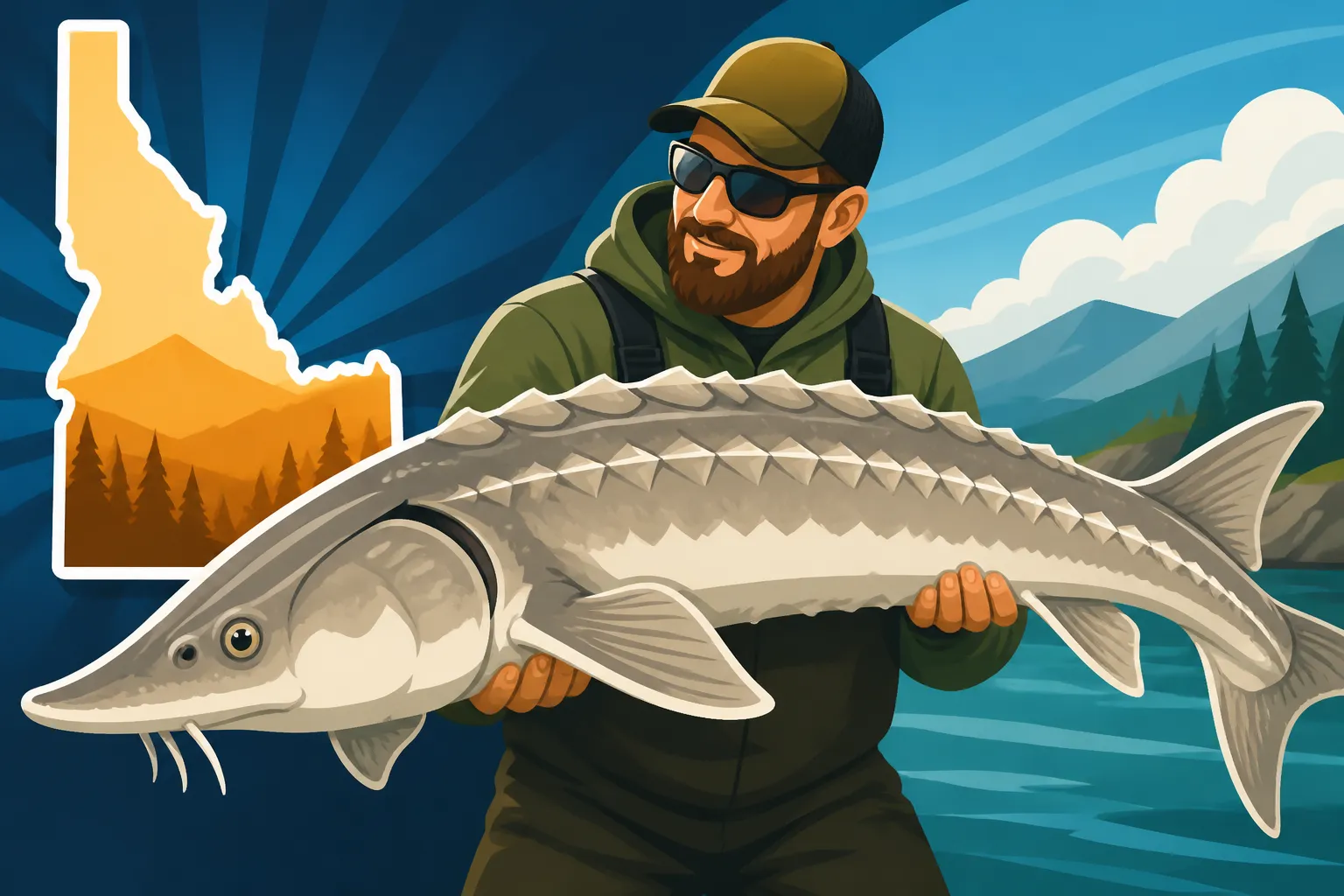
One of the most awe-inspiring experiences an angler can have in Idaho is encountering a White Sturgeon. People often hear whispers of these ancient fish reaching truly monstrous sizes, but it can be hard to wrap your head around just how immense these freshwater giants can become. This guide is here to pull back the curtain on the incredible growth potential of Idaho's White Sturgeon, offering a realistic look at their maximum possible size and what factors contribute to these magnificent creatures becoming true river titans.
The Majestic White Sturgeon of Idaho Rivers
The White Sturgeon (Acipenser transmontanus) isn't just a fish; it's a living relic, a creature that has roamed Idaho's river systems for millions of years. For anyone who has stood on the banks of the Snake River, gazing at its powerful currents, it's almost impossible not to wonder what prehistoric beasts lurk beneath. The White Sturgeon easily tops the list, representing one of the largest and longest-lived freshwater fish in North America. Their sheer size often catches people off guard, even seasoned anglers, because few freshwater species can rival their colossal dimensions.
A Legacy of Giants in the Gem State's Waters
Idaho’s White Sturgeon population carries a rich history, deeply intertwined with the very fabric of the state's natural heritage. These fish aren't just big; they're legendary. Historically, they were a significant food source for native peoples and later became a target for commercial fisheries, especially during the late 19th and early 20th centuries. Tales of colossal sturgeon caught in the early days of Idaho’s settlement aren't just folklore; they're rooted in truth. These stories, passed down through generations, speak of fish that dwarfed men, pushing well over a thousand pounds and stretching longer than many small boats.
It’s this historical context that often fuels the modern angler’s curiosity and ambition. When you're out there on the water, battling a powerful sturgeon, you're not just fighting a fish; you're connecting with a legacy that spans centuries. The very thought that you could be hooked up to a descendant of those same behemoths is enough to send shivers down any angler's spine. It's a primal connection to a wild, untamed past that Idaho has managed to preserve, in large part due to dedicated conservation efforts.
Where Idaho's Giants Roam
While White Sturgeon are found in various river systems across western North America, Idaho is particularly famous for its robust populations, especially within the mighty Snake River system. This isn't a fish you'll find in every farm pond or small creek. These true giants require vast, deep, and powerful river environments to thrive and grow to their impressive sizes. The sheer volume of water, coupled with diverse food sources, creates the perfect nursery and hunting grounds for these long-lived fish.
The lower Snake River, especially downstream of Hells Canyon Dam, is renowned for its incredible sturgeon fishery. Other sections, like parts of the middle Snake River, also hold impressive numbers, though typically with smaller average sizes. The depths of the Snake River canyon, with its strong currents and deep holes, provide ideal habitat where these fish can live for decades, largely undisturbed, and continue their slow, steady growth. It’s in these powerful, ancient riverbeds that the White Sturgeon can truly reach its full, astonishing potential, becoming the living legends that draw anglers from all over the world. If you're planning a trip, understanding the specific reaches of the Idaho Fishing Rules for the Snake River Explained can greatly enhance your chances.
Understanding Sturgeon Growth: Factors at Play
When we talk about "how big" something can get, it's rarely a simple answer. For White Sturgeon, their growth isn't just about age; it's a complex interplay of environmental conditions, genetics, and the availability of sustenance. It's truly fascinating to break down how these factors contribute to a fish that can outlive many humans and rival small automobiles in size.
Age and Longevity
One of the most significant factors contributing to the White Sturgeon's colossal size is its incredible longevity. These fish are not sprinters; they are marathon runners of the aquatic world. White Sturgeon can live for well over 100 years, with some estimates suggesting lifespans of up to 150 years or more. Imagine a fish that was swimming in the Snake River when your great-grandparents were born, still thriving and growing today! This extended lifespan allows them a vast window of opportunity to put on mass, year after year, slowly accumulating size and weight.
Unlike many fish species that grow rapidly in their youth and then plateau, sturgeon exhibit indeterminate growth, meaning they continue to grow throughout their entire lives, albeit at a slower rate as they get older. The longer they live, the larger they generally become. This is why conservation of older, larger fish is so critical; they represent the pinnacle of the species' potential and are vital for passing on strong genetics. It also means that encountering a truly enormous sturgeon often means you're face-to-face with a creature that has witnessed over a century of Idaho's history unfold.
Habitat and Food Availability
Even with an impressive lifespan, a sturgeon won't reach its maximum potential in a barren environment. Their habitat and the availability of food are absolutely crucial. White Sturgeon are opportunistic feeders, meaning they'll eat just about anything they can get their mouths on that fits. Their diet typically consists of smaller fish, insect larvae, crustaceans, and carrion that settles to the riverbed. The rich, diverse ecosystems of Idaho's major rivers, particularly the Snake River, provide an abundant larder for these bottom-dwellers.
Deep pools, strong currents that bring nutrients and dead fish, and a healthy population of prey species all contribute to a sturgeon's ability to forage effectively and gain weight. Rivers with ample flows and stable sediment provide not just food, but also crucial spawning and rearing habitats for juvenile sturgeon, ensuring a continuous cycle of life. Conversely, areas with limited food sources, poor water quality, or fragmented habitat (like those above certain dams) will often see smaller, slower-growing fish populations. The health of the river directly correlates with the health and size of its sturgeon.
Genetic Potential
Just like humans, individual sturgeon have a genetic blueprint that dictates their maximum growth potential. While environmental factors play a huge role, some fish are simply predisposed to grow larger than others. Think of it like a family trait – some sturgeon might come from a lineage of particularly robust, fast-growing individuals. This genetic factor is why, even in optimal conditions, not every sturgeon will reach the absolute record-breaking sizes.
Maintaining a diverse and healthy gene pool within the sturgeon population is incredibly important for the species' long-term resilience and its ability to produce these giant specimens. When older, larger fish are allowed to reproduce, they pass on those desirable "big fish" genes to the next generation, ensuring that the potential for colossal growth continues. This biological imperative underscores the critical need for strict catch-and-release practices for these magnificent fish, allowing them to not only grow old but also to contribute to the genetic vitality of the species. For more on this, you might be interested in Idaho Sturgeon Fishing Rules.
Unpacking the "How Big": Record-Breaking and Average Sizes
So, you want to know the numbers, right? You want to visualize just how much of a behemoth you might encounter. It's a common question, and one that often leads to wide-eyed amazement when people truly grasp the scale of these fish. Let's dig into the specifics, separating the legends from the likely encounters.
Documented Giants
The stories of record-breaking White Sturgeon are truly astounding. While specific weights and lengths from historical catches can sometimes be debated due to varying measurement standards and the sheer difficulty of weighing such massive, live fish, the general consensus points to truly monumental sizes. Records from the early 1900s in the Columbia River system (of which the Snake River is a major tributary) suggest sturgeon exceeding 1,500 pounds and reaching lengths of over 20 feet! Imagine landing a fish that's longer than a full-size SUV and weighs as much as a small car – it boggles the mind.
More recent, reliably documented catches within Idaho and the broader Pacific Northwest have consistently shown fish well over 10 feet in length and pushing weights of 500 to 800 pounds. While these aren't the 1,500-pound giants of yesteryear, they are still absolutely massive. These modern giants are typically caught in the deepest, most productive sections of the lower Snake River. Anglers often spend hours, sometimes even days, battling these colossal creatures, an experience that few other freshwater fish can offer. These rare, truly monumental fish represent the pinnacle of growth potential, fish that have survived multiple generations of anglers and environmental changes. Their sheer mass is a testament to the resilience of the species and the health of their habitat.
Average Size Expectations for Anglers
Now, while the thought of hooking into a 10-foot, 500-pound sturgeon is thrilling, it's important to set realistic expectations. The average White Sturgeon an angler might encounter in Idaho's fishable waters, particularly in the most popular sections of the Snake River, will be considerably smaller than the record-breakers. A common catch for a dedicated sturgeon angler will typically range from 3 to 6 feet in length, weighing anywhere from 50 to 150 pounds. Don't let these "average" numbers fool you, though; even a 4-foot sturgeon is an incredibly powerful fish, capable of prolonged, arm-aching fights.
Here's a quick look at typical sizes:
| Size Category | Approximate Length | Approximate Weight |
|---|---|---|
| Juvenile | 1-3 feet | 5-30 pounds |
| Average Adult | 3-6 feet | 50-150 pounds |
| Large Adult | 6-9 feet | 150-400 pounds |
| Trophy/Giant | 9+ feet | 400-800+ pounds |
Remember, these are general ranges, and individual fish can vary widely. Factors like the specific section of the river, time of year, and bait presentation can all influence the size of fish you're likely to encounter. While you might not land a half-ton monster every time, the sheer thrill of just feeling a 100-pound sturgeon pull on your line is an experience that many anglers chase for a lifetime. To improve your chances, consider reading How Big Do White Sturgeon Get in the Snake River.
Factors Limiting Current Growth Potential
While the genetic potential for truly enormous White Sturgeon still exists, several modern factors can limit the number of fish reaching those extreme, multi-century old sizes. The most significant of these is damming. The construction of large hydroelectric dams on rivers like the Columbia and Snake has fragmented sturgeon habitat, preventing upstream migration and isolating populations. This reduces genetic interchange and can limit access to prime feeding and spawning grounds over vast distances.
Another factor is historical overfishing. Though now strictly regulated, the intense commercial harvest of sturgeon in the past significantly reduced the number of large, old breeding individuals, effectively removing many of the largest, fastest-growing genes from the population. While populations are rebounding thanks to conservation, it takes a very long time for a fish to reach truly massive sizes. Pollution and habitat degradation, even if minor, can also subtly impact growth rates and overall health. The good news is that Idaho's current conservation efforts are designed to mitigate these factors, providing the best possible conditions for sturgeon to thrive and hopefully, for future generations to once again regularly encounter those legendary giants.
Conserving Idaho's Colossal Fish
Given their incredible longevity and slow growth, White Sturgeon are particularly vulnerable to overfishing and environmental changes. This is why Idaho, along with other states in the Pacific Northwest, has implemented some of the most stringent fishing regulations in North America for this species. These rules aren't just bureaucratic hurdles; they are the bedrock of ensuring these magnificent fish continue to thrive for generations to come.
Strict Catch-and-Release Rules
The cornerstone of sturgeon conservation in Idaho is the universal catch-and-release mandate. This means that every White Sturgeon caught must be immediately and safely returned to the water, unharmed. There are no retention limits, no slot sizes for keeping, and no exceptions for any angler, regardless of skill or experience. This policy is in place for several crucial reasons. Firstly, it protects the breeding stock, especially the large, older females who produce the most eggs and are vital for population health. Secondly, it allows fish to live out their full natural lifespans, reaching those incredible sizes we've been discussing, and continuing to contribute to the gene pool.
For anglers, this means your focus shifts from "what can I keep?" to "how can I best care for this incredible creature?" It's a different kind of angling, one that emphasizes respect and responsible stewardship. Anyone caught violating these rules faces severe penalties, underscoring the seriousness of Idaho's commitment to protecting its sturgeon. When you're planning your trip, you'll need to know about Idaho Fishing License Guide requirements, and especially that Do You Need a License to Fish for Sturgeon in Idaho?.
Safe Handling Practices for Large Sturgeon
Catch-and-release is only effective if the fish survives the encounter. Handling a potentially hundreds-of-pounds, 8-foot-long fish is no small feat and requires specific techniques to minimize stress and injury. The general rule is: keep the fish in the water as much as possible. Dragging a large sturgeon onto rocky banks or concrete can cause severe damage to its skin, fins, and internal organs. Instead, work to unhook the fish while it's still in the river.
Here are some key safe handling practices:
- Barbless Hooks: Absolutely mandatory for sturgeon fishing in Idaho. Barbless hooks greatly reduce tissue damage and make unhooking much quicker and easier. Why Barbless Hooks Are Required for Idaho Sturgeon explains this in detail.
- Minimal Time Out of Water: If you must bring the head out of the water for a quick photo, ensure the body remains submerged and support the fish horizontally with two people. Never hold a large sturgeon vertically by the head or tail.
- Support the Whole Body: If you absolutely need to move the fish for unhooking, use a large tarp or specialized sling to support its entire body weight evenly.
- Avoid the Gills: Do not put your fingers or hands into the gill plates; this can cause severe internal damage.
- Revive Gently: After release, hold the fish gently in the current, pointing its head upstream, until it can swim away strongly on its own.
Following these practices ensures that the majestic White Sturgeon you catch today can grow even bigger and continue to contribute to Idaho's incredible fishery for years to come. Many guides offer instruction on this, and having a good quality pair of long-nosed pliers from a place like Amazon can make unhooking safer for both you and the fish.
The Role of Conservation Efforts
Beyond individual angler practices, broader conservation efforts are continuously at play to protect and enhance Idaho's White Sturgeon populations. The Idaho Department of Fish and Game (IDFG) actively monitors sturgeon numbers, studies their movements, and manages habitat to ensure a healthy future. This includes research into spawning success, survival rates, and genetic diversity. They also work with hydropower operators to mitigate the impacts of dams, such as improving fish passage where feasible or conducting compensatory stocking programs in isolated reaches.
Public education is another vital component, ensuring that residents and visitors understand the importance of these ancient fish and the rules surrounding their pursuit. These ongoing efforts, combined with the dedication of anglers who practice responsible catch-and-release, form a powerful alliance to safeguard the White Sturgeon. It's a long-term commitment, but one that ensures the possibility of catching a truly massive sturgeon remains a highlight of Best Fishing Spots in Idaho.
What This Means for Your Idaho Sturgeon Adventure
So, you're dreaming of tangling with one of Idaho's river monsters. Excellent! Knowing just how big these fish can get and what it takes to catch and release them safely changes the whole dynamic of your fishing trip. It's not just about getting a bite; it's about preparing for a monumental challenge and a deeply rewarding experience.
Gear Up for a Battle
Let's be real: you're not going to land a 200-pound sturgeon on your trout rod. Targeting these giants requires serious, heavy-duty tackle. This isn't just about strength; it's about endurance for both you and your equipment. You'll need rods with a heavy power rating, capable of handling significant weight and absorbing powerful runs. Think medium-heavy to heavy action, 7 to 9 feet in length, built for catfish or saltwater applications. Your reel should be a robust conventional or spinning reel with a strong drag system and a high line capacity, capable of holding several hundred yards of heavy braided line. Many anglers opt for 80-120 lb test braided line – that's not a typo!
Terminal tackle is equally important. Large, strong circle hooks (which are self-setting and minimize gut-hooking) are essential, typically in sizes 7/0 to 12/0. Heavy swivels, strong leaders (often 200-300 lb test monofilament or fluorocarbon), and substantial pyramid or Sputnik sinkers (often 8-20 ounces or more, depending on current) are par for the course. You might even want to browse Amazon for specialized sturgeon rigs or heavy-duty fishing gloves. Don't skimp on quality; a broken line or failed reel when you're connected to a giant sturgeon is a heartbreak you won't soon forget. What Size Tackle to Use for Idaho Sturgeon goes into more detail.
Patience and Perseverance
Sturgeon fishing is not for the faint of heart or the easily bored. It's often a game of patience, waiting for that subtle tap, tap, pull that signifies a sturgeon has taken your bait. These fish aren't always aggressive biters, and they can be particular about their meals. You might spend hours, even a full day, without a single bite, only for the action to explode in a thrilling, prolonged battle.
Once hooked, the fight itself demands immense perseverance. A large sturgeon will make powerful, deep runs, testing your drag and your back. They rarely jump, but their immense weight and strength create a tug-of-war that can last 30 minutes to over an hour, even on heavy gear. Mentally prepare for a workout! Hydration, comfortable clothing, and a good fishing chair are your friends. Remember, it's not just about the catch; it's about the entire experience of being out on the water, immersed in the anticipation and the challenge. Sometimes, simply knowing the regulations like Idaho Fishing Regulations Explained can give you confidence while you wait.
The Unforgettable Experience
Despite the demanding nature of sturgeon fishing, the reward is truly unparalleled. Hooking, fighting, and safely releasing one of Idaho's White Sturgeon is an experience that transcends a typical fishing trip. It's an encounter with a prehistoric giant, a testament to the wildness and beauty of Idaho's rivers. The sheer power of these fish, their ancient appearance, and the effort required to bring one to hand create a memory that will last a lifetime. Many anglers hire experienced Idaho Steelhead Fishing Guides or Sturgeon Fishing Guides on the Snake River to navigate the best spots and learn the nuances of the game, especially if they are new to it.
Whether you're celebrating a successful release with friends, or simply reflecting on the majesty of the creature you've just wrestled, the satisfaction is immense. It’s not just about the size of the fish you catch, but the size of the challenge you overcome and the respect you gain for these incredible inhabitants of the Gem State's waters. Packing a durable, waterproof camera (again, readily available on Amazon) is a good idea, as you'll want to capture the moment, even if it's just a quick, in-water shot before the big one swims away. This is truly one of the most unique Idaho Fishing Techniques Guide you'll ever encounter.
Disclaimer
This article is for general informational purposes only and does not constitute professional advice. Laws, prices and regulations vary by location and change over time. Consult a qualified professional for guidance on your specific situation.