Bank Fishing Techniques for Idaho Rivers
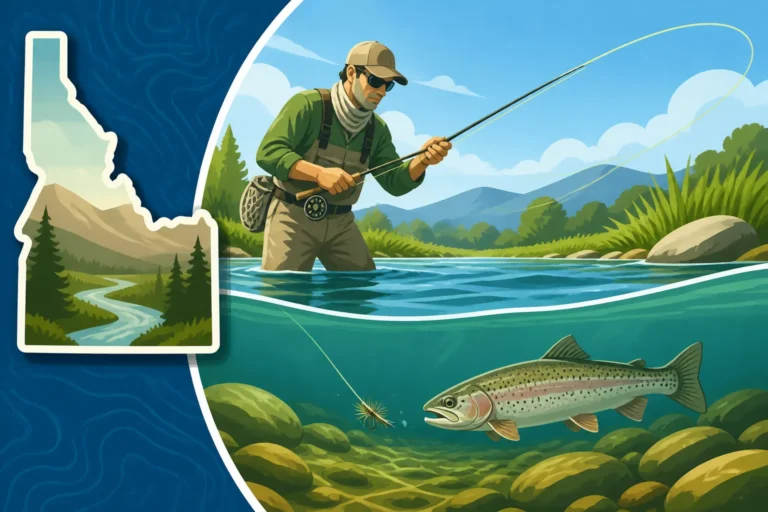
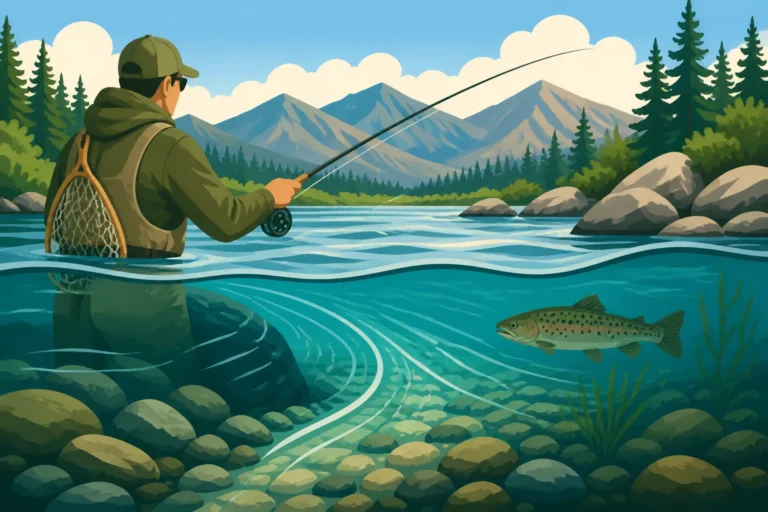
There’s nothing quite like the urge to fish a beautiful Idaho river, but for many of us, owning a drift boat or a jet boat simply isn't an option. It can feel like you’re missing out on all the action, watching those boats float by and wondering what secret spots they're hitting. But here’s the good news: you absolutely do not need a boat to have an incredibly successful and rewarding fishing trip on Idaho’s diverse rivers. This guide is all about empowering you, the bank angler, with the techniques, gear, and savvy to conquer those riverbanks and bring home some fantastic catches.
Understanding Idaho River Dynamics from the Bank
Before you even make your first cast, truly understanding the river itself is paramount. Rivers aren't just flowing water; they're complex systems with currents, depths, and structures that dictate where fish live and feed. From the bank, your perspective is different, but with a keen eye, you can decode these underwater landscapes just as effectively as someone in a boat.
Reading the Water for Prime Bank Spots
Learning to "read the water" is perhaps the single most important skill for any river angler, especially from the bank. It means looking at the surface and interpreting what's happening underneath, identifying potential fish-holding lies. Don't just cast blindly into the middle of the current; that's often unproductive. Instead, look for:
- Current Breaks: These are areas where the main flow of the river is interrupted. Think about rocks, logs, fallen trees, or even changes in the bank line. Fish, particularly trout and steelhead, love to sit in slower water just out of the main current, conserving energy while waiting for food to drift by. A good current break can be a goldmine, and you can often find them right along the bank or downstream of obvious obstacles.
- Eddies: These are swirling pockets of slower water where the current reverses direction. Eddies form behind large obstructions or in bends of the river. They're excellent places for fish to rest and feed on insects or baitfish that get trapped in the swirling water. Casting into the head or tail of an eddy and letting your bait or lure drift naturally can be incredibly effective.
- Seams: A seam is the distinct line where fast-moving water meets slower water. These are prime feeding lanes, as food is concentrated along these lines. You'll often see them as a visible change in the texture of the water surface. Learning to cast precisely along these seams, allowing your presentation to drift at the same speed as the natural food, will dramatically increase your success.
- Structure: This includes anything in or along the water that provides cover or alters the current. Undercut banks, fallen trees (snags), large boulders, weed beds, and even bridge pilings all count as structure. Fish use structure for protection from predators, a break from strong currents, and ambush points for prey. From the bank, look for subtle clues like darker water indicating deeper areas or shadows that might hide an undercut bank.
The Impact of River Levels and Clarity
Idaho's rivers are dynamic, constantly changing with the seasons and weather. River levels and water clarity are two critical factors that significantly influence where fish will be and how they'll react to your presentation. Ignoring these can lead to a frustrating day.
- High Water/Runoff: During spring runoff or after heavy rains, rivers can become high and muddy. While this might seem daunting, it can actually concentrate fish closer to the banks in slower, clearer pockets of water. Fish will seek refuge from the swift current and reduced visibility. In these conditions, use brighter, larger lures that create more vibration, or natural baits that emit scent, as sight feeding is diminished. Fish might be tight to the bank, so focus your casts accordingly.
- Low Water: Conversely, during late summer or fall, river levels can drop significantly, revealing more structure but also making fish more skittish. Fish will often retreat to deeper pools or under cover. Stealth becomes crucial, and lighter lines with more natural presentations are often more effective. This is when pinpoint casting to specific structure becomes essential.
- Clarity: Clear water demands a more subtle approach. Use natural-colored baits, smaller lures, and lighter leader material to avoid spooking fish. In stained or muddy water, brighter colors like chartreuse, orange, or hot pink, along with scent, can be highly effective in attracting attention. Always check local fishing reports or observe the river when you arrive to understand current conditions and adjust your strategy.
Scouting and Accessing Bank Fishing Locations
Finding good bank fishing spots requires a bit of detective work, but it’s part of the adventure! Gone are the days of just driving around hoping to stumble upon a spot. With modern tools, you can scout from your couch.
- Online Mapping Tools: Utilize resources like Google Earth, which allows you to virtually "walk" the river, identify public lands, bridges, and potential access points. Look for obvious trails, parking areas, or places where the vegetation changes, indicating easier access. Idaho Fish and Game also provides excellent online maps and access point information that are invaluable. These resources can save you hours of driving and frustration, helping you pinpoint promising stretches of river before you even leave home.
- Public Access Points: Many Idaho rivers flow through or alongside state and national forests, BLM land, and state parks, all offering excellent public access. Look for designated fishing access sites, boat launches (which often have good bank access nearby), and greenbelts or riverside parks, especially near towns. For instance, the Boise River Greenbelt offers fantastic urban fishing opportunities right through the city of Boise.
- Safety and Etiquette: Always be mindful of private property boundaries. Respect fences, "No Trespassing" signs, and always ask permission if you're unsure. When you find a spot, practice "Leave No Trace" principles: pack out all your trash, even if it's not yours, and try to leave the area better than you found it. Be courteous to other anglers; give them space, especially on popular stretches of river. A friendly nod or a brief chat can go a long way in building a good community. Also, be aware of your surroundings; Idaho rivers can be wild places, so watch out for wildlife and changing weather conditions.
Essential Gear for the Idaho Bank Angler
Getting the right gear isn't about having the most expensive stuff, but about having the appropriate tools for the job. Bank fishing in Idaho's diverse rivers means you might be targeting everything from small trout to massive steelhead, so versatility and reliability are key. A well-chosen setup will make your day more enjoyable and your efforts more fruitful. You can find a huge variety of reliable fishing gear on Amazon, making it easy to outfit yourself for any river condition.
Rods, Reels, and Line Choices for River Fishing
Your rod, reel, and line are the fundamental tools that connect you to the fish. Matching them to your target species and preferred techniques is crucial.
- Rods: For general-purpose bank fishing on Idaho rivers, a medium-light to medium power spinning rod, anywhere from 6 to 7.5 feet long, is a versatile choice. This length allows for good casting distance and control in various river environments. If you're targeting larger fish like steelhead or sturgeon, you might want to step up to a medium-heavy power rod, possibly longer, even 8-10 feet, for leverage and casting heavy weights. A longer rod can also help keep your line off the water when drift fishing, allowing for a more natural presentation. For fly anglers, a 5- or 6-weight rod is a good all-around choice for trout, while a 7- or 8-weight might be better for larger trout or smaller steelhead.
- Reels: A quality spinning reel in the 2000-3000 size range (or 20-30 for some manufacturers) pairs well with a medium-light to medium rod. Look for a smooth drag system, which is vital for fighting strong river fish. If you're going after bigger species, a 4000-5000 series reel will provide more line capacity and cranking power. For baitcasting setups, often preferred by bass anglers for casting accuracy and power, match the reel to your rod's line rating.
- Line: The choice of line often comes down to personal preference and the conditions.
- Monofilament (Mono): A good all-around choice, it's forgiving, has stretch, and is easy to tie knots with. It's often preferred for topwater lures or when a bit of stretch is beneficial to absorb head shakes. For trout, 4-8 lb test is common.
- Fluorocarbon (Fluoro): Nearly invisible underwater and very abrasion resistant, making it excellent for clear water and around abrasive structure. It has less stretch than mono, offering more sensitivity. Many anglers use it as a leader material attached to braided main line.
- Braided Line (Braid): Extremely strong for its diameter, has no stretch, and offers incredible sensitivity. It's excellent for feeling subtle bites and cutting through vegetation. Because it's visible, it's often paired with a fluorocarbon leader (e.g., 10-20 lb braid to a 6-10 lb fluoro leader for trout/bass). This combination offers the best of both worlds: strength and sensitivity for the main line, and stealth for the business end.
Tackle Box Essentials: Baits, Lures, and Rigs
A well-stocked tackle box is a bank angler's best friend. You need versatility to adapt to changing conditions and target species. Think about having a range of options rather than just one type of bait.
- Natural Baits: These are often irresistible to many Idaho fish.
- Worms: Classic and effective for almost any species, especially trout and panfish. Nightcrawlers or garden worms rigged on a small hook with a split shot or under a bobber can be deadly.
- PowerBait/Dough Baits: Specifically formulated for stocked trout, these come in various colors and scents. Floating PowerBait is often fished off the bottom with a sliding sinker rig.
- Salmon Eggs: Great for trout and often a favorite for steelhead, particularly when drift fished in clear water.
- Corn: Surprisingly effective for trout, often used in conjunction with other baits or on its own.
- Minnows/Baitfish: Live or dead, these can be fantastic for targeting larger predatory fish like bass, pike, or even larger trout. Check regulations carefully as live baitfish use is often restricted.
- Artificial Lures: These allow you to cover more water and elicit strike responses.
- Spinners: Such as Mepps or Panther Martin, are incredibly versatile for trout, bass, and panfish. Choose various sizes and blade colors. Cast upstream or across current and retrieve just fast enough to get the blade spinning.
- Spoons: Like Dardevle or Kastmaster, imitate injured baitfish. Good for trout and bass. They cast far and have an enticing wobble on the retrieve.
- Jigs: Extremely versatile. Small marabou jigs are fantastic for trout and panfish. Heavier lead-head jigs with soft plastic trailers (grubs, tubes, swimbaits) are deadly for smallmouth bass and even steelhead. Vary jig weight to match current and depth.
- Soft Plastics: Worms, crawfish, grubs, and creature baits rigged weedless or on jig heads are highly effective for bass.
- Plugs/Crankbaits: Small floating or diving crankbaits can entice trout and bass. Larger plugs are popular for steelhead. Brands like Rapala offer excellent river fishing options.
- Rigs:
- Slip-Sinker Rig: A bullet or egg sinker slides freely on the main line, above a swivel and a leader. This allows fish to pick up the bait without feeling the weight, commonly used for bottom fishing with natural baits.
- Carolina Rig: Similar to a slip-sinker, but with a bead between the sinker and swivel, often used with soft plastics for bass.
- Bobber/Float Rig: Allows for suspending bait or a jig at a specific depth, excellent for covering seams and eddies with a natural drift. Slip bobbers are invaluable for fishing deeper water, as they allow for easy casting.
- Drop Shot Rig: A weight is tied to the bottom of the leader, with the hook tied a foot or two above it. Great for presenting soft plastics off the bottom to finicky bass or trout.
- Terminal Tackle: Don't forget an assortment of hooks (sizes 6-12 for trout, larger for bass/steelhead), swivels (barrel or snap swivels to prevent line twist), split shot (various sizes for adding weight to rigs), and perhaps some small bells if you're fishing multiple rods for catfish. Carrying a selection of these small but crucial items, easily replenished from stores or online retailers like Amazon, will ensure you're prepared for any situation the river throws at you.
Comfort and Safety Gear
Fishing from the bank means you're often exposed to the elements and navigating uneven terrain. Staying comfortable and safe isn't just a good idea; it's essential for an enjoyable and successful trip.
- Waders and Boots: If you plan on doing any wading, even just to get to a better casting position, a good pair of waders and wading boots are indispensable. They keep you dry and warm, and the boots provide crucial traction on slippery riverbeds. Even if you don't wade, waterproof hiking boots are a must for navigating muddy or rocky banks.
- Layered Clothing and Rain Gear: Idaho weather can change rapidly. Dress in layers that you can easily add or remove. Always pack a waterproof and windproof jacket and pants, even if the forecast looks clear. Nothing ruins a fishing trip faster than being cold and wet.
- First-Aid Kit: A small, well-stocked kit is non-negotiable. Hooks in fingers, minor cuts from rocks, or scrapes from brush are common. Include bandages, antiseptic wipes, pain relievers, and any personal medications.
- Sun Protection: Sunglasses (polarized are highly recommended for seeing into the water), a wide-brimmed hat, and sunscreen are crucial, even on cloudy days.
- Hydration and Snacks: Always bring plenty of water, especially during warmer months. Pack some high-energy snacks to keep you going.
- Headlamp/Flashlight: If you plan on fishing at dawn, dusk, or even into the night, a reliable headlamp is essential for tying knots, navigating the bank, and general safety.
- Multi-tool/Pliers: For cutting line, removing hooks, and general repairs.
- Fishing Vest/Pack: A comfortable vest or backpack with plenty of pockets allows you to keep all your essential tackle, tools, and personal items organized and easily accessible without constantly going back to your main bag.
Effective Bank Fishing Techniques for Trout and Panfish
Trout and panfish are some of the most popular targets for Idaho bank anglers, and for good reason: they're abundant, relatively easy to catch, and often found in accessible waters. Mastering a few fundamental techniques can lead to consistent success.
Casting and Presenting Baits and Lures
Your presentation is key to fooling fish. It's not just about getting your bait into the water; it's about making it look natural and enticing.
- Accuracy Casting: Unlike stillwater fishing, river fishing often requires precise casts to specific pockets, seams, or behind structure. Practice casting to targets on land to improve your accuracy. Overhanging branches and bankside vegetation can be challenging, but often hold fish.
- Stealth: Fish in rivers, especially trout, can be incredibly wary. Approach the bank quietly, avoid heavy footsteps, and keep a low profile. Your shadow cast over the water can send fish scattering. Stay as far back from the water's edge as possible while still making effective casts.
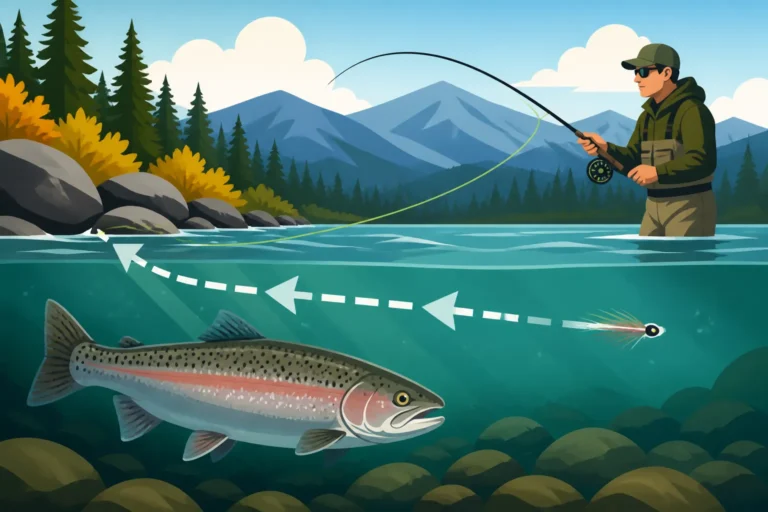
- Drifting Baits Naturally: For trout, a natural drift is often the most effective presentation. If using natural baits like worms or salmon eggs, use just enough weight (split shot) to get your bait down to the fish's level without snagging the bottom too often. Cast slightly upstream and across, allowing the current to carry your bait downstream in a natural, uninhibited manner. This "dead drift" mimics natural food items drifting with the current. Pay close attention to your line for subtle tugs or pauses that indicate a bite.
- Retrieval Techniques for Spinners and Spoons: When using artificial lures, vary your retrieve speed. For spinners, retrieve just fast enough to get the blade spinning. For spoons, a slow, wobbling retrieve can be effective. Experiment with pauses, twitches, and changes in speed to trigger strikes. In faster water, a slower retrieve might be necessary to keep the lure down, while in slower pools, a quicker retrieve might be more enticing.
Targeting Specific Holding Lies
Understanding where trout and panfish hold in a river will significantly increase your catch rate. They are creatures of habit, often occupying the same types of spots.
- Riffles and Runs: Riffles are shallow, fast-moving sections of river. The oxygenated water here is a magnet for insects, and trout will often sit in the slightly slower water just downstream of obstacles in the riffle, picking off food. Cast small spinners or drift worms through these areas. Runs are deeper, smoother sections of moving water. Trout will often hold in the middle or along the edges of runs, especially where the depth changes.
- Pools: These are deeper, slower sections of the river, often found below riffles or bends. Pools offer refuge from strong currents and are prime spots for larger, lazier fish. Fish the head of the pool (where the faster water enters), the tail (where it shallows out), and any deeper pockets or structure within the pool. Use baits, jigs, or even small crankbaits in pools.
- Undercut Banks: Look for sections where the current has eroded the bank, creating a cavern underneath. These are classic hiding spots for larger trout, providing both cover and an ambush point. Cast your bait or lure as close as possible to the edge of the undercut, allowing it to drift or sink into the dark water.
- Identifying Feeding Lanes: Fish will orient themselves to face upstream, waiting for food. The "feeding lane" is often a distinct current seam where food is naturally concentrated. Your goal is to get your bait into that lane and have it drift naturally with the current. This might mean casting a little bit upstream and letting it swing into the lane as it drifts downstream.
Best Times and Conditions for Trout
Timing can make a huge difference in your trout fishing success from the bank. Being there when the fish are most active is half the battle.
- Seasonal Considerations:
- Spring: After runoff subsides, spring can be fantastic. Water temperatures are rising, and fish become active. Trout will feed heavily as insect hatches begin. This is a great time for drifting worms or small nymphs.
- Summer: During the heat of summer, trout often become less active during the day. Focus on early mornings, late evenings, or even night fishing when water temperatures are cooler and insect activity increases. Seek out shaded areas or deeper pools.
- Fall: Many anglers consider fall the best time for trout fishing. Water temperatures are ideal, and fish are actively feeding before winter. This is also when some species, like brown trout, spawn, making them more aggressive (though often requiring special care or targeting other species).
- Winter: Some Idaho rivers offer good winter fishing, particularly in milder areas or on specific tailwaters that remain ice-free. Look for deeper, slower pools where fish conserve energy. Small jigs or nymphs are often effective.
- Time of Day: As a general rule, trout are most active at dawn and dusk. These low-light conditions offer them a sense of security from predators, and insect activity is often at its peak. During overcast days, fishing can be good throughout the day.
- Weather Impacts: A light rain or cloudy conditions can often improve trout fishing, as it reduces light penetration and makes fish feel more comfortable feeding in open areas. Heavy rains, however, can muddy the water and make fishing challenging. A rising barometer (indicating stable weather) often correlates with good fishing, while a rapidly falling barometer (preceding a storm) can make fish less active.
Advanced Bank Fishing for Steelhead and Bass
Once you've honed your skills on trout and panfish, it's time to tackle some of Idaho's harder-fighting river species from the bank. Steelhead and smallmouth bass offer thrilling challenges and require a slightly different approach and heavier tackle. Remember to check the Idaho Fishing Regulation Brochure and Proclamation for specific rules on these species.
Techniques for Hard-Fighting Steelhead from Shore
Steelhead, those incredible ocean-run rainbow trout, are a prize for any angler. Catching them from the bank on rivers like the Clearwater River or Salmon River takes dedication and specific techniques. You will definitely need an Idaho Salmon and Steelhead Permit in addition to your regular license.
- Float Fishing (Bobber Dogging): This is one of the most effective bank techniques for steelhead. You'll use a large, buoyant float (often called a "slip bobber" or "steelhead float") to suspend your bait or jig at a precise depth. The float is weighted so that it stands upright in the current, carrying your presentation naturally through prime steelhead holding water. Jigs, roe (salmon eggs), or even small clusters of worms can be fished under a float. The key is to get a completely drag-free drift that matches the current speed. This often requires standing slightly upstream and mending your line to avoid the current pulling your float prematurely.
- Drift Fishing with Slinkies or Cheaters: This classic technique involves using lead-filled parachute cords (slinkies) or pencil lead weights (cheaters) to bounce your bait along the river bottom. The idea is to keep your bait in the "strike zone" near the bottom where steelhead often hold. Attach your slinky or cheater to a swivel, with a short leader (18-36 inches) trailing behind, tipped with roe, worms, or a small yarnie (yarn fly). Cast upstream and across, letting the weight tick along the bottom as it drifts downstream. Feel for the subtle "tick-tick-tick" of the weight on the bottom, and any deviation could be a bite.
- Casting Spinners/Spoons: While often associated with boat fishing, casting heavy spinners (like Blue Fox or Rooster Tail in larger sizes) or spoons can be very effective in runs where steelhead are moving or actively feeding. Look for distinct current seams or the tail-outs of larger pools. Cast across or slightly upstream and retrieve with a steady pace that allows the lure to wobble and flash. Chartreuse, orange, and metallic finishes are popular colors for steelhead.
- Understanding Steelhead Migration Patterns: Steelhead are migratory, so understanding when and where they'll be in the river system is vital. They generally migrate upstream in the fall and winter, holding in larger pools and runs, often near structure. In spring, they begin to stage for spawning. Checking Idaho Fish and Game's weekly fishing reports and online creel surveys will give you the most up-to-date information on where fish are present and what techniques are working.
Tactics for River Smallmouth Bass
Idaho's Snake River and its tributaries, along with other rivers, offer fantastic smallmouth bass fishing from the bank. These aggressive fighters love current and structure.
- Targeting Rocky Areas and Current Breaks: Smallmouth bass thrive in rivers with rocky bottoms, gravel bars, and boulder fields. They use these rocks for ambush points and protection from the current. Focus your casts around prominent rocks, current breaks, and seams.
- Submerged Structure: Fallen trees, submerged logs, and even old tires can hold impressive numbers of smallmouth. These provide cover and concentrate baitfish. If you can see or identify these from the bank, cast your lures close to them.
- Using Jigs and Soft Plastics: Jigs are incredibly effective for river smallmouth. Tube jigs, grubs on a jig head, and crawfish-imitating soft plastics are top producers. Bounce them along the bottom, let them drift naturally, or use a "drag and hop" retrieve. Colors like green pumpkin, brown, and black are common choices.
- Crankbaits and Spinnerbaits: Small to medium-sized crankbaits that dive to match the depth of the river can be deadly, especially when fished around rocky areas. Spinnerbaits, with their flash and vibration, are also excellent for covering water and eliciting aggressive strikes, particularly in stained water.
- Fan Casting and Covering Water: Unlike stationary trout, smallmouth bass are often more spread out. Fan casting—making a series of casts that cover an arc in front of you—is an effective way to locate active fish and determine where they are holding. Once you find a fish, work that area thoroughly.
Adapting for Other River Species
Idaho rivers offer a chance at a variety of other species, each requiring slight adjustments to your bank fishing strategy.
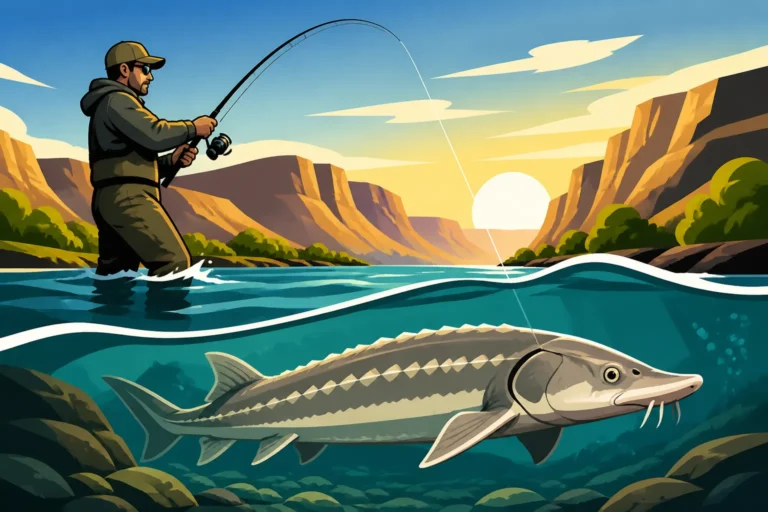
- Sturgeon Fishing: The Snake River holds ancient white sturgeon, some growing to immense sizes. This is a highly specialized catch-and-release fishery. From the bank, you'll need heavy-duty tackle: stout rods (often rated for 80-130 lb line), large baitcasting reels with heavy braid, and strong circle hooks (often 8/0 to 12/0). The key is presenting large, smelly baits (squid, cut bait, worms, lamprey eel) on a heavy lead sinker rig that can hold the bottom in strong current. Remember, sturgeon fishing in Idaho has very strict rules, including Idaho Barbless Hook Requirements and the absolute requirement to not remove the fish from the water, as per Idaho Rule Against Removing Sturgeon from the Water. Always be prepared for a long, arduous fight! If you're considering sturgeon fishing, checking out an Idaho Sturgeon Fishing Guide might be a good idea.
- Channel Catfish: Many Idaho rivers and their slower backwaters hold good populations of channel catfish. They are primarily bottom feeders and respond well to baits with strong scents. Chicken livers, stink baits, cut bait, and even hot dogs fished on a simple slip-sinker rig are effective. Target deeper holes and slower currents, especially in the evenings and at night.
- Mountain Whitefish: Often overlooked, these native fish are abundant in many clear, cold Idaho rivers. They put up a surprisingly good fight on light tackle. Small worms, salmon eggs, or tiny nymphs drifted naturally on light line are very effective. They often hold in the same areas as trout.
Reading Idaho River Regulations and Etiquette
Fishing in Idaho means being a responsible and informed angler. The rules are there to protect the resource and ensure everyone has a great experience. Ignorance of the regulations is never an excuse, so taking the time to understand them is a vital part of planning any bank fishing trip. You need to make sure you have the proper licenses; for example, if you are a resident, an Idaho Resident Annual Fishing License might be the way to go.
Understanding Statewide and Special Regulations
Idaho's fishing regulations can be complex, varying by water body and even by specific sections of a river.
- The Importance of the Brochure: Your absolute best resource is the current Idaho Fishing Regulation Brochure and Proclamation, published annually by Idaho Fish and Game. Always get a copy, either printed or digitally, and keep it with you when you're fishing. It contains all the essential information, including statewide general rules, and more importantly, special regulations that supersede the general rules for specific waters.
- Daily Bag Limits and Possession Limits: Pay close attention to these. A "daily bag limit" is the maximum number of fish you can keep in a 24-hour period. A "possession limit" is the maximum number of fish you can have in your possession, including those at home, in your cooler, or in your vehicle. These limits vary by species and water. Exceeding them can lead to significant fines and penalties.
- Tackle Restrictions: Some waters have specific tackle restrictions. This might include "artificial lures only," "fly fishing only," "barbless hooks only," or limits on the number of hooks or rods you can use. As an example, for sturgeon, Idaho Barbless Hook Requirements are mandatory. Always consult the brochure for the specific stretch of river you plan to fish.
- Species-Specific Rules: Certain species have very particular rules. Steelhead and Chinook salmon often require a specific permit (like the Idaho Salmon and Steelhead Permit) and a catch record card. Sturgeon are strictly catch-and-release, and there's a strict Idaho Rule Against Removing Sturgeon from the Water.
- Licensing: Before you even cast a line, ensure you have the appropriate Idaho fishing license. There are different licenses for residents and nonresidents, and various durations. Children typically have different requirements; check the Idaho Fishing License Age Requirements for details. You can easily purchase your license online or at many sporting goods stores. To get started, you'll need an Idaho Fishing License Guide to understand all the options.
Respecting Private Property and Public Access
Bank fishing often means navigating the boundary between public and private lands. Respecting these boundaries is crucial for maintaining angler access.
- Knowing Property Boundaries: Just because a river flows through it doesn't mean the banks are public. Landownership along rivers can be complex. Use online mapping tools and look for signage. If in doubt, err on the side of caution and find another spot or seek explicit permission from the landowner. Trespassing is illegal and can lead to fishing access being lost for everyone.
- Minimizing Impact: Practice "Leave No Trace" principles. Pack out everything you pack in, including discarded fishing line (which can be deadly to wildlife) and any other trash you might find. Avoid disturbing vegetation unnecessarily and stay on established trails where possible.
- Giving Fellow Anglers Space: Rivers can be popular, especially prime fishing spots. Be courteous and give other anglers ample space. If someone is already fishing a run, don't crowd them or cast over their lines. Move to an open area, or politely ask if you can fish nearby. A simple rule of thumb is to maintain at least one casting distance between you and the next angler.
- Responsible Wading: If you do wade, do so carefully to avoid disturbing spawning beds (redds) or stirring up excessive silt. Wade only when necessary and where safe, and always be aware of your surroundings and the current.
Safety First on River Banks
The beauty of Idaho's rivers can sometimes mask inherent dangers. Prioritizing your safety, and the safety of those with you, is paramount.
- Wear a PFD (Personal Flotation Device): If you are wading, especially in swift or deep current, or if you are not a strong swimmer, wearing a PFD is a smart decision. Accidents can happen quickly, and a PFD can save your life.
- Awareness of Slippery Banks and Currents: Riverbanks can be slick with mud, moss, or loose rock. Footing can be treacherous. Move slowly and deliberately. Be acutely aware of swift currents, deep holes, and unstable banks that could collapse. A trekking pole or wading staff can provide stability.
- Never Fish Alone: Whenever possible, fish with a buddy. If an accident occurs, having someone there to help or call for assistance can make all the difference.
- Wildlife Awareness: Idaho is home to various wildlife, including bears, moose, and snakes. Be aware of your surroundings, make noise when hiking into remote areas, and know what to do if you encounter potentially dangerous animals. Carry bear spray in bear country.
- Check Weather Forecasts: River conditions can change dramatically with the weather. Heavy rains upstream can cause flash flooding, and sudden temperature drops can lead to hypothermia. Always check the forecast before you go and be prepared for changes. If a storm rolls in, seek shelter or consider ending your trip.
- Stay Hydrated and Nourished: As mentioned earlier, keeping your body properly fueled and hydrated is crucial for maintaining focus and energy, especially during long days on the water.
By understanding the river, gearing up correctly, employing effective techniques, and adhering to regulations and safety protocols, you'll find that bank fishing Idaho's rivers can be an incredibly rewarding and successful endeavor. Don't let the lack of a boat hold you back from experiencing the fantastic fishing opportunities this state has to offer.
| Species | Preferred Bank Fishing Technique | Recommended Baits/Lures | Ideal Water Conditions |
|---|---|---|---|
| Rainbow Trout | Drift fishing, Spin casting | Worms, PowerBait, Salmon eggs, Spinners, Spoons | Clear to slightly stained, moderate current |
| Cutthroat Trout | Drift fishing, Fly fishing (if accessible) | Worms, Salmon eggs, Small spinners, Dry flies (if hatching) | Clear, cool water, moderate current |
| Smallmouth Bass | Jigging, Casting soft plastics, Crankbaits | Tube jigs, Grubs, Crawfish imitations, Small crankbaits | Rocky areas, current breaks, clear to stained |
| Steelhead | Float fishing, Drift fishing, Casting spoons | Roe bags, Jigs (marabou, yarn), Large spinners, Spoons | Stained to clear, moderate to strong current |
| White Sturgeon | Heavy bottom fishing (catch & release) | Cut bait (squid, lamprey), Worms, Shrimp | Deep holes, slow to moderate current |
| Channel Catfish | Bottom fishing | Chicken liver, Stink baits, Cut bait, Hot dogs | Slower currents, deep pools, stained water |
| Mountain Whitefish | Light drift fishing | Small worms, Salmon eggs, Tiny nymphs | Clear, cold water, moderate current |
Disclaimer
Please note that fishing regulations in Idaho can change. It is always your responsibility to consult the most current Idaho Fish and Game regulations brochure before heading out to fish. This guide provides general information and recommendations and should not be considered a substitute for official regulations.