Idaho’s Most Popular Fishing Destinations
Planning a fishing trip can feel like trying to untangle a stubbornly knotted line, especially when you're dreaming of Idaho's vast and diverse waters. With so many incredible lakes, rivers, and high-mountain streams, figuring out where to even start can be overwhelming, leaving many anglers wondering if they'll ever truly experience the legendary fishing the Gem State offers. This guide is here to cut through that confusion, giving you the inside scoop on Idaho's most popular fishing destinations, detailing what makes them special, what you can expect to catch, and how to make the most of your adventure.
Exploring North Idaho's Premier Fishing Waters
The Idaho Panhandle is a shimmering mosaic of deep, cold lakes and wild, flowing rivers, offering some of the most scenic and productive fishing in the state. From massive lakes that hold record-breaking trout to rivers renowned for their steelhead runs, North Idaho is a true angler's paradise, beckoning with diverse opportunities.
Lake Coeur d'Alene: Kokanee, Chinook, and More
Ah, Lake Coeur d'Alene! Just the name conjures images of pristine waters surrounded by rolling, timbered hills. It's not just a postcard-perfect destination; it's a fishing powerhouse, especially if you're keen on chasing kokanee salmon and trophy Chinook salmon. For many years, anglers have flocked here for the sheer numbers of kokanee, providing fast-paced action, especially in the summer months. These landlocked sockeye are often targeted by trolling with downriggers, using small dodgers and hootchies. Imagine the thrill of your rod bending repeatedly as school after school of these feisty, delicious fish hit your line. It's truly an experience that defines fishing in this region.
But Lake Coeur d'Alene isn't just about the smaller salmon. It's also home to some truly massive Chinook salmon. These kings of the lake grow to impressive sizes, often tipping the scales into the double digits. Locals and visitors alike participate in annual derbies, vying for the bragging rights of landing the biggest Chinook. You’ll need heavier gear, larger lures, and a good understanding of where these giants lurk, often in deeper, colder waters. The challenge of a hard-fighting Chinook can be incredibly rewarding. Beyond the salmon, the lake also supports populations of northern pike, bass, and trout, making it a versatile spot for any angler. If you're looking for an unforgettable experience, keep an eye on the local fishing reports; the lake's moods can change, but its generosity rarely falters. Understanding the Idaho Kokanee Fishing Guide can really enhance your success here.
Lake Pend Oreille: Home of the Trophy Rainbow Trout
Further north, past the bustling city of Sandpoint, lies Lake Pend Oreille, a colossal body of water that holds a special place in the hearts of anglers chasing truly enormous rainbow trout. This lake is famous for its Gerrard-strain rainbow trout, also known as Kamloops rainbows, which can reach astounding sizes, often exceeding 20 pounds. In fact, Lake Pend Oreille once held the world record for rainbow trout, a testament to its incredible fishery. The sheer size and power of these fish are legendary. Landing one is often considered a lifetime achievement for many anglers.
Fishing for these monster rainbows typically involves deep-water trolling with heavy gear, often using large spoons or plugs. It's a game of patience and persistence, but the payoff can be spectacular. Picture yourself out on the vast expanse of the lake, the deep blue water stretching to the distant mountains, when suddenly your rod nearly gets ripped from your hand. The fight is intense, marked by powerful runs and acrobatic leaps that will test your tackle and your resolve. Beyond the rainbows, Lake Pend Oreille also harbors impressive populations of lake trout (mackinaw), kokanee, and even bull trout (which are protected and must be released unharmed). The diversity of fishing here means there's always something to target, regardless of the season, though the spring and fall often yield the best results for the big 'bows.
Priest Lake: Deep Waters and Mackinaw Monsters
Nestled at the base of the Selkirk Mountains, Priest Lake is another North Idaho gem, renowned for its crystal-clear, deep waters and its population of monstrous lake trout, or "Mackinaw." While Lake Pend Oreille gets the fame for rainbows, Priest Lake is where you go if you want to tangle with truly enormous lake trout. These deep-dwelling predators can grow to incredible sizes, often exceeding 30 pounds, and are known for their powerful, stubborn fights. Anglers regularly report catching fish in the 10-20 pound range, with larger specimens lurking in the cold, dark depths.
Fishing for Mackinaw on Priest Lake is typically a deep-water affair, often requiring specialized techniques like downrigging with large spoons, jigs, or live bait fished close to the bottom. It's a methodic process, often involving searching large areas of the lake with sonar to locate schools of baitfish or prominent underwater structures where these leviathans might be hiding. The sheer beauty of the lake, with its surrounding forests and the stunning view of Chimney Rock, makes every trip an experience, even if the fish aren't biting constantly. And let’s not forget the smaller Upper and Lower Priest Lakes, which offer fantastic opportunities for smaller rainbow and cutthroat trout, especially if you prefer a more tranquil, fly-fishing experience. Before heading out, make sure you're up to date on Idaho Fishing Regulations Explained to ensure a smooth trip.
Clearwater River: Steelhead Mecca
No discussion of North Idaho fishing would be complete without highlighting the legendary Clearwater River. This river, particularly its North Fork and Mainstem, is absolutely synonymous with steelhead fishing. Steelhead, those magnificent sea-run rainbow trout, make epic journeys from the Pacific Ocean up the Columbia and Snake River systems to spawn in Idaho's clear, cold tributaries. The Clearwater's reputation for large, hard-fighting steelhead draws anglers from across the country, particularly during the fall and spring runs.
The fishing here is as much about the experience as it is about the catch. You'll often find anglers lining the banks, braving crisp autumn air or chilly spring mornings, all hoping for that tell-tale tug. Popular techniques include drift fishing with bait or jigs, bobber dogging, and back-trolling plugs from a boat. The sheer power of a Clearwater steelhead, with its explosive runs and aerial acrobatics, is something that has to be experienced to be believed. While you must adhere to strict catch-and-release rules for wild steelhead, hatchery-reared fish (identifiable by their clipped adipose fin) can be harvested within limits. Beyond steelhead, the Clearwater also offers excellent fishing for Chinook salmon in specific seasons, as well as trout and smallmouth bass. It's a dynamic river system, and understanding the Idaho Steelhead Fishing Guide is essential for a successful trip.
Central Idaho's Majestic Fishing Landscapes
Moving into the heart of the Gem State, Central Idaho unveils a breathtaking panorama of rugged mountains, pristine wilderness, and some of the world's most revered fly-fishing destinations. This region is a sanctuary for trout anglers, offering everything from technical spring creeks to powerful freestone rivers.
Henry's Fork: A Fly-Fishing Legend
For serious fly anglers, the Henry's Fork of the Snake River is more than just a river; it's a pilgrimage site. Located in eastern Idaho, near Island Park and Ashton, this river is globally recognized for its incredibly selective trout and challenging, yet supremely rewarding, dry fly fishing. The "Ranch" section, flowing through Harriman State Park, is particularly famous for its prolific hatches and the huge, educated rainbow trout that sip tiny flies off the surface. It's not a place for beginners looking for easy limits; it's a classroom for those who want to hone their skills against some of the wariest trout in the West.
Imagine standing waist-deep in clear, slow-moving water, surrounded by vibrant green meadows, meticulously casting a tiny mayfly imitation to a rising fish that might weigh several pounds. The anticipation, the perfect drift, the subtle take—it’s an art form. Beyond the Ranch, the Henry's Fork offers diverse sections, from the faster-flowing water near the Box Canyon, which holds powerful rainbows, to the upstream sections that provide fantastic fishing for brook and cutthroat trout. If you're planning a trip, consider booking a local guide through platforms like FishingBooker to help unlock the river's secrets and navigate its complex hatches. A guide can be invaluable in understanding the nuances of presentation and fly selection. The Henry's Fork truly embodies the spirit of fly fishing, demanding respect, patience, and skill.
The Salmon River: "River of No Return" for Steelhead and Chinook
The Salmon River, often called the "River of No Return," carves its way through some of Idaho's most rugged and remote wilderness, offering an epic backdrop for fishing adventures. This legendary river is a lifeline for migratory fish, particularly steelhead and Chinook salmon, making it a bucket-list destination for many anglers. Its sheer length and varied character, from broad, accessible sections to wild, roadless canyons, provide a wide range of fishing experiences.
During the fall and spring, the Salmon River comes alive with steelhead, offering a truly wild angling experience. Jet boats navigate its powerful currents, dropping anglers off at prime runs, while drift boats float quieter sections. Bank fishing is also popular in accessible areas, with anglers casting large spoons, jigs, or drift fishing with bait. The journey itself, often involving scenic drives or even multi-day float trips through wilderness areas, adds to the allure. In the summer, sections of the Salmon River open for Chinook salmon, though seasons can be short and highly regulated due to conservation efforts. Imagine hooking into a fresh Chinook in the heart of Idaho's wilderness—it’s an adrenaline rush like no other. The river also holds good populations of native cutthroat trout, rainbow trout, and mountain whitefish, providing year-round opportunities. Knowing when the Idaho Fishing Season Dates and Limits are can make all the difference for a successful Salmon River trip.
Silver Creek: Technical Trout Fishing at its Finest
South of Sun Valley, Silver Creek is another iconic spring creek that stands as a testament to Idaho's incredible fly-fishing heritage. This tranquil stream, fed by numerous cold, clear springs, is known for its gin-clear water, abundant aquatic insect life, and notoriously selective wild rainbow and brown trout. Much like the Henry's Fork, Silver Creek is a place where presentation and stealth are paramount. The fish here have seen every fly and every angle, making them incredibly challenging to fool.
Anglers often wade cautiously along its grassy banks, stalk fish with careful precision, and make long, delicate casts to rising trout. The hatches on Silver Creek are legendary, with everything from tiny midges to large PMDs and Tricos bringing fish to the surface. It's a place where you truly learn the meaning of "match the hatch." Beyond the challenge, the scenery is simply stunning: wide, open meadows, towering cottonwoods, and the occasional sighting of wildlife like deer and eagles. While it might intimidate beginners, Silver Creek offers an unparalleled sense of accomplishment when you successfully entice one of its beautiful, wild trout. For those seeking a masterclass in fly fishing, Silver Creek is an essential stop.
Sawtooth National Recreation Area: Alpine Lake Adventures
For those who love to combine their passion for fishing with a love for hiking and wilderness exploration, the Sawtooth National Recreation Area is an absolute dream. This vast, protected region in Central Idaho is home to hundreds of alpine lakes, many of which are stocked with various trout species, offering truly spectacular high-country fishing experiences. Lakes like Redfish Lake, Stanley Lake, and Pettit Lake are accessible by road or short hikes and offer good fishing for rainbow, brook, and even sockeye salmon in the case of Redfish Lake.
However, the real adventure lies in venturing further into the backcountry. Numerous trailheads provide access to a network of high-mountain lakes, often requiring a strenuous hike but promising solitude and pristine fishing for eager cutthroat, brook, and rainbow trout. Imagine casting a dry fly on a glassy alpine lake at sunrise, surrounded by jagged granite peaks, with not another soul in sight. These waters often see less pressure, and the fish, though sometimes smaller, are typically very willing to take a well-presented fly or lure. Packing light, being prepared for rapidly changing mountain weather, and having a good map are crucial for these trips. The effort involved is handsomely rewarded with breathtaking scenery and unforgettable angling. This is where you connect deeply with Idaho's wild heart.
Southwest Idaho: Angling Opportunities Near Urban Centers
Even if you're close to the hustle and bustle of Idaho's capital, Boise, you're never far from fantastic fishing. Southwest Idaho boasts a surprising array of angling opportunities, from urban rivers teeming with trout to large reservoirs brimming with bass and panfish, and even the mighty Snake River with its ancient sturgeon.
Boise River: Urban Trout Fishing Gem
One of the true marvels of Idaho fishing is the Boise River, which flows right through the heart of the city of Boise. This isn't just a picturesque waterway; it's a genuinely productive trout fishery. Thanks to consistent stocking by the Idaho Department of Fish and Game and regulations that encourage catch-and-release, the river supports a robust population of rainbow and brown trout. It's a fantastic place for a quick morning or evening outing, offering easily accessible bank fishing and numerous wading opportunities, especially downstream from Lucky Peak Dam.
Imagine being able to leave work, drive ten minutes, and be casting for trout in a beautiful river setting. The Boise River provides just that. Anglers can find success with spin fishing (using small spinners, spoons, or bait) or fly fishing (matching local hatches or nymphing). The river's accessibility makes it incredibly popular with families and beginners, yet it also challenges experienced anglers, particularly during certain hatches. The Greenbelt, a scenic pathway that parallels much of the river, provides excellent access points. It's a testament to Idaho's commitment to public access and conservation that such a vibrant fishery thrives within a metropolitan area. Before you cast a line, remember to check current regulations and grab your Idaho Resident Fishing License Guide or Idaho Nonresident Fishing License Guide, depending on your status.
Snake River: Smallmouth, Catfish, and Sturgeon
The Snake River, a true titan among Western waterways, defines a large portion of Idaho's southern border and offers an incredibly diverse fishery. While certain sections are famous for their giant white sturgeon (more on that later), other stretches of the Snake, particularly around the southwestern and south-central parts of the state, are prime destinations for smallmouth bass, channel catfish, and even some warm-water panfish.
For smallmouth bass enthusiasts, the Snake River's rocky banks, eddies, and current breaks provide ideal habitat. These hard-fighting fish are aggressive and plentiful, offering fast action on a variety of lures, including crankbaits, jigs, and soft plastics. They're a blast to catch, known for their powerful dives and aerial acrobatics. Catfish anglers can find success throughout the river, especially in slower, deeper holes, using baits like cut bait, worms, or stink baits. These nocturnal feeders can grow quite large and provide a powerful fight. The sheer scale of the Snake River means there are countless access points, from developed boat ramps to more remote stretches, allowing anglers to find their preferred level of solitude or convenience. It’s truly a river that has something for everyone, regardless of their preferred species or fishing style.
Reservoirs of Southwest Idaho: Bass and Panfish Galore
Southwest Idaho is dotted with several large reservoirs that offer fantastic warm-water fishing opportunities, especially for bass, crappie, and perch. These impoundments, often created for irrigation or power generation, have developed into vibrant fisheries that provide consistent action.
- Lucky Peak Reservoir: Just a stone's throw from Boise, Lucky Peak is a popular spot for trout and kokanee, but it also holds good populations of smallmouth bass. It's easy to access and offers great bank fishing and boat access, making it a favorite for locals looking for a quick after-work trip.
- C.J. Strike Reservoir: Further south, near Mountain Home, C.J. Strike is a sprawling reservoir known for its excellent smallmouth bass, crappie, and even some channel catfish. Its diverse shoreline, numerous coves, and varying depths provide ample habitat. Anglers often target bass along rocky points and crappie in brushy coves.
- Lake Lowell: Close to Nampa, Lake Lowell is a shallower, warmer reservoir that provides a fantastic family-friendly fishing experience. It's well-known for its abundant populations of crappie, bluegill, and largemouth bass, making it an ideal spot to introduce kids to fishing. Simple bait-and-bobber setups or small jigs can lead to consistent action.
These reservoirs offer a different pace than the fast-flowing rivers, often allowing for more relaxed boat fishing, trolling, or targeting specific structures. They are vital resources for anglers in the region, providing diverse opportunities throughout the year, depending on the species.
Southeast Idaho's Varied Fisheries: From Lakes to Legendary Rivers
Heading to the southeastern corner of Idaho reveals another distinct array of fishing destinations. Here, you'll find iconic fly-fishing rivers that rival the West's best, massive reservoirs holding abundant trout and kokanee, and unique natural lakes with species found nowhere else.
South Fork of the Snake River: Dry Fly Paradise
The South Fork of the Snake River, flowing from Palisades Reservoir down to the Fort Hall Indian Reservation, is arguably one of the finest trout rivers in North America, particularly for dry fly fishing. It's a designated "blue-ribbon" fishery, famous for its prolific hatches and robust populations of native Yellowstone cutthroat trout, as well as rainbow and brown trout. The scenery is absolutely stunning, with cottonwood-lined banks giving way to dramatic canyons.
Floating this river is the quintessential South Fork experience. Anglers drift through its varied sections, casting dry flies to rising fish, nymphing through runs, or stripping streamers along cut banks. The dry fly action, especially during prolific hatches of salmonflies, golden stones, caddis, and mayflies, can be truly world-class. Imagine watching a large cutthroat rise slowly to your perfectly presented dry fly—it’s pure magic. The river is heavily regulated to protect its wild trout populations, often with catch-and-release sections and specific gear restrictions, so reviewing the Idaho Statewide General Fishing Rules is vital. Given its reputation, it can get busy, but with multiple access points and miles of water, solitude can still be found. This is a must-fish river for any serious trout angler.
Palisades Reservoir: Trout, Kokanee, and Scenery
Upstream from the famous South Fork, Palisades Reservoir is a sprawling body of water on the Idaho-Wyoming border, offering a fantastic mix of trout and kokanee fishing amidst stunning mountain scenery. This large reservoir, fed by the Snake River, is a popular destination for both boat and bank anglers, particularly those chasing rainbow trout, cutthroat trout, and the ever-popular kokanee salmon.
Palisades provides consistent action, often with good numbers of stocked rainbows and cutthroats that can be caught trolling, still fishing with bait, or casting lures from shore. For kokanee, trolling with downriggers and various attractors and lures is the most effective method, especially during the summer months when these schooling fish move into deeper water. The dramatic backdrop of the Snake River Range and the surrounding national forest lands makes for a truly immersive outdoor experience. Whether you're camping along its shores, launching a boat for a day of trolling, or simply enjoying the views while casting from a point, Palisades Reservoir offers a classic Western fishing adventure. It’s a place where families can easily find success, and experienced anglers can fill their coolers.
Bear Lake: Unique Cutthroat and Cisco Fishing
Straddling the Idaho-Utah border, Bear Lake is a truly unique natural lake, often called the "Caribbean of the Rockies" due to its stunning turquoise waters. But it's not just a pretty face; Bear Lake is home to several endemic species of fish found nowhere else in the world, including the Bonneville cisco, Bonneville whitefish, Bear Lake sculpin, and the Bear Lake strain of Bonneville cutthroat trout. These unique fish make it a fascinating destination for anglers interested in something truly different.
While the endemic species are a draw, most anglers target the Bonneville cutthroat trout, which can grow to impressive sizes, particularly in the spring and fall. Trolling with spoons or plugs is a popular method for these trout. However, the most distinctive fishing experience here is undoubtedly the winter cisco run. During late January and early February, thousands of tiny Bonneville cisco move into shallow waters to spawn, and anglers gather, often braving freezing temperatures, to scoop net these fish. It's a communal, almost festival-like event that's unlike any other fishing experience in Idaho. Bear Lake offers a blend of conventional trout fishing and a truly unique cultural and biological angling experience that makes it well worth the drive.
Unforgettable Idaho Destinations for Specific Species
Idaho is rich with diverse fish species, and some destinations truly stand out for the opportunity to target particular, often challenging, species. These are the places you go when you have a specific trophy or a unique fight in mind.
Chasing Giant Sturgeon on the Snake River
When it comes to prehistoric giants, Idaho’s Snake River is the undisputed champion, offering one of the best opportunities in North America to catch a white sturgeon. These ancient fish can live for over 100 years and grow to immense sizes, often exceeding 10 feet in length and weighing hundreds of pounds. The stretches of the Snake River below Hells Canyon Dam, as well as sections near C.J. Strike and even closer to Boise, are prime sturgeon habitat.
Fishing for sturgeon is a truly epic endeavor. It requires heavy-duty tackle—think stout rods, powerful reels, and braided line capable of withstanding immense pressure. Anglers typically anchor their boats and fish large pieces of cut bait on the bottom. The waiting game can be long, but when a sturgeon finally takes the bait, the fight that ensues is nothing short of legendary. These fish are incredibly powerful, with long, sustained runs and often impressive leaps. It’s an experience that will leave your arms aching and your heart pounding. Due to their protected status, all sturgeon fishing in Idaho is strictly catch-and-release, and barbless hooks are mandatory. It's also illegal to remove them from the water, so pictures are taken with the fish still alongside the boat. This commitment to conservation ensures that future generations can continue to experience the thrill of these magnificent creatures. If you want to pursue these incredible fish, a Idaho Sturgeon Fishing Guide is an invaluable resource. Many anglers choose to hire a guide through services like FishingBooker specifically for sturgeon, as they have the specialized gear and knowledge to safely and successfully target these giants.
The Thrill of Tiger Muskie at Cascade Reservoir
For anglers seeking a true apex predator and an explosive fight, Cascade Reservoir in Central Idaho is the place to be. This large, beautiful reservoir is unique in Idaho for its thriving population of tiger muskie, a sterile hybrid created by crossing a northern pike and a muskellunge. These toothy predators are notoriously difficult to catch but offer an unparalleled adrenaline rush when they strike. Tiger muskie in Cascade can grow to impressive sizes, often exceeding 40 inches and weighing over 20 pounds.
Fishing for tiger muskie is often described as "the fish of 10,000 casts," a testament to their elusive nature. Anglers typically target them by casting or trolling large, flashy lures like bucktail spinners, crankbaits, or glide baits near weed beds, rocky points, and submerged timber. It's a very visual form of fishing, as these fish often follow a lure right to the boat before striking or turning away. The "figure-eight" maneuver at the side of the boat is a common technique to entice a hesitant muskie to commit. They are powerful, aggressive fighters, and landing one is a significant accomplishment. Cascade Reservoir also offers excellent fishing for yellow perch, rainbow trout, and smallmouth bass, providing plenty of action even when the muskie are being shy. This is a destination for those who love a challenge and the chance to tangle with a true freshwater beast.
High Mountain Lakes: Pristine Trout and Solitude
While we touched on the Sawtooths, Idaho's vast wilderness areas across the state are dotted with thousands of high mountain lakes, many of which are only accessible by foot or horseback. These pristine, cold-water jewels offer unparalleled opportunities for solitude and some truly spectacular trout fishing. Many of these lakes are regularly stocked by the Idaho Department of Fish and Game with various trout species, often with hardy cutthroat, rainbow, and brook trout that thrive in the cold, clear waters.
The appeal here isn't just the fish; it's the entire experience. Imagine hiking for hours through an old-growth forest or across an alpine meadow, only to emerge at a stunning, glass-calm lake reflecting the surrounding peaks. The air is crisp, the only sounds are nature's own, and the trout are often eager to strike a well-placed dry fly or small spinner. These fish, while sometimes smaller than their river or reservoir counterparts, are usually beautifully colored and incredibly feisty. Fishing in these high mountain lakes is a chance to truly disconnect from the modern world and immerse yourself in Idaho's breathtaking natural beauty. It requires planning, appropriate gear (including good hiking boots and wilderness survival essentials), and a willingness to earn your catch, but the rewards—both in terms of fish and unforgettable memories—are immeasurable. A good resource for this kind of trip is the Idaho Fishing Techniques Guide.
Planning Your Trip to Idaho's Popular Fishing Spots
With such a diverse range of fishing destinations, planning your Idaho adventure requires a bit of homework. Understanding access, regulations, optimal timing, and when to enlist local expertise can elevate your trip from good to unforgettable.
Navigating Access and Understanding Regulations
Idaho is incredibly angler-friendly, with extensive public lands and generally good access to its waters. However, understanding the specific access points for your chosen destination is crucial. Rivers often have numerous boat ramps and designated bank fishing areas, while some high mountain lakes require significant hiking. Websites like the Idaho Department of Fish and Game (IDFG) provide maps, access information, and stocking reports.
Beyond physical access, navigating the regulatory landscape is paramount. Idaho has a complex set of fishing rules that vary significantly by water body, species, and season. Bag limits, size restrictions, gear restrictions (e.g., fly-fishing only, single barbless hooks), and season dates are all critical details to check before you cast a line. For example, some stretches of the South Fork of the Snake River are catch-and-release only, while others have specific limits. Steelhead and salmon often require special permits in addition to a general fishing license. Always carry a copy of the current IDFG fishing regulations brochure, available online or at license vendors. Ignorance of the law is no excuse, and wardens patrol regularly. The How to Buy an Idaho Fishing License guide can simplify your pre-trip preparation.
Here's a quick overview of some popular destinations and their primary target species:
| Destination | Primary Target Species | Best Season(s) | Typical Access | Special Notes |
|---|---|---|---|---|
| Lake Coeur d'Alene | Kokanee, Chinook Salmon, Rainbow Trout | Spring, Summer, Fall | Boat, Shore | Derbies for Chinook; kokanee require trolling. |
| Lake Pend Oreille | Trophy Rainbow Trout, Lake Trout, Kokanee | Spring, Fall, Winter | Boat, Shore | Deep-water trolling for large rainbows. |
| Priest Lake | Lake Trout (Mackinaw), Cutthroat, Rainbow | Year-round | Boat, Shore | Famous for giant Mackinaw; ice fishing popular. |
| Clearwater River | Steelhead, Chinook Salmon, Smallmouth Bass | Fall, Winter, Spring | Boat, Shore | Legendary steelhead fishery; hatchery rules apply. |
| Henry's Fork | Rainbow Trout, Brown Trout, Cutthroat Trout | Spring, Summer, Fall | Wade, Drift Boat | World-famous dry fly river; technical. |
| Salmon River | Steelhead, Chinook Salmon, Cutthroat Trout | Fall, Spring, Summer | Boat, Shore | Remote sections; check specific run dates. |
| Boise River | Rainbow Trout, Brown Trout | Year-round | Wade, Shore | Urban fishery; regularly stocked. |
| Snake River (Sturgeon) | White Sturgeon | Spring, Summer, Fall | Boat (anchored) | Catch-and-release only; heavy tackle required. |
| Cascade Reservoir | Tiger Muskie, Perch, Smallmouth Bass | Summer, Fall, Winter | Boat, Shore, Ice | Muskie are challenging; great ice fishing for perch. |
| South Fork Snake River | Cutthroat Trout, Rainbow Trout, Brown Trout | Spring, Summer, Fall | Drift Boat, Wade | Blue-ribbon dry fly river; catch-and-release sections. |
| Palisades Reservoir | Rainbow Trout, Cutthroat Trout, Kokanee | Spring, Summer, Fall | Boat, Shore | Large, scenic reservoir; good for family fishing. |
Best Times to Visit for Peak Fishing
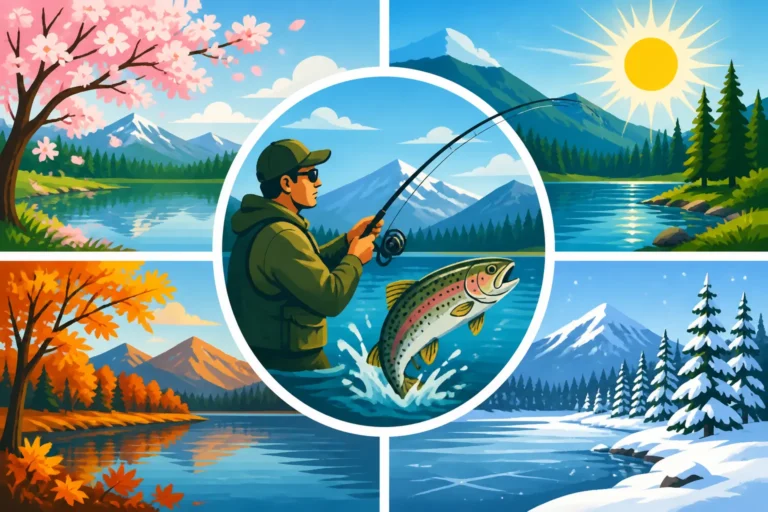
Timing is everything in fishing, and Idaho's diverse climate and ecosystems mean that peak seasons vary widely by destination and species. Understanding the Best Time of Year to Fish in Idaho is key to a successful trip.
- Spring (April-May): This is prime time for many lower-elevation rivers as runoff subsides and trout become active. Steelhead runs on the Clearwater and Salmon rivers are still strong. Bass and crappie in reservoirs start to become active as water temperatures rise. High mountain lakes begin to thaw, but access can still be limited.
- Summer (June-August): High mountain lakes are fully accessible and offer fantastic fishing. Rivers like the Henry's Fork and South Fork of the Snake hit their stride with incredible dry fly hatches. Reservoir fishing for kokanee (Lake Coeur d'Alene, Palisades), bass, and panfish is excellent. Remember to fish early or late in the day during hot spells to target trout.
- Fall (September-November): This is arguably the most beautiful and productive time for many Idaho fisheries. Steelhead runs begin in earnest on the Clearwater and Salmon rivers. Trout on the Henry's Fork and South Fork of the Snake are active and feeding aggressively before winter. Lake fishing for trophy rainbow trout (Lake Pend Oreille) and lake trout (Priest Lake) is often at its best. Salmon seasons (Chinook) can occur in select rivers.
- Winter (December-March): While many waters freeze, dedicated anglers find opportunities for ice fishing on lakes like Priest Lake, Cascade Reservoir, and Payette Lake for perch, trout, and kokanee. Steelhead fishing continues on the Clearwater and Salmon rivers, offering a cold but often rewarding experience. Some lower-elevation rivers like the Boise River remain open and fishable.
Always check the most current regulations for season dates, as they can change annually based on fish populations and environmental conditions.
Connecting with Local Expertise
Even with all the research in the world, nothing beats local knowledge. Idaho's fisheries are complex, and river conditions, hatches, and fish behavior can change rapidly. This is where connecting with local experts truly pays off.
- Local Fly Shops and Sporting Goods Stores: These are invaluable resources. Shop staff are often avid anglers themselves and can provide up-to-the-minute reports on what's biting, what flies or lures are working, and current river conditions. Places like Hyde Park in Boise, Jacklin's Fly Shop in Island Park, and North 40 Outfitters in Coeur d'Alene are fantastic starting points. They can also advise on specific techniques, which is helpful, as detailed in the Idaho Fishing Techniques Guide.
- Fishing Guides and Outfitters: For a truly immersive and often more successful experience, especially when targeting challenging species like steelhead, sturgeon, or selective trout on rivers like the Henry's Fork, hiring a local fishing guide is highly recommended. Guides provide specialized gear, drift boats or jet boats, and years of experience on specific waters. They know where the fish are, what they’re biting on, and how to navigate complex regulations. Platforms like FishingBooker are excellent for finding reputable, licensed guides across Idaho, allowing you to compare services, read reviews, and book with confidence. They make it incredibly easy to arrange a trip, whether you're looking for a half-day wade trip or a multi-day float. Booking a guide can save you valuable time and greatly increase your chances of success, making the investment worthwhile for many anglers, especially first-timers to a specific area. If you’re curious about costs, check out the Idaho Fishing Guide Cost Guide.
- Online Forums and Social Media Groups: Angling communities online can offer real-time advice and reports from fellow fishermen. However, always take online advice with a grain of salt and cross-reference it with official sources and local shops.
Leveraging these resources ensures you're not just fishing, but fishing smart, maximizing your chances for a memorable and successful Idaho fishing adventure.
Disclaimer
The information provided in this guide is for general informational purposes only and is subject to change. Fishing regulations, season dates, and access points can vary and are often updated by the Idaho Department of Fish and Game. Always consult the most current official Idaho fishing regulations brochure and local authorities before planning and embarking on any fishing trip. Adherence to all local, state, and federal laws is the responsibility of the angler.