Does Idaho Allow a Second Rod with a Permit?
It’s a common sight on Idaho’s beautiful waters: an angler patiently tending to two rods, one casting a fly, the other soaking bait. For many of us, the immediate thought is, "Wait, is that even allowed?" The confusion is real, and it often leads to uncertainty about whether you need a special permit to run multiple lines. This guide is here to clear up that very question, detailing Idaho's regulations on using a second rod and how you can legally maximize your fishing opportunities.
Understanding Idaho's Core Fishing Rod Regulations
Navigating fishing regulations can feel like deciphering ancient texts, especially when you just want to enjoy a peaceful day on the water. The Idaho Department of Fish and Game (IDFG) has a set of rules designed to manage fish populations and ensure fair chase, and the number of rods you can use is a pretty significant part of that. It's not just about what you can do, but what you should do to be a responsible angler.
The Standard Rule: One Rod, One Line, One Hook
For most recreational anglers in Idaho, the golden rule is quite straightforward: one rod, one line, and one hook or lure. This isn't just an arbitrary rule; it's steeped in principles of conservation and equitable access. Imagine if everyone could cast out five lines – the waterways would be a tangled mess, and fish populations would be much harder to manage sustainably. This standard limit ensures that fishing remains an active, engaging pursuit for each individual, rather than a passive trapping method. It forces you to focus your efforts, hone your technique, and truly "fish" rather than just deploying a multitude of lines.
This rule applies to the vast majority of Idaho's waters and species. Whether you're casting for trout in a mountain stream or still-fishing for perch in a smaller lake, the expectation, by default, is a single rod in hand. It simplifies enforcement for fish and game officers, too, making it easier for them to ensure compliance and protect Idaho's precious fisheries. Many anglers find a meditative quality in focusing on a single setup, perfecting their cast, and truly observing the water for signs of fish. It's the classic Idaho fishing experience that most of us grew up with or came to love.
The Exception: The Two-Pole Validation
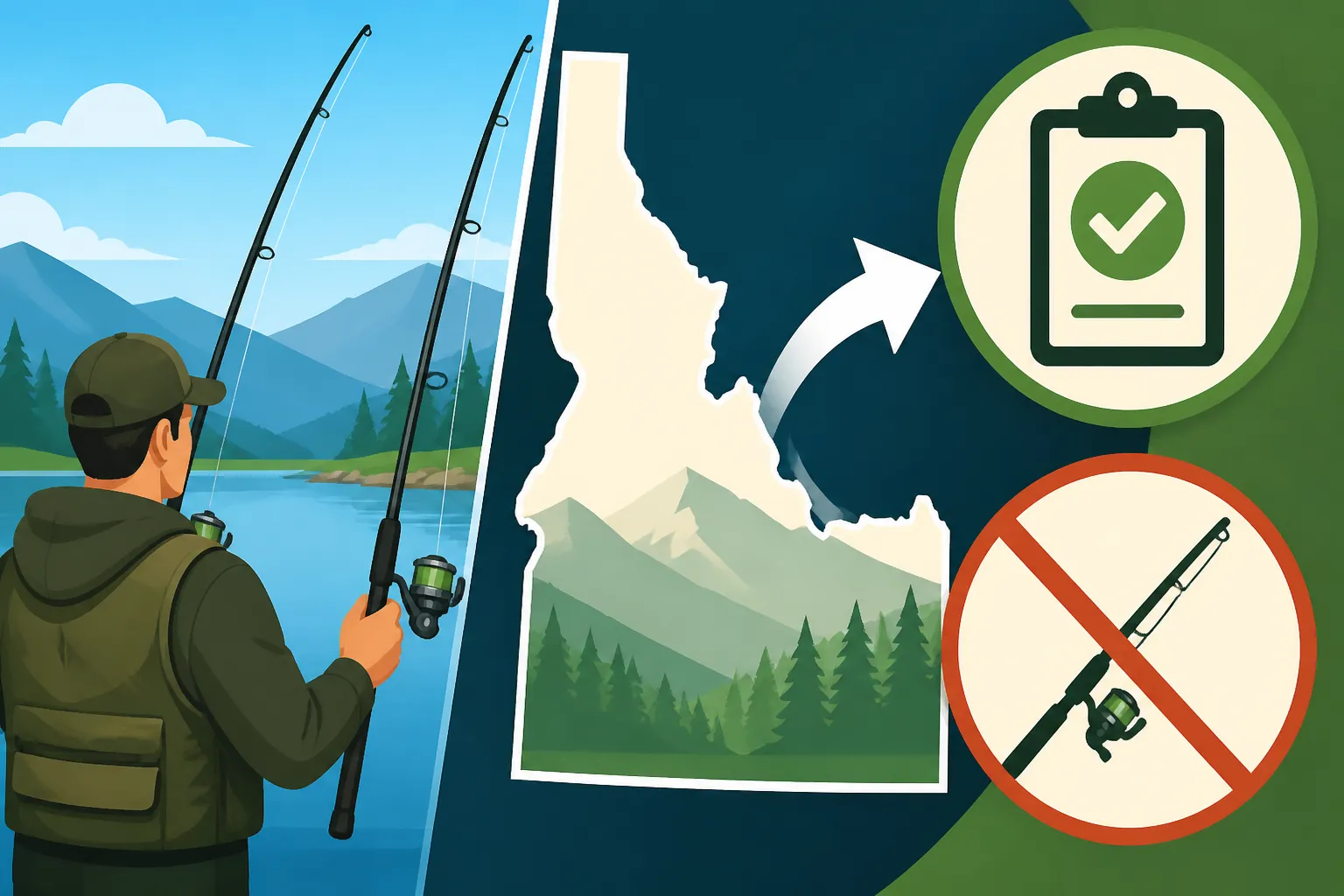
Now, for the big reveal that answers our burning question: yes, Idaho does allow a second rod, but it's not simply an assumed right. You need a specific endorsement called a "Two-Pole Validation." This isn't some secret handshake permit; it's a legitimate add-on to your standard Idaho fishing license, designed for those who want to broaden their angling strategies. It acknowledges that sometimes, having a second line out can be incredibly beneficial for targeting different species, experimenting with various baits, or simply increasing your chances of a bite, especially when you're targeting less active fish.
This validation is a perfect example of how IDFG tries to balance angler opportunity with resource management. It provides flexibility for those willing to pay a small extra fee, which in turn helps fund conservation efforts. Think of it as an upgrade to your regular fishing privileges. Without this explicit Two-Pole Validation, having that second rod in the water, even if it's just sitting in a rod holder, is considered a violation of Idaho fishing regulations. It's a key piece of information many folks overlook, leading to awkward conversations with game wardens, which nobody wants after a relaxing day of fishing. So, if you're eyeing that second rod from Amazon, make sure you've got the validation to go with it!
Diving Deeper into Idaho's Two-Pole Fishing Rules
So, you're intrigued by the idea of using a second rod. That's great! But before you grab another setup and head out, it's vital to understand the specifics of this validation. It's not a blanket pass for all waters or all situations, and knowing the nuances will save you a headache (and a potential fine) down the line.
What the Two-Pole Validation Allows
When you purchase the Two-Pole Validation, you are officially permitted to use two separate fishing rods and lines simultaneously. This opens up a world of possibilities for your fishing strategy. For instance, you could be trolling a dodger and a worm for Kokanee salmon on Lake Coeur d'Alene with one rod, while the second rod is rigged with a jig and a piece of cutbait, sitting motionless near the bottom, trying to entice a lurking smallmouth bass. Or perhaps you're on a productive stretch of the Snake River, casting lures for bass with one rod, and soaking a big chunk of bait for catfish or even sturgeon with another. The flexibility is truly a game-changer for many anglers, allowing for diverse approaches without needing to constantly re-rig your single rod.
It’s important to remember that each rod must still adhere to the general rules regarding hooks and lures. You can't suddenly run a commercial-style trotline just because you have two rods. Each line must be actively attended to, meaning you need to be close enough to both rods to respond when a fish bites. This isn't about setting up lines and wandering off; it's about actively managing two separate fishing presentations. The validation is designed to enhance your individual angling experience, not to enable unsupervised fishing. It’s an ideal option for still-fishing from a boat or bank, or for combining different active techniques like casting and trolling.
Where the Two-Pole Validation is Valid (and Not Valid)
While the Two-Pole Validation is a fantastic option, it's absolutely crucial to understand its limitations. It's not valid on all Idaho waters. The primary restriction you'll encounter is its invalidity on waters designated as "salmon and steelhead waters" during open salmon or steelhead seasons. This is a critical point that trips up many anglers. The management of these anadromous species is complex, often involving strict quotas, catch-and-release rules for wild fish, and specific gear restrictions. Allowing two poles in these sensitive fisheries could increase pressure beyond sustainable limits or complicate enforcement. So, if you're planning on fishing the Clearwater River for Steelhead, for example, even with your Two-Pole Validation in hand, you are still restricted to one rod. This also applies to Chinook salmon fisheries on rivers like the Salmon River. Always double-check the current Idaho Fishing Regulations Explained brochure, which is updated annually, for specific water designations before you go.
Furthermore, there might be other "Special Regulation Waters" where the two-pole rule doesn't apply. These are often smaller, more delicate fisheries, or areas managed for specific conservation goals where limiting gear is part of the strategy. Before you embark on a trip to a new lake or river, especially if it's a smaller, less-frequented spot, always consult the IDFG rules for that specific body of water. Ignorance of the regulations is never an excuse, and a quick check can prevent an unpleasant interaction with a fish and game officer. This is where keeping a digital copy of the regulations on your phone or a physical copy from a sporting goods store like Cabela's can be incredibly helpful.
Penalties for Non-Compliance
Let's be blunt: fishing without the proper validation when using two rods is a violation of Idaho state law, and it comes with consequences. The exact penalties can vary depending on the severity and frequency of the offense, but generally, you're looking at fines that can quickly add up. A typical citation for fishing with an illegal number of lines might cost you anywhere from $75 to $200 or more, plus court fees. And that's just for the rod violation; if you've also exceeded Idaho Catch Limits and Bag Limits Explained or committed other offenses, the costs can escalate significantly.
Beyond monetary penalties, a violation can also result in the forfeiture of your fishing gear. Imagine having that brand-new rod and reel combo you just bought from Amazon confiscated because you overlooked a simple permit. That's a real possibility. Repeat offenses can even lead to the suspension of your fishing privileges for a period, which is a truly heartbreaking prospect for any avid angler. Fish and game officers are not out to ruin your day, but they are diligent in protecting Idaho's natural resources. They're trained to observe, and a second rod sticking out from your boat or off the bank without the corresponding validation is a pretty clear indicator. It’s always best to be fully compliant and enjoy your time on the water without the stress of potential legal trouble.
Acquiring Your Two-Pole Validation
Now that you understand the "why" and "where" of the Two-Pole Validation, let's talk about the "how." It's thankfully a straightforward process, designed to be as accessible as purchasing your initial Idaho Fishing License Guide.
How to Purchase the Validation
The Two-Pole Validation is an endorsement that you add to your base Idaho fishing license. It's not a standalone permit; you must first possess a valid annual or multi-day Idaho fishing license. Once you have your primary license, adding the two-pole validation is simple. You can purchase it directly through the Idaho Department of Fish and Game's online licensing system, which is incredibly convenient. Just hop on their website, navigate to the licensing portal, and you'll find the option to add the Two-Pole Validation to your cart before checkout. It’s a seamless process that takes just a few clicks.
Alternatively, if you prefer the traditional route or need assistance, you can always visit a licensed vendor. Most sporting goods stores, tackle shops, and many general stores throughout Idaho are authorized to sell IDFG licenses and validations. Places like Sportsman's Warehouse, Walmart (in their sporting goods section), or local bait shops are common spots. The staff at these locations are usually very knowledgeable about the various Idaho Fishing License Cost Guide options and can help ensure you get exactly what you need. They can also often provide the current year's regulation brochure, which is a must-have for any Idaho angler. Just be sure to specify that you need the "Two-Pole Validation" to avoid any confusion.
Cost and Validity Period
The cost of the Two-Pole Validation is relatively modest, especially when you consider the added flexibility it provides. For residents, it typically costs around $15.75, while nonresidents can expect to pay approximately $25.75. These prices are subject to change, so always check the current IDFG fee schedule or inquire at the time of purchase. It's a small investment for a significantly enhanced fishing experience. Think of it this way: for the price of a couple of fancy lures you might grab from Amazon, you get an entire season of double the fun.
The Two-Pole Validation is generally valid for the same period as your base annual fishing license. So, if you purchase an Idaho Resident Annual Fishing License or an Idaho Nonresident Annual Fishing License, your two-pole validation will be active for that entire license year, from January 1st to December 31st. This means you don't have to worry about buying it separately for each trip if you're a frequent angler. For those only visiting for a short period, you can add the validation to an Idaho One-Day Fishing License or a multi-day permit, extending its coverage for the duration of that shorter license. This flexibility makes it accessible for both dedicated locals and out-of-state visitors looking to make the most of their fishing adventure.
Preparing for Your Two-Pole Adventure
Once you have your Two-Pole Validation, the next step is to prepare your gear and strategize for your fishing trip. Managing two rods effectively means a bit more planning than just grabbing one.
First, consider your rod holders. Whether you're fishing from a boat or the bank, a good set of rod holders is invaluable. For boat anglers, various clamp-on or flush-mount holders are available that allow you to position your rods securely. Bank anglers can use spike rod holders that push into the ground, keeping your second rod stable while you actively work the first. You can find a vast array of options for rod holders, tackle boxes, and other organizational tools on Amazon. Investing in decent holders prevents your rods from ending up in the water or getting damaged.
Next, think about your line setups. Will both rods be fishing the same bait and depth, or will you use them to explore different presentations? For instance, one rod might be rigged for bobber-and-worm fishing for panfish, while the other is set up with a spinnerbait for bass. This is where the true benefit of the two-pole validation shines: the ability to diversify your approach. Ensure your tackle box is organized so you can quickly switch baits or lures on either rod. Also, consider the species you're targeting. If you're fishing for diverse species, having a clear plan for each rod will maximize your efficiency and enjoyment.
Finally, remember the responsibility that comes with managing two lines. Tangles are a real possibility, especially in windy conditions or if current is strong. Be mindful of other anglers, especially if you're bank fishing in a crowded area. Communication and courtesy go a long way in ensuring everyone has a pleasant experience. And always, always keep a close eye on both rods. You don't want to miss that subtle bite on your second line, or worse, have a fish spool your reel while you're focused elsewhere!
Here’s a quick overview of how the two-pole validation fits into your Idaho fishing trip:
| Scenario | Required License / Validation | Allowed Rods | Common Application | Potential Issue Without Validation |
|---|---|---|---|---|
| Standard Fishing Trip (1 rod) | Base Idaho Fishing License (Resident/Nonresident, Annual/Daily) | 1 | Casting for trout, fly fishing, single lure bass fishing. | None |
| Fishing with 2 rods | Base Idaho Fishing License + Two-Pole Validation | 2 | Trolling multiple lures, still fishing with different baits, targeting diverse species. | Illegal use of multiple lines, fines, gear confiscation. |
| Steelhead/Salmon Fishing (during season) | Base Idaho Fishing License + Salmon/Steelhead Permit | 1 | Fishing for anadromous species on designated waters (Clearwater, Salmon Rivers). | Two-Pole Validation is NOT valid; still limited to one rod. |
| Kid Fishing (under age 14) | None required (under 14) | 1 | Any legal fishing method, typically with simple bait setups. | Allowed without license/validation for one rod. |
Maximizing Your Fishing Experience with Two Poles
Having the Two-Pole Validation isn't just about legality; it's about unlocking new dimensions in your fishing strategy. It allows you to be more experimental, more efficient, and often, more successful.
Strategic Advantages of Using Two Rods
The ability to use two rods simultaneously offers several distinct advantages. Primarily, it dramatically increases your chances of a bite. With two lines in the water, you're essentially doubling your exposure to potential fish. This is particularly beneficial when fishing for species that might be spread out or when trying to locate active fish in a new body of water. You can cover more water, or, if fishing from a stationary position, present two different bait or lure options at once.
Consider a scenario on C.J. Strike Reservoir where you're targeting both smallmouth bass and crappie. With one rod, you might be casting a crankbait along a rocky bank for bass. With a second rod, you could deploy a jig tipped with a minnow under a bobber in a nearby cove, specifically targeting crappie. This simultaneous approach allows you to "multitask" your fishing efforts, turning one outing into an opportunity to pursue multiple species or test out varying depths and presentations. It's an excellent way to figure out what the fish are hitting on any given day. If one setup isn't producing, you still have another active line in the water, and you can quickly adjust your strategy based on which rod gets attention. This strategic flexibility can significantly improve your overall catch rate and make your time on the water more productive and exciting.
Essential Gear for Two-Pole Anglers
While the basic gear for one rod is similar, going with two poles does necessitate a few extra considerations to make your life easier and more efficient. As mentioned, reliable rod holders are paramount. Whether you're fishing from a boat on Lake Pend Oreille or from a bank along the Boise River, securely holding your rods is critical. Look for models that are durable, easy to adjust, and suitable for your fishing environment. Amazon offers a wide selection, from simple bank spikes to sophisticated boat-mounted swiveling holders, so you can find something to fit your specific needs and budget.
Beyond holders, organization becomes key. A larger tackle box or a well-equipped tackle backpack can help you keep your different baits, lures, and terminal tackle separate for each rod setup. This prevents fumbling and ensures you can quickly re-rig or switch out presentations. A good pair of line nippers or scissors, and maybe an extra pair of pliers, are always handy to have easily accessible. Also, consider the weight and balance of your two rod setups. If you're going to be actively holding one rod while the other is in a holder, you might want to ensure your "active" rod is lighter and more comfortable for continuous casting. For your second rod, a slightly heavier action might be suitable for soaking bait or trolling. Don't forget a landing net that's large enough to handle any fish you might hook on either line!
Being a Responsible Two-Pole Angler
With the privilege of using two rods comes the responsibility to do so ethically and safely. Always maintain active awareness of both lines. This means staying within a reasonable distance of your rods and constantly monitoring them for bites. Leaving a second rod unattended while you wander off for an extended period is generally considered irresponsible and can lead to tangled lines, lost fish, or even snagging another angler's line.
Environmental awareness is also crucial. Be extra mindful of your surroundings, especially if you're fishing in areas with heavy vegetation or structure. Two lines increase the potential for snags, which can result in lost gear and leave behind fishing line that can be harmful to wildlife. Properly disposing of any waste line or broken tackle is vital. Lastly, always respect other anglers. If a spot is crowded, consider whether deploying two rods will infringe on someone else's space or create unnecessary tangles. A simple courtesy like asking if it's okay to set up a second line can go a long way in fostering a positive fishing community. Remember, responsible angling ensures that Idaho's fantastic fishing opportunities remain vibrant for everyone, for years to come.
Disclaimer
Please note that fishing regulations can change. While this guide aims to provide accurate and up-to-date information regarding Idaho's two-pole validation, it is your responsibility to consult the most current Idaho Fishing Regulations Explained brochure published by the Idaho Department of Fish and Game before you head out. Always prioritize safety and adherence to all local, state, and federal laws.