Is a Wyoming Fishing License Valid in Idaho Border Waters?
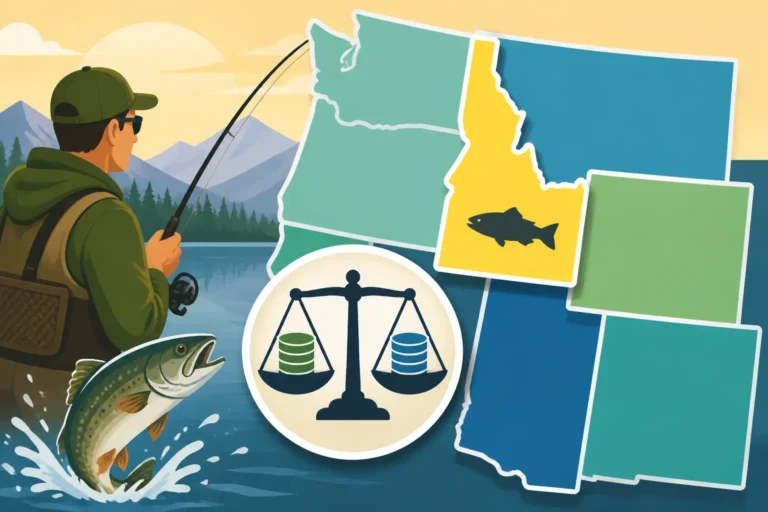
Oh, the age-old question that has stumped countless anglers planning a trip to the beautiful, wild west! It's so frustrating to want to cast a line into a promising stretch of water, only to realize you're standing on the border of two states, clutching just one license and wondering if you're about to become an accidental lawbreaker. This guide is here to clear up that very confusion, specifically for those wondering if their Wyoming fishing license will do the trick in Idaho's border waters, saving you from headaches and potential fines.
The Frustrating Reality of State Fishing Lines
Idaho and Wyoming share a boundary that, for anglers, often feels more like a minefield of regulations than a simple line on a map. You're out there, enjoying the scenery, the crisp air, and the anticipation of a bite, when suddenly the thought creeps in: "Am I even supposed to be fishing here with this license?" It’s a common, completely valid concern, and it stems from how different states manage their natural resources.
Why Borders Create Confusion for Anglers
Think about it: fish don't carry passports. A trout swimming in the Snake River doesn't suddenly stop at the Idaho-Wyoming line, check its papers, and decide to turn back. They move freely, following currents, food sources, and spawning instincts. Yet, the rules governing who can catch them, how many, and with what equipment, abruptly change at an invisible boundary. This fundamental disconnect between nature's flow and human-drawn lines is precisely why anglers get so confused. One minute you're legally casting into what feels like a continuous body of water, and the next, your lure might be drifting into a different legal jurisdiction, even if you haven't moved your feet an inch. It's a real hassle, and it often means carrying multiple licenses or meticulously studying maps, which takes away from the pure joy of the sport.
What "Border Waters" Even Mean in Practice
When we talk about "border waters," we're generally referring to rivers or lakes that either form the boundary between two states or whose waters spill across state lines. The most prominent example when discussing Idaho and Wyoming is certainly the Snake River. This iconic river carves through landscapes, often serving as a natural divider between the two states. However, it’s not just the main channel; it can also include tributaries or reservoirs that might have sections falling under different state authorities.
For instance, you might be fishing a wide bend of the Snake River. If your boat is floating in what is considered Wyoming water, or if you cast from the Wyoming bank, you're subject to Wyoming's fishing regulations. But if that same cast lands across the invisible line into Idaho waters, or if you paddle your raft closer to the Idaho side, you suddenly need an Idaho fishing license and must adhere to Idaho's specific rules, which can include different Idaho Catch Limits and Bag Limits Explained or even different Idaho Barbless Hook Requirements. It’s not about where you launched your boat or parked your car; it's about the physical location of your line in the water. This can make a seemingly simple fishing trip incredibly complicated if you’re not prepared.
Wyoming and Idaho: A Tale of Two Fishing Licenses
Let's cut right to the chase because this is where the rubber meets the road. Many anglers hope for a universal reciprocal agreement between states, a kind of handshake deal that says, "Hey, if you have a license from one of our states, you're good to go on the shared waters." It's a nice thought, but unfortunately, it's rarely that simple.
The Hard Truth: No Reciprocity on Most Waters
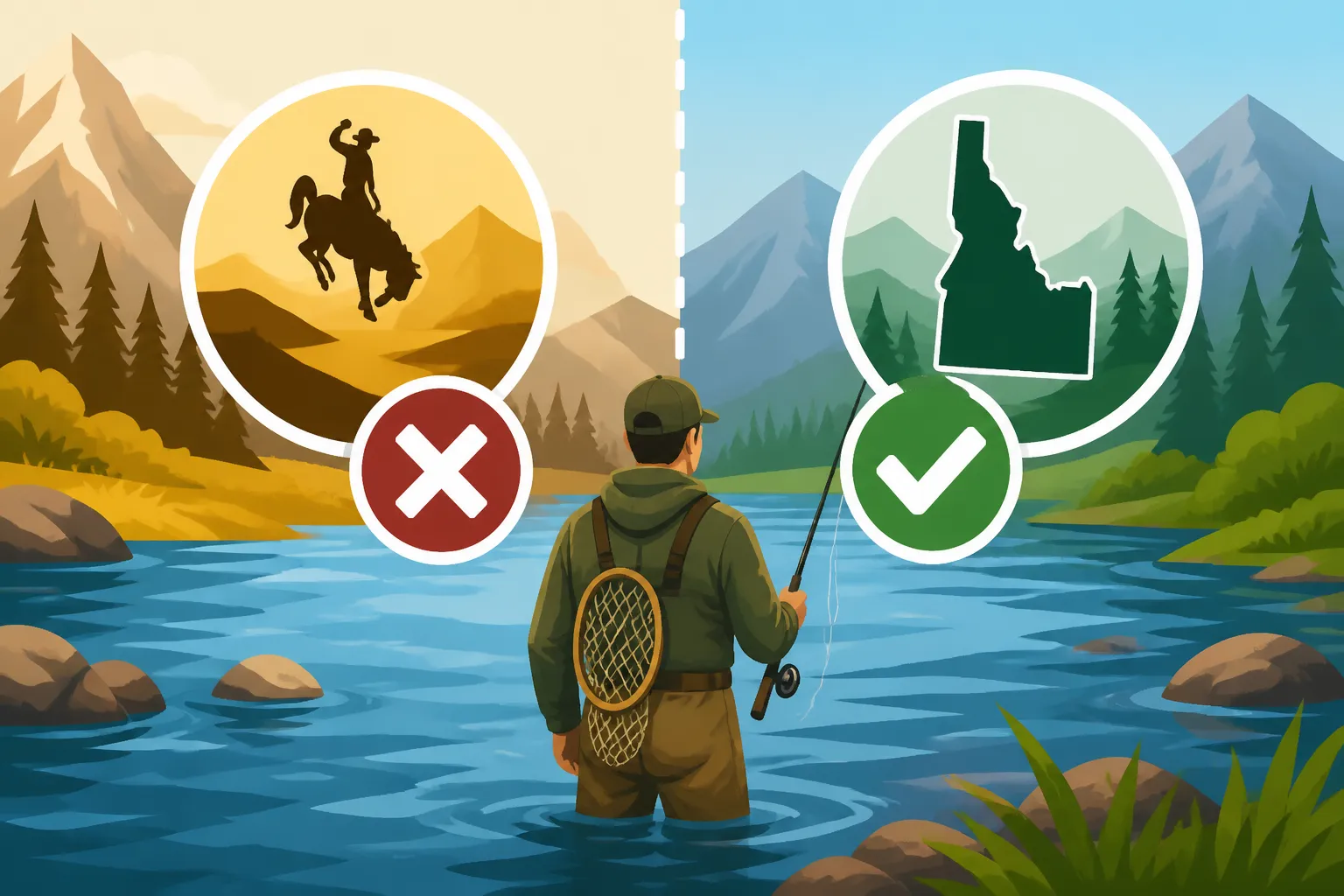
The straightforward answer to whether a Wyoming fishing license is valid in Idaho border waters is, for the most part, no. Idaho and Wyoming generally operate under separate licensing systems without a broad reciprocal agreement for shared waters like the Snake River. This means that if you are physically fishing in waters designated as Idaho waters, you need an Idaho fishing license. Conversely, if you are in Wyoming waters, you need a Wyoming license.
It's a common misconception, especially for those new to multi-state fishing, to assume that because the water connects, the license does too. But state wildlife agencies like the Idaho Department of Fish and Game (IDFG) and the Wyoming Game and Fish Department (WGFD) manage their fish populations and habitats independently. They each have their own conservation efforts, stocking programs, and regulatory frameworks, which are funded by the sale of their respective licenses. Allowing a Wyoming license to cover Idaho waters (and vice-versa) would effectively mean one state is subsidizing another's fishing programs, which isn't how things typically work. So, if your dream is to fish both sides of the river, be prepared to buy both an Idaho Nonresident Fishing License Guide and a Wyoming equivalent.
Navigating Specific Border Waters Like the Snake River
The Snake River is probably the most significant waterway that forms a border between Idaho and Wyoming, particularly in the southeastern part of Idaho and western Wyoming. It's an incredible fishery, known for its trout and other species, and a prime spot where anglers encounter this licensing dilemma.
For instance, imagine you're floating the Snake River just south of the Grand Teton National Park area. One bank might be clearly in Wyoming, the other in Idaho. If you're drifting down the middle, it's crucial to understand which state's waters you're in. Generally, the centerline of the main channel is often considered the dividing line. If your boat or your cast crosses that invisible boundary, you need to be legally licensed for that state. This gets particularly tricky on larger rivers with varying depths and currents that can shift where "the middle" truly is.
What does this mean practically? If you're launching your boat in Wyoming and planning to fish exclusively in Wyoming waters, your Wyoming license is all you need. However, if you're floating downstream and intend to cast to features on the Idaho side, or drift into recognized Idaho waters, you absolutely must have an Idaho license in your possession. This applies whether you're fly fishing for cutthroat trout, or maybe even fishing for smallmouth bass. It’s a detail that, if overlooked, can turn an otherwise perfect day on the water into a citation and a fine. Many savvy anglers will purchase both an Idaho Resident Annual Fishing License (if applicable) and a Wyoming license if they frequently fish these border areas.
When and Where You Might Need Both Licenses
Given the general lack of reciprocity, understanding exactly when you might need both an Idaho and a Wyoming fishing license is paramount for avoiding any legal trouble. It's not always intuitive, and it often boils down to planning and awareness of your exact location on the water.
Fishing the Snake River's Shared Sections
The Snake River, as it flows through the southeastern portion of Idaho and forms part of its boundary with Wyoming, is the quintessential example of where you might need both state licenses. Let’s consider a common scenario: you’ve hired a drift boat guide for a float trip on a productive section of the Snake. Your guide is experienced and knows the water intimately. They might point out a promising eddy on the Idaho side of the river and suggest you cast there, even if your boat is primarily navigating through Wyoming waters. If you take that advice and your lure or fly lands in Idaho, you need an Idaho license.
Conversely, if you’re bank fishing from the Idaho side, but a prime piece of holding water, like a deep pool or a shadowed undercut bank, is clearly on the Wyoming side of the centerline, you'd need a Wyoming license to fish it. This isn't about being greedy or trying to maximize your fishing area; it's about being prepared for the realities of these shared natural resources. Carrying both licenses, securely tucked into a waterproof wallet or a dedicated pocket on your fishing vest (which you can find plenty of options for on Amazon), is often the safest bet if you plan to explore the full breadth of these border fisheries. Remember, fish don't respect state lines, but game wardens certainly do!
The Exception: Agreements on Specific Reservoirs or Lakes
While broad reciprocity is rare, specific agreements can exist for particular bodies of water that straddle state lines. It’s not a given for Idaho and Wyoming border waters, and historical agreements tend to be between states with long, heavily trafficked shared water boundaries, often for large reservoirs.
For example, states like Idaho and Washington do have a reciprocal agreement for certain portions of the Snake River, Lake Coeur d'Alene, and other shared waters where a valid resident license from either state is accepted. However, this type of agreement is not currently in place for Idaho and Wyoming. Therefore, you cannot assume your Wyoming license will work on any Idaho-Wyoming border water. Always check the current regulations issued by both the Idaho Department of Fish and Game and the Wyoming Game and Fish Department. They are the ultimate authority, and their annual regulation brochures are usually available for free at sporting goods stores, license vendors, or online. Don't rely on anecdotes from fellow anglers; get the official word! The rules are designed to manage fish populations effectively, and respecting them is part of being a responsible angler.
How to Ensure You're Always Legal on the Water
Feeling overwhelmed? Don't be. While the rules can seem complex, a little preparation goes a long way. The key is proactive research and understanding that when you're dealing with border waters, the safest approach is always to assume you need both states' licenses unless explicitly stated otherwise by official regulations.
Checking the Latest Idaho and Wyoming Regulations
This is your golden rule: always check the most current regulations for both Idaho and Wyoming before you head out. Wildlife agencies publish new regulations annually, and sometimes even in-season updates occur, especially for species like Idaho Steelhead Fishing Guide or Idaho Chinook Salmon Fishing Guide which have complex seasons and limits.
Here's how to do it:
- Idaho Fish and Game (IDFG): Visit their official website or pick up a physical copy of the Idaho Fishing Seasons and Rules brochure. You can usually find these at any license vendor, sporting goods store like Sportsman's Warehouse, or even convenience stores in rural areas. The "General Rules" section and maps are crucial for understanding state boundaries.
- Wyoming Game and Fish Department (WGFD): Similar to Idaho, their website is a treasure trove of information, and their annual fishing regulations booklet is equally important. Look for sections specifically addressing interstate waters or border agreements.
These documents will detail everything from general statewide rules to specific regulations for particular rivers, lakes, and even sections of those waterways. They will explicitly state if any reciprocal agreements are in place for certain stretches of water or specific species. If you’re unsure after reading, a quick call to the regional IDFG or WGFD office nearest your intended fishing location can provide absolute clarity. Don't risk a ticket or, worse, impacting fish populations because of misinformation. You can even find waterproof regulation guides on Amazon to keep handy in your tackle box.
Planning Your Trip Based on State Lines
Once you've done your homework on the regulations, it's time to plan your trip with state lines firmly in mind. This might mean adjusting your expectations or even changing your itinerary slightly.
Consider these planning tips:
- Identify Your Primary Target Waters: Are you truly only interested in fishing the Idaho side of the Snake, or are you itching to explore the Wyoming side too? Your ambition will dictate your license needs.
- Study Maps: Detailed topographical maps or even advanced fishing apps can show state boundaries. Familiarize yourself with these lines, especially in areas where the river is wide or meandering. Tools like OnX Hunt, for example, are popular for showing property lines and state borders.
- Purchase Both Licenses if in Doubt: If you anticipate even a small chance of crossing into the other state's waters, or if you simply want the freedom to fish wherever the bite is hot, purchasing both an Idaho Fishing License Cost Guide and a Wyoming license (and any necessary stamps or permits for specific species) is the most stress-free option. It's a small investment for peace of mind and the full range of opportunities.
- Consult Local Experts: Local tackle shops, guides, or experienced anglers are invaluable resources. They often have firsthand knowledge of specific nuances on border waters that might not be immediately obvious in a regulation book. Many professional fishing guides on the Snake River, for example, will clearly communicate which license you need for the day's trip based on their planned fishing areas.
Being prepared not only keeps you legal but also allows you to focus on the joy of fishing itself. You'll be able to confidently cast your line, knowing you’ve respected the rules and contributed to the conservation efforts of both fantastic states. Maybe grab a multi-license holder from Amazon before you go.
Here's a quick reference table for managing your licenses on border waters:
| Scenario | Idaho License Needed? | Wyoming License Needed? | Notes |
|---|---|---|---|
| Fishing from Idaho bank, line in Idaho water | Yes | No | Standard scenario. |
| Fishing from Wyoming bank, line in Wyoming water | No | Yes | Standard scenario. |
| Floating in Idaho water, casting in Idaho water | Yes | No | Ensure you are definitively in Idaho water. |
| Floating in Wyoming water, casting in Wyoming water | No | Yes | Ensure you are definitively in Wyoming water. |
| Floating in Wyoming water, casting to Idaho bank/water | Yes | Yes | You need a Wyoming license for occupying Wyoming water and an Idaho license for casting into Idaho water. This is a common situation on the Snake River. |
| Floating in Idaho water, casting to Wyoming bank/water | Yes | Yes | You need an Idaho license for occupying Idaho water and a Wyoming license for casting into Wyoming water. |
| Special Reciprocal Agreement Waters | Depends | Depends | Always check specific current regulations. No general reciprocal agreement exists between Idaho and Wyoming for the Snake River. If one existed, it would be clearly stated by both IDFG and WGFD. |
This table highlights why carrying both licenses is often the most practical choice for those adventuring on true border waterways. It’s an easy way to ensure compliance and maximize your fishing opportunities, whether you're chasing Idaho Cutthroat Trout Fishing Guide or pursuing other species.
Important Considerations for Border Anglers
Beyond just the licenses, fishing border waters also means being mindful of other regulations that can differ significantly between states. This includes things like catch limits, gear restrictions, and even specific season dates.
Understanding Differing State Regulations
It's not just the license itself; it's everything that comes with it. Idaho and Wyoming, despite their proximity and shared geography, can have vastly different rules for specific fishing activities. For instance, the Idaho Fishing Season Dates and Limits might be different for trout in certain sections of the Snake River compared to Wyoming's rules for the same species just miles upstream or across the river.
Key differences to watch for:
- Species-Specific Regulations: Limits for species like cutthroat trout, rainbow trout, or even certain bass species can vary. What's legal to keep in one state might be catch-and-release only in the other. This is particularly critical for protected or sensitive species.
- Gear Restrictions: Some sections of rivers might be fly-fishing only in one state, while the adjacent state allows bait or spin fishing. For example, certain stretches of Henry's Fork in Idaho have strict fly-fishing regulations, while other waters allow broader methods. Always double-check if Idaho Rules on Using Live Bait differ from Wyoming's.
- Barbless Hook Requirements: As mentioned earlier, barbless hooks are often required in certain catch-and-release fisheries or for specific sensitive species. Idaho has particular rules for Idaho Sturgeon Fishing Rules and salmon/steelhead that might not perfectly align with Wyoming's.
- Season Dates: While general seasons might be similar, opening and closing dates for specific species or waters can vary. This means you could be legally fishing for a species in one state, but it's completely out of season just across the border.
Knowing these nuances ensures you're not just licensed, but also compliant with all aspects of the law. It’s about respecting the different management strategies each state employs to ensure healthy fisheries for generations to come.
The Role of Game Wardens and Enforcement
State game wardens and wildlife enforcement officers patrol these border waters precisely because of the potential for confusion. Their job is to protect the resource and ensure compliance with regulations. They are well-versed in the specifics of state boundaries and will not hesitate to issue citations if rules are broken, regardless of whether it was intentional or due to ignorance.
What to expect from enforcement:
- Identification: Always have your license(s) and a valid ID ready for inspection.
- Knowledge of Your Location: Be able to articulate where you are fishing, and which state's waters you believe you are in. This can help clarify any ambiguities quickly.
- Respectful Cooperation: Game wardens are there to help and protect. Be polite, answer their questions truthfully, and cooperate fully. Trying to argue or being uncooperative will only make the situation worse.
- Consequences of Non-Compliance: Fishing without the correct license, or violating regulations, can result in fines, confiscation of gear, and even loss of fishing privileges. These penalties are designed to be a deterrent and reflect the importance of wildlife conservation.
Ultimately, a good day of fishing is one where you enjoy nature, perhaps catch a few fish, and return home with good memories—not a citation. Doing your homework on Idaho Fishing Regulations Explained and those of Wyoming is part of that enjoyable and responsible experience.
Disclaimer
Please note that fishing regulations can change frequently. While this guide provides general information and the most current understanding of Idaho and Wyoming fishing license reciprocity, it is imperative that you always consult the official Idaho Fish and Game (IDFG) and Wyoming Game and Fish Department (WGFD) regulations directly before embarking on any fishing trip. These official sources are the ultimate authority for all current rules and requirements.