Idaho Fishing Charters for Beginners
Stepping into the world of Idaho fishing for the first time can feel a bit like looking at a vast, beautiful map without a compass. The sheer number of rivers, lakes, and species, not to mention the regulations and specialized gear, can be overwhelming. This guide is designed specifically for you, the aspiring angler who wants to experience the magic of Idaho's waters but isn't sure where to start, by showing you how fishing charters can make it incredibly easy and enjoyable.
Why a Fishing Charter is Your Best Bet as a Beginner in Idaho
Let's be real: trying a new sport, especially one that involves so many variables like fishing, can be daunting. You've got to consider licenses, gear, where the fish are biting, what bait to use, and how to actually catch them. For a beginner in Idaho, a fishing charter isn't just a luxury; it's often the smartest, most efficient, and most enjoyable way to get your feet wet without getting bogged down in all the prep work. It's like having a seasoned local friend show you the ropes, except this friend comes with all the professional equipment and knowledge you could ever ask for.
Overcoming the Initial Learning Curve
One of the biggest hurdles for new anglers is simply knowing how to fish effectively. Different species, different waters, different seasons—it all demands specific techniques. Think about trying to cast a fly rod for the first time on the legendary Henry's Fork, or attempting to jig for perch on a sprawling reservoir like American Falls, all by yourself. It’s a recipe for frustration more than fun.
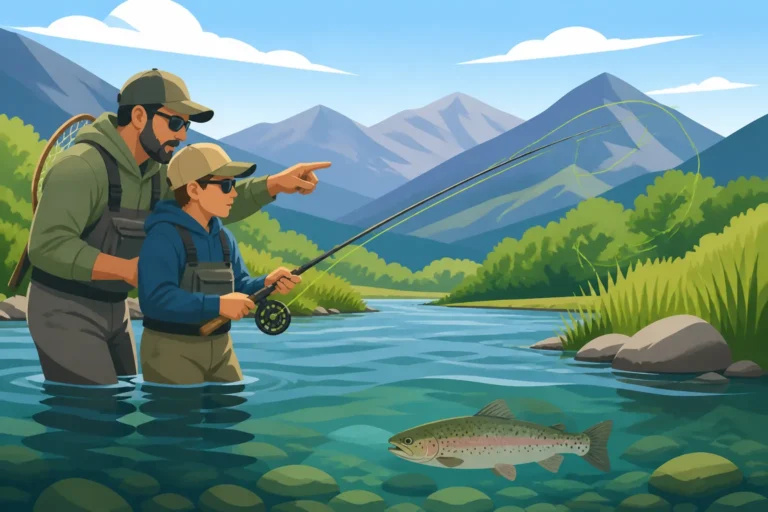
A guided charter eliminates this immediate pressure. Your guide isn't just driving the boat; they're an expert instructor. They'll show you how to hold the rod, how to cast, how to detect a bite, and how to reel in your catch. They'll explain why you're doing what you're doing, turning each moment into a hands-on lesson rather than a guessing game. You'll learn the nuances of river currents, the best depths for certain fish, and how to "read the water" – skills that would take years to develop on your own. It's an accelerated learning experience that builds confidence almost immediately.
Access to Prime Fishing Waters and Gear
Idaho boasts an incredible array of fishing opportunities, from the famous Salmon River for steelhead to the serene high mountain lakes in the Sawtooths. But knowing which stretches of water are productive, where the public access points are, and how to navigate unfamiliar terrain is a huge challenge. Many of the best spots are either difficult to reach or require specialized knowledge only locals possess.
A fishing charter provides instant access. Guides know the secret honey holes, the migration paths, and the current hot spots because their livelihood depends on it. They have the right boats (whether it's a drift boat for a river or a comfortable lake boat for trolling), the safety equipment, and all the tackle. Imagine having a top-of-the-line rod and reel, fresh bait, and the perfect lures prepped and ready for you – no need to buy expensive gear that might not be right for the local conditions or spend hours tying knots. This means less time fussing with logistics and more time focused on the thrill of the catch. They often even provide snacks and drinks, making it a truly all-inclusive experience. You might be surprised at how much difference the right gear, skillfully used, makes in a day of fishing.
Safety and Local Expertise
Safety on the water is paramount, especially when you're unfamiliar with the environment. Idaho's rivers can have strong currents, its lakes can develop sudden winds, and navigating a boat through unfamiliar channels requires experience. Beyond the physical safety, there's also the peace of mind that comes from knowing you're fishing legally. Understanding Idaho Fishing Regulations Explained can be complex, with different rules for various waters, species, and seasons. It's easy to accidentally violate a rule, which can lead to fines or worse.
Your guide is not only a fishing expert but also a safety professional and a regulation compliance officer, all rolled into one. They are intimately familiar with local water conditions, weather patterns, and emergency protocols. They know exactly what fish you can keep, what the Idaho Catch Limits and Bag Limits Explained are for your specific trip, and if you need a Idaho Salmon and Steelhead Permit on top of your standard license. They handle the boat, watch for hazards, and ensure everyone has life jackets. This allows you to relax and enjoy the scenery and the fishing, knowing you're in capable hands. They're also a wealth of information about the local area, sharing stories, wildlife facts, and helping you appreciate the full Idaho experience.
What to Expect on Your First Idaho Fishing Charter
Embarking on your first guided fishing trip in Idaho can be an exciting mix of anticipation and perhaps a few unknowns. Knowing what the process typically entails, from booking to the actual fishing experience, can help calm those pre-trip jitters and ensure you're ready for a fantastic day on the water. It’s not just about showing up with a cooler; there’s a flow to these things that makes them successful.
The Booking and Pre-Trip Process
The journey usually begins with some research. You'll want to find a reputable guide service that specializes in the type of fishing you're interested in and caters to beginners. Websites like FishingBooker are a great resource, offering listings for guides across Idaho and often including reviews from previous clients. Once you've identified a few possibilities, reach out to them. This is your chance to ask questions:
- Do they provide all the necessary gear?
- What fish species are they targeting during your desired season?
- Are licenses and permits covered, or do you need to purchase them beforehand? (Most often, you'll need your own Idaho Fishing License Guide in advance).
- What is their cancellation policy, especially for weather?
A good guide will be happy to answer all your questions and help you understand what to expect. Once you've chosen a guide, you'll typically put down a deposit to reserve your date. In the days leading up to your trip, your guide might contact you again to confirm details, discuss weather, and provide specific meeting instructions – like where to park, what time to arrive, and what to wear. They'll ensure you know exactly what you need to bring, from snacks to sunscreen, so there are no surprises on the morning of your adventure.
A Typical Day on the Water
The day of your charter often starts early. Your guide will greet you at the designated meeting spot, which could be a boat ramp, a local marina, or even a specific lodge. After a brief introduction and safety talk, you’ll load up, and the adventure truly begins!
On the water, the guide takes the helm, expertly navigating to their chosen fishing spots. They'll set up your rods, bait your hooks (or tie on the perfect fly), and give you clear instructions on casting, presentation, and what to look for. Don't be afraid to ask for help or clarification – remember, you're there to learn and have fun! When you get a bite, they'll often coach you through setting the hook and fighting the fish, offering encouragement and tips. If the fish aren't biting in one spot, a good guide isn't afraid to move to another, constantly working to put you on fish. Throughout the day, they'll share their knowledge of the local ecosystem, tell stories, and generally make the experience enjoyable and educational. Lunch, snacks, and drinks are often provided on full-day trips, usually enjoyed while drifting or anchored in a scenic location. As the trip winds down, the guide will bring you back to the starting point, clean and bag any fish you've kept, and help you unload your gear.
Common Fish Species You Might Target
Idaho offers a fantastic variety of fish species, and your guide will tailor your trip to target what's biting best during your visit. As a beginner, focusing on species that are relatively plentiful and cooperative can make for a more rewarding experience.
Here’s a table outlining some common beginner-friendly species and typical locations:
| Fish Species | Common Idaho Locations | Beginner-Friendly Fishing Methods | Notes for Beginners |
|---|---|---|---|
| Rainbow Trout | Stocked lakes, many rivers, reservoirs | Spin fishing with bait/lures, simple fly fishing | Plentiful, aggressive, good fighters. Great for learning casting/retrieval. |
| Yellow Perch | Lake Coeur d'Alene, Cascade Reservoir | Jigging, still fishing with bait | Easy to catch, often in schools, excellent eating. Perfect for kids. |
| Smallmouth Bass | Snake River, C.J. Strike Reservoir | Spin fishing with soft plastics, crankbaits | Aggressive strikes, strong fighters. Fun on light tackle. |
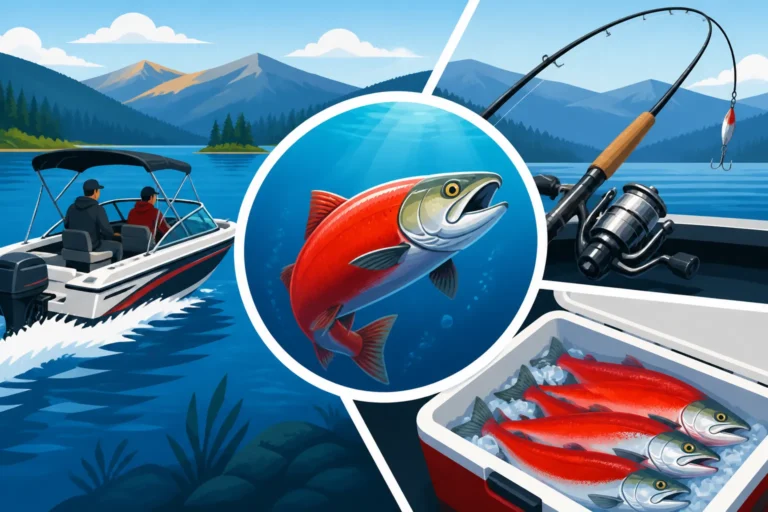
| Kokanee Salmon | Lake Coeur d'Alene, Dworshak Reservoir | Trolling with downriggers and specialized lures | Require specific gear but bite readily once found. Guide expertise is key. |
| Cutthroat Trout | High mountain lakes, Snake River tributaries | Spin fishing with small lures, dry fly fishing (guide-assisted) | Idaho's state fish. Often found in beautiful, serene settings. |
Your guide will select the best target species based on the season and where they know you'll have the best chance of success. For instance, in spring and fall, rainbow trout are often very active in many Idaho waters, while summer might be prime for smallmouth bass or kokanee. Don't be shy about telling your guide if you have a preference for eating fish or practicing catch-and-release; they'll usually accommodate. Understanding Idaho Fish Species Guide is part of the fun, and your guide will be happy to explain what you’re catching.
Choosing the Right Idaho Fishing Charter for Beginners
Selecting the perfect fishing charter is crucial for a successful and enjoyable first-time experience. It's not just about finding any guide; it's about finding the right guide for you as a beginner. There are many options out there, and taking the time to consider what you want from your trip will make all the difference.
Factors to Consider When Selecting a Guide
When you're new to fishing, the guide's patience and teaching style are just as important as their fishing prowess. You want someone who genuinely enjoys introducing newcomers to the sport, not just someone focused solely on catching the biggest fish for experienced anglers.
Here are key factors to consider:
- Experience with Beginners and Families: Look for guides who explicitly state they welcome beginners and families. Check reviews (on sites like FishingBooker or Google) for comments about patience, teaching ability, and making the trip fun for novices. A guide who understands that "success" for a beginner isn't just about the fish count but about the overall experience and learning will be invaluable.
- Target Species and Location: Think about what kind of fishing excites you. Do you want to catch trout in a scenic mountain river, or battle bass on a large reservoir? Research guides who operate in your preferred location and specialize in the fish you're most interested in. For example, if you dream of catching a massive sturgeon, you'll need a guide on the Snake River who specializes in Idaho Sturgeon Fishing Rules.
- Boat and Equipment: Ensure the guide uses well-maintained, appropriate equipment for the type of fishing and water body. A comfortable, stable boat is important for a pleasant experience, especially if you're prone to motion sickness. Ask about the quality of their rods, reels, and tackle—they should be good quality and suitable for beginners.
- Safety Record and Licensing: All legitimate guides should be properly licensed and insured. Don't hesitate to ask for proof. A commitment to safety, including providing life jackets and clear instructions, is non-negotiable. This is often covered implicitly by reputable outfits, but it’s always good to be aware.
Types of Charters and Trip Durations
Idaho offers a diverse range of fishing environments, and with them, various types of charters suited to different experiences. Understanding these options can help you select the one that best fits your comfort level and desires.
- Wade Trips: Perfect for fly fishing beginners, especially on smaller rivers and spring creeks. The guide takes you to accessible spots where you wade into the water. It's intimate, great for learning casting, and often less expensive. Think Silver Creek's Technical Spring Creek Water or some sections of the Boise River.
- Drift Boat Trips: Very popular for river fishing, particularly for trout or steelhead on rivers like the South Fork of the Snake or the Clearwater. You float downstream in a specialized boat while the guide rows, allowing you to cast to prime spots. It's a comfortable way to cover a lot of water without strenuous hiking.
- Jet Boat Trips: For larger rivers like the Salmon or main stem of the Clearwater, especially when targeting anadromous species like steelhead or Chinook salmon. Jet boats can cover long distances quickly, getting you to remote fishing grounds.
- Lake/Reservoir Charters: These often involve larger boats, sometimes with specialized electronics and downriggers for trolling. Ideal for targeting species like kokanee, lake trout, or even bass on sprawling waters like Lake Coeur d'Alene or Priest Lake. These can be very comfortable experiences, often with plenty of room to move around.
As for duration, most guides offer half-day (4-5 hours) and full-day (8+ hours) trips. For beginners, a half-day trip is often a great introduction. It's less commitment, allows you to get a feel for guided fishing without getting too tired, and is usually a bit more budget-friendly. If you find you love it, you can always book a full day next time! Many guides also offer Idaho Fishing Charters for Families with Kids, which might have shorter durations or more relaxed itineraries.
Questions to Ask Before You Book
Before you commit to a charter, a few key questions can help ensure you're making the right choice for a beginner. Don't be shy; a good guide expects you to be curious!
- "What's included in the price?" This is a big one. Does it cover tackle, bait, flies, snacks, and drinks? What about fish cleaning? Knowing this upfront prevents any surprises on the day of your trip. Some guides might even offer to help you purchase your Idaho Fishing License Online Purchase if you need assistance.
- "What's your typical approach with beginners?" Listen for answers that emphasize patience, instruction, and tailoring the trip to your skill level. A guide who talks about starting with basic casting techniques or spending time on fish identification is a good sign.
- "What's your cancellation policy for bad weather?" Idaho weather can be unpredictable. Understand if you'll receive a refund or be able to reschedule if conditions are unsafe or unfavorable.
- "What kind of fish are we most likely to catch this time of year, and what techniques will we use?" This helps manage expectations and gives you a preview of the experience. It also lets you know if the guide's expertise aligns with your interests.
- "Do I need to bring anything specific?" Beyond personal items like sunglasses, hat, and appropriate clothing, confirm if you need to bring your own Idaho Fishing Gear Guide by Season or if everything is provided.
By asking these questions, you'll gain confidence in your choice and feel more prepared for your upcoming adventure.
Preparing for Your Beginner-Friendly Idaho Fishing Trip
You’ve booked your charter, and the excitement is building! Now, a little preparation can go a long way in ensuring your first Idaho fishing trip is comfortable, safe, and truly memorable. Think of it as setting yourself up for success even before you step onto the boat.
Essential Gear and What to Wear
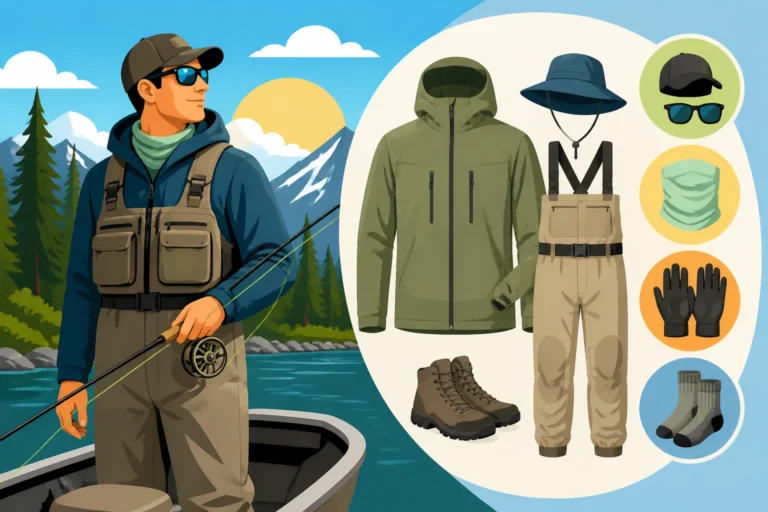
While your guide will provide all the necessary fishing tackle, there are a few personal items you’ll want to bring to make your day more comfortable. Think layers, protection from the elements, and personal comforts.
- Layers of Clothing: Idaho weather, especially in the mountains or on large bodies of water, can change rapidly. Dress in layers so you can easily add or remove clothing as temperatures fluctuate. Start with a moisture-wicking base, add an insulating layer (fleece or wool), and top it with a waterproof and windproof outer shell. Even in summer, mornings can be chilly, and afternoon thunderstorms can bring a quick drop in temperature.
- Sun Protection: The Idaho sun is strong, even on cloudy days. Bring a wide-brimmed hat, sunglasses (polarized are best for seeing into the water), and plenty of high-SPF sunscreen. Applying it generously and reapplying throughout the day is key.
- Footwear: Comfortable, non-slip, waterproof shoes or boots are ideal. You might be stepping on wet docks, uneven ground, or dealing with splashes in the boat. If it's a wade trip, your guide will advise on waders, but usually, they can provide those too.
- Personal Items: A small backpack with water, snacks (even if the guide provides some, it’s good to have extras), any personal medications, a camera, and perhaps a small towel. If you're prone to motion sickness, take preventative measures before you get on the boat.
- Rain Gear: Always, always, always bring rain gear, even if the forecast looks clear. A sudden shower can turn a great day into a miserable one if you’re unprepared. A lightweight, packable rain jacket and pants are worth their weight in gold.
Remember, the goal is to be comfortable and protected so you can focus entirely on the fishing experience. Your guide will appreciate you being prepared for whatever the day throws at you!
Understanding Idaho Fishing Regulations
Even though your guide is there to ensure you comply with all rules, it's a good practice to have a basic understanding of Idaho Fishing Regulations Explained yourself. After all, it's your responsibility to know the law.
Here are the key points for beginners:
- Fishing License: You absolutely must have an Idaho Fishing License Guide before you cast a line. For residents, there are various options like the Idaho Resident Annual Fishing License or specific short-term licenses. Non-residents have options like the Idaho Nonresident Annual Fishing License or an Idaho One-Day Fishing License. Kids generally need a license from a certain age, so be sure to check Do Kids Need a Fishing License in Idaho? if fishing with younger anglers. It’s quick and easy to buy online or at most sporting goods stores.
- Permits and Stamps: Depending on what you're targeting, you might need additional permits. For example, if you're going after the highly sought-after steelhead or Chinook salmon, you'll definitely need an Idaho Salmon and Steelhead Permit. Your guide will advise you on any specific permits required for your trip.
- Catch Limits and Release Rules: Different waters and different species have different daily bag limits and possession limits. Some waters are catch-and-release only for certain species (like sturgeon in some parts of the Snake River). Your guide will instruct you on what you can keep and what needs to be released, and how to do so safely.
- Fish Identification: It's important to be able to identify your catch, especially distinguishing between hatchery-reared fish (which often have a clipped adipose fin and can typically be kept within limits) and wild fish (which are often protected and must be released). Your guide will teach you this on the fly.
Don't let regulations intimidate you. Your guide is your primary resource, and they'll handle the specifics, but a little homework on your part shows respect for the resource and the sport.
Tipping and Etiquette on a Guided Trip
A guided fishing trip is a service experience, much like dining at a restaurant or taking a taxi. Tipping is a customary way to show appreciation for good service, and observing proper etiquette ensures a smooth and enjoyable trip for everyone.
- Tipping: Guides work incredibly hard – not just on the water, but in preparation and post-trip duties. They scout, maintain equipment, clean fish, and provide an invaluable service. A standard tip for a fishing guide is typically 15-20% of the trip cost. If they went above and beyond, provided excellent instruction, or really put you on the fish, feel free to tip more. Present the tip discreetly at the end of the trip, usually when you're saying your goodbyes. This is a crucial part of the Idaho Fishing Guide Tipping and Etiquette that supports their livelihood.
- Listen to Your Guide: This is perhaps the most important etiquette rule. Your guide is the expert on the water. Pay attention to their instructions, whether it's about casting, reeling, safety, or regulations. They're there to help you succeed and stay safe.
- Be Prepared and Punctual: Show up on time with all your personal gear. Guides often have a tight schedule, and delays impact everyone's fishing time.
- Respect the Equipment: Treat the guide's rods, reels, and boat with care. If you accidentally break something, offer to cover the cost.
- Communicate: If you need a break, feel unwell, or have any questions, speak up! Your guide wants you to have a good time and will be responsive to your needs.
- Cleanliness: Pack out everything you pack in. Don't leave trash or discarded fishing line in the boat or on the shore. Help keep Idaho's beautiful waters pristine.
Following these guidelines ensures a respectful, rewarding experience for both you and your guide, fostering a positive environment for your introduction to Idaho fishing.
Family-Friendly Charters and Group Considerations
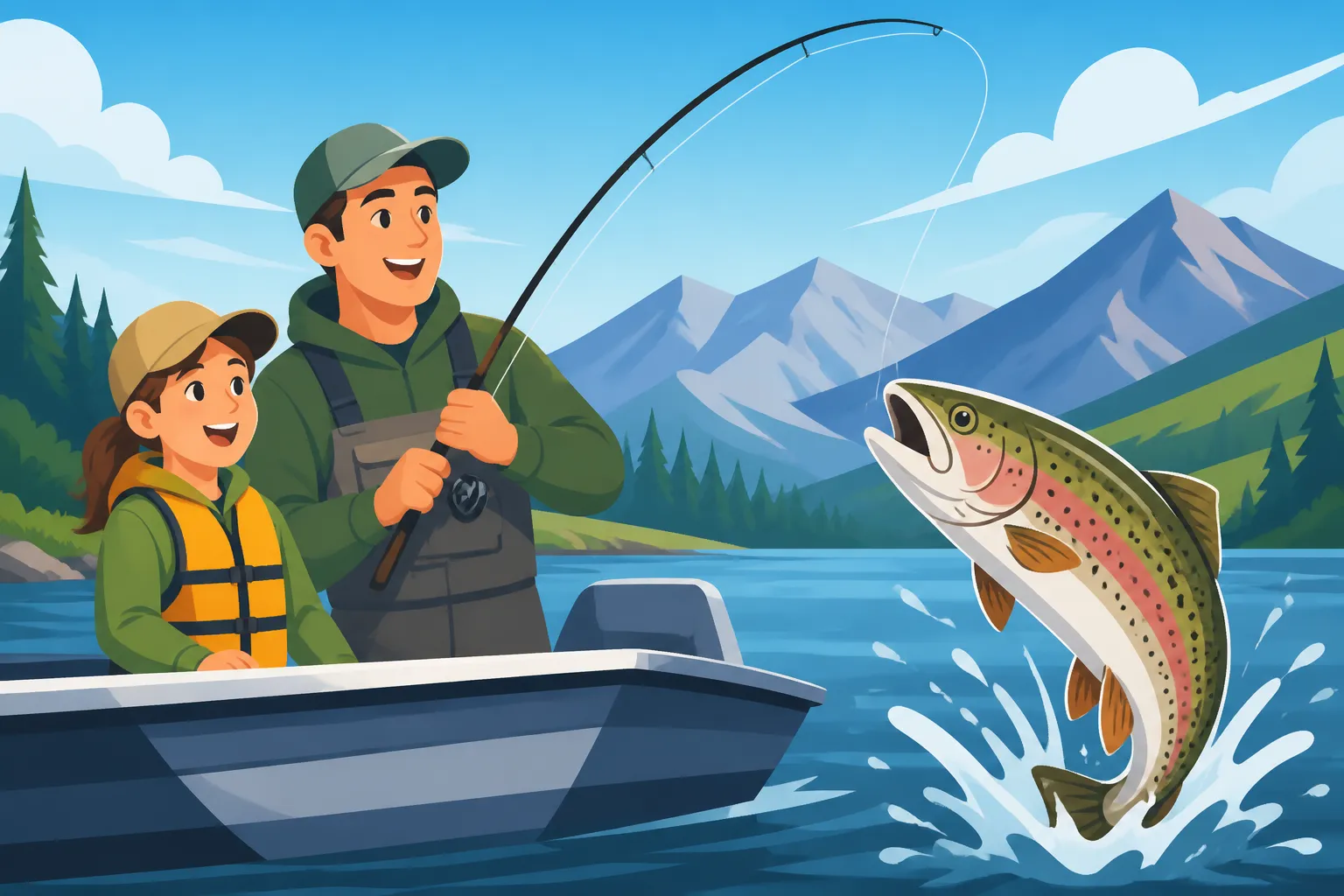
One of the most heartwarming aspects of fishing is sharing it with others, especially family. Idaho fishing charters can be a fantastic way to introduce kids, partners, or friends to the outdoors without the stress of planning and execution. However, making sure everyone has a good time requires a little extra thought.
Making Fishing Fun for All Ages
Bringing children or a mixed group of fishing enthusiasts and novices on a charter requires a guide who understands the dynamics of group engagement. It's not just about hooking fish; it's about creating lasting memories.
- Patient and Engaging Guides: Look for guides who have experience with children or groups with varied skill levels. They should be patient, encouraging, and willing to adapt the pace and instruction to suit everyone. A good guide might have a few tricks up their sleeve to keep kids entertained between bites, like pointing out wildlife or telling local stories. Websites like FishingBooker often highlight guides who are particularly family-friendly.
- Shorter Trip Durations: For younger children or those with shorter attention spans, a half-day trip is often ideal. It provides enough time to learn and catch fish without becoming overly long or tiring.
- Targeting Cooperative Species: Guides who specialize in high-action fishing for species like yellow perch or plentiful rainbow trout are excellent choices for families. Constant action, even with smaller fish, keeps interest levels high. On Lake Coeur d'Alene, a guide might focus on kokanee, which can provide steady action when they're on the bite.
- Safety First: Ensure the guide emphasizes safety and has appropriate-sized life jackets for all passengers, especially children. Discuss any specific safety concerns you might have beforehand.
When everyone, from the youngest to the oldest, feels included and has a chance to participate and succeed, the experience becomes truly special. It's not just a fishing trip; it's an outdoor adventure the whole family can cherish.
Group Size and Charter Dynamics
The size of your group will influence the type of charter you book and the overall experience. Whether you're planning a solo adventure, a romantic trip for two, or a large family outing, there's an Idaho charter option for you.
- Intimate Experience for Smaller Groups (1-3 anglers): If you're looking for personalized instruction and a focused fishing experience, a smaller group on a drift boat or a wade trip is perfect. This allows the guide to dedicate more one-on-one time to teaching casting, knot tying, and fish handling. This is ideal for serious beginners who want to really immerse themselves in learning.
- Larger Groups and Family Outings (4+ anglers): For bigger families or groups of friends, a larger lake charter boat or a jet boat on a big river might be more suitable. These boats offer more space, often multiple fishing stations, and a comfortable base for a group to enjoy the day together. Keep in mind that with more people, the guide's attention will naturally be more divided, but they'll still ensure everyone gets assistance. Some guides even offer Idaho Fishing License Options for a Family of Four advice, helping you streamline the prep.
- Booking in Advance: Especially for larger groups, booking well in advance is crucial, particularly during peak seasons. Popular guides and boats get booked up quickly. This also ensures you can find a guide who is comfortable and equipped to handle your specific group size and needs.
Communicating your group's composition and expectations upfront with the guide is key to a successful outing. They can then tailor the trip, or suggest alternatives, to best suit everyone involved.
What to Look for in a Family-Focused Guide
When your primary goal is a positive family experience, rather than just a trophy fish, specific qualities in a guide become paramount.
- Patience and Sense of Humor: Kids, and even adult beginners, can get tangled, cast poorly, or lose fish. A guide with boundless patience and a good sense of humor can turn potential frustrations into funny memories. They should be able to make light of mistakes and keep everyone's spirits high.
- Educational Aspect: A great family guide often weaves in educational elements. They might teach about the local wildlife, the ecosystem, the different fish species, or even the history of the area. This turns the trip into more than just fishing; it becomes a nature lesson.
- Flexibility: Kids might need more frequent breaks, or a spontaneous desire to explore a bank might arise. A flexible guide who can adapt the day's plan to the group's needs will ensure a much smoother and more enjoyable experience for everyone.
- Positive Reviews Mentioning Kids: When browsing guide services on platforms like FishingBooker, specifically look for reviews from other families who have brought children. Comments about the guide's interaction with kids, their patience, and the overall family-friendliness of the trip are invaluable indicators.
- Amenities for Comfort: Ask about things like onboard restrooms, comfortable seating, and shaded areas. These small comforts can make a huge difference, especially for longer trips with younger children.
Choosing a guide who genuinely enjoys fostering a love for fishing in others, especially the next generation, will guarantee a beginner-friendly charter that creates cherished family memories in Idaho's breathtaking wilderness.
Disclaimer
This article is for general informational purposes only and does not constitute professional advice. Laws, prices and regulations vary by location and change over time. Consult a qualified professional for guidance on your specific situation.