Idaho Daily Bag Limit for Smallmouth Bass
It’s a common scenario: you’ve found a fantastic spot, the smallmouth bass are biting, and you’re having the time of your life. Then, a little voice in the back of your head pipes up, "Wait, how many of these can I actually keep?" The confusion around daily bag limits, especially for a popular and widespread species like smallmouth bass in Idaho, can really throw a wrench into an otherwise perfect fishing day. This guide is here to clear up that uncertainty, offering a comprehensive look at the regulations for smallmouth bass and how to fish responsibly within Idaho's rules.
Understanding Idaho's Daily Bag Limits for Smallmouth Bass
Navigating fishing regulations can sometimes feel like trying to untangle a bird's nest of fishing line. But when it comes to smallmouth bass, a favorite among many Idaho anglers for their feisty fight and widespread presence, the rules are generally straightforward, though with some critical exceptions you absolutely need to know.
The General Statewide Smallmouth Bass Limit
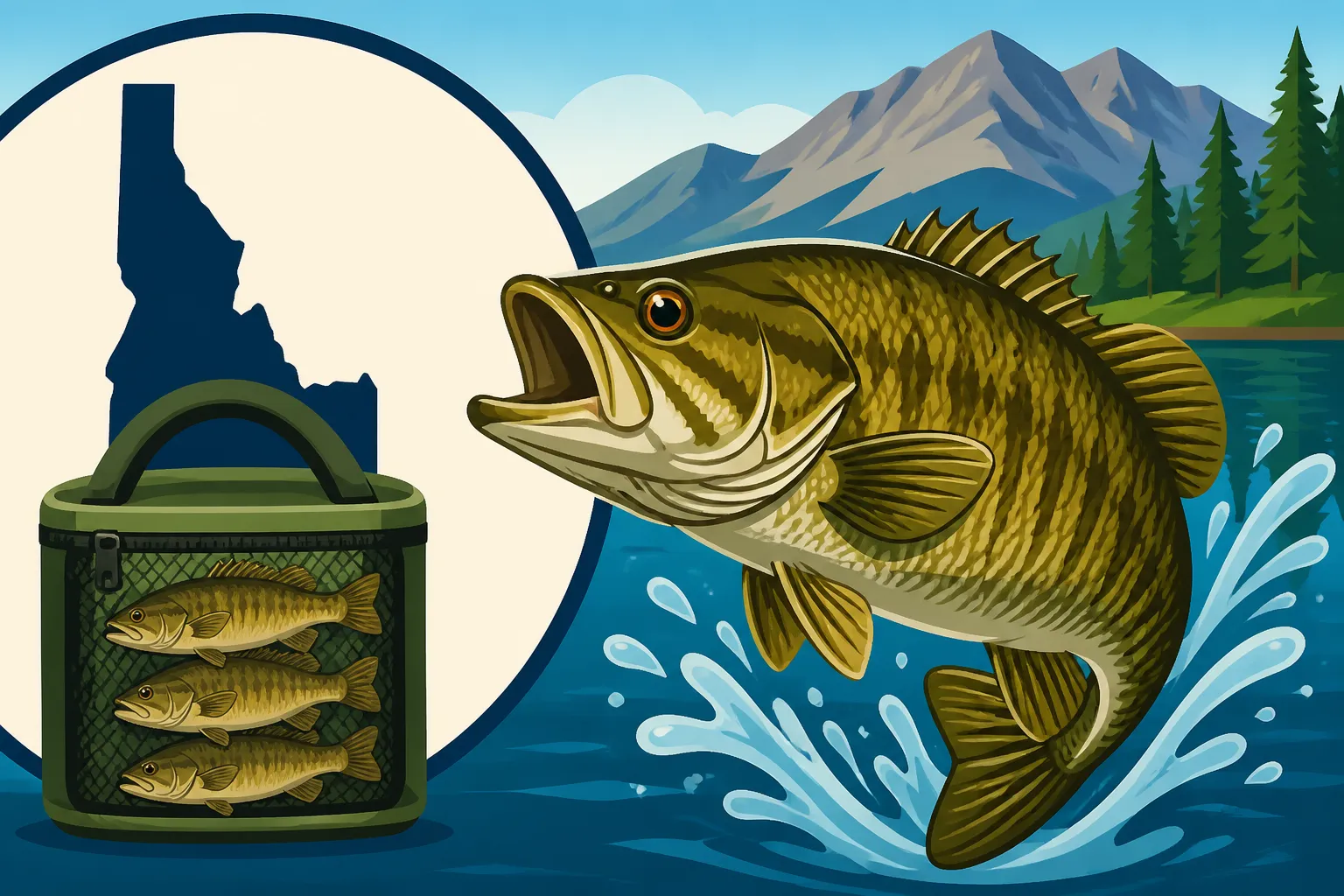
For most waters across Idaho, the Idaho Department of Fish and Game (IDFG) sets a unified regulation for bass. This rule combines both largemouth and smallmouth bass into a single aggregate limit. Currently, the general statewide daily bag limit for bass (meaning largemouth and smallmouth combined) is six fish. This means that whether you catch six smallmouth, six largemouth, or a mix totaling six, that's your daily allowance. It’s important to remember that this "daily bag limit" refers to the number of fish you can take in a 24-hour period, and there's also often a "possession limit" which refers to the total number of fish you can have on hand, usually twice the daily limit, especially if you're on a multi-day trip. Always double-check the current Idaho Fishing Regulations Explained for specifics on both.
This blanket limit is designed to manage the overall bass population and ensure sustainable fishing opportunities for everyone. For many anglers, catching six bass is a great day on the water, providing plenty of fish for a delicious meal or just the thrill of the catch before practicing catch-and-release.
Regional and Water-Specific Exceptions
Now, here's where things can get a little more nuanced, and where that little voice in your head is right to be cautious. While the six-fish combined bass limit applies broadly, Idaho has numerous water bodies with special regulations. These exceptions are put in place for specific fisheries management goals, such as protecting native species, enhancing trophy opportunities, or controlling overabundant introduced species.
One prime example where you'll find a different rule for smallmouth bass is Dworshak Reservoir in North Idaho. This reservoir is legendary for its massive smallmouth bass population, and for many years, it's actually had a no limit rule on smallmouth bass. Why? Because the IDFG actively encourages anglers to harvest smallmouth bass there to help protect the fragile kokanee salmon population, which smallmouth prey upon. This is a classic case of how managing one species can impact another, and why it's so vital to check local regulations. Imagine showing up with the statewide limit in mind, only to find you could have kept many more! Conversely, some trophy waters might have more restrictive limits, or even slot limits, where fish within a certain size range must be released, to protect large breeding fish. Always consult the official IDFG rules for the specific lake, reservoir, or river section you plan to fish. You can find detailed information in the Idaho Fishing Regulations Explained.
| Water Body Type | General Bass Daily Bag Limit (Combined) | Common Regional Exceptions (Smallmouth) | Purpose of Exception |
|---|---|---|---|
| Most Rivers and Lakes | 6 Fish | None (statewide rule applies) | Sustainable population management |
| Dworshak Reservoir | No Limit (specific to Smallmouth Bass) | No Limit on Smallmouth Bass | Protect Kokanee Salmon population; encourage harvest |
| Select Trophy Waters | Varies (often more restrictive) | Reduced limits (e.g., 2 fish), or slot limits (e.g., 12-16" must be released) | Foster trophy fish growth; protect breeding stock |
| Community Ponds | Varies (often higher, or different species-specific) | Generally higher limits for panfish, specific bass limits | Provide high-yield angling opportunities, especially for families |
Why These Limits Exist: Conservation and Management
These bag limits aren't just arbitrary numbers; they are a critical tool in the Idaho Department of Fish and Game’s arsenal for managing healthy and sustainable fisheries. For smallmouth bass, like many other species, limits help prevent overfishing in areas where populations could be vulnerable. Without limits, it would be all too easy for a few dedicated anglers to deplete a local fishery, impacting not only the bass but also the entire aquatic ecosystem.
Beyond preventing overharvest, specific limits or lack thereof, like at Dworshak, are part of broader ecosystem management. By encouraging anglers to remove an invasive or overabundant predator (like smallmouth bass in some specific settings), the IDFG can help support native or desired species that might otherwise suffer. It’s a delicate balance, and these rules reflect ongoing scientific assessment and monitoring of fish populations. So, when you adhere to the limits, you’re not just following a rule; you're actively participating in the conservation efforts that ensure Idaho remains a premier fishing destination for generations to come.
Locating and Interpreting Idaho's Fishing Regulations
It's easy to feel overwhelmed by the sheer volume of regulations, but staying informed is crucial for any responsible angler. Thankfully, the Idaho Department of Fish and Game (IDFG) makes it quite easy to access the most current rules. Trust me, getting caught without knowing the rules is a frustrating experience you want to avoid, and it can lead to fines!
The Official Idaho Fishing Seasons and Rules Brochure
The absolute go-to resource for all of Idaho's fishing regulations is the annual "Idaho Fishing Seasons and Rules" brochure. This is the angler's bible, updated every year, and it contains everything from statewide general rules to those intricate, water-specific exceptions we just talked about. You can pick up a physical copy at virtually any sporting goods store, IDFG office, or license vendor across the state. Places like Cabela's or Sportsman's Warehouse will usually have stacks readily available near the fishing license counter.
When you get your hands on a brochure, take the time to read through it, especially the general regulations section and then specifically for the waters you plan to visit. Pay close attention to sections on species-specific limits, gear restrictions, season dates, and any special provisions for particular lakes or rivers. For example, some sections of the Snake River might have different rules for smallmouth bass than a high mountain lake. It's truly comprehensive, covering everything you need to know about Idaho Fishing Season Dates and Limits and Idaho Catch Limits and Bag Limits Explained.
Online Resources and Mobile Apps
In our digital age, convenience is key, and the IDFG has embraced technology to make regulations even more accessible. The official IDFG website is an invaluable resource. You can download the entire fishing rulebook as a PDF, search for specific waters, and even find daily stocking reports. This is particularly helpful when planning a trip to a new area or checking for last-minute changes that might not have made it into a printed brochure right away.
Beyond the website, many anglers find mobile apps incredibly useful. Apps like Fish and Game's Go Outdoors Idaho or even third-party apps available on platforms like Amazon (which might offer tackle management alongside rule lookups) can put real-time regulation information right in your pocket. These apps often feature interactive maps, allowing you to pinpoint your location and see the specific rules for that body of water, including the relevant limits for Idaho Smallmouth Bass Fishing. Always ensure you're using an official or highly reputable app to avoid outdated or incorrect information.
Smallmouth Bass in the Broader Idaho Fishing Landscape
While smallmouth bass are incredibly popular, it's helpful to understand where they fit in among Idaho's diverse fish populations and how their regulations might compare to other species you might encounter. Idaho offers fantastic fishing for a variety of species, from trout to salmon and steelhead, and knowing the differences in rules helps you become a more versatile and informed angler.
Largemouth Bass Limits: A Quick Comparison
As we touched on earlier, Idaho typically combines largemouth and smallmouth bass under the same general bag limit. This means that if you're fishing a lake like Lake Lowell near Nampa, which is known for its largemouth, or a river like the Snake River where you might catch both, the combined total of six fish still applies. However, it's worth noting that while the number might be the same, the size of bass found in different waters can vary dramatically. Some lakes might produce smaller, more numerous largemouth, while certain river sections are known for trophy smallmouth. For more details on this popular cousin, check out our guide on Idaho Largemouth Bass Fishing.
This combined limit simplifies things for anglers but still requires you to be aware of which species you’re catching, especially if one is more prevalent in your chosen spot. Understanding how different species interact and are managed helps reinforce the importance of accurate identification and adherence to the rules.
Panfish and Other Warmwater Species
Idaho's warmwater fisheries are rich with species like yellow perch, crappie, bluegill, and catfish. These "panfish" often have much more generous bag limits than bass, reflecting their faster reproductive rates and often higher population densities. For instance, yellow perch might have a daily limit of 25, while crappie or bluegill could be even higher. This allows anglers to take home a bountiful cooler of fish for a family fry without impacting the overall population negatively.
However, even with panfish, exceptions exist. Some community fishing ponds, often stocked specifically for kids and families, might have reduced limits on all species to spread out the catch among more anglers. It’s a good reminder that every species and every water body could have its own specific set of rules, underscoring the need to check your Idaho Fishing Regulations Explained before each trip. For a broader overview of what's swimming in Idaho, take a look at our comprehensive Idaho Fish Species Guide.
Responsible Angling Practices for Smallmouth Bass
Adhering to bag limits is just one part of being a responsible angler. How you handle the fish you catch, whether you keep them or release them, plays a huge role in the health of Idaho's smallmouth bass populations and the overall quality of the fishery.
Measuring Your Catch Accurately
Getting an accurate measurement of your fish is paramount, especially in waters with minimum or maximum size limits, or slot limits. For smallmouth bass, size limits are less common than for, say, trout or salmon, but they can exist. When measuring, always place the fish on a flat surface or use a measuring board. Measure from the tip of the jaw (mouth closed) to the tip of the tail, with the tail squeezed together.
The key is to do this quickly and carefully. Fish out of water are under stress, so minimize their air exposure. If you're using a tape measure, consider getting a specialized fishing measuring board; they're readily available on platforms like Amazon and make the process much smoother and kinder to the fish. An incorrect measurement could lead to accidentally keeping an undersized or oversized fish, which could result in a violation.
Effective Catch and Release Practices
Even if you’re well within the bag limit, you might choose to release some or all of your smallmouth bass. Catch and release is a fantastic way to enjoy the sport while ensuring healthy fish populations for the future. Smallmouth bass are generally quite resilient, but proper handling significantly increases their survival rate.
Here are some tips for safe catch and release:
- Use appropriate tackle: Don’t "horse" the fish in too quickly, but also don’t play it to exhaustion. Bring it in efficiently.
- Barbless hooks: These are a game-changer. Removing a barbless hook is quick and causes minimal damage. You can easily crimp down the barb on most hooks with a pair of pliers, an inexpensive tool you can find on Amazon or at any sporting goods store.
- Minimize handling: Try to keep the fish in the water as much as possible. If you must handle it, wet your hands first to protect its slime coat, which is crucial for disease resistance.
- Support the fish: Hold it horizontally, supporting its belly. Avoid holding it vertically by the jaw or gill plates, as this can damage internal organs.
- Quick release: Remove the hook gently with pliers or forceps. If the fish is deeply hooked, it’s often best to cut the line as close to the hook as possible rather than trying to remove it.
- Revive if necessary: If the fish seems sluggish, hold it gently in the water, facing into the current, until it regains strength and swims away on its own.
Practicing these techniques not only helps the fish but also enhances your overall fishing experience. It’s an integral part of Idaho Fishing Techniques Guide for any species.
Avoiding Overharvest and Ethical Considerations
Fishing ethically goes beyond just following the rules. It means making conscious decisions that contribute to the long-term health of the fishery. For smallmouth bass, especially in popular spots, consider whether you truly need to keep your full limit. Sometimes, taking just a couple for a meal and releasing the rest can be a more sustainable approach.
Be mindful of the breeding season. While Idaho's regulations consider this in their season dates, practicing catch and release during spawning periods can help ensure the next generation of smallmouth bass. Also, if you notice a particular area getting heavily pressured, consider exploring other Best Rivers for Fishing in Idaho or even giving that spot a break. Our actions as individual anglers collectively impact the resource, and by fishing responsibly, we ensure that Idaho's incredible smallmouth bass fishing opportunities remain vibrant for everyone, for years to come. Remember, enjoying the chase and the beauty of Idaho’s waters is often just as rewarding as bringing home a trophy.
Disclaimer
Please remember that fishing regulations are subject to change. While this guide provides current information, it is always your responsibility to consult the latest official Idaho Department of Fish and Game (IDFG) fishing seasons and rules brochure or their official website before heading out to fish. This ensures you have the most up-to-date and accurate information for the specific waters you intend to fish.