Fly Fishing vs Spin Fishing on Henry’s Fork
So you're standing on the banks of Henry's Fork, perhaps near Island Park or through the famous "Ranch" section, tackle box or fly vest in hand, and a common question gnaws at you: Should I fly fish or spin fish today? It's a question that can spark friendly (or not-so-friendly) debates among anglers, and for good reason. Henry's Fork isn't just any river; it's a legendary, often challenging, piece of water that demands respect and a thoughtful approach. You want to be successful, of course, but you also want to feel connected to the experience, and the method you choose plays a huge role in that. This guide is here to walk you through the nuances of both fly fishing and spin fishing on this incredible Idaho gem, helping you understand which approach might be best for your trip, your skill level, and the specific conditions you encounter.
The Allure of Henry's Fork: Why Anglers Love (and Fear) This River
Henry's Fork isn't just a river; it's practically a pilgrimage site for anglers. But with its fame comes a certain mystique, and often, a healthy dose of intimidation. Many people dream of casting a line here, imagining massive trout rising to delicate dry flies, but the reality can be far more complex than the dream. Understanding what makes this river so special, and sometimes so frustrating, is the first step in deciding how you're going to fish it.
Henry's Fork's Unique Character and Challenges
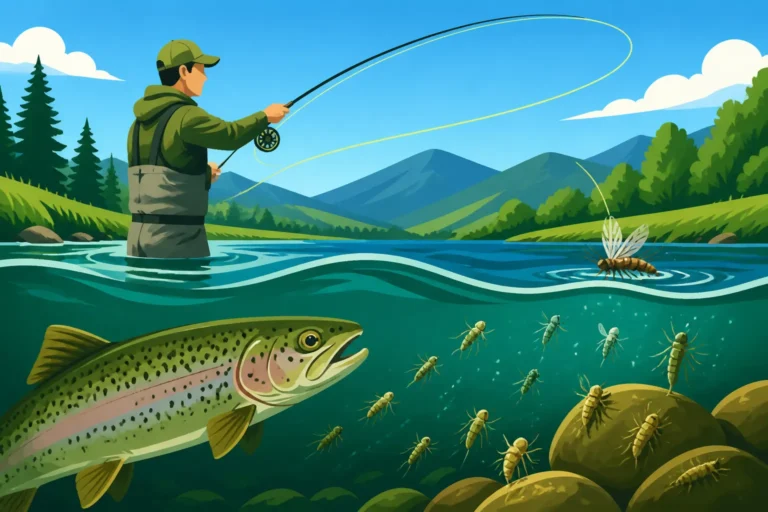
The Henry's Fork of the Snake River is known for its incredible clarity, abundant aquatic insect life, and the notoriously selective trout that inhabit its waters. It's not a boisterous, freestone river in many sections; instead, you'll find slow, glassy glides, deep runs, and intricate weed beds. This unique character is what allows for such prolific insect hatches, but it also means the fish have ample time to inspect your offering. They aren't just hungry; they're discerning.
Imagine spending an hour watching a beautiful rainbow trout rise repeatedly in a placid pool, sipping tiny insects from the surface. You tie on what you think is the perfect imitation, make a flawless cast, and watch it drift over the fish… only for it to ignore your fly completely. This isn't uncommon on Henry's Fork, especially in the more famous "Ranch" section or other technical stretches often described as Henry's Fork's Most Technical Water for Fly Anglers. The water clarity means you can often see the fish, and they can certainly see you and your line. This constant visibility puts a premium on stealth, presentation, and imitation, regardless of your chosen method. It's a place where every detail matters, from the size of your tippet to the way your fly or lure lands on the water.
The Prized Trout of Henry's Fork
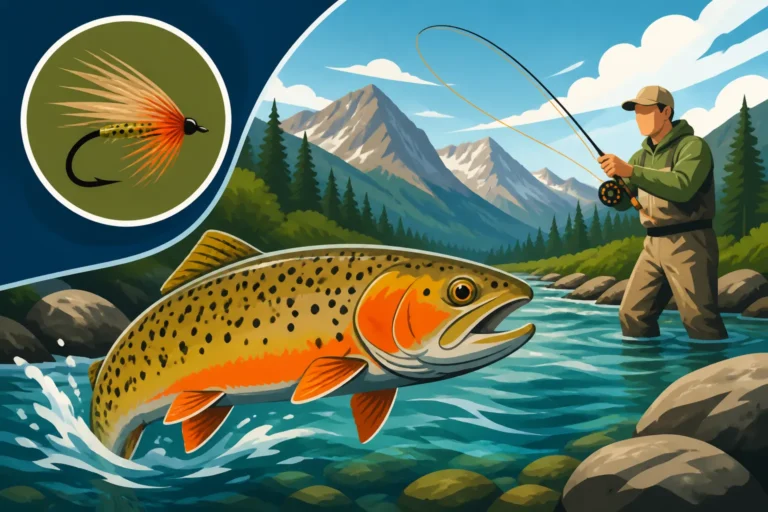
The trout here are legendary. You'll primarily find wild rainbow trout, and they grow to impressive sizes, with many fish in the 18-20 inch range and larger specimens pushing well past that. These are strong, healthy fish that fight hard, making every hook-up a memorable experience. But as mentioned, they're also incredibly smart. They've seen it all. They've dodged countless flies and lures. This makes catching them profoundly rewarding, but also profoundly challenging.
A big Henry's Fork rainbow isn't going to chase down a flashy spinner if it's not feeling aggressive, and it's certainly not going to eat a dry fly that doesn't perfectly match the naturals hatching around it. Their pickiness is what elevates the fishing experience on this river, turning it into a true test of skill and patience. Anglers who take the time to observe, understand insect activity, and adapt their approach often find the most success. For many, it's the ultimate proving ground for their trout fishing abilities, offering both crushing defeats and exhilarating triumphs in equal measure.
Delving into Fly Fishing on Henry's Fork
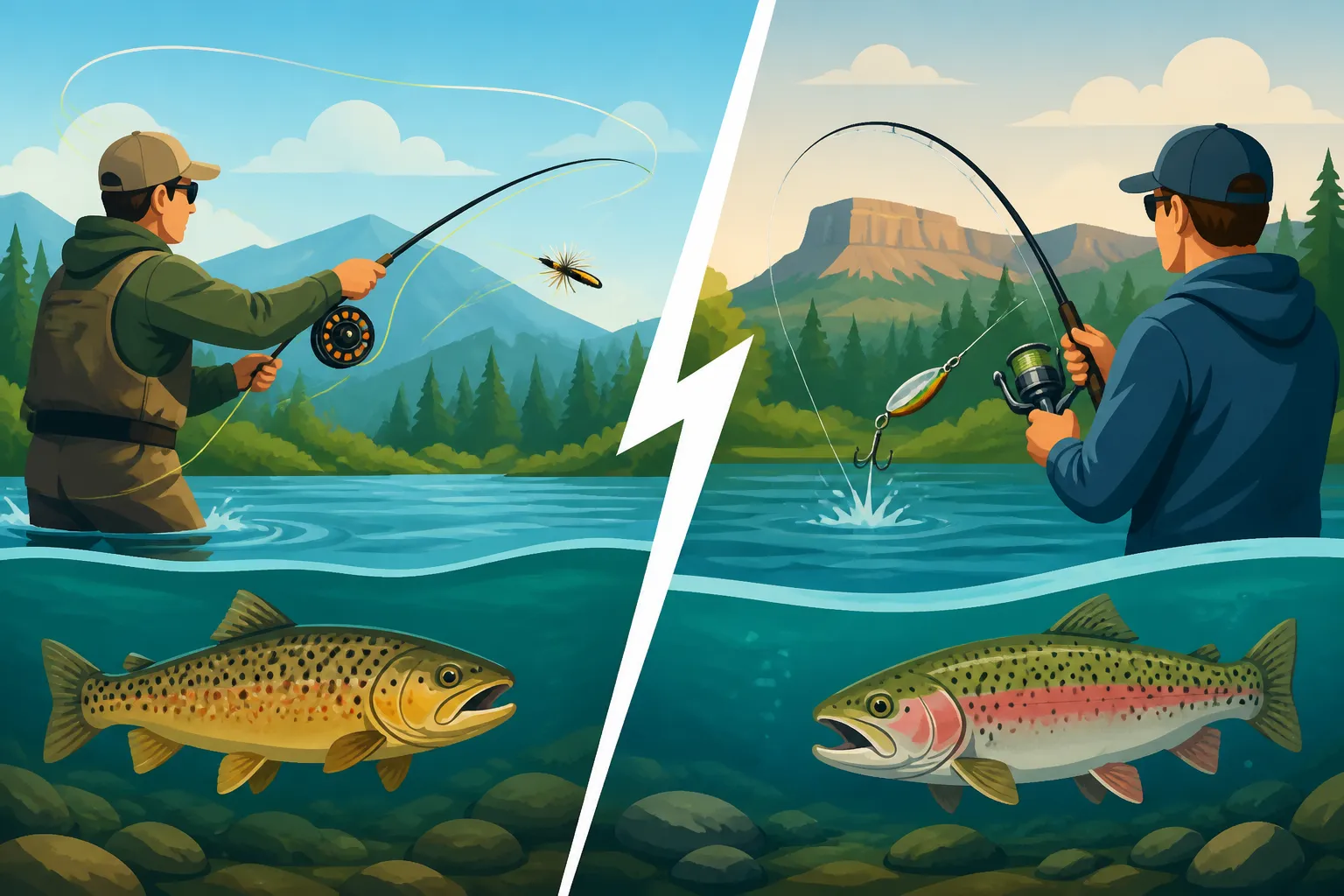
Fly fishing is often seen as the quintessential way to fish Henry's Fork, and for many, it's the primary reason they travel to this famed river. There's an undeniable elegance and tradition associated with it, especially on waters known for their prolific insect hatches. However, it's also a method that can have a steeper learning curve and require a specific investment in gear and knowledge.
The Art and Science of Fly Casting
Fly fishing on Henry's Fork is an immersive experience. It's about more than just throwing a line; it's about understanding entomology, reading subtle currents, and presenting a tiny imitation with utmost delicacy. You'll often find yourself using very long leaders and fine tippets, sometimes as light as 6x or 7x, to avoid spooking these wary trout. The casting itself can be a challenge on a windy day or when trying to place a dry fly under an overhanging branch.
For instance, during a prolific PMD (Pale Morning Dun) hatch, you might be focused on accurately dropping a size 16 dry fly a good 40 feet upstream of a rising fish, ensuring it lands softly and drifts naturally, completely drag-free. This requires precision, practice, and the right fly rod setup. Or perhaps the fish are deep, tucked into weed beds, and you're nymphing with a delicate indicator rig, trying to detect the slightest hesitation in your line that indicates a take. Guides who specialize in How to Fly Fish Henry's Fork spend countless hours perfecting these techniques, often teaching clients the subtle art of presenting an artificial fly as if it were a natural insect. It’s truly a blend of art, demanding feel and timing, and science, requiring knowledge of the insects and fish behavior.
When Fly Fishing Shines Brightest
Fly fishing truly comes alive on Henry's Fork during the peak insect hatches. When the green drakes, salmon flies, caddis, or even the tiny tricos begin to emerge, the river can erupt with feeding trout. These are the moments fly anglers live for: watching a large trout leisurely rise to slurp an adult insect from the surface, and then presenting your artificial fly to fool it. The famous "Ranch" section, in particular, is renowned for its consistent and diverse hatches, offering incredible dry fly opportunities.
Consider a late spring evening when the caddis are buzzing off the water. The fish become less selective than during a midday mayfly hatch, but accurate casting and a quick hookset are still crucial. Similarly, during a prolific nymph hatch, when fish are feeding sub-surface, a well-placed nymph fished with a strike indicator can be incredibly effective. Understanding the different stages of the insect life cycle and matching your fly to what the fish are currently eating is key. For more on what to carry, you might check out resources like What Flies to Use on Henry's Fork in Summer. These are the times when fly fishing isn't just an option; it feels like the only way to truly engage with the river and its inhabitants.
The Commitment and Rewards of Fly Fishing
Committing to fly fishing on Henry's Fork means investing time, patience, and often, a bit more money upfront for quality gear. A good 5- or 6-weight fly rod, a matching reel, fly line, leaders, tippet, and a substantial fly box filled with various patterns are just the beginning. You can find quality entry-level gear online at places like Amazon, but many dedicated fly shops around Island Park will offer expert advice and help you assemble a setup tailored specifically for the Fork.
The learning curve can feel steep, especially if you're new to the sport. Mastering the cast, understanding drag, and identifying subtle takes takes practice. However, the rewards are immense. There's a deep satisfaction that comes from deciphering the puzzle of a selective trout, making that perfect cast, and feeling the tug of a powerful fish on the end of a delicate fly rod. It's a connection to nature that feels more intimate, more meditative, and ultimately, deeply fulfilling. Many experienced anglers would argue that there's no greater feeling than fooling a smart Henry's Fork trout on a hand-tied fly.
Exploring Spin Fishing on Henry's Fork
While fly fishing often gets the spotlight on Henry's Fork, spin fishing is a perfectly viable and often highly effective method, especially for those who are new to the river, prefer a different approach, or when conditions aren't ideal for traditional fly tactics. It offers a different set of advantages and challenges, and with the right approach, can lead to equally impressive catches.
The Versatility and Accessibility of Spin Gear
One of the biggest advantages of spin fishing is its versatility and relative ease of entry. A good quality spinning rod and reel, some monofilament or fluorocarbon line, and a small selection of lures or bait are often all you need to get started. You can pick up a decent starter kit on Amazon without breaking the bank. The casting motion is generally easier to learn for beginners compared to fly casting, allowing new anglers to quickly get their offerings into the water.
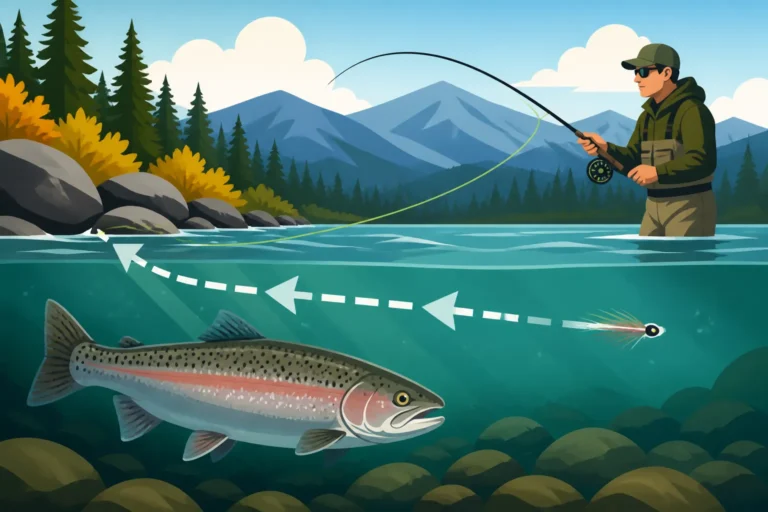
Spin fishing allows for a wide array of presentations that can be difficult or impossible with a fly rod. Think about fishing a deep, fast run or a large, open reservoir section of the river where casting a heavy lure a long distance is paramount. Small spinners, spoons, jigs, or even drifted bait can cover water effectively and entice strikes from aggressive trout. For example, if you're targeting fish holding in deeper pockets during higher flows, a weighted spinner or a small jig bounced along the bottom can be incredibly productive. This adaptability means spin anglers can often find success in a broader range of conditions and river sections, including some of The Easiest Section of Henry's Fork for Beginners.
When Spin Fishing Holds Its Own
Spin fishing truly shines when trout are not actively rising to dry flies or when conditions make precise fly presentations difficult. High winds, off-color water (though Henry's Fork is typically clear, it can happen), or deep, fast currents are all scenarios where a spinning rod can be a significant advantage. It's also an excellent choice when targeting fish that are more aggressive and willing to chase a moving lure rather than carefully sipping a delicate fly.
Consider a cloudy day when trout are holding near structure or in deeper pools, not showing much interest in surface activity. Tossing a small, vibrating spinner like a Panther Martin or a Mepps Aglia, or slowly retrieving a small spoon, can often trigger a reaction strike from a wary fish that might ignore a fly. Another scenario is when fishing for species other than trout, such as some of the bass that might be found in lower, warmer sections of the river, though Henry's Fork is primarily a trout fishery. Furthermore, for anglers who enjoy using live bait (where permitted by Idaho Fishing Regulations Explained), a spin rod is the natural choice. Learning about Best Bait and Lures for Idaho Fishing will provide more context on effective choices.
Considerations and Perceptions of Spin Fishing
While effective, spin fishing on Henry's Fork does come with certain considerations. Given the river's reputation as a fly-fishing Mecca, there can sometimes be a perception among traditionalists that spin fishing is less "pure." However, what truly matters is ethical angling and adherence to regulations. Always check the specific rules for the section of Henry's Fork you plan to fish, as some areas may have special tackle restrictions or barbless hook requirements, regardless of your method.
One practical concern is the impact of lures, especially those with treble hooks, on the delicate mouths of wild trout. Many ethical spin anglers opt to replace treble hooks with single, barbless hooks to minimize harm during catch and release. This simple modification greatly increases the survival rate of caught fish. It's also important to be mindful of your casting and retrieve, especially in crowded areas, to avoid tangling with other anglers or disturbing the water. Like all fishing, practicing good stewardship and respecting fellow anglers goes a long way.
Making Your Choice: Fly or Spin on Henry's Fork?
The truth is, there's no single "right" answer when it comes to fly fishing vs. spin fishing on Henry's Fork. Both methods can be incredibly effective and provide a deeply satisfying experience. Your choice often comes down to a blend of personal preference, skill level, and the specific conditions you encounter on the river.
Matching Your Style to the River
Before you even get to the river, think about your own comfort and enjoyment. Are you passionate about the nuanced art of fly casting and insect identification? Do you relish the challenge of matching a tiny dry fly to a specific hatch? Then fly fishing is probably your natural inclination. The Henry's Fork offers unparalleled opportunities to hone these skills. The sheer expanse of Henry's Fork's 70 Miles of Fishable Water Explained provides ample room for both methods, but different sections certainly favor one over the other.
On the other hand, if you prefer a more straightforward approach, enjoy the feel of a lure working through the water, or are bringing along newer anglers, spin fishing might be a more enjoyable and less frustrating experience. It allows for quick adaptation to different depths and retrieves, and can be incredibly rewarding when you find the right lure and presentation. Remember, the goal is to enjoy your time on the water and connect with nature, and both methods can facilitate that. Don't let perceived expectations dictate your enjoyment.
Gear Essentials and Preparation
Regardless of your chosen method, preparation is key for Henry's Fork. The river can be quite large and the currents swift in some areas, so a good pair of waders and wading boots are essential for getting to optimal casting positions safely.
Here's a quick comparison of essential gear:
| Category | Fly Fishing Essentials | Spin Fishing Essentials |
|---|---|---|
| Rod & Reel | 5- or 6-weight fly rod (8.5-9.5 ft), matching reel, floating line | Light-medium action spinning rod (6-7.5 ft), matching reel |
| Line | Weight-forward floating fly line, spare spool with sinking line (optional) | 4-8 lb monofilament or fluorocarbon |
| Terminal Tackle | Leaders (9-12 ft), tippet (3x-7x), strike indicators, split shot | Small swivels, snap swivels, sinkers, various hooks |
| Lures/Flies | Assortment of dry flies, nymphs, streamers (e.g., caddis, PMDs, stoneflies) | Small spinners, spoons, jigs, soft plastics (where allowed) |
| Tools | Hemostats, nippers, fly floatant, leader straightener | Pliers, line clippers, measuring tape |
| Other | Fly box, vest/pack, polarized sunglasses, net, Idaho Fishing License Guide | Tackle box, backpack, polarized sunglasses, net, Idaho Fishing License Guide |
Many of these items, from tippet to waders, can be found readily on Amazon, allowing you to build up your kit. However, for specific fly patterns or local insights, a visit to a local fly shop near the Henry's Fork is invaluable. They can tell you what's hatching and recommend the exact flies that are working right now. Remember, for certain species like steelhead or salmon, additional permits like the Idaho Salmon and Steelhead Permit might be required, so always check the latest regulations.
Respecting the Resource and Fellow Anglers
Ultimately, the most important aspect of fishing on Henry's Fork, whether with a fly rod or a spinning rod, is respect. Respect for the incredible fishery itself, for the wild trout that call it home, and for your fellow anglers. This means understanding and adhering to all Idaho Fishing Regulations Explained, practicing responsible catch and release, and being mindful of your presence on the river.
If you choose to spin fish in a crowded fly-fishing-only section (if any exist, which they often do on such technical rivers), be aware of the implied etiquette. Give other anglers plenty of space. Keep noise to a minimum. And above all, leave no trace. This river is a precious resource, and it's up to all of us to ensure its continued health and beauty for generations to come. Whether you're gracefully casting a dry fly or effectively working a spinner through a deep pool, an ethical approach ensures everyone can enjoy the magic of Henry's Fork.
Disclaimer
This article is for general informational purposes only and does not constitute professional advice. Laws, prices and regulations vary by location and change over time. Consult a qualified professional for guidance on your specific situation.