Floating the Middle Fork of the Salmon River to Fish
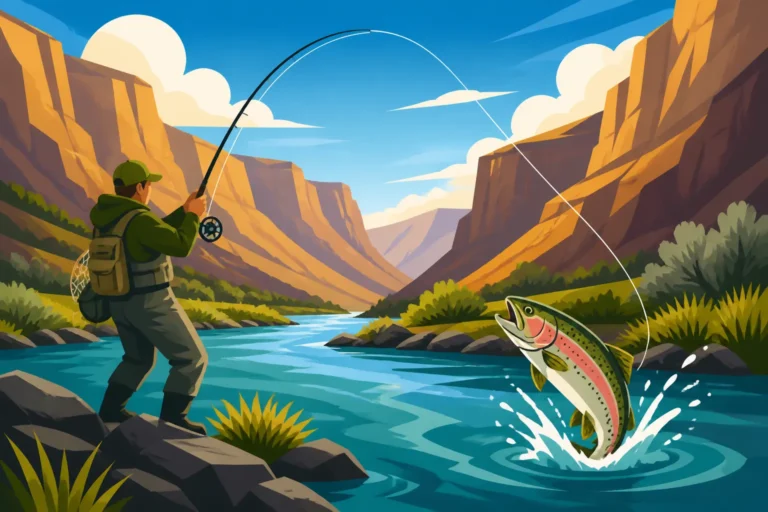
Dreaming of a fishing trip where the roar of traffic is replaced by the whisper of the wind through pine trees, and your only companions are the wildlife and the river itself? The Middle Fork of the Salmon River in Idaho offers just that, a truly wild and remote experience that calls to the adventurous angler. But let's be real, tackling such a legendary wilderness river isn't like heading to your local pond; it requires careful planning, a good understanding of its unique challenges, and respect for its pristine environment. This guide is here to walk you through everything you need to know about planning, executing, and most importantly, enjoying a float trip down the Middle Fork of the Salmon River specifically for its incredible fishing opportunities.
Understanding the Middle Fork's Unique Allure for Anglers
The Middle Fork of the Salmon isn't just any river; it's a designated Wild and Scenic River that flows for over 100 miles through the Frank Church-River of No Return Wilderness, one of the largest wilderness areas in the lower 48 states. For anglers, this means an unparalleled opportunity to escape into true solitude and cast a line in waters teeming with native fish, far from the pressures of modern life.
A True Wilderness Experience
What truly sets the Middle Fork apart for fishing is its profound remoteness. There are no roads, no towns, no power lines, and no cell service for the entire journey. Access is typically by foot, small plane, or via the river itself. This isolation means you'll be completely immersed in nature, surrounded by towering canyon walls, dense forests, and the constant, soothing sound of rushing water. Imagine waking up to elk bugling, eagles soaring overhead, and the only traffic you encounter being a passing raft or perhaps a family of river otters. This isn't just a fishing trip; it's an expedition into the heart of Idaho's wild backcountry, offering a profound sense of peace and adventure that few other places can match. It's an experience that resets your clock and reminds you what truly matters.
Native Fish Focus: Westslope Cutthroat Trout
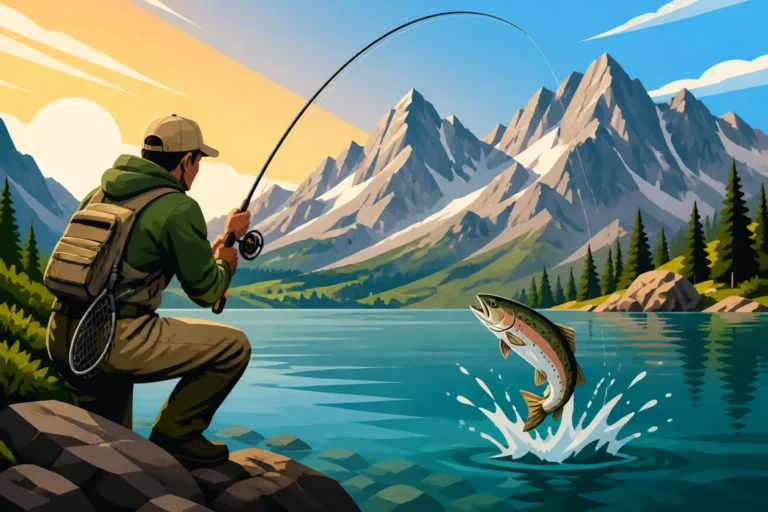
The undisputed star of the Middle Fork's angling scene is the native Westslope Cutthroat Trout. These beautiful fish, identifiable by the distinctive red or orange slash under their jaw, thrive in the cold, clear, oxygen-rich waters of the Middle Fork and its tributaries. They are incredibly eager to take a dry fly, making for some of the most exciting and visual fly-fishing experiences you can imagine. Unlike many heavily stocked waters, the cutthroat here are wild, vibrant, and fight with surprising strength for their size. The health of this fishery is paramount, which is why the Middle Fork is managed as a strictly catch-and-release fishery for all trout species. You'll need to use barbless hooks to minimize harm, ensuring these precious fish can be released safely to spawn and grow, sustaining this incredible ecosystem for future generations. Understanding Idaho Fishing Regulations Explained is critical before you embark on such a journey, especially when it comes to specific river rules like these.
Beyond Trout: Other Species and Ecosystem Health
While Westslope Cutthroat Trout are the main draw, the Middle Fork's pristine waters also support a healthy population of Bull Trout. These magnificent, often larger char are also native to the system and are federally protected. If you happen to hook into one, it's essential to release it immediately and carefully, ensuring it returns to the water unharmed. Like the cutthroat, Bull Trout on the Middle Fork must be released, and using barbless hooks is mandatory for them as well. The presence of these sensitive native species is a testament to the overall health of the Middle Fork's ecosystem. Anglers often comment on the sheer clarity of the water, the abundance of aquatic insects, and the diverse wildlife that call this canyon home. It's a vibrant, interconnected world where every creature plays a vital role, and your fishing experience is just one small, respectful part of it.
Planning Your Middle Fork Float Fishing Adventure
A Middle Fork float trip isn't something you decide on a whim; it requires meticulous planning, often months or even a year in advance. This river isn't just open for anyone to launch a boat; it's a carefully managed resource to protect its wilderness character.
Permit System and Booking Challenges
The biggest hurdle for anyone planning a private float trip on the Middle Fork is the permit system. To protect the river's pristine nature and manage human impact, the number of groups allowed on the river at any given time is strictly limited. Permits are issued through a highly competitive lottery system managed by the U.S. Forest Service. This lottery typically opens in December for the following summer's launches, and demand far exceeds availability, especially for prime summer dates. Securing a permit can feel like winning the lottery, literally. If you're hoping for a private trip, start researching the application process and deadlines well in advance. For a detailed understanding of the overall requirements, checking out Idaho Fishing Permits and Stamps Explained can provide valuable context. It’s a challenging system, and many aspiring floaters find themselves trying for years before finally securing a launch date.
Choosing Between a Private Trip and a Guided Outfitter
Given the difficulty of securing a private permit and the sheer logistical complexity of a wilderness trip, many anglers opt for a guided outfitter. This choice really comes down to your experience level, budget, and desired level of self-sufficiency.
- Private Trip: If you manage to get a permit, a private trip offers ultimate freedom and can be more cost-effective if you already own all the necessary gear and have a group with relevant skills. However, it places immense responsibility on your shoulders. You'll need to organize all your own gear (rafts, frames, oars, dry bags, camp equipment, food, water filters, satellite communication devices, first aid, emergency repairs, and a "groover" for human waste), arrange shuttle services for your vehicles, possess advanced river navigation and safety skills, and be proficient in wilderness camping and Leave No Trace principles. It’s a demanding but incredibly rewarding experience for those prepared.
- Guided Outfitter: This is often the path of least resistance for most anglers, especially first-timers to the Middle Fork. A reputable outfitter handles virtually everything: permits, all river and camp gear (including delicious food and beverages), highly experienced guides to navigate the rapids and find the best fishing spots, safety protocols, and often even charter flights into the put-in point at Indian Creek. While it's a more significant financial investment, the peace of mind, expert instruction, and sheer enjoyment of being able to focus solely on the fishing and the scenery are often well worth it. You can find reputable outfitters by researching online, looking for those with long-standing operations and strong safety records. Platforms like FishingBooker can be a great starting point for finding experienced guides, allowing you to compare options and read reviews from other anglers. Additionally, exploring a resource like Middle Fork of the Salmon River Fishing Outfitters or checking out a broader Idaho Fishing Guides and Charters Directory can provide a list of licensed professionals. When considering a guide, be sure to understand How to Book a Fishing Guide in Idaho to ensure you're getting the right fit for your trip.
Best Time of Year for Fishing the Middle Fork
The Middle Fork offers excellent fishing throughout its accessible season, but different times of year present unique opportunities and challenges. Knowing the Best Time of Year to Fish in Idaho generally can help, but the Middle Fork has its own rhythm.
- Late Spring/Early Summer (Late May to Mid-June): This is typically the high-water period due to snowmelt, offering exhilarating whitewater rafting. Fishing can still be good, particularly in the eddies and slower pockets, but visibility might be reduced, and the fish can be more spread out. Larger nymphs and streamers often perform well during this time. The early season also means fewer crowds, which can be a draw for those seeking even greater solitude.
- Mid-Summer (Late June through August): This is considered prime time for dry fly fishing on the Middle Fork. The water levels have dropped, the water is crystal clear, and insect hatches are in full swing. Cutthroat will eagerly rise to a variety of attractor patterns, stimulators, and terrestrial imitations like hoppers and ants. The weather is generally warmer, making for comfortable camping. However, this is also the most popular time, so expect more river traffic, especially if you haven't booked through a reputable outfitter.
- Fall (September to Early October): As temperatures cool and days shorten, the river sees fewer visitors, offering a truly tranquil experience. Fishing remains strong, with terrestrials and autumn caddis hatches being particularly effective. The changing leaves add a stunning backdrop to the canyon walls. Water levels continue to drop, making for easier wading but potentially more exposed rocks in the rapids. Always check the Idaho Fishing Season Calendar for specific species and seasonal changes on the Middle Fork.
| Feature | Private Trip (Self-Permitted) | Guided Outfitter Trip |
|---|---|---|
| Permit | You must apply and win a lottery. Highly competitive. | Outfitter holds commercial permits, handles all permit logistics. |
| Cost | Lower upfront (if you own gear), but significant investment in logistics, food, and shuttle. | Higher upfront cost per person, but all-inclusive. |
| Logistics | 100% your responsibility: gear, food, shuttle, safety, camp setup, waste. | Handled entirely by the outfitter: gear, food, camp, safety, transport. |
| Experience Req. | Advanced river navigation, wilderness first aid, self-rescue, camping. | Beginner to expert anglers welcome; guides provide expertise. |
| Gear | You provide all rafts, camping gear, cooking, and personal items. | All major gear (rafts, tents, cooking) provided; often fishing gear too. |
| Safety | Entirely your group's responsibility. | Professional guides trained in swift water rescue, wilderness medicine. |
| Focus | Intense planning and execution, self-reliance. | Relax, fish, enjoy the scenery, learn from experts. |
| Food | You plan, purchase, pack, and prepare all meals. | Chef-prepared meals (often gourmet) and drinks are included. |
Essential Gear and Techniques for Middle Fork Success
Successfully fishing the Middle Fork requires more than just a rod and reel. Given its remote nature and the specific species you'll be targeting, having the right gear and understanding effective techniques are paramount.
Rods, Reels, and Line for Cutthroat
For the eager Westslope Cutthroat Trout of the Middle Fork, you don't need heavy gear. A 3- to 5-weight fly rod, ideally in the 8.5 to 9-foot range, is perfect. A moderate action rod will provide enough backbone to handle the fish while still offering the delicate presentation needed for dry flies. Paired with a matching floating fly line and a reliable disc-drag reel, you'll have a setup that's enjoyable to cast all day. The leader setup is crucial for presentation; a 9-foot tapered leader ending in 4x or 5x tippet is generally sufficient. Many anglers prefer to extend their leaders slightly with an additional section of fluorocarbon tippet for improved stealth. Remember, these cutthroat are often quite willing, but a natural drift is always key to success. Don't overdo it with heavy tackle; the beauty of Middle Fork fishing is often in the light touch and subtle presentation.
Fly Selection: Dry Flies Reign Supreme
The Middle Fork is famous for its dry fly fishing. Cutthroat trout are opportunistic feeders and will readily rise to a well-presented dry fly. Your fly box should be well-stocked with a variety of attractor patterns, especially during the summer months when larger terrestrials are active. Think Chubby Chernobyls, Stimulators, Elk Hair Caddis, Royal Wulffs, and Amy's Ants in sizes 8 to 14. These patterns are highly visible to both the fish and the angler and effectively mimic a wide range of insects and terrestrials that might fall into the water. Don't forget some smaller Parachute Adams or Blue-winged Olives for more subtle hatches. While dry flies are king, having a few pheasant tail nymphs or Prince Nymphs (sizes 12-16) on hand can be useful for probing deeper runs or when fish aren't looking up. You might also want a few streamers, especially if you're targeting larger fish in deeper pools or during off-peak times. For a broader look at what works in Idaho, check out our guide on Best Bait and Lures for Idaho Fishing, though fly patterns are the primary focus on the Middle Fork. Understanding How to Fly Fish in Idaho will greatly enhance your success on this river.
River Gear: What You'll Need for the Float
Beyond your fishing setup, you'll need essential river gear, whether you're on a private trip or with an outfitter (who will provide most of the major items). This is rugged country, and being prepared for all conditions is vital.
- Clothing: Layering is key. Even in summer, mornings can be chilly, and evenings cool down significantly. Bring quick-drying synthetics, fleece, rain gear (a must-have!), a wide-brimmed hat, and polarized sunglasses. Waders and wading boots are essential for getting out of the boat and wading shoreline runs or side channels. Don't forget comfortable camp shoes.
- Personal Items: Sunscreen, bug spray (mosquitos and biting flies can be present), a headlamp or flashlight, a personal first-aid kit, toiletries, and any personal medications. A small, waterproof day bag for items you want accessible on the raft is also a good idea.
- Camp Gear (for private trips): Tents, sleeping bags, sleeping pads, cooking stove, pots/pans, plates/utensils, camp chairs, cooler, water filtration system, and of course, a proper system for human waste disposal (a "groover" is required).
- Safety & Communication: While outfitters provide extensive safety gear, for a private trip, you'll need life jackets (PFDs) for everyone, a comprehensive first aid kit, throw bags, a repair kit for your raft, and a satellite communication device (like a Garmin inReach or Zoleo) for emergencies, as there is no cell service. For more comprehensive packing advice based on the time of year, consider our Idaho Fishing Gear Guide by Season.
Navigating the Middle Fork's Fishing Regulations and Etiquette
Fishing on the Middle Fork comes with a heightened sense of responsibility. As a protected wilderness area, specific regulations and etiquette are in place to preserve its wild character and incredible fishery. These aren't just suggestions; they are mandates that every visitor must adhere to.
Strict Catch-and-Release & Barbless Hooks
This cannot be stressed enough: all trout and char caught on the Middle Fork of the Salmon River must be immediately released unharmed. This includes the abundant Westslope Cutthroat Trout and the federally protected Bull Trout. To ensure the highest survival rate of these precious fish, you are required to use barbless hooks. If your hooks have barbs, you must pinch them down flat with pliers. The goal is to minimize injury, stress, and handling time. When you land a fish, try to keep it in the water as much as possible, use wet hands to gently remove the hook, and allow it to recover before swimming away. Avoid using nets with abrasive mesh and never put fish on stringers. This dedication to conservation is why the fishery remains so vibrant. For a deeper dive into these protective measures, refer to Idaho Catch-and-Release-Only Waters List and Idaho Barbless Hook Requirements.
"Leave No Trace" Principles
The Middle Fork flows through a designated wilderness area, meaning every visitor has a duty to practice strict Leave No Trace principles. This ethos is about minimizing your impact on the environment, leaving it as pristine as you found it (or better).
- Pack it in, Pack it out: This is perhaps the most fundamental rule. Everything you bring into the wilderness, including all trash, food scraps, and even human waste (which must be collected in a sealed system like a "groover" or portable toilet), must be packed out. There are no trash receptacles in the wilderness.
- Minimize Campfire Impact: While campfires are a cherished part of a river trip, they must be contained in a fire pan to collect all ash and embers, which also must be packed out. Fire restrictions are common, especially in late summer, so be prepared to cook on a stove.
- Stay on Durable Surfaces: When setting up camp or exploring, stick to established campsites and trails to prevent erosion and vegetation damage. Disperse your impact, and avoid creating new paths. The beauty of the Middle Fork is its wildness, and keeping it that way requires conscious effort from everyone who visits.
River Etiquette with Other Users
While the Middle Fork provides a sense of solitude, you will likely encounter other groups, whether they are private rafters, commercial fishing charters booked through a service like FishingBooker, or other guided trips. Respectful river etiquette is crucial to ensuring everyone has an enjoyable experience.
- Give Space: Maintain a respectful distance from other groups, both on the water and at campsites. Don't crowd other anglers or launch into a fishing spot directly above or below another boat.
- Share Campsites: Campsites along the Middle Fork are limited. Be prepared to share larger sites or move on if a preferred site is already occupied. Be mindful of noise levels, especially in the mornings and evenings.
- Yield to Upstream Boats: Generally, upstream boats have the right of way as they are navigating the river's flow. If you're wading, be aware of boats approaching. The wilderness experience is enhanced when everyone treats each other with courtesy and respect, fostering a sense of camaraderie rather than competition.
A Day-by-Day Experience on the Middle Fork
To really paint a picture, let's imagine a typical day on a Middle Fork float fishing trip. It’s a rhythm dictated by the river, the sun, and the fish.
Morning Routine: From Camp to Cast
The wilderness wake-up is something special. You might hear a distant elk bugle or the chattering of an osprey. Coffee brewed over a camp stove, the smell mingling with the pine and river air, is unparalleled. If you're with an outfitter, guides will be preparing a hearty breakfast, while on a private trip, your group will coordinate. After breakfast, the routine shifts to breaking down camp. Tents are stowed, gear is packed into dry bags, and everything is carefully loaded onto the rafts. This process is efficient and practiced, ensuring that no trace of your overnight stay remains.
By mid-morning, you're back on the water. The air is crisp, and the sun is just beginning to warm the canyon. This is prime time for fishing. Your guide (or experienced boatman on a private trip) skillfully navigates the currents, positioning the boat in prime casting lanes. The anticipation builds with every bend in the river, as you scan the water for rising fish or likely holding spots.
Fishing from the Boat vs. Wading
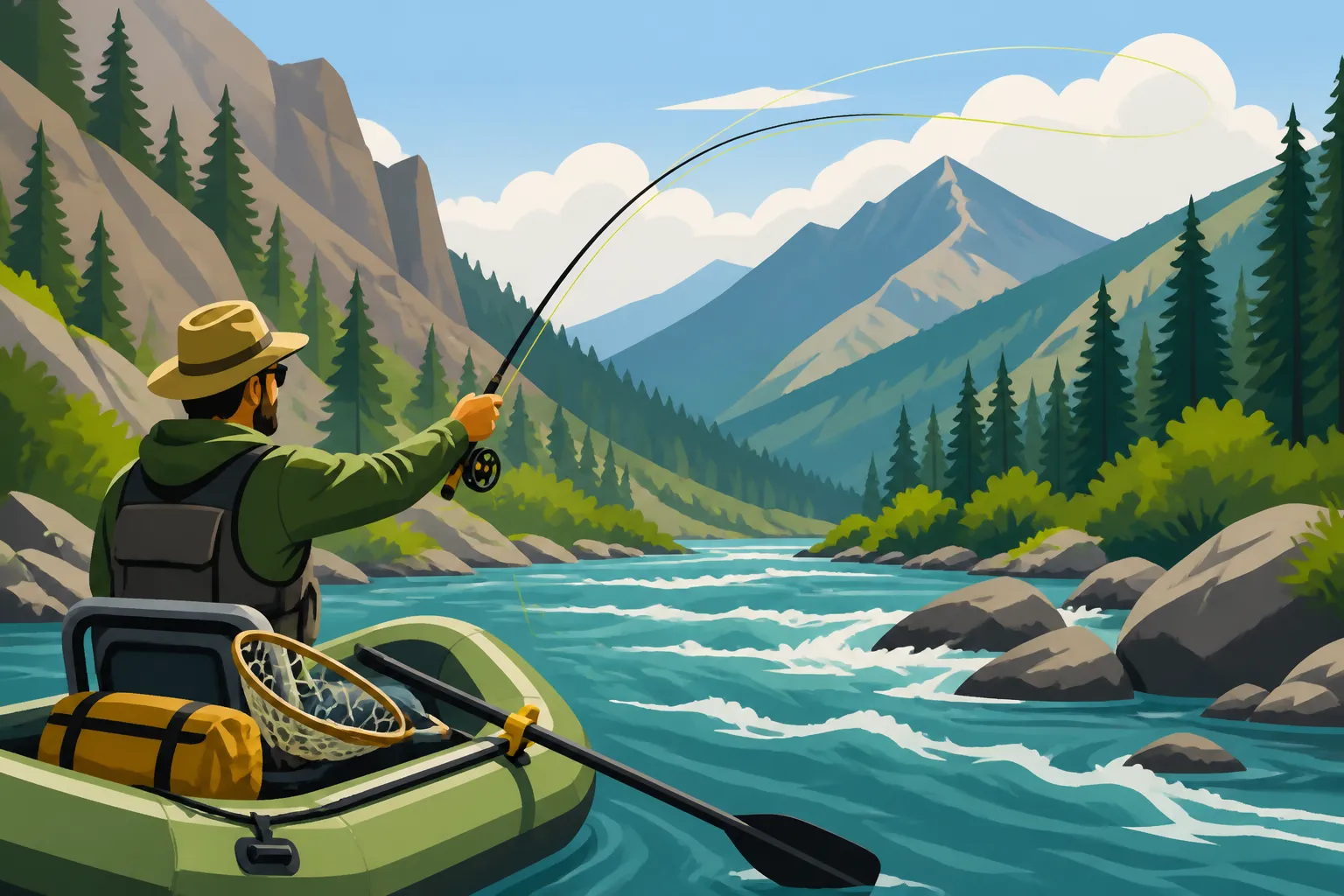
One of the great joys of Middle Fork fishing is the variety of approaches. You'll spend a good amount of time fishing from the boat, drifting through riffles, past rock gardens, and into calm pools. This allows you to cover vast stretches of water and present your fly to countless potential lies. Often, a well-placed cast with a large attractor dry fly will be met with an explosive rise from a Westslope Cutthroat.
However, many sections of the river also offer fantastic wading opportunities. Your guide might pull over to a gravel bar or a side channel, allowing you to hop out with your waders and boots. Wading provides a more intimate connection with the river, allowing for precise casts into specific seams, under overhanging branches, or into the eddies of larger boulders. This is where patience and stealth often pay off, sometimes leading to encounters with larger, more wary fish. The choice between boat fishing and wading often depends on the water conditions, the specific section of the river, and the preferences of the anglers.
Mid-Day & Evening: Sustained Adventure
Mid-day brings a well-deserved break for lunch, often enjoyed on a scenic riverside beach. Sandwiches, salads, and fresh fruit taste incredible after a morning of casting. It's a chance to relax, share stories of landed fish (and missed opportunities!), and simply soak in the stunning surroundings.
The afternoon continues with more floating and fishing, often alternating between rowing and casting, or jumping out to wade. As evening approaches, the search for a suitable campsite begins. Once a site is chosen, tents are quickly set up, and camp chairs are arranged overlooking the river. This is often when the "golden hour" of fishing begins, as evening hatches can bring fish to the surface with renewed vigor. Casting into the fading light, with the canyon walls silhouetted against the colorful sky, is a truly magical experience. Dinner is a highlight, especially with outfitters known for their gourmet riverside cooking. As darkness falls, campfire stories, the sound of the river, and the unparalleled brilliance of the wilderness night sky create memories that will last a lifetime.
Disclaimer
Please note that fishing regulations, conditions, and access to wilderness areas like the Middle Fork of the Salmon River can change. Always consult the latest Idaho Fish and Game regulations and the U.S. Forest Service guidelines for the Frank Church-River of No Return Wilderness before planning your trip. Safety in the wilderness is paramount, and proper preparation and caution are always advised.