Boat Ramp Access Near Boise
Oh, the quest for a decent boat ramp near Boise! It’s a challenge many of us Idaho anglers know all too well. You've got your boat hitched, your gear packed, the excitement is bubbling, only to arrive at a ramp that's either too shallow, too crowded, or just plain closed. It can really put a damper on what should be a peaceful day on the water. This guide is here to unravel the mysteries of boat ramp access around Boise, helping you find the perfect launch point for your next fishing adventure without the usual pre-dawn scramble or mid-day frustration.
Navigating Boat Access Challenges Near Boise
Let's be honest, finding reliable boat ramp access around Boise isn't always as simple as plugging an address into your GPS. There are a lot of factors at play that can turn a planned fishing trip into a head-scratching exercise. From fluctuating water levels to weekend warrior crowds, knowing what to expect and how to prepare can make all the difference. It's not just about getting your boat in the water; it's about doing it smoothly and stress-free.
The Scramble for Seasonal Access
Idaho’s landscape, particularly around Boise, is heavily influenced by snowpack and subsequent runoff. This means that water levels in our reservoirs can fluctuate wildly throughout the year, especially from spring through fall. What might be a perfectly usable boat ramp in July could be high and dry by September, or completely submerged and difficult to navigate during peak spring runoff. It’s a constant dance with nature, and one that requires anglers to be vigilant.
Think about it: you've planned a weekend trip to hit some prime kokanee or smallmouth bass, only to discover the main ramp you rely on at, say, Lucky Peak Reservoir, is now a half-mile walk across mudflats to the water's edge. This isn't just an inconvenience; it can be a deal-breaker for heavier boats or those without four-wheel drive. Lower water levels can also expose hazards like submerged rocks and stumps that are usually hidden, posing a risk to your hull and propeller. Conversely, during high water, some ramps might be completely inundated, making it impossible to gauge the edge of the paved surface or requiring an extremely steep angle to launch. This seasonal variation means that checking current conditions isn't just a suggestion; it's an absolute necessity. Idaho Fish and Game often provides updates, but checking reservoir websites or even calling local marinas before you leave can save you a lot of grief.
Congestion and Parking Headaches
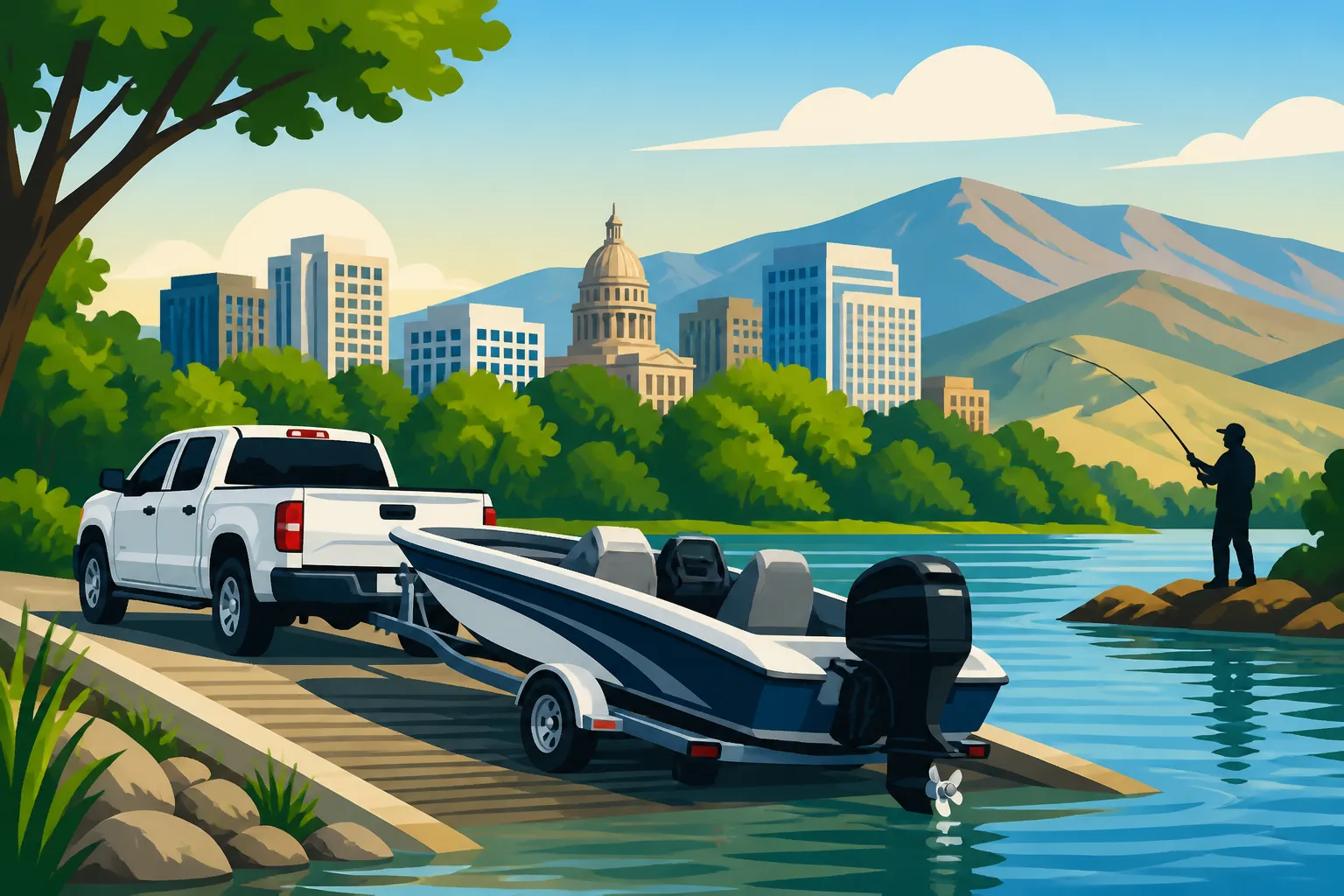
It’s no secret that Idaho is growing, and with more people discovering the joys of the outdoors, popular boat ramps near Boise can become absolute madhouses, especially on sunny summer weekends or during major fishing events. Picture this: you arrive at the ramp before sunrise, hoping to beat the rush, only to find a line of trucks and trailers already snaking down the access road, waiting their turn. The parking lot, which looked spacious on Google Maps, is now a puzzle of parked rigs, leaving you wondering if you'll even find a spot, let alone one you can actually maneuver into.
This isn't just about patience; it's about safety. Crowded ramps can lead to rushed launches, accidents, and frayed nerves. Everyone wants to get on the water, but when people are jockeying for position, it can quickly turn chaotic. Parking is often the biggest headache. Many popular ramps, while well-maintained, simply weren't designed for the sheer volume of users we see today. You might get your boat in, but then spend another 20 minutes cruising around, hoping someone pulls out so you can squeeze your truck and trailer into a legal spot. For those planning a trip, especially on peak days, it's wise to consider alternative launch times (mid-week or early mornings/late evenings) or even explore less-trafficked ramps if your vessel allows. Reputable resources like FishingBooker often include details about popular spots and potential congestion, which can be super helpful when planning.
Key Reservoirs and Their Boat Ramps Near Boise
When you're looking for boat ramp access near Boise, the vast majority of options are going to be found on our beautiful reservoirs. These impoundments offer diverse fishing opportunities and varying levels of infrastructure, from full-service marinas to more basic, unimproved dirt ramps. Knowing the nuances of each can help you pick the perfect spot.
Lucky Peak Reservoir's Popular Options
Lucky Peak Reservoir, just a short drive east of Boise, is arguably the most popular boating and fishing destination in the immediate area. It's fed by the Boise River and offers excellent opportunities for targeting kokanee, rainbow trout, and even some smallmouth bass. Given its proximity to the city, it’s also one of the busiest, so understanding its ramp options is crucial.
- Spring Shores Marina: This is the flagship access point on Lucky Peak and generally the most reliable. Operated by Idaho Parks and Recreation, Spring Shores features multiple paved lanes, extensive parking (though it still fills up fast!), fuel, a convenience store, and even a restaurant. It’s ideal for larger boats and those looking for a full-service experience. The ramp here is usually deep enough to launch even when reservoir levels drop significantly in late summer, thanks to dredging and its design. You'll find it well-maintained and perfect for getting your craft, whether it's a bass boat or a pontoon, smoothly into the water.
- Turner Gulch Recreation Site: Located further up the reservoir from Spring Shores, Turner Gulch offers another paved, multi-lane ramp. It's often a good alternative if Spring Shores is particularly crowded, though its parking capacity is a bit smaller. Turner Gulch provides a more direct shot to some of the northern sections of the reservoir, which can be beneficial depending on where the fish are biting. However, its usability is more sensitive to water levels than Spring Shores. In very low water years, it can become difficult to use, potentially leaving you with a long, shallow launch.
- Sandy Point: While not a traditional boat ramp for motorized vessels, Sandy Point is worth mentioning for smaller crafts. It’s primarily a swimming and day-use area, but offers excellent access for launching kayaks, canoes, paddleboards, and even small johnboats or inflatable rafts. If you're planning a quiet day fishing from a personal watercraft, especially for some Best Fishing Spots Near Boise or to explore the calmer coves, Sandy Point provides an easy, gentle slope into the water without the hassle of a busy ramp. You can learn more about Fishing Lucky Peak Reservoir Near Boise for specific species and techniques in a dedicated guide.
Arrowrock Reservoir's More Rustic Ramps
Just upstream from Lucky Peak, Arrowrock Reservoir offers a different kind of experience. It's generally less crowded, with a more rugged, remote feel. While it’s also a major fishing destination, known for trout and kokanee, its access points are fewer and more primitive. This is where you might need a bit more clearance and a heavier-duty tow vehicle.
- Dixie Recreation Site: The primary boat ramp on Arrowrock, Dixie is generally paved, but it's a far cry from the amenities of Spring Shores. It's often steeper and can be more challenging to navigate, especially with longer trailers. During periods of lower water, this ramp can become very shallow, making launching larger boats difficult or impossible. The road to Dixie can also be a bit rougher than the paved roads leading to Lucky Peak's ramps, so be prepared for some washboard sections. Despite the challenges, Dixie provides access to the main body of Arrowrock, which offers excellent fishing, particularly in the spring and fall.
- Other Informal Access Points: Around Arrowrock, you might find some unimproved dirt or gravel turn-offs that act as informal launch spots. These are typically used by locals with smaller, lighter boats, kayaks, or rafts. They require a good understanding of current water levels and can be very tricky, often leading to bogged-down vehicles if you’re not careful. These aren't official "ramps" in the traditional sense, but they are options for adventurous anglers willing to scout. Always exercise extreme caution and assess the conditions carefully before attempting to launch at these spots.
Anderson Ranch Reservoir's Remote Charm
Further afield, about an hour and a half drive southeast of Boise, lies Anderson Ranch Reservoir. This expansive reservoir, nestled in the Boise National Forest, offers truly spectacular scenery and fantastic fishing for kokanee, rainbow trout, and some large bull trout (which are strictly catch-and-release). It’s a popular destination for those seeking a more immersive outdoor experience, and its boat ramps reflect that rustic charm. You can find more details on Fishing Anderson Ranch Reservoir.
- Fall Creek Recreation Site: Fall Creek is the main, most reliable paved boat ramp on Anderson Ranch. It's well-maintained and provides good access to the reservoir's main body. The site also includes campgrounds, which makes it a popular base for multi-day fishing trips. Like other reservoir ramps, its usability can be affected by water levels, but it generally remains a viable option for most standard fishing boats. The drive to Fall Creek involves some winding forest roads, adding to the feeling of getting away from it all.
- Pine Recreation Site: On the western side of the reservoir, near the small town of Pine, you'll find another paved ramp. Pine offers good access to the upper reaches of the reservoir and is another excellent option, especially if you're coming from the southern end of the area or camping nearby. Both Fall Creek and Pine generally have adequate parking, but again, on busy summer weekends, it’s always a good idea to arrive early or plan to visit during off-peak times to avoid the rush. Both these sites are often listed on platforms like FishingBooker as key access points, useful for those unfamiliar with the area.
River Access Points for Smaller Boats and Hand Launches
While reservoirs offer the most common boat ramp access near Boise for larger vessels, don't overlook the rivers, especially if you're into kayaks, drift boats, or even just wading. These spots provide a different kind of experience, often more intimate and focused on specific riverine species. Remember, even for a hand launch, it's crucial to understand the Idaho Fishing Regulations Explained for the specific river sections you plan to fish.
Boise River Greenbelt Launches
The Boise River, flowing right through the heart of the city, is a fantastic resource. While it's primarily known for urban trout fishing and float trips, it offers numerous access points for smaller, non-motorized boats like kayaks, canoes, and stand-up paddleboards. You won't find traditional concrete ramps for large powerboats here, but rather natural banks and designated put-ins.
- Barber Park: Located on the eastern edge of Boise, Barber Park is perhaps the most popular put-in for floating the Boise River. It features a large parking area, restrooms, and a gentle bank that makes hand launching kayaks and rafts incredibly easy. While not for motorized boats, it's an ideal spot to start a float trip for fishing or just enjoying the scenery. Many anglers will launch here and drift downstream, pulling out at various parks along the Fishing the Boise River Through Town route.
- Ancillary Park Access Points: Throughout the Boise Greenbelt, numerous city parks like Ann Morrison Park, Veterans Memorial Park, and Quinn’s Pond (which has its own small, non-motorized launch) offer various degrees of river access. These are generally informal spots where you can carry your craft to the water's edge. Some, like the access near the Boise State University campus, are popular for shorter floats or targeting specific fishing holes. Always be mindful of private property along the riverbanks and stick to public access points. These spots are fantastic for a quick evening paddle or a relaxed morning of trout fishing without needing a massive rig.
Snake River Access South of Boise
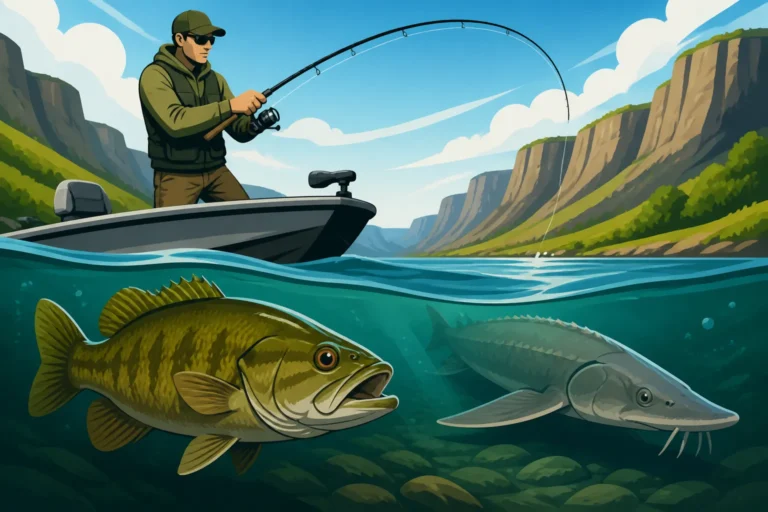
While not immediately near Boise, the Snake River, particularly the stretches southwest of the city, offers excellent opportunities for larger boats, especially for those targeting smallmouth bass or the mighty White Sturgeon. It's a bit of a drive, usually 45 minutes to an hour, but the fishing can be well worth it. You can explore Fishing the Snake River for Smallmouth Bass and Sturgeon in more detail.
- Swan Falls Dam Recreation Area: This is a major access point on the Snake River, south of Kuna. Swan Falls features multiple concrete boat ramps, suitable for a wide range of motorized vessels. The facilities here are generally good, with ample parking and restrooms. It provides access to a significant stretch of the Snake River, known for its robust smallmouth bass population and, most famously, its large White Sturgeon (remember, Sturgeon fishing is strictly catch-and-release with specific gear requirements). The currents on the Snake can be strong, so be prepared for that when launching and navigating.
- Celebration Park: Further downstream from Swan Falls, Celebration Park also offers boat ramp access to the Snake River. This is another popular spot, especially for historical exploration of the Guffey Bridge and for reaching different sections of the river. The ramps here are typically paved and suitable for various boats. Both Swan Falls and Celebration Park are often utilized by guided fishing trips and private anglers alike, especially when targeting How to Fish for Sturgeon on the Snake River or when looking for Best Fishing Spots in Southern Idaho that offer big water access. When considering these more distant options, checking a comprehensive listing of guides on FishingBooker can sometimes reveal insights into local access conditions, as guides are often the first to know the ins and outs of each ramp.
Practical Tips for Smooth Boat Ramp Experiences
Even with the best information, a boat ramp experience can go sideways if you're not prepared. From checking current conditions to practicing good etiquette, a few key habits can ensure your day on the water starts and ends without a hitch.
Checking Conditions Before You Go
This cannot be stressed enough: always check conditions before heading to the ramp! Idaho’s dynamic environment means that what was perfectly fine last week might be entirely different today. This includes water levels, ramp status, and, of course, the weather.
- Water Levels: For reservoirs like Lucky Peak, Arrowrock, and Anderson Ranch, the U.S. Army Corps of Engineers and Idaho Power often have websites providing real-time or frequently updated water levels. Cross-reference this with recent reports from local anglers or tackle shops. A difference of even a few feet can dramatically change the usability of a ramp. Is the low-water extension still in the water? Is there a new gravel bar blocking access? These are critical questions.
- Ramp Status: Specific ramp closures or maintenance can occur unexpectedly. The Idaho Department of Parks and Recreation often posts alerts for state park-managed ramps. Local marinas, particularly those at Spring Shores or Fall Creek, are excellent resources for up-to-the-minute information on their specific facilities. Don't be shy about making a quick call!
- Weather: Beyond personal comfort, severe weather can impact safety on the water and even the ramp itself. High winds can make launching a challenge, especially for larger boats, pushing your boat sideways as you try to get it off the trailer. Heavy rain can turn dirt or gravel access roads into muddy quagmires, and lightning storms are an obvious danger. Always check the forecast and have a backup plan. A quick check of your fishing app or a reliable weather service before you hook up the boat can save you a lot of trouble.
Gear and Etiquette for Public Ramps
Getting your boat in and out of the water efficiently is a skill, and practicing good etiquette makes the experience better for everyone. A little preparation and consideration go a long way.
- Be Prepared: Have your boat ready to launch before you back down the ramp. This means removing tie-downs, putting in the drain plug (a classic rookie mistake!), loading all your gear, securing lines, and having your keys in hand. When it's your turn, you want to be as quick as possible. Fumbling with gear or trying to tie lines while on the ramp holds everyone up.
- Launch and Retrieve Quickly: The goal is to minimize time on the ramp itself. Assign roles if you have a partner – one backs, one guides and unhooks. Once the boat is off the trailer, move your vehicle and trailer to the designated parking area immediately. Don't block the ramp while you load or unload passengers or gear.
- Practice Your Backing: If you're new to trailering, practice backing in an empty parking lot. Smooth, confident backing reduces stress for you and other users.
- Patience and Courtesy: Crowds happen. Things go wrong. A little patience and a friendly attitude can diffuse tension. Offer help if someone is clearly struggling, and accept it gracefully if you're the one in a bind. Everyone was a beginner once, and we all have off days. When planning your trip, consider using a resource like FishingBooker to scout out locations, as their descriptions often include user reviews that can give you a heads-up on how busy or easy a particular ramp is. Also, ensure you have your Idaho Fishing License Guide information readily available, especially if a Fish and Game officer is present.
Planning Your Trip with Local Resources
Effective trip planning involves more than just picking a spot on a map. Utilizing local resources can provide invaluable, up-to-date information that guides like this can only offer in a general sense.
- Idaho Fish and Game (IDFG): The IDFG website is a treasure trove of information. Not only do they provide current Idaho Fishing Regulations Explained and Idaho Fishing Season Dates and Limits, but they also often have information on access points, stocking reports, and special notices for specific waters. Their weekly fishing reports can give you a hint about which ramps are seeing the most action or if there are any current access issues.
- Local Marinas and Tackle Shops: These are your boots-on-the-ground intelligence. Call or stop by local tackle shops in Boise, like Cabela's or Boise Army Navy, or marinas at Lucky Peak (Spring Shores) or Anderson Ranch (Fall Creek). They know the local conditions better than anyone and can offer specific advice on ramp usability, current fishing hot spots, and even tips on Best Bait and Lures for Idaho Fishing or Idaho Trolling Techniques Guide.
- Online Forums and Social Media Groups: Angler communities on platforms like Facebook or dedicated fishing forums often share real-time updates and photos of ramp conditions. A quick post asking "How's the ramp at Turner Gulch today?" can get you immediate, practical advice from fellow anglers.
- Mapping Apps and Satellite Imagery: Before you go, use Google Maps or other satellite imagery to scout the ramp. Look at the parking area, the slope of the ramp, and any potential hazards. This can help you visualize the situation and plan your approach. If you're considering a fishing trip with a guide, many guides on FishingBooker are experts on local access and can ensure a seamless launch and retrieve. Don't forget, if you need to purchase or renew your license, the Idaho Fishing License Online Purchase system is very convenient.
| Reservoir/River | Main Access Point(s) | Type of Ramp | Best For | Typical Water Level Sensitivity | Amenities |
|---|---|---|---|---|---|
| Lucky Peak | Spring Shores | Paved, Multi-lane | Large Boats, All Types | Low to Moderate (dredged) | Marina, Fuel, Store, Restrooms, Parking |
| Lucky Peak | Turner Gulch | Paved, Multi-lane | All Boats | Moderate to High | Restrooms, Parking |
| Lucky Peak | Sandy Point | Natural Bank | Kayaks, Canoes, SUPs | Low (hand launch) | Restrooms, Day Use, Parking |
| Arrowrock | Dixie Recreation Site | Paved, Single-lane | Mid-size Boats | High | Primitive Restrooms, Parking |
| Anderson Ranch | Fall Creek | Paved, Multi-lane | All Boats | Moderate | Campground, Restrooms, Parking |
| Anderson Ranch | Pine Recreation Site | Paved, Multi-lane | All Boats | Moderate | Campground, Restrooms, Parking |
| Boise River | Barber Park | Natural Bank | Kayaks, Canoes, SUPs | Low (hand launch) | Restrooms, Day Use, Parking |
| Snake River | Swan Falls Dam | Paved, Multi-lane | Large Boats | Low (dam controlled) | Restrooms, Parking |
| Snake River | Celebration Park | Paved, Multi-lane | Large Boats | Low (dam controlled) | Restrooms, Parking, Historical Site |
Disclaimer
The information provided in this guide is for general informational purposes only and is subject to change. Water levels, ramp conditions, regulations, and access availability can vary significantly based on season, weather, and management decisions by state and federal agencies. Always consult the latest official resources from the Idaho Department of Fish and Game, Idaho Parks and Recreation, and reservoir managing authorities (such as the U.S. Army Corps of Engineers or Idaho Power) before planning your trip. Anglers are responsible for understanding and adhering to all current rules and regulations.