Fishing Warm Lake in the Boise National Forest
Many anglers dream of finding that perfect, serene fishing spot where the hustle and bustle of daily life melts away, but often, these idyllic locations seem out of reach or require extensive planning. For those seeking such an escape, fishing Warm Lake in the Boise National Forest presents a unique set of questions and challenges, from what species to target to the best techniques for success in its clear, cold waters. This comprehensive guide will meticulously break down everything you need to know to make your Warm Lake fishing trip a memorable and successful adventure.
Warm Lake: A Jewel in the Boise National Forest Wilderness
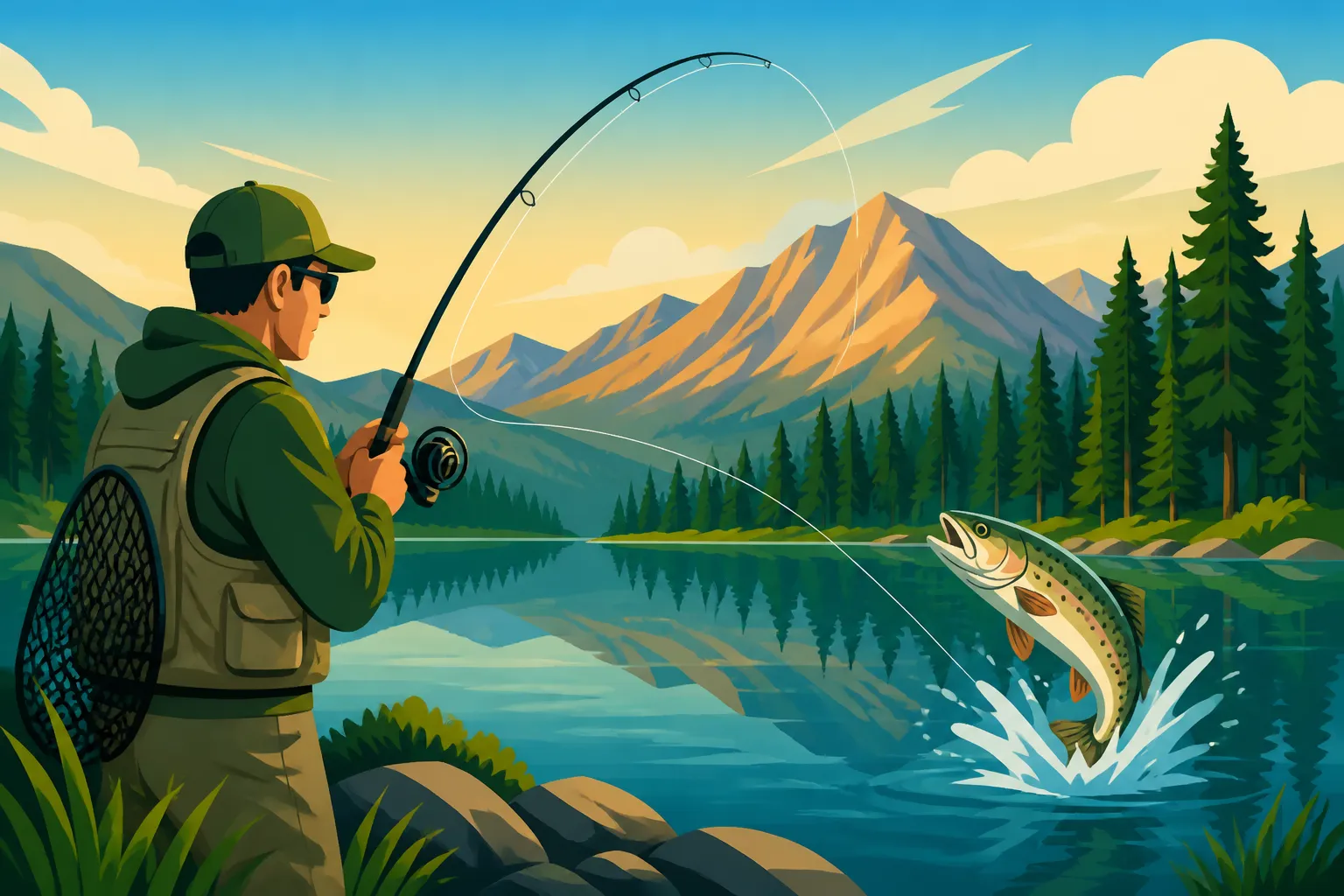
Nestled high in the Boise National Forest, Warm Lake is much more than just a body of water; it's an experience. Surrounded by towering pines and the crisp air of Idaho's mountains, it offers a tranquil retreat for anglers looking to connect with nature and some fantastic fish. However, its somewhat remote location and unique characteristics mean you can't just show up unprepared. Understanding its geography and what makes it special is the first step toward a successful trip.
Location and Access Overview
Warm Lake is situated roughly two hours north of Boise, deep within the scenic landscapes of the Boise National Forest. The journey itself is part of the adventure, typically involving a drive along Highway 55 north through Horseshoe Bend and Banks, then turning east onto the often gravel, sometimes dusty, but always picturesque Warm Lake Road (Forest Service Road 579). While the roads are generally well-maintained during the open season, conditions can vary, especially after heavy rains or early/late season snow. It's always a good idea to check local road conditions with the Boise National Forest office or Idaho Department of Fish and Game before heading out.
The lake itself is a natural lake, approximately 640 acres in size, sitting at an elevation of about 5,290 feet. This high-altitude setting means cooler temperatures and a shorter ice-free season compared to lakes in lower elevations. Given its location, cell service can be spotty to non-existent, so make sure to download maps and essential information offline. Access points are primarily around the developed campgrounds and the Warm Lake Lodge area, offering a mix of boat launches and some shoreline access. For those keen on a truly immersive experience, combining a trip here with some Camping and Fishing Together at Warm Lake can't be beat.
Why Warm Lake Stands Out
What truly distinguishes Warm Lake from many other Idaho fishing destinations is its incredible population of kokanee salmon, alongside healthy numbers of rainbow and cutthroat trout. Unlike some heavily stocked urban ponds, Warm Lake feels wild, authentic, and offers a genuine mountain lake fishing experience. The clear, deep waters provide excellent habitat, and the surrounding wilderness adds to the allure. It’s a place where you can genuinely feel away from it all, making the effort to get there worthwhile.
Moreover, the lake isn't just a haven for anglers; it's a hub for various outdoor activities. You’ll find opportunities for hiking, wildlife viewing, and kayaking, creating a wholesome family-friendly destination. The beauty of the landscape—dense forests, often visible mountain peaks, and the shimmering surface of the lake—creates a backdrop that enhances every cast. It’s a destination that satisfies both the desire for sport and the longing for peace and natural beauty, making it a favorite for many Idahoans.
Targeting Fish Species in Warm Lake
Warm Lake is renowned for its diverse fishery, but a few species truly steal the spotlight. Knowing what you're likely to encounter and understanding their habits is key to tailoring your approach and maximizing your chances of success. It's not just about what bites, but what you want to bite.
Kokanee Salmon: The Main Draw
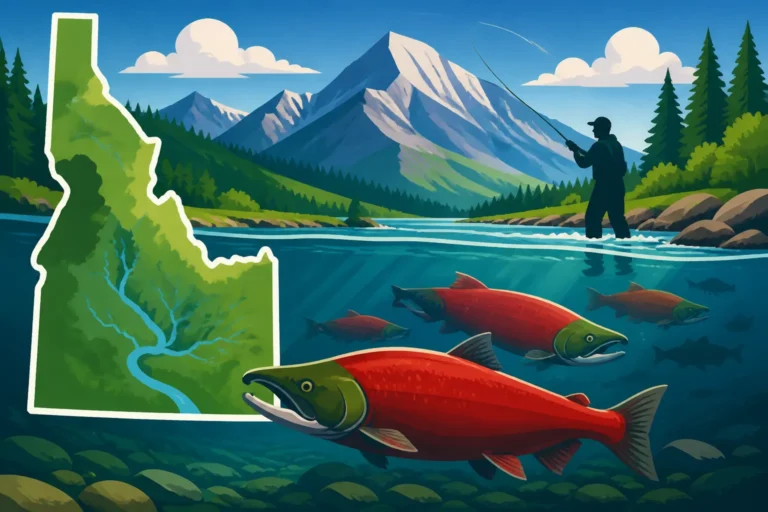
For many, Warm Lake is synonymous with kokanee salmon. These landlocked sockeye are spirited fighters and fantastic table fare, making them a highly sought-after species. Warm Lake boasts a robust kokanee population, often producing good numbers of fish in the 10-14 inch range, with larger specimens not uncommon. The kokanee here are typically strong and healthy, providing excellent sport.
Kokanee are plankton feeders, which dictates their behavior and the most effective fishing techniques. They tend to school up and can be found suspended at specific depths throughout the water column. Early season, they might be closer to the surface, but as the water warms, they'll often retreat to deeper, cooler waters, sometimes as deep as 40-60 feet. Understanding this vertical migration is critical for consistent success. If you're really serious about these beauties, delving into a guide on How to Fish for Kokanee in Idaho would be a smart move. Their subtle bites can be tricky to detect, so specialized gear and a keen eye are often required.
Rainbow Trout and Cutthroat Opportunities
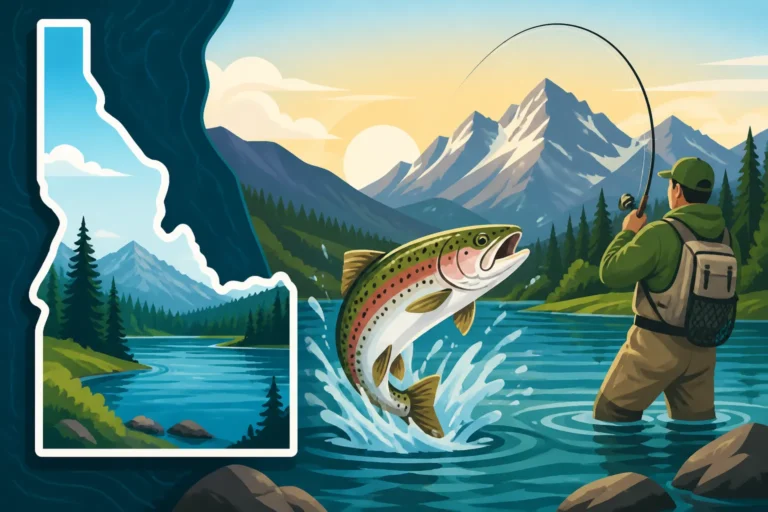
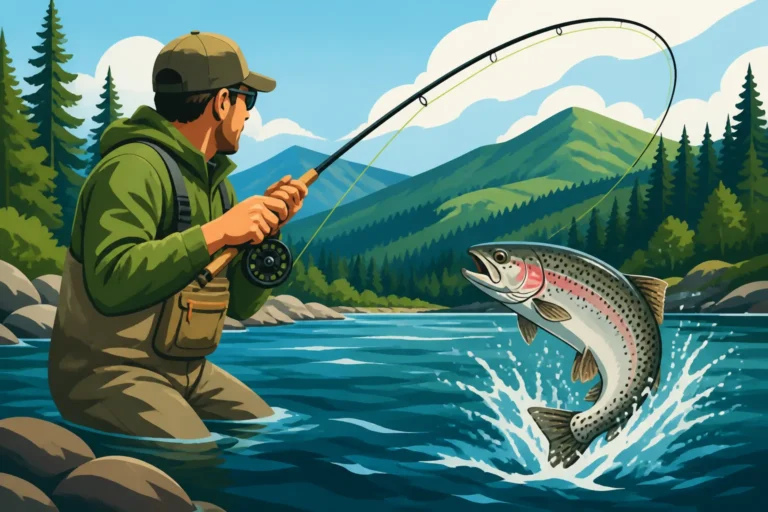
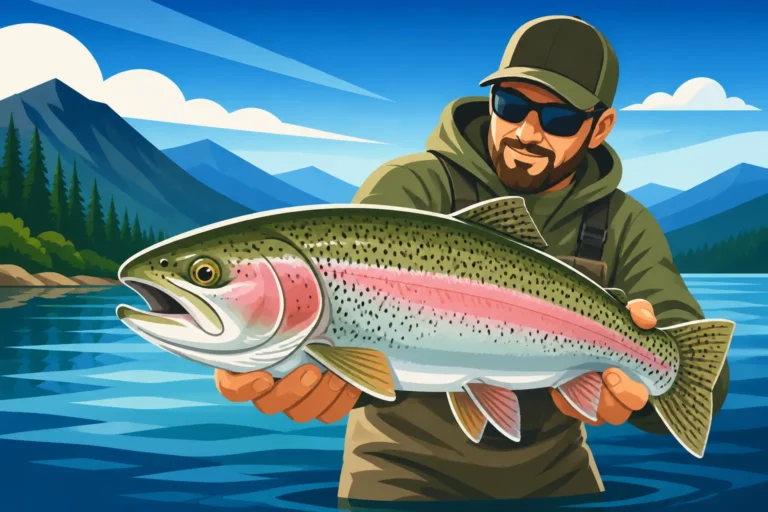
While kokanee often get the headlines, Warm Lake also offers excellent fishing for rainbow trout and, to a lesser extent, native cutthroat trout. The Idaho Department of Fish and Game regularly stocks rainbow trout, ensuring good numbers for anglers. These stocked rainbows are typically eager to bite and can be found closer to shore or in shallower depths, especially during cooler parts of the day. They provide a more accessible fishing experience for beginners or those preferring simpler methods.
Cutthroat trout, on the other hand, are more elusive and often found in specific areas, particularly near the mouths of tributary streams or in the deeper, cooler sections of the lake. These native fish are cherished for their beauty and their wild fighting spirit. Identifying the difference between these trout species is important, especially since certain regulations may apply differently. You can learn more about these fascinating fish in our Idaho Cutthroat Trout Fishing Guide and our comprehensive Idaho Rainbow Trout Fishing Guide. Targeting cutthroat often requires a more stealthy approach, using lighter tackle and natural presentations.
Other Species You Might Encounter
Beyond the main attractions, Warm Lake is home to a few other fish species that might surprise you. Bull trout, a protected species, are present in Warm Lake, but they are incredibly rare and fishing for them is strictly catch-and-release, often requiring immediate release without removal from the water. Always be sure to identify your catch carefully, especially if it resembles a bull trout. Small numbers of mountain whitefish can also be found, particularly in the inlets, offering another native species for keen anglers.
While not generally targeted, the presence of these species contributes to the ecological health and diversity of Warm Lake. For the most part, though, anglers will focus on the kokanee, rainbow, and cutthroat, which offer the most consistent action and the best chance of bringing home a meal. Always consult the latest Idaho Fishing Regulations Explained brochure to ensure you're compliant with species-specific rules, especially regarding any protected species.
Optimal Times and Seasons for Warm Lake Fishing
Fishing success is often a matter of timing, and Warm Lake is no exception. Understanding the seasonal rhythms and even the daily nuances of this mountain lake will significantly improve your chances of a productive outing. Its high elevation means distinct seasons that affect fish behavior and angler access. If you're planning a trip, considering the Best Time of Year to Fish in Idaho overall will certainly help, but for Warm Lake specifically, there are unique considerations.
Spring and Early Summer: Post-Ice Out Action
The period immediately following ice-out, typically from late May through June, is arguably one of the best times to fish Warm Lake. As the ice melts, the water begins to warm slowly, and fish become more active, moving into shallower areas to feed. Kokanee, in particular, can be found closer to the surface during this time, making them more accessible for trolling or even casting from shore in certain spots. The cool, oxygen-rich water invigorates all species.
During spring, rainbow and cutthroat trout are also very active. They will readily take a variety of baits and lures, particularly in the mornings and evenings when they cruise the shallows. The emerging insect hatches can also spark a brief but intense period of fly-fishing action in the lake's calmer bays and near the inlets. This period is marked by fresh greenery, burgeoning wildlife, and generally pleasant weather, though mountain spring weather can be unpredictable, so layers are always a good idea.
Mid-Summer Challenges and Strategies
July and August at Warm Lake present a different set of challenges. The increasing air temperatures warm the surface waters, driving most fish, especially the kokanee, into deeper, cooler zones. This means anglers need to employ techniques that target suspended fish at greater depths. Downriggers or weighted lines become essential for effectively presenting lures and baits where the fish are holding. The midday bite often slows considerably, making early mornings and late evenings the most productive times.
Despite the challenges, mid-summer can still yield excellent results for those who adapt. Trolling speed and depth are critical, and using a fish finder to locate schools of kokanee is highly recommended. For trout, focus on the deepest parts of the lake or target them during the low-light hours. While the fishing might require more effort, the warm weather is perfect for swimming, boating, and enjoying the full range of activities Warm Lake offers, making it ideal for family vacations.
Fall Fishing: Pre-Freeze Frenzy
As September rolls around and the air cools, Warm Lake enters another prime fishing window. The dropping water temperatures signal to fish that winter is coming, often leading to a feeding frenzy as they try to bulk up. Kokanee, in particular, become very active as they prepare for their spawning run, often moving into shallower waters near creek mouths. Their colors also intensify, displaying beautiful reds and greens.
Trout fishing remains strong throughout the fall, with both rainbows and cutthroats actively feeding. The changing leaves around the lake create a stunning backdrop, making fall fishing not just productive but also incredibly scenic. This period lasts until the lake begins to freeze over, usually in late October or November. The crisp air and quiet solitude of fall can make for some truly memorable days on the water.
Ice Fishing Adventures
While less common than open-water fishing, Warm Lake does offer opportunities for ice fishing once the lake freezes solid, typically from December through March. However, extreme caution is advised. Mountain lakes can have variable ice conditions due to springs or currents, so always check local ice reports and never venture onto unsafe ice. Safety should be your absolute priority.
When conditions are safe, ice fishing can be quite productive, especially for rainbow trout and kokanee. Jigging with small spoons or bait under a bobber are common techniques. An ice auger, warm clothing, and a portable shelter are essential. For those who brave the cold, the solitude of ice fishing on Warm Lake, surrounded by a snow-covered wilderness, can be a truly unique and rewarding experience.
| Season | Primary Target Species | Common Depths | Recommended Techniques | General Notes |
|---|---|---|---|---|
| Spring | Kokanee, Rainbow Trout | Shallow to Mid | Trolling, Casting, Bait | Post-ice out, active fish, good shore access. |
| Early Summer | Kokanee, Rainbow Trout | Mid-depth | Trolling (downriggers) | Fish start to go deeper, good early morning bite. |
| Mid-Summer | Kokanee, Lake Trout | Deep (20-60ft) | Downrigger Trolling | Challenging midday, focus on deep, cool water. |
| Fall | Kokanee, Rainbow Trout | Mid-depth | Trolling, Casting, Bait | Pre-spawn frenzy, beautiful scenery. |
| Winter | Rainbow Trout, Kokanee | Varies (ice) | Jigging, Bait (ice fishing) | Requires safe ice, cold weather gear. |
Effective Techniques and Essential Gear for Warm Lake
Fishing Warm Lake successfully means adapting your techniques and gear to its unique characteristics and the species you're targeting. Whether you're a seasoned troller or a budding fly angler, having the right approach will make all the difference.
Trolling Strategies for Kokanee
Trolling is hands down the most effective method for consistently catching kokanee on Warm Lake. Since kokanee often suspend in schools at specific depths, trolling allows you to cover water and present your lure at the exact level where they're feeding. The key to successful kokanee trolling involves a few critical elements:
- Depth Control: This is paramount. You'll need equipment like downriggers, diving planes (e.g., Pink Ladies, Dipsy Divers), or simply weighted lines to get your lures down to where the kokanee are. A quality fish finder is invaluable for identifying schools and determining their depth.
- Lure Selection: Small hoochies, wedding rings, squirmies, or small spoons in bright colors (pink, orange, chartreuse) are highly effective. Kokanee are visual feeders, so adding UV enhancements or glow-in-the-dark features can increase success, especially in deeper water.
- Bait Tipping: Always tip your lure with a small piece of shoepeg corn soaked in an attractant (like garlic or Anise scent). This adds scent and a little extra visual appeal that kokanee can't resist.
- Speed and Presentation: A slow trolling speed, typically between 1.0 to 1.8 mph, is usually best. Experiment with speed until you find what triggers bites. Using a snubber between your main line and leader can absorb the shock of a kokanee's delicate strike and prevent break-offs.
For a deeper dive into the nuances of this technique, our Idaho Trolling Techniques Guide provides extensive information that can be directly applied to Warm Lake's kokanee fishery.
Still Fishing and Bait for Trout
For those targeting rainbow and cutthroat trout, especially from shore or a anchored boat, still fishing with bait is a time-tested and often very productive method. This technique is particularly good for families or beginners, as it requires less specialized equipment and can be quite relaxing.
- Bait Choices: Popular baits include powerbait (especially rainbow or chartreuse colors), worms, marshmallows, or even a combination of these. For a more natural presentation, try salmon eggs or small pieces of cut bait.
- Rigging: A simple slip-sinker rig or a standard bobber setup works well. When fishing from shore, a slip-sinker rig with a 12-18 inch leader allows your bait to rest on the bottom, while a bobber setup suspends your bait at a desired depth, which is effective when fish are cruising higher in the water column.
- Location: Focus on areas near structure, drop-offs, or around the mouths of inlets where trout congregate. During cooler parts of the day (morning and evening), trout will often cruise shallower areas, making them accessible from the bank.
Don't underestimate the power of a simple bait-and-wait approach, especially when the trout are actively feeding.
Fly Fishing in Inlets and Outlets
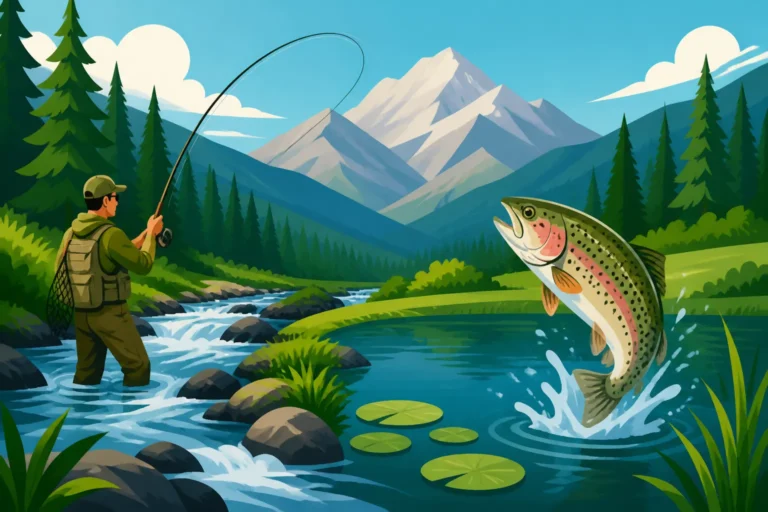
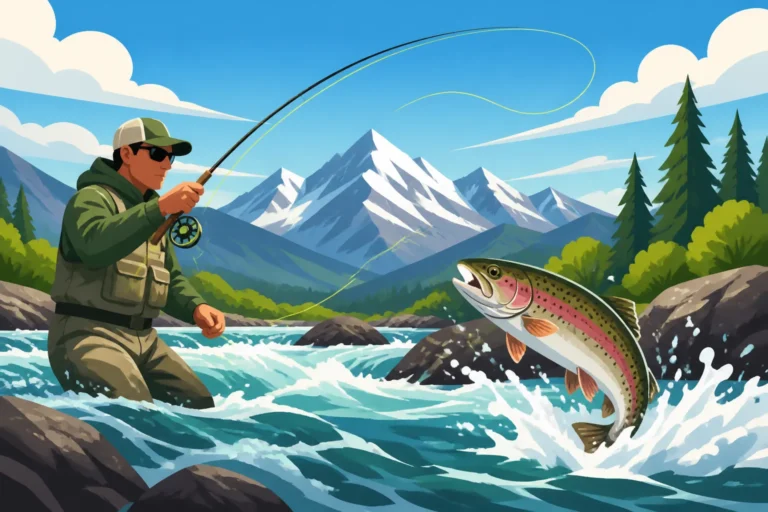
While Warm Lake isn't a renowned fly-fishing destination in the same vein as Silver Creek or the Henry's Fork, it does offer opportunities, particularly for adventurous anglers targeting trout. The most promising spots for fly fishing are typically found around the lake's inlets and outlets, or in shallow bays during specific insect hatches.
- Gear: A 4-6 weight fly rod with a floating or intermediate line is generally suitable. Leaders should be tapered, with a fine tippet (4x-6x) for subtle presentations.
- Flies: During spring and early summer, when insects are active, try dry flies mimicking caddis, mayflies, or stoneflies. Nymph patterns (Prince Nymphs, Pheasant Tails) can be effective when fished near the bottom or drifted in currents near inlets. Streamers (Woolly Buggers, Sculpzillas) can entice larger trout, especially cutthroat, throughout the season.
- Technique: Focus on presenting your fly naturally, especially in the clear waters of Warm Lake. Casting to rising fish, drifting nymphs through current seams, or slowly stripping streamers are all viable strategies. Patience and a subtle approach are key to fooling the lake's more wary trout.
Remember that fly fishing here is often about finding the right conditions and precise locations, but the rewards can be beautiful, wild trout in a stunning setting.
Navigating Warm Lake: Access, Facilities, and Regulations
Planning a trip to Warm Lake involves more than just knowing how to fish; it also means understanding the practicalities of access, available facilities, and, crucially, the specific regulations that govern fishing in these waters. Being prepared on all these fronts ensures a smooth, enjoyable, and compliant experience.
Boat Launch Access and Restrictions
Warm Lake offers multiple access points for boats, catering to different types of watercraft. The most prominent boat launches are located within the developed campgrounds, such as Shoreline Campground and Warm Lake Campground. These ramps are generally suitable for trailered boats, though they might be gravel and require careful maneuvering.
It's important to note any specific restrictions or advisories related to boat length, motor size, or invasive species prevention. While Warm Lake doesn't typically have severe motor restrictions (like some smaller alpine lakes), checking with the Forest Service or IDFG is always a good practice. Always be sure your boat and trailer are free of aquatic invasive species, as Idaho takes this seriously. Boating can be a fantastic way to access the deeper parts of the lake for kokanee, but remember that the lake can get choppy on windy days, so smaller boats should exercise caution.
Camping and Shoreline Access Points
Beyond boat launches, Warm Lake provides excellent opportunities for both camping and shore fishing. Several campgrounds managed by the Boise National Forest ring the lake, offering a range of amenities from developed sites with vault toilets and potable water to more primitive, dispersed camping options. Shoreline, Warm Lake, and Shoreline Group campgrounds are popular choices, often requiring reservations, especially during peak summer months. These campgrounds often have direct lake access, making it convenient to walk to the water's edge for a cast.
For anglers who prefer to stay on dry land, there are numerous pull-offs and informal paths that lead to the shoreline, particularly along Warm Lake Road. These spots can offer solitude and excellent opportunities for casting lures or still fishing for trout. However, access might be limited in certain areas due to private property or steep terrain. Always be mindful of respecting private property signs and leaving no trace behind. For more general advice on Fishing Ponds and Streams in the Boise National Forest, many principles will apply to Warm Lake's shoreline areas.
Understanding Idaho Fishing Regulations
Navigating the rules and regulations is paramount for any fishing trip in Idaho. The state's fishing laws are designed to protect fish populations and ensure sustainable angling for everyone. For Warm Lake, there are specific rules that anglers must adhere to:
- Licenses: Every angler aged 14 and older needs a valid Idaho Fishing License Guide. This includes both residents and non-residents. Children under 14 can typically fish without a license, but their catch counts towards a licensed adult's limit.
- Catch Limits: There are daily bag and possession limits for each species. For kokanee, these limits can be quite generous (often 25 per day), but for trout, they are usually more restrictive (e.g., 6 trout, only 2 of which may be cutthroat). Bull trout must be released immediately. Always consult the current Idaho Fishing Seasons Dates and Limits or the annual IDFG fishing brochure specific to the Salmon River Drainage (which Warm Lake falls under).
- Special Rules: Some waters might have specific tackle restrictions (e.g., barbless hooks, artificial lures only), or seasonal closures for certain species. While Warm Lake generally has fewer specific restrictions than some of Idaho's more sensitive waters, it's crucial to verify.
- Identification: Being able to correctly identify fish species, especially distinguishing between rainbow and cutthroat trout, or recognizing a protected bull trout, is essential for compliance.
These regulations are subject to change, so always download or pick up the latest Idaho Fishing Regulation Brochure and Proclamation before your trip. Ignorance of the law is not an excuse, and violations can lead to hefty fines and loss of fishing privileges.
Tips for a Rewarding Warm Lake Fishing Experience
Beyond the technical aspects of fishing, a truly rewarding trip to Warm Lake involves appreciating its unique environment and being prepared for the realities of mountain recreation. A little extra planning and awareness can turn a good trip into a fantastic one.
Weather Wisdom and High-Altitude Considerations
Being prepared for unpredictable mountain weather is crucial when visiting Warm Lake. Even in summer, temperatures can drop significantly in the evenings, and sudden thunderstorms are not uncommon. Always pack layers of clothing, including rain gear, even if the forecast looks clear. Sunscreen, hats, and sunglasses are also essential due to the higher elevation and increased UV exposure.
High altitude can also affect individuals differently. If you're coming from sea level, take it easy on your first day, stay hydrated, and be aware of symptoms of altitude sickness. Having a basic first-aid kit is always a good idea, especially since medical facilities are not close by. For the avid outdoor enthusiast looking to explore more of Idaho's beauty, finding local expertise on platforms like FishingBooker might connect you with guides familiar with other unique, high-elevation fishing experiences across the state, ensuring you get the most out of similar remote excursions.
Respecting the Environment and Wildlife
Warm Lake is a pristine natural environment, and it's up to all of us to keep it that way. Practice Leave No Trace principles: pack out everything you pack in, and dispose of waste properly. Avoid disturbing wildlife; observe from a distance and never feed animals. Bear sightings are possible in the Boise National Forest, so store food securely (in bear-resistant containers or locked vehicles) and carry bear spray if you're hiking.
Anglers should also be mindful of fish handling. If you plan to release fish, minimize their time out of the water, handle them gently with wet hands, and use barbless hooks to reduce injury. Proper catch-and-release techniques help ensure healthy fish populations for future generations. Remember, the beauty of Warm Lake lies in its untouched nature; let's all do our part to preserve it.
Disclaimer
Please note that fishing conditions, regulations, and access can change. Always consult the latest official Idaho Department of Fish and Game regulations and Boise National Forest advisories before planning your trip. This guide is for informational purposes only and does not constitute official legal advice.