Idaho’s Least Crowded Fishing Water
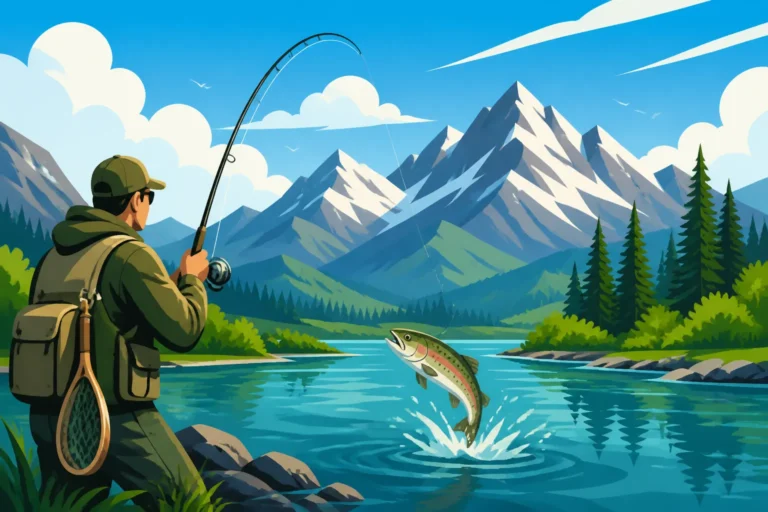
It’s a feeling many of us know all too well: you’ve driven hours, planned for days, finally arrived at that much-anticipated fishing spot, only to find it teeming with other anglers. The promise of serene Idaho waters vanishes, replaced by tangled lines, loud conversations, and a constant battle for casting space. If you're tired of battling crowds and dreaming of finding genuine solitude on the water, this comprehensive guide is for you. We're going to dive deep into how to discover Idaho's least crowded fishing waters and reclaim the peace and quiet that makes fishing such a special experience.
Why Finding Solitude Matters in Idaho Fishing
Let's be honest, part of the allure of Idaho's vast landscapes is the sheer opportunity for escape. When you head out to wet a line, you're not just looking to catch fish; you're often seeking a respite from the hustle and bustle of everyday life. The magic of being truly alone on a pristine river or a glassy mountain lake is unparalleled, and it's a frustration shared by many when popular spots become, well, too popular.
The Frustration of Overcrowding on the Water
Imagine this scenario: you're at a well-known access point on the Boise River, hoping to cast for some trout. Instead, you're shoulder-to-shoulder with other anglers, their lines crisscrossing in the air, their conversations echoing across the water. It’s less a tranquil pursuit and more a competitive sport. Overcrowding doesn't just ruin the ambiance; it actively impacts the fishing itself. Fish in heavily pressured areas become more wary, less likely to bite, and generally harder to coax. The constant disturbance, the noise, the sheer number of lines hitting the water – it all contributes to a less productive and far less enjoyable outing. For many, the peace and quiet is as important as the catch, and a crowded river bank can strip away that core pleasure.
The Appeal of Undisturbed Nature and Authentic Experiences
There's a deep satisfaction that comes from being the only person, or perhaps the only small group, on a stretch of water. It's in these quiet moments that you truly connect with nature. You notice the subtle rise of a fish, the distant call of an osprey, the rustle of wind through the pines. You might spot deer grazing at the water's edge or a moose wading in a remote pond. These are the wildlife encounters that truly enrich a fishing trip, and they rarely happen when a dozen people are shouting greetings to each other. Finding undisturbed waters means experiencing Idaho's wild beauty in its purest form, often leading to more authentic encounters with fish that haven't seen every lure in the tackle box. It’s about experiencing the raw, untamed spirit of Idaho that draws so many to its wild places in the first place.
Types of Least Crowded Fishing Waters in Idaho
Idaho is a big state, and while some spots draw legions of anglers, countless others fly under the radar, simply because they demand a little more effort to reach. These are the places where solitude isn't just a possibility, it's often the norm. The key is understanding what kind of water tends to be less pressured and being willing to seek it out.
High Mountain Lakes: The Ultimate Escape
If "least crowded" is your mantra, high mountain lakes should be at the top of your list. These sparkling jewels, nestled amidst Idaho's rugged peaks, are often only accessible via long hikes, sometimes involving significant elevation gain or multi-day backpacking trips. This inherent difficulty in access acts as nature's bouncer, keeping the crowds to a minimum. The rewards, however, are immense: crystal-clear waters, stunning scenery, and eager fish that often see very little pressure.
You might be targeting eager cutthroat trout, colorful brook trout, or even some wild rainbow trout, depending on the specific lake. Places within the vast Frank Church River of No Return Wilderness or the equally stunning Sawtooth National Recreation Area offer hundreds of such opportunities. Think about the feeling of reaching a lake after hours of hiking, setting up camp, and having the entire body of water, perhaps with an Idaho Resident Fishing License in your pocket, virtually to yourself. It’s an unforgettable experience. While some high mountain lakes are well-known, many remain relatively obscure, offering the chance for true discovery. For details on what to pack for such adventures, you might find our guide on what gear to pack for a Sawtooth backcountry fishing trip helpful.
Remote River Sections and Tributaries
While major rivers like the Snake, Salmon, or Clearwater might have popular, well-trafficked sections, they also possess countless miles of less accessible water. This often includes remote canyon stretches, smaller tributaries, or headwater sections that require serious bushwhacking, floating into, or extended hiking to reach. These areas are fantastic for finding solitude, though they often demand specific skills or equipment, like a sturdy raft or whitewater kayak for river access.
Consider the upper reaches of the St. Joe River for its native Westslope Cutthroat Trout, where the road ends and the true wilderness begins. Or perhaps lesser-known forks and creeks flowing into larger systems, which might only hold smaller fish but offer an incredible sense of exploration. Even on the mighty Snake River, there are stretches within deep canyons where the only way in is by boat or a very challenging hike, drastically reducing the number of anglers you'll encounter. For those considering floating or jet boating into remote areas, securing the right permits and understanding Idaho Fishing Regulations Explained is crucial before you go.
Smaller, Less-Known Reservoirs and Ponds
Not every great fishing spot has to be a strenuous backcountry expedition. Idaho also boasts numerous smaller reservoirs and community ponds that, while not completely wild, often see far less pressure than their larger, more famous counterparts. These are typically a bit further off the main highways, requiring a conscious detour, or they simply don't receive the same level of publicity.
A perfect example is Deadwood Reservoir in the Boise National Forest. While popular with campers, it generally sees less intense fishing pressure than reservoirs like Lucky Peak or Cascade. Its remote location and often rough access roads deter many day-trippers. These types of waters can offer excellent fishing for trout, bass, perch, or crappie, and because they're less pressured, the fish can be more aggressive. It might take some digging on maps or talking to locals at small-town diners, but these hidden gems are out there. When considering these types of waters, it's always wise to check local Idaho Fish and Game resources for information on specific ponds and any special regulations they might have.
Strategies for Discovering Idaho's Quiet Fishing Havens
Finding these less-traveled paths requires a bit more than just pointing to a spot on a map. It demands a proactive approach, a willingness to explore, and sometimes, a little bit of grunt work. But the payoff in solitude and quality fishing is always worth the effort.
Researching Beyond the Popular Spots
The internet is a double-edged sword when it comes to finding quiet fishing spots. While it's great for general information, the very act of a place appearing online can increase its popularity. To find truly uncrowded waters, you need to think beyond the first page of search results.
Start with detailed topographic maps. These maps reveal access roads (or lack thereof), hiking trails, and the contours of the land, helping you identify areas that might be difficult to reach. Look for waters far from paved roads, deep within wilderness areas, or those requiring a specific type of vehicle. The Idaho Department of Fish and Game (IDFG) website is an invaluable resource. While they do list popular stocking locations, they also have detailed reports, fish distribution maps, and specific regulations for various waters that can hint at less-pressured areas. Sometimes, looking at historical data or less frequently updated sections of their site can reveal forgotten fisheries. Don't be afraid to delve into obscure forum posts or old fishing reports that focus on areas that are no longer "trendy." And, for those times when you want expert help to navigate truly remote areas, services like FishingBooker can connect you with guides who specialize in accessing hidden gems, providing local insights you might not find anywhere else.
Timing Your Trip for Solitude
Even popular fishing spots can offer moments of solitude if you time your visit just right. The biggest crowds typically gather on weekends, especially during peak season. By shifting your schedule, you can drastically reduce the number of fellow anglers you encounter.
- Mid-week Excursions: If your work schedule allows, a Tuesday or Wednesday trip can feel like a private outing compared to a Saturday. This is especially true for spots within a few hours of major population centers like Boise or Coeur d'Alene.
- Off-Peak Seasons: Spring and fall often offer excellent fishing with fewer people. Early spring, just after ice-out, can be phenomenal for trout as they become active. Late fall, as temperatures drop but before heavy snow, can provide some incredible steelhead fishing on rivers like the Salmon or Clearwater, and generally fewer anglers on the water. Even though the weather might be chillier, the rewards in peace and quiet are substantial.
- Early Mornings or Late Evenings: Before the sun fully rises or as it begins to set, many anglers are still in bed or heading home. These "golden hours" are not only prime feeding times for many fish species but also offer a serene atmosphere with minimal human interference. Think about that quiet sunrise on a high mountain lake, just you and the rising fish.
Embracing the Journey: Hiking and Backpacking for Fish
This is arguably the most effective strategy for finding true solitude in Idaho fishing. The more effort required to reach a body of water, the fewer people you will find there. Idaho is crisscrossed with thousands of miles of trails, many leading to remote lakes, rivers, and streams that see minimal human impact.
- Day Hikes to Remote Streams: Even a 2-3 mile hike off a main forest road can take you to a completely different fishing experience. These smaller streams might hold smaller trout, but their wildness and the lack of competition are worth the effort.
- Backpacking to High Mountain Lakes: For the ultimate escape, consider a multi-day backpacking trip into a designated wilderness area. Pack light, bring appropriate gear (like a packable fishing rod), and be prepared for self-sufficiency. The fish in these lakes are often eager, and the scenery is simply breathtaking. This kind of journey exemplifies the true spirit of seeking Idaho's most pristine waters. Check out our guide on Best High Mountain Lakes in Idaho for Fishing for ideas that often require significant hiking.
- Float Trips into Remote Canyons: For river anglers, extended multi-day float trips into wilderness canyons (like parts of the Middle Fork of the Salmon River) effectively remove you from road-accessible crowds. These trips require specialized equipment, logistical planning, and often a permit, but they guarantee an immersive, solitary experience. Our article on Idaho Fishing Regulations for the Middle Fork of the Salmon River provides more context on such adventures.
Gear and Preparation for Remote Idaho Fishing
Venturing into Idaho's least crowded waters often means venturing into truly wild and sometimes unforgiving terrain. Proper preparation and the right gear aren't just about comfort; they're about safety and success.
Essential Backcountry Fishing Gear
When you're far from the nearest trailhead or paved road, every item in your pack needs to be considered. Lightweight and versatile gear is paramount.
- Fishing Tackle: A lightweight, packable fishing rod (like a 4-piece travel rod) is ideal. For high mountain lakes, a 3-5 weight fly rod is perfect for trout, or a light spinning rod with ultralight line. Bring a selection of small lures (spinners, spoons) or flies (dry flies, nymphs, streamers) that mimic local insects. Always carry extra line, leaders, and tippet.
- Navigation Tools: A reliable GPS device (with pre-loaded maps), a physical map, and a compass are non-negotiable. Cell service will be non-existent in many remote areas.
- Safety Equipment: A comprehensive first-aid kit is critical. Consider a personal locator beacon (PLB) or satellite communicator for emergencies, especially if you're alone. Bear spray is also a wise precaution in many Idaho wilderness areas, along with knowledge on how to use it safely.
- Clothing: Layering is key, as mountain weather can change rapidly. Bring rain gear, insulating layers, and sturdy hiking boots that can handle varied terrain.
- Shelter and Food: A lightweight tent or tarp, sleeping bag, and sleeping pad are essential for overnight trips. Pack non-perishable, calorie-dense food, and a reliable water filter or purification tablets. Always pack more water than you think you'll need.
Safety Considerations for Remote Waters
The beauty of Idaho's wilderness comes with inherent risks. Being prepared for potential hazards is crucial when seeking out those quiet spots.
- Wildlife Encounters: Idaho is home to black bears, grizzly bears (especially in the Panhandle and eastern regions), mountain lions, and moose. Know how to properly store food to avoid attracting animals (bear canisters or Ursacks are recommended), and what to do if you encounter wildlife. Make noise while hiking to avoid surprising animals.
- Weather Changes: Mountain weather can be unpredictable. A sunny morning can quickly turn into a fierce thunderstorm or even a snow squall, even in summer. Check forecasts religiously, but also be prepared for the unexpected. Hypothermia is a real risk, even in mild temperatures if you get wet.
- Navigation: Getting lost in vast wilderness areas is a serious concern. Always tell someone your detailed itinerary, including your route, expected return time, and who to contact if you don't check in. Stick to marked trails where possible, and continuously monitor your location using your map and GPS.
- Water Safety: Rivers can have strong currents, and stream crossings can be dangerous. Be aware of changing water levels. For high mountain lakes, water can be extremely cold, even in summer. Always fish with a buddy if possible, especially in remote areas.
Specific (But Still Relatively Quiet) Idaho Waters to Explore
While revealing true "secret spots" would defeat the purpose of "least crowded," here are some types of waters and examples that tend to offer more solitude than the highly popularized destinations. The common thread among them is that they require a little more effort to reach or are simply less publicized.
The Upper St. Joe River and its Tributaries
While the lower and middle sections of the St. Joe River, particularly around St. Maries, can see recreational traffic, the upper reaches, especially as you head further east into the national forest, become progressively wilder and less crowded. This area is renowned for its native Westslope Cutthroat Trout. Access often involves driving on gravel forest roads, and many of the best fishing spots require pulling off and hiking down to the river or exploring its smaller tributaries.
The further you're willing to walk, the better the solitude. Fly fishing with dry flies or small nymphs is incredibly effective here, and the fish, while not always huge, are typically eager biters. It's a fantastic place to experience an authentic Idaho stream fishery away from the madding crowds. For those interested in this specific river, our detailed guide on Fishing the St. Joe River for Cutthroat Trout can provide more insights.
Remote Lakes in the Frank Church Wilderness
The Frank Church River of No Return Wilderness Area is one of the largest contiguous wilderness areas in the lower 48 states. As such, it offers virtually endless opportunities for uncrowded fishing, primarily in its hundreds of high mountain lakes and countless streams. However, access is challenging, often requiring multi-day backpacking trips, horse packing, or even flying into remote airstrips.
These lakes are typically stocked with cutthroat, rainbow, or brook trout by IDFG via aerial drops, ensuring a healthy population that sees minimal pressure. If you're looking for true wilderness and the ultimate in solitude, planning a trip into the Frank Church (or the adjacent Gospel Hump Wilderness) will certainly deliver. This isn't a casual day trip; it demands significant planning, preparation, and self-reliance, but the reward of pristine waters and untouched wilderness is immense.
Lesser-Fished Sections of the Snake River Canyon
The Snake River, Idaho's most iconic waterway, is famous for its smallmouth bass, trout, and massive sturgeon. While popular sections near towns like Bliss or Swan Falls see considerable angling pressure, there are vast stretches within the deep Snake River Canyon that remain relatively uncrowded. These sections often require boat access (jet boat or raft) and navigating sometimes challenging rapids or long, slow stretches of current.
Consider exploring areas far from boat ramps or road access points. For example, below C.J. Strike Reservoir or in some of the more remote, rugged canyon sections that require a full day's float. The effort to reach these spots acts as a natural filter, leaving you with excellent fishing opportunities for hard-fighting smallmouth bass, catfish, and even the chance at a catch-and-release white sturgeon away from other anglers. Remember that Idaho Sturgeon Catch and Release Rules Explained are very strict, and barbless hooks are mandatory.
Deadwood Reservoir
Compared to some of Idaho's more heavily visited reservoirs like Lake Cascade or Lucky Peak, Deadwood Reservoir offers a more serene experience, primarily due to its more remote location and gravel road access. Tucked away in the Boise National Forest, it's a beautiful high-elevation reservoir known for its kokanee salmon and rainbow trout.
While it's a popular spot for camping and boating, especially during the peak summer months, the fishing pressure tends to be less intense than at more easily accessible waters. Early mornings, weekdays, or the shoulder seasons (late spring/early fall) offer excellent opportunities for solitude. Trolling for kokanee or still-fishing for trout from shore or a boat are popular methods. The surrounding forested mountains provide a stunning backdrop, making it a peaceful escape. For more information, our article on Deadwood Reservoir can give you a better sense of what to expect.
Here’s a quick overview of different types of less-crowded waters:
| Water Type | Access Difficulty | Typical Fish Species | Solitude Level | Best Time for Solitude | Key Considerations |
|---|---|---|---|---|---|
| High Mountain Lakes | Difficult (Hike/Pack) | Cutthroat, Rainbow, Brook | Very High | Summer, Early Fall | Requires backpacking gear, navigation skills |
| Remote River Sections | Moderate to Difficult (Boat/Hike) | Cutthroat, Rainbow, Steelhead, Bass | High | All Seasons, Mid-week | Can require specialized boats, whitewater skills, long hikes |
| Smaller Reservoirs | Moderate (Gravel Roads) | Trout, Kokanee, Bass, Perch | Medium to High | Mid-week, Shoulder Seasons | Can be popular for camping, but fishing pressure varies |
| Remote Tributaries | Moderate (Bushwhack/Hike) | Small Trout, Whitefish | High | All Seasons | Fish tend to be smaller, dense vegetation can be an issue |
Disclaimer
Please note that fishing conditions and regulations in Idaho can change. Always consult the latest Idaho Fish and Game regulations brochure or their official website before planning any fishing trip to ensure you have the most up-to-date information on licenses, seasons, and specific water body rules. Safety in the backcountry is paramount; always inform someone of your plans and be prepared for changing conditions.