Idaho Bluegill Fishing
Many folks get into fishing in Idaho hoping to land a trophy trout or battle a mighty steelhead, but sometimes, the sheer complexity of licenses, regulations, and specialized gear can feel overwhelming. It can be especially daunting if you're just starting out or trying to introduce kids to the sport. But what if I told you there's a fantastic, incredibly accessible fish that offers a ton of fun without all the fuss, and it's swimming in waters all across our beautiful state? This guide is all about simplifying your fishing adventures by focusing on the humble, yet incredibly rewarding, pursuit of bluegill in Idaho.
Why Bluegill Are a Great Catch in Idaho
Bluegill often get overlooked for their flashier cousins, but for anglers seeking consistent action, delicious table fare, and a perfect entry point into the world of fishing, they are truly unsung heroes. They don't require expensive equipment or years of experience, making them an ideal target for practically anyone looking to wet a line. Whether you're a seasoned angler chasing a relaxing day or a parent hoping to ignite a lifelong passion in your child, bluegill fishing ticks all the right boxes.
Accessibility and Abundance Across the State
One of the biggest reasons bluegill are such a fantastic fish to target in Idaho is their widespread availability. You don't need to trek into the wilderness or navigate challenging rivers to find them. Bluegill thrive in a variety of stillwater environments, from small community ponds and city park lakes to larger reservoirs and the quiet backwaters of major rivers. This means there’s likely a bluegill hotspot just a short drive from wherever you are in Idaho, making spontaneous fishing trips a real possibility.
These fish are also quite tolerant of different water conditions and can reproduce prolifically, leading to healthy populations in many Idaho waters. This abundance translates directly into a higher chance of success for anglers, which is incredibly encouraging, especially for beginners. There's nothing quite like the excitement of a bobber dipping down repeatedly to keep spirits high, and bluegill are more than happy to oblige with frequent bites. You'll often find that even if other species are finicky, bluegill are usually willing to play along.
A Fun Fight and Delicious Table Fare
Don't let their relatively small size fool you; bluegill are surprisingly feisty for their stature. When hooked on light tackle, they put up a spirited fight, pulling hard and often darting for cover. This makes every catch an engaging experience, offering a satisfying challenge without being overly difficult. It’s a great way to hone your fish-fighting skills and enjoy the thrill of the chase.
Beyond the fight, bluegill are also excellent eating. Their firm, white, flaky meat is mild and sweet, making them one of the most popular panfish for the dinner table. They’re fantastic fried, baked, or grilled, and many anglers consider them a delicacy. Keeping a mess of bluegill for a family fish fry is a cherished tradition for many, and their abundance means you can often harvest a good number within bag limits without impacting the overall population. Just remember to check the Idaho Catch Limits and Bag Limits Explained for specific regulations on the waters you plan to fish.
Identifying Idaho Bluegill and Their Habitats
Before you start casting, it's always helpful to know exactly what you're looking for and where they like to hide. Bluegill have distinct characteristics that differentiate them from other sunfish, and understanding their preferred hangouts will significantly increase your chances of success. They are truly masters of concealment, often blending into their surroundings with surprising effectiveness.
Bluegill Features and Lookalikes
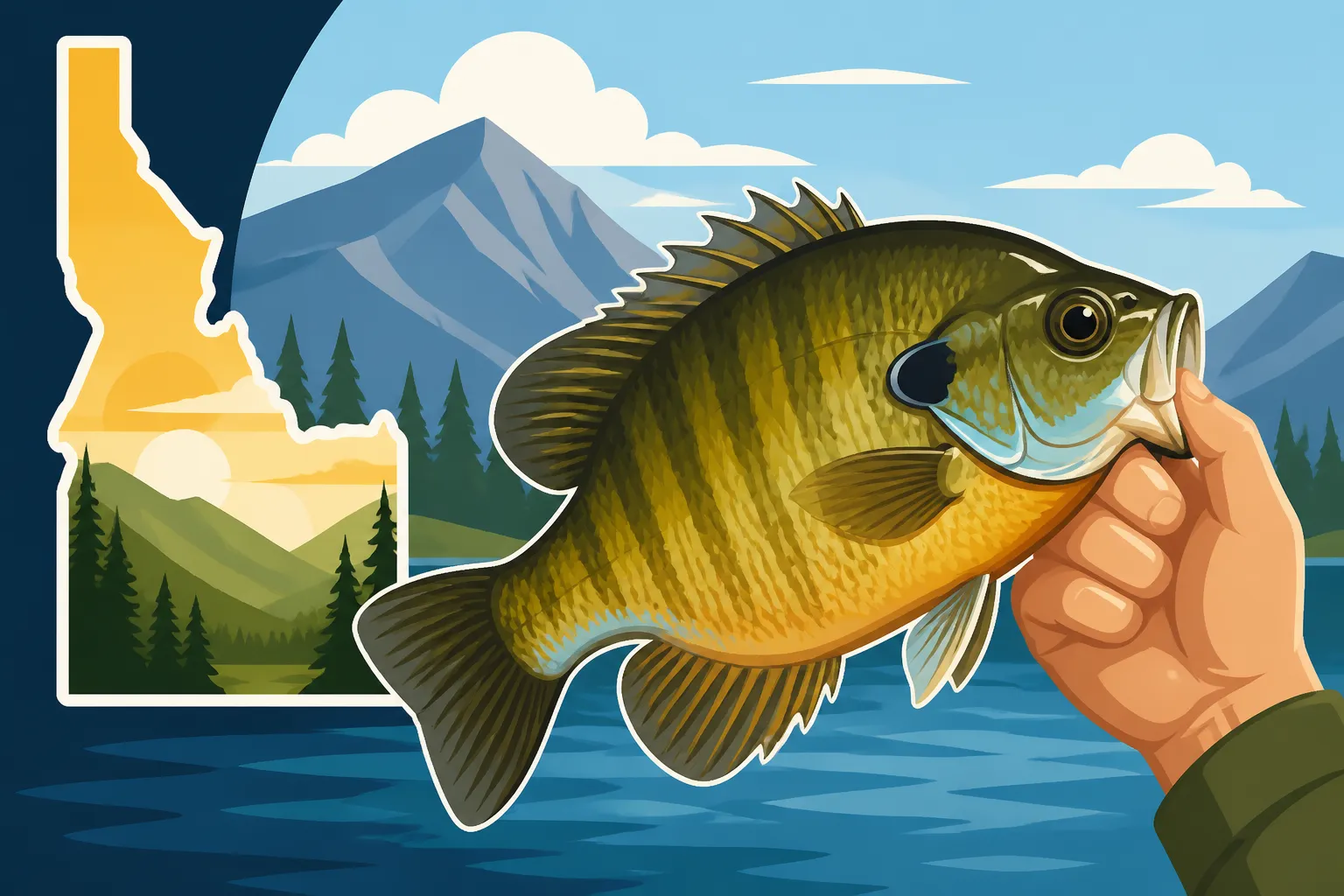
The Idaho bluegill (Lepomis macrochirus) is part of the sunfish family, and they share some general traits with their sunfish cousins like pumpkinseeds, green sunfish, and even crappie. However, bluegill have a few key features that make them easy to identify. Look for a small, dark spot on the posterior edge of the gill cover, which gives them their "blue" gill name, although the color itself can vary greatly. Their bodies are typically deep and compressed laterally, almost disc-shaped. Coloration can range from olive-green to dark blue or purple on the back, fading to lighter shades on the sides with several vertical bars, and a yellowish or orange belly, especially in males during spawning season.
It's common to catch a "sunfish" and wonder if it's a bluegill or another species. Pumpkinseeds, for instance, have a bright orange or red spot on their gill flap, and often more iridescent spots and wavy lines on their face. Green sunfish tend to have a larger mouth, a chunkier body, and a black spot at the base of their dorsal and anal fins, with a yellowish-orange fringe on their fins. While all these panfish are fun to catch, knowing the difference can help you identify your quarry and understand any specific regulations.
Preferred Habitats in Idaho Waters
Bluegill are creatures of structure and cover. They love areas where they can hide from predators, ambush small prey, and feel secure. In Idaho's lakes, ponds, and slow-moving rivers, you'll typically find them congregated around:
- Weed Beds: Thick aquatic vegetation provides excellent cover and a rich food source. Look for lily pads, cattails, and submerged grasses.
- Docks and Piers: The shade and structure offered by man-made docks are prime bluegill real estate. Fish around the pilings and under the platforms.
- Submerged Trees and Brush Piles: Fallen timber and brush offer ideal ambush points and protection.
- Rock Piles and Riprap: Rocky areas, especially those with crevices, can hold bluegill, particularly larger ones.
- Overhanging Vegetation: Trees and bushes along the shoreline that cast shade or drop insects into the water are often productive.
- Shallow Spawning Beds: In late spring and early summer, bluegill create circular nests in shallow, soft-bottomed areas, where they are easily found.
Understanding these preferences allows you to "read the water" more effectively. Instead of casting blindly, focus your efforts on these high-percentage areas. If you find one bluegill, chances are there are many more nearby, as they tend to school together.
Top Spots for Bluegill Fishing Across Idaho
Idaho boasts an incredible array of fishing opportunities, and bluegill are no exception. From the panhandle's glacial lakes to the high desert reservoirs of the south, you're never too far from a good bluegill spot. While they might not get the same press as Idaho Steelhead Fishing Guide or Idaho Chinook Salmon Fishing Guide, bluegill fishing offers consistent action and a relaxing day on the water.
North Idaho Gems
The Panhandle region of Idaho, with its abundant lakes and smaller waters, offers some fantastic bluegill fishing.
- Lake Coeur d'Alene: While known for its trophy Chinook salmon and Kokanee, the shallower bays and backwaters of Lake Coeur d'Alene, especially around docks and weed lines, can hold impressive numbers of bluegill. Look for areas away from the main boat traffic, particularly in spring and early summer.
- Local Ponds and Smaller Lakes: Many smaller, less-pressured lakes and ponds throughout North Idaho, like those near Sandpoint or Bonners Ferry, are excellent bluegill producers. These often have good public access and are perfect for a quiet afternoon. Check local parks and recreation areas – many maintain small fishing ponds specifically for panfish.
- Hayden Lake & Spirit Lake: These larger lakes, much like Lake Coeur d'Alene, have numerous coves and shallow structures that provide ideal bluegill habitat. Focus on areas with emergent vegetation or downed trees along the shorelines.
Southwest Idaho and Treasure Valley Hotspots
The Treasure Valley and surrounding areas in Southwest Idaho are surprisingly rich with bluegill opportunities, often within minutes of urban centers. This makes them perfect for quick trips after work or school.
- Boise River and Greenbelt Ponds: Many of the small ponds adjacent to the Boise River Greenbelt, as well as the slower-moving back channels of the river itself, are regularly stocked and hold healthy populations of bluegill. These urban fisheries are incredibly accessible.
- Lake Lowell (near Nampa): Why Lake Lowell Is an Easy First Trip for Nampa Families makes it a fantastic bluegill destination. Its shallow, warm waters and abundant submerged structure are perfect for panfish. Focus on the coves and quieter sections, particularly in spring.
- C.J. Strike Reservoir: While known for its bass and crappie, C.J. Strike's countless coves and brushy shorelines provide excellent bluegill habitat. This large reservoir offers plenty of room to explore and find your own honey hole.
- Lucky Peak Reservoir: The areas below the dam, particularly the stilling basin and slower sections of the Boise River downstream, can hold bluegill, especially during warmer months when they might seek out slightly cooler, more oxygenated water. The upper reaches of the reservoir also have good shallow zones.
Eastern Idaho Opportunities
Eastern Idaho's landscape offers a blend of high desert reservoirs and mountain lakes, many of which are teeming with bluegill.
- Snake River Plain Ponds: Numerous small ponds and urban lakes around Idaho Falls, Pocatello, and Twin Falls are stocked and provide excellent bluegill fishing. These are often easy to access and are well-suited for families.
- American Falls Reservoir: Best Time of Year for Perch on American Falls Reservoir often correlates with good bluegill fishing. The shallow, weedy areas and submerged cover make it a prime spot for panfish.
- Community Ponds: Towns like Blackfoot, Rexburg, and Salmon often have community ponds that are specifically managed for panfish, including bluegill, making them very reliable spots.
No matter where you are in Idaho, a quick check with the Idaho Fish and Game website or a chat with a local bait shop can often point you to the best current bluegill spots in your immediate area.
Essential Gear and Techniques for Idaho Bluegill
One of the beautiful things about bluegill fishing is that you don't need a boatload of expensive, specialized gear. In fact, keeping it simple is often the key to success. This accessibility makes it ideal for anyone looking to get started, or for seasoned anglers who want to pare down their tackle box for a relaxing day.
Simple Gear for Success
When it comes to bluegill, light tackle is not just a suggestion; it's practically a requirement for maximizing the fun. An ultralight rod and reel setup will make even a small bluegill feel like a heavyweight champion, enhancing the experience significantly.
- Rod and Reel: A 5 to 6-foot ultralight spinning rod paired with a small spinning reel is perfect. This setup is sensitive enough to detect subtle bites and flexible enough to handle the bluegill's surprisingly strong tugs. You can find excellent, affordable ultralight combos on Amazon that are perfectly suited for bluegill.
- Line: Spool your reel with 2 to 4-pound test monofilament line. This light line is nearly invisible to the fish and allows for natural bait presentation, which is crucial for finicky panfish.
- Bobbers: A small, sensitive bobber is indispensable. Slip bobbers are fantastic as they allow you to easily adjust your fishing depth, letting your bait get down to where the bluegill are holding without a fixed bobber getting in the way of casting. Look for small, brightly colored bobbers that offer minimal resistance when a bluegill takes the bait.
- Hooks: Size 8 or 10 Aberdeen hooks are ideal. These small, thin-wire hooks are perfect for the bluegill's small mouth and tend to cause less damage if you're practicing catch and release. Barbless hooks are also a great option for easy release.
- Sinkers: Small split shot sinkers, no larger than a BB or two, are usually all you need to get your bait down. The goal is a slow, natural fall.
| Gear Item | Recommended Type/Size | Why It's Essential |
|---|---|---|
| Rod | 5-6 foot Ultralight Spinning | Maximizes fight, sensitive to light bites. |
| Reel | Small Spinning Reel (500-1000 size) | Balances ultralight rod, holds light line. |
| Fishing Line | 2-4 lb Test Monofilament | Nearly invisible, allows natural bait presentation. |
| Bobbers | Small Slip Bobber (e.g., Thill, Comal) | Adjustable depth, sensitive bite indication. |
| Hooks | Size 8 or 10 Aberdeen/Baitholder | Perfect for small mouths, less harm to fish. |
| Sinkers | Small Split Shot (BB size or smaller) | Gets bait to depth, minimal impact on natural fall. |
| Pliers/Forceps | Small Needle-nose Pliers or Hemostats | Safe hook removal, especially with small hooks. |
| Bait Bucket | Small, ventilated bucket or container | Keeps live bait fresh and accessible. |
Baits, Lures, and Presentation
Bluegill aren't typically picky eaters, which is another reason they're so much fun. A variety of natural baits and small lures will entice them.
- Live Bait:
- Worms: The classic choice. Small pieces of earthworms, nightcrawlers, or red wigglers are irresistible to bluegill. Hook them so a small piece dangles for maximum appeal.
- Crabs and Grasshoppers: During warmer months, these terrestrial insects can be incredibly effective, especially if fished near overhanging vegetation where they might naturally fall into the water.
- Maggots and Mealworms: These small baits are perfect for bluegill and stay on the hook well.
- Artificial Lures:
- Small Jigs: Tiny jigs (1/32 to 1/64 ounce) tipped with a small plastic grub, tube, or a piece of Berkley PowerBait for crappie/panfish can be deadly. Colors like chartreuse, white, and black are often productive.
- Tiny Spinners: In-line spinners with small blades (like a Mepps or Rooster Tail) can draw aggressive strikes, particularly from larger bluegill.
- Micro Spoons: Small, lightweight spoons can imitate fleeing baitfish or insects.
Presentation is Key: The most effective technique is often a simple one: suspension fishing under a bobber. Cast your bait near cover, like a weed line or dock piling, and let it drift naturally. Adjust your bobber stop so your bait hovers just above the bottom or within the weed beds. Bluegill typically cruise at various depths, so experimenting with depth is crucial. Sometimes they'll be just a few feet deep, other times a bit deeper, especially as the day warms up. You can also slowly retrieve small jigs or spinners, mimicking a small insect or minnow. This active approach can often trigger strikes from bluegill that aren't quite ready to commit to a static bait. For more general advice on baits and lures, check out Best Bait and Lures for Idaho Fishing.
Best Times to Fish for Bluegill in Idaho
Knowing when to fish can be just as important as knowing where and how. Bluegill, like all fish, are influenced by seasons, time of day, and weather patterns. Understanding these rhythms can significantly improve your catch rate and overall enjoyment.
Seasonal Strategies
Idaho offers bluegill fishing opportunities throughout much of the year, but some seasons definitely stand out.
- Spring (Pre-Spawn & Spawn): This is arguably the best time to target bluegill. As water temperatures begin to rise in late spring, bluegill move into shallower waters to spawn. They become incredibly aggressive and territorial, making them easy targets. Look for visible spawning beds – circular depressions on the bottom in shallow, sun-warmed areas, often clustered together. This period typically runs from late May through early July, depending on the specific water body and elevation. Fish will be eager to hit almost anything you present.
- Summer (Post-Spawn & Warm Water): After spawning, bluegill will disperse slightly but remain in the shallower, weedy areas. During the heat of summer, they often retreat to deeper, cooler water or seek refuge in dense cover during the brightest parts of the day. Fishing early mornings, late evenings, or on overcast days will be more productive. They will still bite readily, but you might need to find them in thicker cover or deeper weed lines.
- Fall (Feeding Frenzy): As water temperatures cool, bluegill will once again become very active, feeding heavily to build up reserves for winter. They often school up in larger groups, making it possible to catch many fish once you find a school. Look for them along the edges of weed beds before the vegetation starts to die back.
- Winter (Ice Fishing): For dedicated anglers, bluegill can be an excellent target through the ice in Idaho. They typically hold in deeper water near structure, but they will still readily bite small jigs tipped with a maggot or a piece of worm. Ice fishing can be a bit slower, but the anticipation of a bite and the peacefulness of the winter landscape are rewards in themselves. Always exercise extreme caution on the ice and ensure it's thick enough for safety.
Daily Rhythms and Weather Tips
Beyond the seasons, the time of day and prevailing weather conditions also play a significant role in bluegill activity.
- Early Morning and Late Evening: These are prime times for bluegill, especially during the warmer summer months. The cooler water temperatures and lower light conditions encourage them to move out from deeper cover and feed more actively. The lack of boat traffic and general tranquility also adds to the experience.
- Overcast Days: A cloudy day can often be a bluegill angler's best friend. The reduced sunlight encourages fish to stay active in shallower water throughout the day, rather than retreating to deeper, darker areas.
- After a Rain Shower: A gentle rain can sometimes spark a bluegill bite. The rain can wash insects and other food into the water, and the reduced light can make fish feel more secure. However, heavy rains that muddy the water can temporarily shut down the bite.
- Midday on Bright, Sunny Days: This can be the toughest time, as bluegill often hug tight to cover or move deeper to escape the sun. If you must fish midday, focus heavily on shaded areas, dense cover, or deeper drop-offs adjacent to prime bluegill habitat. You might need to adjust your depth and presentation to entice a bite.
Understanding these patterns allows you to optimize your fishing trips, making the most of the time you have on the water. Bluegill are generally cooperative, but a little strategic planning can lead to a truly memorable day of fishing.
Bluegill Fishing for Families and Beginners
If you're looking for the ultimate family-friendly fishing experience or a perfect way to introduce someone new to the sport, bluegill fishing in Idaho is absolutely the way to go. It offers a low barrier to entry, a high likelihood of success, and invaluable lessons in patience and outdoor appreciation. You'll find that many of the Family-Friendly Fishing Spots in Idaho are teeming with bluegill for this very reason.
Making It a Family Affair
Bringing the family out for a day of bluegill fishing creates lasting memories and fosters a connection to the outdoors. The beauty of bluegill is that they don't demand a lot of complicated techniques or gear, making them perfect for all ages, especially little ones.
- Simple Setup, Maximum Fun: As we discussed earlier, the gear for bluegill is simple and affordable. A basic rod and reel, a bobber, a hook, and a worm are all you really need. This simplicity means less time fumbling with tackle and more time actually fishing. Kids can easily manage this setup, learning to cast and retrieve without much frustration. For new anglers, the consistent action keeps them engaged, which is crucial for building interest.
- Short Attention Spans Welcome: Let's face it, kids (and some adults!) have short attention spans. Bluegill fishing combats this beautifully because the bites are often frequent. Unlike targeting more elusive species where hours might pass between bites, bluegill often provide near-constant excitement. This steady action ensures that everyone stays entertained and motivated.
- Accessible Locations: Many of Idaho's bluegill hotspots are easily accessible, often in well-maintained parks or community ponds. This means less hiking, less rugged terrain, and easier access to restrooms and picnic areas, all of which are important considerations for family outings. Look for locations with designated fishing piers or easy bank access. You can find out more about age requirements in Idaho Fishing License Age Requirements.
Tips for Teaching Kids
Introducing children to fishing is a special experience, and setting them up for success with bluegill is a fantastic starting point.
- Keep It Fun and Flexible: The primary goal is to have fun, not to catch a limit. If kids get bored, move on to skipping rocks, looking for bugs, or having a snack. Don’t force the fishing. Short trips that end on a high note are better than long, frustrating ones.
- Safety First: Always review basic safety rules, especially around water and hooks. Teach them how to properly hold a rod, cast safely (looking behind them!), and handle fish gently. A small pair of needle-nose pliers from Amazon can be a lifesaver for easily removing hooks from bluegill mouths.
- Patience and Positive Reinforcement: Fishing teaches patience, but also requires it from the instructor. Be patient with tangled lines and missed bites. Celebrate every nibble, every caught fish, no matter how small. Emphasize the experience of being outdoors, the sounds of nature, and the joy of sharing time together.
- Hands-On Learning: Let them bait their own hook (if they're comfortable), cast themselves, and reel in their fish. Guide them, but allow them to do it. This builds confidence and a sense of accomplishment. Show them how to gently hold a bluegill, pointing out its interesting features before releasing it or placing it in a cooler.
- Understand the Rules: Before heading out, make sure you understand the Idaho Fishing Rules for Kids and Families regarding licenses and limits. Generally, kids under a certain age don't need a license, making it even easier to get them started.
Bluegill fishing in Idaho truly embodies the spirit of accessible, enjoyable angling. It's a gateway to a lifetime of outdoor adventures and a perfect way to unplug and reconnect with loved ones. So grab some worms, a simple rod, and head to your nearest pond – the Idaho bluegill are waiting!
Disclaimer
This article is for general informational purposes only and does not constitute professional advice. Laws, prices and regulations vary by location and change over time. Consult a qualified professional for guidance on your specific situation.