Idaho Brook Trout Fishing
Idaho offers some truly spectacular fishing experiences, but for many anglers, the vibrant, elusive brook trout remains a bit of a mystery. Perhaps you've heard whispers of their stunning colors or the challenge they present, but you're not quite sure where to begin looking or what gear to bring. This comprehensive guide is here to demystify brook trout fishing in the Gem State, giving you all the insights you need to successfully target these beautiful fish.
Understanding Idaho's Brook Trout: The Basics
When you talk about trout in Idaho, the brook trout often comes with its own unique set of discussions. They're undeniably beautiful, a true jewel of the cold, clear waters they inhabit, but their story in Idaho is a little more complex than some of our other trout species.
Brook Trout Identification and Characteristics
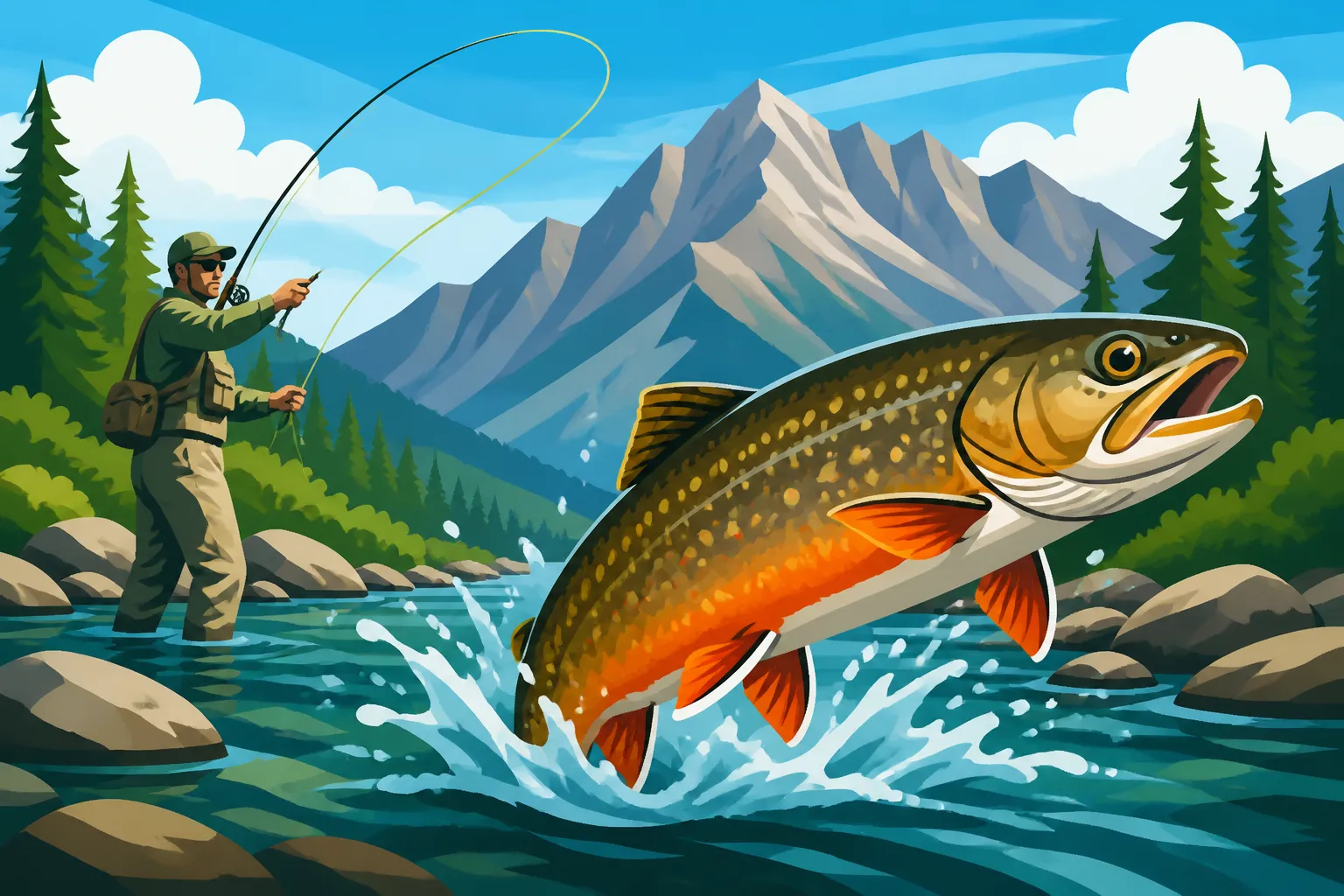
Brook trout, or "brookies" as many of us affectionately call them, are part of the char family, not true trout, but don't let that technicality fool you – they're every bit as captivating. What truly sets them apart is their stunning coloration. You'll often see a dark olive green back fading into lighter flanks, adorned with distinctive worm-like markings, known as vermiculations, across their back and dorsal fin. Along their sides, they sport vibrant red or orange spots, often encircled by a pale blue halo, creating a mosaic that is simply breathtaking. Their lower fins, particularly the pectorals, pelvic, and anal fins, are typically edged with white, followed by a black stripe, and then a fiery orange or red. It's a color palette that perfectly camouflages them in their rocky, vegetated stream environments.
Size-wise, brook trout in Idaho typically range from small, hand-sized fish in headwater streams, often 6-10 inches, to occasionally larger specimens in lakes or richer river systems, sometimes reaching 15-20 inches. Catching a brook trout over a pound in Idaho is definitely a trophy to be proud of. They are generally compact and robust, built for darting through currents and hiding amongst structure.
Native vs. Introduced Status in Idaho
Here's where the story gets interesting, and it's vital for any responsible angler to understand. While brook trout are native to eastern North America, they are not native to Idaho. They were introduced here decades ago, primarily in the late 19th and early 20th centuries, due to their hardiness and ability to thrive in cold mountain waters.
This distinction is crucial because where brook trout are not native, they can sometimes outcompete and displace native trout species, particularly our beloved Westslope Cutthroat Trout in Idaho and Yellowstone Cutthroat Trout in Idaho. They mature quickly, reproduce prolifically, and can become quite dominant. As such, in many parts of Idaho, particularly in streams and high mountain lakes that historically held native cutthroat, brook trout are considered an "undesirable" or "invasive" species from a fisheries management perspective. This often translates into very liberal regulations regarding their harvest, which we'll delve into more later. Understanding their introduced status helps you appreciate why certain regulations are in place and how you can contribute to conserving Idaho's native fish populations. You might even find that in some areas, the local fish and game authorities actually encourage you to keep every brook trout you catch!
Ecological Role and Impact
The impact of brook trout on Idaho's aquatic ecosystems is a double-edged sword. On one hand, they are a fantastic sport fish, offering challenging angling opportunities in some truly stunning settings. On the other, their aggressive nature and rapid reproduction can have significant consequences for native fish.
In many high-elevation lakes and headwater streams, brook trout have established self-sustaining populations, often at the expense of native cutthroat trout or bull trout. They are highly competitive for food and spawning habitat. This means that while you're enjoying the thrill of catching a beautifully colored brook trout, you're also participating in a larger ecological dynamic. Fisheries managers often use stocking programs for native species or liberal harvest limits for brook trout to try and mitigate these impacts. For example, in certain drainages, you'll find "no limit" rules on brook trout, specifically to reduce their numbers and give native species a better chance. Being aware of this helps you fish ethically and support local conservation efforts. Don't worry, catching and keeping brook trout where encouraged is actually a great way to help the ecosystem! It's a topic that underscores the importance of checking current Idaho Fishing Regulations Explained before you head out.
Where to Find Brook Trout in Idaho: Key Habitats
Brook trout are creatures of cold, clean water. If you can find those conditions in Idaho, especially in remote or high-elevation settings, you're likely to find brookies. They are not typically found in the large, warm rivers or reservoirs, but rather in the smaller, more pristine corners of the state.
High Mountain Lakes and Streams
This is arguably the quintessential brook trout habitat in Idaho. Think about those breathtaking alpine lakes nestled high in the Sawtooth, White Cloud, or Selkirk mountains. These lakes, often fed by snowmelt and cold springs, provide the perfect environment for brook trout to thrive. The water is consistently cold, well-oxygenated, and often has plenty of rocky structure for cover. While many of these lakes are stocked with rainbow or cutthroat trout, brook trout have frequently established wild, reproducing populations.
Fishing in these high mountain settings often means a hike, sometimes a substantial one, but the reward is usually worth it. Not only do you get to fish in some of the most scenic places on earth, but the fish themselves are often in incredible condition, sporting their most vibrant colors. Streams that feed into or out of these lakes, or those high up in remote drainages, are also prime brook trout territory. These smaller streams provide excellent hiding spots and abundant insect life. If you're looking for an adventure, hiking into a high mountain lake is probably your best bet for finding brookies. Many of these remote gems are mentioned in our guide to High Mountain Lakes Worth the Hike in the Sawtooths.
Lower Elevation Tributaries and Ponds
While the high mountains are classic, don't overlook some of the smaller, colder tributaries and ponds at slightly lower elevations, especially those that feed into larger river systems. These often-overlooked spots can hold surprisingly robust populations of brook trout. Think about the smaller creeks winding through national forests or even some private land that has cold spring inputs. These areas might not be as dramatic as an alpine lake, but they offer easier access and can be fantastic spots for an afternoon outing.
These lower-elevation areas are often less pressured by anglers targeting "trophy" fish, making them great for families or those looking for a more relaxed experience. You might not catch huge fish, but the numbers can be impressive. Always check local regulations, as access and rules can differ. Sometimes, small, isolated ponds that don't receive much attention can be hidden brook trout havens. They might be small, but they can offer consistent action.
Specific Idaho Regions Known for Brook Trout
Brook trout are widespread across Idaho, but some regions are particularly renowned for them:
- Central Idaho Mountains: The Sawtooths, Salmon River Mountains, and White Clouds are absolutely teeming with high mountain lakes and streams where brook trout thrive. Areas around Stanley, McCall, and Sun Valley will put you within reach of countless brook trout opportunities. This is arguably the heart of brook trout country in Idaho.
- Northern Idaho Panhandle: The remote drainages and high country lakes in the Selkirk and Cabinet mountain ranges, near towns like Sandpoint and Bonners Ferry, also offer excellent brook trout fishing. The dense forests and numerous small, cold water systems create ideal conditions.
- Eastern Idaho: While often known for its world-class cutthroat and rainbow fisheries, the higher elevation areas of Eastern Idaho, especially around Island Park and the Teton Valley, contain numerous creeks and small lakes with brook trout. The tributaries of the Snake River system in its upper reaches can also hold them.
No matter where you are in Idaho's mountains, if you find a cold, clear, relatively small body of water, it's worth investigating for brook trout. They are resilient and have found homes in many corners of the Gem State.
Best Techniques for Catching Brook Trout
Brook trout, despite their relatively small size, can be surprisingly challenging to catch due to their skittish nature and preference for specific lies. However, with the right approach and tackle, they are incredibly rewarding.
Light Tackle Spin Fishing
Spin fishing is an excellent way to target brook trout, especially for beginners or when covering a lot of water. The key is to think small and light.
- Lure Selection: Small spinners are king for brook trout. Think tiny Mepps, Panther Martins, or Rooster Tails in sizes #00 to #1. Silver, gold, copper, or even brightly colored patterns can be effective. Small spoons, like Kastmasters or Daredevles, in 1/16 to 1/8 oz sizes, also work well, mimicking small baitfish. Soft plastics, like tiny grubs or worms on a small jig head (1/32 to 1/16 oz), can also be deadly when fished slowly. When shopping for these, remember that Amazon often has a huge selection of small lures perfect for brook trout, and you can compare options easily.
- Presentation: Cast upstream or across the current and retrieve just fast enough to get your spinner blade rotating. Brook trout often hide behind rocks, logs, or in undercut banks, waiting to ambush prey. Focus your casts on these pockets and eddies. In lakes, cast towards visible structure or along drop-offs. A slow, steady retrieve often works best, but don't be afraid to experiment with slight jerks or pauses to impart more action.
- Bait Fishing: When allowed, natural baits like small worms (pieces of nightcrawlers) or salmon eggs can be incredibly effective, especially in smaller streams. Use a very small hook (size 10-14) with minimal weight, allowing the bait to drift naturally with the current. Sometimes, just a tiny split shot a foot or so above the hook is all you need. This technique is often the easiest for kids or beginners.
Fly Fishing for Brookies
For many, fly fishing for brook trout is the ultimate experience. It perfectly matches the small, wild nature of the fish and their habitats.
- Rods and Reels: A lightweight fly rod, typically a 2-weight to 4-weight, between 6 and 8 feet in length, is ideal. This setup allows for delicate presentations and makes even a small brook trout feel like a monster. A matching reel and floating fly line are standard.
- Fly Selection: Brook trout are opportunistic feeders, so a variety of flies can work.
- Dry Flies: When insects are hatching, small attractor patterns like an Adams, Parachute Adams, Royal Wulff, or Elk Hair Caddis in sizes 12-18 are often irresistible. Look for rising fish in quiet pools or eddies.
- Nymphs: During non-hatch periods, nymphs are usually your best bet. Pheasant Tail, Hare's Ear, Prince Nymph, and small stonefly nymphs in sizes 14-20 can be fished under a small indicator or by high-sticking.
- Streamers: Small streamers, such as Woolly Buggers (black, olive, or brown) in sizes 10-14, can imitate small baitfish or leeches. Strip these through deeper pools or across currents.
- Presentation: Stealth is paramount when fly fishing for brook trout. Approach the water carefully, as they spook easily. Make short, accurate casts to pockets, seams, and undercut banks. In streams, a "drift and mend" technique, similar to How to Fish for Cutthroat Trout in Mountain Streams, will help achieve a natural, drag-free presentation. In lakes, cast towards structure and allow your fly to sink, then retrieve with short, erratic strips.
Stealth and Approach
Regardless of whether you're spin fishing or fly fishing, your approach is just as important as your chosen technique. Brook trout, especially in clear, shallow mountain streams and lakes, are incredibly wary.
- Move Quietly: Avoid heavy footsteps or loud noises along the bank. These vibrations can travel through the water and alert fish to your presence.
- Stay Low and Hidden: Use stream-side vegetation, rocks, or terrain to your advantage. Avoid standing directly over the water or casting a long shadow over prime fishing spots. Kneeling or crouching can make a big difference.
- First Cast Counts: Often, the first cast into a promising spot is your best chance. Make it count by being accurate and subtle. If you spook a fish, move on to the next spot and come back later.
- Light Line: Use light line or tippet (2-4 lb test for spin fishing, 4x-6x for fly fishing). Heavy lines can be visible to the fish and deter strikes, especially in clear water. This kind of finesse approach applies to many trout species, but brookies truly embody the need for it.
Essential Gear for Idaho Brook Trout Fishing
Having the right gear makes all the difference when you're out chasing brook trout, whether it's for comfort, efficiency, or simply success. You don't need to break the bank, but a few key items will enhance your experience.
Rods, Reels, and Line
For brook trout, less is often more. You're generally targeting smaller fish in tighter quarters, so ultra-light setups are ideal.
- Spin Fishing:
- Rod: A 5' to 6'6" ultra-light or light action spinning rod is perfect. This will allow you to make delicate casts with small lures and feel every subtle bite. The lighter action makes even an 8-inch brook trout feel like a spirited fight.
- Reel: Pair it with a small spinning reel (size 500-1000). You don't need a lot of line capacity, just a smooth drag and comfortable retrieve.
- Line: 2-4 pound test monofilament or fluorocarbon line is usually sufficient. Monofilament has more stretch, which can be forgiving, while fluorocarbon is less visible underwater and offers more sensitivity. Some anglers prefer braided line with a fluorocarbon leader for increased sensitivity and casting distance with tiny lures.
- Fly Fishing:
- Rod: A 2-weight to 4-weight fly rod, typically 6 to 8 feet long, is the sweet spot. Anything heavier will overpower the fish and make delicate presentations difficult.
- Reel: A small, lightweight fly reel that balances your rod. A simple click-and-pawl or disc drag reel is perfectly adequate; you won't need a powerhouse drag for brook trout.
- Line: A weight-forward floating fly line that matches your rod weight is standard. This allows for easy casting and presentations of dry flies and nymphs. A tapered leader (7.5-9 feet, 4x-6x) and tippet of similar strength will complete your setup.
For both spin and fly setups, considering buying gear through Amazon can give you a lot of options across different price points, and you can read reviews to find gear that fits your style and budget.
Lures, Flies, and Bait
This is where you can really tailor your approach to the conditions and the fish's mood.
- Spin Fishing:
- Spinners: Stock up on small (size #00 to #1) Mepps Aglia, Panther Martin, and Rooster Tail spinners in silver, gold, and brass finishes. Chartreuse, orange, or black blades can also be effective.
- Spoons: Keep a few 1/16 to 1/8 oz Kastmasters or Little Cleos on hand.
- Soft Plastics: Tiny grubs (1-2 inches) in white, black, or natural colors, rigged on 1/32 or 1/16 oz jig heads.
- Natural Bait: Small containers of worms or salmon eggs can be invaluable if fish are finicky, or for fishing with children.
- Fly Fishing:
- Dry Flies: Adams, Parachute Adams, Royal Wulff, Elk Hair Caddis (size 12-18). Also, consider ant and beetle patterns (size 14-18) during summer.
- Nymphs: Pheasant Tail, Hare's Ear, Prince Nymph, Copper John, Squirmy Wormy (size 14-20).
- Streamers: Small Woolly Buggers (black, olive, brown) (size 10-14).
- Terrestrials: Grasshopper or beetle patterns (size 10-14) can be deadly during late summer and early fall.
Many of these specific patterns and sizes are discussed further in our Best Lures for Idaho Trout Fishing guide.
Wading Gear and Other Essentials
Beyond your rod and reel, a few other items are crucial for a comfortable and safe brook trout outing.
- Waders and Boots: If you're fishing smaller streams or wading into the edges of mountain lakes, a good pair of breathable chest waders and wading boots with felt or sticky rubber soles will keep you dry and provide traction. Many brook trout spots require some wading to reach prime lies.
- Layered Clothing: Mountain weather can change quickly. Dress in layers, including a moisture-wicking base layer, insulating mid-layers, and a waterproof/windproof outer shell. Even in summer, evenings can be cool, especially at higher elevations.
- Small Backpack/Vest: You'll want something to carry your tackle, water, snacks, first-aid kit, and an extra layer. A fishing vest with plenty of pockets or a small daypack works well.
- Sun Protection: Sunscreen, a wide-brimmed hat, and polarized sunglasses are non-negotiable. Sunglasses not only protect your eyes but also help you spot fish and submerged structure.
- Net: A small, lightweight landing net with a rubber mesh is ideal for safely landing and releasing fish, especially if you plan to practice catch and release.
- Navigation: If you're heading into the backcountry, a map, compass, or GPS device (and knowing how to use them!) is essential. Cell service is often nonexistent in remote brook trout haunts. This is definitely something to remember, especially if you're taking a What Gear to Pack for a Sawtooth Backcountry Fishing Trip.
- Water and Snacks: Staying hydrated and fueled is important, particularly on longer hikes or full days of fishing.
Regulations and Conservation for Brook Trout in Idaho
Understanding Idaho's fishing regulations is absolutely paramount for any angler, and brook trout often have specific rules due to their introduced status. It's not just about avoiding a fine; it's about being a responsible steward of Idaho's fisheries.
Understanding Bag Limits and Size Restrictions
Idaho has a well-deserved reputation for incredible fishing, but with that comes the responsibility of adhering to the rules. For brook trout, these rules can vary significantly depending on the specific water body.
- General Rules: In many general regulation waters, brook trout might fall under a blanket trout limit (e.g., 6 trout total).
- Liberal Harvest Areas: However, in many areas where brook trout are considered invasive or are overpopulated, regulations are much more liberal. You might find "no limit" rules, or very high bag limits (e.g., 25 brook trout) with no size restrictions. This is often an intentional management strategy to reduce their numbers and benefit native species like cutthroat or bull trout.
- Specific Water Regulations: The most important thing to remember is that regulations are often water-body specific. A lake might have a different rule than the stream flowing into it. Always consult the current Idaho Fishing Regulations Explained brochure or the Idaho Fish and Game website before you go. This brochure will detail the Idaho Catch Limits and Bag Limits Explained for each specific water. It can be a little daunting to sift through, but it's absolutely necessary.
- Catch Record Cards: While less common for general brook trout fishing, if you happen to be in an area with specific species like steelhead or Chinook salmon, you might need a Idaho Catch Record Card Requirements. For brook trout, however, simply knowing the bag and size limits for your specific location is usually the main concern.
Always double-check the regulations for the specific stream, river section, or lake you plan to fish. Misinterpreting the rules can lead to legal trouble, and more importantly, can harm the very fisheries we all cherish.
Catch and Release Practices
Even in areas with liberal harvest limits for brook trout, catch and release is sometimes practiced, especially by anglers targeting larger specimens or those who simply enjoy the sport without the intent to keep fish.
- Minimizing Harm: If you choose to release brook trout, handle them with care. Use wet hands to minimize the removal of their protective slime coat. Remove hooks quickly and gently. Barbless hooks greatly aid in this process.
- Deeply Hooked Fish: If a fish is deeply hooked and removing the hook would cause significant trauma, it's often best to cut the line as close to the hook as possible, especially if you are in an area where harvest is encouraged.
- Reviving Fish: Hold the fish gently in the water, facing upstream, until it can swim away under its own power. Don't simply toss it back; ensure it's revived and strong enough to survive.
While regulations might encourage keeping brook trout in certain areas to manage their population as an Invasive Fish Species Found in Idaho Waters, if you do choose to release, doing so responsibly is important for the fish's survival and for the health of the entire fishery.
Managing Invasive Populations
The fact that brook trout are often considered an invasive species in Idaho means that fishing for them isn't just a leisure activity; it can be an act of conservation. Where they outcompete native fish, reducing their numbers can have a positive impact.
- Why Harvest is Encouraged: In many high mountain lakes and headwater streams, Idaho Fish and Game actively encourages anglers to keep all brook trout caught. This isn't because they're trying to deplete the fishery; it's a strategic move to reduce competition for native species, which are often less numerous or more vulnerable. By keeping brook trout, you're helping to restore the ecological balance and give species like native cutthroat a better chance to thrive.
- Check Signs and Brochures: Always look for signs at trailheads or boat launches, and refer to the current regulations brochure. It will often explicitly state if brook trout limits are relaxed or if harvest is encouraged. This proactive approach ensures you're aligning with local management goals.
- The Big Picture: Participating in brook trout fishing in Idaho often means being part of a larger conservation effort. It's a unique situation where your fishing success, in terms of harvest, can directly contribute to the health of the native ecosystem. So, if you catch a stringer full of brookies in a designated area, know that you're doing a service for Idaho's wild places. Plus, they make for some excellent eating! Our guide on Best Fish to Eat from Idaho Waters can give you some cooking ideas.
The Brook Trout Experience: Why Anglers Love Them
Beyond the regulations and the gear, there's a certain magic to brook trout fishing that keeps anglers coming back year after year. It's a combination of their aesthetic beauty, the challenge they present, and the pristine environments they call home.
Beauty and Challenge
There's no denying the sheer beauty of an Idaho brook trout. Their vibrant colors, the intricate patterns of vermiculations, and the contrasting white and red fins make them one of the most visually stunning fish an angler can encounter. Holding a freshly caught brookie, its colors popping in the sunlight, is a moment many anglers cherish. They're like living jewels from the cold mountain streams.
But their appeal isn't just skin deep; brook trout offer a unique challenge. They are often incredibly wary, requiring a stealthy approach and precise presentation. In small, clear streams, they are masters of evasion, darting into cover at the slightest disturbance. On light tackle, even a small brook trout puts up a surprisingly spirited fight, with quick runs and acrobatic leaps that keep you on your toes. This combination of exquisite beauty and challenging sport creates a deeply satisfying fishing experience. It's not about the size of the fish, but the quality of the engagement.
Remote Wilderness Access
One of the greatest joys of brook trout fishing in Idaho is the gateway it provides to some of the state's most pristine and remote wilderness areas. To find the best brook trout fishing, you often have to leave the paved roads behind and embark on a hike into the mountains. This journey itself becomes part of the adventure.
Imagine trekking through an old-growth forest, the air crisp and clean, the only sounds being the rustle of leaves and the distant call of a hawk. You cross crystal-clear streams, pass by towering peaks, and finally arrive at a secluded alpine lake, its surface reflecting the endless blue sky. These are the places where brook trout thrive, far from the hustle and bustle of everyday life. This deep dive into nature is therapeutic and invigorating. It’s an opportunity to disconnect and immerse yourself in the wild. Whether it's a short hike or a multi-day backpacking trip, the chance to fish in these untouched environments adds an unparalleled dimension to the experience. For those who love both hiking and fishing, it's the perfect combination.
Table Fare
While catch and release is often promoted for many trout species, brook trout present a delightful exception in many Idaho waters. As we discussed, their prolific nature and non-native status in many areas mean that harvest is often encouraged by fisheries managers. And trust me, these fish are delicious!
Brook trout from cold, clean mountain waters have firm, flaky, and delicate white or pink flesh. They have a mild, sweet flavor that makes them an excellent choice for a fresh-caught meal. Pan-fried with a simple seasoning of salt, pepper, and maybe a little cornmeal, they are a true culinary treat after a long day on the water. They are also excellent baked, grilled, or even smoked. The experience of catching your own dinner in a pristine mountain setting, then cooking it over a campfire, is one of the most satisfying aspects of a wilderness fishing trip. Just remember to check those specific regulations for the water you're fishing to ensure you're harvesting responsibly and legally.
Brook trout fishing in Idaho offers a unique blend of challenge, natural beauty, and the satisfaction of a delicious meal. It’s a chance to connect with the wild heart of Idaho and create unforgettable memories.
Disclaimer
This article is for general informational purposes only and does not constitute professional advice. Laws, prices and regulations vary by location and change over time. Consult a qualified professional for guidance on your specific situation.