Idaho Cutthroat Trout Fishing Guide
Many anglers dream of chasing Idaho's wild, native trout, but the sheer diversity of waters and regulations can feel overwhelming, making it tough to know where to even begin. This comprehensive guide is here to untangle the complexities of fishing for Idaho's iconic cutthroat trout, offering seasoned advice on locating them, the best gear to use, effective techniques, and how to contribute to their conservation.
The Iconic Idaho Cutthroat Trout: A True Gem of the Gem State
Idaho is a place of wild rivers and high mountain lakes, and at the heart of much of its pristine angling experience is the cutthroat trout. These fish aren't just another species; they're a symbol of Idaho's unspoiled wilderness, a living connection to the state's natural heritage. For many of us, the sight of that vibrant slash of orange or red under the jaw is what truly defines a successful day on the water in Idaho.
What Makes Cutthroat Trout So Special?
Unlike some of the other trout species found in Idaho, cutthroat are native to these waters, evolving over millennia to thrive in the cold, clear streams and lakes that crisscross our beautiful state. Their resilience and beauty are truly remarkable. They often exhibit stunning coloration, from olive backs and golden flanks to those distinctive red or orange "cut" marks on their lower jaw that give them their name. Each river or lake seems to produce fish with slightly different hues, adding to their allure.
Beyond their looks, cutthroat trout are often found in breathtakingly scenic locations. Picture yourself casting a dry fly on a high mountain lake in the Sawtooths, surrounded by granite peaks and pine forests, or wading a secluded forest stream where the only sounds are the rustle of leaves and the rush of water. These are the experiences that cutthroat fishing provides, making every catch feel like a reward for venturing into Idaho's wild heart. They might not always be the biggest fish in the river, but their wild spirit and the places they inhabit make them truly unforgettable.
They're also a challenge, in the best possible way. Cutthroat, especially in heavily fished areas or crystal-clear waters, can be incredibly selective and easily spooked. This means you really have to sharpen your angling skills, paying attention to presentation, fly selection, and stealth. It’s not just about catching a fish; it’s about engaging in a thoughtful pursuit that connects you deeply with the environment. That moment when a wild cutthroat rises delicately to your perfectly presented dry fly is pure magic, a testament to patience and skill that keeps us coming back for more.
Westslope vs. Yellowstone: Understanding the Subspecies
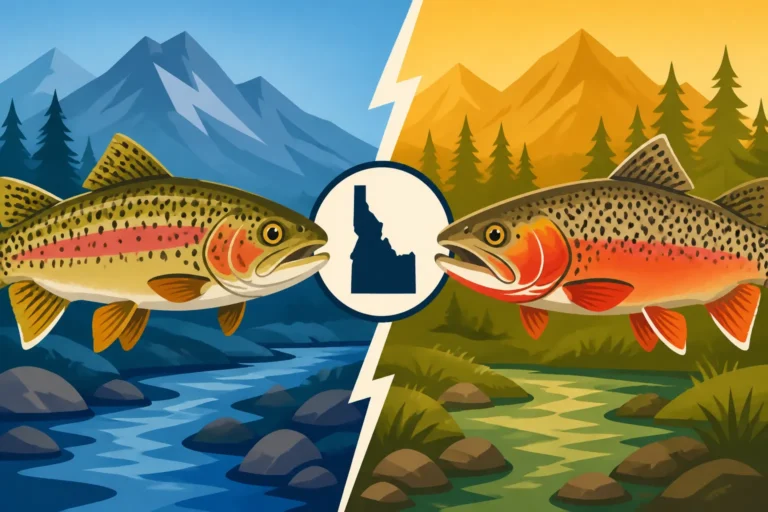
When you talk about cutthroat trout in Idaho, you're primarily talking about two main native subspecies: the Westslope cutthroat trout and the Yellowstone cutthroat trout. While both share that tell-tale red slash, they have distinct geographical distributions and subtle differences in appearance and behavior that are fascinating to learn about. Understanding which subspecies you're targeting can even influence your approach and appreciation for the fishery.
The Westslope cutthroat trout, often characterized by smaller, more defined spots concentrated towards the tail, typically calls the drainages of North and Central Idaho home. Think of the Clearwater, St. Joe, and parts of the Salmon River systems. They thrive in tributary streams and smaller rivers, often displaying a beautiful bronze or silvery sheen. These fish are renowned for their willingness to rise to a dry fly, making them a favorite among fly anglers who love surface action. Their habitat is usually rugged, forested country, and chasing them often means a hike into some truly wild places. For more in-depth information, check out our guide on Westslope Cutthroat Trout in Idaho.
On the other side of the state, primarily in the eastern drainages, you'll find the Yellowstone cutthroat trout. These fish are generally a bit more robust in body shape and often have larger, more irregularly shaped spots spread across their entire body, including their head. They dominate famous waters like the South Fork of the Snake River and its tributaries, as well as the Snake River Plain drainages. Yellowstone cutthroat can grow to impressive sizes, especially in lakes and larger river systems, and are known for their strong fights. Their territories often include high plains rivers and larger bodies of water that feed into the greater Yellowstone ecosystem. If you're planning a trip to these areas, our guide on Yellowstone Cutthroat Trout in Idaho will be incredibly helpful.
Native Habitat and Conservation Efforts
Idaho’s cutthroat trout are incredibly sensitive to changes in their environment, which is why understanding their native habitat and the conservation efforts protecting them is so crucial. These fish thrive in cold, clean, well-oxygenated water, often found in pristine mountain streams, rivers, and high-elevation lakes. They need healthy riparian zones with plenty of shade from trees and shrubs to keep water temperatures down, and complex stream structures like logjams and undercut banks provide essential cover from predators and strong currents. A healthy cutthroat population is often a good indicator of the overall health of a watershed.
Unfortunately, these native populations have faced significant challenges over the past century, primarily from habitat degradation due to logging, mining, and agricultural practices, as well as competition and hybridization with non-native trout species, particularly rainbow trout. Stocking of non-native species for sport fishing, while well-intentioned, often introduced diseases and genetic dilution, threatening the pure genetic strains of cutthroat. This historical impact highlights why current conservation efforts are so vital for their survival.
Today, various organizations, including the Idaho Department of Fish and Game and numerous angling groups, are working tirelessly to restore and protect cutthroat populations. This includes habitat restoration projects, removing barriers to fish migration, and aggressive management of non-native species in key cutthroat strongholds. Anglers play a critical role in these efforts, too, by adhering to specific regulations, practicing responsible catch and release, and supporting conservation initiatives. Every time you consciously release a wild cutthroat or check the current regulations, you're contributing to the long-term health of these precious fish. These efforts are making a real difference in preserving Idaho Fish Species Guide for future generations.
Where to Find Idaho's Cutthroat Trout: Top Waters and Regions
Idaho offers an incredible array of fishing opportunities, and knowing where to focus your efforts for cutthroat trout can save you a lot of time and lead to more rewarding experiences. From the dense forests of the Panhandle to the dramatic canyons of Central Idaho and the sprawling plains of the east, each region offers unique environments where these beautiful fish thrive. It’s like a treasure hunt, and Idaho has many X-marks-the-spot for cutthroat.
North Idaho's Wild Westslopes
If you're looking to chase Westslope cutthroat, North Idaho is an absolute paradise. The Panhandle region is crisscrossed with countless clear, cold streams and rivers tumbling out of the mountains, providing ideal habitat for these native fish. Many of these waters are nestled within dense forests, offering a true wilderness experience. The challenge here often lies in accessing these remote stretches, but the reward is usually abundant, eager-to-please cutthroat that readily rise to a dry fly.
The St. Joe River, often called the "Joe," is one of the crown jewels for Westslope cutthroat. This river, particularly its upper stretches, flows through incredibly scenic country and offers exceptional dry fly fishing. It's a fantastic place to cast smaller dries and terrestrials throughout the summer and fall. Further north, the Coeur d'Alene River system, with its North Fork and various tributaries, also holds healthy populations of Westslopes. These rivers provide a mix of wade-fishing opportunities and sections that can be floated, allowing anglers to cover more water and explore different types of habitat. You’ll find these fish tucked into undercut banks, behind boulders, and in the seams of faster currents.
Beyond the major rivers, don't overlook the myriad of smaller feeder streams and high mountain lakes scattered throughout the Clearwater National Forest and other wilderness areas in North Idaho. Many of these require a bit of a hike, but they often hold populations of untouched, feisty Westslopes. Always remember that specific regulations can vary by waterbody, so checking the latest Idaho Fishing Regulations Explained is a must before you head out. These backcountry gems often reward the persistent angler with solitude and some of the most beautiful fish you’ll ever encounter.
Central Idaho's Pristine Mountain Streams
Central Idaho is home to some of the most rugged and breathtaking landscapes in the state, and it’s also a stronghold for robust populations of Westslope cutthroat trout. This region is dominated by the vast Frank Church-River of No Return Wilderness, the Sawtooth National Recreation Area, and the formidable Salmon River drainage. Here, the fishing experience is as much about the journey and the stunning scenery as it is about the fish themselves. Prepare for adventure and solitude when you venture into these parts.
The Salmon River, often referred to as the "River of No Return," and its numerous forks and tributaries, are classic cutthroat waters. The Middle Fork of the Salmon, in particular, is world-renowned for its pristine wilderness and incredible Westslope cutthroat fishing. Access to many of these sections is limited to float trips or serious backcountry hiking, which helps preserve their wild character. Anglers on these rivers often find themselves surrounded by towering canyons and abundant wildlife, making for an unforgettable experience. The fish here are strong, acrobatic, and incredibly responsive to well-presented flies.
In the Sawtooths, you'll discover a labyrinth of crystal-clear alpine lakes and cold, tumbling streams that are perfect for cutthroat. Places like Redfish Lake and its inlet streams, or the hundreds of smaller, unnamed lakes tucked high in the mountains, are brimming with native Westslopes. Reaching many of these requires significant hiking, often with overnight backpacking trips, but the reward is usually stunning scenery and eager cutthroat that haven't seen many flies. These high-country fish, though often smaller, are vibrant and aggressive, making every catch feel truly earned. For more ideas on where to go, consult our Best Fishing Spots in Idaho guide.
Eastern Idaho's Yellowstone Cutthroat Strongholds
When your sights are set on the Yellowstone cutthroat trout, Eastern Idaho is where you'll want to focus your attention. This region, bordering Wyoming and extending into the Greater Yellowstone Ecosystem, boasts some of the most famous and productive cutthroat fisheries in the world. The landscape here transitions from forested mountains to more open, expansive river valleys, but the quality of the fishing remains consistently exceptional, often producing larger-than-average cutthroat.
The South Fork of the Snake River is arguably the most iconic Yellowstone cutthroat fishery in Idaho. This broad, powerful river flows through a mix of agricultural land and wild canyon sections, providing diverse habitat for impressive numbers of large, feisty cutthroat. It’s primarily a float-fishing river, with guides and private boaters drifting its famous stretches, but wade-fishing opportunities exist in some areas, especially in the tributaries. The South Fork is known for prolific insect hatches, making it a dry fly angler's dream, especially during the peak summer months when salmonflies and other large insects are active.
Beyond the South Fork, the various tributaries feeding into the Snake River system in Eastern Idaho, such as the Teton River and its branches, also hold significant populations of Yellowstone cutthroat. Many of these are smaller, more intimate streams that offer excellent wade-fishing. Lakes in the region, like Palisades Reservoir, also support healthy cutthroat populations, especially near their inlet streams. It’s crucial to remember that this subspecies is a focal point of conservation, so familiarizing yourself with Idaho Catch Limits and Bag Limits Explained for specific waters is paramount to ensure you're fishing responsibly and helping protect these invaluable native fish.
Essential Gear for Idaho Cutthroat Trout Fishing
Having the right gear makes all the difference when you're out chasing cutthroat in Idaho's diverse waters. It's not just about having a rod and reel; it's about choosing the right tools for the specific conditions you'll encounter, from delicate high-country streams to powerful mainstem rivers. The good news is that much of the gear is versatile, but some specialized items can greatly enhance your success and comfort.
Rods, Reels, and Lines for Fly Anglers
For fly anglers, selecting the right rod and reel setup is paramount for cutthroat. For most of Idaho's cutthroat waters, especially the smaller streams and high mountain lakes where Westslopes are common, a lightweight setup is ideal. A 3-weight or 4-weight fly rod, typically 7.5 to 9 feet long, offers the perfect balance of delicacy for presenting small dry flies and enough backbone to handle a feisty cutthroat. These lighter rods protect fine tippets and make the fight with even a modest-sized trout feel exciting. Pair this with a lightweight, single-action click-and-pawl or disc-drag reel that balances the rod well, ensuring smooth line retrieval and enough drag to control runs if you hook into a larger fish.
If you're targeting the larger Yellowstone cutthroat on rivers like the South Fork of the Snake, or if you expect to encounter wind or need to cast larger streamers, a slightly heavier setup might be more appropriate. A 5-weight or even a 6-weight rod, 9 to 9.5 feet long, will give you more power for casting and fighting bigger fish, as well as handling nymph rigs with indicator and split shot. For these setups, a reliable disc-drag reel with a smooth, adjustable drag system is a good investment. Many popular brands offer excellent mid-range options that you can easily find on Amazon, giving you plenty of choices without breaking the bank.
Line selection is just as important. A weight-forward floating line is the standard for most cutthroat fishing, allowing for easy casting and excellent presentation of dry flies and nymphs. For specialized techniques like nymphing in deeper runs, you might consider a nymph-specific line or even a sinking tip line if you plan to throw streamers in faster water. Always match your line weight to your rod weight for optimal performance. Don't forget a tapered leader, usually 7.5 to 9 feet long with a breaking strength appropriate for your target fish, and a selection of fluorocarbon or monofilament tippet ranging from 4X to 6X for delicate presentations.
Spin Fishing Setups for Cutthroat
While fly fishing is incredibly popular for Idaho cutthroat, spin fishing can be a highly effective and enjoyable method, especially for beginners, kids, or when conditions don't favor delicate fly presentations. A light or ultralight spinning rod is your best friend here. Look for a rod in the 5 to 6.5-foot range with a fast or moderate-fast action, which provides enough sensitivity to feel subtle bites and enough flex to absorb the shocks of a fighting trout on light line.
Pair your rod with a small spinning reel, typically in the 1000 to 2500 series size, loaded with 4 to 6-pound test monofilament or braided line. Braided line offers superior sensitivity and casting distance, but you'll want to add a fluorocarbon leader (4 to 6-pound test) of about 3 to 6 feet to make your presentation less visible to wary cutthroat. This setup is perfect for casting small spinners, spoons, and soft plastic baits into pools, runs, and eddies where cutthroat often hold. It's a fantastic way to cover a lot of water and can be particularly effective in larger rivers or lakes where cutthroat might be feeding on baitfish.
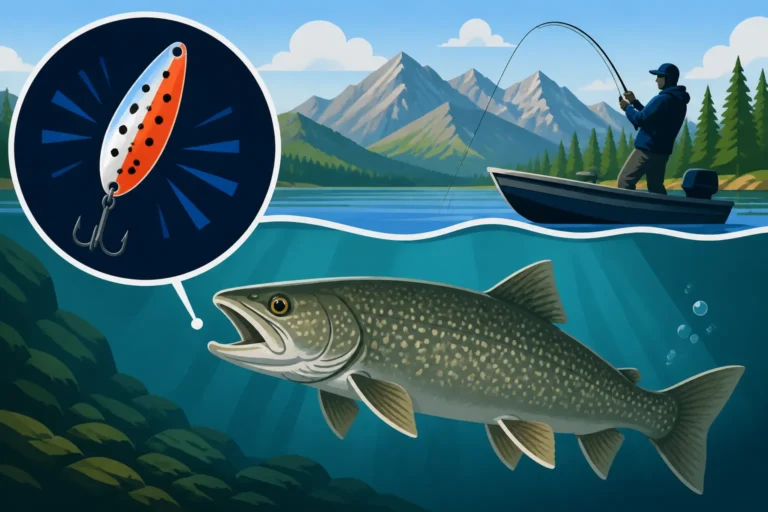
When choosing lures, think small and natural. Inline spinners from brands like Panther Martin or Mepps in sizes #0 to #2, with silver, gold, or copper blades, are perennial favorites. Small casting spoons, like Kastmasters or Little Cleos, in similar metallic colors or with subtle patterns, can also be deadly, especially in lakes or wider river sections. Soft plastic baits, such as small grub tails or worms fished under a float or on a light jig head, can imitate aquatic insects or small forage fish and can be incredibly effective when cutthroat are finicky. Many of these excellent lures are readily available on Amazon, allowing you to stock up before your trip.
Waders, Boots, and Other Must-Have Accessories
Beyond your rod and reel, a few key accessories will significantly enhance your comfort, safety, and success while cutthroat fishing in Idaho. First and foremost, a good pair of waders and wading boots is essential for accessing many prime fishing spots and staying comfortable in cold water. Chest waders made from breathable materials like Gore-Tex are highly recommended, as they offer full protection and allow you to stay dry and comfortable even on longer days. Neoprene waders can be warmer for colder conditions but are less breathable.
Wading boots with felt soles or rubber soles with studs provide crucial traction on slippery river bottoms. Always prioritize safety when wading, especially in swift currents; a wading staff can be an invaluable tool for stability. Beyond the basic apparel, don't forget the small but mighty tools. A good fishing vest or chest pack will keep your flies, leaders, nippers, hemostats, and other essentials organized and easily accessible. A net with a rubber bag is important for safely landing and releasing fish, minimizing harm to their delicate protective slime layer.
Polarized sunglasses are non-negotiable for spotting fish, reading water, and protecting your eyes from UV rays and errant hooks. Sunscreen, a wide-brimmed hat, and insect repellent (especially during summer) are also crucial for your comfort. Finally, always carry a small first-aid kit, a water bottle, and snacks, especially if you're venturing into remote areas. Having a multi-tool can also save the day for unexpected repairs. You can easily find high-quality versions of most of these accessories on Amazon, ensuring you're well-equipped for your Idaho cutthroat adventure.
Mastering Cutthroat Trout Fishing Techniques
Catching Idaho’s elusive cutthroat trout often requires a blend of skill, observation, and adaptability. These fish, particularly the wild native strains, can be incredibly discerning, making a thoughtful approach far more effective than just casting blindly. Whether you prefer the finesse of fly fishing or the versatility of spin fishing, understanding specific techniques will greatly increase your chances of success. Our comprehensive Idaho Fishing Techniques Guide is a great resource to expand your knowledge.
Fly Fishing Strategies: Dry Flies, Nymphs, and Streamers
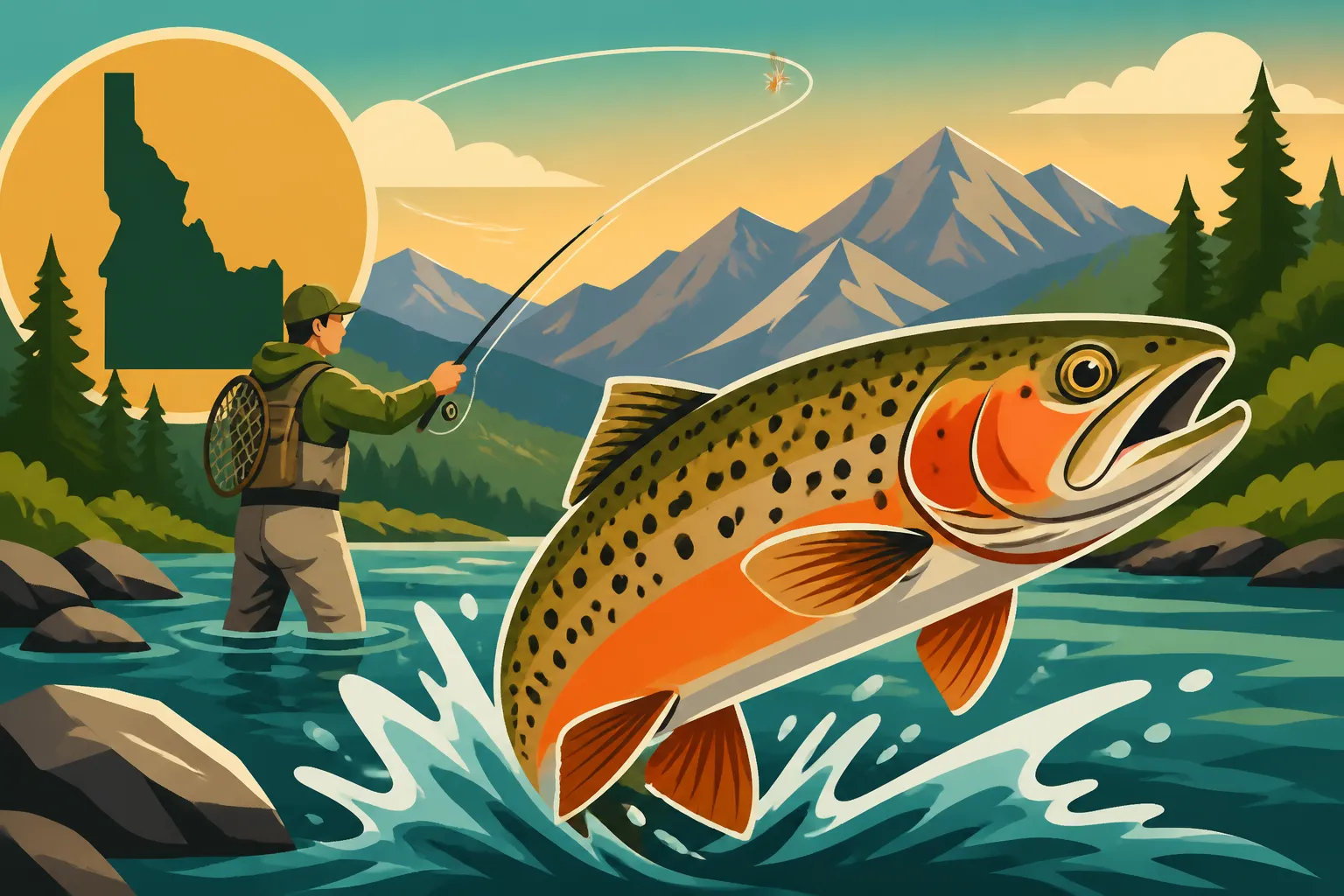
Fly fishing for cutthroat trout is an art form, and the beauty of it lies in matching your imitation to what the fish are actually eating. The most exhilarating method for many is dry fly fishing, where you present an artificial insect pattern on the surface of the water, mimicking a natural insect. Cutthroat are renowned for their willingness to rise to a dry fly, especially Westslopes in smaller streams and Yellowstone cutthroat during prolific hatches on rivers like the South Fork of the Snake. Focus on delicate presentations, often upstream or up-and-across, allowing your fly to drift naturally without drag. Popular dry fly patterns include Parachute Adams, Elk Hair Caddis, stimulators, and various terrestrials like hoppers and ants, especially during late summer.
When fish aren't actively rising, or when they're holding in deeper pockets and runs, nymph fishing becomes incredibly effective. This technique involves presenting subsurface imitations of aquatic insect larvae and pupae, which constitute a significant portion of a trout's diet. You can fish nymphs under an indicator (a small float that signals strikes), or with a tight-line "Euro-nymphing" approach for maximum sensitivity. Focus on getting your nymphs down to the fish’s feeding zone, often near the bottom, and mend your line frequently to achieve a drag-free drift. Effective nymph patterns include Hare's Ear, Pheasant Tail, Prince Nymph, and various stonefly and caddis larva imitations. These are often fished in tandem, with a heavier nymph anchoring a lighter one.
Finally, don't underestimate the power of streamers, particularly for larger cutthroat or when targeting fish in more aggressive feeding moods, perhaps during low light conditions or when water is slightly off-color. Streamers imitate baitfish, leeches, or other larger prey. They are fished by casting across or downstream and then stripping them back with varying retrieves, mimicking a fleeing or injured baitfish. This can provoke a reaction strike even from less active fish. Woolly Buggers, Sculpzillas, and various articulated patterns are excellent choices. How to Fly Fish in Idaho will offer even more detailed tactics for these methods.
Effective Spin Fishing Lures and Baits
Spin fishing for cutthroat, while often less associated with the species than fly fishing, can be incredibly productive and is accessible to anglers of all skill levels. The key is to use lures and baits that effectively mimic the natural food sources of cutthroat or trigger their predatory instincts. Small, subtle presentations are often best, as cutthroat can be wary.
Inline spinners are probably the most classic and consistent choice. Brands like Mepps and Panther Martin in sizes #0 to #2 (sometimes #3 for larger rivers/lakes) are deadly. The flash and vibration mimic small baitfish or larger aquatic insects, and cutthroat often hit them aggressively. Experiment with blade colors like silver, gold, or black, and try different retrieval speeds. Cast them upstream and retrieve just fast enough to get the blade spinning, or cast across and let them swing through likely holding water.
Small casting spoons like Kastmasters, Little Cleos, or Crocodile spoons are also highly effective, especially in larger pools, lakes, or wider river sections. Their wobbling action imitates injured baitfish, and their weight allows for long casts. Vary your retrieve, incorporating pauses and twitches to entice strikes. For bait, if regulations allow (always check first!), natural offerings like worms, salmon eggs, or even scented soft plastics can be very productive. Worms fished on a light hook with minimal weight or under a small float can be irresistible. PowerBait or similar scented dough baits are also popular for stocked cutthroat in easily accessible ponds and lakes.
Reading the Water: Where Cutthroat Hide
One of the most crucial skills for any cutthroat angler, regardless of their preferred technique, is the ability to "read the water" – understanding where fish are likely to hold and feed. Cutthroat, like most trout, seek out areas that provide a combination of food, cover, and favorable water temperatures, all while expending minimal energy. Learning to identify these spots will drastically improve your success.
In rivers and streams, look for current seams, where fast water meets slow water. These are prime feeding lanes because food washes down the faster current, and fish can hold in the slower water, darting out to snatch morsels as they pass. Pocket water, characterized by boulders and irregular currents, also holds cutthroat. Fish will sit in the quiet pockets behind obstacles, waiting for food. Undercut banks and fallen logs provide excellent overhead cover from predators and strong currents, and cutthroat love to tuck into these sheltered spots. Deep pools, especially those with some current, often hold the largest fish, particularly during brighter parts of the day.
In lakes and reservoirs, cutthroat often cruise the shorelines, especially near drop-offs or points, where they can intercept baitfish or insects. Inlet and outlet streams are also hotspots, as these areas often have current and a steady supply of food. During warmer months, cutthroat may retreat to deeper, cooler water, so targeting areas where cold springs enter the lake or fishing early and late in the day can be effective. Pay attention to surface activity – rising fish indicate an active hatch and an opportunity for dry fly fishing. Even subtle disturbances or shadows can hint at a fish's presence. Learning these visual cues is a game-changer for any angler, allowing you to approach the water with confidence and precision.
Best Times and Seasons for Cutthroat Trout
Fishing for Idaho's cutthroat trout is a year-round possibility in some waters, but certain seasons and conditions offer peak opportunities for different types of experiences. Understanding the seasonal movements and feeding patterns of these fish can help you plan your trip for maximum enjoyment and success. Each season presents its own unique challenges and rewards.
Spring: Post-Runoff Opportunities
Spring in Idaho is a season of transition, marked by snowmelt and often significant runoff, which can make river fishing challenging due to high, muddy water. However, it also brings the promise of renewed life and, eventually, excellent fishing. As the snowpack melts and waters begin to clear and recede, usually from late May into June, conditions can become fantastic. The post-runoff period often sees cutthroat becoming very active as water temperatures stabilize and insect hatches begin to pick up.
During early spring, as ice comes off high-country lakes and lower elevation rivers start to clear, fish are often hungry after a long winter. They'll be looking for readily available food sources, which can include nymphs, emerging caddis, and early stoneflies. As waters warm, especially in the afternoons, cutthroat will move into shallower areas to feed. Look for smaller tributaries that clear faster than main rivers, or lake edges where the sun has warmed the water slightly. This can be a prime time for nymphing or throwing streamers in rivers, and bait fishing in lakes where it's permitted.
Once the major runoff subsides and rivers drop and clear, often by early to mid-June in many areas, spring gives way to prolific hatches. Green Drakes, Golden Stones, and various caddis can emerge, bringing cutthroat to the surface in droves. This is an incredible time for dry fly fishing on many of Idaho's famous cutthroat rivers. However, be prepared for variable weather – spring in the mountains can bring sunshine, rain, and even snow on the same day. Always check the river flows and clarity before you head out, and consult resources like the Idaho Fishing Season Dates and Limits for specific opening times.
Summer: Hatches and High Country Access
Summer is arguably the most popular time to fish for cutthroat trout in Idaho, and for good reason. Warmer weather opens up access to virtually all of the state's waters, including the high mountain lakes that remain frozen through much of the year. This season is synonymous with consistent insect hatches and abundant terrestrial activity, making it a dry fly angler's paradise. Long days allow for extended time on the water, and the scenery is simply unparalleled.
From late June through August, expect a smorgasbord of insect life. Rivers like the South Fork of the Snake will experience massive salmonfly and golden stonefly hatches, bringing out the biggest fish for aggressive surface feeding. Later in the summer, smaller caddis, mayflies, and Tricos will dominate, alongside a huge variety of terrestrials like grasshoppers, ants, and beetles. Fishing large dry flies along grassy banks or beneath trees can be incredibly effective during this time. Cutthroat are often actively looking up, making for exciting visual fishing experiences.
High mountain lakes, accessible once snow melts from trails, become prime destinations for Westslope cutthroat. These fish, often smaller but incredibly numerous and feisty, will eagerly take dry flies, nymphs, and small spinners. Backpacking into these remote lakes offers solitude and a chance to catch trout in truly wild settings. However, be mindful of water temperatures in rivers during the hottest part of summer; if temperatures climb too high, it can stress trout, and it's best to fish early mornings or late evenings, or even consider giving the fish a break until conditions cool. Also, always keep an eye on fire danger, as wildfires can impact summer fishing access and air quality.
Fall: Aggressive Feeding Before Winter
As summer gives way to fall in Idaho, a distinct shift occurs in cutthroat trout behavior that makes it one of the most rewarding times to be on the water. The crowds thin out, the autumn colors paint the landscape, and the fish often become incredibly aggressive as they prepare for winter. Cooler water temperatures invigorate cutthroat, and they feed heavily to build up fat reserves, making them less selective and more willing to chase a fly or lure.
September and October typically offer some of the best fishing of the entire year. While major insect hatches might dwindle, smaller midges and Blue-Winged Olives can still provide dry fly opportunities, especially on warmer days. More importantly, terrestrial patterns like hoppers and ants continue to be effective, often eliciting powerful strikes. This is also an excellent time for nymphing, as cutthroat key in on subsurface food sources, and streamer fishing becomes increasingly productive. Bigger, more aggressive retrieves with streamer patterns can often tempt larger, hungrier fish.
Fall is also when some cutthroat subspecies begin their spawning rituals in certain drainages, particularly in the later part of the season. It's especially crucial during this time to be aware of and respect local regulations, which might include specific closures or restrictions to protect spawning fish. Fishing responsibly means knowing when and where to avoid disturbing these vital natural processes. Overall, the cooler, crisp air, vibrant foliage, and aggressive fish make fall an absolutely magical time to chase cutthroat across Idaho, truly one of the best times to experience Fall Fishing Spots in Idaho.
Understanding Idaho's Cutthroat Regulations and Conservation
Fishing for cutthroat trout in Idaho isn't just about the thrill of the catch; it's also about being a responsible steward of a precious natural resource. Because cutthroat are native and sometimes sensitive, regulations are put in place to ensure their populations remain healthy for generations to come. Understanding these rules and adopting sound conservation practices is paramount for every angler.
Catch Limits, Size Restrictions, and Special Rules
Navigating Idaho's fishing regulations can sometimes feel like deciphering an ancient text, but it’s absolutely essential, especially when targeting native cutthroat. Regulations vary significantly not just by species, but by specific river sections, lakes, and even time of year. For cutthroat trout, it’s very common to find waters designated as "catch-and-release only" or with strict size and bag limits to protect wild populations. The Idaho Department of Fish and Game's fishing rule book, available online and at license vendors, is your definitive guide. You might find rules like "two cutthroat trout, none under 10 inches," or in some wilderness areas, "all cutthroat must be immediately released unharmed."
These specific rules are often designed to protect genetically pure native strains, allow fish to reach spawning age, or manage populations in sensitive ecosystems. For instance, many Westslope cutthroat strongholds are managed for wild populations, meaning catch-and-release is the norm. On the other hand, some waters might allow for limited harvest if populations are robust or if management aims to reduce competition. Always pay close attention to whether the regulations specify "cutthroat trout" generally, or "Westslope Cutthroat Trout" or "Yellowstone Cutthroat Trout" specifically. Obtaining your Idaho Fishing License Guide is the first step, and understanding the nuances of Idaho Fishing Regulations Explained is the vital second step.
Furthermore, there are often special gear restrictions in certain cutthroat waters. These might include "barbless hooks only" (especially in catch-and-release areas to minimize harm), "artificial lures and flies only" (prohibiting bait to reduce mortality), or even restrictions on the number of rods you can use. Failing to adhere to these rules can result in fines and the loss of fishing privileges, but more importantly, it can harm the very resource we cherish. A quick check of the current rule book before each trip will ensure you're compliant and fishing responsibly.
Identifying and Protecting Wild vs. Hatchery Cutthroat
Distinguishing between wild and hatchery-reared trout is a crucial skill for cutthroat anglers in Idaho, particularly because regulations often differentiate between the two. Wild cutthroat are typically smaller, sleeker, and more vibrantly colored, reflecting their natural diet and environment. Their fins are usually perfect and untorn, their tails are broad, and their overall appearance is pristine. These are the fish that conservation efforts are primarily focused on protecting.
Hatchery-reared cutthroat, on the other hand, may exhibit signs of their life in a controlled environment. They might have worn or clipped fins (though adipose fin clips are more common on steelhead and Chinook salmon), duller coloration, or a slightly different body shape. They may also be found in waters that wouldn't naturally support large populations of wild cutthroat, indicating they've been stocked. While there's nothing wrong with catching a stocked fish, it's vital to know the difference where regulations stipulate different rules for wild versus hatchery trout. For example, some areas might allow harvest of hatchery-stocked fish but require the immediate release of all wild fish.
The importance of protecting wild cutthroat cannot be overstated. These fish are the genetic cornerstone of the species, carrying the traits that allow them to survive and thrive in Idaho's unique habitats. Hybridization with non-native rainbow trout is a significant threat to genetic purity, making it even more important to manage and protect native populations. Practicing careful catch and release for all wild fish, minimizing their time out of water, handling them gently with wet hands, and using barbless hooks, are all ways anglers can contribute to their survival. Our guide on Hatchery vs Wild Steelhead in Idaho can provide useful context on similar identification efforts for other species.
The Importance of Catch and Release Practices
For Idaho’s wild cutthroat trout, especially in sensitive river systems and high mountain lakes, catch and release isn't just a suggestion—it's often a necessity for conservation. These native fish populations are frequently delicate, and their survival depends on minimizing angler-caused mortality. When regulations specify catch and release, it's because those specific fish are vital to the health and future of the fishery, often for spawning or maintaining genetic integrity.
Practicing proper catch and release techniques significantly increases a fish's chances of survival. First and foremost, use barbless hooks. You can buy them or simply pinch down the barb on your existing hooks with a pair of pliers. Barbless hooks make removal quick and easy, causing minimal tissue damage. Second, try to keep the fish in the water as much as possible. If you must lift it for a quick photo, wet your hands thoroughly beforehand to protect its crucial slime layer, which acts as a barrier against disease. Avoid squeezing the fish, particularly around its belly or gills.
When unhooking, use hemostats or needle-nose pliers to gently back out the hook. If the fish is deeply hooked and removing the hook would cause significant trauma, it's often better to simply cut the line as close to the hook as possible; the hook will often rust out over time. After release, gently hold the fish facing upstream in the current until it regains its strength and swims away on its own. Never just toss a fish back into the water. By treating every wild cutthroat with respect and care, we ensure that these beautiful, native fish continue to grace Idaho's waters for all anglers to enjoy, now and in the future.
Planning Your Ultimate Idaho Cutthroat Adventure
Dreaming of a cutthroat fishing trip to Idaho is one thing, but planning it successfully is another. The state offers such a vast array of opportunities, from easily accessible roadside spots to multi-day backcountry treks, that knowing how to approach your adventure can make all the difference. Whether you prefer the comfort of a guided trip or the solitude of a self-planned expedition, Idaho has something for every angler.
Guided Trips vs. DIY Exploration
Deciding whether to book a guided trip or embark on a do-it-yourself exploration is often the first major planning decision for an Idaho cutthroat adventure. Both options offer distinct advantages, and the best choice often depends on your experience level, budget, and desired fishing experience.
Guided trips are an excellent option, especially for first-time visitors to a particular region or those looking to learn new techniques. An experienced Idaho fishing guide brings a wealth of local knowledge, knowing exactly where the fish are holding, what they're eating, and the best way to catch them. They provide all the necessary gear (often including flies and lures), take care of transportation on the river (like drift boats or jet boats), and even pack lunches. This allows you to focus solely on fishing and enjoying the scenery, removing the stress of navigation, gear selection, and safety concerns. It's an investment, but the learning experience and potential for a truly memorable day on the water are often well worth it. Many reputable guide services operate on famous cutthroat waters like the South Fork of the Snake or the St. Joe.
On the other hand, DIY exploration offers the freedom, flexibility, and often the solitude that many experienced anglers crave. This route typically involves more planning and self-reliance, from researching access points and fishing spots to bringing all your own gear and knowing the regulations. It can also be a more budget-friendly option. For those who enjoy the challenge of scouting new water and the reward of finding fish on their own terms, DIY is incredibly fulfilling. Idaho's vast public lands, including national forests and BLM land, offer endless opportunities for self-guided trips, especially in the numerous smaller streams and high mountain lakes where Westslope cutthroat thrive. Just ensure you're properly equipped and have a solid plan for safety and navigation. Our Idaho Fishing License Guide can help ensure you're legal for any adventure.
Backcountry Expeditions for Remote Trout
For the intrepid angler seeking true solitude and a raw wilderness experience, Idaho's backcountry offers unparalleled opportunities to chase cutthroat trout in some of the most remote and pristine waters imaginable. These are the trips that create lifelong memories, combining the challenge of hiking and camping with the thrill of catching wild fish in untouched environments.
Backcountry expeditions often involve multi-day backpacking trips into designated wilderness areas like the Frank Church-River of No Return Wilderness, the Sawtooth Wilderness, or various national forests. Your targets here are often Westslope cutthroat trout in alpine lakes and small, unpressured streams. These fish might not be record-breakers in size, but their vibrant colors and willingness to rise to a dry fly in such stunning surroundings are unmatched. The effort required to reach these spots ensures low fishing pressure and a genuine sense of escape.
Planning for a backcountry trip is meticulous. You'll need to carry all your gear, including lightweight camping equipment, food, water filtration, and appropriate fishing tackle (often a pack rod for fly or spin fishing). Bear safety is a must, meaning bear spray and proper food storage are non-negotiable. Navigation skills are critical, as cell service will be non-existent. Always inform someone of your itinerary and expected return. While challenging, the rewards of catching a native cutthroat in a high-alpine lake with no one else around are immense, offering an immersion in Idaho's wild heart that few other experiences can match. Don't forget to stock up on lightweight, durable gear that can withstand the rigors of the backcountry – places like Amazon offer a good selection.
Local Knowledge and Resources
Regardless of whether you choose a guided trip or a DIY adventure, tapping into local knowledge and resources is invaluable for maximizing your Idaho cutthroat fishing success. The Idaho Department of Fish and Game (IDFG) is your primary and most authoritative resource. Their website provides detailed fishing rules and regulations, stocking reports, and information on specific fisheries across the state. They often publish fishing reports and forecasts that can give you a snapshot of current conditions.
Beyond the official channels, local fly shops and sporting goods stores are treasure troves of up-to-the-minute information. The folks working there are often avid anglers themselves and know the local waters intimately. They can provide advice on current hatches, effective flies and lures, water conditions, and even suggest lesser-known spots. Don't be afraid to walk into a shop in towns like Driggs, Stanley, McCall, or Orofino and ask for advice – a friendly conversation can be incredibly enlightening. Many of these shops also offer gear for sale, from local fly patterns to specialized clothing.
Online forums and social media groups dedicated to Idaho fishing can also be great places to gather information and connect with other anglers. While you might not get every secret spot revealed, you can often glean useful tips on general conditions, successful techniques, and recent fish activity. Cross-referencing information from multiple sources helps you build a comprehensive picture of what to expect. Remember that a bit of homework before your trip can truly elevate your experience and lead you to those unforgettable cutthroat moments.
| Subspecies | Primary Range | Average Size (inches) | Spot Pattern | Preferred Habitat | Common Behavior |
|---|---|---|---|---|---|
| Westslope Cutthroat | North & Central Idaho (Clearwater, St. Joe, Salmon drainages) | 6-16 | Smaller, concentrated towards tail | Cold, clear mountain streams, high-alpine lakes | Eager dry fly taker, surface feeder |
| Yellowstone Cutthroat | Eastern Idaho (South Fork Snake, Teton drainages) | 10-20+ | Larger, often irregular, spread over body | Larger rivers, lakes, slower currents, lower elevation | Strong fighters, can take flies/lures, deeper holders |
Disclaimer
This article is for general informational purposes only and does not constitute professional advice. Laws, prices and regulations vary by location and change over time. Consult a qualified professional for guidance on your specific situation.