Idaho Chinook Salmon Fishing Guide
The thrill of a Chinook salmon stripping line is a memory etched into many an angler's heart, but for those new to Idaho's waters, or even seasoned veterans looking to target this magnificent fish, understanding the nuances can be daunting. From deciphering complex regulations to knowing the prime locations and effective techniques, it’s easy to feel overwhelmed. This comprehensive guide aims to demystify Idaho Chinook salmon fishing, providing you with the knowledge and confidence to pursue these powerful fish successfully.
Understanding Idaho's Chinook Salmon Journey
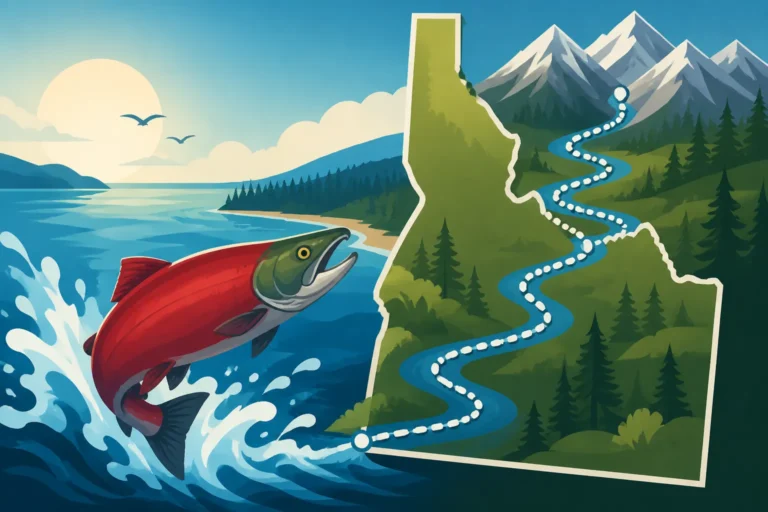
Idaho's Chinook salmon, often called "Kings" for their impressive size and fighting spirit, represent a truly remarkable feat of nature. Their journey from the Pacific Ocean, up the Columbia and Snake Rivers, and into Idaho's pristine mountain streams and lakes is one of the longest migrations of any anadromous fish. For anglers, understanding this epic voyage is key to appreciating and successfully pursuing these incredible creatures.
The Anadromous Life Cycle in Idaho
Chinook salmon are anadromous, meaning they hatch in freshwater, migrate to the ocean to grow, and then return to freshwater to spawn. In Idaho, this migration is particularly arduous, as they must navigate hundreds of miles and overcome numerous dams and natural obstacles. Once they arrive in Idaho's rivers, like the Salmon and Clearwater, or in landlocked populations like those found in Lake Coeur d'Alene, their focus shifts to reproduction. This incredible drive to return to their birthplace is what makes them such a captivating and challenging target for anglers.
The timing of these runs is crucial for fishing success. Different runs, often categorized as spring, summer, or fall Chinook, correspond to when the fish enter the freshwater system. These adult salmon, having spent years feeding in the ocean and growing to impressive sizes, cease feeding once they enter fresh water. This means they are triggered to bite out of aggression, instinct, or a final, fleeting desire for sustenance before spawning. Anglers must adapt their techniques to entice these non-feeding fish.
Their life cycle is a delicate balance, reliant on healthy river systems, adequate water flows, and successful hatchery programs to supplement wild populations. Each fish represents a miracle of endurance, making every catch feel like a privilege. Respecting their journey and contributing to their conservation is an integral part of the Idaho Chinook salmon fishing experience.
Hatchery vs. Wild Chinook: What You Need to Know
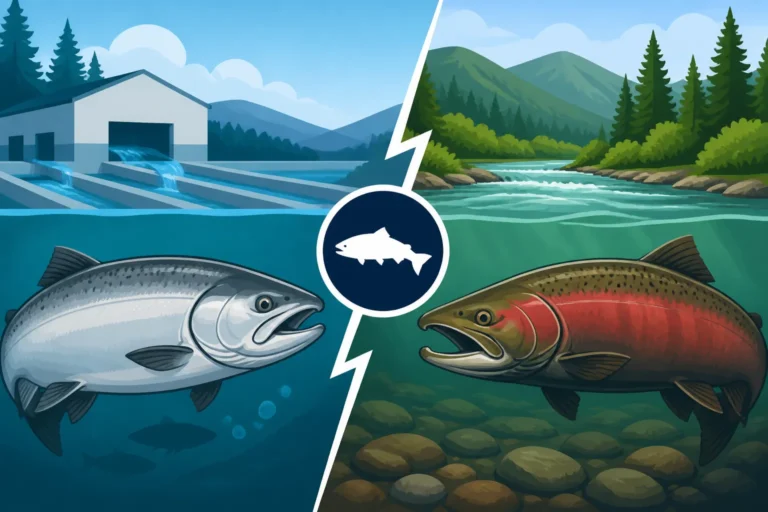
When fishing for Chinook salmon in Idaho, you'll frequently hear discussions about "hatchery" versus "wild" fish. This distinction isn't just a biological curiosity; it's a critical component of Idaho's fishing regulations and conservation efforts. Hatchery fish are raised in state hatcheries and are typically marked, most commonly by clipping their adipose fin (the small, fleshy fin between the dorsal and tail fins) before release. Wild fish, born and raised naturally in the river, retain their adipose fin.
The primary reason for this distinction and marking system is conservation. Many wild salmon populations are protected under federal law due to declining numbers. By clipping the adipose fin of hatchery fish, fisheries managers provide anglers with a clear way to differentiate between the two. Regulations often permit the harvest of hatchery Chinook, while wild Chinook must be immediately released unharmed. This practice helps to reduce fishing pressure on vulnerable wild stocks, allowing them to recover and sustain future generations.
As an angler, it's your responsibility to be able to identify these differences. Before you even cast a line, make sure you understand the current regulations for the specific waters you're fishing. Misidentifying a fish and retaining a wild Chinook can lead to significant penalties, but more importantly, it undermines the vital conservation efforts that ensure these incredible fish continue their journey through Idaho's rivers for years to come. Checking the current fishing proclamation is essential for Idaho Chinook Salmon Identification Guide.
Historical Context and Current Challenges
Idaho's relationship with Chinook salmon stretches back millennia, with indigenous tribes relying on these fish as a primary food source and cultural keystone. Early European settlers also recognized the abundance and value of these runs. However, the last century brought significant changes, primarily due to the construction of numerous dams on the Columbia and Snake River systems. These dams, while providing hydropower and irrigation, created formidable barriers to salmon migration, drastically reducing historical run sizes.
Today, Chinook salmon populations in Idaho face a complex array of challenges. Beyond the ongoing impact of dams, issues like habitat degradation, climate change affecting water temperatures and flows, and predation all contribute to the struggle for survival. Droughts can lead to dangerously warm water in spawning rivers, while heavy runoff can scour redds (nests) and wash away eggs. It's a constant battle, and the efforts to preserve and restore these runs are monumental.
Despite these hurdles, dedicated efforts by state and federal agencies, tribal nations, and conservation groups continue. Hatchery programs play a crucial role in supplementing natural returns, ensuring there are still fish for both harvest and spawning. Ongoing research, habitat restoration projects, and fish passage improvements at dams are all part of the long-term strategy to bring Idaho's Chinook salmon populations back to healthier levels. When we go fishing, we're not just participating in a sport; we're engaging with a deeply rooted history and the ongoing saga of a species fighting for its future.
Prime Locations for Idaho Chinook Salmon
While the idea of Chinook salmon making their way to Idaho might seem wild, there are indeed specific waters where anglers can pursue these magnificent fish. Idaho's unique geography offers two distinct types of Chinook fisheries: the anadromous runs in the major river systems and a landlocked population in one of its largest lakes. Understanding these prime locations is the first step to planning a successful trip.
The Legendary Salmon River System
When most people think of river-dwelling Chinook in Idaho, their minds immediately go to the Salmon River. And for good reason! This iconic river, aptly named, is the lifeblood for thousands of migrating salmon and steelhead. Chinook begin their incredible journey from the Pacific, swimming hundreds of miles to reach these pristine spawning grounds, and anglers eagerly await their arrival. The mainstem Salmon River, particularly its lower and middle sections, offers significant opportunities.
Fishing the Salmon River for Chinook typically involves waiting for the spring or summer runs. Anglers often target these fish from drift boats or jet boats, moving through pools and riffles where salmon tend to hold. Access can be found in various towns like Riggins, White Bird, and Salmon itself, each offering different stretches of water and local services. Local knowledge is invaluable here, as water levels and specific holding spots can change rapidly. You'll want to check Where to Fish the Salmon River for Chinook Salmon for more specific details.
The Clearwater River is another historically significant tributary of the Snake River that sees Chinook returns, particularly its mainstem and sometimes its North Fork. Much like the Salmon River, the fishery here is heavily managed and relies on hatchery returns. Success on these rivers demands not just the right gear and technique, but also patience, perseverance, and a deep respect for the fish and their environment. These are powerful currents and require anglers to be mindful of safety and current conditions.
Lake Coeur d'Alene's Unique Chinook Fishery
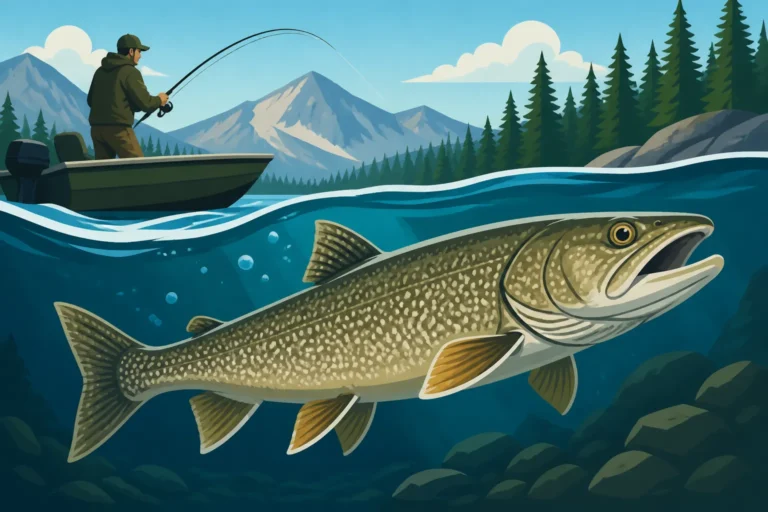
Stepping away from the rivers, Lake Coeur d'Alene offers a completely different, yet equally exciting, Chinook salmon experience. These are not anadromous fish, but rather a landlocked population, often referred to as "kokanee-eaters" or "King Salmon," that were introduced decades ago. What they lack in migratory prowess, they make up for in size and aggressive feeding habits, making them a formidable sport fish. Unlike their river counterparts, these Chinook actively feed throughout their lives in the lake.
Lake Coeur d'Alene's Chinook grow large by preying on the abundant kokanee salmon, which also inhabit the lake. This creates a fascinating predator-prey dynamic that anglers can exploit. The fishing here is primarily done by trolling, covering vast expanses of water to locate schools of baitfish and the larger Chinook that follow them. Depths can vary dramatically depending on the season and time of day, often requiring specialized gear like downriggers to get lures into the strike zone.
Access to Lake Coeur d'Alene is excellent, with numerous public boat launches and marinas around the city of Coeur d'Alene and other points along the lake. This fishery offers a beautiful backdrop of North Idaho mountains, and the opportunity to catch a true trophy-sized salmon without having to navigate river currents. For more on this unique experience, look into Fishing Lake Coeur d'Alene for Kokanee and Chinook.
Other Potential Waters
While the Salmon River system and Lake Coeur d'Alene are the undisputed stars of Idaho Chinook salmon fishing, you might occasionally hear whispers of Chinook in other waters. These instances are often isolated or related to specific, highly regulated and limited seasons, if they exist at all. Generally, the vast majority of regulated Chinook fishing opportunities in Idaho will be found in the two aforementioned locations.
Historically, other tributaries of the Snake River or even sections of the Snake itself might have seen Chinook at various times, but these populations have largely been impacted by habitat changes and dam construction. Any fishing for anadromous salmon in these other areas would be under extremely strict regulation, if permitted at all, and would certainly require careful consultation of the latest Idaho Fish and Game rules.
For example, while there might be some small, localized populations or rare occurrences in other impoundments or river sections, these are not typically advertised or targeted fisheries. Focusing your efforts on the well-established Chinook fisheries of the Salmon River, Clearwater River, and Lake Coeur d'Alene will give you the best chance of success and ensure you are fishing legally within regulated areas. Always, always, always check the current year's fishing regulations for the specific body of water you intend to fish.
Timing Your Idaho Chinook Salmon Trip
Timing is arguably one of the most critical factors in successfully fishing for Idaho Chinook salmon. These powerful fish operate on seasonal cycles and are heavily influenced by water conditions. Showing up at the wrong time can mean a long, unproductive day on the water, while hitting it just right can lead to the trip of a lifetime.
Seasonal Patterns and Peak Runs
For river Chinook, the season is entirely dependent on the specific run – whether it's a spring, summer, or fall Chinook run. Generally, spring Chinook might start appearing in lower river sections as early as late spring, with the peak of the run often occurring in early to mid-summer as they move upstream. Summer Chinook follow a similar pattern but typically arrive later, extending into late summer and early fall. Each river system and even different sections of the same river will have slightly different peak times. You can explore Best Month to Catch Chinook Salmon in Idaho for more precise timing.
Lake Coeur d'Alene Chinook, being landlocked, don't have migratory "runs" in the same sense. Instead, their activity is dictated by water temperature and the availability of their kokanee prey. Spring can be excellent as the water warms, bringing baitfish closer to the surface and making the Chinook more active. Summer fishing means finding them deeper as they seek cooler water, often suspending over deep thermoclines. Fall can see them move back into shallower areas as they prepare to spawn, making for another exciting season.
Regardless of where you're fishing, tracking run forecasts (for rivers) and local fishing reports (for lakes) is indispensable. The Idaho Department of Fish and Game (IDFG) provides valuable resources, including run predictions for anadromous fish, which can help you pinpoint the best windows. Remember, these are wild animals, and actual conditions can vary from year to year, so flexibility is a virtue. Consider Idaho Chinook Salmon Season Length Compared to Steelhead Season to compare timing.
Understanding Water Conditions and Their Impact
River Chinook fishing is exceptionally sensitive to water conditions. High, muddy water from spring runoff or heavy rains can make fishing nearly impossible, as the fish are spread out and visibility is poor. Conversely, extremely low and clear water can make fish skittish and harder to approach. The "sweet spot" often lies in dropping, clearing water where the river is still carrying some color but the fish feel comfortable moving and holding in more defined lanes.
Water temperature also plays a significant role. Salmon prefer cooler water, so during hot summer days, they might be less active or hold in deeper, cooler pockets of the river. As the water cools in the fall, they can become more aggressive. Rapid changes in temperature, up or down, can put fish off the bite. Monitoring river gauges and temperature readings, often available online, can give you a significant advantage in planning your outing.
For Lake Coeur d'Alene, water temperature influences depth. In colder months, Chinook might be shallower. As the lake warms in summer, they'll seek out the thermocline – the layer of water where the temperature changes rapidly – often suspending at specific depths where kokanee are also found. Knowing how to use a fish finder to locate these temperature breaks and bait balls is crucial for consistent success on the lake. Weather fronts, especially strong ones, can also affect fish behavior, sometimes making them more active before a storm, and less so directly after.
Daily Considerations: Best Bite Times
Beyond the seasonal and water condition factors, the daily rhythm of the fish also matters. While anadromous salmon in rivers are not actively feeding, they still tend to have periods of increased activity. Often, the early morning hours, just after dawn, and the late afternoon/early evening, leading up to dusk, can be the most productive. These are times when light levels are lower, and fish might feel more secure moving or reacting to presentations.
Midday can often be slower, especially on bright, sunny days, as the fish may hunker down in deeper holes or under cover. However, a cloudy day can extend the productive periods. For lake Chinook, the "bite window" can also vary. Early mornings are frequently hot, but if you're marking fish at a certain depth throughout the day, it's worth continuing to troll. Changes in barometric pressure, often associated with weather fronts, can also trigger short feeding binges in lake fish.
Ultimately, being on the water during these prime times increases your odds. It also means being prepared for those early starts, bundling up against the morning chill, and having a good headlamp. Sometimes, the "best bite time" is simply when you're able to be there, so make the most of every minute you have on Idaho's incredible Chinook waters.
Essential Gear for Chinook Salmon Anglers
Fishing for Chinook salmon, whether in a powerful river current or the vast expanse of a lake, demands specific gear designed to handle these hard-fighting fish. Skimping on tackle here can lead to heartbreak. Having the right rods, reels, lines, and terminal tackle is crucial for success and for safely landing these impressive catches.
Rods, Reels, and Line for Power and Precision
For river Chinook, you'll need a stout setup. Rods typically range from 8 to 10.5 feet, with a medium-heavy to heavy power and a moderate-fast action. This provides the backbone to fight powerful fish in current, while still having enough flex to absorb head shakes and prevent hooks from pulling out. Many anglers prefer specialized drift or jet boat rods. Paired with this, a robust baitcasting reel (like those from Shimano or Daiwa) is essential, capable of holding a significant amount of heavy line and offering a smooth, powerful drag system.
On Lake Coeur d'Alene, while the fish are just as strong, the techniques differ. Trolling often calls for medium-heavy to heavy action rods in the 7 to 9-foot range, specifically designed for downrigger use or flat-lining heavy gear. These rods need to absorb the shock of a strike while protecting light leaders. Level-wind trolling reels are standard, offering high line capacity and a consistent retrieve. Both braid and monofilament lines have their place. Many anglers spool their reels with 30-50 lb braided mainline for its sensitivity and strength, often adding a monofilament or fluorocarbon leader of 20-30 lb test. Fluorocarbon is often preferred for its invisibility underwater. You can find a fantastic selection of these specialized rods and reels on platforms like Amazon.
No matter the setup, ensure your reel's drag system is smooth and well-maintained. A sticky drag can quickly lead to a snapped line or lost fish. Regularly check your line for nicks and abrasions, especially after a tough fight or if you've been fishing around structure. Investing in quality line is a small price to pay for the chance to land a trophy Chinook.
Lures, Baits, and Terminal Tackle Essentials
Chinook salmon, especially those in rivers, can be particular about their offerings. For river fishing, popular choices include large, brightly colored plugs (like those from Brad's or Luhr Jensen), often "wrapped" with sardine or herring. Spin-n-Glos, usually combined with bait, are also highly effective, as are large twitching jigs in various colors. Natural baits like cured roe (salmon eggs), herring, or shrimp are perennial favorites, often presented on a leader with a weighted dropper system.
For Lake Coeur d'Alene Chinook, the focus shifts to mimicking kokanee. Large trolling spoons (e.g., from Gibbs-Delta or Silver Horde), hoochies (squid skirts) trolled behind dodgers or flashers, and plugs are all effective. The key is to experiment with colors, sizes, and depths until you find what the fish are keying in on that day. Scent is also a huge factor in both river and lake fishing; many anglers use scent products or apply natural bait oils to their lures to increase their appeal. For a deeper dive into these options, see Best Bait and Lures for Idaho Fishing.
Beyond the main attractants, having the right terminal tackle is non-negotiable. This includes heavy-duty swivels, strong leader material (fluorocarbon is often preferred for its low visibility), sharp hooks (both trebles and single hooks, depending on the lure and regulation), and lead weights or cannonballs for trolling. Always carry a variety of sizes and strengths to adapt to changing conditions and techniques. A good pair of pliers and line clippers are also essential tools on any salmon trip.
Boating and Safety Equipment
Given that much of Idaho's Chinook salmon fishing takes place from a boat, whether a jet boat on a swift river or a large powerboat on a lake, safety equipment is paramount. Personal Flotation Devices (PFDs) for everyone on board are a legal requirement and an absolute necessity. Make sure they are easily accessible and properly sized. In addition to PFDs, a well-stocked first-aid kit, a fire extinguisher, signaling devices (flares, whistle, air horn), and extra ropes are all critical.
For river fishing, a boat with a powerful jet motor is often preferred for navigating shallow, rocky sections and fighting strong currents. A reliable anchor system is also crucial for holding position in swift water. On lakes, a boat equipped with a reliable motor, a fish finder (with GPS capabilities), and often downriggers is standard. Downriggers allow you to precisely control the depth of your lures, which is vital when targeting suspended Chinook.
Always check the weather forecast before heading out, especially on large lakes where conditions can change rapidly. For rivers, be aware of water levels and any navigation hazards. Carrying a reliable communication device, like a marine radio or a satellite messenger (especially in remote areas), is a smart move. Fishing for Chinook salmon is an exciting adventure, but safety should always be your top priority. Ensure you have all required safety gear and know how to use it. Many essential boating safety items can be found conveniently on Amazon.
Mastering Chinook Salmon Fishing Techniques
Catching Idaho Chinook salmon isn't just about having the right gear; it's about understanding how to present your offerings effectively and adapt to the specific environment. Whether you're battling the river currents or trolling the depths of a vast lake, mastering the techniques can make all the difference between a fish story and a fish in the cooler.
Trolling Strategies for Lakes and Reservoirs
Trolling is the go-to technique for Chinook salmon on Lake Coeur d'Alene. The goal is to cover water and present your lure at the exact depth where fish are feeding. This usually involves using downriggers to precisely control the depth of your lines. As the seasons change, the depth at which Chinook hold will vary. In spring, they might be shallower, while in summer they dive deep to escape warm surface temperatures. Using a good fish finder to mark kokanee (their primary food source) and temperature breaks is crucial for success.
When trolling, speed is also critical. Generally, a slower speed (around 1.5 to 2.5 mph) is effective, but you'll need to experiment to see what the fish prefer on any given day. The action of your lure behind a dodger or flasher is highly dependent on speed. Varying your speed, making slight turns, and even doing S-curves can trigger strikes by changing the lure's action. Don't be afraid to experiment with different lure colors, sizes, and even bait wraps (like herring or sardine fillets) until you find the magic combination.
Often, multiple rods are deployed, each at a different depth and with a different lure, until a pattern emerges. It's a game of constant adjustment and observation. Pay attention to how the fish are hitting, what depth they're at, and what lure they prefer. This information helps you refine your spread and increase your hook-up rate. For more detailed insights, delve into How to Fish for Chinook Salmon in Idaho.
Drifting and Plunking in Rivers
River fishing for anadromous Chinook salmon involves different strategies, often dictated by the current and the holding patterns of the fish. Drifting is a popular method, where anglers allow their bait or lure to drift naturally downstream, mimicking a dislodged food source. This can be done from a drift boat, slowly maneuvering downstream, or by wading and casting. The key is to keep your presentation in the "strike zone" – where fish are likely to be holding, often behind structure, in deeper pools, or along current seams.
Plunking, on the other hand, is a more stationary technique, typically used from the bank or a boat anchored in a specific spot. Heavy weights are used to hold the bait or lure in a prime travel lane for salmon. Often, a large Spin-n-Glo or a cluster of cured roe is used on a short leader, allowing the current to impart action. This method is effective when fish are moving through a narrow channel or congregating in a specific hole. It requires patience but can be incredibly rewarding when a strong run is on.
Both drifting and plunking demand a keen sense of touch to detect subtle bites. Salmon often don't "hammer" the bait; it might feel like a slight tap, a hesitation, or just added weight. Setting the hook at the right time is crucial. Maintaining slack-free line, without dragging your weight, allows for better bite detection and a more natural presentation.
Advanced Casting and Retrieval Methods
While trolling and drifting are prevalent, there are times and places where casting directly to Chinook salmon can be highly effective. This is particularly true in smaller river sections or when fish are holding in specific, accessible spots. Spinners, spoons, and large jigs are all good casting options. The goal is often to provoke an aggressive strike from a non-feeding fish.
When casting, aim your lure upstream and across the current, allowing it to swing down and across the fish's holding lies. The retrieval speed should vary, often slower in colder water and faster to trigger reaction strikes. Pay close attention to the retrieve as the lure swings into slower water or behind structure, as these are common strike zones. Twitching or jigging motions can also entice a bite.
Another advanced technique is "back-trolling" in rivers, often done from a jet boat. Here, the boat is pointed upstream, and the motor is used in reverse to slowly move downstream, allowing plugs or baits to work their way through prime holding water. This provides excellent lure control and allows anglers to thoroughly cover productive areas. Regardless of the method, constantly observing the water, adapting your approach, and staying persistent are the hallmarks of a successful Chinook salmon angler.
Navigating Idaho Chinook Salmon Regulations
Fishing for Idaho Chinook salmon is an incredible experience, but it comes with a significant responsibility: understanding and adhering to the regulations. These rules are in place not to make your life difficult, but to protect these valuable fish populations and ensure sustainable fishing opportunities for everyone. Ignoring them can lead to hefty fines and loss of privileges, so let's break down the essentials.
Licenses, Permits, and Endorsements
Before you even think about casting a line for Chinook salmon in Idaho, you must possess the correct fishing license. For Idaho residents, this means an annual fishing license. Non-residents also need to purchase an appropriate non-resident license, which can be an annual option or a shorter-term license if you're just visiting for a few days. You can often buy these online, at Idaho Fish and Game offices, or at many sporting goods stores. Information on How to Buy an Idaho Fishing License is readily available.
However, a general fishing license isn't usually enough for Chinook. Idaho requires specific endorsements for anadromous species like salmon and steelhead. You'll need to purchase an Idaho Salmon and Steelhead Permit (often called a "salmon permit" or "steelhead permit," as it covers both). This permit allows you to legally target and retain these species within the established seasons and limits. Always confirm you have both your general fishing license and the salmon/steelhead permit before heading out.
Some special areas or unique fisheries might have additional, highly specific regulations or permits, though this is less common for Chinook compared to other species like sturgeon. Always check the official Idaho Fish and Game fishing regulations brochure for the current year. It's available online and at license vendors, and it's your definitive source for all legal requirements. Ignoring these permits is a surefire way to turn a dream fishing trip into a legal headache.
Bag Limits and Size Restrictions
Idaho's fishing regulations for Chinook salmon include strict bag limits and sometimes size restrictions, all designed to manage harvest and protect fish populations. Bag limits dictate how many fish you can keep per day, and often, how many you can possess at any given time (possession limit). For Chinook, these limits are typically quite low, reflecting the conservation status and value of these fish.
A critical aspect of Chinook regulations, especially in rivers, is the distinction between hatchery and wild fish. As discussed earlier, hatchery fish (identified by a clipped adipose fin) are generally the only ones allowed for harvest. Wild fish, with an intact adipose fin, must be released immediately and unharmed. This is a non-negotiable rule, and knowing how to tell the difference is your responsibility. Exceeding the bag limit or retaining a wild fish are serious offenses.
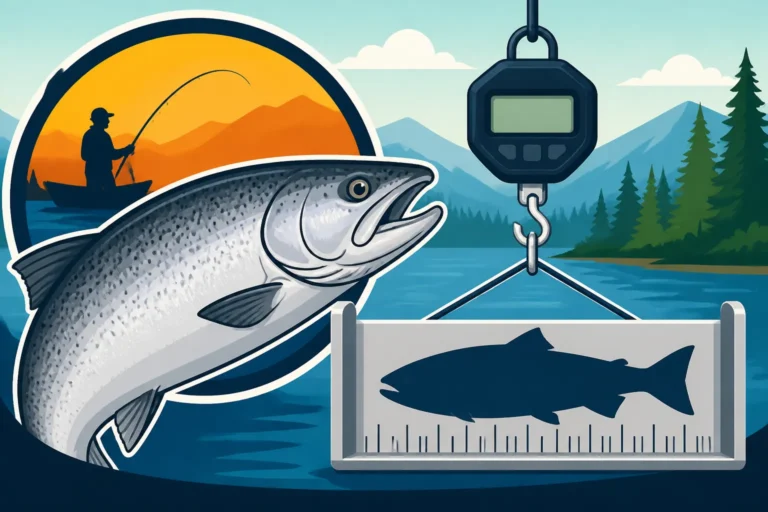
Size restrictions, while less common for Chinook than for some other species, might occasionally apply to specific waters or seasons. This means any fish shorter than a certain length must be released, regardless of whether it's a hatchery fish. Always consult the official regulations for the specific body of water you're fishing, as limits can vary by river, river section, or lake. The Idaho Catch Limits and Bag Limits Explained guide can provide further clarity. These regulations are regularly updated, so relying on last year's brochure is a common mistake.
Conservation Practices and Catch-and-Release
Beyond the legal requirements, ethical conservation practices are vital for sustaining Idaho's Chinook salmon fisheries. Even when you're legally allowed to harvest a hatchery fish, practicing responsible angling helps preserve the resource. If you plan to release fish, whether by choice or regulation, do so quickly and carefully. Minimize the time the fish is out of the water, handle it with wet hands, and support its body fully to avoid internal damage.
When a wild fish is caught, immediate release is paramount. This means using barbless hooks (often required in salmon/steelhead waters anyway) and having tools like needle-nose pliers or hemostats ready for quick hook removal. Avoid dragging the fish onto dry land or holding it by the gills. If a fish is exhausted, hold it gently in the current until it regains strength and can swim away on its own.
Responsible anglers also contribute by reporting their catch. When you purchase an Idaho salmon permit, you'll often receive a catch record card. This card is legally required for tracking your harvest of anadromous fish. Filling it out accurately and returning it as required provides invaluable data to fisheries managers, helping them assess runs, set future limits, and manage the resource sustainably. This commitment to conservation ensures that the opportunity to chase Idaho Chinook salmon remains for generations to come.
From Catch to Table: Handling Your Idaho Chinook
After the excitement of hooking and landing a magnificent Idaho Chinook salmon, the work isn't quite done. Proper handling, cleaning, and preparation are crucial to ensure your hard-earned catch tastes as incredible as the fight it put up. A little care on the water and at the cleaning station goes a long way.
Proper Fish Handling for Quality Meat
The moment a Chinook salmon comes into the boat, its fate as a delicious meal begins. To ensure the highest quality meat, rapid and humane dispatch is key. A swift blow to the head with a priest or blunt object is generally the most effective method. This minimizes stress to the fish, which can otherwise release lactic acid and hormones that degrade the meat's flavor and texture.
Once dispatched, the next critical step is bleeding the fish. This involves cutting the gills or severing the artery near the tail, allowing the blood to drain completely. Bleeding removes blood from the flesh, which significantly improves the taste and extends the shelf life of the meat. Place the bleeding fish in a cooler with ice immediately. The colder, the better!
Keeping your Chinook on ice, not just in cool water, is paramount. Ice rapidly chills the fish, slowing bacterial growth and preserving the firm texture and fresh taste. If you're on a multi-day trip, or simply have a long drive home, ensure you have plenty of ice. Some anglers even prefer to use a "slushy" mix of ice and water for maximum contact and cooling. Neglecting these early steps can turn a premium catch into mediocre table fare.
Cleaning and Filleting Techniques
Once you're off the water and back at camp or home, it's time to clean your Chinook. While there are many ways to fillet a salmon, the goal is always to maximize the amount of clean, boneless meat. Start by scaling the fish (though many prefer to leave the skin on for cooking, in which case scaling is optional). Then, using a sharp, flexible fillet knife, make a cut behind the gills down to the backbone. Turn the knife and run it along the backbone towards the tail, separating the fillet from the carcass. Repeat on the other side.
After removing the main fillets, you'll often find a "rib cage" of bones still attached. Carefully cut these away. There's also a line of small "pin bones" running down the center of each fillet. These can be removed with a dedicated pair of fish pliers or tweezers. Many anglers run their fingers along the flesh to feel for any remaining bones. Some prefer to cook with the pin bones in and remove them after cooking, but for a truly boneless experience, taking them out beforehand is best.
Finally, decide whether to keep the skin on or off. The skin can be delicious when crisped up, but some prefer to remove it, especially if they plan to smoke the fish. To remove the skin, lay the fillet skin-side down, hold the tail end firmly, and slide your knife at a shallow angle between the skin and the meat. Trim off any dark meat or fatty areas that might have a stronger flavor. With practice, you'll become a filleting pro, ensuring every part of your Chinook is ready for the pan or smoker.
Simple and Delicious Chinook Salmon Recipes
The beautiful thing about fresh Idaho Chinook salmon is its versatility in the kitchen. Its rich, flaky, and flavorful meat stands up to a variety of cooking methods and seasonings. You don't need to be a gourmet chef to create a memorable meal.
One of the simplest and most popular ways to prepare Chinook is grilled. Brush fillets with olive oil, season with salt, pepper, and a squeeze of lemon, then grill skin-side down until the skin is crispy and the flesh is cooked through (around 135-140°F internal temperature). The high heat caramelizes the outside while keeping the inside moist and tender. Another favorite is baking or roasting. A simple marinade of soy sauce, ginger, garlic, and a touch of brown sugar can elevate the flavor profile beautifully. Place the fillet on a baking sheet, pour over the marinade, and bake until flaky.
For something a little different, consider pan-searing. A hot skillet with a touch of butter or oil creates a fantastic crust. Serve with a fresh dill sauce or a mango salsa for a burst of freshness. And of course, no discussion of salmon recipes is complete without mentioning smoking. Smoked salmon, whether hot or cold smoked, is a delicacy that preserves the flavor and can be enjoyed for weeks. Experiment with different brines and wood chips to find your signature recipe. No matter how you choose to prepare it, enjoy the fruits of your Idaho fishing adventure!
The Future of Idaho Chinook Salmon Fishing
The pursuit of Idaho Chinook salmon is more than just a pastime; it's a connection to wild places, an appreciation for incredible journeys, and a commitment to conservation. The future of this fishery is a shared responsibility, depending on the efforts of agencies, anglers, and communities to ensure these magnificent fish continue to thrive.
Conservation Efforts and Hatchery Programs
Idaho's Chinook salmon populations face an uphill battle, but significant conservation efforts are underway to help them. These efforts range from large-scale habitat restoration projects, like improving spawning grounds and riparian areas, to more localized initiatives aimed at removing barriers to migration or improving water quality. Every bit helps in providing the fish with the clean, cold water and healthy environments they need to complete their life cycle.
Hatchery programs play an absolutely vital role in supplementing wild Chinook runs, particularly for those fisheries where harvest is permitted. State and federal hatcheries raise millions of young salmon each year, releasing them into river systems. These hatchery-bred fish help maintain fishing opportunities while, crucially, reducing fishing pressure on wild populations that are often protected. The management of these programs is constantly refined, aiming to balance harvest opportunities with genetic integrity and overall ecosystem health.
Understanding the role of hatcheries and supporting conservation initiatives, whether through buying your licenses and permits, volunteering, or simply advocating for healthy river systems, is key. It's a testament to human dedication that these fish continue to make their way back to Idaho against incredible odds.
Sustainable Angling Practices
As anglers, we are directly connected to the health of the fisheries we enjoy. Practicing sustainable angling isn't just about following the rules; it's about adopting a mindset of stewardship. This includes being mindful of our impact on the environment, from properly disposing of trash and avoiding disturbing spawning areas to minimizing our footprint on fragile ecosystems. Leave no trace, as the saying goes.
Beyond environmental considerations, ethical catch-and-release practices are paramount, especially when targeting wild or protected fish. Using appropriate gear, handling fish gently, and releasing them quickly and safely ensures that those fish have the best chance of survival to spawn and contribute to future generations. For many anglers, the thrill of the catch is enough, and returning a fish to the water, especially a wild one, is a deeply satisfying act of conservation.
Educating ourselves and others about regulations, fish identification, and proper handling techniques is also a form of sustainable angling. The more informed we all are, the better we can protect these incredible resources. When you embark on an Idaho fishing trip, you're not just a participant; you're a steward of a precious natural heritage.
Getting Involved in Salmon Conservation
If you're passionate about Chinook salmon and want to do more than just fish, there are numerous ways to get involved in their conservation. Many non-profit organizations, like the Idaho Wildlife Federation or Trout Unlimited, actively work on habitat restoration, advocacy, and public education related to salmon and steelhead. Volunteering your time, whether for a river cleanup, a fish counting effort, or an educational event, can make a tangible difference.
Staying informed about policy decisions, dam operations, and research findings from agencies like Idaho Fish and Game or NOAA Fisheries is another important step. Understanding the scientific and political landscape surrounding salmon recovery empowers you to be a more effective advocate. Your voice, combined with others, can influence decisions that impact the future of these fish.
Ultimately, the future of Idaho Chinook salmon fishing depends on a collective effort. It's about respecting the fish, the regulations, and the environment. By doing so, we ensure that the incredible journey of the Chinook salmon continues, offering future generations the chance to experience the magic of battling a King in the heart of Idaho.
Chinook Salmon Fishing Essentials Table
To help you get organized for your Idaho Chinook salmon adventure, here’s a quick overview of essential gear and considerations.
| Category | River Fishing (Anadromous) | Lake Fishing (Landlocked) |
|---|---|---|
| Primary Technique | Drifting, Plunking, Back-trolling | Trolling with downriggers |
| Rod Type | 8-10.5 ft Medium-Heavy/Heavy, moderate-fast | 7-9 ft Medium-Heavy/Heavy, trolling rods |
| Reel Type | Baitcasting, high line capacity, strong drag | Level-wind trolling reel, high line capacity, consistent drag |
| Main Line | 30-50 lb Braid or heavy Monofilament | 30-50 lb Braid |
| Leader Material | 20-30 lb Fluorocarbon/Monofilament | 20-30 lb Fluorocarbon |
| Lures/Baits | Plugs, Spin-n-Glos w/bait, cured roe, herring, jigs | Spoons, Hoochies w/dodgers/flashers, plugs |
| Terminal Tackle | Heavy swivels, lead weights, barbless hooks | Downrigger clips, cannonballs, heavy swivels, barbless hooks |
| Key Accessory | Landing net, priest, scent, fish stringer | Fish finder, GPS, net, priest, scent |
| Seasonal Focus | Spring/Summer runs (check specific river & regulations) | Spring, Summer, Fall (based on water temp & bait depth) |
| Regulations Note | Requires general license + Salmon/Steelhead Permit, check adipose fin for harvest | Requires general license + Salmon/Steelhead Permit |
Disclaimer
This article is for general informational purposes only and does not constitute professional advice. Laws, prices and regulations vary by location and change over time. Consult a qualified professional for guidance on your specific situation.