Best Beginner Technique for Catching Your First Idaho Trout
For many newcomers to the Gem State, or even lifelong residents who've just never picked up a rod, the idea of catching your first Idaho trout can feel a bit overwhelming. The rivers and lakes are vast, the regulations seem complex, and the sheer amount of gear available can make you feel like you need a degree in fishing just to get started. But don't you worry, because this guide is here to cut through the noise and show you the absolute best, most straightforward technique for reeling in your very first Idaho trout, making your entry into this rewarding hobby as smooth as a perfectly cast line.
Understanding Idaho Trout and Their Habits for Beginners
Before we even think about casting a line, let's take a moment to understand what we're actually trying to catch. Idaho is famous for its incredible trout fishing, but not all trout are created equal, especially when you're just starting out. Knowing a little bit about their typical hangouts and dining preferences will give you a huge leg up.
The Most Common Trout for First-Timers: Rainbow Trout
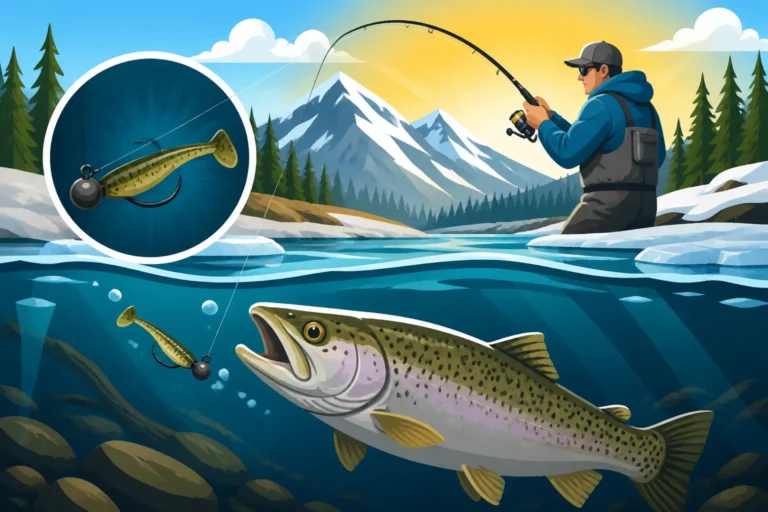
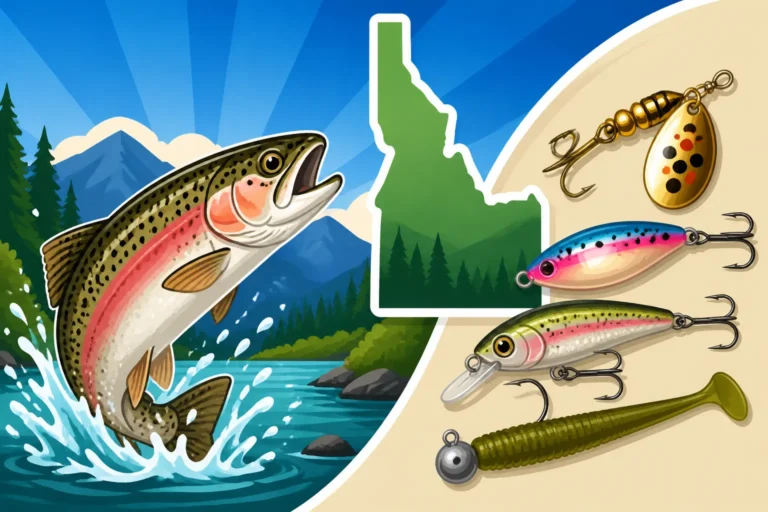
When you're aiming for that first, confidence-boosting catch, your absolute best bet in Idaho is the rainbow trout. Why rainbows? Well, for starters, they're probably the most widely distributed and frequently stocked trout species across the state. This means they're often found in easily accessible lakes, ponds, and rivers, especially those close to population centers. They're also known for being quite aggressive feeders, which is fantastic news for beginners. They're less finicky than some of their cousins, more willing to strike at a variety of baits and lures, and put up a fun fight without being overly challenging.
Imagine heading to a local pond that Idaho Fish and Game regularly stocks – places like settler's ponds or community fishing holes. These spots are often brimming with eager rainbow trout, making your chances of success incredibly high. You'll find them cruising the edges, looking for easy meals, or hanging out in slightly deeper water. If you're looking for more general information on trout, check out our Idaho Rainbow Trout Fishing Guide for a deeper dive.
These fish thrive in a range of water temperatures, from cool mountain streams to the warmer depths of larger reservoirs. Their adaptability is another reason they're such a great target for beginners; you're not restricted to highly specialized habitats right off the bat. Plus, many of these stocked rainbows are a decent size, giving you a satisfying catch that feels substantial without requiring heavy-duty tackle.
Basic Trout Behavior and Where to Find Them
Trout, like most fish, are creatures of habit. They need three things: food, cover, and comfortable water temperatures. If you can identify areas that offer these essentials, you're well on your way to finding them. Think of it like this: if you were a small fish, where would you feel safe and where would you find snacks floating by?
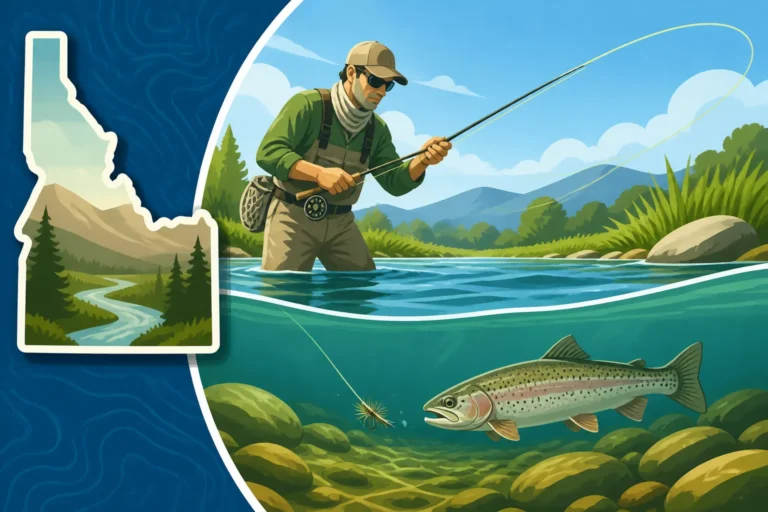
In rivers and streams, trout often position themselves out of the main current, but close enough that food drifts past. Look for "current breaks" – areas behind large rocks, fallen logs, or in eddies where the water swirls. They also love "undercut banks" where the water has eroded the soil beneath the bank, creating a natural overhang for shelter. Pools, especially those with some depth, are also prime real estate, as are the seams where fast water meets slow water. Reading Water on Idaho's Rivers can give you even more insight into these dynamics.
In lakes and ponds, trout will often patrol shorelines, especially in the early morning or late evening when insects are active. During the heat of the day, they might retreat to deeper, cooler water or seek out submerged structures like weed beds, sunken trees, or drop-offs. Always observe the water. Are there bugs hatching? Are fish rising? Are there any obvious points of interest or structure? You'd be surprised how much information you can gather just by taking a few minutes to watch before you even cast.
The Easiest Technique: Spin Fishing with Bait or Simple Lures
Okay, so you know what you're looking for and where they might be hiding. Now, let's talk about the how. For pure, unadulterated beginner success, spin fishing with either bait or a simple lure is hands down the best way to go. It's forgiving, effective, and doesn't require years of practice to master.
Gear Essentials for Your First Trout Trip
You absolutely do not need to spend a fortune or buy every shiny gadget in the tackle shop. Start with the basics. A simple spinning rod and reel combo is perfect.
- Rod and Reel: Look for a lightweight spinning combo, ideally in the 5 to 6.5-foot range with a "light" or "ultralight" action. These rods are sensitive enough to feel a trout's gentle bite but still have enough backbone to cast small baits or lures. The matching reel will typically be a 1000- or 2000-series, which is just right for lighter lines. Brands like Ugly Stik, Shimano, and Daiwa all make excellent, affordable beginner combos. You can find a huge selection of these on Amazon without breaking the bank.
- Fishing Line: Spool your reel with 4 to 6-pound test monofilament fishing line. Monofilament is easy to tie, has a little stretch (which can be forgiving for beginners), and is usually quite visible, which helps you track your line.
- Basic Tackle: In your small tackle box (which you can also grab on Amazon), you'll want:
- Hooks: Small, sharp bait hooks (size 8 or 10 are good starting points).
- Sinkers: A variety of split-shot sinkers or small egg sinkers.
- Swivels: Small barrel swivels (size 10-12) to prevent line twist.
- Bobbers/Floats: Small, clip-on bobbers are great for beginners.
- Forceps or Pliers: Essential for safely removing hooks.
This minimal setup is more than enough to get you started. Focus on quality over quantity for these few items. If you want to dive deeper into the gear specifics, our Idaho Fishing Gear Guide by Season might be helpful, but for now, keep it simple!
Simple Bait Fishing Setups
Bait fishing is often the most straightforward path to your first trout because, well, fish eat bait! They recognize it as food, and it smells and tastes natural.
- PowerBait or Similar Dough Baits: This stuff is practically magic for stocked rainbow trout. It comes in various colors and scents, and trout often can't resist it. The key is to mold it around your hook (a size 8 or 10 treble hook works great here, or a single bait hook) into a small ball or tear-drop shape that floats just off the bottom.
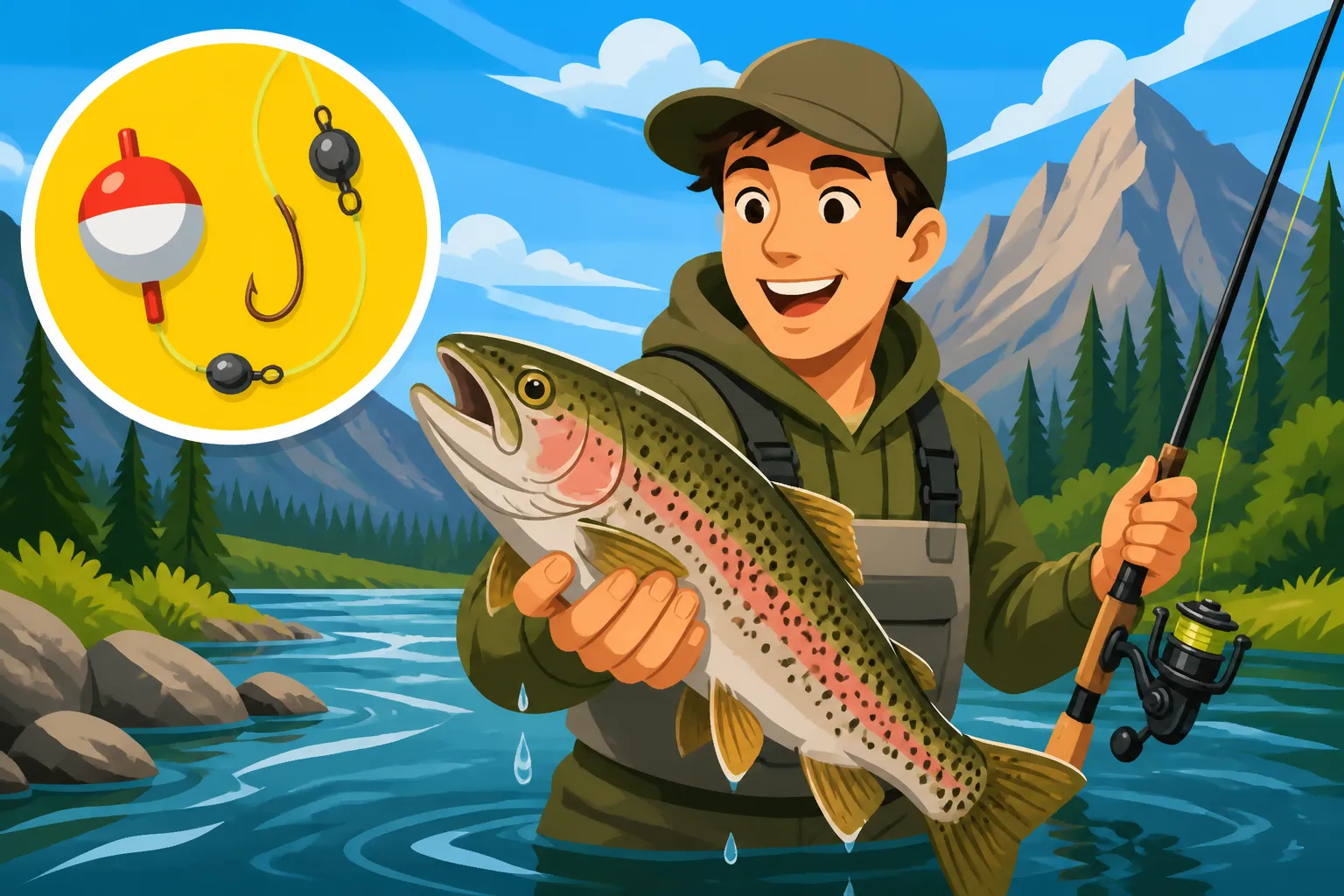
- Rigging: The most common setup is a simple slip-sinker rig. Thread an egg sinker (1/4 to 1/2 ounce) onto your main line, then tie on a small barrel swivel. To the other end of the swivel, tie a 12-18 inch piece of lighter leader line (2-4 pound test) and then your hook. The sinker holds the bait near the bottom, but the PowerBait floats, putting it right in the trout's strike zone. When a fish bites, the line slips through the sinker, allowing the fish to take the bait without feeling the weight of the sinker.
- Worms (Nightcrawlers, Red Wigglers): The classic, and for good reason. Worms are natural, irresistible, and work almost anywhere.
- Rigging: You can fish a small piece of nightcrawler on a slip-sinker rig like PowerBait, or you can use a bobber. For the bobber rig, simply tie your hook directly to your main line, add one or two small split-shot sinkers a few inches above the hook to help it sink, and then clip on a bobber about 2-4 feet up your line, depending on the water depth. Cast it out, let it sit, and watch that bobber like a hawk! When it dips, it's time to set the hook.
- Corn: Believe it or not, canned corn is a surprisingly effective bait for stocked trout, often available for cheap on Amazon! Trout are attracted to its bright color and subtle sweetness. Fish it the same way you would a worm on a bobber rig or slip-sinker rig, using just a few kernels on a small hook.
Basic Lure Presentation for Aggressive Trout
While bait fishing is passive, lures require a bit more interaction from you, but they can be incredibly exciting when a trout slams them. Lures often mimic small baitfish or insects, triggering a predatory response.
- Spinners (Mepps, Rooster Tail, Panther Martin styles): These are perhaps the easiest and most effective lures for beginner trout anglers. They consist of a spinning blade that creates flash and vibration, along with a weighted body and a hook.
- How to Use: Simply tie a small spinner (sizes 0, 1, or 2 are ideal for trout) directly to your main line (or with a small snap swivel). Cast it out, let it sink for a few seconds (depending on water depth), and then retrieve it at a steady, moderate pace. The blade should be spinning. Experiment with retrieve speeds until you find what the fish like. You can pick up a few different colors and sizes on Amazon to see what works best in your local waters.
- Small Spoons (Kastmaster, Little Cleo styles): Spoons wobble through the water, imitating a wounded baitfish. They also cast a mile, which can be useful for covering more water.
- How to Use: Like spinners, tie a small spoon (1/8 to 1/4 ounce) to your line. Cast it out, let it sink, and then retrieve it with a slow, steady retrieve, or a "lift and drop" technique where you lift your rod tip to make the spoon dart, then let it flutter down before reeling in the slack and repeating. Best Bait and Lures for Idaho Fishing offers a more extensive list of options, but these two are fantastic starting points.
Step-by-Step: Your First Cast to Catching a Trout
You've got your gear, you know your target, and you've got a technique in mind. Now, let's put it all together.
Choosing Your Spot and Casting Fundamentals
First things first, pick an accessible location. Many of Idaho's community ponds and easily accessible stretches of rivers are regularly stocked, making them ideal for beginners. Check the Idaho Fish and Game website for recent stocking reports in your area. Spots like Quinn's Pond in Boise or Fernan Lake near Coeur d'Alene are often great choices. For a broader perspective on where to go, look at our Best Fishing Spots in Idaho guide.
Once you're at your chosen spot, find a clear area to cast. Before you even put bait on, practice casting. Hold the rod with your dominant hand, thumb on the line, index finger holding the line against the rod. Flip open the bail on your spinning reel. Bring the rod tip back to about 10 o'clock, then smoothly sweep it forward to about 1 o'clock, releasing your index finger as the rod comes forward. The weight of the sinker or lure will carry the line out. Practice this a few times until you can consistently get your lure where you want it to go.
Aim your casts towards those potential trout hangouts we discussed: near submerged structures, current breaks, or along drop-offs. If you're using a bobber, cast it slightly beyond where you think the fish are, and let it drift naturally into the zone.
Detecting Bites and Setting the Hook
This is where the excitement really builds!
- Bait Fishing (Slip Sinker): With a slip-sinker rig, you'll be watching your line closely where it enters the water or feeling for taps on your rod tip. Often, you'll see a slight twitch or a slow pull as a trout mouths the bait. Don't immediately yank! Give the fish a few seconds to take the bait, then slowly lift your rod tip until you feel solid weight. If you feel resistance, give a gentle but firm sweep of the rod to set the hook.
- Bait Fishing (Bobber): This is arguably the easiest bite detection for beginners. Your bobber will be floating on the surface. When a trout takes the bait, the bobber will usually dip, dance, or go completely under the water. Once it's pulled under, count "one Mississippi, two Mississippi," then sweep your rod to the side or straight up to set the hook.
- Lure Fishing: With lures, you'll typically feel a distinct "thump" or a sudden resistance as the trout strikes. When you feel that, immediately set the hook with a quick, firm sweep of the rod. Don't hesitate, as trout can spit a lure quickly.
The key is to pay attention. Staring at your rod tip or bobber intently can feel tedious, but it's crucial. Remember, sometimes a bite can be very subtle, especially if the fish is just mouthing the bait.
Landing, Handling, and Releasing (or Keeping) Your Catch
You've hooked your first Idaho trout—congratulations! Now, what do you do?
- Fighting the Fish: Keep your rod tip up, creating a bend in the rod. This bend acts as a shock absorber. Reel steadily, but don't crank down on the drag. Let the fish run if it wants to, letting the drag do its job, then gain line back when it stops. Don't try to horse the fish in; you'll likely break your line or pull the hook.
- Landing the Fish: Once the fish is close, use a net if you have one. Scoop the fish headfirst. If you don't have a net, gently guide the fish to a shallow area and grab it carefully. Always wet your hands before touching a fish you intend to release, as dry hands can strip away their protective slime coat.
- Handling and De-hooking: Hold the fish firmly but gently. If keeping, dispatch it quickly and humanely. If releasing, use needle-nose pliers or forceps to carefully remove the hook. If the hook is too deep, cut the line as close to the hook as possible; the hook will usually rust out. Get the fish back into the water as quickly as possible.
- Regulations: Always, always, always consult the current Idaho fishing regulations. These will tell you about Idaho Catch Limits and Bag Limits Explained, size restrictions, and specific rules for the water body you're fishing. Knowing whether you can keep a fish, and how many, is vital. You can find this information in the Idaho Fishing Regulation Brochure and Proclamation.
Common Beginner Pitfalls and How to Avoid Them
Even with the easiest techniques, there are a few common mistakes that beginners often make. Knowing them beforehand can save you some frustration.
Overthinking It and Too Much Gear
It’s incredibly easy to get caught up in the vast world of fishing gear and techniques. You might walk into a sporting goods store or browse Amazon and feel like you need a whole arsenal of rods, reels, lures, and gadgets. This often leads to analysis paralysis or spending money on things you don't need or understand yet.
The biggest pitfall here is letting the complexity deter you from even starting. Remember the simple setup we discussed? One good, light spinning combo, a handful of hooks, sinkers, swivels, and some PowerBait or worms. That's it! You don't need a tackle box that weighs more than you do, nor do you need twenty different lure colors. Start simple, build confidence, and then, as you gain experience and interest, you can gradually expand your gear collection. Many times, the most successful anglers are those who master a few basic techniques rather than dabbling in dozens of complex ones.
Ignoring Regulations and Local Knowledge
Idaho has specific fishing regulations that vary by water body and by species. One of the quickest ways to ruin a fun day is to accidentally break a rule. This could be anything from keeping too many fish, to fishing in a closed area, or using prohibited bait. For instance, some waters might be catch-and-release only, or have special barbless hook requirements. It’s not just about avoiding fines; it’s about responsible angling and protecting the resource for everyone.
Before every trip, grab a copy of the current Idaho fishing regulations (available online or at license vendors). Read the general rules, then flip to the specific section for the river, lake, or pond you plan to fish. Are there specific seasons? Bag limits? Tackle restrictions? Ignorance is no excuse. Additionally, talk to local bait shop owners or other anglers you meet on the water. They often have invaluable insights into current conditions, recent stocking, and what's biting. You might even discover that Do Kids Need a Fishing License in Idaho? or that there are specific Idaho Fishing Rules for Kids and Families you should be aware of.
Patience, Persistence, and Enjoying the Process
Let's be real: fishing isn't always about catching fish. Sometimes, they just aren't biting, or you're still learning the nuances. It's easy for beginners to get discouraged after a few hours with no bites. The biggest mental pitfall is letting frustration overshadow the experience itself.
Fishing is as much about the process as it is the outcome. It's about being outdoors, enjoying the quiet of an Idaho morning, the sound of a rushing river, or the stillness of a mountain lake. It's about observing wildlife, breathing fresh air, and disconnecting from the daily grind. Your first few trips might be a learning curve, and that's perfectly okay. Don't be afraid to experiment, try different spots, or switch up your bait or retrieve speed. Every time you cast, you're practicing, learning, and improving. And when that first trout finally tugs on your line, the satisfaction will be all the sweeter because you stuck with it. So, grab your simple gear, find a spot, and go make some memories! Your Idaho Fishing License Guide is your first step to that adventure.
Disclaimer
This article is for general informational purposes only and does not constitute professional advice. Laws, prices and regulations vary by location and change over time. Consult a qualified professional for guidance on your specific situation.