How Weather Fronts Affect Idaho Trout Fishing
It's happened to all of us: you plan a perfect fishing trip, conditions look absolutely ideal—clear skies, perfect water levels—yet the trout are nowhere to be found, or they're just not biting. It's incredibly frustrating, and often, the silent culprit is a shift in weather. Understanding how subtle changes in weather fronts affect trout fishing in Idaho can be the key to turning a slow day into a successful one, and this guide is here to break down those atmospheric mysteries for you.
Understanding the Basics of Weather Fronts and Their Influence
Before we dive into the nitty-gritty of how trout react, it's helpful to understand what a weather front actually is. Essentially, a weather front is a boundary separating two masses of air of different densities, and thus different temperatures and moisture content. As these fronts move across Idaho's diverse landscapes, from the high desert to the mountain streams, they bring significant changes in atmospheric pressure, temperature, wind, and precipitation. These changes, in turn, trigger instinctual responses in fish, particularly our finicky trout.
Trout are incredibly sensitive to their environment. They don't just feel temperature or see light; they're also keenly aware of barometric pressure—the weight of the air pressing down on the water. This pressure affects everything from their swim bladder, which helps them maintain buoyancy, to the activity of their prey. When conditions are changing rapidly, fish can get stressed or feel uncomfortable, leading them to alter their feeding patterns and locations.
High Pressure vs. Low Pressure Systems
Think of atmospheric pressure as a giant, invisible hand pressing down on the water.
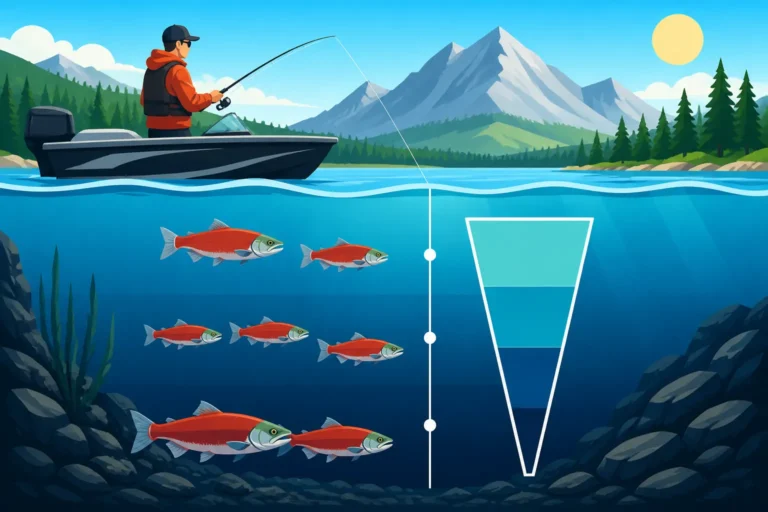
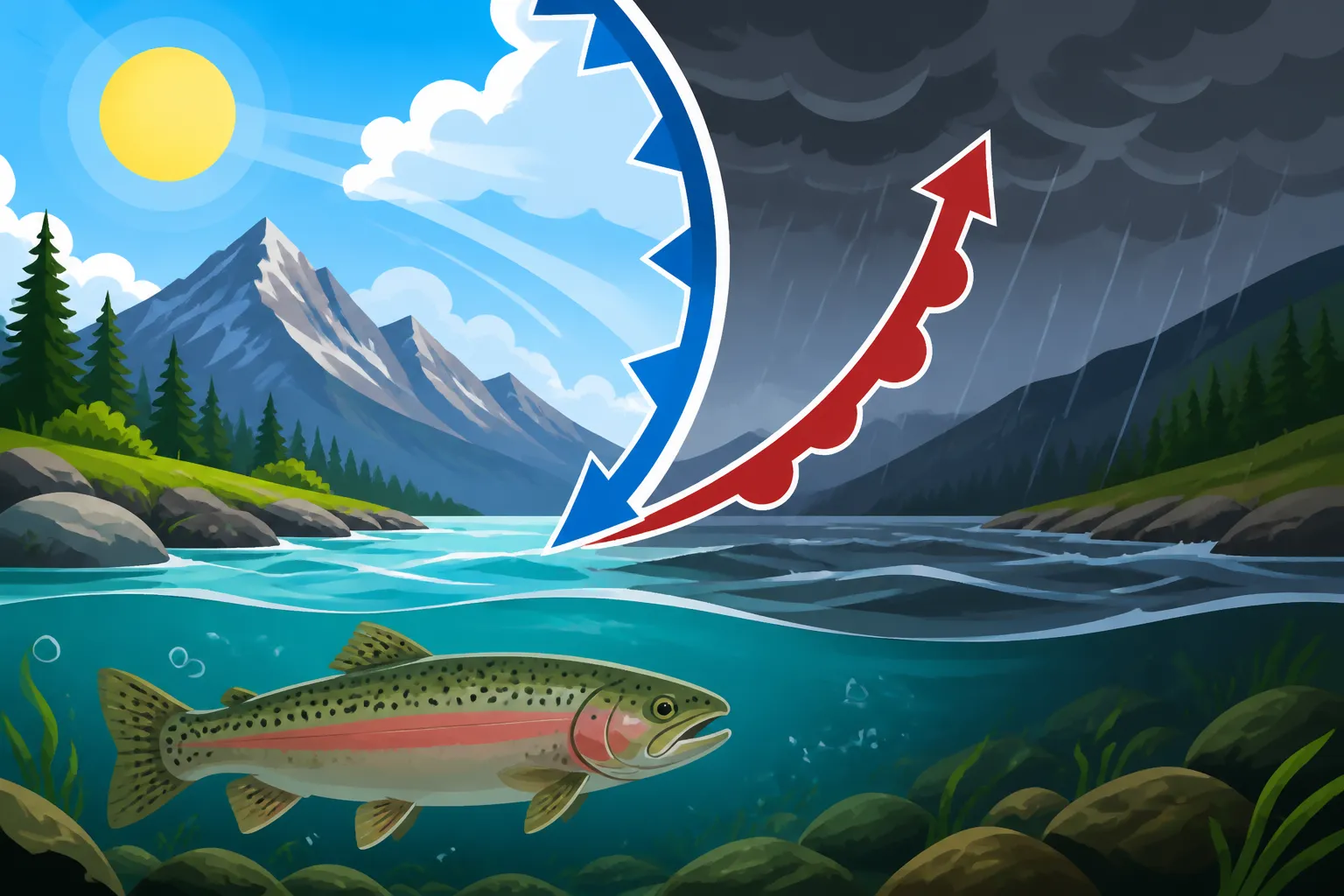
A high-pressure system typically brings clear skies, calm winds, and stable, often cooler, air. For anglers, this usually means beautiful weather, but it can sometimes make for tough fishing. The increased pressure can make fish feel "heavy" or uncomfortable in shallower water, pushing them deeper where they feel less exposed and more secure. Their metabolism might slow down, and they might become less aggressive feeders. They're still there, but they're often sluggish and less willing to chase a lure.
Conversely, a low-pressure system is often associated with clouds, wind, and precipitation—the classic "stormy weather" conditions. While many anglers shy away from fishing in a drizzle, approaching low-pressure systems can actually be fantastic for trout fishing. As the pressure drops, fish often become more active. This drop in pressure can make them feel lighter, more energetic, and can also trigger feeding frenzies as they sense an impending change or storm. It’s like a last-ditch effort to fuel up before the weather gets truly nasty.
The Role of Barometric Pressure on Fish
Barometric pressure is the single most critical factor influenced by weather fronts when it comes to fish behavior. Fish have a swim bladder, an internal organ that helps them control their buoyancy. When atmospheric pressure changes, the pressure inside their swim bladder also adjusts. A rapid drop in pressure, common before a storm, can cause their swim bladder to expand slightly, making them feel more buoyant. This often makes them more comfortable moving into shallower water or becoming more active in their existing habitat. They might rise in the water column, making them more accessible to surface presentations or shallower lures.
On the other hand, a sudden rise in pressure, usually after a cold front passes, causes their swim bladder to compress. This can make them feel "heavy" and might cause discomfort, driving them deeper to seek equilibrium. When trout are feeling this pressure change, they often become lethargic and less inclined to feed actively. Understanding this mechanism helps explain why fish can be so hot one day and completely shut down the next, even with seemingly similar water conditions. It’s often the invisible pressure acting upon them.
Cold Fronts: The Angler's Nemesis
Cold fronts are arguably the most challenging weather events for trout fishing. They represent a collision of cold, dense air displacing warmer, lighter air. When a cold front sweeps through Idaho, it brings with it a rapid drop in temperature, strong winds, and often intense, but short-lived, precipitation. The immediate aftermath, characterized by clear skies, bright sunshine, and stable high pressure, might look inviting, but it often signals some of the toughest fishing conditions you'll encounter.
The frustration is real when you've planned a trip to one of Idaho's amazing trout fisheries, like the Henry's Fork or Silver Creek, only to be met with a sudden cold snap. You might be casting your favorite dry flies or nymphs, confident in your technique, but the trout just aren't moving. This shutdown isn't because you're doing something wrong; it's a physiological response by the fish to a significant environmental change.
Before the Cold Front Hits
Surprisingly, the best fishing often occurs before a cold front truly arrives. As a cold front approaches, there's typically a period of falling barometric pressure, increasing cloud cover, and strengthening winds. This dropping pressure acts as a signal to trout, often triggering a feeding spree. They seem to sense the impending unpleasantness and gorge themselves while the conditions are still favorable. This can be a prime window for aggressive strikes, whether you're fly fishing with streamers or casting spinning lures.
This pre-front activity can be a true blessing, especially in places like the South Fork of the Snake River, where trout can be incredibly opportunistic. If you're watching the forecast and see a cold front on its way, try to hit the water a day or even half a day before it's expected to fully arrive. You might find trout actively feeding, more willing to chase and strike at your offerings, making for an exhilarating experience before the calm (and the difficult fishing) sets in.
During and Immediately After a Cold Front
Once the cold front passes, the scenario shifts dramatically. The air becomes crisp and clear, winds might die down or become more sustained, and the barometric pressure rises and stabilizes at a high level. This is where fishing often becomes incredibly tough. The combination of high pressure, clear skies allowing more light penetration, and a sudden drop in water temperature can send trout into a state of shock or extreme caution. They often retreat to deeper, slower pools, hide under cover, or simply stop feeding altogether.
You'll notice they become much more lethargic and shy. Presentations that worked flawlessly the day before might be completely ignored. This is not the time for flashy, aggressive retrieves or loud lures. Trout are likely huddled close to the bottom, conserving energy and trying to feel secure. Even the most skilled angler can struggle to entice a bite during this period, which can last anywhere from a few hours to several days, depending on the severity of the front.
Adapting Your Tactics to Cold Front Conditions
Fishing during or immediately after a cold front requires a complete shift in strategy. Forget aggressive presentations; think subtle, slow, and small.
- Go Deeper and Slower: Trout will be near the bottom, so present your bait or lure there. Use heavier split shot with nymphs or tiny jigs, and work them painfully slow. Dead-drifting is often key for fly anglers.
- Downsize Your Baits and Lures: Smaller offerings are generally more appealing to lethargic fish. Think tiny worms, small nymphs, or micro jigs. If using lures, opt for subdued colors and minimal flash. You might find some excellent small lures and micro jigs available on Amazon that are perfect for these conditions.
- Focus on Cover: Trout will seek refuge from the bright light and high pressure. Target deep pools, undercut banks, submerged logs, and thick vegetation. These spots offer both security and shade.
- Fish During Low Light: Early mornings, late evenings, or even overcast periods (if they occur after the front has passed) can offer a slight uptick in activity. The reduced light makes trout feel safer.
- Light Tackle and Stealth: Use lighter lines and leaders to minimize visibility. Approach fishing spots quietly and avoid heavy footfalls or sudden movements that could spook already wary fish.
- Consider Stillwaters: While rivers can be challenging, stillwaters like lakes and reservoirs sometimes offer slightly better cold-front fishing, as fish can retreat to deeper, more stable thermal layers. However, they will still likely be sluggish. Checking Idaho's Idaho Year-Round Fishing Waters might offer some ideas for lakes that are generally more stable.
Remember, patience is paramount. You might not catch a limit, but adapting your approach can help you salvage a few bites when others are striking out completely.
Warm Fronts: A Window of Opportunity
While cold fronts often bring a frown to an angler's face, warm fronts generally spell good news. A warm front occurs when a mass of warmer, lighter air advances and rides over a cooler, denser air mass. This usually brings a gradual warming trend, rising temperatures, increasing humidity, and often, periods of steady, light rain or drizzle. Crucially for anglers, warm fronts are almost always preceded by falling barometric pressure—the magic ingredient for active fish.
This change often invigorates trout, making them feel more comfortable and stimulating their feeding instincts. It's that feeling when the air is thick and damp, and you just know the fish are going to be on the chew. It’s a great time to be out on the water, whether you're trying your hand at How to Fly Fish in Idaho on a famous spring creek or casting traditional lures in one of Idaho's many productive reservoirs.
Approaching Warm Fronts and Rising Pressure
The period before a warm front fully arrives, when the barometric pressure is steadily dropping, is often phenomenal for trout fishing. As the pressure falls, fish become more active, moving around more freely and often rising higher in the water column. Their metabolism picks up, and they become more inclined to feed aggressively. This is when you can experience some truly epic days on the water, with trout actively chasing down lures or rising eagerly to dry flies.
During this pre-frontal phase, you might notice increasing cloud cover and light breezes—conditions that help break up the water's surface, making fish feel more secure from aerial predators and less wary of your presence. This makes it an ideal time to experiment with a wider range of techniques, from aggressive streamer retrieves to delicate dry fly presentations, depending on the specific water and insect activity.
The Best Fishing During a Warm Front
Once the warm front officially arrives, characterized by sustained warmer temperatures and often consistent, gentle rain, the fishing can remain excellent. The cloud cover associated with warm fronts reduces light penetration, making trout feel more secure in shallower water and more willing to feed throughout the day. The gentle rain can wash insects into the water, creating a natural food source and further stimulating activity. This is prime time to be on the water.
- Surface Activity: With rising temperatures and potentially insect hatches triggered by the warmth, trout are often looking up. This can lead to fantastic dry fly fishing opportunities, especially on rivers like the St. Joe or the Salmon River's tributaries where cutthroat trout are prevalent.
- Active Lures: For spin anglers, this is the time to throw those flashier spinners, spoons, or crankbaits that mimic baitfish. Trout are more likely to chase and strike aggressively.
- Consistent Bites: Unlike the erratic bites after a cold front, during a warm front, you can expect more consistent action. Fish are generally more willing to move for food.
- Wider Range of Depths: Trout will be active throughout the water column, so don't be afraid to fish different depths until you find where they are most concentrated. This might mean starting shallow and working your way deeper.
The warmth and activity of a good warm front make for comfortable and productive fishing. Just remember your rain gear! You can find excellent waterproof jackets and pants on Amazon to keep you dry and comfortable during these prime fishing windows.
Stable Weather vs. Unpredictable Systems
Not every day involves a dramatic weather front passing through, and even extreme weather events have their unique impacts. Knowing how trout react to sustained conditions, or sudden, violent changes, can further refine your approach.
Prolonged Stable Conditions
When Idaho experiences a prolonged period of stable weather—days on end of clear skies, consistent temperatures, and unchanging barometric pressure—trout generally settle into a predictable routine. This can be either a blessing or a curse for anglers.
- High-Pressure Stability: Long stretches of high pressure, especially during summer, can lead to trout becoming very selective and often concentrated in deeper, cooler water. They become accustomed to the conditions and can be incredibly wary. This is when your presentation and fly or lure selection become paramount. Delicate tippets, perfect drifts, and matching the hatch are crucial for fly anglers, while spin anglers might need to use ultra-light lines and very subtle lure presentations. You might find trout holding in the fastest, most oxygenated water during the hottest parts of the day, seeking comfort. Checking How Water Temperature Affects Idaho Trout Fishing can help you understand these thermal preferences.
- Low-Pressure Stability: Extended periods of stable low pressure (though less common) can keep fish consistently active. However, even then, they can become conditioned to certain food sources, requiring anglers to be observant and adapt. This could be a good time to revisit what Best Lures for Idaho Trout Fishing are recommended for consistent action.
Thunderstorms and Rapid Changes
Thunderstorms are a different beast altogether. They involve incredibly rapid and localized changes in barometric pressure, intense downpours, high winds, and often dramatic temperature drops.
- Before the Storm: Similar to an approaching cold front, the rapidly dropping pressure before a thunderstorm can ignite a furious feeding frenzy. Trout know bad weather is coming and will often feed aggressively. This can be a short, intense window of opportunity.
- During the Storm: For safety reasons, it's always best to get off the water during a lightning storm. Even if it were safe, the violent disruption of the water's surface, heavy rain, and dramatic pressure shifts usually send trout scattering for cover. Fishing during a thunderstorm is generally unproductive and dangerous.
- After the Storm: The aftermath depends on the storm's intensity and duration. If it was a quick, passing shower, fishing might pick up relatively quickly as the water settles and temperatures stabilize. However, intense storms can cause flash flooding, muddying the water and significantly disrupting trout habitat, making fishing difficult for days. Muddy, high water requires specific techniques, focusing on slower, larger, more visible offerings near the banks or in slower eddies.
Understanding these dynamics allows you to be more strategic with your fishing days. Sometimes, the most productive time isn't when the sun is shining, but when the barometer is on the move, offering a crucial heads-up to the keen Idaho angler.
Summary of Weather Front Impacts on Trout Fishing
To help you quickly reference how different weather conditions might impact your trout fishing plans in Idaho, here's a handy table:
| Weather Condition | Barometric Pressure Change | Trout Behavior & Location | Recommended Tactics |
|---|---|---|---|
| Approaching Warm Front | Falling (steady drop) | Increased activity, feeding aggressively, may rise in water column, moving into shallower areas. | Aggressive lures (spinners, spoons), streamers, dry flies if hatches are present. Focus on covering water. Consider Spring Fishing in Idaho strategies. |
| During Warm Front / Light Rain | Low (stable), rising gradually | Active, feeding consistently, less wary due to cloud cover. Often seeking out washed-in food. | Continue with active presentations; nymphs, wet flies, various lures. Excellent for sight fishing in clear streams. |
| Approaching Cold Front | Falling (often rapid drop) | Intense, brief feeding frenzy; gorging before the bad weather arrives. | Fast, aggressive presentations; streamers, flashy lures, bigger nymphs. Capitalize on the short window. This is a great time to hit the water before the big changes. |
| During Cold Front | Rising rapidly, then high | Shutdown, lethargic, deep, seeking cover, uncomfortable. | Slow, subtle, small presentations near the bottom or heavy cover. Minimal movement. Very light leaders. Stealth is key. |
| Immediately After Cold Front | High (stable) | Shut down, deep, wary, sluggish, reluctant to move for food. | Same as "During Cold Front"—focus on depth, slow retrieves, small baits, and dark, natural colors. Focus on low light hours. |
| Prolonged Stable High Pressure | High (stable) | Selective, wary, often deep or in fast oxygenated water during heat. | Delicate presentations, perfect drifts, matching the hatch precisely (fly fishing); ultra-light tackle, subtle lures (spin fishing). Patience and observation are vital. Read the water carefully, as described in Reading Water on Idaho's Rivers. |
| Before Thunderstorm | Rapidly falling | Brief, intense feeding spree. | Aggressive, capitalize quickly. |
| During Thunderstorm | Erratic, violent changes | Dispersed, seeking shelter, usually not feeding. | Safety first: avoid fishing. |
| After Intense Thunderstorm | Returning to stable | Can be slow if water is muddy/high; may pick up after clearing. | Adjust to water clarity: larger, more visible baits/lures in muddy water; smaller once clear. Look for fish in eddies and slower currents. Learn Idaho Fishing Techniques for Muddy Spring Water if applicable. |
Practical Tips for Anglers
Now that you know the science, how do you apply it to your next Idaho fishing adventure?
Always Check the Forecast (and the Barometer!)
This might seem obvious, but it goes beyond just looking at the temperature and precipitation. Pay close attention to barometric pressure trends. Many weather apps will show this, or you can get a simple, portable barometer. Knowing if the pressure is rising, falling, or stable gives you a huge advantage. If you know a warm front is coming, consider getting out there right before it hits. If a cold front is forecast, try to fish before the worst of it arrives.
It's also worth noting wind speed and direction. Strong, consistent winds, regardless of temperature, can make casting difficult and stir up sediments, affecting water clarity and fish behavior. A calm day, even with cooler temps, might be more productive than a wildly windy one.
Adapt Your Gear and Techniques
Don't be afraid to change your entire approach based on the weather. If a cold front has shut things down, don't keep throwing the same flashy spinner that worked last week. Switch to smaller baits, slower retrieves, and target deeper, more protected areas. For fly anglers, that means heavy nymphs or even indicators to keep your flies near the bottom, rather than delicate dry flies. Conversely, if conditions are ideal during an approaching warm front, you can be more experimental and aggressive.
Consider having a range of flies, lures, and baits. On Amazon, you can find a huge variety of options, from tiny cold-front jigs to vibrant warm-front spinners. This versatility will serve you well. For specific ideas, explore guides on Best Bait and Lures for Idaho Fishing.
Focus on Water Temperature
While weather fronts bring atmospheric changes, these often translate to water temperature shifts. Fish are cold-blooded, and their metabolism is directly tied to water temperature. A sudden drop in air temperature from a cold front will eventually lead to a drop in water temperature, slowing fish activity. Conversely, rising air temps from a warm front will eventually warm the water, increasing fish metabolism.
Knowing the ideal temperature ranges for trout (generally 45-65°F for optimal feeding) can help you decide if they're likely to be active or sluggish. During extreme cold-front conditions, trout will seek thermal refuge, often in deeper, more stable water.
Be Patient and Persistent
Fishing during challenging weather conditions, especially after a harsh cold front, requires a great deal of patience. Don't get discouraged if you're not getting bites right away. Keep working the water, trying different depths and slower presentations. Sometimes, just one or two bites on a tough day can feel like a huge victory.
Even when the weather is "perfect," trout can still be finicky. The more you pay attention to the subtle cues from the weather and the fish themselves, the more successful you'll become as an angler in Idaho's diverse waters.
Disclaimer
This article is for general informational purposes only and does not constitute professional advice. Laws, prices and regulations vary by location and change over time. Consult a qualified professional for guidance on your specific situation.