How to Nymph Fish a River
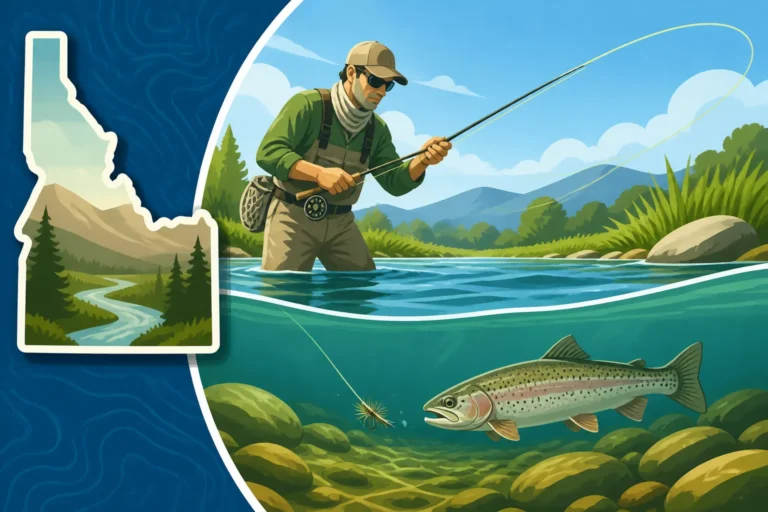
There’s nothing quite like the clear, cold rivers of Idaho, but they can be incredibly humbling for anglers, especially when fish seem to be ignoring everything you throw at them. Many days, the biggest frustration comes from seeing fish activity but failing to connect. This guide is here to help you unlock one of the most consistent and effective methods for catching fish in Idaho's diverse waterways: nymph fishing, which targets those often-hidden fish feeding subsurface.
Understanding the Idaho River Nymphing Advantage
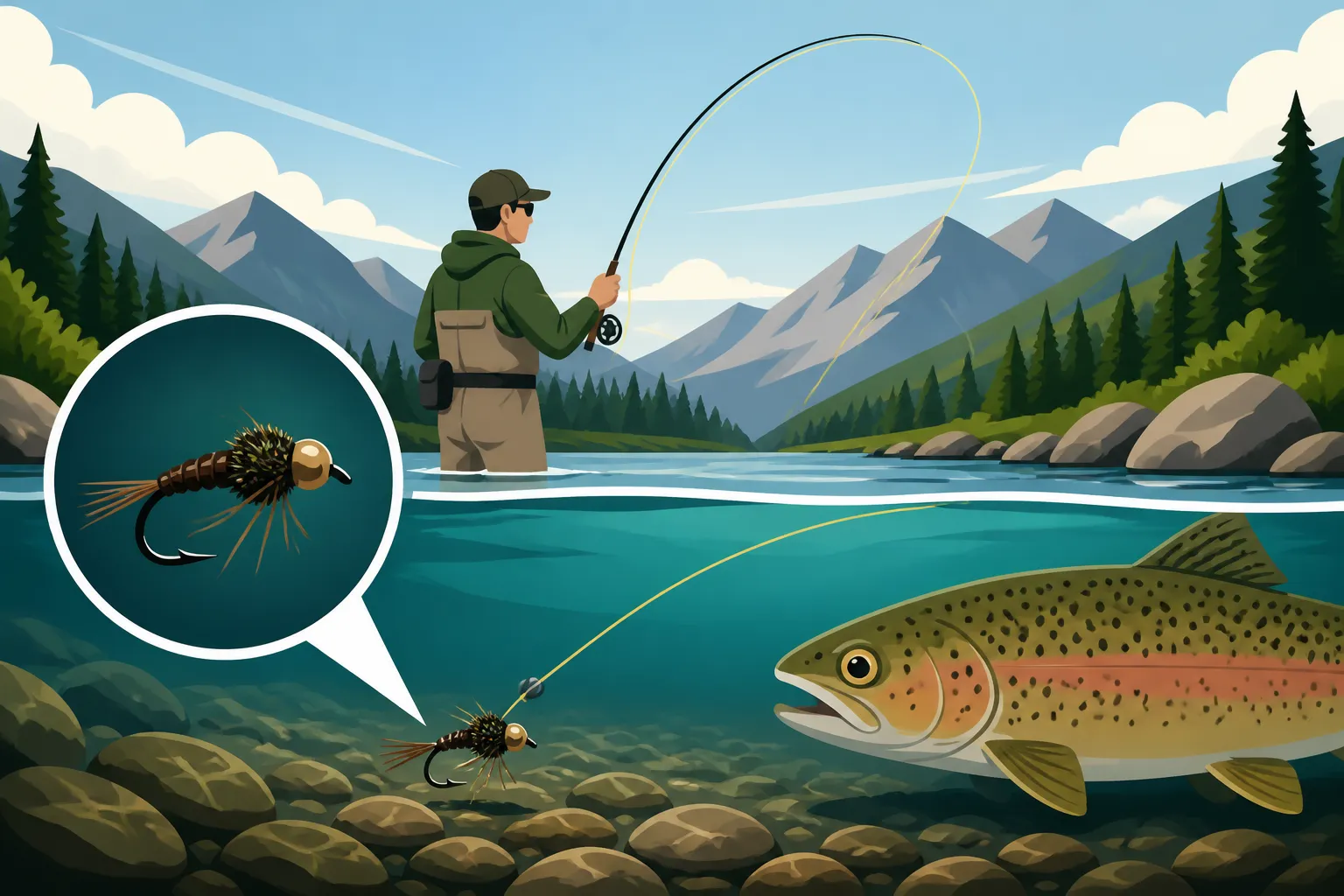
Idaho's rivers, from the gentle meanders of Silver Creek to the powerful currents of the South Fork of the Snake, are teeming with insect life beneath the surface. This is where fish spend the vast majority of their time feeding, making nymphing an incredibly productive strategy. It's not just about matching the hatch you see; it's about understanding the constant buffet that's happening underwater.
Why Fish Feed Subsurface Most of the Time
Think about your own mealtimes. Do you wait for food to float down from the ceiling, or do you eat what's readily available on your plate? Fish are much the same. While the exciting dry fly hatch often gets the glory, the reality is that aquatic insects, in their nymphal and larval stages, are almost always present in the water column and on the riverbed. These immature insects constitute the primary food source for trout, whitefish, and even some juvenile steelhead, making up a significant portion of their daily diet. When you're standing on the bank and not seeing any surface activity, it doesn't mean the fish aren't eating; they're just dining below.
Consider a typical Idaho trout stream. There are countless caddis larvae clinging to rocks, stonefly nymphs crawling on the bottom, and mayfly nymphs drifting in the current. These are high-protein snacks that are constantly available, not just during brief hatches. Even during a prolific dry fly hatch, many fish will continue to feed on nymphs, as they require less energy to intercept. Mastering how to nymph fish a river means tapping into this consistent, energy-efficient food source that fish are rarely able to resist. It’s a reliable way to get bites when other methods fall flat.
Nymphing for Various Idaho Species
Nymphing isn't just for trout; it's a versatile technique that can be applied across many of Idaho's favorite game fish. While our stunning Idaho Rainbow Trout Fishing Guide and Cutthroat Trout are classic nymphing targets, you'll find success with other species too. For example, smaller nymphs can be incredibly effective for targeting mountain whitefish, which often school up in deeper runs and riffles, readily snatching up drifting insects.
Even Steelhead, those magnificent anadromous rainbow trout, are frequently caught on nymphs in rivers like the Clearwater and Salmon. While they're not actively feeding in the same way resident trout are, a well-presented nymph can often trigger an aggressive, territorial strike. Learning How to Fish for Steelhead in Idaho often involves nymphing tactics, especially in specific water conditions. For any angler looking to improve their catch rate in Idaho, embracing nymphing is a critical step, as it connects you directly to the fish's primary feeding zone throughout the year.
Gearing Up for Successful Nymph Fishing
Getting your gear dialed in for nymphing doesn't have to be complicated, but a few key items will make a world of difference in your success. You don't need the most expensive equipment, but understanding what each piece does will help you make smarter choices, whether you're browsing your local fly shop or looking for specific items on Amazon.
Rod, Reel, and Line for Nymphing
When it comes to nymphing, your rod choice can really impact your ability to detect subtle takes and maintain a good drift. Most anglers find a 9 to 10-foot fly rod in a 4 to 6-weight ideal for general river nymphing in Idaho. The extra length helps with line control, mending, and reaching across currents to extend your drift. A 9-foot, 5-weight rod is a versatile choice for many of Idaho's trout rivers. If you're tackling larger rivers or potentially larger fish like steelhead, moving up to a 6-weight can provide more backbone.
Your reel mostly serves to hold your line and balance your rod, but a smooth drag is always a plus. For line, a weight-forward floating fly line is standard. The key, however, is your leader and tippet setup. Many nymphing specific lines have a longer front taper to facilitate delicate presentations and mends. You'll want to invest in a good fluorocarbon tippet, as it sinks faster than monofilament and is nearly invisible underwater, which is a huge advantage when fishing clear Idaho waters for wary fish. For leaders, you can buy specific knotless tapered leaders for nymphing, or build your own with different sections of monofilament and fluorocarbon for customized sink rates and strength. For more specific guidance, check out our Best Rod Setup for Trout Fishing article.
Essential Nymph Patterns for Idaho Rivers
Selecting the right nymph patterns is crucial, and it often comes down to matching the prevalent insects in the river you're fishing. While there are countless patterns, a few standbys should always be in your fly box for Idaho waters. Think about the most common bugs: mayflies, caddis, and stoneflies.
Top Nymph Patterns for Idaho:
| Nymph Pattern | Insect Imitated | Best Conditions / Uses | Key Features |
|---|---|---|---|
| Pat's Rubber Leg | Stonefly Nymph | Heavy current, larger rivers, searching pattern, large fish | Rubber legs, bulky, dark colors (brown, black) |
| Hare's Ear | Mayfly, Caddis, Scuds | All-around searching pattern, varying sizes | Buggy appearance, natural colors (tan, olive, brown) |
| Pheasant Tail | Mayfly Nymph | Clear water, selective fish, smaller sizes, subtle profile | Slender body, sparse, dark colors (brown, olive) |
| Copper John | Caddis Larva, Attractor | Fast water, getting deep quickly, flash attractor | Brass or copper bead, wire body, flash |
| Prince Nymph | Stonefly, Caddis, Attractor | General searching, dark water, attracting attention | White biots, peacock body, bead head, dark profile |
| Zebra Midge | Midge Larva/Pupa | Winter, tailwaters, slow water, small insects | Tiny, slim profile, black/white/red, bead head |
When building your collection, look for patterns in various sizes (from tiny #20 midges up to #6 stoneflies) and with different bead head weights (tungsten is excellent for getting down fast). It’s also wise to carry some "attractor" patterns that don't precisely imitate any single insect but trigger strikes through color or flash. Many Idaho anglers have great success with patterns tied with a bit of flash or brightly colored hot spots. You can often find great multi-pack selections of these nymphs from various fly tying companies on Amazon, making it easy to stock up. Don't forget to check out our Best Bait and Lures for Idaho Fishing for a broader view.
Indicators, Weights, and Tools
To effectively nymph fish, you'll need a few accessories. Strike indicators are crucial for detecting subtle takes, acting like a bobber that shows you when a fish has inhaled your fly. There are many types, from buoyant foam indicators that clip on your line to yarn indicators that are less intrusive. Experiment to find what works best for you and the conditions. In high winds, a stiffer foam indicator might be easier to see, while in clear, calm water, a small yarn indicator might be less likely to spook fish.
Split shot or tungsten putty is often necessary to get your nymphs down to the fish's feeding level, especially in deeper, faster water. Always start with less weight and add more if needed, ensuring your flies are ticking the bottom without snagging excessively. For precision, a set of pliers with a crimping function or dedicated split shot pliers can be invaluable for adding and removing weight. Finally, hemostats or forceps for hook removal, nippers for cutting line, and a net with a rubber mesh to protect fish are essential tools for any responsible angler. Keeping these small but mighty tools organized in a vest or pack will make your time on the water much more efficient.
Key Techniques for Nymphing Idaho Waters
Nymphing is less about casting distance and more about presentation, drift, and reading the water. Getting your flies into the strike zone and keeping them there naturally is the name of the game.
Mastering the Dead Drift
The dead drift is the cornerstone of effective nymphing. This means allowing your nymph(s) to drift downstream at the same speed as the current, without any drag or unnatural movement from your fly line. Fish are extremely sensitive to drag; if your fly moves faster or slower than the surrounding water, they'll often ignore it, sensing something is amiss. Achieving a perfect dead drift often involves skillful mending – repositioning your fly line upstream or downstream with your rod tip to eliminate slack and prevent the current from pulling your flies unnaturally.
Start by casting slightly upstream and across the current. As your flies drift, keep your rod tip high, following the path of your indicator or lead fly. Watch your line and indicator closely. If it speeds up or slows down compared to the current, make a mend. For example, if the current closest to you is faster than the current where your flies are, a quick upstream mend with your rod will throw slack upstream, allowing your flies to continue their natural drift. This might sound complex, but with practice, it becomes second nature. A good drift will entice even the most selective trout, especially in popular spots like Fishing Henry's Fork for Fly Anglers where fish can be very wary.
Indicator Nymphing vs. Euro Nymphing
There are two primary styles of nymphing that Idaho anglers use: indicator nymphing and Euro nymphing. Each has its strengths and preferred applications.
-
Indicator Nymphing: This is probably the most common and beginner-friendly method. You attach a strike indicator to your leader, typically 1.5 to 2 times the depth of the water you're fishing above your first nymph. The indicator's job is twofold: to suspend your flies at the correct depth and to signal a strike. When the indicator twitches, dips, or stops, set the hook! This method is excellent for covering various water types, from slow pools to moderate riffles, and allows for longer casts. It's often favored in typical Idaho trout streams where you might be fishing pocket water or longer runs. You can find a wide array of high-quality indicators, from buoyant foam to specialized yarn designs, available for purchase on Amazon.
-
Euro Nymphing (Tightline Nymphing): This technique has gained massive popularity for its efficiency and sensitivity, particularly in faster, shallower water or when targeting very selective fish. With Euro nymphing, you don't use a traditional indicator. Instead, you use a long, sensitive rod (often 10-11 feet), a specialized leader with a sighter (a brightly colored section of monofilament), and weighted nymphs. The goal is to keep as much line off the water as possible, maintaining direct contact with your flies. You use the sighter to detect strikes – any hesitation, twitch, or movement that isn't natural current flow warrants a hook set. This method requires a different casting stroke and excels at pinpoint presentations and detecting the most subtle takes. It’s particularly effective when learning How to Cast to Selective Trout on a Spring Creek like Silver Creek.
Multi-Nymph Rigs and Weight Placement
Many nymphing situations in Idaho benefit from a multi-nymph rig, often two or even three flies. A common setup involves a heavier "point" fly at the bottom (like a Pat's Rubber Leg or a heavy Copper John) followed by one or two lighter "dropper" flies tied off a tag end or directly to the bend of the point fly's hook. This allows you to imitate different insects and cover different depths simultaneously.
The placement of your weight is also critical. If you're using split shot, placing it between your indicator and your lead fly, or even between your lead and dropper flies, will help get your flies down to the feeding zone quickly. The amount and placement of weight depend entirely on the current speed and water depth. In slower, shallower water, you might need minimal weight or even just the weight of your bead-head nymphs. In faster, deeper runs, you might need a substantial amount of split shot. The goal is to get your flies ticking the bottom occasionally without getting constantly snagged. This trial-and-error process is part of learning Reading Water on Idaho's Rivers effectively.
Troubleshooting and Advanced Nymphing Tips
Even with the right gear and basic techniques, nymphing can present challenges. Learning to adjust and refine your approach is what separates a good day from a great day on Idaho's rivers.
Reading Water for Nymphing Success
Understanding where fish hold and feed is paramount to nymphing success. Trout and other river fish are energy-efficient creatures; they'll position themselves in spots where food comes to them with minimal effort. Look for:
- Seams: These are the lines where fast water meets slow water. Fish often sit in the slower water, waiting for food to drift by from the faster current.
- Runs and Riffles: These oxygenated areas churn up nymphs, making them prime feeding grounds. Focus on the bottom of riffles and the head of runs.
- Deep Pools: While often intimidating, deep pools can hold large, wary fish. Nymphing these requires getting your flies down deep and maintaining a long, drag-free drift.
- Pocket Water: Found in freestone rivers with lots of rocks and boulders, these small, sheltered pockets behind obstructions are perfect holding lies. A quick, accurate cast and a short, precise drift are key here.
- Undercut Banks and Structure: Overhanging vegetation, submerged logs, and undercut banks provide cover and a steady food supply. Fish will often hold in these protected spots.
Understanding How Water Temperature Affects Idaho Trout Fishing can also influence where fish hold in the water column. In colder temperatures, fish often hug the bottom, while in warmer water, they might be more spread out or even suspended.
Adjusting Your Depth and Presentation
One of the most common reasons for not catching fish when nymphing is fishing at the wrong depth. If your flies aren't hitting the bottom occasionally, they're likely drifting above the fish's primary feeding zone. Adjust your indicator's position on your leader or add more weight until you're occasionally ticking rocks. If you're constantly snagging, you're either too deep, using too much weight, or your drift isn't natural enough.
Presentation also involves your casting and mending. For many Idaho rivers, especially those with complex currents, a reach cast or a pile cast can help you get more immediate slack into your line, allowing your flies to sink faster and drift longer without drag. Don't be afraid to experiment with your casting angles, presentation of your flies, and your mending to find what the fish are responding to on a given day. Sometimes, a slight angle change can make all the difference. For a broader perspective on various techniques, check out our Idaho Fishing Techniques Guide.
Common Mistakes to Avoid
Even experienced anglers fall victim to common nymphing pitfalls. Being aware of these can save you a lot of frustration.
- Not Enough Weight (or Too Much): The Goldilocks principle applies here. Too little weight, and your flies drift over the fish; too much, and you're constantly snagging. Adjust often.
- Poor Drift (Drag): This is probably the biggest culprit for missed fish. Any unnatural speed difference between your fly and the current will send fish scurrying. Practice your mends!
- Not Setting the Hook: Nymph takes can be incredibly subtle – a slight pause of the indicator, a tiny twitch of your line, or even just an unnatural movement. If in doubt, set the hook! It's better to set on a phantom take than to miss a real fish.
- Fishing the Wrong Water: Not all water holds fish. Learn to identify prime holding lies and focus your efforts there. Don't waste time casting into dead water.
- Wrong Fly Choice/Size: While some patterns are generalists, fish can be picky. If you're not getting bites, try changing your nymph pattern, size, or color. Sometimes, switching from a size 16 to a size 18, or from a Hare's Ear to a Pheasant Tail, can make all the difference. Many anglers keep a variety of sizes and colors of their favorite patterns, sometimes purchased in bulk from Amazon, to ensure they have options.
Nymphing might seem daunting at first, but with practice and attention to detail, it will become one of your most effective tools for consistently catching fish in Idaho's beautiful rivers, from the Idaho Trout Season Opening Weekend Explained through the crisp fall days.
Disclaimer
This article is for general informational purposes only and does not constitute professional advice. Laws, prices and regulations vary by location and change over time. Consult a qualified professional for guidance on your specific situation.