How to Jig for Perch in Idaho
You've heard the whispers around the docks, seen the overflowing buckets at the cleaning stations, and perhaps even tasted the sweet, flaky meat yourself – Idaho perch fishing can be absolutely phenomenal. But reeling in those delicious yellow-striped beauties consistently, especially when you're trying to master the art of jigging, can feel like chasing a ghost if you don't know the tricks of the trade. It's frustrating to be out on the water, seeing others pull them in, while your jig just sits there. This comprehensive guide is here to unravel the mysteries of how to jig for perch in Idaho, giving you the confidence and the know-how to fill your cooler.
Understanding Idaho's Perch Fishery
Perch might not be the flashiest fish in Idaho's waters, but they are undeniably one of the most popular, and for good reason. They are plentiful, relatively easy to catch once you locate them, and incredibly tasty. Understanding their natural habits and where they thrive is the first step to successful jigging. Forget just dropping a line anywhere; intelligent angling starts with knowing your quarry.
Prime Perch Waters in Idaho
Idaho is blessed with an abundance of fantastic perch fisheries, offering opportunities year-round, from the largest reservoirs to smaller, more intimate lakes. The key is knowing which waters consistently produce and what makes them tick. For instance, Lake Coeur d'Alene in the north is renowned for its robust perch population, often yielding good numbers, especially in its shallower bays and around submerged structures. Similarly, Cascade Reservoir near McCall is a well-known hotspot, famous not just for its monstrous tiger muskie but also for its prolific perch schools, particularly during ice fishing season. Down south, American Falls Reservoir on the Snake River system provides excellent opportunities, with vast expanses of water holding large numbers of perch. Other notable mentions include Lake Lowell near Nampa, a family-friendly spot that often delivers good panfish action, and C.J. Strike Reservoir, which, while primarily known for bass and crappie, also harbors healthy perch populations, especially in coves and backwaters. Each of these bodies of water has distinct characteristics that attract perch, from varied depths to ample forage and diverse underwater structures. You'll find that perch often congregate in specific areas within these lakes and reservoirs, making scouting crucial. If you're looking for more general information on what makes a fishery great, our comprehensive Best Idaho Lakes for Yellow Perch guide dives deeper into individual locations.
Perch Behavior and Habitat Preferences
Yellow perch are schooling fish, meaning when you find one, you're likely to find many more. This schooling behavior is a huge advantage for jigging anglers. They tend to stick to similar depths and structures within a given body of water. Generally, perch prefer cooler, clear water and are often found near aquatic vegetation, submerged timber, rock piles, drop-offs, and other bottom structures. These areas provide cover from predators, ambush points for feeding, and a good source of invertebrates and smaller baitfish that make up their diet. Their diet is quite varied, ranging from insect larvae and zooplankton when they're young, to small crustaceans, leeches, and even juvenile fish as they grow larger. This opportunistic feeding habit means they're often eager to strike a well-presented jig. During warmer months, they might be found in shallower bays and weed beds in the mornings and evenings, retreating to deeper, cooler water during the heat of the day. In winter, especially under the ice, they'll typically hold in deeper basins or along transitional breaks, still preferring some form of structure. Understanding these patterns is key to positioning yourself for success.
Essential Jigging Gear for Idaho Perch
Having the right tools for the job is non-negotiable when you're targeting perch with jigs. You wouldn't bring a hammer to a screw fight, and similarly, using gear that's too heavy or too light will hinder your success. Precision and sensitivity are the names of the game when it comes to jigging for these often subtle biters.
Rods, Reels, and Line for Perch Jigging
For perch jigging, especially with lighter jigs, a sensitive setup is paramount. You want to feel those light taps and subtle changes in pressure that indicate a perch has inhaled your offering.
A light to medium-light action spinning rod is ideal, typically between 5 to 7 feet in length. The lighter action allows for better feel and casts small jigs more effectively, while still having enough backbone to handle a good-sized perch. Look for rods with a fast or extra-fast tip, as this provides maximum sensitivity to detect those delicate bites. Brands like St. Croix, Fenwick, and Ugly Stik all offer excellent options for various budgets, readily available on platforms like Amazon.
Pair your rod with a small, lightweight spinning reel in the 1000 to 2000 size range. A smooth drag system is important, even for perch, as it prevents line breaks when a bigger fish (or an incidental trout or bass) decides to crash your perch party. A good quality reel ensures smooth retrieves and reduces fatigue during long jigging sessions.
When it comes to fishing line, choices abound, but for jigging perch, many anglers lean towards braided line with a fluorocarbon leader. Braided line, typically in 4 to 8 lb test, offers superior sensitivity due to its lack of stretch, allowing you to feel every bump and nibble. It also cuts through the water easily, which is a big advantage when fishing deeper or in currents. Since braided line is visible underwater, tying on a 2 to 4 foot leader of fluorocarbon line (4 to 6 lb test) is crucial. Fluorocarbon is nearly invisible underwater, provides abrasion resistance, and still transmits enough feel for delicate bites. Some anglers prefer a straight monofilament line, especially for ice fishing, as it's more forgiving and less prone to freezing in guides, but it sacrifices some sensitivity.
Choosing the Right Jigs and Baits
This is where the real fun begins – selecting the lures that will entice those finicky perch. The sheer variety available can be overwhelming, but for jigging, we're focusing on a few key categories.
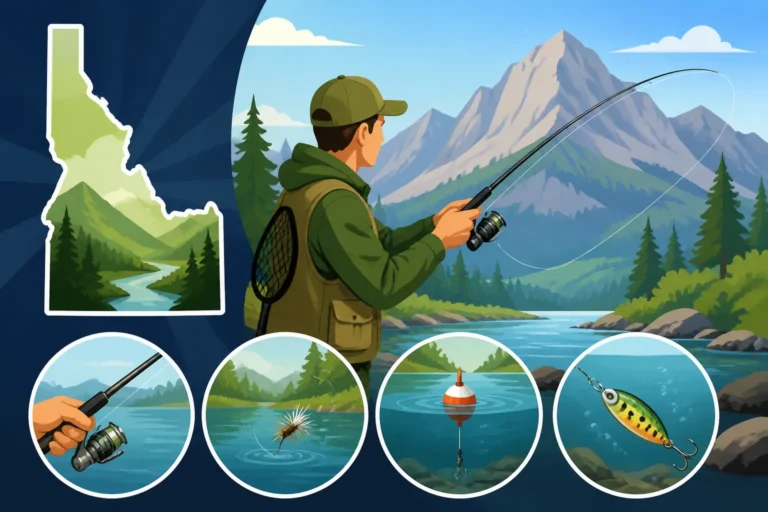
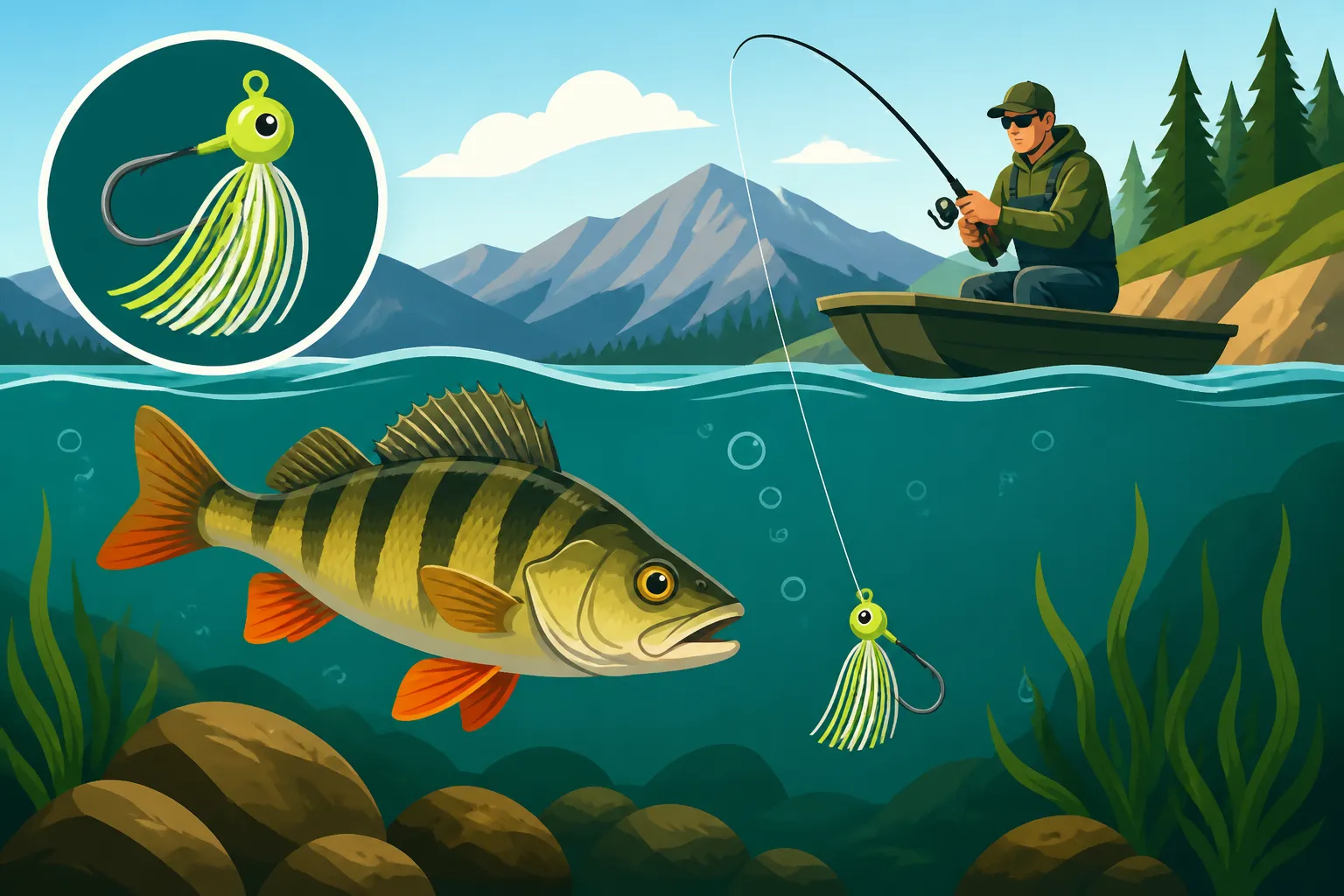
Jigs: Small jig heads, ranging from 1/32 oz to 1/8 oz, are typically the go-to for perch. The weight depends on depth, current, and the sensitivity of your setup. Lighter jigs provide a slower, more natural fall, which perch often prefer. The color can be critical; popular choices include chartreuse, orange, pink, white, and various metallic finishes like gold and silver. Experimentation is key! Some effective jig styles include:
- Tube Jigs: Small soft plastic tubes (1-2 inches) threaded onto a jig head. These imitate small baitfish or crustaceans.
- Grub Jigs: Tiny curly-tail or paddle-tail grubs (1-2 inches) on a jig head. The tails provide enticing action with minimal movement.
- Blade Baits: Small, metal lures with a vibrating action on the retrieve. These can be very effective, especially when perch are aggressive. Examples include Johnson Thinfish or small Vib-E R baits.
- Spoons: Tiny jigging spoons, like those from Kastmaster or Swedish Pimple, are excellent, especially for ice fishing or deeper water. Their erratic flutter on the drop often triggers a strike.
- Small Bucktail or Marabou Jigs: These offer a natural, pulsing action in the water, mimicking small insects or baitfish.
Live Bait Additions: Sometimes, perch need a little extra enticement. Tipping your jig with a small piece of live bait can be a game-changer, especially on tough days.
- Mealworms or Waxworms: These are classic panfish baits, easy to keep and incredibly effective when threaded onto a small jig hook.
- Small Minnows: For larger perch, a tiny minnow (live or dead, hooked through the lips or back) can be deadly, adding scent and natural action.
- Perch Eyes or Strips of Perch Fillet: In some areas, using a small piece of perch eye or a strip of its belly meat (if legal in your specific water, always check regulations like the Idaho Fishing Regulation Brochure and Proclamation) can be incredibly effective, adding natural scent and flash.
You can find a massive selection of these jigs and baits on Amazon, often in multi-packs, making it easy to experiment without breaking the bank. Don't be afraid to try different combinations until you find what the perch are keying in on that day.
Mastering Idaho Perch Jigging Techniques
Okay, you've got the gear, you know where to find the fish. Now comes the critical part: how to present that jig in a way that makes a perch want to bite it. Jigging isn't just about dropping a lure and reeling; it's an art form with subtle nuances that can make all the difference.
Basic Jigging Motions and Presentations
The essence of jigging for perch is to impart action to your lure, mimicking natural prey, and then letting it fall in a tantalizing manner. Think of it as a dance for fish.
- The Lift and Drop: This is the most fundamental jigging motion. Drop your jig to the bottom (or just above where you're marking fish on your sonar). Then, with a gentle wrist flick, lift your rod tip about 6-12 inches, then immediately drop it back down, allowing the jig to flutter and fall freely on a semi-slack line. The bite often occurs on the fall, so watch your line carefully for any twitch, stop, or unnatural movement. Let the jig rest for a few seconds on the bottom, or just above it, before repeating. Vary the height of your lift and the speed of your drop until you find what the perch prefer.
- Short Hops: Instead of a big lift, try shorter, quicker hops of only 2-4 inches. This can be particularly effective when perch are less aggressive or holding tight to the bottom. It kicks up a puff of sediment, attracting attention, and keeps the lure in the strike zone longer.
- Subtle Wiggles/Quivers: Sometimes, the slightest movement is all it takes. Once your jig is at the desired depth, hold your rod tip still, and just gently quiver it, making the bait or soft plastic subtly pulsate without much vertical movement. This can be deadly when perch are sluggish.
- Deadsticking: This might sound counterintuitive for jigging, but sometimes doing nothing is the most effective technique. Drop your jig to the desired depth, let it settle, and then hold your rod perfectly still for 10-20 seconds. The natural movement of the water, or the subtle tail action of a grub, can be enough to trigger a bite. This is often combined with active jigging: jig aggressively to attract attention, then go completely still to entice the bite.
Always pay close attention to what the fish are telling you. If they're hitting on the aggressive lifts, keep at it. If bites are sparse, slow down, try smaller movements, or introduce longer pauses. The perch will dictate the pace.
Advanced Strategies for Finicky Perch
When the bite gets tough, or you're targeting larger, more wary perch, it's time to pull out some advanced tactics. These strategies often involve a combination of presentation, bait selection, and environmental awareness.
- The Double-Header Rig: This rig utilizes two small jigs or a jig and a dropper hook with a small live bait. Tie your main jig to the end of your leader, and then about 6-12 inches above it, tie a dropper loop or a small three-way swivel to attach a second, lighter jig or a hook tipped with a live minnow. This presents two targets, doubles your scent, and offers varied action. Perch often school by size, and sometimes a larger perch will follow a smaller one to feed. Make sure your local Idaho Fishing Regulations Explained allow for multiple hooks.
- Scent and Attractants: Perch have a keen sense of smell. On slow days, adding a scent attractant to your jig or soft plastic can make a big difference. Products like Pro-Cure or Berkley Gulp! sprays and gels add a strong scent trail that can draw perch in and encourage them to hold onto the bait longer, giving you more time to set the hook.
- Finesse Drops: Rather than letting your jig plumet, use your reel to control the descent, creating a slower, more controlled fall. This can be particularly effective with lightweight jigs or blade baits, allowing them to flutter and "swim" down more naturally. This mimics a dying baitfish, a tempting target for opportunistic perch.
- Controlled Depth Targeting: Don't just fish the bottom. Use your fish finder to identify the precise depth where perch are holding. Sometimes they suspend a few feet off the bottom, or even in the middle of the water column if there's a bait ball. Drop your jig precisely to that depth and focus your jigging efforts there. This is especially useful in deep reservoirs like Anderson Ranch Reservoir or American Falls.
- Noise and Flash: When perch are actively feeding, sometimes you need to get their attention. Jigs with small spinner blades, rattles, or reflective flash can draw fish in from a distance. A lively jigging motion creates a "flash and dash" presentation that can trigger an aggressive strike from a competitive school.
Remember, consistency in trying new things is as important as the techniques themselves. If one method isn't working after 15-20 minutes, switch it up.
Seasonal Considerations for Perch Jigging
Idaho's seasons dramatically influence fish behavior, and perch are no exception. What works in the dead of winter won't necessarily work in the heat of summer. Adapting your approach to the time of year is crucial for year-round success. If you're generally interested in when to fish, our Best Time of Year to Fish in Idaho article offers broader insights.
Ice Fishing for Perch: A Winter Delight
Idaho's frozen lakes and reservoirs offer some of the most exciting perch jigging opportunities. When the ice thickens, perch tend to school up in predictable patterns, making them easier to target. This is truly where jigging shines for perch.
Location: During ice fishing season, perch often congregate in deeper basins, along gradual slopes, or near the edges of weed beds and submerged humps. They might hold anywhere from 10 to 40 feet deep, depending on the body of water and time of day. Using a portable fish finder is invaluable for locating schools and identifying productive depths. You'll often find them schooled tightly. Popular ice fishing destinations like Payette Lake near McCall, Cascade Reservoir, and Lake Coeur d'Alene are prime spots for winter perch. For more on this, check out our guide on How to Ice Fish in Idaho.
Technique: Ice fishing jigging is typically a more vertical affair. Small, bright jigging spoons (like a Swedish Pimple or Demon Jig) tipped with a perch eye, mealworm, or a small piece of dead minnow are incredibly effective. Small tungsten jigs, often paired with plastic "droppers" or scented soft plastics (e.g., Berkley Gulp! maggots), also work wonders. Drop your jig to the bottom, reel up a foot or two, and then perform short, subtle lifts and drops, punctuated by pauses. The bites can be extremely light, often just a slight weight or a gentle upward tap on your line. Using sensitive ice fishing rods, readily available on Amazon, with spring bobbers can help detect these subtle takes. For specific gear recommendations, our Best Ice Fishing Gear for Cold-Weather Lakes article can guide you.
Timing: Early morning and late afternoon often see the most aggressive bites, but perch can be caught throughout the day under the ice, especially if you're on an active school. Remember, safety first on the ice! Always check ice conditions before venturing out.
Open Water Perch Jigging: Spring, Summer, and Fall
As the ice melts and the seasons turn, perch disperse and change their habits, but jigging remains a highly effective method.
Spring: Post-spawn perch in early spring can be found in shallower bays and protected coves, often near emerging weed beds. They're recovering from spawning and are often hungry. Small jigs with soft plastics or live bait, worked slowly near cover, can be very productive. As the water warms, they'll become more active.
Summer: During the heat of summer, perch tend to move to deeper, cooler waters during the day, often suspending over main lake basins or holding tightly to deep structures like rock piles, humps, and submerged timber. In the early mornings and late evenings, they might venture into shallower weed lines to feed. Vertical jigging directly over marked fish, or casting small jigs to the edges of weed beds and quickly retrieving them, are effective strategies. Trolling with small jigs and a bit of weight can also help locate scattered schools. When fishing deep water on reservoirs, understanding How to Use a Fish Finder on an Idaho Reservoir becomes essential for success.
Fall: As water temperatures drop in the fall, perch become very active, feeding heavily in preparation for winter. They'll often move back into shallower to mid-depth ranges, congregating in large schools. This is often an excellent time for aggressive jigging, as perch are less finicky and more willing to chase. Look for them around major points, deep weed lines, and structural elements like humps and channels. The fall bite can be some of the best of the year, providing consistent action right up until ice-up.
Reading the Water and Finding Perch Hotspots
You can have the best gear and techniques in the world, but if you're not where the fish are, you're just practicing casting. Finding the fish is half the battle, and reading the water, both visually and with technology, is key to consistent success in Idaho.
Interpreting Sonar and Topographical Maps
Modern fishing electronics have revolutionized how we find fish, and for jigging perch, a good fish finder is an invaluable tool.
Sonar (Fish Finder) Interpretation: Your sonar unit, whether it's a basic flasher for ice fishing or a sophisticated side-imaging unit on your boat, can reveal where perch are holding. Look for "arches" or "blobs" on your screen, which indicate fish. If you see multiple arches grouped together, you've likely found a school of perch. Pay attention to the depth at which these marks appear – are they hugging the bottom, suspended a few feet up, or in the middle of the water column? This tells you exactly where to present your jig. Modern units also show bottom composition, helping you identify rock piles, weed beds, or softer silt where perch might be feeding. Use your sonar to mark waypoints when you find active schools, allowing you to return to them easily.
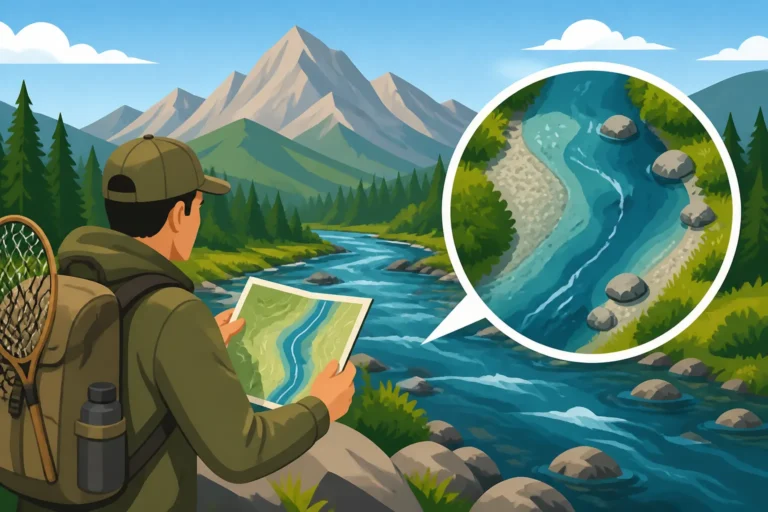
Topographical Maps (Lake Maps): Before you even launch your boat or drill your first hole, study a detailed topographical map of the lake or reservoir. These maps show depth contours, underwater structures, old river channels, humps, points, and sudden drop-offs. Look for "transition zones" – areas where a flat bottom quickly drops into deeper water, or where a hard bottom meets a soft bottom. Also, identify large flats adjacent to deep water, which perch often use for feeding. Mark potential hotspots on your map and plan your attack. Services like Navionics or Garmin LakeVü provide highly detailed maps that can be accessed via your phone or directly on your electronics. These maps are your blueprint to uncovering hidden perch goldmines.
Identifying Productive Structures and Depths
Perch are rarely found in vast, featureless expanses of open water. They are structure-oriented fish, meaning they relate to changes in the underwater environment.
Submerged Structure: This is arguably the most important factor. Look for:
- Weed Beds: Especially the edges where weeds meet open water or deeper channels. These offer cover, food, and ambush points.
- Rock Piles and Rubble Areas: These provide hiding spots and attract invertebrates that perch feed on.
- Submerged Timber (Laydowns, Stumps, Brush Piles): Excellent cover, particularly in reservoirs like C.J. Strike Reservoir where old trees may remain. Be prepared for snags!
- Humps and Ridges: Underwater high spots that perch use as feeding stations and travel corridors.
- Points: Areas where land extends into the water, creating an underwater extension that fish often follow.
- Old River Channels: Especially in reservoirs formed by damming rivers, the old riverbed provides a distinct path and deeper water that fish will travel and hold in.
Depth: While perch can be found from shallow to deep, their preferred depth often depends on the season, time of day, and water temperature.
- Shallow (5-15 feet): Often productive in spring, fall, and early mornings/late evenings in summer, particularly around weed beds or structure near the shore.
- Mid-Depth (15-30 feet): A common zone year-round, especially along drop-offs, humps, and the edges of main lake channels. This is a great starting point if you're exploring new water.
- Deep (30-50+ feet): Primarily during the hottest parts of summer or the dead of winter (ice fishing), when perch seek cooler, more stable temperatures. They might suspend over deep water if baitfish are present.
By combining map study, thorough sonar scanning, and an understanding of these productive structures, you'll significantly increase your chances of dropping your jig right into a school of hungry Idaho perch. Remember that Idaho Fishing Regulations Explained will dictate specific rules for each body of water, so always check before you head out!
Jigging vs. Other Perch Fishing Techniques
While jigging is our focus, it's helpful to understand how it compares to other common perch fishing methods in Idaho. Each technique has its strengths and ideal scenarios, but jigging offers a unique blend of precision and interaction. For a broader view, refer to the Idaho Fishing Techniques Guide.
The Precision and Active Nature of Jigging
Jigging is, by its very nature, an active and engaging style of fishing. You're constantly working the lure, feeling for bites, and reacting to what the fish are doing.
Pros of Jigging:
- Pinpoint Accuracy: Allows you to place your lure exactly where fish are marked on your sonar or directly into a small piece of structure. This is especially advantageous for targeting tight schools or finicky fish.
- Active Engagement: You're constantly interacting with your lure, imparting action, and feeling every subtle tap. This makes for a more hands-on and exciting fishing experience.
- Versatility: Jigs can imitate a wide variety of forage, from baitfish to insects and crustaceans, making them effective in diverse conditions.
- Year-Round Effectiveness: Jigging is equally effective through the ice as it is in open water, making it a reliable technique no matter the season.
- Detecting Subtle Bites: With sensitive gear, jigging allows you to feel the lightest bites that might be missed with less direct methods.
Cons of Jigging:
- More Involved: Requires constant attention and lure manipulation, which can be tiring for some, especially beginners.
- Can Be Slower: While precise, it's generally not a "cover a lot of water quickly" technique compared to trolling. You often need to be on top of the fish.
- Snag Potential: When fishing heavy structure (rocks, timber), jigs are prone to getting snagged, leading to lost lures.
Other Popular Perch Fishing Methods in Idaho
While jigging is a fantastic method, it's not the only way to catch perch. Here's how it stacks up against some alternatives:
| Technique | Description | Best Use Case | Pros | Cons |
|---|---|---|---|---|
| Jigging | Vertical presentation with lifts and drops, mimicking prey. | Active fish, locating schools, deep water, ice fishing. | Precise, active, versatile, good for detecting light bites. | Can be slow, prone to snags, requires constant attention. |
| Slip Bobber Rig | Live bait (minnow, worm) or small jig suspended under a bobber, allowing depth adjustment. | Shallow to mid-depth, slower bites, multiple rods, still fishing. | Easy to use, great for kids, keeps bait at desired depth, visually exciting. | Less active, less precise depth control than jigging, wind affects float. |
| Bottom Rig/Feeder | Multiple hooks (often with bait like worms or corn) on the bottom, often with a weight. | Still fishing, targeting stationary schools, multiple hooks. | Can target many fish at once, easy for beginners, good for scent dispersal. | Less active, prone to snags, can foul easily, often catches smaller fish. |
| Trolling | Pulling small lures (spoons, crankbaits, or jigs) behind a boat to cover large areas. | Locating scattered schools, larger bodies of water, covering ground. | Covers lots of water, effective for larger fish, less physically demanding. | Less precise, requires a boat, can be less interactive. |
As you can see, jigging offers a direct, hands-on approach that's highly effective once you've located a school of perch. It gives you immediate feedback on what the fish are responding to, making it a favorite for many seasoned anglers in Idaho. Don't forget that a general Idaho Fishing License Guide is your first step for any of these techniques!
Handling and Caring for Your Idaho Perch Catch
After all that hard work, the last thing you want is for your delicious perch to go to waste. Proper handling, cleaning, and storage are just as important as the fishing itself. A well-cared-for catch tastes infinitely better!
Best Practices for Keeping Perch Fresh
Maintaining the quality of your fish starts the moment you pull them from the water. Idaho perch, like most fish, are best when kept cold and cleaned promptly.
- Immediate Cooling: The moment a perch comes over the rail (or out of the ice hole), it should go into a cooler filled with ice. A cooler with a good ice-to-fish ratio will quickly drop the fish's core temperature, slowing down spoilage and firming up the flesh. Don't just toss them into a bucket of water; water can actually warm up and degrade the fish quality faster than ice.
- Bleeding (Optional but Recommended): For the absolute best table fare, some anglers choose to bleed their perch immediately after catching them. This involves making a quick cut to the gills or severing the artery behind the gill plate and letting the fish bleed out in an ice-slurry. Bleeding removes blood from the meat, resulting in a cleaner, milder flavor and firmer flesh.
- Protect from Sun and Heat: Never leave your catch exposed to direct sunlight or warm air. Even on cool days, the sun can quickly warm up fish, leading to rapid spoilage. Keep them covered and on ice at all times.
- Avoid Piling: While perch are relatively small, avoid piling too many fish on top of each other in a way that bruises them. Distribute them evenly in the ice.
Cleaning and Filleting Your Perch
Perch are famous for their excellent flavor, and a clean fillet makes all the difference. While they might be small, they are relatively easy to fillet with a bit of practice.
- Get a Sharp Fillet Knife: This is non-negotiable. A sharp, flexible fillet knife (like a Rapala or Bubba Blade, commonly found on Amazon) makes the job much easier and safer.
- Basic Filleting Steps:
- First Cut: Lay the fish on its side. Make a cut behind the pectoral fin, down to the backbone, but don't cut through it.
- Along the Backbone: Turn your knife flat and run it along the top of the backbone, working from head to tail. Keep the knife pressed against the bones to maximize meat yield.
- Rib Cage: When you hit the rib cage, you have two options: either cut straight through the ribs (leaving a small amount of meat on them) or carefully cut around them. Many prefer to cut around the ribs to get a boneless fillet.
- Skinning: Once the fillet is off the fish, lay it skin-side down. Hold the tail end firmly, and with your knife at a slight angle, slide it between the skin and the meat, working towards the head. Keep the knife angled slightly down towards the skin to avoid cutting through the meat.
- Rinsing and Drying: Briefly rinse your fillets in cold water to remove any scales or stray bits, then pat them completely dry with paper towels. Drying is crucial for freezing to prevent freezer burn and for better cooking results.
- Storage:
- Refrigeration: Fresh fillets can be stored in an airtight container or zip-top bag in the coldest part of your refrigerator for 1-2 days.
- Freezing: For longer storage, vacuum seal your fillets or place them in freezer-safe bags, filling the bag with water (after placing fish inside) before freezing to create an ice block that protects against freezer burn. Properly frozen perch can last for several months.
Always be mindful of Idaho Catch Limits and Bag Limits Explained to ensure you're fishing responsibly and sustainably. Enjoy your hard-earned and delicious Idaho perch!
Disclaimer
Fishing regulations, conditions, and fish behavior can change. Always consult the latest Idaho Fish and Game regulations and local advisories before heading out on the water. This guide provides general information and recommendations, but it is your responsibility to adhere to all current laws and practice safe angling.