Best Water Temperature for Idaho Steelhead to Bite
One of the biggest mysteries and frustrations for any angler chasing Idaho steelhead is figuring out why some days they bite like crazy, and other days it feels like you're casting to ghosts. You've got the right gear, you're in a known steelhead spot, and everything feels right, yet nothing. Often, the hidden culprit is something you can't see with your eyes: the water temperature. This guide is dedicated to unraveling the secrets of steelhead and water temperature, helping you understand their ideal biting conditions, what too cold or too warm water means for your strategy, and how to use this knowledge to significantly improve your chances of success on Idaho's famous steelhead rivers.
Understanding Steelhead Biology and Temperature Needs
Steelhead aren't just any fish; they're magnificent, migratory rainbow trout with specific environmental needs. Unlike resident trout that might tolerate a wider range of conditions, steelhead are undertaking epic journeys from the ocean back to their spawning grounds, and their entire physiology is finely tuned to certain conditions, with water temperature being paramount. Ignoring this crucial factor can be the difference between a memorable day on the water and a frustrating, fishless outing.
Why Temperature Matters So Much for Steelhead
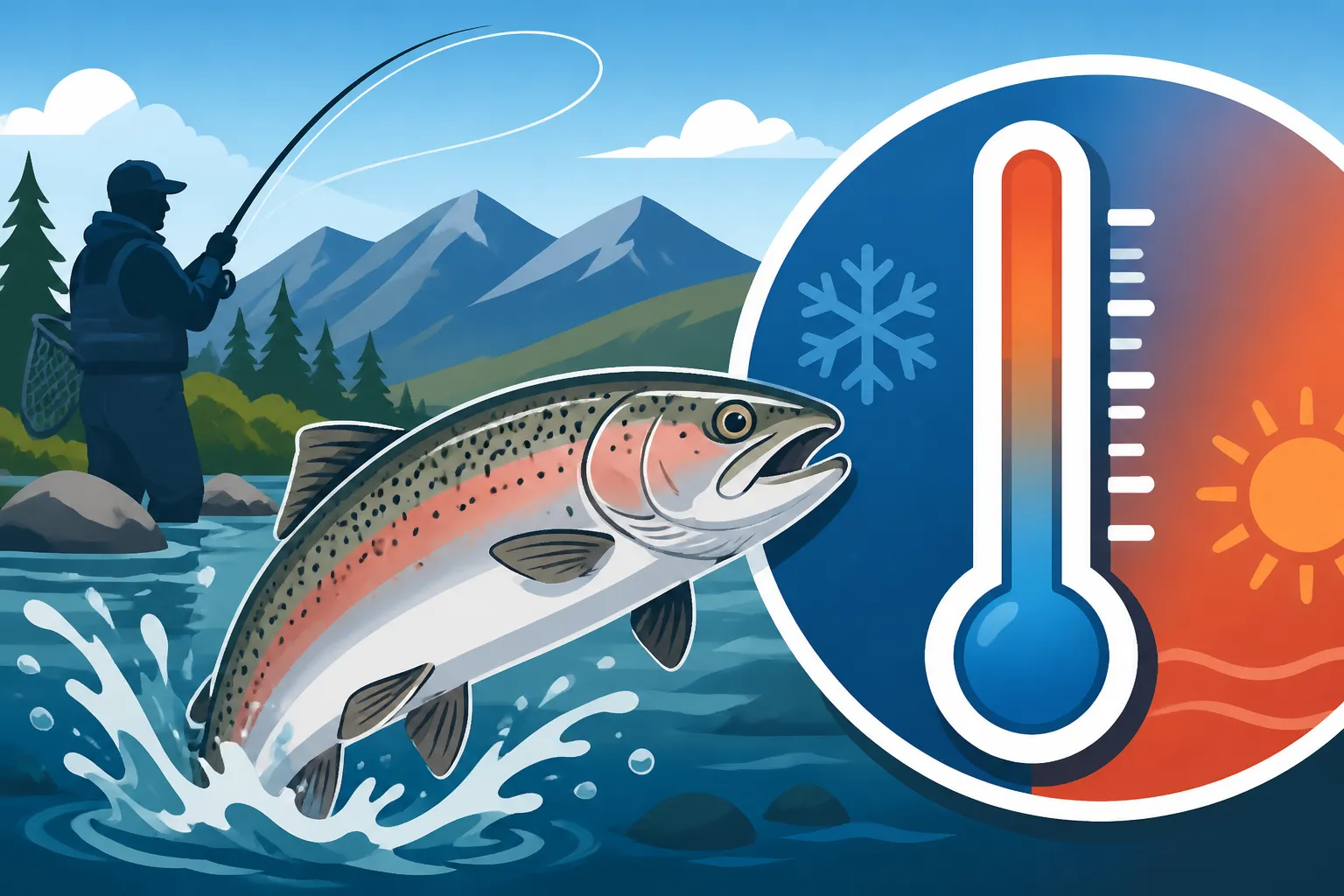
Imagine trying to run a marathon in extreme heat or freezing cold – your body simply wouldn't perform at its peak. It's much the same for steelhead. Water temperature directly influences their metabolism, energy levels, oxygen consumption, and even their immune system. When the water is too cold, their metabolic rate slows dramatically. They become lethargic, conserving energy, and are far less likely to chase or strike at a lure. They're just not feeling it. Conversely, if the water gets too warm, it becomes stressful. Oxygen levels can drop, and the fish feel uncomfortable, again leading to reduced feeding activity and a reluctance to bite. Finding that "Goldilocks zone" where the temperature is just right is key to unlocking their aggression and willingness to strike. It's not just about comfort; it's about survival and opportunity.
The Ideal Temperature Range for Steelhead Activity
Through years of observation and scientific study, anglers and biologists have identified a general sweet spot for steelhead activity and biting. While every river and individual fish can have slight variations, the consensus for optimal steelhead biting conditions typically falls within a specific range. Generally, you're looking for water temperatures between 40°F and 55°F. Within this window, steelhead are most active, their metabolism is humming, and they're more inclined to feed, migrate, and react to presentations. This is when their energy levels are high enough to chase down bait or flies, yet the water isn't so warm as to stress them out. It’s during these prime conditions that you'll often experience your most productive days of fishing for these incredible fish. Understanding this range is the first step in becoming a more effective steelhead angler.
How Different Temperatures Affect Steelhead Behavior
Knowing the ideal range is one thing, but understanding how steelhead behave outside of it is equally important. This knowledge allows you to adjust your techniques, presentations, and even your expectations, ensuring you're not just casting aimlessly but fishing smart, no matter what the thermometer says.
Cold Water (Below 40°F): Sluggish Steelhead and Your Approach
When Idaho's rivers drop below 40°F, steelhead become notably sluggish. Think of it like us on a chilly winter morning; we move slower, want to conserve energy, and aren't keen on too much exertion. Steelhead are cold-blooded, and their body temperature mirrors the water around them. In these frigid conditions, their metabolism slows down dramatically. They won't chase a fast-moving lure or expend much energy for a meal. Instead, they'll often hold in deeper, slower pools where they can conserve energy, staying close to the bottom and out of strong currents.
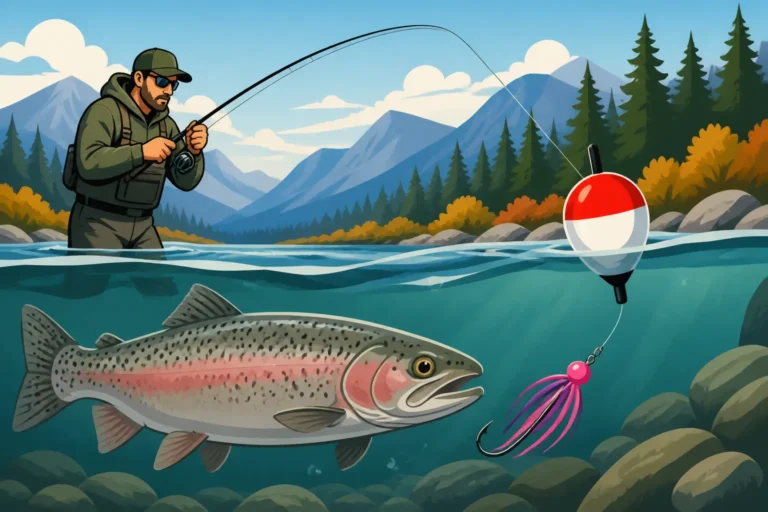
Your approach in cold water needs to be extremely slow and methodical. Consider using presentations that practically drift into their mouths, requiring minimal effort from the fish to strike. How to Fish a Bobber and Jig for Idaho Steelhead is a classic technique here, allowing your bait or jig to suspend at their depth for an extended period. Scent is also incredibly important, as a sluggish fish might need more convincing. Live bait, cured roe, or heavily scented artificial baits can be highly effective. Focus on prime holding water – deep, slow pockets behind structure, soft seams, and the tail-outs of larger pools. Don't be afraid to let your presentation linger. Remember, a bite in cold water might be incredibly subtle, more of a pressure than a distinct tug, so pay close attention.
Optimal Water (40°F – 55°F): Prime Biting Conditions
Ah, the sweet spot! This is the temperature range where steelhead are most comfortable, active, and, crucially, most willing to bite. Within 40°F and 55°F, their metabolism is elevated, they're feeling feisty, and they're actively migrating and looking for feeding opportunities. This is when you'll find them distributed throughout different water types – from runs and riffles to softer seams and pockets – and exhibiting more aggressive behavior.
In these optimal conditions, you can experiment with a wider array of techniques. Drifting jigs, flies, and bait through prime holding water is always effective, but you might find success with more active presentations as well. Side-Drifting Technique for Idaho Steelhead can be highly productive, covering more water and enticing active fish. Plugs and spinners, especially back-trolled, can trigger aggressive strikes. Fish tend to be more competitive, so a well-presented offering that moves naturally through their zone is often met with enthusiasm. This is the time to really cover water, trying different depths and retrieval speeds, as fish can be anywhere. Pay attention to structure and current breaks, but don't shy away from faster water where active fish might be holding. It's the ideal window to experience the powerful tug of a steelhead.
Warm Water (Above 55°F): Stress and Reduced Biting
When water temperatures climb above 55°F, and especially as they push into the 60s, steelhead begin to experience significant stress. This isn't just about comfort; it's a matter of survival. Warmer water holds less dissolved oxygen, which steelhead need to breathe. Their metabolic rate increases rapidly in warm water, demanding more oxygen, but less is available, creating a dangerous imbalance. This physiological stress makes them lethargic, not out of cold, but out of exhaustion and discomfort. They'll seek out cooler refuge, often in deeper pools, tributary mouths, or areas with cold groundwater upwellings.
Fishing in warm water needs to be approached with extreme caution, and often, it's best avoided entirely for the sake of the fish. If you do encounter warm water, consider focusing on early mornings or late evenings when temperatures are coolest. Use heavier tackle to land fish quickly, minimizing their fight time and stress. Consider single, barbless hooks to ensure an easy release. Focus on areas where you might find cooler water, like the deepest holes or shaded sections of the river. If water temperatures consistently exceed 65°F, it's generally recommended to stop fishing for steelhead altogether, as the chances of post-release mortality increase dramatically. Always prioritize the health of the fish. You can find more details on responsible angling in the Idaho Steelhead Fishing Regulations Explained guide.
Practical Tips for Monitoring and Using Water Temperature
Knowing the ideal range is one thing, but actually applying that knowledge on the river requires a few practical tools and a bit of strategy. Don't just guess – measure and observe!
Essential Gear for Measuring Water Temperature
You can't effectively factor water temperature into your fishing strategy if you don't know what it is. This is where a good water thermometer becomes an indispensable piece of gear. You don't need anything fancy, but accuracy is key.
- Pocket Thermometers: These are small, easy to carry, and can be quickly dipped into the water to get a reading. Many fly shops and sporting goods stores carry reliable models, and you can often find decent options on platforms like Amazon. Look for ones that are protected by a casing so they don't break easily when bouncing around in your pack.
- Wading Staff Thermometers: Some wading staffs come with built-in thermometers, offering convenience, though they might be slightly less precise than dedicated instruments.
- Fish Finder Integration: If you're fishing from a boat, many modern fish finders and depth sounders include a water temperature sensor, providing real-time readings. This is incredibly helpful for trolling or navigating larger rivers and lakes.
When taking a reading, try to measure the temperature of the water where the fish are likely holding, not just the surface near the bank, especially in large rivers or when there are varying depths. Getting a reading at different depths can also provide valuable insight. Consistency is also important; try to check the temperature at the same time each day you're out, or if conditions significantly change. This practice helps you build a mental database of how specific rivers behave under different weather patterns.
Strategies for Fishing Different Temperature Zones
Understanding temperature allows you to make more informed decisions about where and how to fish. You're not just looking for "fishy water" anymore; you're looking for "temperature-appropriate fishy water."
- Pre-Scouting: Before you even leave the house, check regional river reports or online forums. Sometimes, local outfitters or fellow anglers will post recent water temperatures. This can give you a heads-up on what to expect.
- Targeting Cooler Water in Warm Conditions: If the overall river temperature is trending high, seek out areas where cooler water might persist. This could be deeper pools, sections with significant shade, or, critically, the confluence of cold tributaries. Steelhead will often stack up at the mouth of a cooler stream.
- Finding Warmer Pockets in Cold Conditions: Conversely, in very cold conditions, look for areas that might warm up slightly. This could be shallower riffles that catch more sun, dark-bottomed pools that absorb more heat, or even tail-outs of pools where water might have lingered just long enough to gain a degree or two. Even a small increase can make a big difference to sluggish fish.
- Adjusting Depth: In colder water, fish tend to hug the bottom. Ensure your presentation gets down to them. As water warms towards the optimal range, fish might be more willing to move up in the water column or hold in slightly shallower, faster-moving water. Your Idaho Fishing Gear Guide by Season will also touch on appropriate gear for varying conditions.
Remember, temperature can change throughout the day, especially with sun exposure or the inflow of snowmelt or rain. Be prepared to adjust your strategy as conditions evolve.
Seasonal Temperature Shifts and Steelhead Fishing
Idaho's steelhead seasons span a wide range of environmental conditions, and water temperature is the primary driver behind how you approach each part of the year. The transition periods are particularly interesting, offering unique challenges and rewards.
- Fall Steelhead: This is often considered prime time for many Idaho steelhead fisheries. As summer heat gives way to cooler autumn air, river temperatures begin to drop into that optimal 40-55°F range. This makes the fish more active and aggressive. You'll find strong runs on rivers like the Clearwater and Salmon. The article Why Fall Is the Best Time for Clearwater River Steelhead delves into this further.
- Winter Steelhead: As winter truly sets in, temperatures can plummet below 40°F, even approaching freezing. This makes for a tougher bite, as fish become lethargic and seek refuge in deeper, slower pools. Your presentation needs to be slow and deliberate, focusing on getting down to where these fish are hunkered down. Patience becomes a virtue. You might find that the Idaho Steelhead Season Dates and Limits article provides useful context here.
- Spring Steelhead: With the warming trend of spring, water temperatures can rise back into the optimal range, re-energizing steelhead that have overwintered or are making their final push to spawning grounds. However, spring also brings snowmelt and runoff, which can cloud rivers and make temperature readings less consistent. This period requires careful monitoring of both temperature and clarity.
Understanding these seasonal temperature dynamics is crucial for planning your trips. A fish that was active in a riffle in October might be holding in the deepest, slowest pool in January, all due to a change in water temperature.
Beyond Temperature: Other Factors Influencing Steelhead Bites
While water temperature is undeniably a massive piece of the steelhead puzzle, it's rarely the only factor at play. These fish are complex creatures, and a successful day often means considering a confluence of environmental variables. It's about putting all the pieces together for the best chance at success.
Water Clarity and Flow
Even if the water temperature is perfect, if you can't see your hand a few inches below the surface, or if the river is raging like a freight train, your chances of success plummet. Water clarity and flow are intrinsically linked and hugely impactful on steelhead behavior and your fishing strategy.
- Clarity: Steelhead are sight feeders to a large extent. When the water is clear, they can easily spot your presentation, and you can often get away with lighter lines and more subtle offerings. However, if the water is murky or stained, their visibility is reduced, and they rely more on scent and vibration. In these conditions, you might need to use larger, brighter lures, or heavily scented baits to get their attention. A little tint in the water can sometimes be beneficial, as it gives the fish more confidence to move about without feeling as exposed. But too much mud makes fishing incredibly tough.
- Flow (Water Level): River flow dictates where fish can hold and how easily they can move. High flows, often from spring runoff or heavy rains, can push fish to the banks and into slower eddies, making them difficult to target. Conversely, very low flows can make fish spooky and concentrated in fewer, deeper spots. Moderate, stable flows are often ideal, allowing fish to spread out and move freely throughout the river. Learning to read the water and understand how fish react to different flows is as important as knowing the temperature. Check out Reading Water on Idaho's Rivers for more insight.
Barometric Pressure and Light Conditions
These atmospheric factors are often debated among anglers, but many experienced steelhead veterans swear by their influence. It might not be as dramatic as temperature or clarity, but they can certainly nudge the bite one way or another.
- Barometric Pressure: A stable or slowly dropping barometric pressure is often associated with better fishing. Fish, including steelhead, seem to feel more comfortable and active before a storm or during prolonged periods of stable weather. Rapidly falling or very high, stable pressure can sometimes put them off the bite, making them lethargic or causing them to seek deeper refuge. While you can't control the weather, being aware of changes in barometric pressure can help you adjust your expectations and even your approach.
- Light Conditions: Overcast days or periods of low light are often preferred by steelhead. Direct, bright sunlight can make them feel exposed and push them into deeper, darker holes or under cover. In low light, they tend to be more active and willing to move into shallower water to feed or migrate. This is why early mornings, late evenings, and cloudy days can be exceptionally productive. On bright days, focus on shaded areas, deep pools, and use more subtle presentations. The Best Time of Day to Fish for Steelhead in Idaho touches on this in more detail.
Presentation and Patience
Ultimately, even with perfect water temperature, clarity, and ideal weather, if your lure or fly isn't presented correctly, you're not going to get a bite. And even with the best presentation, these are wild, unpredictable fish that require a healthy dose of patience.
- Presentation: This encompasses everything from your choice of lure or fly (perhaps a specific jig or one of the Best Flies for Idaho Steelhead if you're a fly angler), to the depth you're fishing, the speed of your retrieve, and the drift of your offering. Steelhead can be incredibly finicky. What works one day might be ignored the next. You need to adapt. Are they hitting a slow-moving bait on the bottom, or an aggressively jigged spoon? Are they responding to a natural drift, or a swung fly? Constantly experimenting and paying attention to subtle cues from the fish and the river itself is key. For those using spinning gear, checking out the Best Lures for Idaho Steelhead is a good starting point.
- Patience: This is arguably the most crucial tool in any steelhead angler's arsenal. Steelhead fishing is rarely about constant action. It's about persistence, hundreds of casts, and unwavering focus for that one, electrifying bite. Don't get discouraged if you're not catching fish right away. Keep adjusting your depth, your presentation, and your location. Steelhead are often referred to as the "fish of a thousand casts" for a reason. But when that rod finally loads up, all the waiting and strategizing become instantly worth it.
Here's a quick summary table to help you visualize temperature influences:
| Water Temperature Range | Steelhead Activity Level | Recommended Fishing Strategy | Presentation Speed/Depth | Key Considerations |
|---|---|---|---|---|
| Below 40°F (Cold) | Very sluggish, lethargic | Focus on deep, slow pools. | Very slow, bottom-hugging. | Subtle bites, scent crucial. |
| 40°F – 55°F (Optimal) | Active, aggressive, migrating | Cover various water types (runs, riffles, pools). | Varied, active to natural drift. | Prime biting window, experiment. |
| 55°F – 60°F (Warm) | Stressed, seeking refuge | Target deeper, shaded areas, cool inflows. | Faster retrieves to land fish quickly. | Minimize fight time, consider ceasing if warmer. |
| Above 60°F (Very Warm) | Highly stressed, low oxygen | Avoid fishing. | N/A (Fish health is paramount). | High mortality risk, do not fish. |
By combining a deep understanding of water temperature with an awareness of these other critical factors, you'll be well on your way to cracking the code of Idaho steelhead fishing and enjoying more productive, and responsible, days on the river.
Disclaimer
This article is for general informational purposes only and does not constitute professional advice. Laws, prices and regulations vary by location and change over time. Consult a qualified professional for guidance on your specific situation.