Fishing High Mountain Lakes in the Sawtooths
There's a unique allure to Idaho's high mountain lakes, isn't there? That feeling of escaping the crowded rivers and popular reservoirs, pushing yourself on a hike, and finally arriving at a sparkling, sapphire gem tucked away in the wilderness. But let's be honest, fishing these remote havens comes with its own set of challenges, from understanding access and regulations to knowing what gear to pack and how to actually catch those elusive high-elevation trout. This comprehensive guide is dedicated to demystifying the experience, providing you with everything you need to plan a successful and unforgettable fishing adventure in the stunning Sawtooth Mountains.
The Irresistible Call of Sawtooth High Mountain Lakes
There’s just something about the Sawtooth Mountains, isn't there? That rugged, jagged skyline, the scent of pine and crisp, clean air, and those incredibly blue lakes nestled in granite cirques. It's a place that pulls at your soul, especially if you're an angler looking for more than just a quick catch. These aren't your roadside ponds; they demand effort, but they reward you tenfold with experiences that stick with you long after your boots are dry.
Unmatched Scenery and Solitude
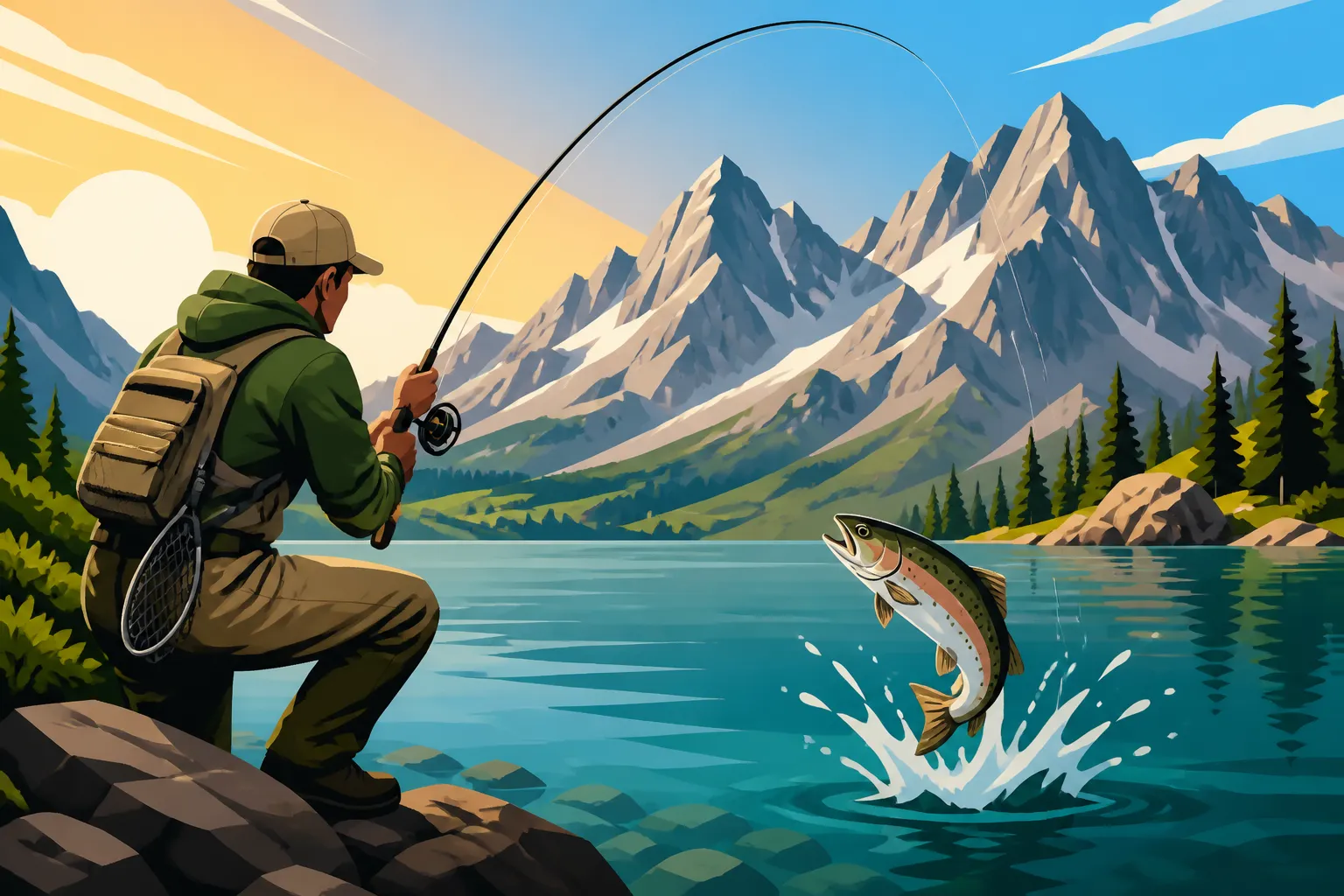
Let's face it, one of the biggest draws to the high mountain lakes in the Sawtooths is the sheer, unadulterated beauty and the profound sense of solitude. You hike for miles, often gaining thousands of feet in elevation, leaving the noise of daily life and even the buzz of popular lower-elevation fishing spots far behind. When you crest that final ridge and behold a pristine alpine lake, reflecting the granite peaks like a mirror, it's an almost spiritual experience. You might be the only person there, or perhaps share it with a handful of fellow adventurers, but the feeling is always one of peace and quiet. Imagine casting your line into still, clear water, the only sounds being the gentle lapping of waves against the shore and the occasional chirp of a pika. It's a true escape, offering a connection to nature that’s increasingly hard to find. The isolation here isn't a drawback; it's the main event, allowing you to truly immerse yourself in the fishing without distractions.
These environments also offer incredible photographic opportunities, a chance to truly unwind, and a mental reset that a crowded fishing hole simply can’t provide. You become part of the landscape, even if only for a few days, and that intimacy with the wilderness makes every trout you hook feel like a profound accomplishment. It’s not just about the fish; it’s about the journey, the views, and the quiet satisfaction of earning your spot by the water.
Unique Ecosystems and Native Trout
The Sawtooth high mountain lakes are not just pretty faces; they are unique ecosystems, often fed by snowmelt and pure mountain springs, leading to incredibly clear and cold waters. These conditions shape the types of fish that thrive here, primarily various species of trout. While some lakes might see occasional stocking, many of these waters are home to robust, self-sustaining populations of native and wild trout that have adapted to this harsh yet beautiful environment. This means the fish you catch here are often pristine, hard-fighting, and embody the wild spirit of their surroundings.
When you're fishing in these lakes, you're primarily targeting trout species like the vibrant Westslope Cutthroat Trout, a true gem of Idaho's native fish, or robust Rainbow Trout that have learned to thrive in these conditions. Sometimes you'll even find Brook Trout, often smaller but feisty and brilliantly colored. The diet of these fish consists mostly of insects and smaller aquatic invertebrates, which means they are often very responsive to natural presentations. Understanding these unique ecosystems and the fish that inhabit them is key to successful angling and, more importantly, to appreciating the delicate balance of these high-altitude environments. You can learn more about specific species in our comprehensive guide to Idaho Fish Species Guide.
Planning Your Sawtooth Lake Fishing Adventure
Embarking on a high mountain lake fishing trip isn't a spur-of-the-moment decision; it requires careful planning to ensure both enjoyment and safety. Unlike a quick drive to a local pond, these adventures involve significant physical effort, navigation skills, and adherence to wilderness ethics. Taking the time to prepare properly will make all the difference in your experience.
Accessing Trailheads and Remote Waters
The first hurdle to fishing Idaho's high mountain lakes is getting there. Many of these lakes are nestled deep within the Sawtooth Wilderness Area, meaning motorized vehicles are prohibited beyond designated trailheads. Access often involves a significant hike, ranging from moderate day trips to multi-day backpacking excursions. For instance, popular trailheads like those near Stanley—think the Grandjean Trailhead or the one leading to Redfish Lake—serve as jumping-off points for numerous alpine lakes. You'll need reliable maps (physical and digital, like those from Gaia GPS or AllTrails) and the ability to navigate backcountry trails, which can sometimes be poorly marked or disappear altogether in high-alpine sections.
Consider the elevation gain and total mileage. A lake that looks close on a map might involve a grueling ascent. Some lakes require technical scrambling or crossing snowfields well into summer. For those with limited time or who prefer a less strenuous approach, some lakes might be accessible via shorter, well-maintained trails from popular areas, but these often see more foot traffic. Planning your route, checking trail conditions, and knowing your physical limits are paramount. Sometimes, particularly for very remote destinations or if you have heavy gear, considering hiring a packer with horses or mules can be a game-changer. Services found through platforms like FishingBooker sometimes include connections to pack services in the area, offering a unique way to access these hard-to-reach spots.
Permits, Regulations, and Safety Considerations
Before you even tie your first fly, you need to be squared away with the necessary permits and understand the local fishing regulations. First and foremost, you'll need an Idaho Fishing License Guide, which is mandatory for anyone 14 years or older. Beyond the fishing license, if you plan to enter a designated wilderness area, like the Sawtooth Wilderness, you'll often need to fill out a wilderness permit at the trailhead. These are usually free and self-issued, but they help land managers track usage and ensure safety. Always check the specific requirements for the area you plan to visit, as regulations can change.
Understanding the specific fishing regulations for high mountain lakes is also critical. These can sometimes differ from general statewide rules. For example, some lakes might be catch-and-release only, while others have specific tackle restrictions (e.g., artificial flies and lures only) or reduced Idaho Catch Limits and Bag Limits Explained. Always consult the current Idaho Fishing Regulations Explained brochure, available from the Idaho Department of Fish and Game (IDFG) or online, before your trip. Pay close attention to "Special Regulation Waters" sections, as many high mountain lakes fall under these.
Safety is non-negotiable in the backcountry. Weather can change dramatically and quickly in the mountains, even in summer, bringing sudden thunderstorms, hail, or even snow. Carry appropriate layers for all conditions, including rain gear. A first-aid kit, emergency shelter (like a space blanket or lightweight tarp), fire starter, and sufficient food and water are essential. Always inform someone of your itinerary and expected return time. Cell service is often non-existent, so consider carrying a satellite communication device (like a Garmin InReach or Spot device) for emergencies. Bears and other wildlife are present, so practice proper food storage and know how to react to encounters.
Key Fish Species and What to Expect
When you're casting into those crystal-clear, cold waters of a Sawtooth high mountain lake, you're primarily targeting trout. But not all trout are the same, and understanding the species you're likely to encounter can help you tailor your approach and appreciate each catch even more.
Westslope Cutthroat and Rainbow Trout
The crown jewels of many Sawtooth high mountain lakes are the native Westslope Cutthroat Trout. These fish are instantly recognizable by the distinct orange or red "cut" marks under their jawline, which gives them their name. They thrive in cold, clean water and are renowned for their willingness to rise to a dry fly, making them a favorite among fly anglers. Westslope Cutthroat in these high-altitude environments often don't grow to massive sizes, typically ranging from 8 to 14 inches, but what they lack in girth, they make up for in beauty and a feisty fight. Catching one of these brightly colored, wild fish in its natural habitat is a truly rewarding experience. Many of these populations are self-sustaining, having adapted over generations to the unique conditions of these lakes. For a deeper dive, check out our Westslope Cutthroat Trout in Idaho guide.
You'll also frequently find Rainbow Trout in these lakes. While some populations might be sustained by IDFG stocking efforts, many lakes hold wild rainbows that have established themselves. Rainbow Trout are typically more streamlined than cutthroat and often exhibit a beautiful pink or red stripe along their sides. They are powerful fighters, known for acrobatic jumps once hooked. Like cutthroat, their size can vary, but expect similar ranges, generally 8 to 16 inches, though some larger individuals can certainly be found, especially in lakes with richer food sources. Both species primarily feed on aquatic insects, small terrestrial insects blown onto the water, and occasionally smaller minnows or crustaceans where available. Targeting them often involves imitating these food sources. You can also explore our dedicated Idaho Rainbow Trout Fishing Guide for more details.
Brook Trout and Other Panfish
While less common than cutthroat or rainbow trout in many core Sawtooth lakes, Brook Trout (often referred to as "brookies") are another species you might encounter, particularly in smaller, shallower, or slightly warmer high mountain lakes or tributary streams. Brook Trout are not native to Idaho but were introduced long ago and have established self-sustaining populations in many high-elevation waters. They are strikingly beautiful fish, with a dark green back adorned with worm-like patterns (vermiculations), vibrant red-orange fins, and iridescent spots. They are generally smaller than cutthroat or rainbows, often in the 6-10 inch range, but are incredibly aggressive for their size, making them a fun catch.
Because brook trout can reproduce prolifically and often outcompete native species, regulations in some areas might encourage anglers to keep them, especially in specific lakes where their population is unmanaged. Always check the Idaho Fishing Regulations Explained before assuming you can keep them, as rules vary widely. While panfish like perch or bluegill are rare in the truly high mountain lakes due to the cold temperatures and lack of suitable habitat, knowing your target species helps immensely. Understanding what fish are present helps you choose the right flies, lures, and techniques to maximize your success. For a comprehensive overview of what swims in Idaho's waters, consult our Idaho Fish Species Guide.
| Fish Species | Typical Size Range (High Mtn.) | Primary Diet | General Behavior | Best Time to Catch |
|---|---|---|---|---|
| Westslope Cutthroat Trout | 8-14 inches | Insects (aquatic/terrestrial) | Surface feeders, feisty | Mid-day, evenings |
| Rainbow Trout | 8-16 inches | Insects, small minnows | Strong fighters, can be finicky | Mornings, evenings |
| Brook Trout | 6-10 inches | Insects, small invertebrates | Aggressive, eager to bite | All day, especially cool weather |
Essential Gear for High Mountain Lake Fishing
Heading into the Sawtooth backcountry demands a careful balance of preparedness and minimalism. Every ounce counts when you're gaining thousands of feet in elevation, but forgetting a critical piece of gear can turn an epic trip into a miserable one. The key is to pack smart, prioritizing versatility, durability, and multi-use items. You don't need the entire tackle shop, but you do need the right tools for the job. You can get more details on general packing in our What Gear to Pack for a Sawtooth Backcountry Fishing Trip guide.
Pack Light, Pack Smart: Rods and Reels
When selecting your rod and reel for high mountain lake fishing, portability is paramount. A multi-piece rod is almost a necessity for backpacking. For fly fishing, a 3- to 5-weight, 7.5 to 9-foot, 4-piece rod is ideal. This setup is light enough for easy packing, yet versatile enough to handle the smaller trout found in these lakes and deliver a delicate presentation. Pair it with a lightweight reel and floating fly line, with a short section of weight-forward line to help with casting in potentially windy conditions. Brands like Orvis, Redington, or Tenkara (for ultra-light setups) offer excellent packable options.
If spin fishing is more your style, opt for a lightweight ultralight to light action spinning rod, preferably a 2- to 4-piece model that collapses down for easy transport. A 6-foot to 7-foot rod is generally sufficient. Match it with a small spinning reel spooled with 4-6 pound test monofilament or fluorocarbon line. Monofilament offers a bit more stretch, which can be forgiving with lighter lines, while fluorocarbon provides excellent sensitivity and abrasion resistance. A compact setup from brands like Shimano or Daiwa will serve you well. Remember, the goal isn't to haul in massive fish, but to enjoy the pristine environment and the challenge of catching wild trout on appropriate, lightweight tackle.
Lures, Flies, and Bait Considerations
Choosing your terminal tackle for high mountain lakes boils down to imitating the natural food sources of high-altitude trout while keeping your pack weight down.
For fly anglers, a small selection of versatile patterns is key. Think about what's hatching or might fall into the water.
- Dry Flies: Elk Hair Caddis (various sizes), Parachute Adams, Royal Wulff, Stimulator. Terrestrials like Ant or Beetle patterns are also incredibly effective, especially on calm, warm days when insects might be blown onto the water.
- Nymphs: Pheasant Tail, Hare's Ear, Prince Nymph. Small bead-head versions can get down quickly.
- Streamers: Small Woolly Buggers (black, olive) can imitate leeches or small baitfish, though baitfish are less common in many high-altitude lakes.
A small, organized fly box with 2-3 dozen flies should be more than enough for a multi-day trip. Don't forget leaders and tippet in various sizes (e.g., 4X, 5X, 6X).
Spin anglers should focus on small, lightweight lures that mimic insects or small baitfish.
- Small Spinners: Mepps Aglia, Panther Martin, or Rooster Tail in sizes #0 to #2. Gold, silver, and fire-tiger patterns are often effective.
- Small Spoons: Kastmaster, Little Cleo, or Daredevil spoons in 1/8 to 1/4 ounce. Their erratic wobble can entice strikes.
- Soft Plastics: Small grubs or tubes (1-2 inches) on tiny jig heads (1/32 to 1/16 ounce) can be deadly, especially when fished slowly. PowerBait or Gulp! dough can also be effective, but check regulations as bait is sometimes restricted.
Remember, the clearer the water, the more natural your presentation needs to be. Small, subtle lures often outperform larger, flashy ones. For more specific recommendations, our guide on Best Lures for Idaho Trout Fishing offers excellent insights.
Navigation and Emergency Supplies
Beyond your fishing gear, having proper navigation tools and emergency supplies is non-negotiable for any backcountry trip. Relying solely on your phone is a mistake, as batteries die and reception is often non-existent.
Navigation Essentials:
- Physical Map and Compass: Learn how to use them. The U.S. Forest Service or USGS topo maps are excellent.
- GPS Device/App: A dedicated GPS unit or a reliable GPS app on your smartphone (like Gaia GPS, Avenza Maps, or AllTrails) with downloaded offline maps is crucial. Carry a portable power bank for your phone.
- Headlamp/Flashlight: With extra batteries. Getting caught in the dark unexpectedly is dangerous.
Emergency Supplies:
- First-Aid Kit: Comprehensive enough for blisters, cuts, sprains, and basic wound care. Include personal medications.
- Fire Starter: Waterproof matches, lighter, fire steel, and a small amount of tinder.
- Emergency Shelter: A lightweight tarp, bivy sack, or even a heavy-duty garbage bag can provide crucial protection from unexpected weather.
- Water Filter/Purification Tablets: Essential for replenishing water safely from streams and lakes.
- Knife/Multi-tool: Always useful.
- Whistle: For signaling.
- Sun Protection: Sunscreen, hat, sunglasses. High altitudes mean increased UV exposure.
- Extra Food: More than you think you’ll need, especially non-perishable, high-energy snacks.
- Communication Device (Optional but Recommended): A satellite messenger (Garmin InReach, Spot) for emergencies where cell service is unavailable. These can literally be lifesavers.
Having these items packed and knowing how to use them will provide peace of mind and significantly increase your safety margin in the remote Sawtooths.
Effective Techniques for Sawtooth High Mountain Lakes
Fishing high mountain lakes isn't always about brute force; it's often about finesse, observation, and understanding how fish behave in these unique environments. The clear water, sparse cover, and often selective feeding habits of high-altitude trout require a thoughtful approach.
Reading the Water and Fish Behavior
The first step to success in a high mountain lake is learning to "read the water." Unlike rivers, lakes don't have obvious current seams, but they do have structure that attracts fish. Look for:
- Inlets and Outlets: Where streams flow into or out of the lake, bringing in fresh oxygen and food. These are prime feeding zones.
- Drop-offs and Ledges: Areas where the lake bottom quickly descends. Fish will often patrol these depth changes, moving between shallow feeding areas and deeper, safer water.
- Submerged Rocks and Logs: These provide cover from predators and ambush points for prey.
- Weed Beds: If present, these are excellent sources of insects and hideouts for fish.
- Shaded Areas: Especially on bright, sunny days, fish might seek refuge in the shadows cast by cliffs or trees.
- Wind-Blown Shores: Wind can push insects and small crustaceans towards a particular shoreline, concentrating food and attracting feeding fish.
Pay close attention to any signs of feeding fish. Are they rising to surface insects (dry fly action)? Are there swirls or flashes just below the surface (subsurface feeding)? If you see no activity, start by probing different depths. Often, trout in these clear waters will hold a bit deeper during the brightest parts of the day, moving shallower during dawn, dusk, or overcast conditions. Observing the water for insects (even small midges or caddis) can give you a clue about what flies or lures to imitate. This constant observation and adaptation are key elements of How to Fish for Cutthroat Trout in Mountain Streams and other similar high-country fisheries.
Casting Strategies for High-Altitude Angling
Casting effectively in high mountain lakes requires precision and often discretion. The water is often incredibly clear, and fish can be easily spooked by clumsy casts or visible lines.
- Approach Stealthily: Walk softly along the shore, keeping a low profile. Avoid casting a long shadow over the water.
- Longer Leaders/Lighter Tippets: For fly fishing, a longer leader (9-12 feet) and lighter tippet (5X or 6X) will provide a more natural presentation and reduce the chance of spooking fish, especially when using dry flies.
- Accuracy Over Distance: Focus on placing your fly or lure gently and accurately, rather than trying to cast across the entire lake. Often, fish are holding closer to shore than you think.
- Work the Edges: Cast parallel to shorelines, near drop-offs, or around any visible structure.
- Vary Your Retrieve: If using lures or nymphs, experiment with different retrieve speeds and pauses. Sometimes a slow, steady retrieve works best; other times, erratic jerks can trigger a strike. For dry flies, allow them to drift naturally.
- Adjust for Wind: High mountain lakes can be notoriously windy. Learn to cast into and with the wind. A shorter, more compact casting stroke can help, and a slightly heavier fly line or lure can aid in punching through gusts. If the wind is blowing strongly in one direction, fish the leeward side of the lake where insects might accumulate.
Remember, trout in these lakes are often opportunistic but can be highly selective. If one technique isn't working, don't be afraid to change your fly, lure, or presentation. Sometimes, simply changing the color or size of your offering can make all the difference. Always be patient and observant, allowing the lake to tell you what the fish are looking for.
Preserving the Pristine: Leave No Trace Principles
The beauty and solitude of Idaho's high mountain lakes come with a profound responsibility: to protect and preserve these fragile ecosystems for future generations. Embracing Leave No Trace principles isn't just a suggestion; it's a fundamental ethic for anyone venturing into the backcountry. Our impact, however small, can accumulate and degrade these special places.
Minimizing Your Impact on Fragile Ecosystems
Every step you take, every piece of gear you carry, and every action you perform has an impact. Minimizing this impact is crucial for sustaining the delicate balance of high mountain environments.
- Stick to Trails: When hiking, always stay on marked trails, even if they're muddy or difficult. Creating new paths erodes soil, damages vegetation, and widens the trail system, impacting more land.
- Camp on Durable Surfaces: Choose established campsites on bare soil or rock, away from sensitive vegetation or water sources (at least 200 feet from lakes and streams). Avoid disturbing new areas or creating fire rings.
- Proper Waste Disposal: Pack out everything you pack in, including all trash, food scraps, and even fish entrails. Fish guts should be packed out or, if regulations allow and conditions are appropriate, buried far from water sources and trails. Human waste should be buried in a cathole 6-8 inches deep and at least 200 feet from water, trails, and campsites.
- Water Source Protection: Do all washing (dishes, hands, body) at least 200 feet from water sources and use biodegradable soap sparingly.
- Respect Wildlife: Observe animals from a distance. Never feed wildlife, as this habituates them to humans and can lead to aggressive behavior. Store food securely to prevent attracting bears and other animals.
By being mindful of your actions, you help ensure that the wildness and beauty of these places endure. This dedication to conservation is a core tenet of responsible Idaho Fishing Season Dates and Limits planning and enjoyment.
Responsible Fishing and Wildlife Encounters
Beyond general wilderness ethics, specific practices apply to responsible fishing in high mountain lakes.
- Know and Follow Regulations: This is the absolute bedrock of responsible angling. Understand catch limits, size restrictions, tackle restrictions (e.g., barbless hooks, artificial lures only), and species-specific rules for each lake. The Idaho Fishing Regulations Explained are your bible. For example, some lakes are entirely catch-and-release, especially for native cutthroat populations.
- Handle Fish with Care: If you plan to release fish, minimize handling. Use wet hands to avoid removing the fish's protective slime coat. Keep the fish in the water as much as possible, especially during warm weather. Remove hooks quickly using forceps or pliers. If the fish is deeply hooked, cut the line as close to the hook as possible.
- Proper Gear: Use appropriately sized tackle to land fish quickly, reducing stress on the animal. Barbless hooks are highly recommended (and often required in special regulation waters) as they cause less damage and are easier to remove.
- Pack Out Lost Line and Lures: Fishing line and tackle can be deadly to wildlife. If you snag a lure or break a line, do your best to retrieve it.
- Avoid Spreading Invasive Species: Clean your waders, boots, and gear thoroughly before entering a new watershed to prevent the spread of aquatic invasive species.
Wildlife encounters are a privilege, not a right. If you encounter larger animals like bears or moose, give them plenty of space. Make noise while hiking to avoid surprising them. Carry bear spray in areas with active bear populations and know how to use it. These practices ensure not only your safety but also the well-being of the animals who call these stunning mountains home. Taking a guided trip, perhaps through a service like FishingBooker, can also provide you with local insights on responsible practices in specific areas. To ensure you're fully prepared, remember to review How to Plan an Idaho Fishing Trip Around the Season to align your trip with both prime fishing and ideal wilderness conditions.
Disclaimer
The information provided in this guide is for general informational purposes only and does not constitute professional advice. Fishing regulations and wilderness conditions can change rapidly. Always consult the latest official Idaho Department of Fish and Game regulations and local land management agency information before planning any trip. Backcountry travel carries inherent risks, and personal safety is the responsibility of the individual.