Where to Fish Near Sandpoint
One of the most common dilemmas for anglers heading to Sandpoint, Idaho, is where to even begin their fishing adventure. With Lake Pend Oreille dominating the landscape and countless other lakes, rivers, and streams tucked away, it can feel overwhelming to choose the perfect spot to cast a line. This guide aims to cut through that confusion, offering a comprehensive look at the diverse and exciting fishing opportunities waiting for you around Sandpoint, ensuring your trip is filled with memorable catches and stunning scenery.
Lake Pend Oreille: Sandpoint's Majestic Main Stage
Let's be honest, when most people think of fishing near Sandpoint, their minds immediately jump to Lake Pend Oreille, and for good reason. This massive body of water, over 43 miles long and 1,150 feet deep in places, is not just Idaho's largest lake, but also a legendary fishery. It boasts a diverse ecosystem capable of producing trophy-sized fish and offers a wide range of experiences, from deep-water trolling to shoreline casting. The sheer size and depth can be intimidating, but with a little local knowledge, you can unlock its secrets.
Targeting Trophy Rainbows and Mackinaw
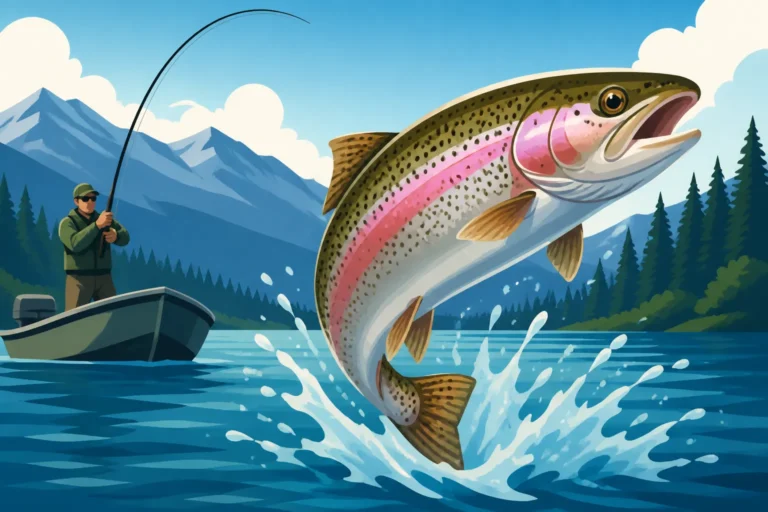
Lake Pend Oreille is world-renowned for its colossal Rainbow Trout, often referred to as Kamloops Rainbows. These aren't your average stocked trout; they are aggressive, hard-fighting fish that grow to incredible sizes, thanks to the lake's rich forage base of Kokanee salmon. The lake once held the world record for Rainbow Trout, a testament to the potential lurking in its depths. Anglers often troll large plugs, spoons, or flies behind downriggers in the deeper, open waters, especially around areas like the Hope Peninsula and the deeper pockets off Cape Horn. Early mornings and late evenings are often the most productive times, as these predatory fish move into shallower water to feed.
Beyond the Rainbows, Lake Pend Oreille is also home to significant populations of Lake Trout, locally known as Mackinaw. These deep-dwelling giants can also reach impressive sizes, making them another sought-after trophy species. Fishing for Mackinaw typically involves similar techniques to the big Rainbows, often focusing on even deeper water, sometimes over 100 feet. Heavy spoons, large jigs, and even dead bait fished near the bottom are effective. Understanding the lake's thermocline and where the baitfish are holding is crucial for success with both Rainbows and Mackinaw. If you're looking for more details on these magnificent fish, check out our Idaho Lake Trout Fishing Guide.
Chasing Kokanee and Chinook Salmon
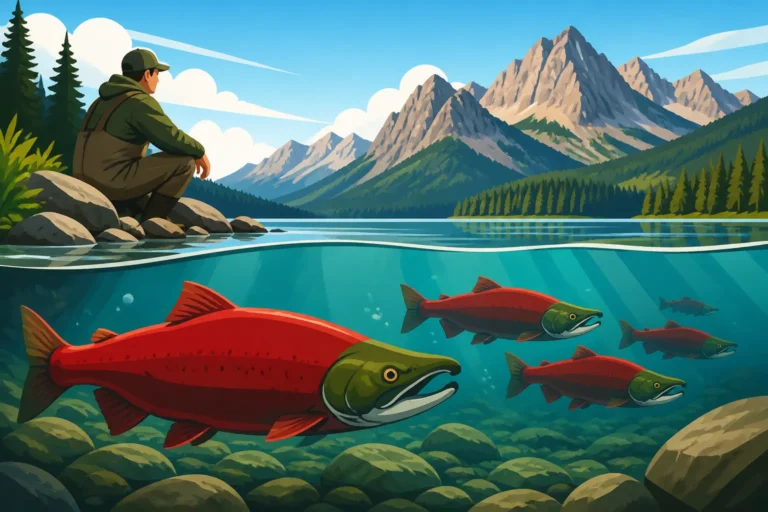
While the trophy trout get a lot of press, the backbone of Lake Pend Oreille's fishery lies in its Kokanee and Chinook Salmon populations. Kokanee, the landlocked sockeye salmon, are a favorite among local anglers for their delicious taste and energetic fight. They travel in schools, and when you find them, you can often enjoy fast-paced action. Trolling with small dodgers and wedding rings, tipped with corn, is a classic and highly effective method for Kokanee. Pay attention to the fish finders and local reports for current depths, as Kokanee tend to hold in specific temperature bands and often suspend at certain depths.
Chinook Salmon were introduced to Lake Pend Oreille decades ago and have created a unique trophy fishery of their own. While not as abundant as Kokanee, catching a powerful Chinook in Pend Oreille is an unforgettable experience. They grow large and strong, putting up an incredible battle. Similar to the big Rainbows, Chinook are often caught by trolling large spoons and plugs at various depths, frequently targeting areas where Kokanee are present, as they are a primary food source for these larger predators. Understanding the lake's annual stocking reports can give you a leg up on where these fish might be concentrated, especially near the tributaries. For deeper insights into targeting these species, you might want to read our Idaho Kokanee Fishing Guide.
Essential Access Points and Amenities
Given the immense size of Lake Pend Oreille, knowing where to launch your boat or find good shore access is key. Around Sandpoint itself, the Sandpoint City Beach offers easy access, though it can get crowded in summer. Hope, on the east side of the lake, provides excellent boat launches and access to some of the deeper, more productive waters for trophy fish. Bayview, on the southern end, is another popular spot, especially for those targeting the deeper Mackinaw.
For those without a boat, numerous public docks and shoreline access points exist, particularly within Sandpoint and neighboring towns like Ponderay. These spots can be great for casting small lures or bait for panfish, bass, and even some smaller trout. When planning a trip, consider looking into guides, especially if you're new to such a large lake. Services like those found on FishingBooker can connect you with experienced captains who know the lake inside and out, greatly increasing your chances of success. They provide the right gear and know exactly where the fish are biting.
Beyond the Big Lake: Smaller Lakes and Reservoirs
While Lake Pend Oreille might steal the spotlight, the Sandpoint area is dotted with numerous smaller lakes and reservoirs that offer fantastic, often less crowded, fishing experiences. These spots can be perfect for a quieter day on the water, targeting different species, or introducing kids to the joys of fishing. Don't overlook these gems, as they can provide some truly rewarding days.
Round Lake and Little Sandpoint Lake for Family Fun
Just a short drive from Sandpoint, you'll find Round Lake State Park, a fantastic destination for families. Round Lake is regularly stocked with Rainbow Trout by Idaho Fish and Game, making it an excellent spot for consistent action, especially for younger anglers. The park offers easy access, picnic areas, and a quiet atmosphere. Bait fishing with worms or power bait from the dock or shoreline is usually very effective here, as is casting small spinners and spoons. It's a low-pressure environment, perfect for building confidence and enjoying nature.
Little Sandpoint Lake, often overshadowed by its massive neighbor, also provides good fishing for panfish like Bluegill and Crappie, along with some bass. It's a shallower, warmer lake, ideal for light tackle and simple presentations. You can often find success here with small jigs tipped with pieces of worm, fished under a bobber. These smaller lakes are great places to practice different techniques and enjoy a relaxing day without the demands of a large, deep lake. They offer a change of pace and often quicker results for beginner anglers.
Cocolalla Lake and Spirit Lake for Diverse Species
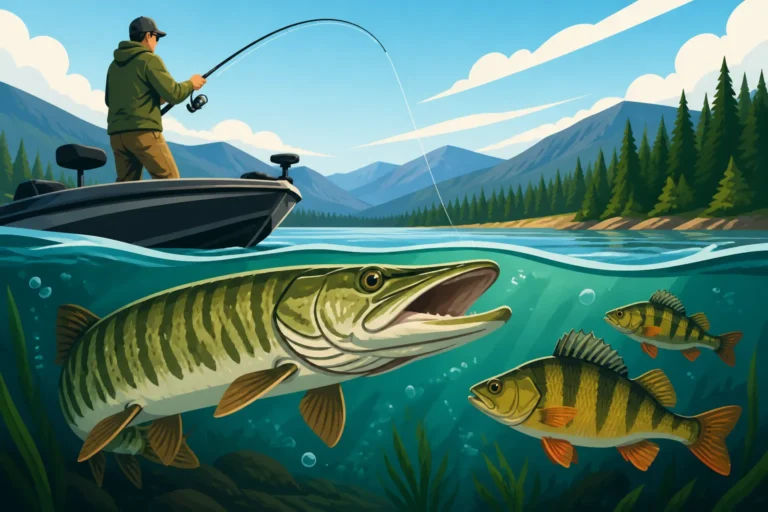
A bit further south from Sandpoint, Cocolalla Lake and Spirit Lake present more diverse fishing opportunities. Cocolalla Lake is known for its good populations of Largemouth Bass, Smallmouth Bass, and Northern Pike, in addition to trout. Anglers targeting bass here will find success with plastic worms, crankbaits, and spinnerbaits fished around weed beds and submerged structures. Pike can be a blast to catch on larger spoons and jerkbaits, offering an aggressive fight. The variety here means you can switch up your target species depending on your mood or what's biting.
Spirit Lake, a beautiful, deep lake to the southwest, is another excellent option. It offers Rainbow Trout, Mackinaw, and Kokanee, much like Pend Oreille, but on a smaller, more manageable scale. It's a great alternative if you want to target these species without the expansive challenge of the big lake. Trolling and jigging are productive methods here, similar to what you'd use on Pend Oreille. Spirit Lake also has good panfish and bass fishing in its shallower bays. Remember to consult the Idaho Fishing Regulations Explained for specific rules on each lake, as limits and seasons can vary.
Remote High Mountain Lakes for Adventure
For the adventurous angler seeking solitude and stunning scenery, the mountains surrounding Sandpoint hold numerous high mountain lakes. These require a hike, often a substantial one, but the reward is pristine water, wild trout, and breathtaking views. Lakes in the Scotchman Peaks Wilderness or the Selkirk Mountains, while requiring effort to reach, can offer incredible fishing for Cutthroat Trout, Brook Trout, and Rainbow Trout that rarely see a lure.
Packing light is key for these trips, and fly fishing with small dries, nymphs, or streamers is often the most effective method. Spin fishermen can do well with ultra-light tackle and small spinners or spoons. Before heading out, always research trail conditions, pack appropriate gear, and inform someone of your plans. These remote locations offer a truly unique Idaho fishing experience, connecting you with nature in a profound way. For those interested in the gear needed for such adventures, our Idaho Fishing Gear Guide by Season might be helpful.
River and Stream Fishing Opportunities
Beyond the lakes, the Sandpoint area is veined with rivers and streams that provide excellent moving-water fishing, particularly for trout and smallmouth bass. These waters offer a different kind of challenge and reward, often requiring a more active approach to angling. From large, powerful rivers to intimate mountain streams, there's a moving water experience for every angler.
Clark Fork River for Trout and Bass
The majestic Clark Fork River, flowing into Lake Pend Oreille from the east, is a significant fishery in its own right. Downstream of the Noxon Rapids Dam, the river often holds good numbers of Rainbow Trout, Brown Trout, and Cutthroat Trout. It's a larger river, suitable for drift boating or wading in accessible sections. Fly fishermen will find hatches throughout the warmer months, while spin fishermen can have success with various inline spinners, soft plastics, and small crankbaits. The river's character changes along its length, so scouting different sections can be beneficial.
Closer to its confluence with Lake Pend Oreille, the Clark Fork River also offers excellent Smallmouth Bass fishing. These aggressive fish love the rocky structure and current breaks found in the river. Target them with jigs, soft plastics, and crankbaits. Fishing the deeper pools and eddy lines can also produce larger trout that move up from the lake. The Clark Fork provides a dynamic fishing environment that can keep anglers guessing and offers the chance to hook into a variety of powerful fish.
Pack River and Pend Oreille River Exploration
The Pack River, another important tributary flowing into Lake Pend Oreille, offers a mix of trout and bass fishing, particularly in its lower reaches. It's a smaller, more intimate river than the Clark Fork, often better suited for wading or bank fishing. Look for Rainbow Trout, Cutthroat Trout, and Brook Trout in its cooler, upper sections, while the lower river can hold bass and pike that move up from the lake. Small spinners, flies, and bait are all effective here. Always be mindful of private property when accessing riverbanks, and ensure you have proper permissions if needed.
The Pend Oreille River, which flows out of Lake Pend Oreille to the west, is also worth exploring, particularly for warm-water species like Smallmouth Bass, Largemouth Bass, Pike, and Walleye. While not as prolific for Walleye as some other Idaho waters, they are present. The river's slower, deeper sections and backwaters provide ideal habitat for these species. Fishing around submerged logs, rock piles, and weed edges with jigs, crankbaits, and swimbaits can yield good results. This river offers a more relaxed pace and a chance to target some of Idaho's less common game fish.
Smaller Tributaries for Native Cutthroat
Scattered throughout the mountains surrounding Sandpoint are countless smaller creeks and streams that feed into the larger rivers and lakes. These often unnamed or less-frequented waters are treasures for anglers seeking native Cutthroat Trout. These fish, often smaller in size but vibrant in color, thrive in the cold, clear waters of these high-gradient streams. Access can range from easy roadside stops to strenuous bushwhacking, but the solitude and wild beauty are unparalleled.
Fly fishing with small dry flies, especially attractor patterns, or delicate nymph rigs is often the most productive method. Spin fishermen can use tiny inline spinners. These waters require a stealthy approach, as the trout are often wary. Always practice catch-and-release in these delicate ecosystems to preserve their wild populations. Exploring these smaller tributaries is a true adventure and a fantastic way to connect with Idaho's pristine backcountry. For more on these beautiful fish, consider checking out our Westslope Cutthroat Trout in Idaho guide.
Planning Your Sandpoint Fishing Adventure
A successful fishing trip isn't just about knowing where to go; it's also about being prepared. From having the right gear to understanding the local rules and considering a guide, a little planning goes a long way to ensure a memorable experience around Sandpoint.
Essential Gear and Local Bait Shops
Before you hit the water, make sure you have the right gear. For Lake Pend Oreille's big game, you'll want stout rods and reels capable of handling large fish, often equipped with braided line and fluorocarbon leaders. Downriggers are essential for deep-water trolling. For smaller lakes and rivers, medium to light spinning gear or a fly rod will suffice. Don't forget essentials like a good pair of polarized sunglasses, waders if you plan on river wading, a net, and a cooler for your catch.
Luckily, Sandpoint has several excellent local resources for all your fishing needs. Stores like North 40 Outfitters and locally owned bait and tackle shops can provide you with up-to-date information on what's biting, current conditions, and all the gear and bait you could possibly need. They often stock locally favored lures and flies, which can be invaluable. Don't hesitate to chat with the staff; they are often local anglers themselves and a wealth of knowledge.
Engaging a Local Guide for Success
Especially when tackling a vast and complex fishery like Lake Pend Oreille or venturing into lesser-known rivers, hiring a local fishing guide can be an absolute game-changer. Guides possess intimate knowledge of the waters, current fish patterns, and effective techniques. They also typically provide all the necessary gear, boats, and often even lunch, taking the guesswork out of your trip. This means you can focus entirely on fishing and enjoying the experience.
Whether you're after trophy Rainbows, powerful Chinook, or want to learn the nuances of fly fishing a specific river, there's a guide service near Sandpoint tailored to your goals. Websites like FishingBooker make it easy to browse different guides, read reviews, and book trips based on your target species and preferred fishing style. It's an investment that often pays off with more fish caught and a significantly enhanced experience, especially for those visiting for the first time. For more on what to expect, our How to Book a Fishing Guide in Idaho provides excellent insights.
Understanding Idaho's Fishing Regulations
Navigating fishing regulations can sometimes feel like solving a puzzle, but it's crucial for a legal and responsible fishing trip. Idaho has specific rules for different waters, species, and seasons. For example, some parts of Lake Pend Oreille might have different limits for certain trout species compared to other sections, and tributaries might have special regulations or even be closed during certain times of the year to protect spawning fish.
The Idaho Fish and Game website is your best friend here, providing the most current regulations, often published in an annual brochure. You can also pick up a physical copy at local license vendors. Pay close attention to bag limits, size restrictions, and any special bait or tackle restrictions (like barbless hooks for certain species or waters). Always ensure you have a valid Idaho Fishing License Guide before casting your first line. Ignorance of the law is no excuse, and wardens patrol these waters regularly. Being informed not only keeps you out of trouble but also contributes to the health and sustainability of Idaho's incredible fisheries.
Disclaimer
Please be aware that fishing conditions, regulations, and access can change rapidly due to weather, environmental factors, or updates from the Idaho Department of Fish and Game. Always check the most current Idaho fishing regulations and local advisories before heading out on any fishing trip. Safety should always be your top priority when enjoying Idaho's beautiful waters.