Fishing Lake Lowell Near Nampa
It’s a common frustration for folks living in or around growing areas like Nampa: you want to get out, cast a line, and just fish, but finding a spot that’s not too far, not too crowded, and actually has fish can feel like a riddle. This guide is all about simplifying that search, diving deep into Lake Lowell, a fantastic and often overlooked fishing destination right in your backyard, offering everything from bass to crappie without the long drive or the overwhelming complexity of some of Idaho's more remote waters.
Unpacking Lake Lowell: A Treasure Near Nampa
Lake Lowell, situated just outside of Nampa in Canyon County, isn't your typical high-mountain Idaho lake. It's a man-made reservoir, built over a century ago as part of the Deer Flat National Wildlife Refuge (NWR), and it serves a dual purpose: irrigation for the agricultural lands of the Treasure Valley and as a vital habitat for migratory birds and various fish species. For local anglers, it's a true gem, offering accessible fishing opportunities throughout much of the year, often just a 15-20 minute drive from downtown Nampa.
Location and Unique Ecosystem
Spanning over 9,000 acres when full, Lake Lowell is a large body of water, yet its relatively shallow nature and nutrient-rich waters contribute to its excellent warm-water fishery. Unlike the clear, cold, deep lakes of North Idaho, Lowell has a more turbid, silty bottom, which creates ideal conditions for species like bass and crappie to thrive. Its designation as part of the Deer Flat NWR means that certain activities and areas are managed specifically for wildlife, which impacts access and rules, but it also ensures a protected, natural environment that's a pleasure to visit. It’s truly a unique blend of recreational opportunity and conservation effort, all nestled right in the bustling Treasure Valley.
History and Management for Anglers
The reservoir was completed in 1909 as a key component of the Boise Project, one of the earliest federal irrigation projects. Over the decades, its role evolved to include wildlife protection, leading to the establishment of the Deer Flat NWR in 1909 as well, making it one of the oldest refuges in the national system. For anglers, this means Idaho Fish and Game actively manages the fish populations through stocking and monitoring, working in conjunction with the U.S. Fish and Wildlife Service, which oversees the refuge. This joint management helps ensure healthy fish populations for recreational angling, while also balancing the needs of the diverse bird and wildlife populations that call Lake Lowell home. Understanding this history helps you appreciate why certain rules are in place and why the fishing can be so good – it's a carefully managed resource.
Prime Fish Species You'll Encounter in Lake Lowell
When you drop a line in Lake Lowell, you're primarily targeting warm-water species, and it boasts a robust population of several popular sport fish. These aren't the trout you'd find in a pristine mountain stream, but they offer incredible fighting spirit and can make for some fantastic table fare.
Largemouth and Smallmouth Bass
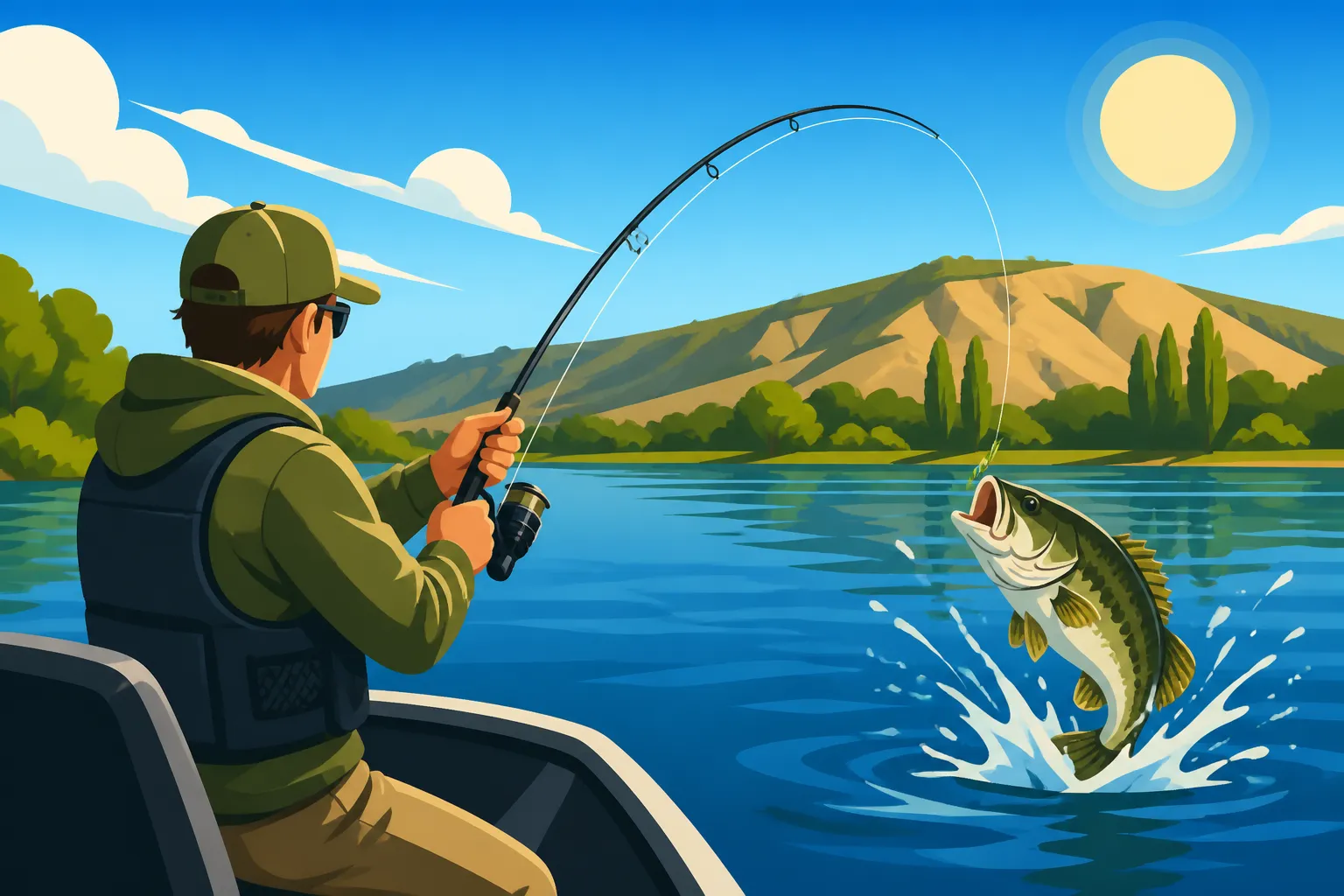
Lake Lowell is perhaps most famous for its excellent bass fishing, attracting anglers from all over the region. Both largemouth and smallmouth bass thrive in its waters. The largemouth tend to prefer the abundant cover provided by submerged vegetation, old timber, and rocky outcrops, particularly in the shallower, warmer coves and bays. They're aggressive eaters and a blast to catch on topwater lures, spinnerbaits, or soft plastics fished around structure. Smallmouth bass, while present, are less dominant than largemouth and often favor slightly deeper, rockier areas, though they can be found alongside their green cousins. Landing a chunky bass here is a common and exciting experience, especially during the spring spawn or the active summer months. If you're looking for an excellent bass fishery close to home, Lake Lowell certainly delivers. For a deeper dive into bass angling in the state, be sure to check out our Idaho Bass Fishing Guide.
Crappie and Yellow Perch
Beyond bass, Lake Lowell is a fantastic destination for panfish, particularly crappie and yellow perch. These species are incredibly popular with families and anglers looking for consistent action and delicious fillets. Black crappie are abundant, often schooling around submerged brush, old docks, or any kind of structure they can find. They are especially active in spring as they move into shallower water to spawn, providing some of the fastest fishing action of the year. Similarly, yellow perch are plentiful, often found in large schools over various bottom structures. They're eager biters and perfect for teaching kids the joy of fishing. You can usually find them in slightly deeper pockets during the heat of summer, or closer to shore during cooler months. These panfish are truly the bread and butter of Lake Lowell for many anglers, offering reliable fun. For more specialized tips on catching these tasty fish, explore our guides on Idaho Crappie Fishing and Idaho Yellow Perch Fishing.
Channel Catfish and Other Species
Don't overlook the channel catfish in Lake Lowell! These powerful bottom-dwellers can grow to impressive sizes and offer a unique challenge. They're often found in the deeper channels and muddier areas of the lake, particularly active during warmer evenings and nights. If you enjoy a strong fight and excellent eating, targeting catfish here can be incredibly rewarding. They readily take baits like stink baits, cut bait, or even chicken livers. Beyond these primary targets, you might also hook into bluegill, sunfish, or carp, adding to the diversity of your catch. Lake Lowell truly offers a multi-species experience for those willing to explore a bit. To learn more about targeting these whiskered giants, consult our Idaho Channel Catfish Fishing guide.
Optimal Times and Seasons for Lake Lowell Fishing
Just like with any body of water, knowing when to fish Lake Lowell can drastically improve your success. While some species are active year-round, certain times of the year offer peak opportunities for specific fish, making your trip more productive and enjoyable.
Spring Spawn Frenzy
Spring is arguably the most exciting time to fish Lake Lowell, especially from April through early June. As water temperatures rise, the bass and crappie move into the shallower, warmer coves and bays to spawn. This means they are highly concentrated and aggressive, making them easier to locate and catch. Look for largemouth bass around emergent vegetation, lily pads, or flooded timber in just a few feet of water. Crappie will school up around brush piles and submerged structures. It’s not uncommon to experience fast and furious action during the spawn, where you can literally catch dozens of crappie in an hour if you hit it right. The weather can be variable, so pack layers, but the fishing often makes it well worth any chilly mornings.
Summer's Steady Bite
Summer fishing at Lake Lowell, from June through August, offers consistent action, though it requires a slight adjustment in tactics. As water temperatures peak, fish often move to deeper, cooler water during the day, becoming more active during the cooler morning and evening hours, or even at night for catfish. Bass will still be found around structure, but might be a bit deeper, requiring jigs, Carolina rigs, or deep-diving crankbaits. Crappie and perch will often suspend over submerged structure or hold to the drop-offs into deeper water, making them good targets for vertical jigging or slow trolling with small jigs or live bait. The sheer size of the lake means there's always a spot to explore, and for those looking to beat the heat, early morning starts or evening twilight sessions can be incredibly productive.
Fall and Winter Opportunities
As fall arrives, usually September through November, the fish in Lake Lowell enter a "feeding frenzy" phase as they fatten up for winter. Water temperatures begin to cool, and fish become more active throughout the day. This can be an excellent time for aggressive bass fishing, as they chase baitfish. Crappie and perch will also remain active, often schooling up in predictable patterns as they transition from summer to winter holding areas. Winter fishing, typically December through March, generally slows down considerably. While ice fishing is not a common or generally safe practice on Lake Lowell due to fluctuating water levels and thin ice, shore fishing can still yield results on milder days, particularly for catfish or even some sluggish bass in deeper areas. Always check local conditions and regulations before heading out in colder months, as conditions can change rapidly. For a broader perspective on seasonal angling across the state, our Best Time of Year to Fish in Idaho guide offers valuable insights.
Effective Fishing Techniques for Lake Lowell Success
Lake Lowell offers a variety of fishing experiences, from relaxed shore fishing to more active boat-based strategies. Matching your technique to the species you’re targeting and the conditions of the day will greatly improve your chances of success.
Shore Fishing and Bank Access
One of the great advantages of Lake Lowell, especially for families or those without a boat, is the extensive shore access. The Deer Flat National Wildlife Refuge offers numerous points where you can easily walk up to the water's edge and cast. Popular spots include areas around the Visitor Center, the south side of the lake near the dam, and various pull-offs along the perimeter roads. Shore fishing is particularly effective for panfish like crappie and perch, especially during the spring spawn when they move into shallower water. A simple bobber-and-jig setup with a small minnow or a worm can be incredibly effective. For bass, try casting spinnerbaits, small crankbaits, or Texas-rigged worms parallel to the shore around any visible structure. Remember that during low water periods, the banks can be quite muddy, so wear appropriate footwear. For more general advice on fishing from shore, consider looking at our Bank Fishing Techniques for Idaho Rivers article, as many principles apply to lakes as well.
Boat Fishing Strategies
For those with a boat, Lake Lowell truly opens up. You gain access to deeper channels, submerged structures, and less pressured fishing spots. Trolling is a popular and highly effective method for covering water and finding schools of crappie and perch, especially when using small jigs, spinners, or mini crankbaits. For bass, focus on casting to points, drop-offs, and areas with submerged vegetation. Jigging with soft plastics, casting lipless crankbaits, or working a Texas-rigged worm through heavy cover are all excellent choices.
When navigating Lake Lowell, pay close attention to water depth; it can change quickly, and there are many shallow areas, especially outside of the main channels. A good depth finder is invaluable for locating submerged structures and schools of fish. Kayaks and float tubes are also fantastic for reaching those quieter, shallow coves that larger boats can't access, offering a stealthy approach to wary fish.
Bait and Lure Recommendations
The choice of bait and lures at Lake Lowell is pretty straightforward, leaning towards what warm-water species prefer.
- For Bass: Live shiners or crawfish are highly effective, but artificials are widely used. Soft plastics like Senkos, worms (Texas-rigged or wacky-rigged), and creature baits are staples. Spinnerbaits, crankbaits (both shallow and deep diving), and topwater lures (frogs, poppers) work wonders, especially in spring and summer. Popular brands for bass fishing gear are readily available at local sporting goods stores like Cabela's or Sportsman's Warehouse, just down the road in Nampa.
- For Crappie & Perch: Live minnows are king, suspended under a bobber or slowly trolled. Small jigs (1/32 to 1/16 ounce) in white, chartreuse, or black, tipped with a tiny plastic grub or a piece of Gulp! bait, are incredibly effective. Blade baits and small spoons can also entice a bite.
- For Catfish: Stink baits, chicken livers, cut bait (like pieces of hot dog), and large worms are all excellent choices. Fish these on the bottom with a simple Carolina rig or a slip-sinker rig.
It's always a good idea to bring a variety of options and adjust based on what the fish are biting on any given day.
Access, Facilities, and Regulations at Lake Lowell
Understanding the access points, available facilities, and the specific regulations governing Lake Lowell is crucial for a smooth and enjoyable fishing trip. Since it's part of a National Wildlife Refuge, there are some unique rules that differ from other Idaho waters.
Public Access Points and Boat Ramps
Lake Lowell offers several public access points. The most prominent is the Deer Flat NWR Visitor Center area on the north side of the lake, which provides ample parking, restrooms, and good shore fishing access. There are several boat ramps, with the most popular being:
- Lowell Park Boat Ramp: Located on the north side, near the Visitor Center, offering good concrete ramps suitable for most boats.
- Third Island Boat Ramp: Also on the north side, providing another convenient launch point.
- Powerline Road Access: This can be a good spot for smaller boats or kayaks, depending on water levels.
- The Dam Area (South Side): While not a formal boat ramp, there are areas near the dam where you can access the shoreline for fishing.
It's important to remember that during significant drawdowns for irrigation, especially in late summer and fall, some boat ramps may become unusable or require 4×4 vehicles to launch. Always check the current water levels and refuge advisories before planning a boat trip.
Amenities and Nearby Services
The Deer Flat NWR Visitor Center (13751 Comstock Ave, Nampa) is an excellent resource, offering information about the refuge, restrooms, and often current fishing conditions. Picnic areas and wildlife viewing opportunities are also available. Since Lake Lowell is so close to Nampa, you'll find all the necessary amenities just a short drive away: bait and tackle shops, grocery stores, gas stations, and restaurants. For those needing specific gear or licenses, you can find excellent options at local retailers.
Here's a quick overview of some essential services:
| Service Category | Examples in Nampa Area | Notes |
|---|---|---|
| Bait & Tackle | Sportsman's Warehouse, Black's Creek Rod & Reel | Often have local knowledge and specific bait recommendations for Lake Lowell. |
| Fishing Licenses | Idaho Fish & Game office, most sporting goods stores, online | A valid Idaho Fishing License Guide is required for all anglers 14 years and older. |
| Gas & Groceries | Numerous options throughout Nampa | Easily accessible within a 5-15 minute drive from most Lake Lowell access points. |
| Boat Repair/Supplies | Various marine services in Nampa/Caldwell | For any unexpected issues or routine maintenance. |
Idaho Fishing Regulations and Refuge-Specific Rules
This is where it gets a little nuanced. All statewide Idaho fishing regulations apply to Lake Lowell, including general seasons, bag limits, and fishing license requirements. You'll need a current Idaho fishing license if you're 14 or older; check out our guide on the Idaho Resident Fishing License Cost for details. However, because Lake Lowell is part of the Deer Flat NWR, there are additional refuge-specific rules that anglers must follow.
These often include restrictions on:
- Motorized boats: While allowed, there might be speed limits or no-wake zones in certain areas to protect wildlife or limit disturbance.
- Lead Tackle: Some refuges have restrictions on lead fishing tackle to protect waterfowl from lead poisoning. Always check the current refuge brochure.
- Access Hours: Certain areas of the refuge might have restricted access hours, particularly during sensitive nesting seasons for birds.
- Methods of Take: Always double-check if specific methods, like snagging, are prohibited.
It is absolutely essential to pick up the most current Deer Flat NWR brochure, usually available at the Visitor Center or online via the U.S. Fish and Wildlife Service website. This brochure will detail all current refuge-specific regulations, which can sometimes be updated. Ignoring these rules can lead to fines, so always be informed. Additionally, familiarize yourself with general Idaho Fishing Regulations Explained and Idaho Catch Limits and Bag Limits Explained to ensure a compliant and enjoyable trip.
Local Tips and Family-Friendly Advice for Lake Lowell
Lake Lowell is genuinely one of the best local fishing spots for residents of the Treasure Valley, offering a fantastic opportunity to enjoy the outdoors without traveling far. Here are some seasoned tips to make your trip even better, especially if you're bringing the whole family along.
Best Spots for Beginners and Kids
For beginners and families with kids, the key is accessibility, safety, and consistent action. The areas directly around the Deer Flat NWR Visitor Center are excellent starting points. There's good bank access, restrooms are close by, and crappie and perch often congregate in these shallower areas, providing easy targets for young anglers. Another great option is the docks and small jetties found at some of the park access points. A simple bobber, a small hook, and a worm or a live minnow can lead to plenty of bites, keeping kids engaged.
- Pack light, but smart: Bring a small tackle box with pre-tied rigs, extra hooks, sinkers, and bobbers. Don't forget sunscreen, hats, and plenty of water.
- Focus on panfish: Crappie, perch, and bluegill are abundant, easy to catch, and provide constant entertainment for kids. Save the trophy bass hunt for a solo trip!
- Patience is a virtue: Teach kids that fishing is as much about enjoying nature as it is about catching fish. Celebrate every bite, even if the fish gets away.
- Consider a short trip: Start with an hour or two. If the kids are still having fun, extend it. It's better to end on a high note than to push it too long.
Lake Lowell truly shines as a Family-Friendly Fishing Spots in Idaho destination, providing a welcoming environment for all ages to learn and enjoy the sport.
Navigating Fluctuating Water Levels
One of the realities of fishing a reservoir like Lake Lowell is that water levels can fluctuate significantly throughout the year, primarily due to irrigation demands. The lake is typically at its fullest in spring and early summer, then gradually drawn down through late summer and fall. These changes directly impact fishing.
- Spring (Full Pool): When the lake is full, bass and crappie move into the newly flooded vegetation and shallow areas to spawn. This is prime time for shore anglers and those targeting shallow cover.
- Summer/Fall (Drawdown): As water recedes, fish consolidate into smaller areas or move to deeper channels and remaining submerged structures. This can make them easier to locate for boat anglers with depth finders, but it can limit shore access, making some areas very muddy or inaccessible. Boat ramps can also become tricky to use.
Always check current water levels (Idaho Fish and Game and Deer Flat NWR websites often provide updates) before you go, especially if you plan to launch a boat or fish from specific shore spots. These fluctuations create dynamic conditions, and adaptable anglers will have the most success.
Staying Updated on Conditions and Reports
Local knowledge and up-to-date information are priceless when fishing any body of water, and Lake Lowell is no exception.
- Deer Flat NWR Visitor Center: Stop by or call for the latest on refuge conditions, access, and sometimes even recent fishing reports. The staff are typically very helpful.
- Idaho Fish and Game: Check the IDFG website for stocking reports, general fishing conditions, and regulation updates specific to Lake Lowell. Their weekly fishing reports are a fantastic resource.
- Local Bait Shops: Engage with the folks at Nampa's local bait and tackle shops. They are often fishing the lake regularly and have invaluable, real-time insights on what's biting, where, and on what.
- Online Fishing Forums and Social Media Groups: There are several active online communities for Idaho anglers. Joining these can provide a wealth of information from fellow enthusiasts about recent catches, effective techniques, and current lake conditions. While Lake Lowell is an accessible, DIY-friendly spot, if you ever plan to explore more challenging Idaho waters or seek out a specialized guide for a trophy fish, platforms like FishingBooker can be a great way to research different charters and understand what kinds of experiences are available across the state. This can give you an idea of what to expect if you ever decide to try a guided trip on a different lake or river.
By combining official resources with local chatter, you can stay ahead of the game and maximize your time on the water, ensuring you’re prepared for whatever Lake Lowell throws your way.
Disclaimer
Fishing conditions and regulations in Idaho, particularly within a National Wildlife Refuge like Lake Lowell, can change. Always consult the latest official Idaho Fish and Game regulations and the Deer Flat National Wildlife Refuge specific rules and advisories before heading out. This guide is for informational purposes only and should not replace official sources.