Idaho Snagging and Foul-Hooking Rules
It can feel like navigating a maze sometimes, trying to keep up with all the fishing rules and regulations. You just want to enjoy a peaceful day on the water, but the worry of accidentally breaking a rule can really take the fun out of it. One area that often causes confusion for anglers, both seasoned and new, is the topic of snagging and foul-hooking. It’s not always black and white, and the consequences of getting it wrong can be pretty serious. This guide is here to untangle those complexities, walking you through Idaho's specific rules on snagging and foul-hooking so you can cast your line with confidence and respect for our incredible fisheries.
The Basics: What Snagging and Foul-Hooking Really Mean in Idaho
Let's start by getting a clear picture of what we're actually talking about. The terms "snagging" and "foul-hooking" are often used interchangeably, but there are subtle, yet important, distinctions in the eyes of Idaho Fish and Game (IDFG). Understanding these definitions is the first step toward staying compliant and ensuring you're fishing ethically.
Defining "Snagging" – More Than Just a Missed Bite
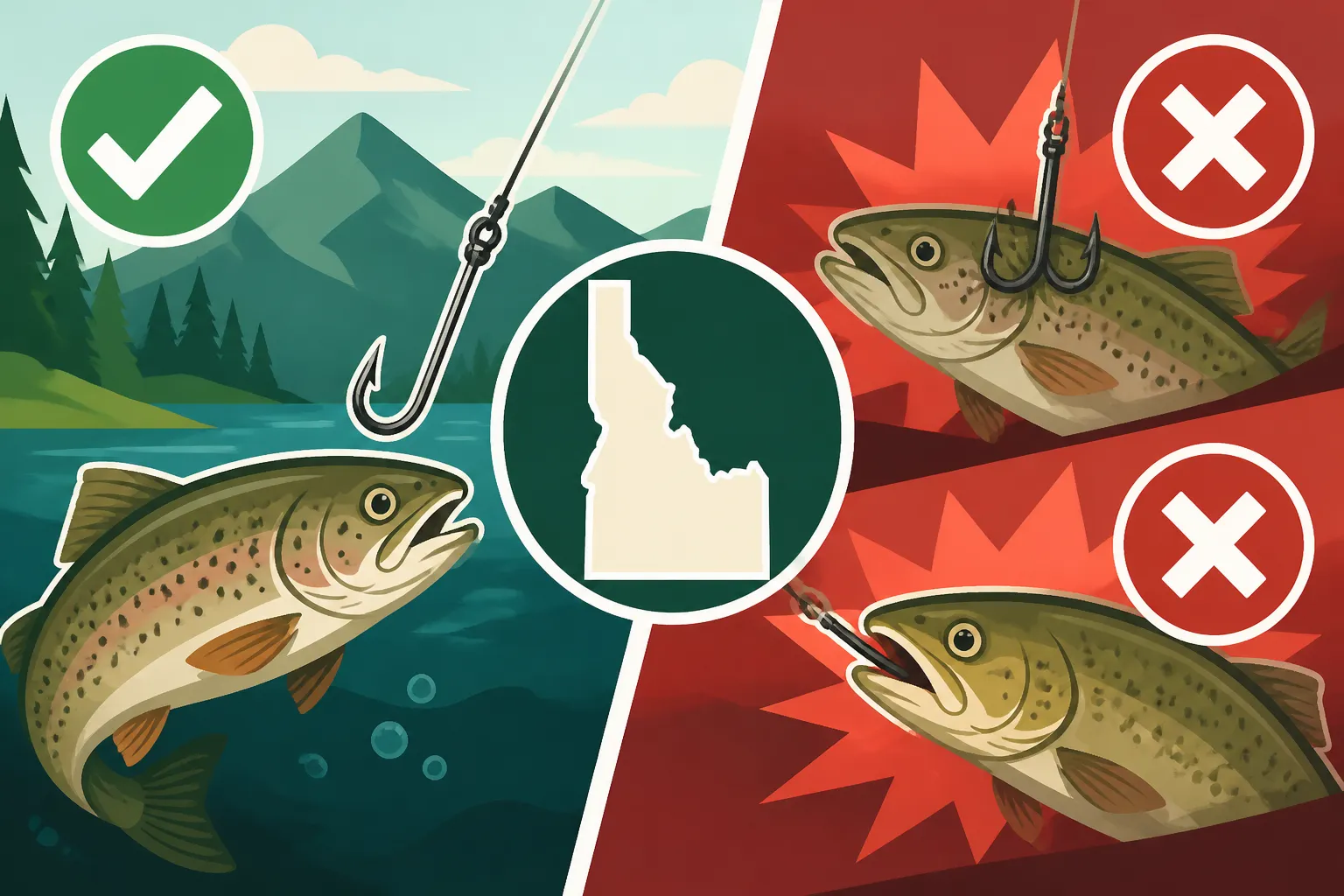
In Idaho, snagging is generally defined as purposefully attempting to hook a fish anywhere other than in the mouth. Think of it as deliberately trying to "snag" the fish's body, tail, or fins with your hook. This isn't about an accidental snag on a submerged log; it's about the deliberate act of trying to catch a fish by impaling it outside its mouth.
Idaho law is quite clear: it's illegal to attempt to snag a fish, and it's also illegal to keep any fish that has been snagged, even if it was unintentional. This rule is in place because snagging often occurs when fish are concentrated, such as during spawning runs when they might not be actively feeding. It allows anglers to exploit vulnerable fish populations, which goes against the principles of fair chase and conservation. For instance, if you're standing on the bank of the Salmon River and see a big Chinook salmon passing by, and you cast your weighted treble hook directly at its tail with the intent to hook it there, that's a clear case of illegal snagging. This practice not only causes severe injury and stress to the fish but also undermines the integrity of sport fishing.
"Foul-Hooking" Explained: When a Fish Isn't Hooked in the Mouth
Foul-hooking is a bit different from snagging, though it shares the same core problem: the fish isn't hooked in its mouth. Foul-hooking typically refers to situations where a fish is accidentally hooked in the body, gills, or fins without the angler necessarily intending to snag it. While the intent might differ, the outcome—a fish hooked outside the mouth—is largely treated the same under the law, especially if the fish is retained.
Imagine you're jigging for perch on Lake Cascade, and you feel a bump. You set the hook, and when you reel it in, you discover the hook is lodged in the perch's side, not its mouth. That's foul-hooking. The key here is what you do after you realize the fish is foul-hooked. Under Idaho law, any fish that is not hooked in the mouth must be immediately released back into the water with the least possible injury. You cannot legally keep a foul-hooked fish. This rule is crucial for protecting fish from unnecessary harm. Even an accidental foul-hook can cause significant damage to a fish, and allowing anglers to keep them would incentivize less careful fishing practices. The emphasis is always on minimizing stress and maximizing survival for fish caught in these situations, especially given the strict guidelines outlined in the broader Idaho Fishing Regulations Explained.
The "Why" Behind the Rules: Ethics, Conservation, and Fair Play
These rules aren't just arbitrary lines drawn in the sand; they're deeply rooted in the principles of ethical angling, conservation, and ensuring a sustainable future for Idaho's fisheries. The primary concern is the welfare of the fish and the health of the overall ecosystem.
When a fish is snagged or foul-hooked, it's often injured significantly. Hooks tearing into gills, eyes, or internal organs can lead to severe stress, infection, and ultimately, death, even if the fish is released. This is particularly problematic for sensitive species or those under conservation efforts, like wild steelhead or native trout. Beyond the direct harm to individual fish, these practices can have broader ecological impacts. For instance, allowing snagging during critical spawning periods could devastate a year's class of fish, impacting future generations. The concept of "fair chase" is also central. Sport fishing is about the challenge and skill involved in enticing a fish to bite a lure or bait. Snagging bypasses this challenge, turning fishing into a less sporting endeavor that prioritizes quantity over ethical engagement. By enforcing these rules, Idaho Fish and Game aims to uphold responsible angling practices and protect the invaluable natural resources that draw so many of us to the water each year.
Navigating the Nuances: Accidental vs. Intentional and Proper Response
Understanding the basic definitions is a solid start, but the real world of fishing isn't always so clear-cut. Sometimes, the line between an accidental foul-hook and intentional snagging can feel blurry, especially when you're out on the water. Knowing how to discern a genuine bite and, more importantly, what to do if you do accidentally foul-hook a fish, is critical.
Discerning a Bite from a Bump: Angler Responsibility
One of the biggest challenges, particularly for less experienced anglers or in certain fishing conditions, is telling the difference between a fish biting your hook and merely bumping or brushing against your line or lure. This distinction is paramount because intentionally setting the hook on a bump can easily lead to foul-hooking.
When you're fishing, whether it's with bait, a spinner, or a fly, try to be attuned to the specific feel of a fish taking your offering. A true bite often feels like a firm tug, a steady pull, or a distinct "thump" as the fish inhales the bait or clamps down on the lure. In contrast, a bump might feel like a softer, fleeting tick, a momentary resistance, or a sudden slackening of the line as a fish brushes past. Pay attention to your line; a true bite might cause the line to move purposefully, while a bump might just cause a quick twitch. Developing this "feel" takes practice, but it's a vital skill for ethical fishing. For instance, when fishing the Clearwater River for steelhead, anglers often use very sensitive rods and high-visibility line to detect even the subtlest takes. They learn to differentiate between the current moving the line and a steelhead delicately mouthing the bait before committing. Waiting for a definite "take" before setting the hook significantly reduces the chances of foul-hooking.
The Protocol for Accidentally Foul-Hooked Fish
Let's be realistic: sometimes, despite your best efforts, you might accidentally foul-hook a fish. It happens to even the most seasoned anglers. The critical thing is knowing exactly what to do when it occurs. Idaho law is unequivocal: if you catch a fish that is not hooked in the mouth, you must immediately release it back into the water with the least possible injury. There is no grey area here. You cannot keep it, you cannot put it in your cooler, and you cannot wait to decide later.
Immediate release means just that. If you're on a boat, quickly bring the fish to the side, remove the hook gently if possible, and slide it back into the water. If you're on shore, cradle the fish carefully, remove the hook, and place it back into the stream or lake. Avoid dragging the fish onto dry land or handling it excessively. Use tools like de-hookers or needle-nose pliers to remove hooks quickly and cleanly. This rapid response is essential to minimize stress and maximize the fish's chances of survival. Trying to hide a foul-hooked fish or bringing it back to the dock is a serious violation that can lead to significant penalties, including fines and potential loss of your fishing privileges. Remember, the intent of release is to give the fish the best possible chance to survive and contribute to the fishery.
Gear and Technique That Increase Risk and How to Adjust
Certain fishing gear and techniques can inadvertently increase the risk of snagging or foul-hooking, especially if used carelessly or inappropriately. Being aware of these can help you modify your approach and maintain ethical standards.
For example, using excessively large treble hooks, especially in situations where fish are densely packed or not actively feeding, can lead to more foul-hooking instances. Treble hooks have multiple points, making it easier to accidentally snag a fish's body. Similarly, aggressive jigging motions that sweep widely through the water column, rather than targeting a specific strike zone, can sometimes result in fish being hooked on their sides or bellies. While these lures and techniques aren't inherently illegal, their misuse can be. Anglers should consider downsizing hooks, especially when practicing catch-and-release, or switching to single-point hooks for easier, less damaging releases. For species like sturgeon, barbless hooks are mandatory, a rule we’ll dive into more depth later. When shopping for tackle, be mindful of hook sizes and types. You can find a wide variety of ethical fishing tackle on sites like Amazon, ensuring you have the right gear to comply with regulations. Adjusting your retrieve to be less erratic and more focused on eliciting a clear strike rather than just bumping fish can also make a big difference. It's about precision and patience, not just brute force.
| Foul-Hooking Situation | Potential Cause | Ethical Action | Recommended Gear/Technique Adjustment |
|---|---|---|---|
| Hooked in gill plate | Aggressive, broad hook set; large treble hook | Immediately release | Use smaller, single hooks; wait for clear bite; gentler hook set |
| Hooked in tail/fin | "Sweeping" cast or jig motion; casting at visible, non-biting fish | Immediately release | Focus on active feeding zones; avoid casting directly at fish bodies |
| Hooked in eye | Fish strikes lure poorly; small fish on large hook | Immediately release (if not too injured) | Use appropriate hook size; quick, clean release |
| Multiple hooks in body | Using multiple large, sharp treble hooks | Immediately release | Downsize hooks; consider single hooks; reduce hook count if possible |
| Fish mouth-hooked but deeply swallowed | Letting fish hold bait too long | Release (cut line if necessary) | Use circle hooks for bait fishing; set hook faster |
Species-Specific Considerations and High-Risk Waters
While the general rules against snagging and foul-hooking apply across the board in Idaho, certain species and specific bodies of water often come with heightened scrutiny and additional regulations. This isn't arbitrary; it's a reflection of conservation priorities and the unique vulnerabilities of different fish populations.
Steelhead and Salmon: Special Protections for Prized Migratory Fish
Few fish capture the imagination of Idaho anglers quite like steelhead and Chinook salmon. These anadromous species—meaning they migrate from the ocean to spawn in freshwater—face incredible challenges, and their populations are often closely managed. Consequently, the rules against snagging and foul-hooking are particularly stringent and heavily enforced when it comes to these prized fish.
During their long migrations up rivers like the Salmon and Clearwater, steelhead and salmon are often focused on their journey and reproduction, not necessarily on feeding. This makes them especially vulnerable to snagging. Therefore, if you're targeting these species, you must be hyper-aware of your technique. Idaho Fish and Game officers frequently patrol popular steelhead and salmon fishing areas, watching for any signs of illegal snagging. Even accidentally foul-hooking a steelhead or salmon requires immediate, careful release. Retention of a foul-hooked fish, even by accident, can lead to severe penalties. Anglers must also adhere to specific rules like "Idaho Steelhead Bag Limits" and possess the proper "Idaho Chinook Salmon Season Permit" when fishing for these species. The goal is to ensure that every fish has the best possible chance to continue its journey and contribute to future generations. This commitment to conservation protects these iconic fisheries for everyone.
Sturgeon Fishing and Barbless Hook Requirements
Idaho's white sturgeon, magnificent prehistoric fish that can live for over 100 years and grow to immense sizes, are another species with very specific protections against harmful fishing practices. Fishing for sturgeon on the Snake River and other waters is entirely catch-and-release, and the rules are extremely strict to ensure their survival.
One of the most critical regulations for sturgeon fishing is the mandatory use of barbless hooks. A barbless hook, as the name suggests, lacks the small barb that typically keeps a fish on the line. This design significantly reduces damage to the fish and allows for much easier and quicker hook removal. When a large sturgeon is accidentally foul-hooked, a barbless hook makes it far simpler to dislodge without tearing tissue, minimizing stress and injury. Furthermore, Idaho has a strict "Idaho Rule Against Removing Sturgeon from the Water". This means once you've landed a sturgeon, you must keep it in the water while you remove the hook and take any photos. Lifting these massive fish out of the water, even for a moment, can cause severe internal injuries due to their sheer weight and lack of skeletal support in a terrestrial environment. These rules, as detailed in the comprehensive "Idaho Sturgeon Fishing Rules", are designed to protect a species that is not only historically significant but also crucial to the river's ecosystem.
Trout and Other Resident Species: Consistent Application and Crowded Waters
While anadromous fish and sturgeon have specific, often stricter, rules, it's crucial to remember that the prohibitions against snagging and foul-hooking apply to all fish species in Idaho. Whether you're chasing rainbow trout in a mountain lake, smallmouth bass in the Snake River, or panfish in a local pond, the expectation for ethical engagement remains the same.
However, certain situations or types of waters can increase the risk of accidental foul-hooking for resident species. For example, in heavily stocked ponds or lakes where trout might be concentrated in specific areas, especially shortly after stocking events, they can be more susceptible to bumping into lines or lures. Similarly, during spawning seasons for various species, fish often congregate, and their behavior changes, making them less likely to actively feed and more prone to accidental foul-hooking. Anglers should be particularly diligent in these scenarios, ensuring they are only setting the hook on a clear bite. Always check the "Idaho Special Regulation Waters" section in the IDFG fishing proclamation, as some popular or sensitive trout waters might have additional rules regarding tackle or methods to further minimize foul-hooking, ensuring the health of these vital local fisheries.
Enforcement, Penalties, and How to Stay Compliant
Understanding the rules is one thing; knowing the potential consequences and how Idaho Fish and Game enforces them is another. The reality is that snagging and foul-hooking are serious offenses in Idaho, and authorities are committed to protecting the state's natural resources.
The Legal Ramifications of Snagging in Idaho
Getting caught intentionally snagging or retaining a foul-hooked fish in Idaho can lead to much more than just a slap on the wrist. The legal ramifications can be significant, ranging from hefty fines to the loss of your fishing privileges for an extended period, and in some severe cases, even criminal charges. Idaho Fish and Game conservation officers are trained to identify these violations, and they patrol waterways regularly.
Fines for snagging or retaining foul-hooked fish can vary depending on the severity of the offense, the species involved, and whether it's a repeat violation. These can easily run into the hundreds or even thousands of dollars. Beyond monetary penalties, anglers found guilty often face mandatory suspension or revocation of their fishing license, not just in Idaho, but potentially across states that participate in interstate wildlife violator compacts. This means you could lose the ability to fish legally in many other places as well. For serious or repeated offenses, especially involving protected species, more severe charges might be pursued. This isn't unlike the penalties associated with other serious violations, such as those covered in "What Happens If You Exceed Idaho's Bag Limit". The underlying message is clear: Idaho takes these rules seriously because they directly impact the sustainability and health of its valuable fish populations.
Idaho Fish and Game's Role in Protecting Fisheries
The Idaho Fish and Game (IDFG) plays a multifaceted role in protecting our fisheries from illegal practices like snagging and foul-hooking. Their efforts extend beyond mere enforcement, encompassing education, monitoring, and proactive management.
Conservation officers are the frontline defense. They are highly visible on many popular fishing waters, observing angler behavior, checking licenses, and ensuring compliance with all regulations. They use various methods, including patrols by boat, vehicle, and on foot, and in some cases, even covert surveillance to catch repeat offenders. But IDFG's work isn't just punitive. They invest heavily in public education, regularly publishing and distributing the annual "Idaho Fishing Regulation Brochure and Proclamation", updating their website, and engaging with the public at sport shows and community events. They also rely on the eyes and ears of responsible anglers. If you witness someone intentionally snagging fish or retaining foul-hooked fish, you can discreetly report it to IDFG. This collaborative effort between the agency and the angling community is vital. Their broader mission is not just to catch violators but to foster a culture of ethical angling and ensure that Idaho's fish populations thrive for generations to come.
Resources for Responsible Angling
Staying compliant is ultimately an individual responsibility, but Idaho Fish and Game provides a wealth of resources to help anglers understand and adhere to the rules. No one wants to accidentally break the law, and being proactive is the best defense.
The most crucial resource is the annual Idaho Fishing Regulation Brochure and Proclamation. This document, available both in print at license vendors and digitally on the IDFG website, is your comprehensive guide to all fishing rules. You should make it a habit to review it thoroughly before each fishing season, as rules can and do change (e.g., "How Often Idaho Fishing Rules Change"). Pay close attention to the statewide general rules, but also scour the sections on specific waters you plan to fish, as many lakes and rivers have unique regulations. The IDFG website is also an invaluable tool, offering detailed information, fish stocking reports, and news updates. You can also purchase your Idaho fishing license online, which often includes access to digital versions of the regulations. By utilizing these resources, you empower yourself with the knowledge needed to fish responsibly and ethically, contributing positively to Idaho's angling heritage.
Practical Tips for Ethical and Legal Fishing
Even with all the rules and regulations in mind, sometimes it just comes down to the practical application on the water. How do you integrate all this knowledge into your actual fishing experience to ensure you're always fishing ethically and legally? It's about combining the right gear with the right technique and a commitment to staying informed.
Choosing the Right Tackle for the Situation
Selecting appropriate tackle is often the first step in minimizing the risk of foul-hooking. It's not about having the fanciest gear, but rather the most suitable for the fish you're targeting and the conditions you're fishing in.
For instance, when bait fishing for trout, using a single, appropriately sized hook can be far more effective and less damaging than a large treble hook. Circle hooks, in particular, are an excellent choice for bait fishing, as they are designed to hook fish in the corner of the mouth, minimizing deep hooking and making release easier. Many anglers use them for species like catfish or even when targeting large trout with bait. When using lures, consider replacing treble hooks with single, inline hooks if possible. Many lure manufacturers are now offering lures pre-rigged with single hooks, and you can often find conversion kits or replacement hooks on online retailers like Amazon. Matching the size of your lure and hook to the typical size of the fish you're pursuing also plays a role. A tiny fish trying to eat an oversized lure might get hooked anywhere. Remember, the goal is to entice a fish to eat your offering, not just bump into it.
Mastering Your Technique to Avoid Foul-Hooking
Even the best gear won't prevent foul-hooking if your technique is off. Mastering your casting, retrieval, and hook-setting techniques is paramount for ethical angling.
Firstly, focus on patience. Don't rush your cast or retrieve. When you feel something, hesitate for a moment to ensure it's a genuine bite before setting the hook. This is particularly true in river fishing, where current can play tricks on your line. Practice feeling the difference between the subtle tug of a fish and the resistance of the water or a weed. When setting the hook, use a firm but controlled motion. A wild, sweeping hook set can cause the lure to swing widely, increasing the chance of snagging a passing fish. For catch and release, refine your handling skills. Minimize air exposure, support the fish gently, and use appropriate tools like knotless nets or de-hookers. Understanding "Idaho Catch Limits and Bag Limits Explained" and striving to release fish unharmed even when within limits, especially for sensitive species, demonstrates a high level of angling responsibility.
Staying Informed About Idaho Fishing Rules
The single most important thing you can do to avoid snagging and foul-hooking violations, and any other fishing infractions for that matter, is to stay thoroughly informed about Idaho's fishing regulations.
As previously mentioned, the annual proclamation is your bible. It contains "Idaho Statewide General Fishing Rules", details on specific waters, and any changes from previous seasons. Beyond just reading it once, revisit it throughout the year, especially if you plan to fish a new area or target a new species. The Idaho Fish and Game website is updated constantly with emergency rule changes or special announcements, so it’s wise to bookmark it and check periodically. Consider signing up for their email newsletters to receive direct updates. If you have any doubts or questions about a specific rule, don't guess! Contact your local Idaho Fish and Game office. Their conservation officers and biologists are there to help clarify regulations. Knowing the rules, from "How to Buy an Idaho Fishing License Online" to the nuances of foul-hooking, ensures that your time on Idaho's beautiful waters is both enjoyable and fully compliant.
Disclaimer
The information provided in this guide is intended for general informational purposes only and is not a substitute for the official Idaho Fish and Game fishing regulations. Fishing rules and laws can change frequently. Always consult the current official Idaho Fishing Regulation Brochure and Proclamation, available from Idaho Fish and Game, before engaging in any fishing activities. Compliance with all state and local regulations is the responsibility of the individual angler.