Fly Fishing Lessons Available Through Idaho Guides
Let's be honest, the world of fly fishing can look incredibly intimidating from the outside. All those specialized knots, the elegant yet perplexing casting motions, and understanding what tiny insect a fish might be nibbling on – it’s enough to make anyone feel like they’re trying to learn a secret language. If you're standing on the bank, rod in hand, feeling more confused than competent, you’re in good company. But what if there was a way to bypass the frustration and accelerate your journey into the graceful art of fly fishing? This comprehensive guide is here to show you exactly how Idaho's professional fishing guides offer incredible lessons that can turn your fly-fishing dreams into a reality, no matter your current skill level.
Why Learn Fly Fishing with an Idaho Guide?
Embarking on the fly-fishing journey without guidance can be a steep, often disheartening, climb. You can spend hours watching YouTube videos or reading books, but nothing truly replaces hands-on, personalized instruction. In Idaho, where world-class fly-fishing opportunities abound, a local guide is more than just a boat driver; they're an invaluable mentor and educator.
Accelerated Learning Curve
Imagine trying to learn to play the guitar purely from a textbook. You'd likely develop some bad habits, miss crucial nuances, and get frustrated quickly. Fly fishing is much the same. A professional guide offers immediate, real-time feedback that a book or video simply can't. They can correct your casting stroke, show you the subtle indicators of a fish taking your fly, or demonstrate exactly how to mend your line in a tricky current. This direct, personalized coaching dramatically shortens the learning curve, helping you avoid common pitfalls and build good habits from the start. You'll gain practical skills much faster than struggling on your own.
Think about it: instead of spending a whole morning trying to figure out a roll cast by yourself and getting snagged repeatedly, a guide can show you the motion, watch your attempt, and offer an immediate correction. Perhaps you're unknowingly dropping your rod tip too early, or your haul isn't timed right. These are tiny details that are nearly impossible to self-diagnose but make all the difference. Their expertise helps you progress efficiently, making your time on the water more productive and enjoyable. This quick progress keeps your motivation high and makes the entire learning process far more rewarding.
Local Expertise and Water Knowledge
Idaho's rivers, streams, and lakes are incredibly diverse, each with its own character, specific hatches, and unique challenges. What works on the famed Henry's Fork's 70 Miles of Fishable Water Explained might be completely different from what you need on Fishing the Boise River Through Town. A local guide has spent countless hours on these waters, understanding the flow, the insect life, the fish behavior, and the best techniques for specific conditions. They know where the fish are likely to be holding, what flies are working, and how to approach particular stretches of water without spooking your quarry.
This isn't just about catching fish; it's about learning how to fish these waters. A guide can teach you how to read the water – identifying riffles, runs, pools, and eddies where fish feed or rest. They’ll point out subtle currents and explain how they influence your drift. They know the seasonal changes, from Idaho's Spring Runoff and How It Affects Fishing to the delicate hatches of late summer. This intimate knowledge is something you can only gain through years of experience, or by learning directly from someone who already has it. They can tailor your lesson to the specific conditions of the day and the fish you're targeting, such as the best methods for How to Fish for Cutthroat Trout in Mountain Streams or even How to Fish for Steelhead in Idaho.
Personalized Instruction and Gear
One of the greatest benefits of fly fishing lessons with a guide is the personalized attention you receive. You're not just one person in a large class; the instruction is tailored specifically to your learning style, current skill level, and goals. Whether you’re a complete novice struggling with the basic cast or an intermediate angler looking to refine your dry fly presentation, a guide can focus on exactly what you need. They'll assess your strengths and weaknesses and build on them.
Furthermore, most Idaho fishing guides provide all the necessary gear for your lesson. This is a huge advantage for beginners, as buying a full setup of rods, reels, lines, waders, and flies can be a significant upfront investment. Your guide will have high-quality equipment perfectly matched to the water and the fish you're pursuing, saving you money and the headache of choosing the right gear. They can also explain why certain gear is used, what to look for when you decide to purchase your own, and answer questions like Best Rod Setup for Trout Fishing. This allows you to experience the sport without commitment, ensuring it's something you truly enjoy before you dive deep into your own equipment purchases.
What to Expect from an Idaho Fly Fishing Lesson
So, you've decided to take the plunge and book a lesson. That's fantastic! But what does a typical fly fishing lesson in Idaho actually look like? It's not just about showing up with a smile; knowing what to expect can help you make the most of your time with a seasoned pro.
Typical Lesson Structure
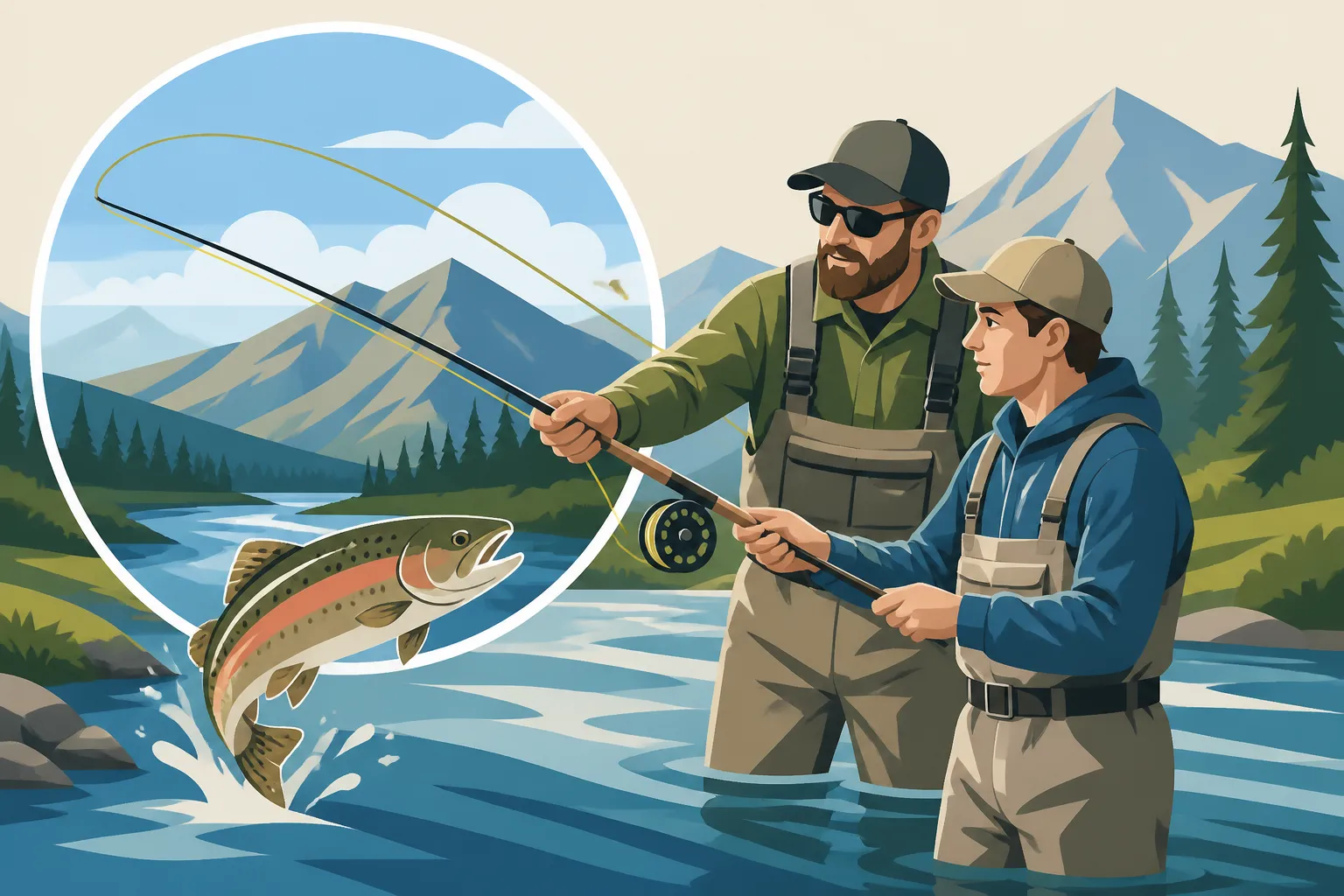
Most fly fishing lessons, especially for beginners, usually start off the water. Your guide will likely begin with a foundational discussion about the gear – what each piece does, how to set up a rod, and how to tie essential knots like the improved clinch or surgeon's knot. This might happen at a shop, a streamside camp, or even a local park. Don't underestimate this "classroom" time; understanding the mechanics and terminology is crucial. From there, you'll move to casting instruction, often starting on a grassy area away from water. This allows you to focus purely on the mechanics of the cast without the distraction of current or actual fish. Your guide will demonstrate basic casts – the pickup and laydown, the false cast – and then coach you as you practice. They'll watch your loops, your timing, and your arm movements, offering immediate corrections.
Once you’ve got a handle on the basics of casting and knot tying, the real fun begins: moving to the water. This is where the guide's expertise truly shines. They'll teach you how to approach a river or stream, how to spot fish, and how to make an effective presentation. You’ll learn about entomology – the study of insects that fish eat – and how to choose the right fly to "match the hatch." They'll also instruct you on crucial techniques such as mending line, controlling your drift, and setting the hook. This gradual progression from theory to practice, from land to water, ensures you build a solid foundation. Whether you’re learning How to Nymph Fish a River or How to Dry Fly Fish a Spring Creek, the structured approach ensures you grasp each concept before moving on.
Gear Provided vs. What You Should Bring
As mentioned, a major perk of taking lessons with an Idaho guide is that they typically provide all the specialized fly-fishing equipment. This usually includes:
- Rods and Reels: Appropriate weights and lengths for the target species and water type.
- Fly Lines and Leaders: Pre-rigged and ready to go.
- Flies: A selection of effective patterns for the day's conditions.
- Waders and Boots: Often available in various sizes, though it's always best to confirm with your guide beforehand, especially if you have unusual sizing needs.
While the core fishing gear is covered, there are definitely things you'll want to bring yourself. Think about personal comfort and safety:
- Idaho Fishing License: This is non-negotiable. You’ll need to purchase one before your trip. Your guide can't provide it, but they can advise you on How to Buy an Idaho Fishing License. Remember to check if you need any special permits, like an Idaho Salmon and Steelhead Permit.
- Sun Protection: Hat, sunglasses (polarized are highly recommended for seeing into the water), and sunscreen. The Idaho sun can be intense, even on cloudy days.
- Layered Clothing: Weather in Idaho can change rapidly. Dress in layers so you can add or remove clothing as needed. Quick-drying fabrics are always a good choice.
- Rain Gear: Even if the forecast looks clear, a lightweight rain jacket and pants are always a good idea.
- Snacks and Drinks: While some full-day trips might include lunch, always bring plenty of water and some energy-boosting snacks.
- Camera: To capture those memorable moments (and perhaps your first fish on a fly!).
- Small Backpack: To carry your personal items.
Always confirm with your specific guide what they provide and what they recommend you bring. Good communication ensures a smooth and enjoyable experience.
On-Water Experience: Rivers, Creeks, and Lakes
Idaho offers a phenomenal variety of waters perfect for fly fishing, and your guided lesson will likely take place on one that's ideally suited for learning. For many beginners, smaller, more intimate streams or calm sections of larger rivers are preferred. These spots offer less challenging currents and more predictable fish behavior, making it easier to practice casting and presenting flies. For instance, a guide might take you to a gentle stretch of the South Fork of the Snake River, known for its abundant trout, or a less crowded section of a tributary.
As you gain confidence, lessons might progress to more complex environments. Spring creeks, like the famous Silver Creek's Access Points for Fly Fishing, offer incredibly technical dry fly opportunities, teaching you precision and delicate presentation. Larger rivers might involve learning how to fish from a drift boat, covering more water and tackling different types of runs and riffles. Some guides even offer lessons on lakes, teaching techniques for stillwater fly fishing, which can be a completely different ballgame from river fishing. The beauty of a guided lesson is that the location is chosen to maximize your learning and success, not just to showcase a guide’s favorite spot.
Finding and Booking Your Idaho Fly Fishing Guide
Once you're committed to learning fly fishing the right way, the next step is finding the right guide. It can feel a bit overwhelming with so many options, but taking a systematic approach will help you secure an instructor who perfectly matches your needs.
Researching Reputable Guides
The first step is to do your homework. Look for guides or outfitters who specialize in teaching beginners, as their approach and patience will be tailored to someone just starting out. Many reputable guides and guide services clearly state on their websites that they offer lessons or are beginner-friendly. Word-of-mouth is powerful too; ask friends, visit local fly shops, or check online forums for recommendations. Pay attention to reviews and testimonials, looking for consistent praise regarding their teaching style, patience, and ability to make the learning process enjoyable.
Consider the guide's specific expertise. If your dream is to learn to cast on a famous trout stream, seek out a guide with extensive experience on waters like the Henry's Fork or the Owyhee River. If you're hoping to eventually tackle the anadromous species, you might look for guides who specialize in Idaho Steelhead Fishing Guides and also offer foundational fly casting lessons. A guide who genuinely loves teaching and sharing their knowledge will make your experience so much more enriching.
Key Questions to Ask Before Booking
Before you commit to a booking, have a list of questions ready. Don't be shy; a good guide will appreciate your thoroughness and be happy to provide clear answers.
Here are some essential questions:
- "Do you offer specific fly fishing lessons for beginners, or is it more of a guided fishing trip where I can ask questions?" Clarify if their service is structured for teaching.
- "What's your teaching philosophy? What can I expect to learn?" This helps gauge if their approach aligns with your learning style.
- "Is all gear provided (rod, reel, waders, flies), or do I need to bring anything specific?" Confirming this prevents surprises.
- "What size group do you teach, or is it one-on-one?" For personalized attention, smaller groups or individual lessons are usually best for learning.
- "What waters do you typically take beginners to, and why?" Understanding their chosen location can provide insight into the learning experience.
- "What is your cancellation policy, especially for weather?" Idaho Fishing Guide Cancellation Policies can vary, so know what to expect.
- "What is the total cost, and what does it include (lunch, snacks, non-alcoholic beverages)?" Be clear about pricing from the outset.
- "Do I need to have my Idaho fishing license and any necessary permits (like a salmon/steelhead permit) before the trip?" The answer is almost always yes, but it's good to confirm.
Booking Platforms and Considerations
Many anglers start their search online, using platforms dedicated to connecting anglers with guides. Websites like FishingBooker are excellent resources for browsing available guides, reading reviews, and comparing services across different regions of Idaho. These platforms often allow you to filter by location, target species, and even whether a guide offers specific lessons for beginners.
When using a platform like FishingBooker, pay close attention to the guide's profile and the specific details of their offerings. Some guides might list "beginner-friendly" trips, which is a great indicator. You can also send messages through these platforms to ask your specific questions before booking. While these platforms are convenient, don't hesitate to follow up with a phone call directly to the guide. A conversation can give you a better feel for their personality and teaching style, which is crucial when you're looking for an instructor.
Booking in advance is often a good idea, especially during peak seasons or for popular destinations. High-demand guides, particularly those specializing in sought-after experiences like Henry's Fork Fishing Guides or Silver Creek Fishing Guides, can book up months ahead of time.
Cost Considerations for Fly Fishing Lessons in Idaho
Investing in a guided fly fishing lesson is investing in yourself and your passion. While specific prices can fluctuate based on the guide, duration, location, and inclusions, understanding the general cost structure will help you budget effectively. Remember, what you're paying for isn't just a day on the water; it's for expertise, equipment, and accelerated learning.
Factors Influencing Price
The price of a fly fishing lesson in Idaho can vary widely. Several key factors play a role:
- Duration: What a Half-Day Idaho Fishing Trip Typically Costs will naturally be less than a full-day excursion. Half-day lessons are often ideal for beginners, as they can be less physically demanding and provide a solid introduction without overwhelming you. Full-day trips allow for deeper dives into techniques and more on-water practice.
- Private vs. Group: One-on-one instruction will be more expensive per person than a group lesson, but it offers the most personalized attention. Some guides offer semi-private lessons for two anglers, which can be a good compromise.
- Location and Species: Lessons on highly sought-after, technical waters like the Henry's Fork or for specific, challenging species like steelhead (which often require specialized jet boats or equipment) might command a higher price. More accessible waters with abundant, eager trout can sometimes be more budget-friendly.
- Guide Experience and Reputation: Highly experienced, well-known guides with a long track record of success and positive testimonials often charge more for their services, and for good reason—their expertise is invaluable.
- Inclusions: Some premium packages might include gourmet lunches, professional photography, or even multi-day accommodations at a lodge. These additions will, of course, increase the overall cost.
What's Usually Included
When you book a fly fishing lesson, you can generally expect the following to be included in the price:
- Professional Guide Services: The instruction, coaching, and local knowledge are the core of what you're paying for.
- All Necessary Fishing Gear: This means the rod, reel, line, leader, tippet, and a selection of appropriate flies. This saves you hundreds of dollars in initial investment.
- Waders and Boots: Most guides have a range of sizes, but always confirm.
- Transportation (Often): If meeting at a central point, the guide will often transport you to the river.
- Basic Amenities: Water and sometimes snacks are typically provided, especially on full-day trips. Some guides may offer a streamside lunch.
However, remember that your Idaho Fishing License Cost Guide and any required permits (like for Salmon or Steelhead) are almost always your responsibility. It's also crucial to clarify if lunch is included or if you need to pack your own. Good communication with your guide on platforms like FishingBooker or directly can prevent any misunderstandings about inclusions.
Tipping Etiquette
Just like with any service industry, tipping your fishing guide is customary and greatly appreciated. It's a way to acknowledge their hard work, expertise, and dedication to ensuring you have a great and educational experience. While there's no hard and fast rule, a general guideline is to tip between 15-20% of the total trip cost. If your guide went above and beyond, was exceptionally patient, provided outstanding instruction, or truly helped you "crack the code," consider tipping at the higher end of that scale.
Always bring cash for tipping, as guides often prefer it, and it can be difficult to add a tip to a credit card payment at the end of the day. Handing the tip directly to your guide at the end of the lesson is the most common and polite way to do it.
Here’s a quick overview of what to expect from different types of guided lessons:
| Lesson Type | Typical Duration | Focus Areas | Best For | Gear Provided? | Lunch/Snacks Included? |
|---|---|---|---|---|---|
| Half-Day Wade Trip | 4-5 hours | Basic casting, knot tying, reading water, stream access | Complete beginners, quick introduction | Yes | Usually water/snacks |
| Full-Day Wade Trip | 8-9 hours | Advanced casting, fly selection, multiple techniques | Deeper dive for beginners, intermediate refresh | Yes | Often lunch/snacks |
| Full-Day Drift Boat | 8-9 hours | Covering more water, drift boat etiquette, reading runs | Intermediate anglers, larger rivers, covering distance | Yes | Often lunch/snacks |
| Advanced Casting Clinic | 2-3 hours | Refining specific casts (roll, double haul) | Experienced anglers needing technique tune-up | Usually (or bring your own) | No |
Fly fishing lessons through Idaho guides are truly an investment that pays dividends for years to come. They provide a foundational understanding and practical skills that would take much longer to acquire on your own, opening up a world of beautiful waters and unforgettable experiences in the Gem State. So, take the leap, book a lesson, and prepare to fall in love with fly fishing!
Disclaimer
This article is for general informational purposes only and does not constitute professional advice. Laws, prices and regulations vary by location and change over time. Consult a qualified professional for guidance on your specific situation.