Learning to Fly Fish with an Idaho Guide as a Beginner
Learning to fly fish can feel like trying to decipher an ancient language while standing in a rushing river. You've seen the graceful casts, the delicate presentations, and perhaps even some impressive fish landed, but when you pick up a rod yourself, it often feels more like wrestling an unruly noodle than anything elegant. The truth is, fly fishing has a steep learning curve, especially in a state as diverse and challenging as Idaho. For beginners, it’s easy to get frustrated before you even get a chance to truly enjoy the experience. This guide is here to walk you through how a dedicated Idaho fishing guide can transform that initial struggle into a genuine passion, making your first forays into fly fishing both enjoyable and successful.
Why a Guide is a Game-Changer for Beginner Fly Fishers in Idaho
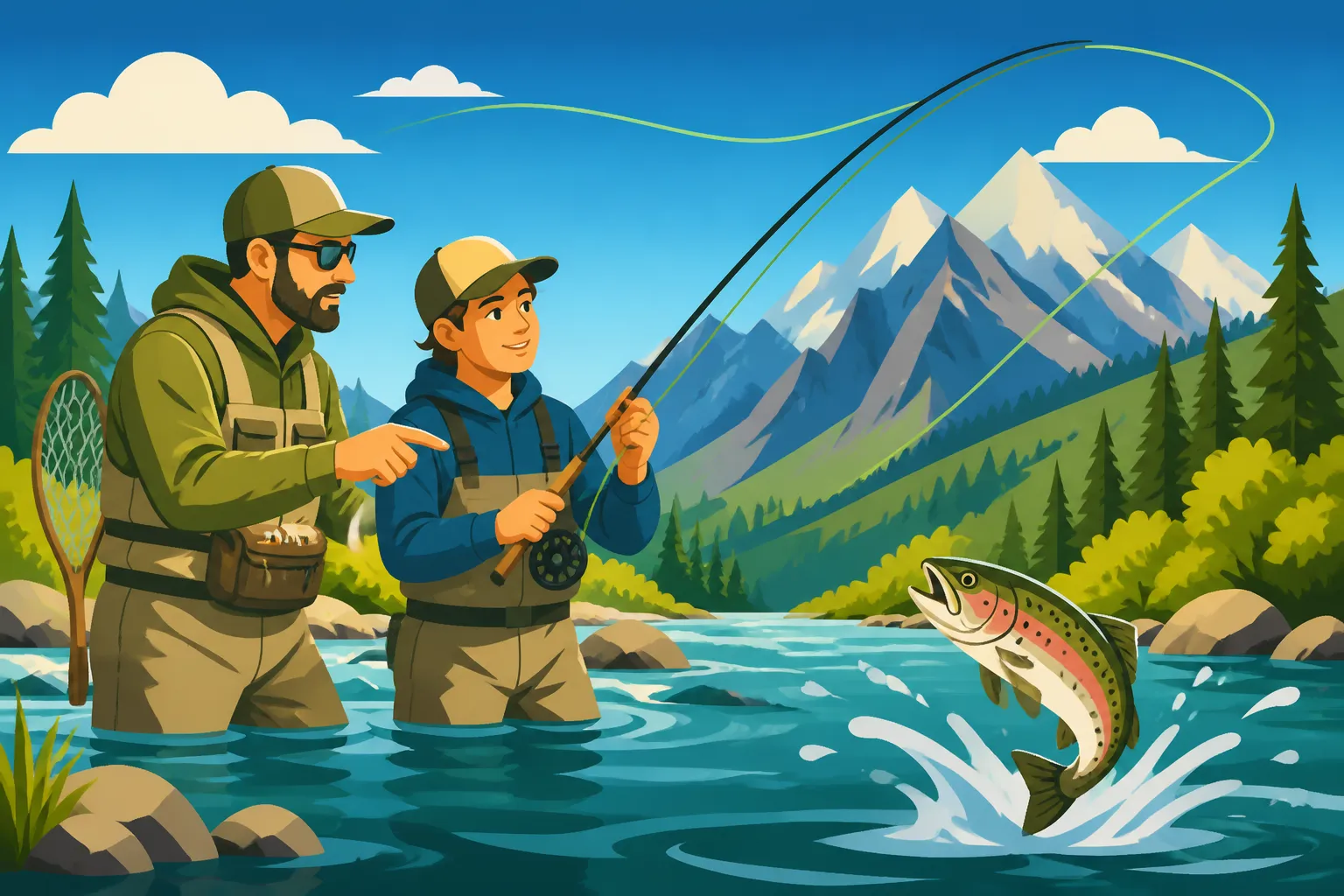
When you're starting out in fly fishing, there's just so much to learn. From understanding the equipment to the intricacies of casting, reading the water, and knowing what bugs the fish are eating, it can feel like a monumental task. Trying to piece it all together from YouTube videos or books is commendable, but nothing beats hands-on, personalized instruction. That's where an Idaho fly fishing guide becomes invaluable, especially for someone just starting their journey. They don't just put you on fish; they teach you how to fish, turning potential frustration into genuine skill development.
Overcoming the Initial Overwhelm
Imagine standing on the bank of the Henry's Fork, a world-renowned fly-fishing mecca. The beauty is breathtaking, but the sheer complexity of the river can be paralyzing. Where do you even begin? What fly do you tie on? How do you cast into that tricky current? This is where many aspiring fly anglers simply give up before they truly start. A guide cuts through that overwhelm, breaking down the seemingly impossible into manageable steps. They'll start with the absolute basics, showing you how to hold the rod, how to make a simple roll cast or overhead cast, and how to spot likely fish lies. They understand that you're not there to land a trophy on your first day, but to build confidence and lay a solid foundation.
They’ve seen it all, from tangled lines to frustrating snags, and they know exactly how to guide you through those initial hurdles without making you feel inept. Instead of fumbling with knots or trying to identify obscure insects, you’ll have an expert beside you, ready to explain each step, offering immediate feedback that you just can't get from a video. This personalized attention makes a world of difference, allowing you to actually learn rather than just imitate. They can even clarify some of the more confusing aspects of local rules, like Idaho Barbless Hook Requirements in certain waters, saving you from unintentional mistakes.
Accelerating Your Learning Curve
Let’s be honest, everyone wants to feel competent quickly. While fly fishing takes a lifetime to master, a good guide can dramatically shorten the initial learning curve. They've spent countless hours on the water, observing fish, understanding insect hatches, and perfecting their techniques. When you’re with a guide, you’re essentially tapping into years of accumulated knowledge in a single day. They’ll point out nuances in the water that you’d never notice on your own, explain why a certain fly is working, and correct your casting stroke in real-time. This immediate feedback loop is incredibly powerful.
Think about it: instead of spending hours practicing a bad cast, a guide can spot your error in seconds and offer a precise correction. They can show you how to mend your line effectively or teach you the subtle art of setting the hook, turning missed strikes into successful catches. This isn't just about catching fish; it's about understanding the "why" behind each action, which empowers you to become a more independent and thoughtful angler. By the end of your day, you won’t just have a few casts under your belt; you’ll have a deeper understanding of the river, the fish, and the art of fly fishing itself. This accelerated learning can be particularly beneficial if you're planning future trips, maybe even dreaming of floating The Middle Fork of the Salmon River to Fish someday.
Safety and Local Knowledge
Idaho's rivers and lakes are stunning, but they can also be wild and unpredictable. Wading in an unfamiliar river can be dangerous, with slippery rocks, strong currents, and deep pockets. A local guide knows these waters intimately. They know where it’s safe to wade, where the hidden holes are, and how to navigate the terrain. This peace of mind allows you to focus on your casting and fishing, rather than worrying about your footing or getting lost. Their priority is always your safety, ensuring your first experience is not only educational but also secure.
Beyond physical safety, guides possess invaluable local knowledge that goes far beyond what you can find in any book or online forum. They know which flies are hatching on specific stretches of river at different times of the year, where the fish are holding based on current conditions, and even how local pressure might affect the fishing. For instance, they might know that the best fishing on a particular stretch of the Boise River is early in the morning before the crowds, or that a specific riffle on Silver Creek holds some surprisingly large trout. This insight is gold for a beginner, giving you an authentic and productive experience that would be nearly impossible to replicate on your own. They might even teach you How to Read a Riffle on an Idaho River or How to Read a Pool on an Idaho River, fundamental skills for any river angler.
What to Expect from a Beginner-Focused Fly Fishing Guide Trip in Idaho
So, you're ready to take the plunge and book a guide. That's fantastic! But what does a typical beginner-focused fly fishing trip in Idaho actually look like? It's not about being thrown into the deep end; it's a carefully structured experience designed to ease you into the sport, building your skills and confidence along the way. Most guides pride themselves on creating a welcoming environment, especially for those new to the game.
Typical Trip Structure and Instruction
A typical beginner fly fishing trip with an Idaho guide usually starts with a brief but comprehensive introduction to the gear. Your guide will explain the different parts of the fly rod, reel, line, and leader, often demonstrating how they all work together. This is usually followed by a fundamental casting lesson on grass or a calm section of water, away from the pressure of catching fish. They'll break down the casting motion into simple steps, focusing on rhythm and technique, not brute force. You'll learn the basic overhead cast and often the roll cast, which is indispensable for tight spaces.
Once you’ve got a handle on the casting basics, the real fun begins: getting into the water. Your guide will lead you to a section of river or lake known for holding cooperative fish, or at least a good spot to practice without too many snags. They’ll help you tie on your first fly, teach you some basic knots, and explain how to present the fly to a fish. Throughout the day, they'll offer constant encouragement, tips, and corrections, always tailored to your individual progress. It's a hands-on, interactive lesson, often interspersed with tales of past fishing adventures and insights into the local ecosystem. You might be targeting small, eager trout, which are perfect for learning how to detect subtle bites and practice setting the hook. This gradual progression ensures you build foundational skills without feeling overwhelmed. If you're looking for Idaho Fishing Guides for Fly Fishing Lessons, this is exactly what they specialize in.
Gear Provided and What to Bring
One of the biggest anxieties for beginners is the gear. Fly fishing equipment can be expensive, and it’s hard to know what to buy. The good news is that most Idaho fly fishing guides provide all the necessary fishing gear. This typically includes high-quality fly rods, reels, lines, leaders, and an assortment of flies relevant to the local waters and season. Many guides will also provide waders and wading boots, which are essential for staying dry and comfortable in the river. This means you don't have to invest a fortune before you even know if you'll enjoy the sport – a huge relief for many newcomers.
While the guide provides the core fishing equipment, there are a few things you'll still need to bring to make your trip comfortable and successful. Definitely bring your Idaho Fishing License Guide and any necessary permits (like a Salmon/Steelhead permit if applicable, though beginners are unlikely to start with those species). Other essentials include polarized sunglasses to help you see into the water and protect your eyes, a hat for sun protection, layered clothing (even in summer, Idaho mountain weather can change quickly), sunscreen, insect repellent, and plenty of water and snacks. Your guide will usually send a detailed list of what to bring once you book. They might even lend you a rain jacket if the weather turns. For more general advice, consider checking out What to Wear on a Guided Fishing Trip.
Choosing the Right Water for Your First Casts
Idaho boasts an incredible variety of fly-fishing waters, from the famed spring creeks of Henry's Fork to the rugged mountain streams of the Sawtooths and the mighty Snake River. For a beginner, choosing the right water is crucial. You want a location that offers a reasonable chance of success without being overly technical or challenging. A good guide will know exactly where to take you to maximize your learning and enjoyment. Often, this means starting on smaller, more forgiving streams or accessible sections of larger rivers where fish are abundant and less "spooky."
For example, a guide might opt for a smaller tributary of a major river, or a section known for healthy populations of eager rainbow or cutthroat trout. These fish are often more willing to strike, providing those crucial first experiences of feeling a fish on the line. They might avoid the super-technical, highly pressured "finicky fish" waters until you've built up more confidence and skill. Locations like parts of the Boise River or some of the easier access points on the South Fork of the Snake River can be excellent starting points. You might even find yourself on a small, stocked pond as a gentle introduction. The goal isn't to break records, but to build skills and create positive memories, showing you places where Beginner Water Near Boise or Beginner Water Near Coeur d'Alene makes learning fun.
Finding and Booking the Perfect Idaho Fly Fishing Guide
Once you’re convinced that a guide is the way to go for your fly fishing initiation, the next step is finding the right guide. This isn't just about picking the first name you see; it’s about finding someone who specializes in teaching beginners and whose personality meshes with yours. A good guide isn’t just an expert angler; they’re a patient teacher, an enthusiastic storyteller, and a dedicated ambassador for the sport.
Key Questions to Ask Potential Guides
Before you commit, it's perfectly normal, and highly recommended, to ask a few questions to ensure the guide is a good fit for a beginner. Don't be shy!
Here's a table of crucial questions to ask:
| Question | Why It's Important for Beginners |
|---|---|
| Do you specialize in beginner instruction? | Not all guides are equally adept at teaching. Some prefer experienced anglers. Look for guides who genuinely enjoy introducing newcomers to the sport and have a track record of patience. |
| What waters do you typically guide for beginners? | Ensures they'll take you to appropriate, less challenging waters, increasing your chances of success and reducing frustration. |
| What gear do you provide? | Confirms you won't need to buy expensive equipment upfront. Also clarifies if waders/boots are included. |
| What should I bring? | Gives you a clear checklist so you're prepared. |
| What's your typical teaching approach for a first-timer? | Helps you understand their methodology. Do they focus on casting first, or getting a fly in the water quickly? This sets expectations. |
| What's your cancellation policy? | Important for planning, especially if weather might be a factor. |
| Are you licensed and insured? | Ensures you're in safe, professional hands. All legitimate guides in Idaho should be. |
Asking these questions helps you set expectations and find a guide who is genuinely excited to introduce you to fly fishing, rather than just taking a client out. Look for guides who sound enthusiastic about teaching and who clearly understand the beginner's mindset. When searching, platforms like FishingBooker can be a great starting point, allowing you to filter by location, species, and even guide specialties, making it easier to find those who explicitly cater to "first-time anglers" or "fly fishing lessons." Many guides will have reviews that speak to their patience and teaching abilities.
Understanding Costs and Tipping Etiquette
Let's talk about the practical side: cost. Guided fly fishing trips in Idaho can vary in price depending on the duration (half-day vs. full-day), the water you're fishing (some rivers are more expensive to access), and the guide's experience and reputation. Generally, a full-day trip will cost more than a half-day. Remember, you're not just paying for someone to drive a boat or point out fish; you're paying for their expertise, their equipment, their local knowledge, and their personalized instruction. Think of it as an investment in a new skill and an unforgettable experience. To get a general idea, you can research Idaho Fishing Guide Cost Guide or look specifically at Wade Trip Guide Cost in Idaho.
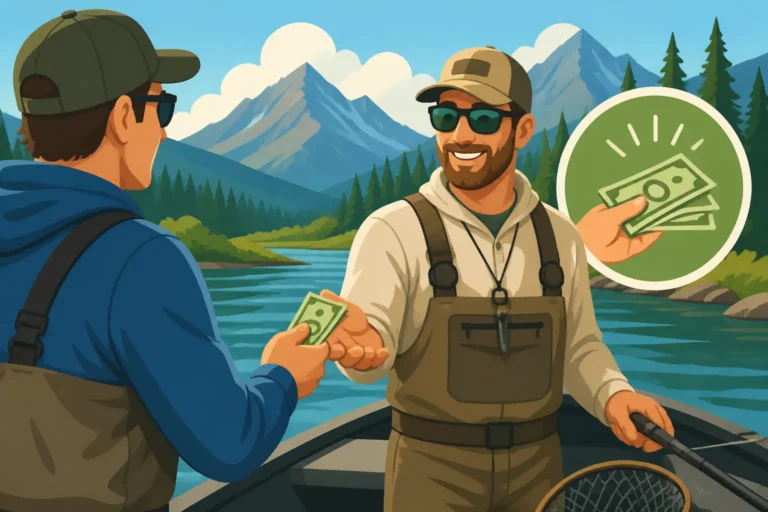
Tipping your guide is also customary, much like tipping in a restaurant or for any other service-based experience. While not mandatory, it's a way to show your appreciation for their hard work, patience, and efforts in making your day enjoyable and educational. A general rule of thumb is to tip around 15-20% of the trip's total cost, especially if you felt they went above and beyond. If you had a truly fantastic experience, learned a lot, and felt well cared for, a generous tip is always appreciated. They work incredibly hard to ensure you have a great day, often putting in long hours before and after the actual fishing. This guide on How Much to Tip a Fishing Guide can give you more specific figures and insights.
Researching and Booking Your Adventure
The best way to find a reputable Idaho fly fishing guide is through a combination of online research, reading reviews, and word-of-mouth recommendations. Start by looking for guides or outfitters who explicitly advertise "beginner fly fishing lessons" or "introductory fly fishing trips." Websites and platforms dedicated to booking fishing trips, like FishingBooker, can be excellent resources. They often feature detailed profiles of guides, including their specializations, available dates, and past client reviews. These reviews are gold—they offer real insights into a guide's personality, teaching style, and ability to work with novices.
When you find a few guides that look promising, don't hesitate to reach out directly by phone or email. This gives you a chance to ask those key questions and get a feel for their communication style. A good guide will be happy to chat with you and answer all your queries, putting your mind at ease. Booking well in advance is often a good idea, especially during peak seasons for popular waters like the Henry's Fork or Silver Creek. Guides, particularly the best ones, tend to fill up their calendars quickly. Once you've chosen your guide, they'll usually require a deposit to secure your date, and they'll send you all the necessary information to prepare for your exciting day on the water, whether it's Fly Fishing Guides in Island Park or Fly Fishing Guides in Ketchum.
By taking the time to research, ask questions, and book with a guide who specializes in teaching, you're setting yourself up for an incredible introduction to the world of fly fishing in Idaho. It's an investment that pays dividends in skill, confidence, and countless future adventures.
Disclaimer
This article is for general informational purposes only and does not constitute professional advice. Laws, prices and regulations vary by location and change over time. Consult a qualified professional for guidance on your specific situation.