Reading Reviews Before Booking a Fishing Guide
Trying to pick the perfect Idaho fishing guide can feel like navigating a maze blindfolded. You're shelling out good money and investing precious vacation time, and the last thing you want is a lackluster experience, a guide who doesn't quite "get" what you're looking for, or worse, a trip that falls flat. This guide is here to help you cut through the noise and truly understand how to read reviews, ensuring you book a fishing adventure that lives up to your expectations.
Why Reviews Are Your Best Friend (and Sometimes Your Worst Enemy)
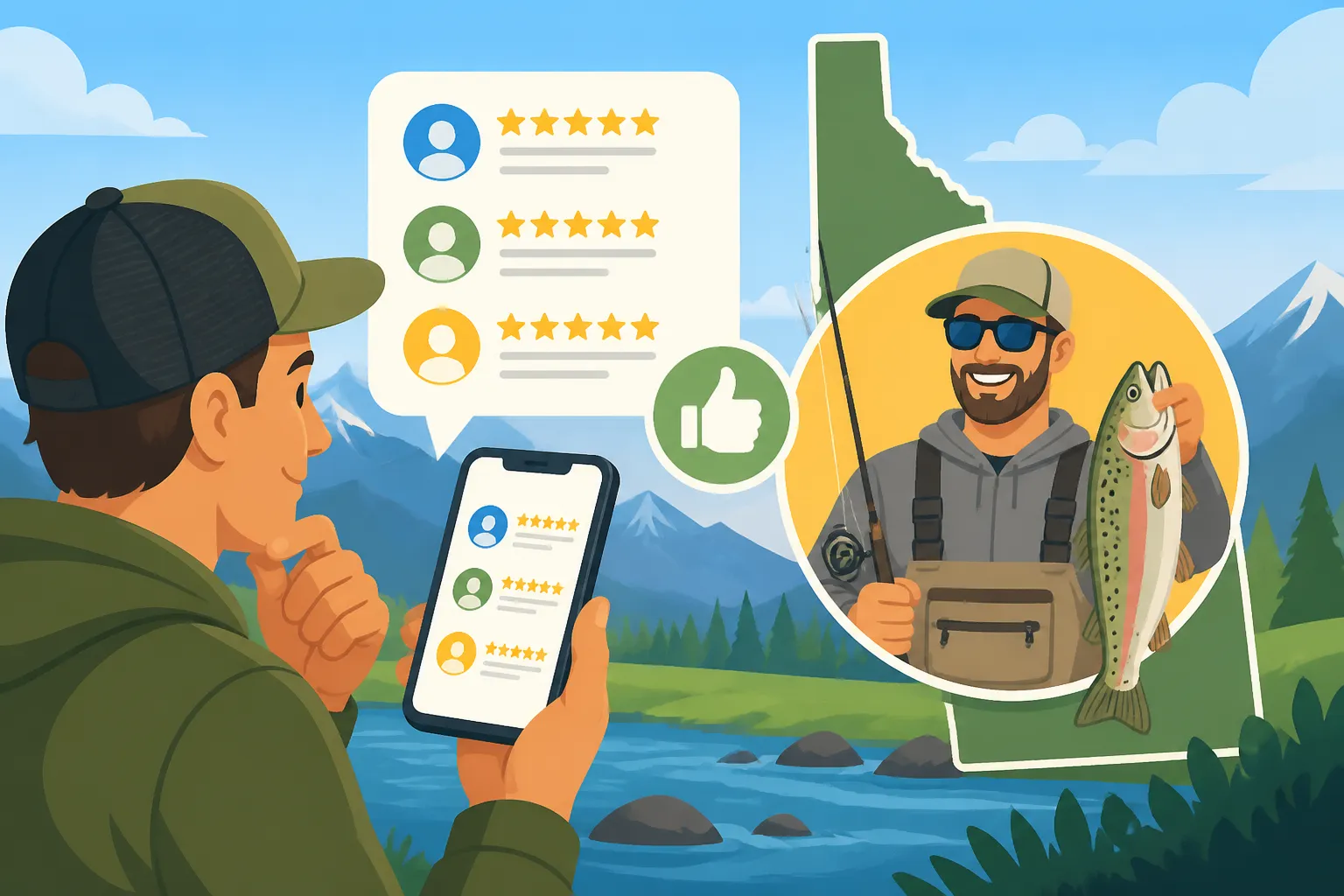
In today's digital age, reviews are everywhere, from major booking platforms like FishingBooker to smaller, local guide websites and even social media. They offer a glimpse into the experiences of previous clients, providing invaluable insights that advertising alone can't touch. But let's be real, not all reviews are created equal, and sometimes, reading them can be more confusing than helpful. It's a tricky balance between soaking up genuine feedback and filtering out the noise.
Think of it this way: you're planning a trip to the Clearwater River for some legendary steelhead. You see a guide with five stars, but one review mentions they only targeted hatchery fish, and you were really hoping for a chance at a wild one, even if it meant catch-and-release. Without diving deeper than the star rating, you might book that guide and end up disappointed. Conversely, a guide with a few less-than-perfect reviews might actually be a fantastic fit if those negative comments highlight things that don't bother you, or if they're clearly from clients with unrealistic expectations. It's about finding the nuance.
The Good, the Bad, and the Ugly: What to Look For
When you're scrolling through reviews, don't just fixate on the overall star rating. That's just the tip of the iceberg. What you're really looking for are patterns and specifics.
- Positive Patterns: Do multiple reviews praise the guide's patience, especially with beginners or kids? That's a huge plus if you're planning a Idaho Fishing Charters for Families with Kids. Are people consistently talking about the guide's knowledge of the local water, like the best stretches of the Snake River for sturgeon or the intricacies of Henry's Fork for fly anglers? This indicates genuine expertise. Look for comments on their equipment – "boat was spotless," "top-notch gear provided." This tells you they take pride in their operation.
- Negative Niggles: A few negative reviews aren't necessarily a deal-breaker. Sometimes, a "bad" review is just someone having a bad day, or expecting a trophy fish on every cast, which, let's face it, is just not how fishing works. What you're looking for here are consistent complaints about professionalism, safety, or communication. If several people mention the guide was late, rude, or had unsafe equipment, that's a serious red flag. Also, consider if the negative feedback is about something outside the guide's control, like bad weather or slow fishing, versus something they could control.
- The Unsaid: Sometimes, what's not in the reviews is as important as what is. If a guide boasts about "trophy fishing" but not a single review mentions a memorable catch or even a picture with a nice fish, you might want to question that claim. Similarly, if you're looking for specific species, like Chinook salmon, and all the reviews for a Salmon River guide talk only about steelhead, it might indicate they specialize more in one than the other.
Spotting Red Flags in Reviews
While most reviews are genuine, it's wise to approach them with a critical eye. Here are a few things that should make you pause:
- Overly Generic Praise: Reviews that sound too perfect or generic ("Great trip! Awesome guide!") without any specific details might be less reliable. Real experiences usually come with real anecdotes.
- Repetitive Phrasing: If several reviews use almost identical language or phrasing, it could indicate they're fabricated or coached.
- Reviewer History: On platforms like FishingBooker, you can often see a reviewer's history. If someone has only ever left one review, and it's a glowing five-star for a specific guide, it could be a friend or family member. Conversely, someone who consistently reviews multiple services and offers detailed feedback is usually more credible.
- Responses to Negative Reviews: Pay close attention to how the guide responds to negative feedback. A professional guide will usually acknowledge the complaint, offer an explanation (without making excuses), and sometimes even offer to make amends. A defensive, dismissive, or aggressive response is a major warning sign. It shows how they handle conflict and customer service when things don't go perfectly.
Deciphering the Details: Beyond the Star Rating
The star rating is a quick summary, but the real meat is in the narrative. You need to read between the lines, focusing on details that align with your specific fishing goals and expectations. This isn't just about whether a guide is "good" or "bad"; it's about whether they're "good for you."
What Specifics Tell You About the Experience
Specific details are golden. They paint a picture of what your trip might actually be like.
- Target Species & Techniques: Does the review mention what species were targeted? For instance, if you want to fly fish for cutthroat trout in the St. Joe River, look for reviews that specifically mention "dry fly fishing," "nymphing," or "catching native cutthroat." If all you see are reviews about bait fishing for stocked rainbows, that guide might not be your best bet for a How to Fly Fish in Idaho trip.
- Guide's Personality & Style: Some anglers prefer a chatty, entertaining guide. Others want a quiet, focused pro who lets them fish in peace. Reviews often describe the guide's demeanor: "Captain Mark was so patient, even when I tangled my line ten times," or "Our guide, Sarah, was a true professional, always putting us on fish without a lot of fuss." This helps you gauge if their personality matches your own.
- Trip Type & Duration: Were the clients on a full-day or half-day trip? Did they do a wade trip, a drift boat trip, or a jet boat excursion? This context is vital. A review for a half-day trip might have different expectations and outcomes than a multi-day wilderness adventure. If you're considering a Half-Day vs Full-Day Idaho Fishing Guide Trips, see how people reviewed similar experiences.
- Inclusions and Exclusions: Did the guide provide gear, bait, and lunch? Were licenses handled? Reviews can clarify what's truly included in the price versus what you need to bring. This is especially helpful if you're unsure about things like Does a Fishing Guide Trip Include Gear? or if you need to secure your Idaho Fishing License Guide separately.
Understanding Different Platforms
Reviews pop up on many different sites, and each platform can have a slightly different vibe or emphasis.
- Dedicated Booking Platforms (e.g., FishingBooker): These sites often have a structured review system, sometimes requiring booking through their platform to leave a review, which can add a layer of authenticity. They might also categorize reviews by trip type or species. Pay attention to how FishingBooker itself verifies reviews. They often have internal systems to ensure the reviews are from actual paying customers.
- Google Reviews: These are ubiquitous and often reflect general customer satisfaction. They're useful for overall impressions, but might be less fishing-specific.
- Social Media (Facebook, Instagram): While less structured, comments and direct messages on a guide's social media pages can offer candid insights. Look for engagement, how the guide interacts with followers, and what people say in comments on their photos of successful trips.
- Guide's Own Website: Take these with a grain of salt. While legitimate testimonials are great, a guide has full control over what appears on their own site, meaning you're unlikely to see negative feedback there. Use these more for gauging the guide's professionalism and communication style, not as the sole source of honest reviews.
| Review Detail Category | What to Look For | What it Might Indicate | Consider If… |
|---|---|---|---|
| Patience/Instruction | Mentions guide's calm demeanor, teaching abilities | Good for beginners, kids, or those wanting to learn | You're a novice, bringing children, or want to hone skills |
| Local Knowledge | Specific references to spots, water conditions, fish behavior | Guide is experienced in the exact area you're fishing | You want the best chance at specific fish or challenging waters |
| Equipment/Boat Quality | "Clean boat," "new rods," "well-maintained gear" | Guide invests in their business, safety, and client comfort | You value comfort, safety, and don't want to bring your own gear |
| Communication | "Kept us informed," "answered all questions," "responsive" | Guide is organized, professional, and values client experience | You like clear expectations and good pre-trip communication |
| Target Species Focus | Mentions specific fish (steelhead, kokanee, sturgeon) | Guide specializes in particular species and their techniques | You have a specific fish in mind (e.g., Idaho Steelhead Fishing Guide) |
| Professionalism | "On time," "respectful," "organized" | Reliable service, smooth operation | You value punctuality and a no-fuss experience |
| Safety | Explicitly mentions safety precautions, calm handling | Guide prioritizes client well-being | You're concerned about river conditions or have less experienced passengers |
Practical Steps for Smart Review Reading
It's not just about finding reviews; it's about actively using them to make an informed decision. This involves a bit of detective work and aligning the feedback with your personal fishing trip vision.
Cross-Referencing and Due Diligence
Never rely on just one source of reviews. Cast a wide net, just like you would when fishing!
- Check Multiple Platforms: If you find a guide on FishingBooker, search for them on Google, check their social media, and see if they have a personal website with testimonials. Consistency across platforms is a good sign. If a guide has glowing reviews on their site but nothing anywhere else, that's a red flag.
- Look for Recent Reviews: Fishing guides, like any business, can change over time. A guide who was fantastic five years ago might have new crew, new equipment, or different priorities now. Prioritize reviews from the last year or two to get the most accurate picture.
- Dig into the Details: Don't just skim. Read full reviews. Look for keywords that matter to you. If you're interested in Idaho Sturgeon Fishing Rules, seek out reviews that talk about the guide's approach to catch-and-release and handling these magnificent fish responsibly.
- Consider the Number of Reviews: A guide with hundreds of reviews, even with a few minor dings, often indicates a consistent track record and a high volume of happy customers. A guide with only a handful of five-star reviews, while positive, doesn't offer as much data to go on.
Aligning Reviews with Your Own Trip Goals
This is the most crucial step. Reviews are only useful if they speak to what you want out of your trip.
- Define Your "Perfect Trip": Are you a serious angler seeking a trophy fish? A family with young kids hoping to catch anything and have a fun day out? A complete beginner needing patience and instruction? Your ideal trip will dictate what type of guide is right for you. For instance, if you're keen on learning, look for reviews that praise a guide's teaching abilities, not just their fish-finding prowess.
- Match Expectations: If reviews consistently mention a guide specializes in high-volume catch-and-release trout fishing, but you're dead set on keeping a few for dinner, that guide might not be the best match. Understand that the guide's specialty, as reflected in reviews, should align with your fishing style and goals.
- Consider the Season and Water: Reviews often mention the time of year a trip took place. This is vital in Idaho, where fishing can change dramatically with the seasons. A great review from a spring steelhead trip on the Salmon River might not apply to a summer trout trip on a different waterway. If you're planning a Fall Fishing Spots in Idaho trip, focus on reviews from that time of year.
When to Trust Your Gut (Even When Reviews are Mixed)
Sometimes, after all the reading and cross-referencing, you might still have a lingering feeling about a guide. Maybe the reviews are solid, but something just feels off, or perhaps they're a bit mixed, but you've had a great conversation with the guide. Your intuition is a powerful tool, and it plays a vital role in the booking process.
The Role of Communication Pre-Booking
Before you even commit to booking, clear communication with the guide is paramount. This is your chance to get answers to your Questions to Ask Before Booking a Fishing Guide and gauge their professionalism firsthand.
- Ask Direct Questions: Don't be shy! Ask about their experience with your target species, their approach to safety, what gear they provide, and their typical day on the water. How they answer these questions – promptly, clearly, and enthusiastically – can tell you a lot.
- Evaluate Responsiveness: A guide who responds quickly and thoroughly to your inquiries demonstrates good customer service. If it takes days to get a short, vague answer, that could be a sign of things to come.
- Listen to Their Tone: Is the guide friendly and patient on the phone or in emails? Do they seem genuinely interested in your trip, or are they just trying to get a booking? This personal interaction often trumps even the best (or worst) review. They should be able to explain things like What's Included in an Idaho Guided Fishing Trip or Idaho Fishing Guide Tipping and Etiquette clearly.
Beyond Reviews: Other Trust Signals
While reviews are a powerful indicator, they're not the only measure of a guide's quality.
- Referrals from Trusted Sources: If a friend, a local tackle shop, or a reputable outfitter gives a personal recommendation, that often carries more weight than any online review.
- Professional Affiliations and Licenses: Does the guide hold the necessary Idaho Fishing Guide Licensing Requirements? Are they affiliated with any local fishing organizations or conservation groups? This indicates a commitment to their profession and the local environment.
- Experience Level: While not always explicitly in reviews, a guide's years of experience on a particular body of water are incredibly valuable. You can often glean this from their website or by asking directly. A guide who has spent decades fishing Henry's Fork Fishing Guides likely possesses an intimate knowledge of that complex river.
- Website and Online Presence: A well-maintained, informative website suggests professionalism. Clear photos, detailed trip descriptions, and readily available contact information are all good signs. If their online presence is shoddy or non-existent, it might be a reflection of their business practices.
Ultimately, reading reviews is a skill that improves with practice. By approaching them thoughtfully, cross-referencing information, and combining them with your own direct communication, you'll significantly increase your chances of booking an Idaho fishing guide who will give you the incredible experience you're hoping for.
Disclaimer
This article is for general informational purposes only and does not constitute professional advice. Laws, prices and regulations vary by location and change over time. Consult a qualified professional for guidance on your specific situation.