What to Bring on a Guided Idaho Fishing Trip
Heading out for a guided fishing trip in Idaho is an incredible experience, offering access to some of the most stunning waters and elusive fish in the country. But for many, the pre-trip jitters often include a nagging question: "What in the world do I actually need to bring?" This guide is designed to cut through that confusion, ensuring you're perfectly prepared for an enjoyable and successful day on Idaho's rivers, lakes, or reservoirs with your professional guide.
The Non-Negotiables: Your Core Essentials
Before you even think about rods and reels, there are a few absolute must-haves that you simply cannot do without on any guided Idaho fishing trip. These are the items that ensure you're legally compliant, physically comfortable, and personally safe.
Licensing and Permits
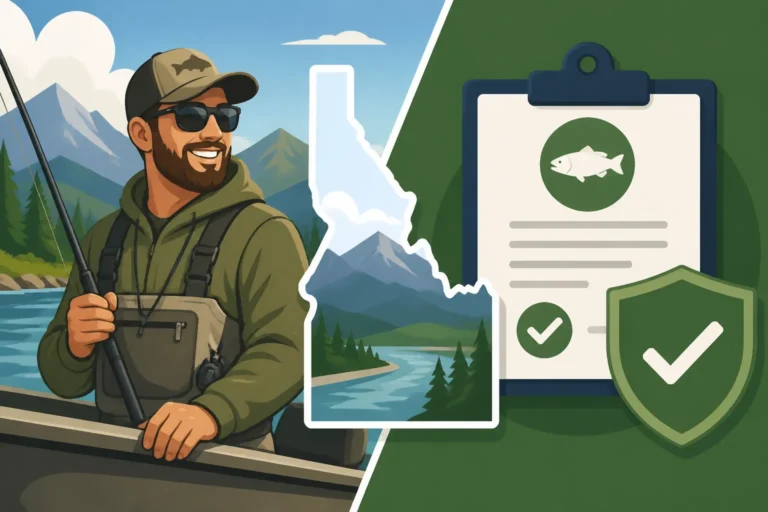
This is paramount. Fishing in Idaho requires a valid fishing license, and depending on the species you're targeting – like the prized steelhead or Chinook salmon – you'll likely need additional permits or stamps. Your fishing guide, no matter how experienced or friendly, cannot provide you with these. It's solely your responsibility to secure them before your trip begins. Imagine showing up bright and early, gear in hand, only to realize you can't even cast a line because you forgot your license. That's a surefire way to dampen the excitement before it even starts!
Always double-check the specific requirements for the waters and species you'll be pursuing. For instance, if you're hitting the Clearwater River for steelhead, you'll need not just a general Idaho fishing license but also an Idaho Salmon and Steelhead Permit. This isn't a small detail; conservation officers do check, and the penalties for fishing without proper documentation can range from hefty fines to confiscation of your gear. Make it the first thing you acquire once your trip is booked. You can often purchase these online through the Idaho Fish and Game website, making it incredibly convenient. For a full rundown, check out our Idaho Fishing License Guide and Idaho Fishing Permits and Stamps Explained.
Weather-Appropriate Clothing Layers
Idaho's weather, especially in the mountains and across its vast landscapes, can be notoriously unpredictable. A morning that starts crisp and clear can quickly turn into a blustery, rainy, or even snowy afternoon, even in summer at higher elevations. The key to staying comfortable and focused on your fishing is layering, and ditching cotton for anything that might get wet.
Start with a moisture-wicking base layer to pull sweat away from your skin. Over that, a warm fleece or synthetic mid-layer provides insulation. Finally, a waterproof and windproof outer shell is absolutely essential. Even if the forecast calls for sunshine, having a quality rain jacket and pants tucked into your bag can be the difference between a miserable, shivering day and a pleasant one. Think quick-drying fabrics like nylon, polyester, or merino wool. Cotton, while comfortable for everyday wear, absorbs moisture and holds it against your skin, making you cold very quickly once it gets wet. Remember, you'll be spending hours outdoors, often on a boat or near water, where temperatures can feel much cooler due to wind chill and evaporation. For more advice on dressing for the elements, read our guide on What to Wear on a Guided Fishing Trip.
Personal Comfort and Safety Items
Beyond clothes, a few personal items are critical for your well-being and overall enjoyment. The Idaho sun, especially when reflecting off water, can be intense. A wide-brimmed hat and polarized sunglasses are non-negotiable for protecting your eyes and skin from harmful UV rays. Polarized lenses also have the added benefit of cutting glare, allowing you to see into the water better and potentially spot fish or structure. Don't forget high-SPF sunscreen, and reapply it throughout the day, particularly on exposed areas like your face, neck, and the backs of your hands.
If you have any personal medications, bring them in their original containers and ensure you have enough for the duration of the trip. Inform your guide if you have any serious medical conditions or allergies; they're there to help in an emergency. A small, personal first-aid kit with basics like band-aids, antiseptic wipes, pain relievers, and any allergy medication you might need is also a smart addition. While your guide will likely have a more comprehensive kit, having your own readily accessible supplies for minor scrapes or headaches can be a real convenience.
Gear and Tackle: What Your Guide Usually Provides (and What to Consider Bringing)
This is where many anglers get stumped. The beauty of a guided trip is that the heavy lifting regarding specialized gear is often handled for you. However, there are times when bringing your own equipment makes sense.
Rods, Reels, and Terminal Tackle
One of the main reasons people book guided trips is precisely so they don't have to bring their entire arsenal of rods, reels, and tackle boxes. Most reputable Idaho fishing guides will provide all the necessary rods, reels, lines, lures, and bait for the target species and conditions of the day. This is fantastic, especially if you're traveling from out of state or trying a new type of fishing that requires specialized gear you don't own.
However, if you have a favorite rod and reel setup that you're intimately familiar with, or a lucky lure that has never failed you, you might want to bring it. Always communicate this with your guide before the trip. They can advise if your gear is appropriate for the target fish and current conditions. For instance, if you're an avid fly angler heading to the Henry's Fork, you might prefer your own perfectly balanced fly rod over a rental. Similarly, if you have a specific steelhead rod that you feel comfortable with, your guide will usually be happy for you to use it, provided it's suitable. Remember, even if you bring your own gear, the guide will still often provide the terminal tackle – leaders, tippets, flies, lures, or bait – that they know works best on that particular day and water. This is part of what's generally included in an Idaho guided fishing trip.
Waders and Boots
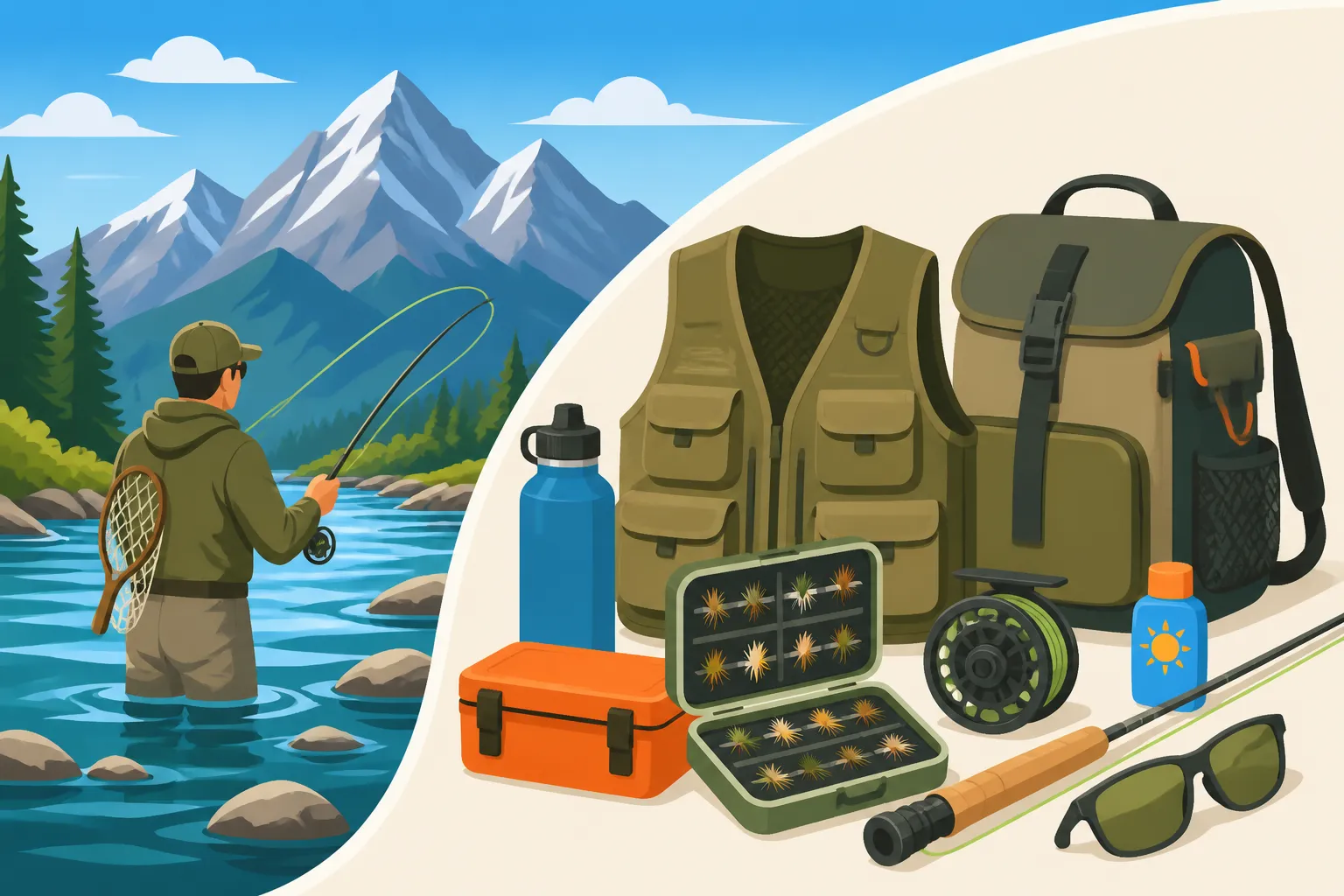
For many river-based fishing trips, particularly fly fishing, waders and wading boots are essential for getting into prime fishing positions. Fly fishing guides, especially on waters like the South Fork of the Snake River or Silver Creek, often have loaner waders and boots in various sizes. This is a huge convenience, saving you the expense and bulk of traveling with them.
That said, if you own a comfortable, well-fitting pair of waders, you might prefer to bring your own. Fit is paramount for comfort and safety, and a poorly fitting pair can make a long day on the water miserable. If you're particular about hygiene or simply know your gear inside and out, bringing your own is a perfectly valid choice. Just make sure they are in good repair – no leaks! If you plan on doing a lot of wading, especially in colder water, investing in your own good quality breathable waders and sturdy wading boots is always a good idea. Our article on Best Waders for Idaho River Fishing offers some excellent advice on selecting the right pair.
Specialty Items for Specific Species
While your guide will handle the main fishing equipment, there are a few niche items that dedicated anglers might consider bringing, especially when targeting specific, challenging species. For instance, if you're passionate about catch-and-release photography, a small, collapsible rubber-mesh landing net that's gentle on fish might be something you prefer over a standard boat net, although your guide will have appropriate nets.
For species like Idaho sturgeon, which require careful handling and specific techniques, your guide will undoubtedly have specialized heavy-duty tackle and release tools. However, if you have a lucky pair of heavy-duty gloves for handling large fish, or a specific tool for hook removal that you prefer, bring it along. Just ensure it aligns with the guide's safety and fish-handling protocols. Always confirm with your guide if there are any particular "must-have" items for the species you'll be pursuing, or if your specific gear additions would be welcome. Our guides on Idaho Steelhead Fishing Guide and Idaho Sturgeon Fishing Guide often highlight unique requirements for these remarkable fish.
Food, Drink, and Personal Hydration
Fishing is an active pursuit, and you'll be spending hours outdoors, often under the sun or in cool conditions. Staying fueled and hydrated is crucial for maintaining energy and focus.
Water and Beverages
Hydration is non-negotiable. Even on cool days, you'd be surprised how quickly you can dehydrate, especially with physical activity. While most guides will provide some bottled water or have a cooler stocked with drinks, it's always a good idea to bring extra. A personal reusable water bottle that you can keep refilling throughout the day is an eco-friendly and smart choice. You might also want to bring your favorite beverage – be it a sports drink, iced tea, or even a celebratory soda for a successful day.
Just ensure that any alcoholic beverages are consumed responsibly and only after the fishing is done for the day, or as permitted by your guide. Fishing safety, especially on a boat or near strong currents, should always take precedence. Discuss any preferences with your guide beforehand, as some may have specific policies regarding drinks.
Snacks and Meals
The duration of your guided trip will heavily influence what you need to bring for food. For a half-day trip, a few energy bars, a piece of fruit, or a sandwich might suffice. However, for a full-day trip, especially one covering six to eight hours or more, sustenance is key. Many Idaho fishing guides, particularly on full-day excursions, will provide a hearty lunch. This often includes sandwiches, chips, cookies, and drinks, designed to keep you energized. It's definitely worth checking beforehand if your guide provides lunch on full-day trips.
Even if lunch is provided, bringing a few extra personal snacks is always a good idea. Think about things that are easy to eat on the go, like granola bars, trail mix, nuts, or even some jerky. These can be lifesavers during those moments between meals when you need a quick energy boost. If you have any dietary restrictions or allergies, it is absolutely vital to communicate these to your guide well in advance so they can accommodate your needs or advise you on what extra items you might need to pack. For more insights on this, refer to our article: Do Guides Provide Lunch on Full-Day Trips?.
Coolers and Storage
If your guide is providing lunch and drinks, they will almost certainly have a cooler on board. However, you might want to bring a small, personal soft-sided cooler for your own extra drinks and snacks. This keeps your items separate and easily accessible.
More importantly, if you plan to keep any of your catch (and if the regulations and your guide permit it), you'll need a plan for storage. Some guides will have a fish cooler on board, but it's always best to ask beforehand. If they don't, or if you prefer to transport your fish separately, bringing your own cooler with ice is a smart move. Remember, proper fish care is crucial for maintaining quality, so getting your fish on ice quickly is essential. Confirm with your guide about their practice for handling and storing kept fish, especially for longer trips or multiple anglers.
Photography, Electronics, and Miscellaneous
Capturing the memories, staying connected, and dealing with small creature comforts can enhance your guided trip.
Cameras and Phones
You're going to want to remember this trip! Idaho's scenery is breathtaking, and landing a trophy fish is an experience worth documenting. Bring your camera or phone to capture photos and videos. However, remember you'll be on the water. Waterproof cases or bags for your electronics are highly recommended. A dropped phone in a river or lake is a quick way to ruin a good day.
Consider bringing a portable power bank or extra batteries, especially if you plan on taking a lot of photos or using your phone for navigation (though you should primarily rely on your guide for that). There often aren't charging outlets on drift boats or rafts. While your guide might be willing to snap a few photos for you, they're focused on the fishing, so be prepared to handle your own photography.
Navigation and Communication
While your guide is your primary navigator and expert for the day, having your own basic safety and communication tools can offer peace of mind, especially if you're exploring remote areas. Ensure your cell phone is fully charged, but be aware that cell service can be spotty to non-existent in many of Idaho's wilderness areas, particularly on rivers like the Middle Fork of the Salmon River or in deep canyons.
For truly remote trips, some anglers might carry a personal satellite messenger or GPS device (like those offered by brands like Garmin inReach or Zoleo). This is certainly not required for most standard guided trips but can be a personal preference for those who venture into the backcountry frequently. Always inform your guide if you're carrying such devices and what their capabilities are, just in case.
Small Personal Touches
Sometimes it's the little things that make a big difference. If you wear reading glasses, don't forget them! A small, waterproof notebook and pen can be handy for jotting down notes about techniques, fly patterns, or fishing spots the guide mentions. Hand warmers can be a blessing on chilly mornings or late-season trips, especially for those prone to cold hands.
A small, lightweight backpack or dry bag is perfect for keeping all your personal items organized and protected from spray or rain. This way, everything has a place, and you're not rummaging through a messy pile of gear in the boat. Think about what little things make you comfortable and confident, and if they're small and non-obtrusive, they're probably worth bringing.
Pre-Trip Communication: The Ultimate Packing Tool
No amount of online research can replace a direct conversation with your specific guide. This is, hands down, the most important step in preparing for your trip.
Confirming What the Guide Provides
Before you start packing your entire garage of fishing gear, pick up the phone or send an email to your guide. Ask them explicitly what they provide. Do they include rods, reels, and tackle? What about waders and boots? Is lunch and water supplied? This simple conversation will eliminate guesswork and prevent you from bringing unnecessary items or, worse, forgetting something crucial. Many guides list this information on their websites or booking profiles, often found on platforms like FishingBooker.
Don't be shy about asking. Guides are professionals, and they expect these questions. It shows you're taking the trip seriously and want to be prepared. Understanding what's covered will not only streamline your packing but also give you a clear picture of the overall value of your guided experience. It's often surprising just how much equipment and expertise is rolled into the guide's service. For a detailed breakdown of typical inclusions, our What's Included in an Idaho Guided Fishing Trip article can be very helpful.
Discussing Trip Logistics and Expectations
Beyond gear, talk to your guide about the day's logistics. What time should you meet, and where? What's the plan for the day – which waters will you be fishing, and what species will you be targeting primarily? Are there any specific techniques they'll be focusing on? This discussion helps set realistic expectations and ensures you're all on the same page.
If you have a particular goal – say, catching your first steelhead, or practicing your dry fly casting – communicate that. Your guide will do their best to tailor the trip to your preferences, within the bounds of what's realistic given conditions and regulations. This is also the time to discuss any potential weather contingencies or alternative plans if conditions aren't ideal. Our guide on Questions to Ask Before Booking a Fishing Guide provides a great checklist for this conversation.
Special Requests or Physical Limitations
Be honest with your guide about any special requests or physical limitations you might have. Do you have trouble with mobility? Do you prefer to fish from the boat rather than wade? Are you prone to motion sickness? Do you have severe allergies?
Providing this information upfront allows your guide to make necessary accommodations to ensure your trip is safe, comfortable, and enjoyable. They can choose appropriate access points, adjust the pace of the day, or prepare for specific needs. A good guide wants you to have the best possible experience, and the more information they have, the better they can deliver it. Don't wait until you're already on the water to spring these details on them.
What NOT to Bring (or Leave in the Car)
Sometimes, knowing what to leave behind is just as important as knowing what to bring. A guided trip is about efficiency and making the most of the time on the water.
Excessive Gear
Leave the oversized tackle box, every single rod you own, and that giant cooler that takes up half the boat at home or in your vehicle. Guided fishing trips, especially on drift boats or rafts, often have limited space. Overpacking clutters the boat, makes it harder for the guide to move around and assist you, and can even be a safety hazard. Your guide is providing the necessary gear for a reason – they know what works on their waters and want to streamline the experience.
Trust your guide's expertise regarding equipment. If they tell you they'll have everything you need, believe them. A small, personal dry bag for your essential clothing layers, camera, and snacks is usually all you need to bring aboard.
Valuables You Can't Afford to Lose
The outdoor environment, especially around water, is tough on delicate items. Expensive jewelry, non-waterproof electronics (unless securely protected), or important documents you don't need on the river should be left at home or locked securely in your vehicle. Water, mud, rocks, and accidental drops are all common occurrences on a fishing trip.
While you might want to bring your phone for photos, make sure it's protected. However, if losing it would be a major financial or emotional blow, consider leaving it behind and relying on your guide or a waterproof point-and-shoot camera for pictures. The goal is to relax and enjoy the experience, not worry about your precious belongings.
Bad Attitudes or Unrealistic Expectations
Perhaps the most important thing to leave behind is a negative attitude or unrealistic expectations. Fishing is, by its very nature, unpredictable. There will be days when the fish are biting aggressively, and days when they're lock-jawed. A guided trip is an investment in an experience, not a guarantee of a record-breaking catch.
Go into the day with an open mind, a willingness to learn, and a positive spirit. Enjoy the scenery, the company, and the process of fishing itself. Listen to your guide, ask questions, and embrace whatever the day brings. A positive attitude is contagious and will make the trip more enjoyable for everyone involved, regardless of the size or number of fish landed. Remember, your guide is working hard to put you on fish and ensure you have a memorable time, so be patient and appreciate their efforts.
Your Packing Checklist for an Idaho Guided Fishing Trip
To make things easy, here's a quick reference table summarizing what you should consider bringing. Remember, always confirm with your guide first!
| Item Category | Essential (Must-Bring) | Often Provided by Guide (Ask First) | Optional (Good to Have, Personal Preference) |
|---|---|---|---|
| Documents & Safety | Idaho Fishing License & Permits | First Aid Kit (basic personal) | Satellite Messenger/GPS |
| Clothing | Layers (moisture-wicking, mid-layer, waterproof shell) | Waders & Boots (especially for fly fishing) | Extra socks, warm hat (cold weather), gloves |
| Personal Comfort | Polarized Sunglasses, Wide-brimmed Hat, Sunscreen | Lunch & Water (for full-day trips, confirm) | Personal Snacks, Favorite non-alcoholic beverage |
| Personal Medications | Hand warmers, Lip balm | ||
| Fishing Gear | Rods, Reels, Line, Lures, Bait, Terminal Tackle | Favorite Rod/Reel, Lucky Lure (confirm with guide) | |
| Net, Release tools (for specific species like Sturgeon) | Small, collapsible rubber-mesh landing net (for photography) | ||
| Electronics & Misc. | Phone (in waterproof case), Power bank | Camera, Small waterproof notebook & pen, Small dry bag |
Disclaimer
This article is for general informational purposes only and does not constitute professional advice. Laws, prices and regulations vary by location and change over time. Consult a qualified professional for guidance on your specific situation.