Are Bull Trout Protected in Idaho?
For many of us who love to cast a line in Idaho's breathtaking rivers and lakes, there's a certain fish that often causes a moment of confusion or even anxiety: the bull trout. You might spot one, marvel at its unique beauty, and then immediately wonder, "Can I keep this? Is it even legal to target them?" This guide is here to clear up that uncertainty, diving deep into the protected status of bull trout in Idaho and equipping you with the knowledge to fish responsibly and confidently.
The Basics: Are Bull Trout Protected in Idaho?
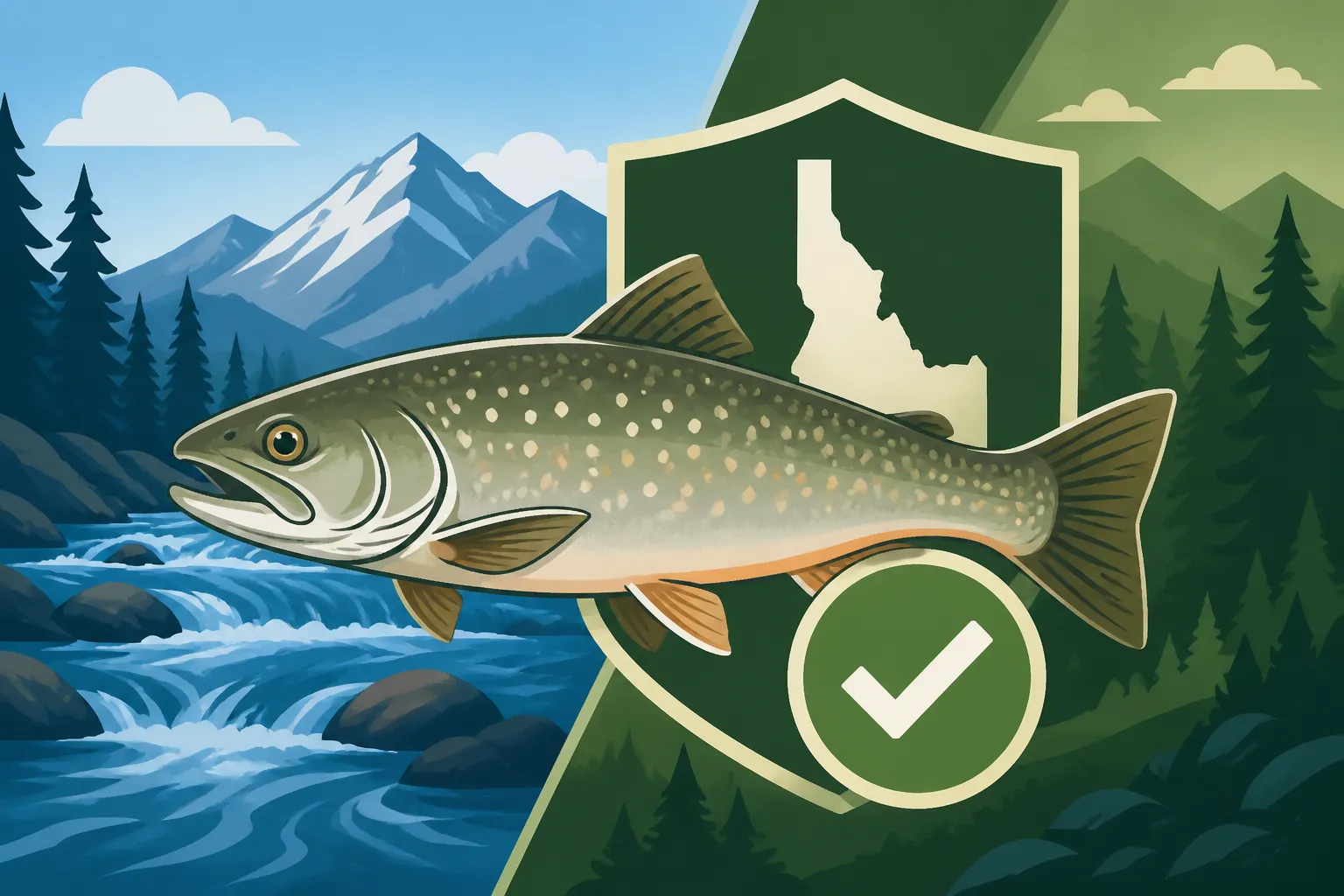
Let's cut right to the chase, because this is a question that weighs on many ethical anglers' minds: yes, absolutely, bull trout are a protected species in Idaho. This isn't just a suggestion or a recommendation; it's a critical conservation measure put in place to help these truly unique native fish survive and hopefully thrive once more. It’s easy to get excited when you hook into a beautiful fish, but knowing the rules around bull trout is paramount to protecting their future in our beautiful state.
A Resounding Yes: Why Bull Trout Are a Protected Species
Bull trout are far more than just another fish in the water; they are a vital, native species that has called Idaho's cold, pristine waters home for millennia. Unfortunately, their populations have faced significant declines over the past century due to a combination of factors, including habitat degradation, dam construction that blocks migration routes, and competition or hybridization with non-native trout species. They are particularly sensitive to changes in water quality and temperature, requiring very cold, clean water to spawn and survive. Recognizing this perilous situation, the U.S. Fish and Wildlife Service listed bull trout as a threatened species under the Endangered Species Act. This federal protection is the primary reason why Idaho, like other states where bull trout exist, has such stringent regulations concerning them. It’s a collective effort to pull them back from the brink, and every angler plays a part in that recovery.
What "Protected" Truly Means for Anglers
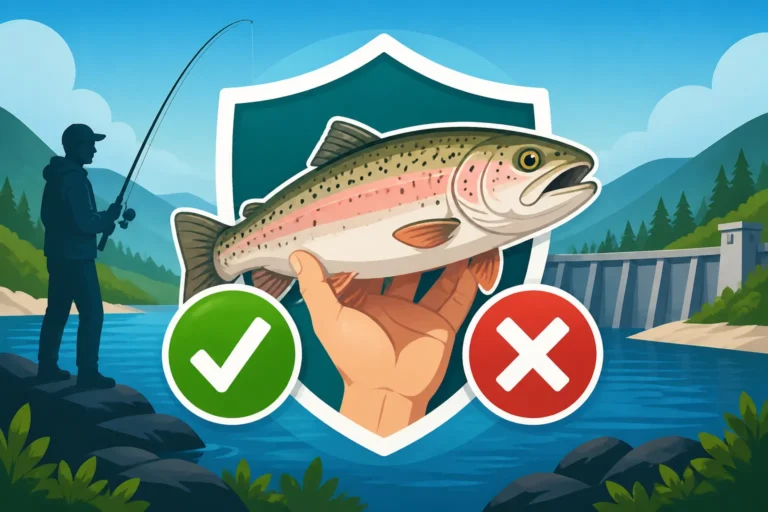
For you, the angler, "protected" has a very clear and unambiguous meaning when it comes to bull trout: they are strictly catch-and-release only. This isn't about setting bag limits or size restrictions; it means that if you catch a bull trout, you must release it immediately and unharmed. There is no circumstance under which it is legal to retain a bull trout in Idaho. This rule is designed to ensure that every individual fish has the chance to contribute to the population's recovery. Understanding and adhering to these rules is a fundamental aspect of responsible fishing in Idaho. You can find more detailed information on species-specific regulations and general fishing conduct in the official publications, and our guide on Idaho Fishing Regulations Explained can offer a great starting point for understanding the broader legal landscape.
Identifying Bull Trout: Avoiding Accidental Encounters (and Violations)
One of the biggest challenges anglers face when it comes to protected species like the bull trout is proper identification. In the heat of the moment, with a beautiful fish on the line, it's easy to misidentify a species, especially if you're not entirely familiar with all the subtle differences. However, knowing these key features is crucial because accidentally retaining a bull trout, even unknowingly, can lead to serious legal consequences.
Key Identification Features of Bull Trout
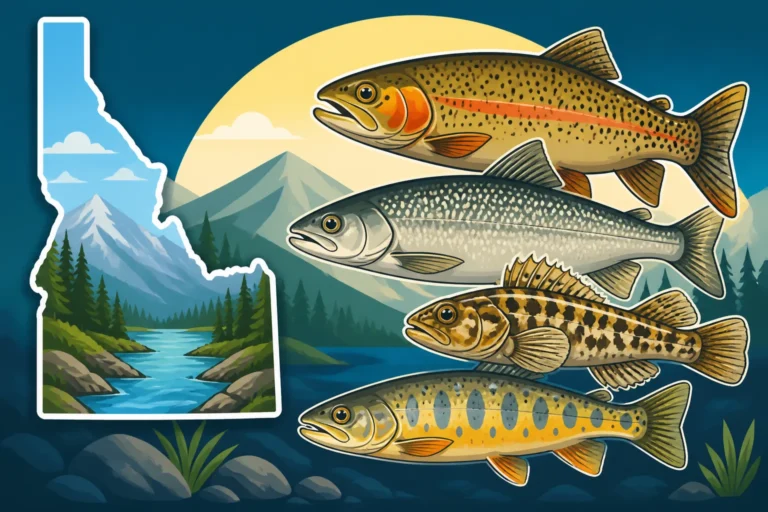
Bull trout have a distinctive look that, once you know what to spot, makes them stand out from other trout species. They are often described as having "light spots on a dark body," which is a good mnemonic to remember. Unlike rainbow trout, which typically have black spots, bull trout have pale, often yellowish or greenish, spots on their olive-green to bluish-gray backs and sides. Their lower fins (pectoral, pelvic, and anal fins) often have a striking white leading edge, especially noticeable in clear water. Another key feature is their head shape: they tend to have a larger, broader head and mouth compared to other trout, often extending past the eye. Their tail fin is typically less forked than many other trout species.
Here's a quick comparison to help you distinguish them:
| Feature | Bull Trout | Rainbow Trout | Brook Trout |
|---|---|---|---|
| Body Color | Olive-green to blue-gray | Greenish-blue to yellowish-green | Dark green to brown, marbled |
| Spotting | Pale (yellow, orange, red) spots on dark body, no black spots | Small, dark (black) spots on body, head, and fins | Pale spots (red with blue halos) on dark body, cream-colored leading fin edges |
| Fin Edges | White leading edges on lower fins | Usually no distinct white edges | White leading edges on lower fins (often more pronounced than bull trout) |
| Head/Mouth | Large, broad head; mouth extends past eye | Smaller head; mouth usually not past eye | Moderate head; mouth usually not past eye |
| Tail Fin | Slightly forked to square | Moderately forked | Square to slightly forked |
Common Misidentifications and How to Avoid Them
The most common mix-up often happens with brook trout, which also have white leading edges on their fins. However, brook trout typically have distinctive worm-like markings (vermiculations) on their backs and dorsal fins, and their spots are often red with blue halos, which are absent in bull trout. Lake trout can also be confused with bull trout, especially when small, but lake trout generally have a deeply forked tail and lighter bodies with pale spots that are less distinct than a bull trout's. If you’re struggling to tell the difference, our article on Difference Between a Bull Trout and a Lake Trout offers a deeper dive into distinguishing these species.
The golden rule for any fish that might be a bull trout is simple: if you can’t positively identify it as something else, release it gently and immediately. It's always better to err on the side of caution. Carrying a laminated identification card or having a reliable fishing app on your phone that includes fish ID features can be incredibly helpful. Online retailers like Amazon offer waterproof fish identification guides that can be a real lifesaver on the water.
Fishing for Bull Trout: The Rules of Responsible Angling
Even though they're catch-and-release, anglers still frequently encounter bull trout while targeting other species. When this happens, handling the situation correctly is paramount for the fish's survival. It's not just about adhering to the letter of the law; it's about being a steward of the environment and contributing positively to conservation efforts.
Catch-and-Release Best Practices for Bull Trout
When you find yourself with a bull trout on the line, acting quickly and carefully can make all the difference in its post-release survival. Here are some essential best practices:
- Use Barbless Hooks: This is perhaps the single most important tool for effective catch-and-release. Barbless hooks allow for much easier and quicker removal, minimizing tissue damage and stress to the fish. You can find a wide selection of barbless hooks for various fishing styles on platforms like Amazon, or simply crimp down the barbs on your existing hooks with a pair of pliers. This practice is so crucial for sensitive species that it's often mandated for others, as highlighted in our discussion on Why Barbless Hooks Are Required for Idaho Sturgeon.
- Land the Fish Quickly: The longer a fish fights, the more exhausted and stressed it becomes, reducing its chances of survival after release. Use tackle that is appropriately matched to the size of fish you might encounter, allowing you to bring them in efficiently.
- Keep the Fish in the Water: This is non-negotiable. Bull trout are adapted to cold water, and exposing them to air, especially warm air, can cause immense stress and damage to their delicate gills and protective slime coat. If you need a photo, keep the fish submerged or just barely lift it for a quick snapshot, ensuring your hands are wet.
- Use Wet Hands: Always wet your hands before touching a fish. Dry hands can remove the fish's protective slime coat, making it vulnerable to disease and infection.
- Remove the Hook Gently: With barbless hooks, this is usually straightforward. Use needle-nose pliers or hemostats to quickly back out the hook. If the fish is deeply hooked and removing the hook would cause significant trauma, it's often better to cut the line as close to the hook as possible. The hook will eventually rust out, or the fish may be able to dislodge it.
- Allow for Recovery: Once released, hold the fish gently in the water, facing upstream, until it regains its strength and can swim away on its own. Don't simply toss it back; ensure it's ready to go.
By following these practices, you're not just avoiding a violation; you're actively participating in the recovery of a truly magnificent species.
Where You Might Encounter Bull Trout in Idaho
Bull trout are not found in every water body across Idaho. They are quite particular about their habitat, preferring cold, clean, and complex river and lake systems. You'll typically find them in the mountainous regions, particularly in central and northern Idaho, within drainages that feed into larger rivers like the Salmon, Clearwater, and the North Fork of the Payette. They are often associated with wilderness areas and headwater streams where human impact is minimal.
Key characteristics of bull trout habitat include:
- Very Cold Water: They thrive in water temperatures below 59°F (15°C) and require even colder temperatures for spawning.
- Clean Water: Low turbidity and high oxygen levels are essential.
- Complex Habitat: They need deep pools, undercut banks, and large woody debris for cover, as well as clear, gravelly stream beds for spawning.
- Connectivity: Access to various habitats is crucial for their life cycle, allowing them to migrate between spawning and rearing grounds and larger feeding areas.
Understanding Where Bull Trout Are Found in Idaho can help you recognize waters where you're more likely to encounter them, prompting you to be extra vigilant with your identification and handling practices. For specific details on how these regulations impact your fishing trip, our article Idaho Bull Trout Protections Mean for Anglers provides further clarification. Remember, the presence of bull trout often signifies a healthy, high-quality ecosystem, which is a wonderful thing for all of us who cherish Idaho's wild places.
The Bigger Picture: Why Bull Trout Protection Matters
It's easy to view fishing regulations as simply a set of rules to follow, sometimes even a hassle. But when it comes to species like the bull trout, these protections are deeply rooted in ecological necessity and a vision for the future of Idaho's natural heritage. Understanding the "why" behind these rules helps foster a deeper appreciation and commitment to responsible angling.
The Ecological Role of Bull Trout
Bull trout are considered an "indicator species," meaning their health and presence are a strong sign of the overall health of the aquatic ecosystem. As top-tier predators in their native environments, they play a crucial role in maintaining balance within the food web. Their dietary habits help regulate populations of other fish species, including non-native ones, and ensure the vitality of the entire stream or lake. When bull trout populations decline, it often signals broader environmental issues that can affect many other species, including those we regularly fish for. Protecting bull trout, therefore, isn't just about one fish; it's about safeguarding entire aquatic environments and the intricate web of life within them. It’s a prime example of how interconnected everything is in nature, and why we must be so diligent in our efforts.
Conservation Efforts and Angler Responsibility
The recovery of bull trout populations relies heavily on a multifaceted approach, and angler responsibility is a cornerstone of this effort. Strict catch-and-release rules, combined with habitat restoration projects, dam modifications to improve fish passage, and efforts to manage non-native species, all contribute to giving bull trout a fighting chance. When you adhere to the rule of releasing bull trout, you're directly contributing to these conservation goals. Every fish released unharmed is a potential breeder, a link in the chain of recovery. This collective effort, from state agencies to individual anglers, helps ensure that future generations can still experience the thrill of encountering these magnificent fish.
This is why understanding specifics, such as Can You Keep a Bull Trout in Idaho?, is so vital. It’s not just a legal question but an ethical one. If you’re ever unsure about identification or best practices, refer to resources like the Idaho Fish and Game regulations or our guide on How to Avoid Accidentally Catching Bull Trout. By educating ourselves and acting conscientiously, we become part of the solution, ensuring that Idaho’s wild waters remain vibrant and full of incredible life, including the elusive and beautiful bull trout. For a broader perspective on all the fish you might encounter, our Idaho Fish Species Guide is an excellent resource, and remember, a valid Idaho Fishing License Guide is your first step to any ethical fishing adventure in the state.
Disclaimer
This article is for general informational purposes only and does not constitute professional advice. Laws, prices and regulations vary by location and change over time. Consult a qualified professional for guidance on your specific situation.