Why Idaho Discourages Keeping Illegally Introduced Fish
It can be incredibly confusing to navigate fishing regulations, especially when you encounter a fish that just doesn't seem to belong in the Idaho waters you're exploring. Many anglers find themselves scratching their heads, wondering why some fish are perfectly fine to catch and keep, while others, particularly those that feel "out of place," come with a strong recommendation from the Idaho Department of Fish and Game (IDFG) not to release them. This guide will dive deep into why Idaho discourages keeping, and more importantly, releasing, illegally introduced fish, explaining the critical ecological reasons behind these rules and what it means for you as an angler.
The Silent Threat of Illegally Introduced Fish
Imagine you're casting your line into a pristine Idaho stream, known for its vibrant native cutthroat trout. Suddenly, you reel in something entirely unexpected – a species you know isn't supposed to be there. This isn't just a quirky anomaly; it's a symptom of a serious, ongoing problem: the illegal introduction of non-native fish species. These introductions, often done by well-meaning but ill-informed individuals, or sometimes by those with more nefarious intentions, can have devastating ripple effects throughout an entire aquatic ecosystem.
Ecological Domino Effect
When a new species is dumped into a lake or river where it doesn't naturally belong, it's like dropping a wrench into a finely tuned machine. Every component of that ecosystem, from the tiniest insects to the largest predators, has evolved together over thousands of years to create a delicate balance. A new player can disrupt this balance in countless ways, often leading to a cascade of negative consequences. For instance, a new fish might compete with native species for limited food resources, or it could prey directly on native fish, their eggs, or their young, species like Idaho's own Westslope Cutthroat Trout in Idaho.
Consider a scenario where someone decides a certain bass species would be "fun" to fish in a mountain lake primarily home to native trout and kokanee. This new bass might be a more aggressive predator, outcompeting the trout for insects or even eating juvenile trout and kokanee. Over time, the native populations dwindle, impacting other species that rely on them for food, and fundamentally changing the character of that lake.
Disease Transmission and Habitat Degradation
Beyond direct competition and predation, illegally introduced fish can bring unseen dangers: diseases and parasites. Native fish populations often lack immunity to pathogens carried by introduced species, leading to outbreaks that can decimate entire populations. It's a silent killer that can wipe out generations of fish without ever being directly seen.
Furthermore, some introduced species can actively degrade habitat. Carp, for example, are notorious bottom-feeders that can stir up sediment, muddying the water and destroying the delicate aquatic vegetation that many native species rely on for shelter, spawning, and food. This kind of environmental modification can make it impossible for sensitive native fish to thrive, turning clear, vibrant waters into murky, less productive habitats. Imagine trying to fly fish in a river that’s constantly stirred up and cloudy; it changes the entire experience and the health of the water body.
Why Native Fish are So Vulnerable
Idaho boasts an incredible array of native fish, many of which are unique to our specific region. These species, from the iconic salmon and steelhead to various trout and whitefish, are perfectly adapted to Idaho's diverse waterways. They've evolved to survive our specific climate, water temperatures, and food webs. It's precisely this specialization that makes them so vulnerable to introduced species.
Competition for Resources
Native fish often have very specific diets or spawning requirements. When an introduced species, particularly one that is highly adaptable and opportunistic, arrives, it can quickly outcompete native fish for crucial resources. This isn't always a dramatic fight; sometimes it's a slow, insidious process where the native fish simply can't find enough food or suitable spawning grounds because the introduced species has taken over. This can be especially devastating in smaller, isolated water bodies where resources are already limited.
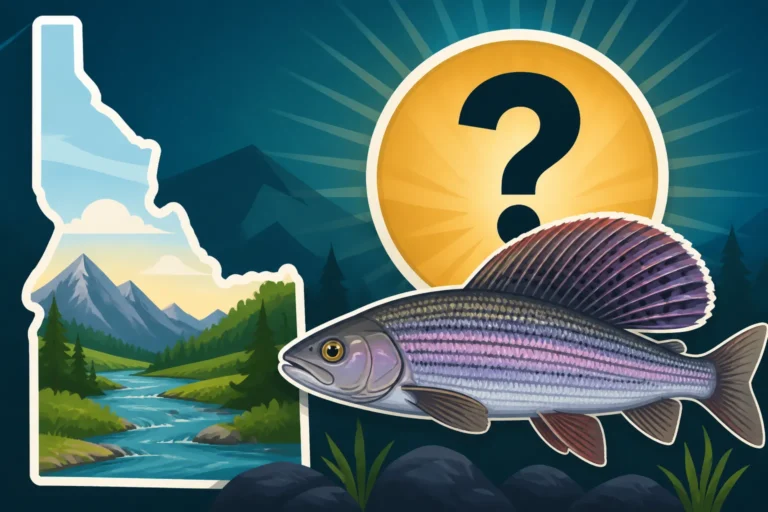
Take, for instance, a small high mountain lake with a fragile population of native Idaho Grayling, A Rare Native Fish. If someone introduces a more aggressive trout species, those grayling might suddenly find their food sources diminished and their spawning areas encroached upon. What might seem like a small act of "relocation" by an individual can have monumental consequences for a vulnerable population.
Hybridization and Genetic Dilution
One of the most insidious threats posed by illegally introduced species, especially those closely related to native fish, is hybridization. This occurs when an introduced species breeds with a native species, creating hybrid offspring. While hybrids might seem interesting, they often lack the genetic fitness and adaptability of pure native fish. Over generations, this can lead to genetic dilution, where the unique genetic makeup of the native species is slowly eroded.
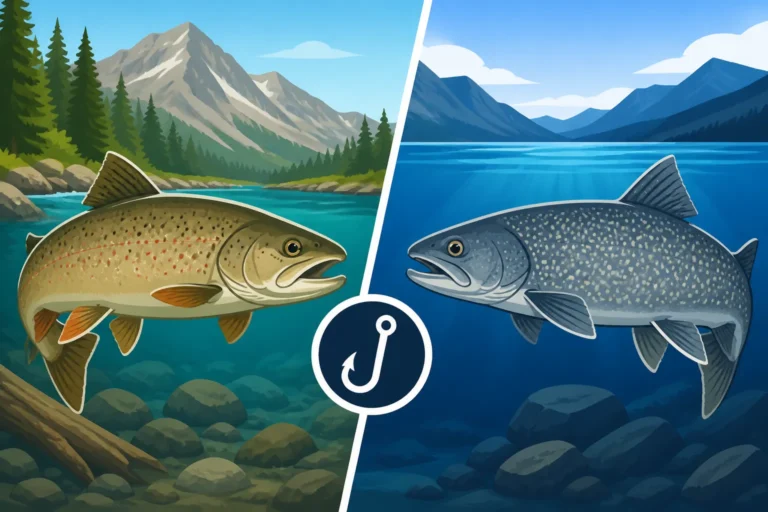
For example, if certain rainbow trout strains are introduced into waters where pure native cutthroat trout reside, they can interbreed. The resulting "cut-bow" hybrids are often fertile, but their presence weakens the genetic integrity of the pure cutthroat population. This is why strict rules exist regarding Hatchery vs Wild Steelhead in Idaho and their interaction, as maintaining the genetic purity of wild stocks is paramount for their long-term survival. The value of these pure genetic lines isn't just academic; it represents millennia of adaptation to specific environments, a natural resilience that can't be easily replaced.
Idaho's Stance and Angler Responsibilities
The Idaho Department of Fish and Game (IDFG) takes illegal introductions incredibly seriously, and for good reason. They are tasked with preserving Idaho's diverse fisheries for current and future generations. Their rules and guidelines are designed to mitigate these threats, and they rely heavily on anglers to be part of the solution, not the problem.
The "Do Not Release" Directive
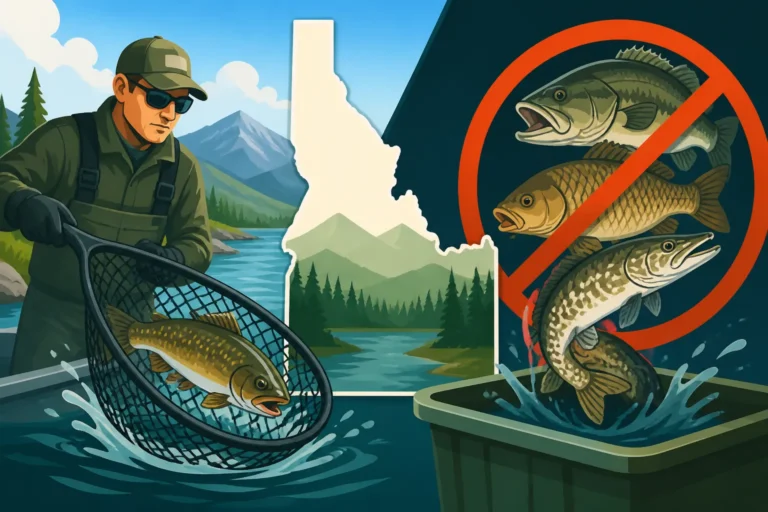
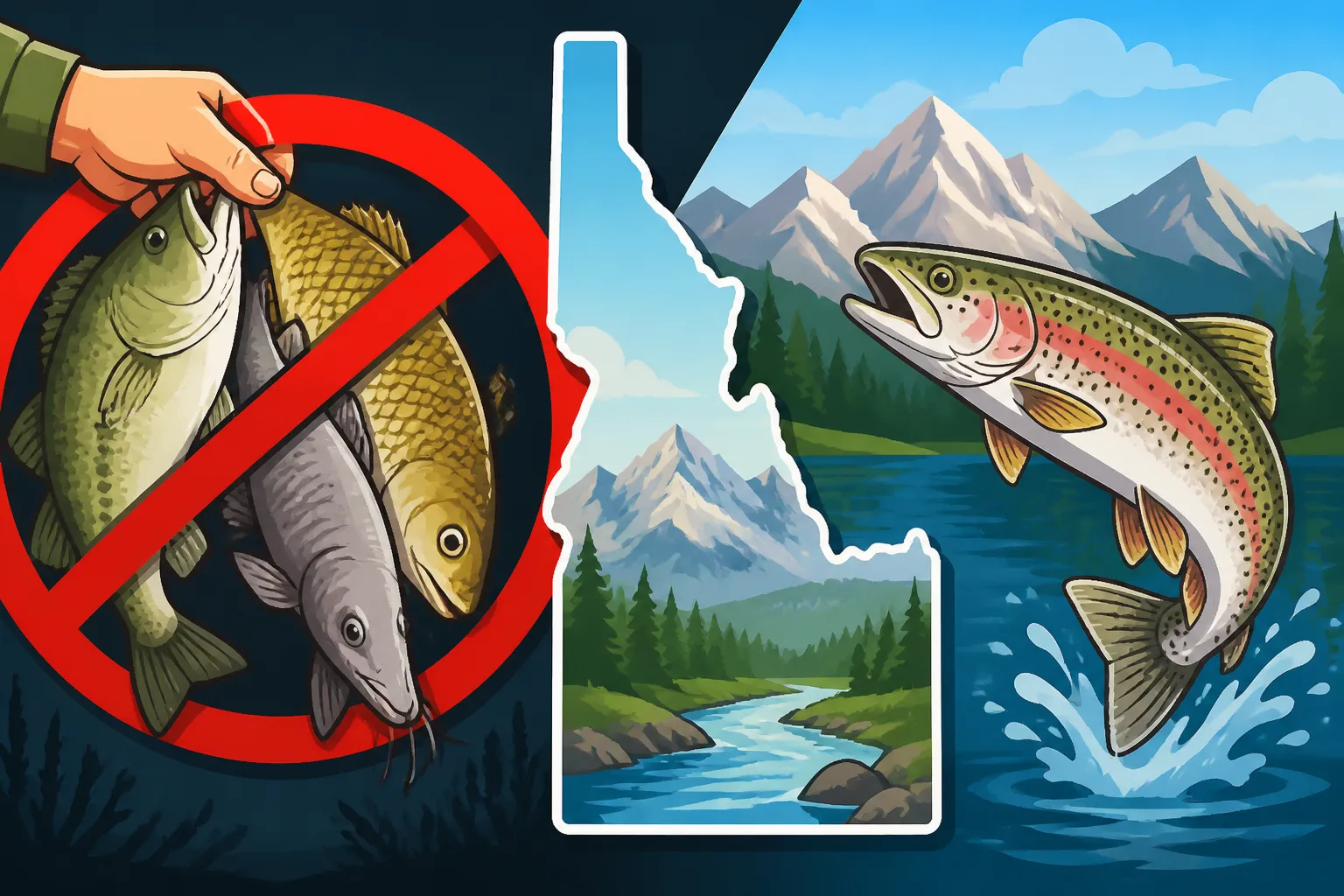
When you catch a fish that is clearly an illegally introduced species, the IDFG's general directive is to not release it. This isn't about punishing the fish; it's about protecting the ecosystem. By removing the fish from the water, you are actively participating in preventing further ecological damage. This applies to various species, depending on the specific water body and its regulations. For instance, in some waters, species like walleye or certain types of bass might be designated as "kill on sight" if they are not native or legally stocked.
It’s a tough pill to swallow for many conservation-minded anglers who practice catch and release, but understanding the underlying ecological imperative makes it clear. Releasing an invasive species, even a single one, can allow it to reproduce and further disrupt the delicate balance of a native fishery. You can often find specific guidelines for different species and bodies of water in the annual Idaho Fishing Regulation Brochure and Proclamation, which is essential reading for any serious Idaho angler.
How to Identify and Handle Introduced Species
Knowing what's native and what's not can sometimes be a challenge, especially for less common species or young fish. Here's a quick guide to help you:
| Feature/Species | Native Idaho Fish (General) | Illegally Introduced Fish (General) |
|---|---|---|
| Origin | Naturally occurring in specific Idaho waterways over millennia. | Non-native to a specific water body; often found outside historic range. |
| Appearance | Specific markings, colorations unique to native strains (e.g., cutthroat slashes, distinct patterns). | May look out of place, or be a species not listed as legally present/stocked. |
| Habitat | Typically found in pristine, colder, or high-elevation waters, or historic river systems. | Can pop up unexpectedly in any water type, sometimes in large numbers quickly. |
| Behavior | Part of established food webs, often less aggressive towards new species. | Can be highly aggressive, outcompeting or preying on native species. |
| IDFG Stance | Managed for conservation, often catch-and-release, or specific limits. | Often "do not release," "kill on sight," or open harvest limits. |
If you catch a fish you suspect is an illegally introduced species, here's what to do:
- Confirm Identification: If you're unsure, try to identify it using a reliable fish identification guide. There are many excellent resources available, often found on sites like Amazon, or official IDFG materials. Taking a clear photo can also help.
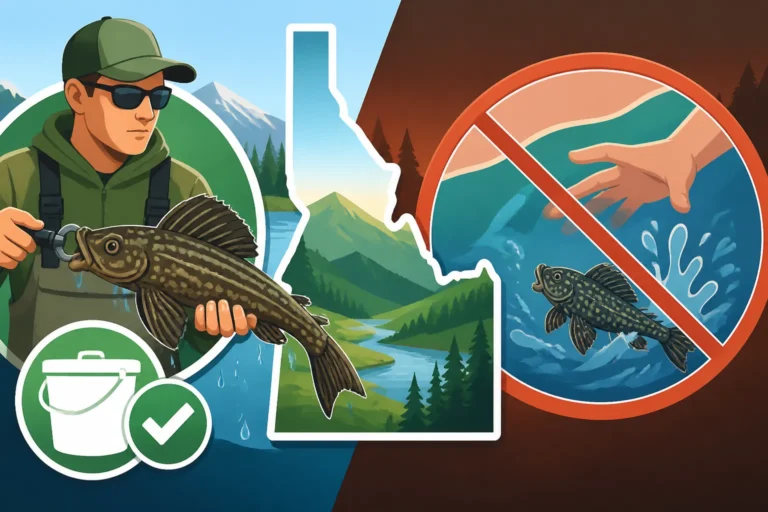
- Do Not Release: Once confirmed as an illegally introduced species in that specific water, do not return it to the water.
- Proper Disposal: Humanely dispatch the fish. Some anglers choose to keep them for consumption, if safe and legal to do so, while others dispose of them responsibly away from the water. Never release it into another water body, even if it seems like a "better" place.
- Report: If you believe there's a significant illegal introduction happening, especially of a species known to be highly invasive (like northern pike or certain carp in sensitive waters), report it to IDFG. Your observations are crucial for their management efforts. This is particularly important for species like Idaho White Sturgeon Facts, which are highly protected and their waters are carefully monitored.
Remember, the goal isn't to be punitive but protective. It's about preserving the natural heritage and ecological balance of Idaho's amazing fisheries.
What Happens If You Catch an Invasive Fish in Idaho?
So, you’ve done your homework, you’re out on the water, and you hook into something that definitely isn’t on the "approved" list for that particular stretch of river or lake. It's natural to feel a pang of confusion or even guilt, especially if you're a devout catch-and-release angler. But remember, the rules about illegally introduced species are in place for the greater good of Idaho's incredible native fisheries.
Understanding the Directive: Not a Punishment, but a Protection
The general directive from the Idaho Department of Fish and Game (IDFG) for many illegally introduced species is simple: do not release. This might feel counterintuitive if you're used to carefully unhooking and reviving every fish you catch. However, for invasive species, releasing them back into the water means allowing them to continue to harm the native ecosystem. Every single illegally introduced fish removed is one less competitor for food, one less predator of native eggs or young, and one less potential breeding partner for genetic dilution. It's a direct, actionable way you can contribute to conservation efforts.
Consider the example of species that are highly predacious or competitive, like certain strains of bass or even northern pike in waters where they don't belong and where native trout or salmon are trying to thrive. Allowing them to remain and reproduce would spell disaster for the delicate balance that has existed for centuries. The IDFG’s goal is to manage fish populations, and sometimes that means removing non-native threats.
Practical Steps for Anglers
Once you've identified an illegally introduced fish (and if you're ever in doubt, it's best to err on the side of caution and release, unless regulations specifically state otherwise for that species in that water body), here are the practical steps:
- Handle Humanely: Dispatch the fish quickly and humanely. This could involve a swift blow to the head or other methods that cause immediate cessation of life.
- No Release: Under no circumstances should you release it back into the water, nor should you transfer it to another water body. Moving an invasive species is just spreading the problem.
- Disposal:
- Consumption: If the species is edible and there are no specific consumption advisories for that water body, you can keep it to eat. This is a great way to make use of your catch. Just make sure you understand any local advisories, which are usually available through IDFG.
- Responsible Disposal: If you don't plan to eat it, dispose of the fish in a way that ensures it won't re-enter any waterway. This means taking it home for trash disposal, burying it, or using designated disposal bins if available at a fishing access site. Do not just toss it on the bank to rot, as this can attract scavengers and create other issues.
- Reporting: If you're consistently catching a species that shouldn't be there, or if you observe others illegally introducing fish, it's crucial to Report It to IDFG. Your report provides valuable data that helps wildlife managers track the spread of invasive species and take appropriate action. Even a simple observation of a new species in a particular lake can be a critical piece of information.
Anglers are often the first line of defense against invasive species. Your vigilance and adherence to these rules are vital for protecting Idaho's natural aquatic heritage.
The Long-Term Impact and What We Can Do
The fight against illegally introduced species is an ongoing battle, and it's one that requires constant vigilance from both wildlife managers and the angling public. The cumulative effect of these introductions can be devastating, permanently altering ecosystems and even leading to the extinction of native populations if left unchecked.
Preservation of Unique Idaho Fisheries
Idaho is home to some truly unique and iconic fisheries. Think of the wild steelhead runs on the Clearwater and Salmon rivers, the pristine cutthroat streams of the high country, or the giant white sturgeon of the Snake River. These are not just fish; they are living legacies, integral to Idaho's identity and natural heritage. Illegally introduced species pose a direct threat to these treasures. For example, if an aggressive, non-native predator takes hold in a critical spawning tributary for Idaho Chinook Salmon Fishing Guide, it could severely impact future returns.
Preserving these native species and their habitats is about more than just fishing. It's about maintaining biodiversity, ecological health, and the very character of Idaho's wild places. When we talk about rules like Why Idaho Requires a Separate Steelhead Permit, part of that is about managing access and impact to protect these sensitive populations from all threats, including the less obvious ones like invasive species.
Anglers as Stewards: Beyond the Hook
As anglers, we have a unique connection to the water and a responsibility to be stewards of its health. This responsibility goes beyond simply following catch limits or season dates. It extends to understanding the broader ecological picture and acting in ways that support the long-term health of our fisheries.
This means:
- Education: Take the time to learn about the fish species native to the waters you fish, and recognize those that are not. Resources are readily available, including identification guides you can purchase from retailers like Amazon to keep in your tackle box or boat.
- Clean, Drain, Dry: If you use a boat, kayak, or even waders, always follow the "Clean, Drain, Dry" protocol to prevent the spread of aquatic invasive species, including microscopic ones that you can't see. This ensures you're not inadvertently carrying invasive plants, mollusks, or larvae from one water body to another.
- Never Transplant Fish: This cannot be stressed enough. Never, ever move live fish from one water body to another. What might seem like a harmless act can set off an ecological chain reaction with irreversible consequences. It’s also highly illegal and carries significant penalties.
- Support Management Efforts: Understand and respect the regulations put in place by IDFG. These rules are based on scientific data and are designed to protect the resources we all cherish. Participate in public comment periods, or simply share your observations with wildlife managers.
Being an ethical angler in Idaho means more than just catching fish; it means being an active participant in protecting the delicate balance of our waterways. By understanding and adhering to the guidelines regarding illegally introduced fish, you play a crucial role in safeguarding the future of Best Fish to Catch in Idaho and the health of our state's incredible aquatic ecosystems.
Disclaimer
This article is for general informational purposes only and does not constitute professional advice. Laws, prices and regulations vary by location and change over time. Consult a qualified professional for guidance on your specific situation.