What Idaho’s Record Smallmouth Bass Weighed
There's nothing quite like the rush of a big fish at the end of your line, especially when you're talking about a species known for its hard-fighting nature like the smallmouth bass. For many anglers, the dream of hooking into a true lunker, a fish that shatters personal bests or even state records, is what keeps them coming back to the water. In Idaho, a state teeming with incredible fishing opportunities, that dream is very much alive for smallmouth enthusiasts, and understanding the benchmark — what Idaho's record smallmouth bass weighed — offers a tangible goal for those casting their lines. This guide dives deep into that very question, exploring not just the record itself, but the waters, techniques, and passion behind pursuing these bronze beauties in the Gem State.
The Thrill of Chasing Idaho Records
There's a unique kind of angler who isn't just content with catching fish, but with catching the biggest fish. Idaho's diverse waterways, from its mighty rivers to sprawling reservoirs, hold the potential for truly exceptional catches, and the smallmouth bass is a prime example of a species that can grow to impressive sizes here. The pursuit of a state record isn't just about the numbers; it's about the adventure, the dedication, and the sheer joy of testing your skills against some of the toughest fighters in freshwater.
Why Record Fish Matter to Anglers
For many of us, fishing is an escape, a way to connect with nature and unwind. But for others, it's also a sport, a challenge, and a quest for greatness. The idea of catching a record fish — whether it's a personal best, a local water record, or the coveted state record — fuels countless hours on the water. It represents the pinnacle of angling achievement for a particular species in a specific region. Imagine the story, the bragging rights, the photograph that captures a moment of pure triumph! It's not just about ego; it's about pushing the boundaries of what's possible, understanding the fish better, and proving your mettle against a truly exceptional specimen. Idaho, with its healthy fish populations and diverse habitats, offers fertile ground for such dreams, especially for species like the smallmouth known for their resilience and growth potential.
Idaho's Reputation for Quality Bass Fishing
While Idaho might be more famous for its trout and anadromous species like steelhead and salmon, the state quietly boasts some phenomenal bass fishing, particularly for smallmouth. These feisty fish thrive in many of Idaho's warmer waters, from the broad expanse of the Fishing the Snake River for Smallmouth Bass and Sturgeon to numerous reservoirs across the state. They’re known for their acrobatic jumps, powerful runs, and relentless fighting spirit, making them a favorite target for anglers who appreciate a vigorous battle. Rivers like the Snake offer miles of prime smallmouth habitat, full of current, rock structure, and abundant forage that allows bass to grow large and strong. Reservoirs like C.J. Strike and Brownlee are also legendary for their smallmouth populations, often producing both high numbers and impressive sizes. This consistent quality has earned Idaho a solid reputation among bass anglers, drawing those who seek both quantity and the chance at a true trophy.
Unveiling Idaho's Smallmouth Bass Record
Alright, let's get down to the brass tacks, what everyone is really here to know. The anticipation of what could be swimming in Idaho's waters is palpable, and knowing the official benchmark only adds to the excitement.
The Current State Record Weight
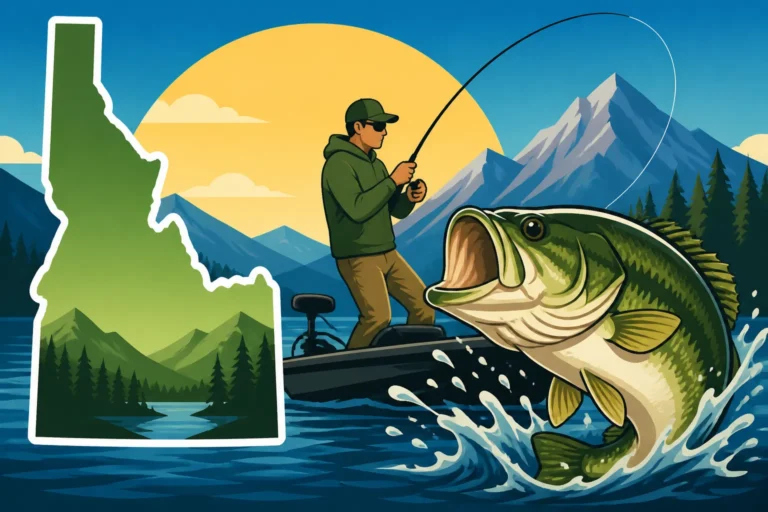
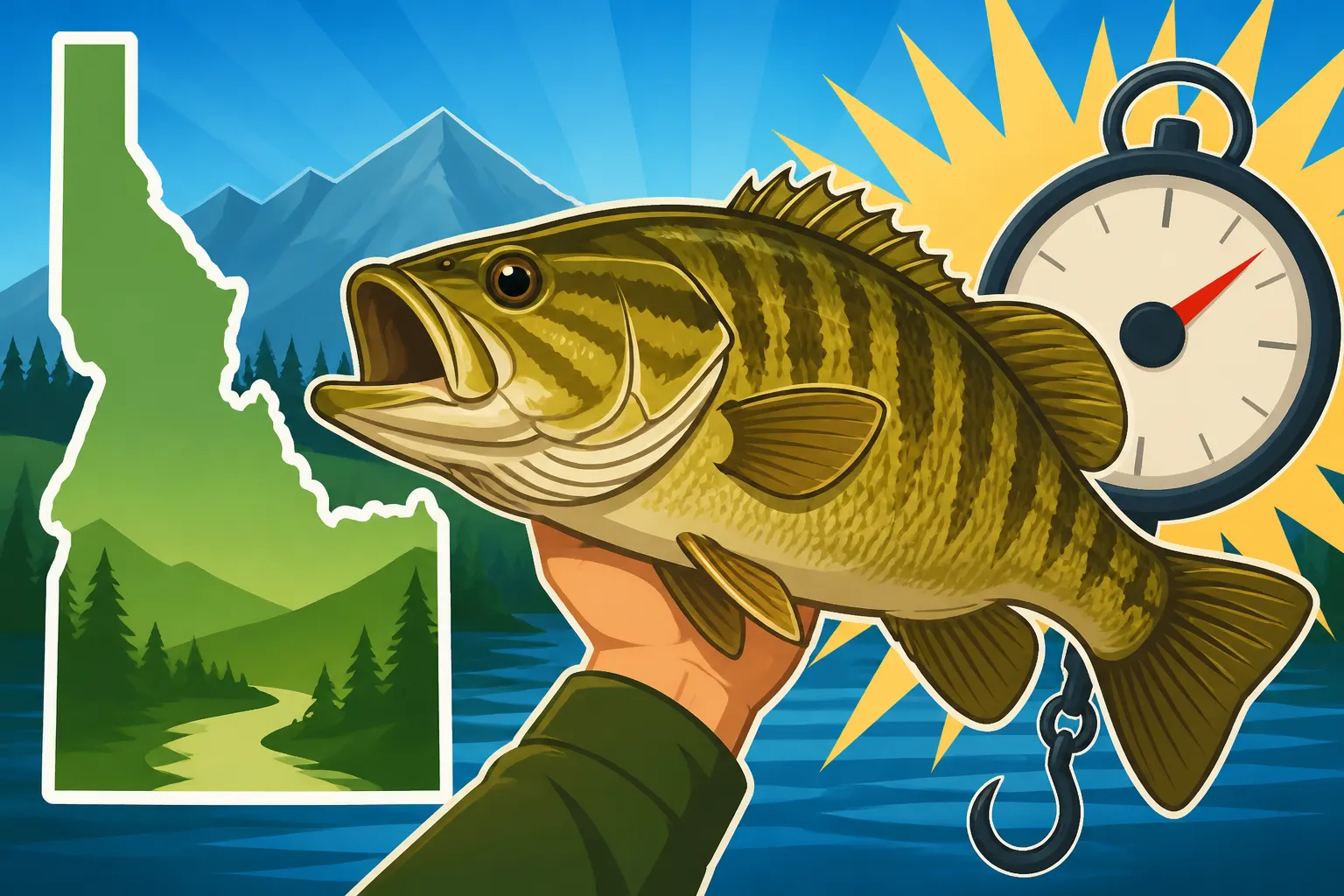
The official state record for smallmouth bass in Idaho stands at a truly impressive 8 pounds, 2.5 ounces. This magnificent fish was caught in Dworshak Reservoir, a body of water renowned for its ability to produce giant smallmouth. Imagine the thrill of hooking into a bass that size! It's the kind of fish that puts a serious bend in your rod and gives you a fight you'll never forget. This record is a testament to the incredible growth potential of smallmouth bass in Idaho's nutrient-rich waters and the dedication of anglers who target them. It shows that while Idaho might not be the first state you think of for bass records, it absolutely holds its own with truly world-class fish.
The Significance of the Record Catch
Catching a fish of that caliber isn't just luck; it's often the culmination of skill, persistence, and being in the right place at the right time. The fact that the record smallmouth came from Dworshak Reservoir is particularly significant. Dworshak, located in north-central Idaho, is a deep, cold-water reservoir with a unique ecosystem that includes kokanee salmon, which serve as a primary forage base for its smallmouth bass. This abundant, high-protein food source allows the bass to grow to exceptionally large sizes, often far exceeding what's seen in other waters. The record catch from Dworshak highlights the reservoir's status as a premier destination for trophy smallmouth, inspiring countless anglers to visit its shores and test their luck. It proves that Idaho can indeed produce behemoth smallmouth, cementing the state's place on the map for serious bass anglers looking for their next big challenge.
Where and How to Pursue Your Own Idaho Trophy Smallmouth
So, you're inspired by the record and ready to chase your own Idaho lunker smallmouth? Excellent! Knowing where to go and what techniques to employ will significantly boost your chances. Idaho offers fantastic opportunities, and with the right approach, you might just find yourself battling a fish of a lifetime.
Top Idaho Waters for Big Smallmouth Bass
When it comes to smallmouth bass in Idaho, certain waters consistently stand out for producing not just numbers, but truly big fish. Beyond the record-holding Dworshak Reservoir, there are several other hot spots that deserve your attention.
- Snake River: This iconic river, particularly stretches in southern Idaho and further downstream, is a powerhouse for smallmouth. Its rocky banks, current breaks, and diverse structure provide ideal habitat. Think about areas with large boulders, submerged timber, and current seams. Smallmouth Bass Water Near Boise can be found in nearby sections of the Snake, offering convenient access. The fish here are incredibly strong due to the constant current they fight.
- C.J. Strike Reservoir: Located southeast of Boise, C.J. Strike is a massive reservoir known for its outstanding bass fishing. It has a mix of rocky points, ledges, and channels. The smallmouth here are abundant, and there's always the chance for a truly oversized specimen, especially in the deeper, cooler sections. It's a great spot for both boat and shore anglers.
- Brownlee Reservoir: On the Idaho-Oregon border, Brownlee is another giant reservoir with a phenomenal smallmouth population. It's famous for its sheer numbers of bass, but it also kicks out some serious trophy fish. With countless coves, points, and rocky bluffs, it offers endless spots to explore. Many consider it one of Idaho's Best Largemouth Bass Lakes as well, but its smallmouth fishery is equally legendary.
- Anderson Ranch Reservoir: While perhaps not as widely known for giant smallmouth as the others, Anderson Ranch offers consistent action and healthy populations. Its clearer waters can make for challenging but rewarding fishing, often requiring a more subtle approach.
These are just a few of the top contenders. Many other rivers and reservoirs across Idaho hold great smallmouth populations, so don't be afraid to explore local options.
Techniques and Tackle for Record Smallmouth
To catch record-class smallmouth, you often need to adapt your techniques and gear. These older, larger fish are usually wiser and more cautious.
- Jig Fishing: Jigs are incredibly effective for smallmouth, especially football jigs or finesse jigs with creature baits or craw trailers. Work them slowly along rocky bottoms, ledges, and drop-offs. The key is to impart subtle action and feel for that faint "thunk" when a bass inhales it. Pairing a good jig with a sensitive rod and braided line will help detect those light bites. You can find a vast array of high-quality jigs and trailers on Amazon, perfect for experimenting with different colors and sizes.
- Crankbaits and Jerkbaits: For covering water and drawing aggressive strikes, crankbaits and jerkbaits are excellent. Deep-diving crankbaits can reach bass holding on deeper structure, while jerkbaits excel when fish are suspended or actively feeding on baitfish. Match the lure's profile and color to the local forage, whether it's crayfish or small minnows.
- Tube Baits: A classic smallmouth lure, tube baits rigged on an internal jig head are incredibly versatile. They imitate crawfish and baitfish alike and can be fished by dragging, hopping, or subtle twitching. They're especially deadly in clear water around rocky areas.
- Topwater Lures: When conditions are right (low light, calm water), topwater baits like poppers, walk-the-dog lures, or prop baits can trigger explosive strikes from big smallmouth. The visual thrill of a massive bass blowing up on your lure is unmatched.
- Gear Selection: For big smallmouth, you'll want a medium-heavy spinning or casting rod, typically 6'6" to 7'6" in length, with a fast action to handle powerful hooksets and fights. Pair it with a reliable reel spooled with 8-15 lb fluorocarbon or braided line with a fluorocarbon leader. A good quality fishing line is crucial when targeting strong, heavy fish that will try to dive into structure. Many anglers prefer a specific brand of fluorocarbon leader, and it's easy to stock up on different test strengths through Amazon. For more detailed insights into specific setups, check out our Idaho Fishing Techniques Guide and Best Bait and Lures for Idaho Fishing.
Tips for Catching and Documenting Potential Records
If you do hook into what you believe might be a state record smallmouth, every second counts, both for the fish's well-being and for the integrity of your claim.
- Handle with Care: These are precious fish. Land it quickly and handle it gently. Keep the fish in the water as much as possible, especially during warmer months. Support its body horizontally, never vertically by the jaw alone, as this can cause internal damage.
- Certified Scale: To officially challenge a state record, you must have the fish weighed on a certified scale. This usually means finding a local sporting goods store, grocery store with a certified deli scale, or a fish and game office. Have the scale verified for accuracy before use, if possible.
- Accurate Measurements: While weight is primary, length and girth measurements are also important for documentation. Have a tape measure handy.
- High-Quality Photos: Take clear, well-lit photographs from multiple angles. Include photos of the fish with the measuring tape, on the scale (if possible), and with the angler. These images are crucial for verification by Idaho Fish and Game.
- Witnesses: Having independent witnesses who can attest to the catch and weighing process adds significant credibility.
- Contact Idaho Fish and Game: Familiarize yourself with Idaho Fish and Game's specific record submission procedures before you even hit the water. They will have precise requirements you need to follow. This often involves contacting them immediately after the catch for guidance on documentation and verification. The process is stringent because a state record is a significant achievement and needs to be undeniably proven.
Understanding Idaho's Bass Species and Regulations
Before you even cast a line, it's vital to know your target species and the rules that govern fishing for them. Misidentification or ignorance of regulations can lead to unfortunate situations, spoiling what should be an enjoyable day on the water.
Distinguishing Smallmouth from Largemouth Bass
Idaho is home to both smallmouth and largemouth bass, and while they are both "bass," they are distinct species with different preferences and, sometimes, different regulations. Knowing the difference is crucial.
Here's a quick comparison to help you tell them apart:
| Feature | Smallmouth Bass | Largemouth Bass |
|---|---|---|
| Mouth Size | Upper jaw typically extends to or slightly past the middle of the eye. | Upper jaw extends well beyond the back of the eye. |
| Coloration | Brown to bronze, often with vertical bars or blotches on the sides. | Green to olive green, with a prominent dark, horizontal stripe along the side. |
| Dorsal Fin | Notch between spiny and soft-rayed dorsal fins is less pronounced. | Deep, almost complete division between spiny and soft-rayed dorsal fins. |
| Habitat | Prefers cooler, clearer water; rocky rivers and reservoirs. | Prefers warmer, murkier water; weedy lakes and ponds. |
Understanding these differences is key to adhering to specific regulations that might apply to one species but not the other. For a broader overview of all the species you might encounter, our Idaho Fish Species Guide is an excellent resource.
Navigating Idaho's Bass Regulations
Idaho's fishing regulations are designed to protect fish populations and ensure sustainable angling for everyone. For smallmouth bass, these regulations can vary significantly depending on the specific water body you're fishing. It's not a "one size fits all" situation, so always do your homework!
- Statewide General Rules: There are baseline regulations for bass across the state, often pertaining to minimum size limits and daily bag limits. For example, there's usually an Idaho Daily Bag Limit for Smallmouth Bass that applies to most general waters.
- Specific Water Body Rules: This is where it gets tricky. Many popular bass fishing waters, particularly reservoirs and certain river sections, will have special regulations that supersede the general statewide rules. These might include different size limits (e.g., slot limits where you can only keep fish within a certain size range, or catch-and-release only sections) or reduced bag limits. These special rules are often in place to protect trophy fisheries or recovering populations.
- Always Check the Current Proclamation: The absolute best way to stay informed is to get your hands on the latest Idaho Fishing Regulation Brochure and Proclamation. These are updated annually and are available from Idaho Fish and Game offices, license vendors, or online. Never rely on old information or hearsay. The rules for a river like the Snake might differ significantly from a reservoir like C.J. Strike. For a comprehensive breakdown, refer to our Idaho Fishing Regulations Explained article.
- License Requirements: Don't forget that you'll need a valid Idaho fishing license before you even think about casting a line. Make sure yours is current!
Conservation and Ethical Angling for Trophy Bass
The pursuit of trophy smallmouth bass isn't just about catching a big fish; it's also about ensuring that these incredible fisheries continue to thrive for future generations. Ethical angling practices are paramount, especially when dealing with large, older fish that contribute significantly to the gene pool.
- Catch and Release Best Practices: For any fish you don't intend to keep (or if regulations require release), minimizing stress is critical.
- Minimize Fight Time: Use appropriate tackle to land the fish as quickly as possible without overstressing it.
- Wet Hands: Always wet your hands before handling a fish to protect its protective slime coat.
- Barbless Hooks: Consider using barbless hooks, especially for catch-and-release, as they cause less damage and are easier to remove.
- Proper Hook Removal: Use needle-nose pliers or a hook-remover tool. If the hook is deeply swallowed, cut the line as close to the hook as possible.
- Support the Fish: When holding for a photo, support the fish horizontally with two hands. Avoid holding large bass vertically by the jaw, as their weight can cause jaw and internal organ damage.
- Revive Gently: If a fish is lethargic, hold it gently in the water, facing into the current, until it can swim away on its own.
- Understanding Slot Limits: Some waters employ slot limits, where fish within a certain size range must be released, while smaller or larger fish can be kept. This is a powerful conservation tool designed to protect the breeding stock and encourage the growth of trophy-sized fish. Respecting these rules is vital for the health of the fishery.
- The Role of Every Angler: Every angler has a role to play in conservation. By practicing responsible catch-and-release, adhering to regulations, and reporting any illegal activity, we contribute to the long-term health and vitality of Idaho's smallmouth bass populations. It’s about more than just one record fish; it’s about the entire ecosystem and the future of our sport. How Smallmouth Bass Got into Idaho Rivers is an interesting read if you want to understand more about the history of these fish in the Gem State.
Conclusion
The pursuit of Idaho's record smallmouth bass, currently standing at an impressive 8 pounds, 2.5 ounces from Dworshak Reservoir, is a testament to the incredible angling opportunities available in the Gem State. It's a goal that embodies the dedication, skill, and sheer passion of Idaho anglers, pushing them to explore vast rivers like the Snake, challenging reservoirs such as C.J. Strike and Brownlee, and honing their techniques with everything from jigs to topwater lures. The dream of a record fish isn't just about the weight on the scale; it's about the adventure, the learning, and the profound connection to Idaho's wild, fish-filled waters. So, grab your gear — perhaps a new lure from Amazon — study those regulations, and head out there. Idaho's next record smallmouth could be waiting for you.
Disclaimer
This article is for general informational purposes only and does not constitute professional advice. Laws, prices and regulations vary by location and change over time. Consult a qualified professional for guidance on your specific situation.