How Idaho Fish and Game Decides What to Stock
Have you ever wondered why certain lakes or rivers in Idaho seem to be brimming with fish, while others are a bit more challenging? It's not just luck! The Idaho Department of Fish and Game (IDFG) puts a tremendous amount of thought and scientific rigor into deciding which waters get stocked, with what species, and when. This guide will pull back the curtain on that complex process, helping you understand the 'why' behind Idaho's robust fishing opportunities.
The Core Mission: Why Stock Fish in Idaho?
Stocking fish isn't a random act of generosity; it's a strategic tool used by the Idaho Department of Fish and Game to achieve several vital objectives. From ensuring there are enough fish for everyone to enjoy a weekend outing, to bringing back species that are struggling, every fish released has a purpose. Understanding these core missions helps shed light on why stocking is such a critical component of managing Idaho's fisheries.
Enhancing Angler Opportunities for Everyone
One of the most immediate and visible reasons IDFG stocks fish is to directly improve your chances of catching something. Let's be honest, nothing makes a fishing trip more enjoyable, especially for kids or beginners, than reeling in a fish! This is particularly true for "put-and-take" fisheries, which are often community ponds or easily accessible lakes near urban centers. These spots are stocked frequently with catchable-sized fish, primarily Idaho Rainbow Trout Fishing Guide, to provide a consistent and reliable fishing experience.
Think about places like Esther Simplot Park in Boise, or local ponds in Meridian, Nampa, or even smaller towns across the state. These aren't always natural environments for a huge abundance of fish, but they serve as crucial recreational hubs. IDFG's goal here is to create accessible, family-friendly opportunities where anglers, regardless of experience, can have success. It helps introduce new generations to fishing and ensures that urban dwellers can enjoy the outdoors without traveling far. Without regular stocking, many of these highly-pressured community fisheries would be fished out quickly, diminishing the joy and accessibility of the sport for countless Idahoans.
Restoring Native Populations and Conservation Efforts
While recreational fishing is a big part of the picture, stocking also plays a crucial role in conservation. This isn't about filling your creel, but about healing ecosystems and bringing back species that have suffered due to historical overfishing, habitat degradation, or other environmental changes. When you see releases of certain strains of Idaho Cutthroat Trout Fishing Guide into headwater streams, or specific types of Idaho Chinook Salmon Fishing Guide into major river systems, it's often part of a long-term conservation strategy.
These efforts are far more delicate and scientifically intensive than simply dropping a truckload of fish into a pond. Biologists focus on genetic integrity, ensuring that the stocked fish are appropriate for the specific ecosystem and won't negatively impact any remaining wild populations. Sometimes, stocking is done to kickstart a population that has been extirpated from an area, or to supplement a struggling one while habitat restoration efforts take hold. It's a complex dance between human intervention and natural recovery, aimed at ensuring the long-term health and biodiversity of Idaho's aquatic environments. The goal is to eventually have these populations become self-sustaining, reducing the need for continued human intervention.
Mitigating Environmental Impacts and Habitat Loss
Idaho is a wild state, and sometimes, nature throws us curveballs. Floods, droughts, wildfires, and even human-caused disturbances like dam construction can severely impact fish populations and their habitats. In these scenarios, stocking can act as a critical mitigation tool, helping to jumpstart recovery or maintain fishing opportunities where natural reproduction has been severely hampered.
For example, a major wildfire can devastate a watershed, leading to increased sediment runoff and changes in water temperature that make it difficult for wild fish to survive and reproduce. In such cases, IDFG might stock trout or other species to keep fishing viable while the ecosystem slowly heals. Similarly, large dam projects can block fish migration routes or alter river flows, necessitating stocking programs to ensure species like salmon and steelhead can complete their life cycles or to establish fisheries in new reservoir environments. These stocking efforts aren't a permanent solution to habitat problems, but they buy time and provide a bridge, ensuring that the impact on both fish populations and angling traditions is minimized while broader restoration efforts are undertaken.
The Science Behind the Decisions: Data and Research
Deciding what to stock isn't just a guess or a dart throw at a map; it's a meticulously planned process driven by robust scientific data and ongoing research. The Idaho Department of Fish and Game relies heavily on their team of dedicated biologists and fishery managers who are constantly monitoring, analyzing, and adapting their strategies. This scientific approach ensures that stocking efforts are effective, sustainable, and truly benefit Idaho's diverse aquatic ecosystems and its angling community.
Fishery Surveys and Population Assessments
Before any stocking truck rolls out, a tremendous amount of groundwork is laid through comprehensive fishery surveys and population assessments. IDFG biologists are out on the water year-round, employing a variety of methods to understand the health and dynamics of fish populations. This includes electroshocking, which temporarily stuns fish for easy capture, measurement, and release; gill netting or trap netting in lakes and reservoirs; and even creel surveys where biologists interview anglers at boat ramps and shorelines to gather data on their catches.
This data is invaluable. It tells IDFG if a particular waterbody has enough natural reproduction to sustain a fishery, if a species is struggling, or if there's a vacant niche that stocking could fill. For example, if creel surveys show that anglers are consistently having low catch rates for trout in a popular river, and electroshocking reveals a sparse wild population, it might signal a need for supplemental stocking. These reports also inform documents like the Idaho Fish Stocking Reports Explained, which become key resources for anglers trying to plan their next trip. Understanding current population health is the first, most crucial step in any stocking decision.
Habitat Suitability and Water Quality Analysis
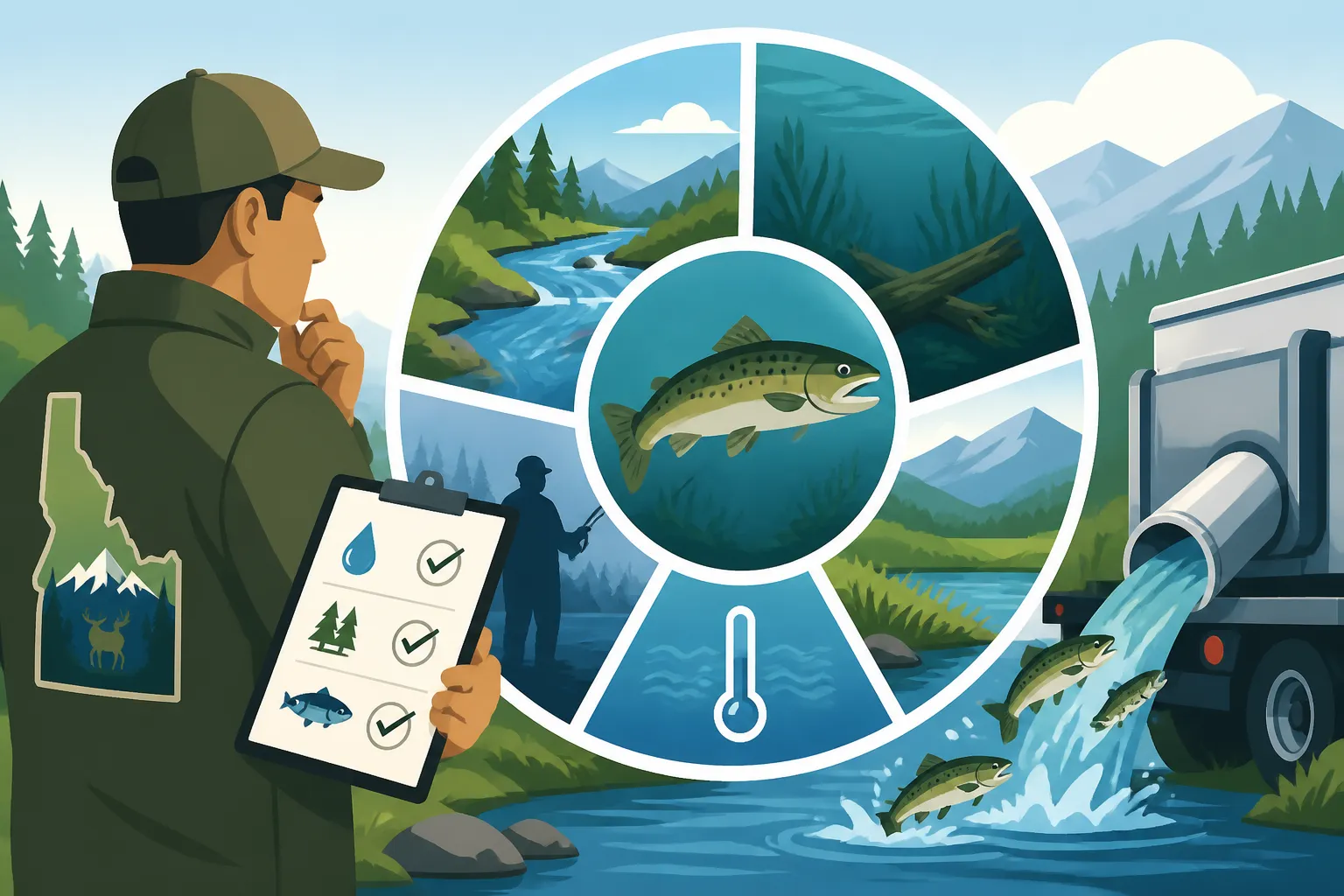
You can't just put any fish anywhere and expect them to thrive. A critical component of IDFG's stocking decision-making process involves a thorough analysis of habitat suitability and water quality. Biologists examine a range of environmental factors to determine if a specific waterbody can actually support the fish being considered for stocking.
This means looking at water temperature fluctuations throughout the year (some fish need cold water, others can tolerate warmer temps), dissolved oxygen levels (essential for fish respiration), the availability of food sources (insects, smaller fish, plankton), and even the presence of existing predator species that might quickly decimate a new batch of hatchery fish. If the habitat isn't right, stocking would be a waste of resources and detrimental to the fish. For instance, stocking native cutthroat into a warm, silt-laden agricultural ditch simply wouldn't make sense, even if there was angler demand. The habitat has to align with the needs of the species being introduced, ensuring they have the best possible chance not just to survive, but to grow and provide a quality angling experience.
Disease Management and Genetic Considerations
Another critical scientific consideration, often invisible to the casual angler, is disease management and genetic integrity. Hatcheries, while vital for producing large numbers of fish, can also be breeding grounds for disease if not carefully managed. IDFG has strict protocols in place to prevent the spread of pathogens from hatchery fish to wild populations, which could have devastating consequences. All fish raised for stocking undergo rigorous health screenings.
Furthermore, genetic considerations are paramount, especially when stocking native species or trying to restore wild populations. Introducing fish with inappropriate genetics could dilute the gene pool of a wild stock, making them less resilient to environmental changes or local diseases. This is why you'll often hear about specific "strains" of fish being stocked in certain areas. For example, Hatchery vs Wild Steelhead in Idaho highlights the importance of understanding the genetic differences and managing their populations carefully. Biologists carefully select broodstock to ensure genetic diversity and to mimic, as closely as possible, the genetic makeup of local wild fish, particularly for species like cutthroat trout or bull trout. It's a delicate balance of providing fish while safeguarding the long-term genetic health of Idaho's native aquatic inhabitants.
Balancing Act: Species, Location, and Angler Expectations
Making stocking decisions is rarely straightforward; it's a constant balancing act. The Idaho Department of Fish and Game has to weigh biological realities against logistical constraints, economic factors, and the diverse expectations of the angling public. It's about finding that sweet spot where conservation goals, recreational opportunities, and practical limitations all align to create the best possible outcomes for Idaho's fisheries.
Matching Species to Waterways
One of the fundamental challenges is ensuring the right fish goes into the right water. This isn't just about water quality, as we discussed earlier, but also about the specific ecological role the fish will play and what kind of fishery IDFG aims to create. You wouldn't put a warm-water species like largemouth bass into a high-mountain alpine lake, just as you wouldn't expect rainbow trout to thrive in a sluggish, silty pond. IDFG uses its Idaho Fish Species Guide to inform these choices.
Take, for example, the widespread stocking of rainbow trout in community ponds and many Best Lakes for Fishing in Idaho. Rainbows are relatively easy to raise in hatcheries, grow quickly to a catchable size, and are highly adaptable to a range of cool-water environments. They are the workhorses of recreational stocking. In contrast, species like Idaho Kokanee Fishing Guide are specifically stocked in large, deep reservoirs like Lake Coeur d'Alene, where they have the plankton-rich environment they need to thrive, providing a unique and popular sport fishery. Similarly, some specific cutthroat trout strains might be earmarked only for certain high-elevation or remote streams to preserve genetic purity. Every species has its ideal habitat, and IDFG strives to match them carefully, considering the existing fish populations, potential for competition, and the overall management goals for that particular body of water.
Public Input and Community Needs
Believe it or not, your voice as an angler matters! While scientific data forms the backbone of stocking decisions, public input and community needs play a significant role, especially for local and recreational fisheries. IDFG actively seeks feedback from the public through various channels, including public meetings, angler surveys, and direct communication with local fishing clubs and community groups.
This input helps IDFG understand where the demand for fishing opportunities is highest. For instance, if a community expresses a strong desire for more Family-Friendly Fishing Spots in Idaho or requests specific improvements to a local pond, IDFG will take that into consideration. They might adjust stocking schedules, increase the number of fish, or even introduce different species if the habitat allows. It's a way for the department to stay connected with the people they serve and ensure that fishing opportunities are being provided where they are most valued and utilized. You can often find information about how to provide feedback in the Idaho Fishing Regulation Brochure and Proclamation (though this is not an internal link, I am referring to the brochure document typically found with regulations).
Budget, Logistics, and Hatchery Capacity
Even with the best scientific data and strong public support, the practical realities of budget, logistics, and hatchery capacity are ever-present constraints. Raising millions of fish and transporting them across a large state like Idaho isn't cheap or easy. IDFG operates a network of hatcheries, each with a finite capacity for raising different species and sizes of fish.
Factors such as the cost of fish food, electricity for water pumping, labor, and specialized transportation vehicles all contribute to the overall budget. There's also the logistical challenge of moving thousands of fish without causing undue stress or mortality, often requiring specialized trucks with oxygenated tanks. If a particular hatchery experiences an issue, like a power outage or a disease outbreak, it can temporarily reduce capacity and force a reallocation of stocking plans across the state. These real-world limitations mean that IDFG must prioritize and make tough choices, ensuring that resources are allocated efficiently to provide the greatest overall benefit to Idaho's fish and anglers within the bounds of what's financially and logistically possible.
The Annual Stocking Plan: A Dynamic Process
The Idaho Fish and Game stocking plan isn't a static document carved in stone. It's a living, breathing strategy that adapts to changing conditions, new data, and evolving needs. While there's a clear framework and an annual cycle, flexibility and responsiveness are key to maintaining healthy fish populations and satisfying angler demand across the state.
From Data to Decision: The Planning Cycle
Every year, the IDFG fishery managers and biologists go through a comprehensive planning cycle. This begins with reviewing all the data collected over the previous year – from those population assessments and creel surveys to habitat reports and public input. Regional fisheries staff compile their recommendations based on local conditions and needs, which are then reviewed and coordinated at a statewide level.
During this phase, critical decisions are made: how many fish of each species will be allocated to which water bodies, what size they should be, and the proposed timing of those stockings. This planning process is crucial for hatcheries, too, as they need lead time to produce the millions of fish required. Think about it: a fish that gets stocked as a catchable-sized rainbow trout in the spring was likely spawned and started growing many months, if not a year, prior. It’s a huge logistical undertaking to ensure that the fish are ready and available when and where they're needed. The result of this planning is eventually released to the public in resources like the Idaho Fish Stocking Reports Explained, which show anglers what to expect.
Adapting to Change: Unforeseen Circumstances
Even the best-laid plans can run into unforeseen circumstances in the natural world. Idaho's climate can be unpredictable, and environmental events can dramatically alter stocking needs or capabilities. Droughts can lead to dangerously low water levels and high temperatures in certain streams and lakes, making them unsuitable for stocking. Conversely, heavy snowpack and subsequent spring runoff can make rivers unfishable for extended periods or even lead to localized flooding, requiring a shift in plans. Wildfires, disease outbreaks in hatcheries, or even unexpected changes in wild fish populations can all necessitate rapid adjustments.
When these situations arise, IDFG biologists and hatchery staff must be nimble. They might reallocate fish intended for one water body to another that is in better condition, or hold fish longer in hatcheries if conditions aren't right. Sometimes, stocking might be delayed or even canceled for a particular area until conditions improve. This constant adaptation ensures that precious hatchery resources are used wisely and that fish are given the best possible chance of survival, even when faced with Mother Nature's curveballs.
What Anglers Can Do to Help
As anglers, we're not just passive recipients of IDFG's stocking efforts; we're active participants in the health of Idaho's fisheries. One of the best ways to contribute is by staying informed and actively engaging with the stocking program. Regularly checking the official IDFG stocking reports (which you can often find online or through their regional offices) helps you know what's being stocked and where. This not only improves your chances of a successful outing but also helps you understand the bigger picture of fishery management. Many anglers use personal logbooks, sometimes purchased from retailers like Amazon, to track their catches and compare them to stocking schedules, which can indirectly provide useful feedback on the program's effectiveness.
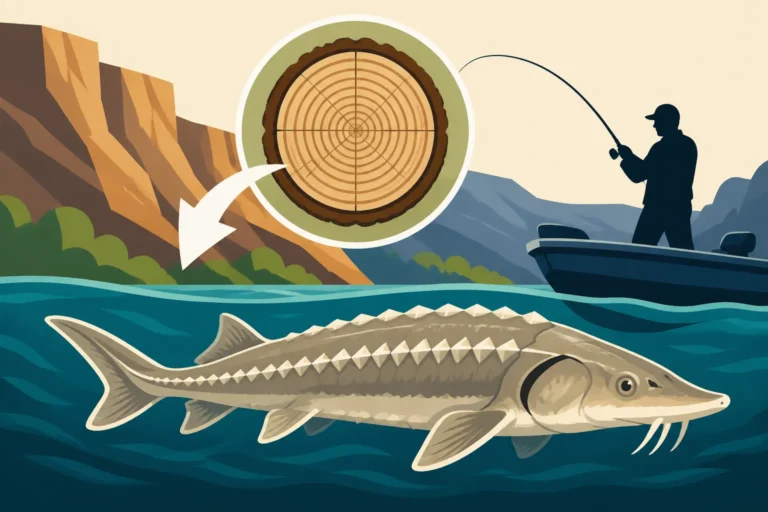
Furthermore, following Idaho Fishing Regulations Explained and practicing ethical angling, such as proper catch-and-release techniques when required (like for Idaho Sturgeon Fishing Rules or wild steelhead), ensures that stocked fish, and native populations alike, have the best chance to thrive. Participating in angler surveys, attending public meetings, or simply sharing your fishing experiences responsibly can all provide valuable information that helps IDFG make better, more informed stocking decisions for the future. Every angler plays a role in sustaining Idaho's incredible fishing heritage.
| Stocking Goal | Primary Objective | Example Species | Example Water Bodies | Angler Benefit |
|---|---|---|---|---|
| Recreational | Enhance catch rates, create "put-and-take" fisheries | Rainbow Trout, some Kokanee | Community ponds, heavily fished lakes | High success rates, accessible fishing, family-friendly |
| Conservation/Restoration | Restore native populations, increase biodiversity | Specific Cutthroat strains, Chinook Salmon | Native streams, rivers with historical runs | Healthy ecosystems, genetic preservation, future wild fisheries |
| Mitigation | Compensate for habitat loss, environmental impacts | Rainbow Trout, Bull Trout (for reintroduction) | Post-fire areas, dammed rivers | Maintain fishing opportunities during recovery, support struggling populations |
Disclaimer
This article is for general informational purposes only and does not constitute professional advice. Laws, prices and regulations vary by location and change over time. Consult a qualified professional for guidance on your specific situation.