How Old Can a Lake Trout Get
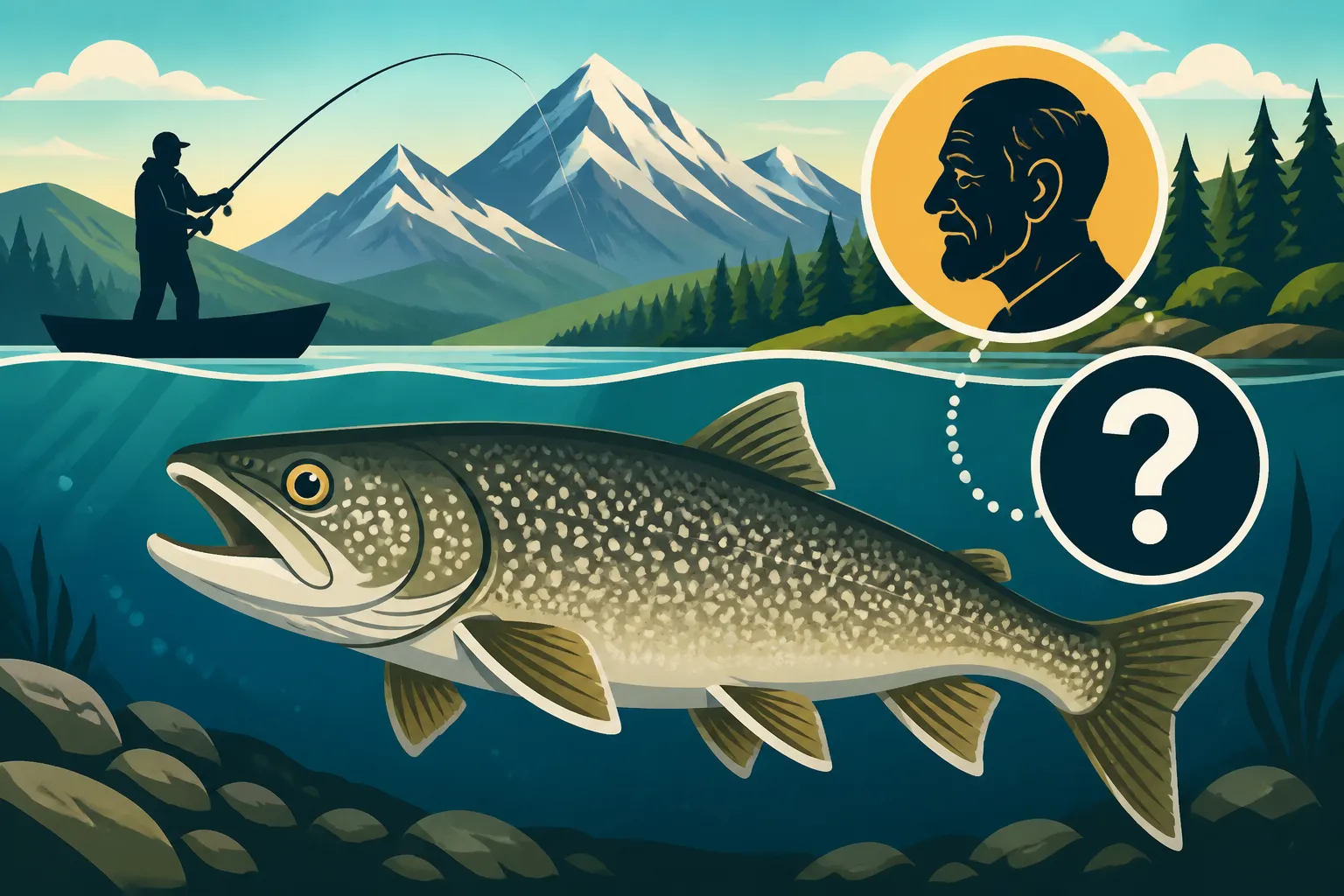
It’s a natural question to ponder when you’re out on the water, watching your line, or perhaps holding a magnificent fish: just how old is this creature? For Idaho’s legendary lake trout, their age can be truly astounding, often far surpassing what many anglers might guess. This guide will dive deep into the fascinating longevity of these incredible fish, exploring the conditions that allow them to live for decades, how their age compares to their size, and what we as anglers can do to help these ancient residents thrive in our beautiful Idaho waters.
The Incredible Lifespan of Idaho's Lake Trout
When you pull a large lake trout from the depths of an Idaho lake, you're not just encountering a formidable fish; you're often engaging with a true survivor, a living relic that has navigated the underwater world for many years. Unlike some other popular game fish that have shorter, more explosive lifespans, lake trout, or "Mackinaw" as they're affectionately known in many parts of Idaho, are built for the long haul.
Understanding Lake Trout Longevity
Lake trout are renowned throughout the fishing world for their impressive longevity. While the exact age of any individual fish depends on a myriad of factors, it's not uncommon for these fish to live for 20 years, 30 years, or even longer in ideal conditions. Imagine that: a fish that started its life before many of us even picked up a rod! This extended lifespan allows them to grow to truly massive sizes, becoming the trophy fish that Idaho is famous for. Their slow growth rate, especially in colder waters, means that every inch added to their length represents a significant passage of time.
This isn't just anecdotal evidence; biologists studying fish populations have consistently found that lake trout are among the longest-lived freshwater species. The pristine, cold, and deep waters of Idaho's larger lakes provide the perfect environment for these fish to mature slowly and live out their full, long lives. It’s a testament to the health and richness of our aquatic ecosystems that these ancient fish can thrive here.
For anglers, this knowledge adds another layer of respect and awe to every catch. When you're battling a sizable lake trout, you're not just fighting a fish; you're connecting with a piece of living history, a creature that has witnessed countless seasons and survived untold challenges beneath the surface. Knowing this makes the experience all the more special, and it certainly encourages thoughtful handling and release, especially of the larger specimens.
Factors Influencing Their Age
Several crucial elements conspire to allow Idaho's lake trout to achieve such impressive ages. It's a delicate balance of environmental factors, food availability, and even human influence. Understanding these factors helps us appreciate why certain lakes produce truly ancient fish.
First and foremost is their habitat. Lake trout thrive in deep, cold, and highly oxygenated waters. Lakes like Priest Lake and Lake Pend Oreille offer exactly these conditions. The stable, frigid temperatures year-round mean their metabolism operates at a much slower pace compared to fish in warmer waters. A slower metabolism translates directly to a slower aging process, allowing their bodies to endure for decades. These deep-water environments also provide a refuge from many surface predators and fluctuating conditions.
Food availability is another massive component. Lake trout are apex predators, and a consistent, rich diet is essential for their long-term survival and growth. In many Idaho lakes, their primary food source consists of smaller, abundant fish like kokanee salmon. When there's a plentiful supply of these forage fish, lake trout don't have to expend excessive energy hunting, allowing them to conserve resources and grow steadily. A lack of food, conversely, can lead to stunted growth and a shorter lifespan, even for a species naturally long-lived.
Finally, fishing pressure plays a significant, though sometimes less direct, role. Lakes with lower fishing pressure, or those with effective catch-and-release regulations and slot limits, tend to have a higher proportion of older, larger fish. When anglers practice responsible catch-and-release, especially for trophy-sized lake trout, they are actively contributing to the longevity of the population, allowing those genetics to continue in the gene pool. Idaho Fishing Regulations Explained often include specifics designed to protect these valuable populations.
Age vs. Size: Are Bigger Fish Always Older?
It's tempting to assume that the biggest fish you catch is automatically the oldest, and while there's certainly a strong correlation, it's not always a perfect one-to-one relationship. Most of the time, a significantly larger lake trout will indeed be an older fish, simply because it takes many years to pack on that kind of size. However, a fish's growth rate can be influenced by a variety of factors, meaning that sometimes a slightly smaller fish might actually be older than a larger, faster-growing one.
Think of it like this: a lake trout living in a lake with an incredibly abundant food supply and perfect growing conditions might grow relatively quickly. It could reach a substantial size in, say, 15 years. Another lake trout, living in a slightly less productive lake with sparser food or harsher conditions, might take 20 years to reach a similar size, or even be smaller at that same 20-year mark. Its growth was slower, but it still aged. So, while size is often our best visual cue, it's not a definitive age marker without scientific analysis.
Biologists use methods like analyzing otoliths (ear bones) or scales to precisely determine a fish's age by counting growth rings, much like tree rings. For us anglers, however, we rely on the general wisdom that a truly large lake trout—the kind that makes your arms ache—has almost certainly seen many, many seasons pass beneath the water. When you're targeting a true trophy, you're usually aiming for a fish that has beaten the odds and reached an impressive age. You can learn more about methods in our Idaho Lake Trout Fishing Guide.
How Idaho's Environment Contributes to Lake Trout Longevity
Idaho is a land of incredible natural beauty, and its diverse aquatic environments are no exception. For lake trout, specific features of Idaho's major lakes are perfectly aligned with their biological needs, fostering an environment where these fish can genuinely thrive and achieve their impressive lifespans.
The Deep, Cold Waters of North Idaho
When we talk about trophy lake trout and their longevity in Idaho, our minds often drift to the stunning depths of North Idaho's giant lakes. Lakes like Priest Lake and Lake Pend Oreille aren't just scenic; they are biological powerhouses for Mackinaw. These vast bodies of water are characterized by their extreme depth and consistently cold temperatures, even in the height of summer. This is precisely what lake trout require.
These deep, cold waters provide a remarkably stable environment. Unlike shallow lakes where water temperatures can fluctuate wildly with the seasons and even daily weather changes, the thermocline in these deep lakes ensures that there's always a cold, dark, and highly oxygenated zone for lake trout to inhabit. This consistent environment minimizes stress on the fish, allowing them to conserve energy. As mentioned earlier, their metabolism slows down significantly in these cold conditions. It's like a natural slow-motion button for their biological processes, which directly contributes to their ability to live for many decades. Fishing Priest Lake for Trophy Lake Trout is a prime example of an area where these conditions are perfect.
Furthermore, the sheer volume of water in these lakes offers vast expanses for lake trout to roam, find food, and avoid pressure. They have plenty of space to grow undisturbed, retreating to the deepest sections when necessary. This combination of stable, cold, oxygen-rich water and ample habitat is the bedrock upon which Idaho's long-lived lake trout populations are built.
Abundant Food Sources and the Ecosystem
Even the most robust fish won't reach old age without a reliable and abundant food source, and Idaho's lakes deliver here too. Lake trout are voracious predators, and their diet in these larger systems often revolves around other smaller, schooling fish. In many of Idaho’s trophy lake trout fisheries, the humble kokanee salmon plays a starring role.
Kokanee are a landlocked sockeye salmon, and they reproduce in great numbers in many of the same lakes where lake trout reside. These smaller salmon provide a fatty, protein-rich food source that is easy for the large lake trout to target, especially when kokanee gather in schools. This consistent and plentiful supply of high-quality forage allows lake trout to grow steadily without expending too much energy on the hunt. When a lake's ecosystem supports a healthy population of prey fish, the top predators, like lake trout, benefit immensely, allowing them to grow larger and live longer.
It’s a delicate ecological balance. Too many lake trout can decimate the kokanee population, leading to a decline in their own growth and numbers. Too few kokanee means lake trout struggle. Fisheries managers, like the Idaho Department of Fish and Game, carefully monitor these populations to ensure a healthy predator-prey relationship. This ensures that generations of lake trout have the sustenance they need to reach their full, impressive potential age. For those interested in the intricacies, exploring Idaho Fish Stocking Reports Explained can reveal how these balances are maintained.
Management Practices and Conservation Efforts
Idaho is serious about protecting its incredible fishing resources, and this includes thoughtful management of species like lake trout, especially those that take so long to mature. The state's fisheries management practices and ongoing conservation efforts play a crucial role in ensuring these fish not only survive but thrive to old age.
One key aspect often involves specific regulations tailored to certain waters. For instance, some areas might have slot limits, where fish within a particular size range must be released, or reduced bag limits for larger fish. These regulations are designed to protect the breeding stock and allow trophy-sized fish—which are typically the oldest—to continue their lives, contributing to the gene pool. Understanding Idaho Catch Limits and Bag Limits Explained is vital for every angler. When you release a large lake trout, you're not just letting go of a fish; you're releasing decades of life back into the system.
Conservation efforts go beyond just regulations. They include habitat protection, monitoring water quality, and sometimes even targeted stocking programs of forage fish to ensure a healthy food chain. Anglers also play a vital role. By educating ourselves on proper catch-and-release techniques, especially for large, sensitive fish like lake trout, we minimize stress and increase their chances of survival post-release. Using appropriate gear, like a large, rubberized landing net, and quickly but gently de-hooking and releasing fish, are all part of responsible angling that supports the longevity of these magnificent creatures. This collective effort ensures that Idaho remains a premier destination for those hoping to encounter truly ancient and awe-inspiring lake trout.
The Challenges and Joys of Catching an Ancient Lake Trout
There's a unique thrill that comes with targeting and, hopefully, catching a truly old lake trout. It's a different kind of challenge than, say, chasing an acrobatic rainbow. These are deep-water dwellers, often slow to react but incredibly powerful once hooked. The experience of bringing one to the boat, and then respectfully handling it, is one of the pinnacle moments in Idaho fishing.
Identifying an Older Lake Trout on the Line
When you get a bite deep down, how do you know if you've hooked into an older, perhaps ancient, lake trout? While you can't be 100% sure until it's boatside, there are some tell-tale signs. The initial bite might not be a violent strike, but more of a heavy thud, like snagging a log that suddenly decides to fight back. The battle itself is often characterized by sheer, stubborn weight and deep, powerful runs. Unlike trout that jump and thrash on the surface, a large lake trout will typically try to stay deep, using its broad body and the water pressure to its advantage.
As you bring it closer, you'll start to see its immense size. An older lake trout will have a thick, deep body, often with a large head. Its fins might show signs of wear and tear, testament to a lifetime of navigating rocky structures and fighting off rivals. You might even notice old scars from past encounters with other predators or fishing lines. There's a certain "ancient" look to their eyes, a wisdom that only decades of survival can impart. It’s an unmistakable feeling when you realize you’ve hooked into a true veteran of the lake. What Mackinaw Means When Talking About Lake Trout often refers to these larger, older specimens.
This identification isn't just about bragging rights; it's about recognizing the significance of the catch. Knowing you have a fish that has lived for 20, 30, or even 40 years elevates the experience beyond just landing a fish. It becomes a moment of connection with a truly wild, long-lived creature, underscoring the importance of responsible angling practices to ensure such fish continue to grace our waters.
Best Practices for Handling and Releasing Trophy Fish
Catching a magnificent, old lake trout is a privilege, and with that privilege comes the responsibility to ensure its survival if you choose to release it. These large, aged fish are incredibly valuable to the ecosystem, contributing genetically and acting as a testament to the health of the fishery. Proper handling is absolutely critical.
First, try to minimize the fight time. While exciting, a prolonged battle can exhaust the fish to the point where it struggles to recover. Use appropriate tackle for Idaho Fishing Techniques Guide to subdue it efficiently. When bringing the fish to the boat, use a large, knotless, rubberized landing net. These nets are much gentler on the fish's slime coat, fins, and scales compared to traditional nylon nets, preventing injury and disease. Many great options for these nets can be found on Amazon.
Keep the fish in the water as much as possible. If you must remove it for a quick photo, do so gently, supporting its entire body horizontally, never vertically by the jaw or gills. Large lake trout can be heavy, and their internal organs can be damaged by their own weight if not properly supported. Have your camera ready, snap a quick shot, and get the fish back into the water as fast as you can. Use long-nosed pliers or a de-hooking tool, which can also be purchased on Amazon, to carefully remove the hook. Avoid excessive squeezing of the fish's body. If the fish appears sluggish, gently hold it upright in the water, facing into any current or motion, until it regains its strength and swims away on its own power. These steps are vital to let these old warriors live to fight another day, contributing to the health of the population and perhaps offering another angler the thrill of a lifetime.
The Role of Anglers in Supporting Longevity
As anglers, we are not just participants in the sport; we are stewards of the resource. Our actions on the water directly impact the ability of species like lake trout to live long, healthy lives. Supporting the longevity of Idaho's ancient lake trout populations is a collective responsibility that enhances the fishing experience for everyone.
Understanding and strictly adhering to Idaho's fishing regulations is the absolute baseline. These rules—covering things like catch limits, size restrictions, and specific gear requirements—are developed by biologists to protect fish populations and ensure their sustainability. Ignoring them undermines the health of the fishery and directly jeopardizes the chances of these fish reaching old age.
Beyond compliance, embracing catch-and-release, especially for trophy-sized fish, is one of the most impactful things an angler can do. While keeping a smaller, legal-sized fish for the dinner table is perfectly acceptable, choosing to release that truly massive, decades-old lake trout ensures its genetic material remains in the population and that it can continue to reproduce. It also means another angler, perhaps years down the line, might have the same awe-inspiring encounter. Educating ourselves and others on proper handling techniques, as discussed above, is part of this stewardship.
Finally, supporting conservation organizations and advocating for healthy aquatic environments also contributes to the long-term well-being of lake trout. Clean water, intact habitats, and balanced ecosystems are foundational for these fish to achieve their incredible lifespans. By being responsible, ethical anglers, we help ensure that the majesty of Idaho's ancient lake trout continues for generations to come.
Record-Breaking Fish and What They Tell Us
Idaho is no stranger to monumental fish catches, and its lake trout fishery has certainly contributed its share of jaw-dropping specimens. These record-breaking fish aren't just exciting headlines; they offer valuable insights into the potential of Idaho's waters and the incredible journey these fish undertake over decades.
Idaho's Notable Lake Trout Catches
When you hear stories of truly enormous lake trout, often referred to as 'Mackinaw', it’s usually Idaho's deep, cold lakes that come to mind. Priest Lake, with its sprawling depths, is particularly renowned for producing gargantuan lake trout. These waters have yielded fish that push the limits of what anglers believe possible. While I won't list specific current records or weights, suffice it to say that the lake trout caught here are often measured in impressive double-digit pounds and boast lengths that demand two hands to cradle.
These massive fish are invariably very old. They are the survivors, the ones that have grown steadily over countless seasons, escaping predators and angling pressure. Each notable catch highlights the incredible potential of Idaho's lake ecosystems to support such long-lived, trophy-sized fish. It also speaks to the rich food sources, particularly kokanee, that allow these predators to grow to such immense proportions. Anglers often dream of hooking one of these giants, a fish that represents decades of life and growth in the wild, cold waters of the Gem State. You can dive deeper into these specific fisheries with resources like How to Fish for Trophy Lake Trout at Priest Lake.
Scientific Methods for Determining Age
While anglers rely on visual cues and the sheer fight of a fish, scientists have precise methods for determining how old a fish truly is. These techniques are crucial for understanding fish populations, growth rates, and how long-lived species like lake trout are faring in their environments. The two most common methods involve examining either scales or otoliths.
Fish scales, much like tree rings, often show annual growth rings. As a fish grows, its scales grow too, and periods of faster growth (typically summer) and slower growth (winter) create distinct bands. Biologists can examine these rings under a microscope to count the years of a fish's life. However, for very old fish or certain species, scales can become less reliable due to wear or absorption.
A more accurate method, particularly for older fish, involves analyzing otoliths. These are small, calcified structures in a fish's inner ear, often called "ear stones." Otoliths grow throughout a fish's life, adding distinct daily and annual growth rings. By carefully sectioning and polishing an otolith, scientists can count these rings with great precision, providing an accurate age for the fish. This method is how we know for certain that lake trout can indeed live for many, many decades. These scientific insights are invaluable for the Idaho Department of Fish and Game as they manage and conserve these incredible, long-lived populations.
The Future of Idaho's Trophy Lake Trout
The future of Idaho's trophy lake trout, and indeed their ability to reach impressive old ages, hinges on a continued commitment to sound fisheries management and responsible angling. These magnificent, long-lived fish are a treasure, representing the health and vitality of our deep, cold lakes.
Ongoing efforts by the Idaho Department of Fish and Game focus on monitoring populations of both lake trout and their primary prey, like kokanee, to maintain a healthy ecological balance. This often involves adjusting regulations to protect mature fish, implementing stocking programs where needed, and safeguarding the pristine habitats these fish call home. The goal is always to ensure a sustainable fishery that can be enjoyed by current and future generations.
As anglers, our role in this future is paramount. By understanding the unique biology of lake trout, appreciating their incredible longevity, and practicing ethical angling, we become active participants in their conservation. This includes adhering to limits, using proper catch-and-release techniques for large specimens, and supporting broader conservation initiatives. The vision is for Idaho to continue to be a place where anglers can embark on an adventure, drop a line into the deep, cold waters, and potentially connect with a truly ancient lake trout—a living testament to the wild spirit and enduring beauty of our state. Consider learning more through resources like Best Time of Year to Fish in Idaho to plan your trip to target these magnificent fish.
Disclaimer
This article is for general informational purposes only and does not constitute professional advice. Laws, prices and regulations vary by location and change over time. Consult a qualified professional for guidance on your specific situation.