Native vs Introduced Fish Species in Idaho
If you've spent any time on Idaho's breathtaking rivers and pristine lakes, you've probably heard hushed conversations or seen signs about "native" versus "introduced" fish. It can feel like a complex puzzle, especially when you're just trying to enjoy a peaceful day on the water. This guide is here to untangle that confusion, helping you understand the distinct differences between Idaho's original aquatic inhabitants and the species brought in over time, and most importantly, how this knowledge impacts your fishing adventures and helps protect our precious waters.
Understanding Idaho's Aquatic Ecosystem: A Delicate Balance
Idaho's natural beauty extends far beneath the water's surface, harboring a diverse array of fish species that have shaped its rivers, lakes, and streams for millennia. However, like many regions, Idaho's aquatic ecosystems are not static. They are dynamic environments constantly influenced by natural processes and, increasingly, human activity. Understanding the difference between native and introduced species isn't just academic; it's fundamental to appreciating the health of our fisheries and becoming a responsible angler.
What Exactly is a Native Species?
When we talk about a "native" fish species in Idaho, we're referring to those species that have naturally occurred in these waters since pre-settlement times, adapting over countless generations to the unique conditions of their environment. Think of them as the original residents, perfectly integrated into the local food web and ecosystem. These fish have evolved alongside the climate, geology, and other flora and fauna, forming intricate relationships that contribute to the overall health and resilience of the watershed.
For example, the various subspecies of cutthroat trout, like the Westslope and Yellowstone cutthroat, are classic examples of Idaho natives. They’ve been here for thousands of years, navigating the seasonal changes, competing with local insects, and avoiding native predators. Their very presence is a testament to the pristine nature of many of Idaho's wild places. These species are often highly sensitive to changes in water temperature, habitat alteration, and the presence of new competitors or predators, making their conservation a critical part of maintaining Idaho's ecological integrity. They are a living legacy of the state's wild past.
Why Introduced Species Matter for Anglers and Ecosystems
Introduced species, on the other hand, are those that have been brought into Idaho waters from other regions, either intentionally or accidentally. Their arrival can be a mixed bag, offering new recreational opportunities for anglers but sometimes creating significant challenges for the existing ecosystem. The story of introduced species in Idaho is often a tale of human ambition, whether it's to enhance fishing opportunities, control pests, or even unintentional releases.
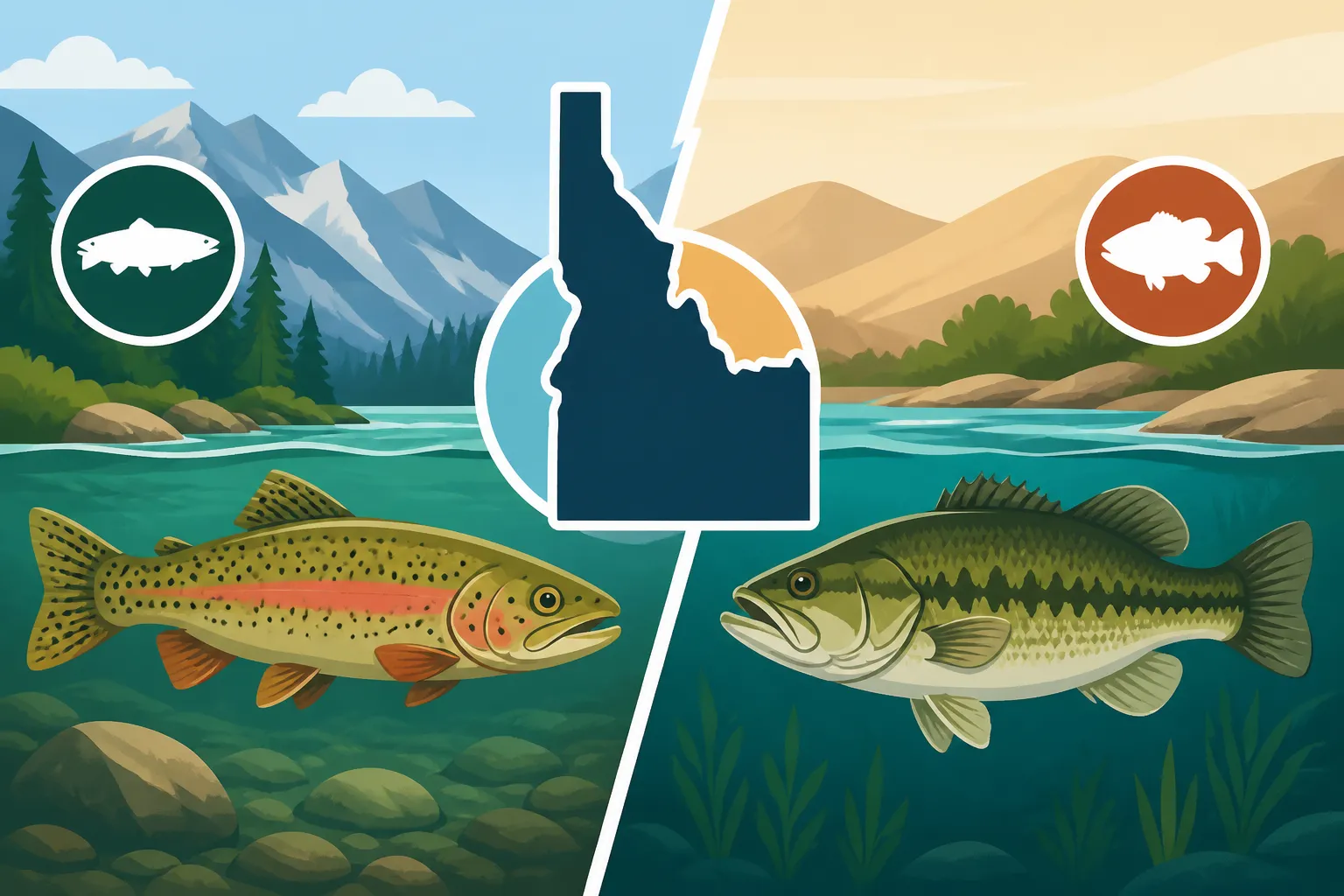
For anglers, introduced species can be incredibly exciting. Many of our most popular game fish, like rainbow trout or smallmouth bass, are not native to all the waters where they thrive today. They provide thrilling sport and delicious table fare, drawing countless visitors to Idaho each year. However, their presence can also disrupt the delicate balance of native ecosystems. They might outcompete native species for food and habitat, prey on their young, or even introduce diseases. This delicate balance means that while we enjoy the thrill of catching an introduced species, understanding its ecological impact is paramount. It highlights the constant tension between enhancing sport fishing and preserving the natural heritage of Idaho's waters.
Idaho's Iconic Native Fish Species
Idaho is a treasure trove of native fish, each with its own incredible story of survival and adaptation. These species are not just fish; they are living symbols of the state's wild heart and healthy aquatic environments. Knowing them, appreciating them, and understanding their unique needs is part of being a true Idaho angler.
The Beloved Cutthroat Trout (Westslope and Yellowstone)
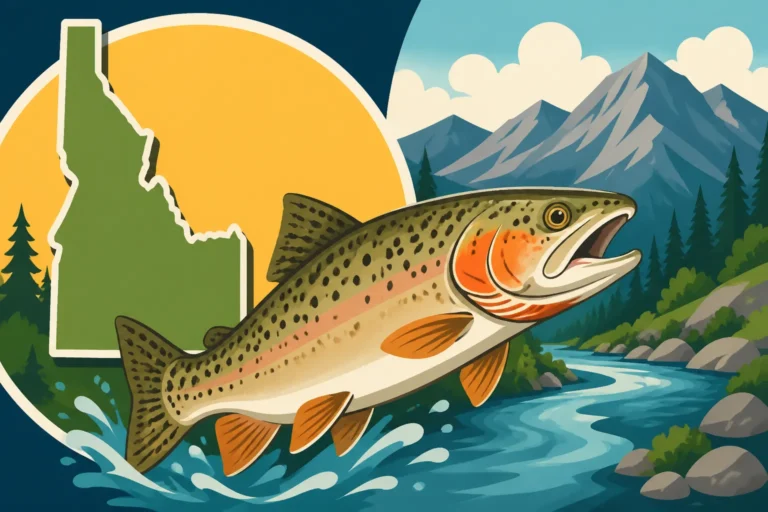
Idaho is renowned for its native cutthroat trout, specifically the Westslope and Yellowstone varieties. These fish are more than just beautiful specimens; they are keystone species in many of Idaho's river and stream ecosystems. The Westslope cutthroat trout, with its distinctive orange or red slash under its jaw, thrives in the cold, clear waters of the northern and central parts of the state, including tributaries of the Salmon and Clearwater Rivers. They are incredibly agile and opportunistic feeders, making them a favorite target for fly anglers seeking a true wild trout experience. Their survival is intrinsically linked to healthy, intact riparian habitats and cold water temperatures.
The Yellowstone cutthroat trout holds court in the southeastern drainages, particularly the Snake River system, including the South Fork of the Snake River. They tend to be a bit larger and often exhibit more pronounced spots than their Westslope cousins. Fishing for Yellowstone cutthroat often means exploring stunning, vast landscapes, and experiencing angling in its purest form. Protecting these native cutthroat populations means protecting the very essence of Idaho's wild rivers. When you release a healthy cutthroat, you're not just letting a fish go; you're contributing to the lineage of a truly iconic Idaho resident. Understanding their habitat and behavior is crucial for successful and ethical angling, as detailed in our Idaho Cutthroat Trout Fishing Guide.
Sockeye Salmon: A Journey Against All Odds
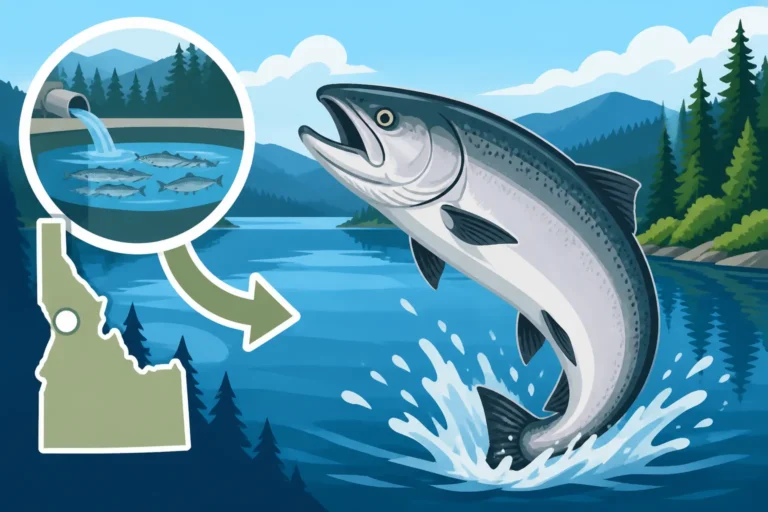
Perhaps one of the most incredible stories of a native species in Idaho belongs to the sockeye salmon. These vibrant red fish undertake one of the longest and most arduous migrations of any salmon species on the planet, traveling from the Pacific Ocean, up the Columbia and Snake Rivers, and into the high-alpine lakes of the Sawtooth Mountains, particularly Redfish Lake. Their journey is epic, a true testament to the tenacity of nature. Sadly, due to dams and other human-made obstacles, wild sockeye runs were severely depleted, even teetering on the brink of extinction.
Today, thanks to intensive conservation efforts, including captive breeding programs and habitat restoration, we see small but hopeful returns of these remarkable fish. Seeing a sockeye return to Redfish Lake is an emotional experience, a powerful reminder of what we've lost and what we're striving to restore. While angling for wild sockeye is not permitted due to their endangered status, their story is a vital part of Idaho's natural heritage. Learning about their journey, as explored in Idaho Sockeye Salmon and the Redfish Lake Run, helps us understand the broader challenges and triumphs of native fish conservation.
The Ancient White Sturgeon
Imagine a fish that can live for over 100 years and grow to be longer than a small car – that's the white sturgeon of the Snake River. This prehistoric leviathan is one of Idaho's most magnificent native species, a true living fossil that has patrolled these waters for millions of years. Their size and powerful fighting ability make them a bucket-list fish for many anglers. However, sturgeon populations faced severe declines in the past due to overfishing and habitat degradation, particularly the construction of dams that blocked migration routes.
Today, white sturgeon fishing in Idaho is almost exclusively catch-and-release, often requiring specialized heavy tackle and barbless hooks to ensure the fish's safety. Anglers who pursue sturgeon do so with immense respect for these ancient creatures, understanding that the experience is about the encounter, not the harvest. Guided trips often focus on educating anglers on proper handling and release techniques. The rules surrounding sturgeon fishing, covered in depth in Idaho Sturgeon Fishing Rules, are strict but necessary to ensure future generations can also marvel at these incredible native fish.
The World of Introduced Fish Species in Idaho
While native fish hold a special place in Idaho's ecological heart, it's undeniable that introduced species have significantly shaped the angling landscape. Many of the fish we eagerly pursue today were not originally found in these waters, brought here for a variety of reasons, both intentional and accidental. It's a complex topic, marrying the thrill of sport fishing with the responsibility of ecological stewardship.
Popular Game Fish: Rainbow Trout and Bass
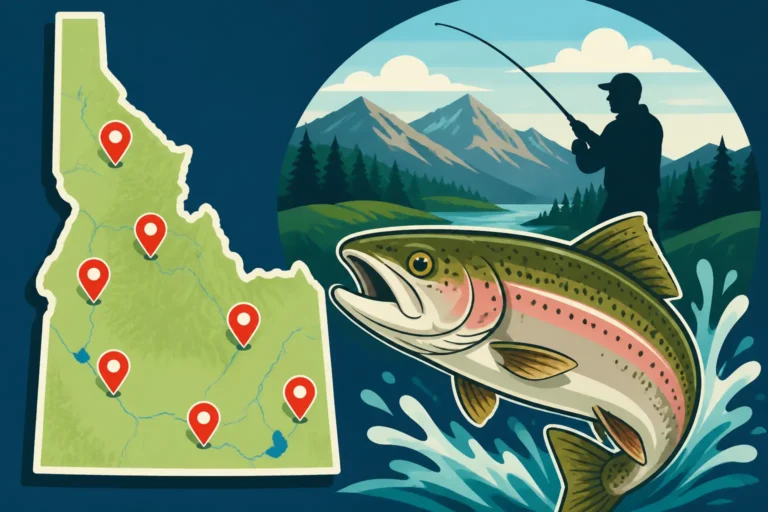
Take the rainbow trout, for instance. While some strains might be native to areas within the broader Pacific Northwest, the ubiquitous presence of rainbow trout in many Idaho lakes and rivers today is often due to extensive stocking programs. These hard-fighting, beautiful fish are a cornerstone of Idaho's recreational fisheries, providing countless hours of enjoyment for anglers of all skill levels. They thrive in a wide range of habitats, grow quickly, and are relatively easy to catch, making them perfect for family outings or a quick trip after work. Our Idaho Rainbow Trout Fishing Guide delves into the best ways to target these popular fish.
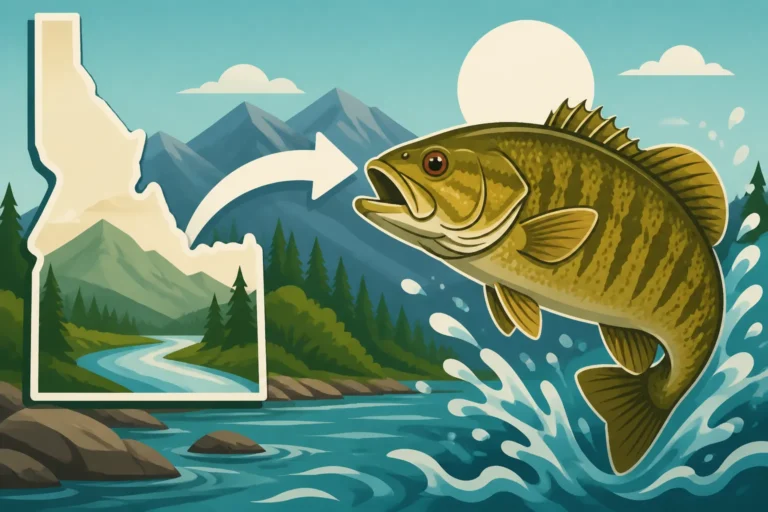
Similarly, smallmouth and largemouth bass are another group of incredibly popular introduced species. They were brought to Idaho from other parts of the country and have since established thriving populations in many reservoirs and warmer river sections, like the Snake River. Bass fishing offers a completely different challenge than trout, often requiring different techniques and gear. Their aggressive strikes and powerful fights make them a favorite among dedicated bass anglers. The growth of bass fishing has created entirely new recreational opportunities that simply wouldn't exist if not for these introductions, as highlighted in our Idaho Bass Fishing Guide. It's a balancing act, enjoying the fantastic fishing these species offer while being mindful of their impact on areas where native species might be vulnerable.
Accidental Introductions and Invasive Species Concerns
Not all introduced species were brought in with good intentions. Some arrived accidentally, often hitchhiking in bait buckets, boat bilges, or through interconnected waterways. These accidental introductions can sometimes lead to the establishment of truly invasive species. An invasive species is one that not only isn't native to an ecosystem but also causes, or is likely to cause, harm to the economy, environment, or human health. These fish often outcompete native species for food and habitat, prey on their young, or introduce diseases. They can reproduce rapidly and thrive in disturbed environments, quickly dominating an ecosystem.
For example, certain species like northern pike in some areas of North Idaho, or even non-native strains of carp, can become problematic. They can decimate populations of smaller native fish or alter aquatic vegetation, impacting the entire food web. Learning to identify these species and understanding what to do if you catch one is crucial for responsible angling. Regulations often encourage or even mandate their removal to help protect native fisheries. It's a stark reminder that every action we take on the water, even seemingly small ones, can have far-reaching consequences.
Stocking Programs: Boosting Fisheries with Non-Native Species
Idaho Fish and Game maintains extensive stocking programs across the state, primarily to enhance recreational fishing opportunities. These programs often involve releasing hatchery-raised fish, many of which are non-native rainbow trout, into lakes, ponds, and rivers. The goal is to provide accessible, high-quality angling experiences, especially near population centers or in waters that can support heavy fishing pressure without impacting sensitive native populations. These efforts are particularly valuable for beginners and families, ensuring a higher chance of success and fostering a love for fishing.
Hatchery fish are often sterile or unable to reproduce effectively in the wild, which helps manage their impact on the ecosystem. You can often tell a hatchery fish by its clipped adipose fin, a small fleshy fin located between the dorsal and tail fins. This clipping helps distinguish them from wild fish, which is important for conservation. While these programs are generally successful in their goal of providing angling opportunities, there's always an ongoing debate and careful management to ensure they don't negatively affect native fish populations. You can find out more about these efforts in the Idaho Fish Stocking Reports Explained. This approach allows Idaho to offer diverse fishing experiences while still focusing on the long-term health of its natural resources.
How Anglers Impact and Interact with Both Categories
As anglers, we're not just passive observers; we're active participants in Idaho's aquatic ecosystems. Every decision we make, from the gear we choose to how we handle a fish, has an impact. Understanding the role we play in the balance between native and introduced species is essential for ensuring the longevity of Idaho's incredible fishing heritage.
Ethical Angling and Conservation Practices
When it comes to fishing, ethics go beyond simply following the rules. It's about respecting the fish, the habitat, and other anglers. For native species, this often means practicing catch-and-release with extreme care, especially for vulnerable populations like wild cutthroat trout or bull trout (which are a protected native char in Idaho). Using proper release techniques, minimizing handling time, and fishing with barbless hooks can dramatically increase a fish's survival rate. The mantra for native fish is often "handle with care, release to spawn another day." For example, if you're fishing for steelhead, knowing Why Wild Steelhead Must Be Released in Idaho is critical.
For introduced species, the approach can sometimes be different. In certain cases, where an introduced species might be overpopulating a water body or negatively impacting native fish, regulations might encourage or even require their harvest. This is where understanding local regulations becomes paramount. Beyond individual fish, ethical angling also extends to keeping our waters clean, preventing the spread of aquatic invasive species by cleaning boats and gear, and advocating for healthy habitats. We can purchase gear, such as proper catch-and-release tools, fish handling gloves, or even educational books on Idaho's fish species, from retailers like Amazon, ensuring we're equipped to fish responsibly.
Understanding Regulations for Native vs. Introduced Fish
Idaho's fishing regulations are a complex tapestry, and a significant portion of their design revolves around managing native and introduced species. It's not uncommon to find vastly different rules for different species within the same body of water, or even for the same species in different sections of a river. For instance, catch limits and size restrictions might be very liberal for stocked rainbow trout in a community pond, encouraging harvest, while a nearby stretch of river might be catch-and-release only for native cutthroat trout.
These regulations are crafted by biologists and fisheries managers to protect vulnerable native populations, manage game fish numbers, and prevent the spread of invasive species. It's your responsibility as an angler to check the current Idaho Fishing Regulations Explained before every trip. This means looking up specific waters, understanding season dates, bag limits, and any special tackle restrictions (like barbless hooks). Ignorance of the rules is not an excuse, and violations can carry hefty fines. Always remember, these rules are in place not to make fishing harder, but to ensure that Idaho's incredible fisheries remain viable for generations to come.
Gear Choices and Their Role in Species Management
Believe it or not, the gear we choose can also play a role in species management, especially when targeting different types of fish. For instance, when pursuing sensitive native trout on small, clear streams, light tackle, small artificial lures or flies, and barbless hooks are often preferred. This approach minimizes stress on the fish and makes catch-and-release much safer. Conversely, when targeting larger, more robust introduced species like bass or pike in certain reservoirs, heavier tackle and different lure types are more appropriate for effectively landing and controlling the fish.
Even something as simple as the type of bait you use can be regulated to protect native fish. Some waters prohibit live bait to prevent the accidental introduction of undesirable species or diseases. Always ensure your gear is clean before moving between different water bodies to avoid spreading aquatic invasive species. Many essential items for responsible angling, from high-quality pliers for hook removal to waders that can be easily cleaned, are readily available from online stores like Amazon, making it easier than ever to equip yourself properly. Choosing the right gear isn't just about catching fish; it's about fishing ethically and sustainably.
Balancing Conservation and Recreation: The Future of Idaho Fishing
The ongoing conversation about native versus introduced fish species in Idaho is a microcosm of a larger, global challenge: how do we balance human enjoyment and resource use with the imperative of conservation? Idaho is actively navigating this complex terrain, striving to maintain world-class fishing opportunities while safeguarding its unique natural heritage.
Current Challenges Facing Native Fish
Idaho's native fish populations face a myriad of challenges in the modern era. Habitat degradation, stemming from development, logging, agriculture, and mining, continues to be a significant threat, impacting water quality, stream flows, and spawning grounds. Climate change introduces another layer of complexity, with rising water temperatures and altered precipitation patterns stressing cold-water species like trout and salmon. The spread of aquatic invasive species, sometimes introduced unintentionally, poses a constant threat by outcompeting native fish for resources or introducing diseases.
Furthermore, competition and predation from established introduced game fish can also put pressure on native populations. For example, in certain areas, robust populations of rainbow trout or smallmouth bass might outcompete native cutthroat trout, especially in waters that have already been altered. Understanding these challenges is the first step towards finding solutions. Conservation organizations, state agencies, and passionate anglers are working tirelessly to address these issues through habitat restoration, targeted removal of invasive species, and protective regulations. It's a continuous battle, but one where every angler can play a part.
The Role of Anglers in Protecting Idaho's Legacy
Ultimately, the future of Idaho's native fish, and the continued success of its diverse fisheries, rests heavily on the shoulders of informed and responsible anglers. Your actions on the water, your adherence to regulations, and your willingness to educate yourself and others are invaluable. By understanding the distinction between a native Westslope cutthroat and a hatchery rainbow, you become a more effective steward of the resource.
This means actively participating in conservation, even if it's just by diligently cleaning your gear to prevent the spread of invasives. It means advocating for healthy habitats and supporting initiatives that protect our wild waters. It also means appreciating the unique opportunities that both native and introduced species offer, recognizing that different waters serve different purposes. From the remote wilderness streams where you carefully release a native Westslope Cutthroat Trout in Idaho to the bustling reservoirs where you target an abundance of Idaho Largemouth Bass Fishing, each experience contributes to the rich tapestry of Idaho fishing. By embracing this knowledge, we can ensure that Idaho's waters continue to teem with life, offering incredible angling experiences for generations to come.
| Species Group | Example Species | Native/Introduced | Key Identification | Typical Habitat | Common Angling Approach | Conservation Status/Notes |
|---|---|---|---|---|---|---|
| Native | Westslope Cutthroat Trout | Native | Red/orange slash under jaw; fine spots on back/sides | Cold, clear mountain streams/rivers | Fly fishing (dry flies, nymphs) | Highly protected; catch-and-release common; sensitive to habitat changes. |
| Native | White Sturgeon | Native | Bony plates (scutes); shovel-like snout; long whiskers | Large, deep rivers (e.g., Snake River) | Heavy tackle, bottom fishing with bait | Critically managed; catch-and-release only; very long-lived. |
| Native | Sockeye Salmon | Native | Bright red spawning colors; no spots on tail; small size | High mountain lakes (spawning) | Not permitted (endangered) | Endangered; significant conservation efforts for wild runs (e.g., Redfish Lake). |
| Introduced | Rainbow Trout | Introduced (most) | Pinkish stripe along side; black spots on body and tail | Diverse; stocked lakes, rivers, ponds | Spin fishing (lures, bait); fly fishing | Widely stocked for sport; good table fare; Idaho Fish Stocking Reports Explained available. |
| Introduced | Smallmouth Bass | Introduced | Vertical bars; reddish eye; upper jaw not past eye | Warmer rivers, reservoirs, rocky areas | Spin fishing (plastics, crankbaits); topwater | Popular game fish; aggressive fighters; can impact native fish in some areas. |
| Introduced | Yellow Perch | Introduced | Distinct dark vertical stripes; yellowish body | Lakes, reservoirs, slow river sections | Jigging, bait fishing (worms) | Abundant; popular for ice fishing and panfishing; good eating. |
Disclaimer
This article is for general informational purposes only and does not constitute professional advice. Laws, prices and regulations vary by location and change over time. Consult a qualified professional for guidance on your specific situation.