Which Idaho Waters Stay Open to Fishing Year-Round
It's a common frustration when you're itching to cast a line, only to find your favorite fishing spot is closed for the season due to spawning closures or winter conditions. But for us Idaho anglers, the good news is that the Gem State offers an incredible array of waters that stay open for fishing all year long. This comprehensive guide will walk you through exactly which Idaho waters remain open to fishing year-round, detailing the species you can target and the approaches that work best, so you never have to put your gear away.
Understanding Idaho's Year-Round Fishing Concept
The idea of year-round fishing in Idaho might seem a little counterintuitive, especially if you're used to strict seasonal closures in other states or for specific fish species. However, the Idaho Department of Fish and Game (IDFG) understands that passionate anglers want opportunities to pursue their hobby regardless of the calendar. Many of Idaho's diverse waterways are managed to provide these continuous opportunities, either because the specific fish populations within them are robust enough to withstand continuous pressure, or because the species targeted (like many panfish or certain trout) aren't as susceptible to seasonal vulnerabilities like spawning.
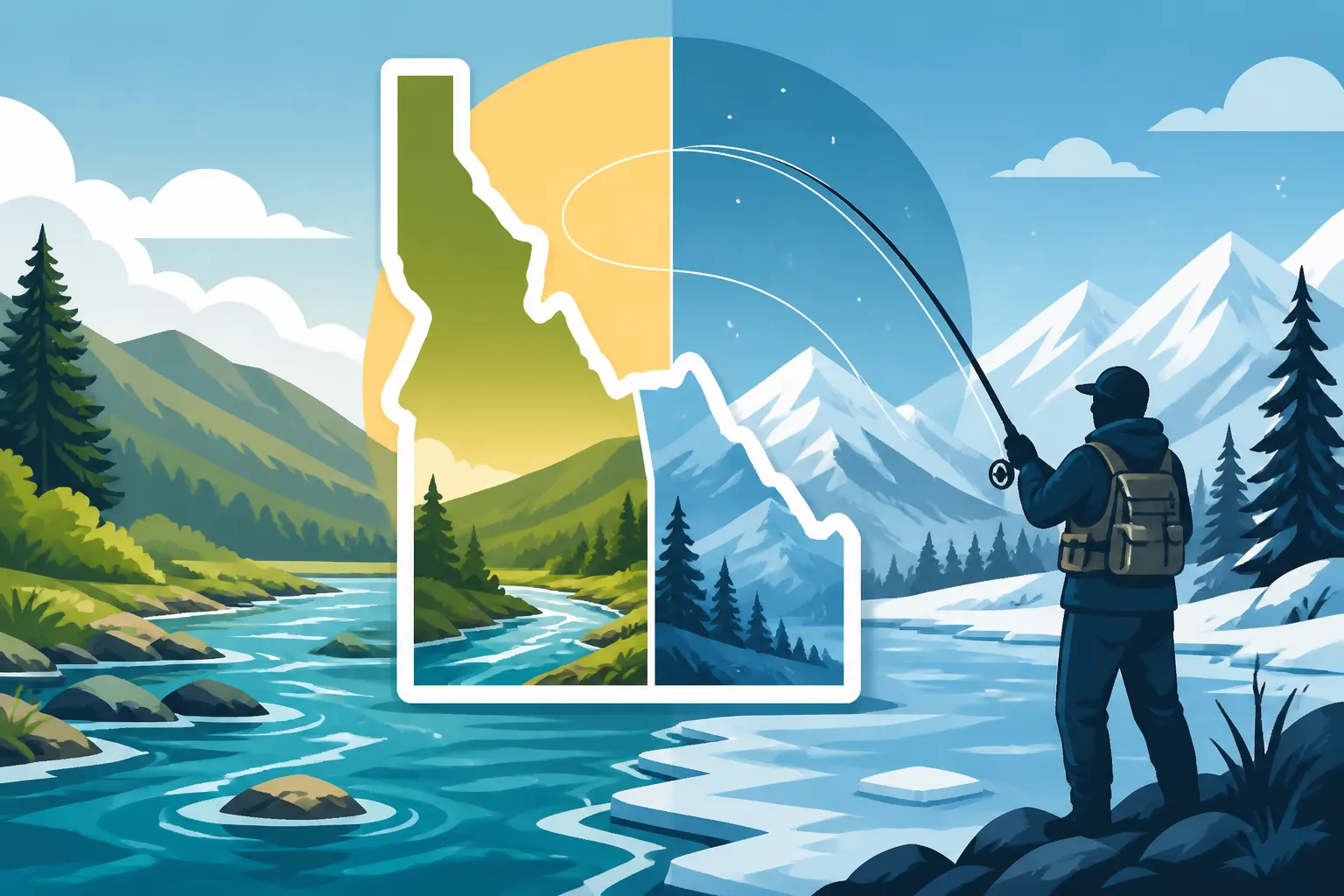
Idaho's fishing regulations are a tapestry woven with general rules, regional nuances, and specific water body exceptions. While the majority of waters will have some form of seasonal closure for certain species or during specific periods, many critical sections of major rivers, numerous lakes, and even some smaller ponds are designated for year-round angling. This allows for diverse fishing experiences, from ice fishing in the dead of winter to chasing trout during a warm autumn afternoon or casting for bass on a mild spring day. It’s a fantastic way to extend your fishing season indefinitely, as long as you know where to look and what rules apply. Always double-check the latest Idaho Fishing Regulations Explained before heading out, as these can change.
Why Some Waters Stay Open All Year
The decision to keep certain waters open year-round is a thoughtful process by IDFG, balancing angler demand with fish conservation. One primary reason is the abundance and resilience of the fish populations. For instance, many lakes and reservoirs are home to thriving populations of panfish like perch and crappie, or even various trout species, that can handle continuous angling pressure. These waters often have self-sustaining populations or are regularly stocked, ensuring a steady supply of fish for anglers.
Another key factor is the type of fish being targeted. Many trout streams, for example, might have specific catch-and-release-only regulations or restrictions on bait during certain times, but remain open, allowing anglers to hone their skills without impacting critical spawning runs. This is particularly true for rivers that host multiple species, some of which may have different life cycles and vulnerabilities. The presence of diverse ecosystems also plays a role; a river might be closed for a segment to protect salmon or steelhead during their run, but downstream sections, or tributaries, might remain open for other species. This strategic management ensures that while conservation is paramount, anglers still have plenty of places to enjoy their sport.
Benefits and Challenges of Year-Round Fishing
The benefits of year-round fishing are numerous for the dedicated angler. It means more time on the water, more opportunities to experiment with different techniques, and the ability to adapt to changing conditions and fish behavior throughout the seasons. Imagine being able to switch from summer fly fishing to fall steelhead, then to winter ice fishing, all within the state! It also allows for greater flexibility in planning trips, as you're not confined to narrow seasonal windows. You can also explore different tactics and gear, like trying out new ice fishing augers in January or experimenting with deep trolling setups in July, all readily available on platforms like Amazon.
However, year-round fishing isn't without its challenges. Access can be a major hurdle during winter months, with snow and ice making roads impassable or boat launches unusable. Weather conditions can be extreme, demanding specialized gear and preparation to stay safe and comfortable. Furthermore, even in year-round waters, specific regulations for certain species might still apply. You might find "catch-and-release only" mandates for trout during certain times, or specific bait restrictions. Water levels and clarity can also fluctuate dramatically, impacting fish behavior and fishing success. The keen angler knows that staying informed about conditions and regulations, especially those related to Idaho Catch Limits and Bag Limits Explained, is as important as having the right lure.
Premier Rivers and River Sections Open 365 Days a Year
Idaho is blessed with an intricate network of rivers, and many sections of these vital waterways offer fantastic year-round fishing opportunities. These rivers are often dynamic, changing character with the seasons, which keeps the angling experience fresh and exciting. From the famed Snake River to sections of the Clearwater, you can often find a place to wet a line no matter what month it is.
The Mighty Snake River
The Snake River, a true gem of Idaho, boasts extensive sections that are open for fishing year-round. This massive river system is incredibly diverse, offering a multitude of species and experiences. Around the Lewiston area, and further downstream into Hells Canyon, anglers can pursue a variety of fish throughout the year. Winter often sees anglers targeting steelhead, while spring and summer bring excellent opportunities for smallmouth bass and channel catfish. The Snake River is also home to the iconic white sturgeon, offering a unique catch-and-release fishery that is open all year in designated areas, though strict rules on handling and gear apply. Always consult the specific regulations for the stretch you plan to fish, as rules can vary greatly from one section to another.
Further upriver, towards the Hagerman Valley and beyond, the Snake River and its numerous spring-fed tributaries maintain relatively stable water temperatures, providing consistent trout fishing. Here, you might find rainbow trout, brown trout, and even some panfish. Fly fishing can be excellent during the milder months, while bait and spin fishing methods are effective year-round. The sheer size and length of the Snake River mean there's almost always an accessible section providing some form of angling opportunity, making it one of the Best Fishing Spots in Idaho.
Portions of the Clearwater and Salmon Rivers
While the Clearwater and Salmon Rivers are legendary for their seasonal anadromous runs of steelhead and Chinook salmon, certain sections are indeed open for year-round general fishing, often targeting resident trout species like rainbow and cutthroat. For example, parts of the Middle Fork of the Clearwater River and the main stem of the Salmon River can be open year-round for resident fish, even when special salmon or steelhead seasons are closed or restricted.
It's crucial to understand that during peak steelhead or salmon seasons, specific regulations, such as barbless hooks or bait restrictions, often come into play, and keeping wild steelhead or Chinook is generally prohibited. However, away from these migratory fish, anglers can still enjoy pursuing local trout populations. These year-round sections offer a quieter experience outside the major runs and can be incredibly rewarding for anglers willing to explore. For those chasing steelhead, understanding the specific Idaho Steelhead Fishing Guide is paramount, as rules can be complex and highly localized.
Other Notable Rivers and Their Year-Round Sections
Beyond the Snake, Clearwater, and Salmon, several other Idaho rivers offer year-round sections for various species. The Boise River, particularly through the city of Boise and some of its urban stretches, is often open year-round for resident trout and smallmouth bass. It’s a convenient spot for many city dwellers to cast a line without a long drive. The river is regularly stocked, ensuring decent trout populations, and provides a great opportunity for urban fishing.
Similarly, portions of the Payette River system and the Little Salmon River may have year-round general fishing opportunities. These often cater to resident trout populations or other warm-water species depending on the specific stretch. It's truly a testament to Idaho's diverse aquatic ecosystems that such a variety of river environments can sustain continuous angling pressure. When planning a trip, consider checking out an Idaho Fishing Gear Guide by Season to ensure you have the right setup for the conditions you might encounter.
Lakes and Reservoirs: Your All-Season Angling Havens
If rivers offer dynamic year-round opportunities, Idaho's lakes and reservoirs provide expansive, often more accessible, all-season angling. These larger bodies of water are typically managed for a wider array of species and often feature stable fish populations that can be targeted through open water and ice fishing seasons.
Lake Coeur d'Alene and Other Northern Gems
Lake Coeur d'Alene, a jewel of North Idaho, is one of the state's most popular year-round fishing destinations. While it's famed for its trophy Chinook salmon and kokanee, which have specific seasons and limits, the lake remains open all year for other species like northern pike, smallmouth bass, and even some resident rainbow trout. Pike fishing, in particular, offers thrilling action during the colder months when these predatory fish are actively feeding. During summer, the smallmouth bass fishing can be exceptional, and you can often find a good selection of specialized bass lures on Amazon.
Further north, Priest Lake and Lake Pend Oreille also offer year-round fishing for certain species. Priest Lake is known for its monstrous lake trout (Mackinaw), which can be targeted through the ice in winter or by deep trolling during the open water seasons. Lake Pend Oreille, while famous for its record-breaking Gerrard rainbow trout, provides year-round opportunities for species like northern pike, walleye, and various panfish. These large lakes offer diverse habitats and depths, allowing fish to thrive and anglers to explore different techniques throughout the year.
Southern and Central Idaho Reservoirs
Many of Idaho's numerous reservoirs across the southern and central parts of the state are fantastic year-round fishing locales. C.J. Strike Reservoir, for instance, offers diverse opportunities for smallmouth bass, crappie, perch, and trout throughout the year. It's a popular spot for ice fishing in winter, with anglers targeting crappie and perch through the hardwater. When the ice melts, these same species provide consistent action for open-water anglers.
Cascade Reservoir is another excellent example, providing year-round action for yellow perch, rainbow trout, and even the elusive tiger muskie. Perch fishing through the ice is a major draw here in winter, with anglers often catching limits of these tasty panfish. Lucky Peak Reservoir, near Boise, is also open year-round, offering opportunities for trout, smallmouth bass, and kokanee (often with specific kokanee limits and seasons). These reservoirs, with their varied depths and structures, can hold fish year-round, making them reliable choices for any angler seeking continuous action. Many of these spots are perfect for applying various Idaho Fishing Techniques Guide.
| Water Body | Primary Year-Round Species | Common Year-Round Techniques | Key Considerations |
|---|---|---|---|
| Snake River (various sections) | Smallmouth Bass, Catfish, Sturgeon, Rainbow Trout | Bait Fishing, Lure Casting, Fly Fishing | Sturgeon are Catch & Release only; check specific section regs carefully |
| Lake Coeur d'Alene | Northern Pike, Smallmouth Bass, Perch | Jigging, Trolling, Ice Fishing | Chinook/Kokanee have specific seasons; Pike can be active in winter |
| C.J. Strike Reservoir | Smallmouth Bass, Crappie, Perch, Trout | Lure Casting, Jigging, Ice Fishing | Excellent for panfish year-round; good winter ice fishing |
| Cascade Reservoir | Yellow Perch, Rainbow Trout, Tiger Muskie | Jigging, Trolling, Ice Fishing | Popular for winter perch; Tiger Muskie require specialized gear |
| Boise River (urban sections) | Rainbow Trout, Brown Trout, Smallmouth Bass | Fly Fishing, Spin Fishing, Bait Fishing | Heavily stocked; urban access; often C&R for trout during certain periods |
| Priest Lake | Lake Trout (Mackinaw), Northern Pike | Deep Trolling, Ice Fishing | Trophy Mackinaw possible; requires heavy gear for deep water |
| Lake Pend Oreille | Northern Pike, Walleye, Perch, Trout | Trolling, Casting, Ice Fishing | Known for large rainbows, but other species offer year-round action |
Navigating the Nuances of Year-Round Regulations
While the phrase "year-round fishing" sounds wonderfully straightforward, the reality in Idaho is that even in waters designated as open all year, specific regulations can and often do apply. These nuances are in place to protect particular species, ensure sustainable fishing, or manage localized conditions. Therefore, simply knowing a water body is "open year-round" is only the first step; understanding the specifics is critical for a legal and successful outing.
The Importance of the Current Idaho Fishing Seasons and Rules Brochure
Before embarking on any fishing trip in Idaho, especially to a year-round water, your absolute best friend is the current Idaho Fishing Seasons and Rules brochure. This document is published annually by the Idaho Department of Fish and Game and is the definitive source for all regulations. You can pick up a physical copy at any license vendor or IDFG office, or download the latest version from their website. This brochure will detail general rules, but more importantly, it will break down regulations by region and specific water bodies, including those open year-round.
Within the brochure, pay close attention to the "General Rules" section, then flip to the "Regional Regulations" for the area you plan to fish. Look for specific rules pertaining to the water body you've chosen. For example, a river might be open year-round, but have special rules like "catch-and-release only for trout from November 1 to May 27" or "barbless hooks required for all species." Some waters also have specific rules on bait, tackle, or even the number of rods you can use. Failing to check these details can lead to unexpected fines or unknowingly breaking conservation rules.
Special Species-Specific Regulations
Even in year-round waters, particular fish species might have their own set of rules. For instance, while you can fish the Snake River year-round, if you're targeting white sturgeon, remember that it's strictly a catch-and-release fishery, and specific gear requirements (like barbless hooks and heavy tackle) are mandated. Removing a sturgeon from the water is also illegal. Similarly, on Lake Coeur d'Alene, while many species can be caught year-round, Chinook salmon and kokanee often have specific seasons, daily bag limits, and length restrictions that must be adhered to.
For trout, even in year-round rivers or lakes, there might be specific Idaho Trout Limits by Water that vary by location. Some waters might have reduced limits, or even be catch-and-release only for certain periods to protect spawning fish or recovering populations. It's not uncommon to find rules like "trout season is open year-round, but all cutthroat trout must be immediately released." These regulations are designed to ensure that while anglers can still enjoy the thrill of fishing, the valuable fish populations are protected for future generations.
Access and Permitting Considerations
While a water body might be open year-round, physical access can vary with the seasons. Winter snows can close roads to high mountain lakes or even some lower-elevation river access points. Always check road conditions before heading out in colder months. Some locations, especially within national forests or wilderness areas, might require specific permits for camping or access beyond your general fishing license.
Speaking of licenses, remember that even for year-round fishing, you still need a valid Idaho Fishing License Guide. For residents, this typically means obtaining an Idaho Resident Annual Fishing License. Non-residents will need to purchase an Idaho Nonresident Annual Fishing License or a short-term option like an Idaho One-Day Fishing License if they are only visiting for a short period. Don't forget any necessary permits or stamps, such as the Idaho Salmon and Steelhead Permit if you're targeting those species when they are in season, even in a generally "year-round" water section. Planning ahead for your license and any necessary permits will prevent any unwanted surprises on the water. Many fishing books and guides found on Amazon also provide excellent tips on navigating these local regulations.
Disclaimer
Please note that fishing regulations in Idaho can change. Always consult the latest Idaho Department of Fish and Game regulations brochure or their official website before any fishing trip to ensure you are in compliance with current rules and limits. This guide is for informational purposes only and does not supersede official IDFG regulations.