Best Henry’s Fork Outfitters Near Island Park
Finding the right fishing outfitter for your Henry's Fork adventure, especially when you're looking to base out of Island Park, can feel like navigating a maze. This river is legendary for its challenging yet incredibly rewarding fishing, and you really want to make sure you connect with a guide who understands its nuances. This guide will walk you through what makes Henry's Fork near Island Park so special and how to choose an outfitter that will make your trip unforgettable.
Why Henry's Fork Near Island Park is a Fly Fishing Mecca
The Henry's Fork of the Snake River isn't just a river; it's an institution in the fly fishing world. It's known for its crystal-clear waters, prolific insect hatches, and notoriously selective trout. For many, it represents the pinnacle of dry fly fishing, a place where honing your presentation and fly selection truly pays off. And when we talk about Henry's Fork, the section near Island Park often comes to mind as a prime jumping-off point for experiencing its magic.
The Unique Character of Henry's Fork Water
What sets Henry's Fork apart? For starters, it's a spring creek system, which means consistent water temperatures and flows throughout the year. This stability creates an environment where aquatic insects thrive, leading to incredible hatches of mayflies, caddis, and stoneflies that can literally cover the water. But don't let the abundance fool you; the trout here are famous for their selectivity. They've seen it all, and they demand perfect drifts, precise fly patterns, and delicate presentations. It's a place where you'll often hear about "technical" fishing, meaning every detail matters. This isn't your average river where a sloppy cast might still get a bite; here, it's about skill, patience, and often, a little guidance to unlock its secrets. You'll often find yourself stalking individual fish, trying to match the hatch exactly, and then executing that one perfect cast.
Ideal Seasons and Species
The primary target on Henry's Fork is, without a doubt, the rainbow trout, some of which grow to truly impressive sizes. You'll also find native cutthroat trout, particularly in the upper reaches. While these fish are present year-round, the seasons dictate the type of fishing you'll experience. Spring brings strong caddis hatches, followed by the legendary salmonfly and various mayfly hatches throughout early summer. Late summer and fall can offer fantastic terrestrials and trico hatches, providing opportunities for incredibly precise dry fly work. Winter, though challenging, can still yield results for those willing to brave the cold, often focusing on nymphing tactics. Knowing the Best Time of Year to Fish in Idaho is crucial for planning. The fish here are strong and healthy, making every hook-up a memorable fight.
What Makes Island Park a Great Base
Island Park isn't just a town; it's a gateway to some of the most iconic waters in the West, with Henry's Fork right on its doorstep. Its proximity to the famed "Box Canyon" and the "Railroad Ranch" sections means less travel time and more fishing time. Island Park offers a good range of accommodations, dining options, and fly shops where you can pick up last-minute flies or gear. It's a natural hub for anglers, with easy access to various stretches of the river, from the faster, riffly water to the slower, glassy sections. Being able to wake up, grab a quick breakfast, and be on the river in minutes is a huge advantage, especially when you're trying to hit an early morning hatch. Plus, the surrounding national forests offer a beautiful backdrop, making the entire experience feel like a true escape into nature.
Understanding What Makes an "Outfitter" Great for Henry's Fork
When you decide to invest in a guided trip on Henry's Fork, you're not just paying for a boat or an expert angler; you're paying for their intimate knowledge of a complex river, their ability to teach, and their commitment to making your day successful and enjoyable. Finding the right outfitter can truly elevate your experience from a frustrating day of missed fish to an educational and rewarding adventure.
Experience and Local Knowledge
Henry's Fork is not a river for the faint of heart or the inexperienced. Its selective trout demand a guide with years, often decades, of dedicated experience on this specific river. A great outfitter will have guides who know every riffle, every drop-off, and every subtle current seam. They'll understand the intricate insect cycles, know what flies are working right now, and even predict where the fish might be holding based on weather, water levels, and time of day. They can spot feeding fish that you'd swear weren't there and help you understand why your last cast was rejected. This hyper-local expertise is invaluable on a river as technical as Henry's Fork. It's the difference between blindly casting and making an informed, strategic presentation. They can also advise on Idaho Barbless Hook Requirements and other specific regulations.
Guide-to-Angler Connection
Beyond sheer fishing prowess, a truly great guide on Henry's Fork is also an exceptional teacher and a good companion. They understand that not everyone comes to the river with the same skill level or expectations. For a beginner, they should be patient, clear, and encouraging, focusing on fundamental casting techniques, line management, and reading the water. For an experienced angler, they might shift to more advanced strategies, technical fly choices, or specific presentations for particularly tricky fish. The best guides have a knack for adapting their approach to your needs, making you feel comfortable and empowered, rather than overwhelmed. They should be able to explain the "why" behind their advice, not just the "how." It’s about building a rapport and ensuring you enjoy your time, whether the fish are biting or not.
Gear and Logistics Provided
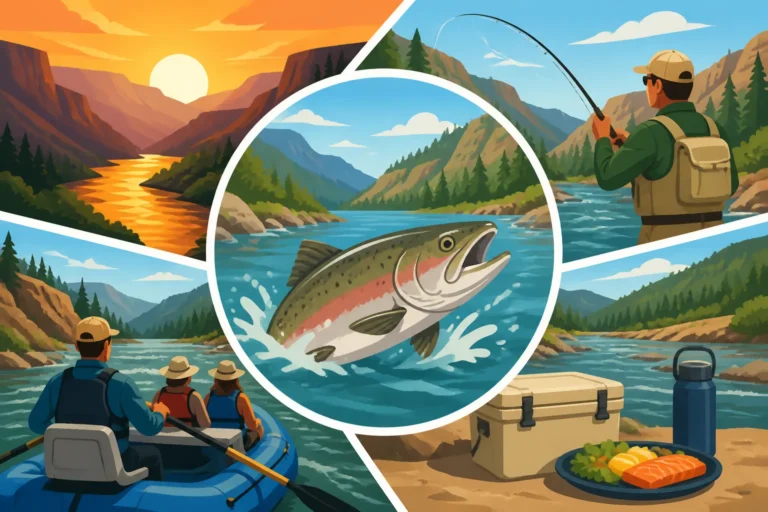
Outfitters vary in what they include, so it's essential to clarify. Most reputable Henry's Fork outfitters will provide all necessary fishing gear – rods, reels, leaders, tippet, and a vast selection of flies perfectly suited for the local conditions. They'll also likely provide the drift boat for float trips, along with safety equipment. Some might even offer waders and boots if you don't have your own. Logistics often include transportation to and from the river access points and a stream-side lunch on full-day trips. When you're researching potential guides, platforms like FishingBooker often provide detailed descriptions of what each outfitter includes, allowing you to compare services and ensure you're getting everything you need for a comfortable and productive day. Always ask about specifics before booking; it saves surprises later.
Top Considerations When Choosing an Outfitter Near Island Park
With several excellent options for Henry's Fork outfitters, how do you narrow down the choice to find the one that's perfect for your trip? It comes down to a bit of research, understanding your own preferences, and asking the right questions.
Reputation and Reviews
In the digital age, a quick search can reveal a lot about an outfitter. Look for consistent positive reviews on platforms like FishingBooker, Google, or specialized fishing forums. Pay attention to what people praise – is it the guide's patience, their ability to find fish, their teaching skills, or their overall professionalism? Conversely, note any recurring complaints. While one bad review might be an anomaly, a pattern can indicate an issue. Word-of-mouth is still king in the fishing world, so if you know anyone who's fished Henry's Fork with a guide, ask for their recommendations and insights. A guide with a long-standing positive reputation usually earns it through consistent performance and happy clients. Understanding How to Find a Reputable Fishing Guide is key.
Specialization
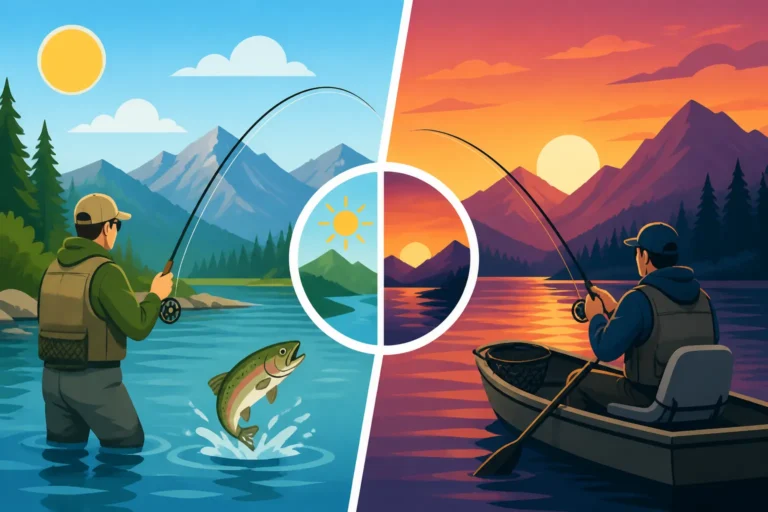
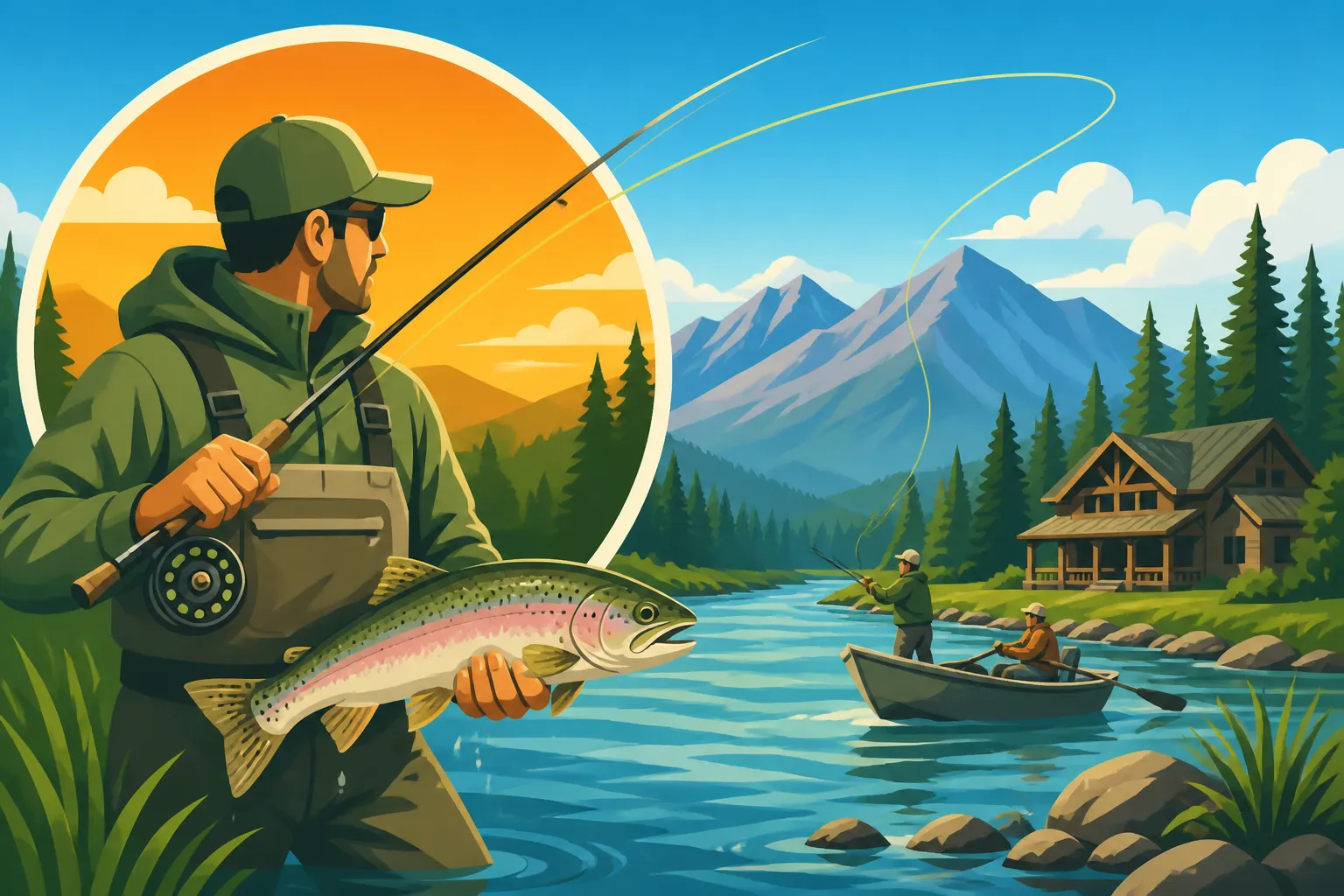
Some Henry's Fork outfitters might specialize. Do you prefer a float trip, covering more water and casting from the comfort of a drift boat? Or are you a wader at heart, eager to get into the water and stalk fish on foot? Many guides excel at both, but some might have a particular passion or expertise. If you're specifically interested in learning advanced dry fly techniques, look for an outfitter known for that. If you're a beginner, seek out guides who are explicitly described as patient and good with novices. For example, some may focus on the technical dry fly fishing of the Railroad Ranch, while others might be better suited for nymphing the Box Canyon. Don't be afraid to ask an outfitter about their strengths and how they tailor trips to different skill levels and desires. Wade Trip vs Drift Boat Trip, Which Guide Trip Is Better is a good question to ponder before you book.
Booking Process and Availability
Henry's Fork guides, especially the best ones, book up quickly, sometimes months or even a year in advance, particularly during prime hatch periods like the salmonfly or trico. It’s always best to book your trip as far out as possible to secure your desired dates and guide. Platforms like FishingBooker make it easy to see availability at a glance and often handle the booking and payment process seamlessly. Don't wait until the last minute, especially if your trip is planned for peak season. Be prepared to be flexible with your dates if you're set on a particular guide. Also, ask about their cancellation policy upfront; life happens, and you want to know what your options are if plans change.
| Trip Type | Description | Ideal Angler | Key Benefits |
|---|---|---|---|
| Full-Day Float Trip | Covers extensive river sections from a drift boat. Mix of casting from the boat and wading. | All skill levels, especially those wanting to cover lots of water comfortably. | Access to remote water, comfort, varied fishing scenarios, relaxing experience. |
| Half-Day Float Trip | Shorter version of the full-day float, often focusing on a specific productive section. | Anglers with limited time, or those testing the waters with a guide. | Less time commitment, often more budget-friendly, good for a quick immersion. |
| Full-Day Wade Trip | Focuses on specific river sections, fishing entirely on foot. More intimate, stealthy approach. | Anglers who enjoy stalking fish, prefer detailed instruction, physical activity. | Deep dive into specific water, excellent for technique refinement, intimate. |
| Beginner/Lesson Trip | Tailored for new anglers or those wanting to improve specific skills (e.g., casting, reading water). | First-time fly fishers, those looking for instruction, families. | Strong focus on education, patience, fundamental skill building. |
| Technical Dry Fly Trip | Targets advanced anglers seeking selective fish during intense hatches, requiring precise presentation. | Experienced fly fishers, those seeking a challenge and specific mastery. | High reward for perfect execution, deep understanding of specific hatches. |
Getting the Most Out of Your Guided Henry's Fork Experience
You've done your research, booked your outfitter near Island Park, and the anticipation is building. Now, how do you ensure that on the day of your trip, you maximize every moment and make it a truly memorable Henry's Fork adventure?
Preparing for Your Trip
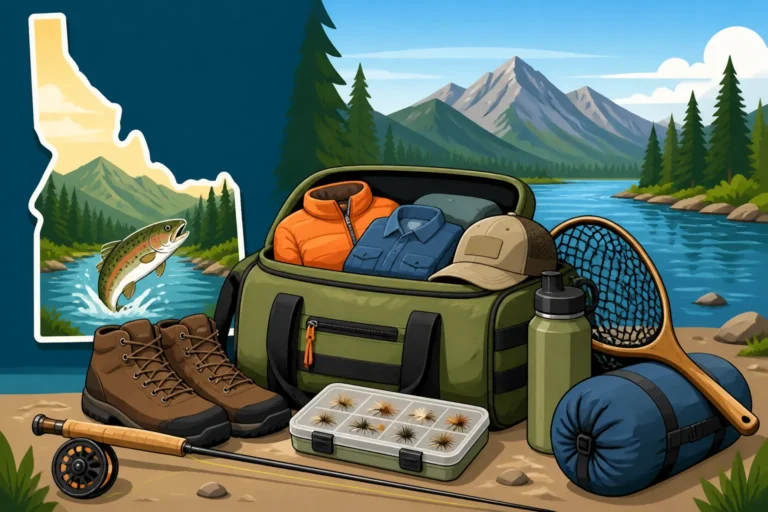
Preparation isn't just about packing your bags; it's about getting your mind right. Physically, be ready for a day on the water. Dress in layers, as Idaho weather can change quickly. Good quality polarized sunglasses are a non-negotiable for spotting fish and reading the water. Bring a hat, sunscreen, and plenty of water. Mentally, come with an open mind and a willingness to learn. The Henry's Fork is challenging, and even with the best guide, there might be slow periods. Embrace the process, enjoy the stunning scenery, and celebrate every cast and every rise, not just every fish landed. Your guide will likely provide specifics on What to Bring on a Guided Idaho Fishing Trip. Remember, this is about the experience as much as it is about the catch.
Communication with Your Guide
This is arguably the most critical aspect of a successful guided trip. Before you even get on the water, share your expectations and skill level with your guide. Are you a complete beginner hoping to catch any fish? Are you an experienced angler looking to perfect a specific technique? Do you want to focus on dry flies, nymphs, or streamers? The more information you provide, the better your guide can tailor the day to your preferences. During the trip, don't be afraid to ask questions. If you don't understand something, speak up. If you're getting tired or need a break, let them know. A good guide wants you to have a great time, and clear communication ensures you're both on the same page. This open dialogue helps avoid misunderstandings and builds a positive dynamic throughout the day.
Post-Trip Etiquette
After a day on the Henry's Fork, a few simple gestures can leave a lasting positive impression. Tipping your guide is customary and greatly appreciated, reflecting the hard work, expertise, and personalized service they provide. While amounts can vary, a common range is a percentage of the trip cost. You can find more details on How Much to Tip a Fishing Guide. Beyond the tip, a genuine thank you and specific feedback about what you enjoyed (or what could be improved, if asked) can be very valuable. If you had a fantastic experience, consider leaving a positive review on platforms like FishingBooker. Not only does this help future anglers find a great guide, but it also supports the guides themselves. Your positive review can go a long way in helping a guide's business thrive and ensures that these fantastic experiences remain available for others.
Disclaimer
This article is for general informational purposes only and does not constitute professional advice. Laws, prices and regulations vary by location and change over time. Consult a qualified professional for guidance on your specific situation.