Best Guided Trips for Bass Fishing in Idaho
You're here because you've heard whispers of fantastic bass fishing in Idaho, but you're not quite sure where to start, especially when a lot of the spotlight goes to trout and steelhead. It can feel overwhelming trying to navigate new waters and figure out the best techniques, tackle, and spots. This comprehensive guide is here to cut through that confusion, helping you understand why a guided bass fishing trip in Idaho isn't just a good idea, but often the best way to get on some incredible Smallmouth and Largemouth Bass, ensuring a productive and memorable experience.
Why Consider a Guided Bass Fishing Trip in Idaho?
Idaho might be famous for its anadromous fisheries and pristine trout streams, but don't let that fool you—the state boasts some genuinely phenomenal bass fishing opportunities. However, these spots can be a bit more tucked away or require specialized knowledge to really excel. This is precisely where a guided trip shines, transforming a potentially frustrating day of trial and error into a successful and educational outing.
Unlocking Local Knowledge and Expertise
One of the biggest hurdles when fishing new waters is simply not knowing where to go or what the fish are doing. Bass, especially, can be finicky. They move with the seasons, water temperatures, and forage availability, and what worked last week might not work today. This is where a local Idaho bass fishing guide becomes your ultimate asset. They live and breathe these waters. They know the subtle humps, the hidden rock piles, the perfect submerged timber, and the seasonal patterns that will put you directly on the fish.
Think about it: instead of spending half your day driving around, launching your boat, and then searching fruitlessly for productive water, a guide already has a game plan. They know the current bite, the successful lure colors, and the retrieve speeds that are enticing bites. This isn't just about catching fish; it's about learning the why and how from someone who has spent years mastering these specific Idaho bass fisheries. They can teach you subtleties about reading the water, understanding bass behavior in different conditions, and perfecting your presentation, knowledge that you can then apply to your future fishing endeavors, even outside of Idaho.
Maximizing Your Time and Effort on the Water
Let's face it, your time on the water is precious. Whether you're on a vacation or just taking a day off, you want to make the most of it. Without a guide, you're responsible for all the logistics: trailering the boat, launching, navigating, finding bait or choosing lures, and then trying to locate the fish. This can eat up valuable fishing time and add a layer of stress. A guided trip eliminates all of that hassle.
When you book a bass fishing guide in Idaho, your focus shifts entirely to fishing. The guide handles the boat, the fuel, the navigating, and often, even the bait and tackle. They ensure you're in the right spot at the right time, maximizing your chances of success. Imagine stepping onto a fully equipped boat at dawn, coffee in hand, and heading straight to a proven bass hotspot. This efficiency means more casts, more bites, and a much more relaxed and enjoyable experience. It's an investment in not just catching fish, but in optimizing your entire day on the water, leaving you refreshed and satisfied rather than tired and confused. You can often find reputable guides and compare their offerings through platforms like FishingBooker, making the planning process much smoother.
Access to Specialized Gear and Techniques
Idaho bass fishing, especially for Smallmouth in rivers or Largemouth in heavy cover, can require specific gear and techniques. Do you have a fully rigged bass boat with advanced electronics? Do you carry a wide array of specialized bass lures, from deep-diving crankbaits to finesse jigs and topwater frogs? Most casual anglers don't, and even experienced anglers might not have everything suited for Idaho's diverse bass habitats.
A professional guide comes equipped with all the necessary, high-quality gear. This includes top-of-the-line rods and reels perfectly matched for various bass techniques, a vast selection of proven lures, and often, advanced electronics like side-scanning sonar to pinpoint fish and structure. They also possess the expertise to teach you how to use these tools effectively. You might learn how to perfectly skip a jig under a dock, work a shaky head along a rocky ledge, or rip a lipless crankbait through submerged grass. This hands-on experience with professional-grade equipment and advanced techniques is invaluable and can significantly elevate your own angling skills. It allows you to try before you buy, or simply enjoy a premium fishing experience without the significant investment in specialized bass tackle.
Top Idaho Waters for Guided Bass Fishing Trips
Idaho's bass fisheries are diverse, ranging from large, sprawling reservoirs to swift, rocky rivers. Knowing which waters offer the best bass opportunities and what species to target is key. A good guide will specialize in specific areas and species, allowing you to tailor your trip to your preferences.
Snake River Smallmouth Bass
The Snake River, particularly its middle and lower stretches, is a legendary fishery for Smallmouth Bass in Idaho. These hard-fighting fish thrive in the river's rocky structure, current seams, and eddy lines. A guided trip on the Snake River will typically involve navigating by jet boat or drift boat, allowing access to prime stretches that are difficult to reach otherwise. Guides here are experts at reading river currents and identifying those subtle changes in depth and structure where Smallmouth ambush prey.
You'll likely be casting a variety of lures, from tube jigs and creature baits worked along the bottom to spinnerbaits and crankbaits retrieved through current breaks. The beauty of guided Snake River trips is the sheer quantity and quality of Smallmouth you can encounter. It's not uncommon to hook dozens of bass in a day, with plenty of fish pushing impressive sizes. Guides will also be keenly aware of the Idaho Fishing Regulations Explained for the river, ensuring a compliant and ethical trip. This is a dynamic and exciting fishery, offering fast-paced action and the chance to land some truly memorable bronzebacks. Many guides operate out of areas near Hells Canyon or the Mid-Snake sections.
C.J. Strike Reservoir Largemouth and Smallmouth Bass
C.J. Strike Reservoir, located in southwestern Idaho, is a true gem for bass anglers, boasting both impressive Largemouth and Smallmouth populations. This reservoir offers a wide array of habitat, from deep rocky ledges and submerged timber to expansive weed beds and shallow coves. Its versatility makes it a fantastic destination for a guided bass trip, as guides can adapt techniques based on the conditions and what the fish are doing. Fishing C.J. Strike Reservoir for Bass and Crappie is a fantastic resource if you plan a trip here.
On a guided trip here, you might start the day targeting Largemouth in the dense cover of shallow coves with topwater frogs or flipping jigs, then transition to deeper structure for Smallmouth using drop-shots or Ned rigs. The guides on C.J. Strike are masters of finding those productive patterns, whether it's fishing reaction baits during aggressive feeding windows or slowing down with finesse presentations when the bite gets tough. The reservoir is also known for its strong crappie and perch populations, so sometimes a guide might even give you the option to diversify your catch, though bass will remain the primary focus. Booking through a platform like FishingBooker can help you find guides who specialize in C.J. Strike's unique challenges and opportunities.
Lake Lowell Largemouth Bass
For those specifically chasing big Largemouth Bass, Lake Lowell, near Nampa, Idaho, is a prime destination. This relatively shallow, fertile lake is characterized by abundant aquatic vegetation, submerged brush, and docks, creating ideal ambush points for chunky bucketmouths. It's a fantastic, family-friendly option, and a guided trip here can yield some exciting results, especially during the warmer months.
A guided trip on Lake Lowell will often involve targeting dense cover. This means techniques like flipping and pitching jigs or creature baits into weed pockets, working spinnerbaits along weed lines, or throwing topwater lures like frogs and buzzbaits over mats of vegetation. The thrill of a Largemouth exploding on a topwater lure is truly something special. Guides on Lake Lowell are adept at navigating the shallow areas and thick cover, putting you in positions to coax out those larger bass. They understand the nuances of the lake's vegetation growth and how bass relate to it throughout the season. Why Lake Lowell Is an Easy First Trip for Nampa Families often highlights its accessibility, but don't underestimate its bass potential with a skilled guide.
Here's a quick comparison of these fantastic bass fisheries:
| Fishery | Primary Bass Species | Key Features & Habitat | Typical Guided Techniques | Best Time to Go |
|---|---|---|---|---|
| Snake River | Smallmouth Bass | Rocky banks, current seams, eddy lines, diverse structure | Tube jigs, crankbaits, spinnerbaits, drop-shot | Spring through Fall (check specific sections) |
| C.J. Strike | Largemouth & Smallmouth | Deep ledges, submerged timber, weed beds, coves | Flipping jigs, topwater, drop-shot, Ned rig | Spring, Summer, and Fall |
| Lake Lowell | Largemouth Bass | Abundant aquatic vegetation, docks, shallow, fertile water | Topwater frogs, flipping jigs, spinnerbaits | Late Spring, Summer, early Fall |
What to Expect on an Idaho Guided Bass Fishing Trip
Embarking on a guided fishing trip is an exciting prospect, but it's natural to have questions about what the day will entail. Knowing what to expect can help you prepare and ensure you have the best possible experience chasing Idaho bass.
Typical Itinerary and Fishing Styles
While every guide and trip will have its unique flow, a typical guided bass fishing trip in Idaho generally follows a predictable pattern. Your day will likely start early, often around sunrise, to take advantage of prime feeding windows. You'll meet your guide at an agreed-upon boat ramp, often near the fishing grounds you'll be exploring. After a quick safety briefing and discussion of the day's plan, you'll be off!
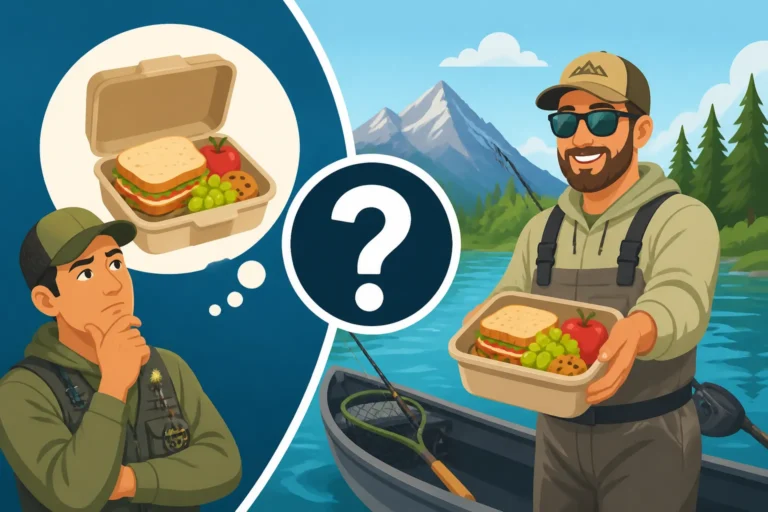
The fishing itself can vary greatly depending on the water, species, and conditions. If you're on the Snake River, expect to be moving frequently, stopping to cast into promising stretches of current or around rocky structure. For C.J. Strike or Lake Lowell, you might spend more time thoroughly dissecting coves, weed lines, or structure, using a variety of presentations. Guides are experts at adapting; if one technique isn't producing, they'll quickly switch to another. They'll also be actively involved, pointing out targets, instructing on casting and retrieve techniques, and helping net your fish. Lunch is often provided on full-day trips, usually a packed sandwich or similar, enjoyed on the boat or a scenic shoreline. The trip concludes in the late afternoon, leaving you with a cooler full of memories and perhaps some fish for the pan, depending on the regulations and your preferences.
Provided Gear and What You Should Bring
One of the great advantages of a guided trip is that the guide provides most, if not all, of the essential fishing gear. This typically includes high-quality rods and reels specifically rigged for bass fishing, a wide assortment of proven lures, and sometimes even bait. Don't worry about bringing your entire tackle box; trust that your guide has what works best. For example, if you're on the Snake, they'll have the right setup for How to Fish for Smallmouth Bass in Idaho Rivers, and for C.J. Strike, they'll have specialized gear for Idaho Smallmouth Bass Fishing and Idaho Largemouth Bass Fishing.
However, there are a few personal items you should always bring:
- Idaho Fishing License: This is non-negotiable. Ensure you have the appropriate Idaho Fishing License Guide for residents or non-residents, and any necessary endorsements. Your guide cannot provide this for you.
- Appropriate Clothing: Dress in layers, as Idaho weather can change quickly. Even on warm days, mornings can be chilly. Consider rain gear, even if the forecast looks clear.
- Sun Protection: Sunglasses, a wide-brimmed hat, and sunscreen are crucial for long days on the water.
- Snacks and Drinks: While some guides provide lunch, it's always a good idea to bring extra snacks and your preferred beverages.
- Camera: You'll want to capture those trophy bass and scenic Idaho backdrops!
- Cooler: If you plan on keeping fish (check regulations and discuss with your guide), bring a cooler to transport your catch home.
- Gratuity: While not mandatory, it's customary to tip your guide if you had a good experience. Think of it like tipping in a restaurant.
Your guide will usually confirm these details when you book, but it's always a good idea to ask if you're unsure about anything. You can also refer to resources like What to Bring on a Guided Idaho Fishing Trip for a more general packing list.
Choosing the Right Bass Fishing Guide in Idaho
Picking the perfect guide can make all the difference between a good trip and a truly unforgettable one. It's about finding someone whose expertise, personality, and operational style align with your expectations for the day.
Researching and Vetting Guides
The first step is always research. Start by identifying the specific Idaho waters you want to fish and the bass species you're most interested in. For instance, if you're set on big Smallmouth in the river, look for guides specializing in the Snake River. If Largemouth is your game, seek out experts on Lake Lowell or C.J. Strike. Online platforms like FishingBooker are fantastic resources, as they allow you to browse multiple guides, see their specialties, read reviews from past clients, and compare offerings side-by-side.
Don't just look at star ratings; read the comments. Do people praise the guide's patience with beginners, their knowledge of bass patterns, or their well-maintained boat? Pay attention to how long they've been guiding for bass specifically in Idaho. A guide with a deep history on a particular lake or river will have insights that newcomers simply won't. You should also check if they are licensed and insured, as this is a critical aspect of Idaho Fishing Guide Licensing Requirements and ensures your safety and peace of mind.
Key Questions to Ask Before Booking
Once you've narrowed down a few potential guides, reach out and ask some specific questions. This isn't just about getting information; it's also about gauging their communication style and personality. Here are some essential questions:
- "What's your typical approach to bass fishing on [specific water body]?" This will give you an idea of their preferred techniques and whether they align with your fishing style (e.g., fly fishing, spin casting, specific lure types).
- "What kind of bass do you primarily target, and what's the typical size range we can expect?" Managing expectations is key. While guides strive for big fish, they should be realistic about what's typical.
- "What's included in the price, and what do I need to bring?" Confirm details about tackle, bait, lunch, drinks, and obviously, your fishing license. Some guides even include fish cleaning, which can be a nice bonus. Refer to Idaho Fishing Guide Cost Guide to understand what typical prices might look like.
- "What's your cancellation policy, especially regarding weather?" Weather in Idaho can be unpredictable. Understand what happens if conditions are unsafe or unfishable.
- "Are you licensed and insured?" A reputable guide will readily confirm this.
- "Do you have experience guiding beginners or families with kids?" If you're new to fishing or bringing children, a patient and experienced guide with a family-friendly approach is crucial. For this, Idaho Fishing Charters for Families with Kids is a useful guide.
A good guide will be happy to answer all your questions thoroughly and patiently. This pre-booking conversation is your chance to ensure a good fit. Don't be shy about asking everything that's on your mind—it's your trip, and you want it to be perfect. Remember, a platform like FishingBooker often makes these details clear on the guide's profile, streamlining your pre-booking process.
Making the Most of Your Idaho Bass Fishing Adventure
Booking a guided trip is a fantastic first step, but a little preparation and the right mindset can elevate your bass fishing adventure from good to truly great. You're not just buying a day on the water; you're investing in an experience and the potential to learn a ton.
Communication with Your Guide
Effective communication with your guide starts even before the trip and continues throughout the day. When you first connect, be honest about your fishing experience level. Are you a seasoned angler looking for a challenge, or a complete beginner hoping to catch your first bass? Do you prefer spin fishing or maybe want to try fly fishing for smallmouth? Do you want to learn specific techniques, or are you just focused on catching as many fish as possible? Being upfront helps your guide tailor the day to your preferences and capabilities.
During the trip, don't hesitate to ask questions. "Why did you choose this spot?" "What am I doing wrong with my retrieve?" "What kind of structure are we fishing over?" A good guide loves to teach and share their knowledge. Similarly, communicate your needs. If you're feeling too hot or cold, need a break, or want to try a different lure, speak up. Open communication fosters a better experience for everyone and ensures your guide can adjust to make your trip as enjoyable and productive as possible. Remember, they are there to help you have a great time and catch fish.
Being Open to Learning and New Techniques
One of the greatest benefits of a guided trip is the opportunity to learn. You might have your go-to bass fishing techniques, but Idaho's waters or the day's conditions might call for something different. Your guide will likely introduce you to local nuances or specific presentations that are currently working. For instance, on the Snake River, you might learn specialized drifts for Idaho Smallmouth Bass Fishing that are unique to that strong current.
Approach the day with an open mind and a willingness to try new things. If your guide suggests a lure you've never used or a retrieve style that feels awkward at first, give it a sincere try. This is your chance to expand your angling repertoire. Pay attention to how the guide reads the water, where they position the boat, and the subtle cues they pick up from the fishfinder or the environment. These are invaluable lessons that you can take with you on future fishing trips, helping you become a more versatile and successful bass angler wherever you cast your line.
Appreciating the Overall Experience
While catching fish is undeniably a huge part of any fishing trip, try to appreciate the broader experience that a guided bass fishing trip in Idaho offers. Take in the stunning scenery of the Snake River canyon, the peaceful quiet of a morning on Lake Lowell, or the diverse wildlife around C.J. Strike Reservoir. The thrill of the fight, the satisfaction of a well-executed cast, and the camaraderie with your guide are all elements that contribute to a truly memorable day.
Sometimes, despite all the guide's efforts, the fish just aren't biting aggressively. That's fishing! A good guide will work tirelessly to put you on fish, but even they can't control every variable. Focus on the learning, the beauty of Idaho, and the joy of being on the water. A guided trip is an opportunity to connect with nature, learn from an expert, and create lasting memories, regardless of the final fish count. When you look back, it’s often the stories, the laughter, and the shared moments that stand out more than just the numbers.
Disclaimer
This article is for general informational purposes only and does not constitute professional advice. Laws, prices and regulations vary by location and change over time. Consult a qualified professional for guidance on your specific situation.