Idaho Brown Trout Fishing
Many anglers coming to Idaho often have their sights set on the famous steelhead, the aggressive salmon, or the abundant rainbow trout, and sometimes, the elusive brown trout gets overlooked. But let me tell you, dismissing the brown trout is a mistake! These beautiful, cunning fish offer some of the most challenging and rewarding angling experiences in the Gem State. This comprehensive guide is here to introduce you to the fantastic world of brown trout fishing in Idaho, helping you understand their unique habits, discover their prime habitats, and master the techniques needed to successfully target them.
Understanding Idaho's Brown Trout
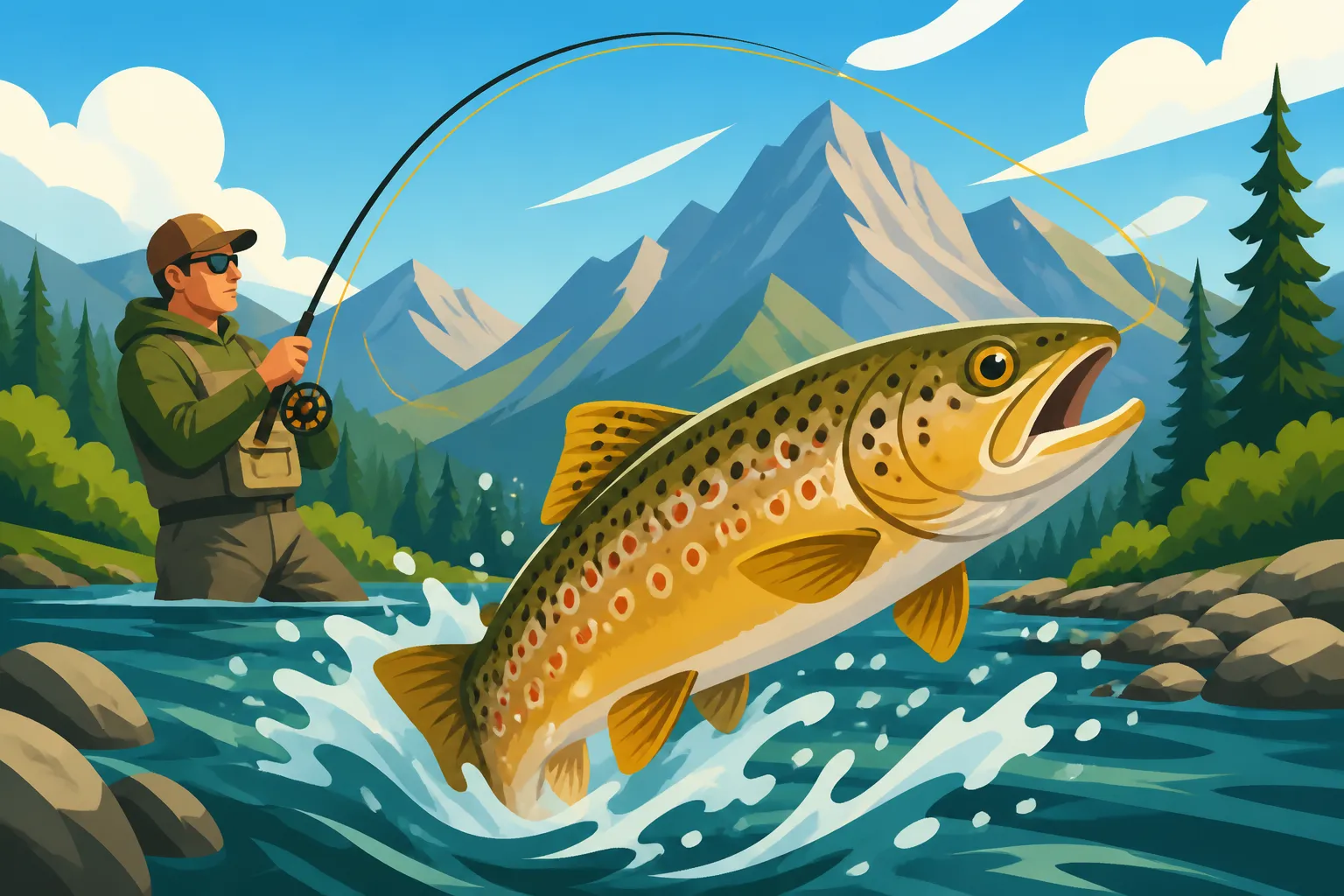
Brown trout, with their distinctive golden-brown flanks, often adorned with dark spots ringed in lighter halos, are truly handsome fish. They are also known for their incredible fight and their wary nature, which makes them a prize catch for many an angler. They're a bit different from their rainbow cousins, requiring a slightly different approach, but the reward is absolutely worth the effort.
Brown Trout Characteristics and Habits
Brown trout are formidable predators. They're opportunistic feeders, meaning they'll pretty much eat anything they can get their jaws around, from aquatic insects and minnows to crayfish and even small rodents or amphibians if the opportunity arises. This diverse diet is a big part of their success in various habitats. What makes them particularly interesting is their somewhat nocturnal nature, especially the larger fish. While you can certainly catch them during the day, the biggest browns often become more active and less cautious during low light conditions, such as dawn, dusk, or even well into the night. This behavior means that the patient angler who is willing to brave the cooler hours can often be rewarded with a truly memorable catch. Their territorial instincts also play a role; they'll often hold in prime lies, defending them from other fish. Knowing this can help you pinpoint where to cast your line.
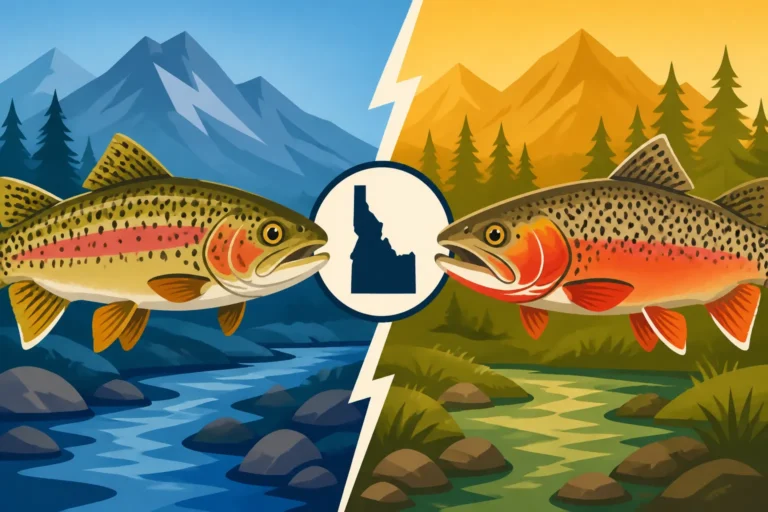
They also have a reputation for being quite particular, especially in heavily fished waters. They often favor deeper, cooler water, especially during the warmer months, and will seek out cover like undercut banks, submerged logs, large rocks, or dense vegetation. Think about where a predator would hide to ambush its prey – that's often where you'll find a brown trout. Their senses are sharp, and they are quick to spook, so a stealthy approach is crucial. When you're trying to figure out How to Tell a Brown Trout from a Rainbow Trout, pay attention not just to their color, but their more robust, slightly compressed body shape and often larger mouth.
Native vs. Introduced Status in Idaho
It's interesting to note that brown trout are not native to Idaho. They are originally from Europe and Western Asia, and were introduced to North American waters, including Idaho, in the late 19th and early 20th centuries. Despite being an introduced species, they have successfully established self-sustaining populations in many of Idaho's rivers and lakes, thriving alongside native cutthroat and introduced rainbow trout. Their adaptability has allowed them to carve out a niche, often in waters that might be too warm or less pristine for some native trout species.
Because they are not native, there aren't the same strict conservation guidelines around brown trout as there are for, say, native cutthroat or bull trout. This often means more liberal harvest regulations in some areas, though responsible angling and voluntary catch and release are still widely encouraged, especially for larger, older fish that contribute significantly to the gene pool. Understanding this historical context helps us appreciate their presence in our waters and how they interact with Idaho's diverse Idaho Fish Species Guide.
Where to Find Brown Trout in Idaho
While brown trout are widespread, they certainly aren't in every water body in Idaho. They tend to favor cold to cool, clear waters, often with a good mix of riffles, runs, and deep pools in rivers, or structural complexity like drop-offs, submerged timber, and rocky points in lakes. You'll find them scattered throughout the state, but certain regions and water systems are definitely more renowned for their brown trout fisheries.
Generally, brown trout prefer waters that offer plenty of cover and food sources. This means rivers with undercut banks, fallen trees, and large boulders that create holding lies. In lakes, look for rocky shorelines, deep points, and areas with submerged structure. Don't be afraid to explore smaller tributaries or the lower reaches of rivers, as these can sometimes hold surprisingly large browns. If you're wondering Where to Find Brown Trout in Idaho, you're in the right place, as we'll dive into specific locations next.
Best Idaho Waters for Brown Trout
Idaho truly is a fishing paradise, and while some waters are celebrated for specific species, many hold a delightful surprise of brown trout for those who know where to look. Their preference for certain types of habitat means you'll often find them in different spots than you might expect for, say, a rainbow or cutthroat.
River Systems Known for Brown Trout
When it comes to rivers, brown trout are definitely at home in many of Idaho's renowned waterways. The South Fork of the Snake River, for example, is famous for its large populations of cutthroat, but it also boasts a healthy population of impressive brown trout, especially in its lower sections and tributaries. Anglers often find success targeting them along the deeper banks and around the many snags and logjams that provide excellent cover. The Big Wood River in central Idaho is another gem, known for its challenging yet rewarding brown trout fishery, particularly for fly anglers. Here, the browns are notoriously selective, demanding precise presentations and keen observation.
Other rivers, like sections of the Teton River or even the Boise River through town, also hold respectable numbers of brown trout. The key in rivers is always structure: look for deep seams where current meets slower water, behind large boulders, or under those tantalizing undercut banks. These are prime ambush points where brown trout lie in wait for unsuspecting prey. Knowing Reading Water on Idaho's Rivers is crucial for finding these fish.
Lakes and Reservoirs with Brown Trout Populations
Don't overlook still waters when it comes to brown trout! Many of Idaho's lakes and reservoirs also host thriving brown trout populations, sometimes growing to trophy sizes due to abundant forage. Magic Reservoir, for instance, in the Magic Valley, is well-known for producing large brown trout, especially during the spring and fall. These lake-dwelling browns often feed heavily on kokanee and other baitfish, growing fat and powerful. Other reservoirs like Anderson Ranch Reservoir and Deadwood Reservoir also have good numbers of browns, though they might require a bit more searching.
In these larger bodies of water, brown trout often hang out near structure like submerged points, rocky ledges, and deep drop-offs. If there are areas with incoming creeks or springs, these can also be hotspots, as they often provide cooler water and a consistent food supply. Trolling with baitfish imitations or casting large streamers can be incredibly effective in these lake environments, especially for those bigger, predatory fish.
Seasonal Considerations for Brown Trout Location
Brown trout, like all fish, are highly influenced by water temperature and food availability. In spring, as water temperatures begin to rise and insect hatches become more prolific, brown trout move into shallower areas to feed. This is a fantastic time for both fly fishing with nymphs and streamers, and spin fishing with small lures. As summer progresses and water temperatures climb, browns often retreat to deeper, cooler waters, or seek refuge in shaded areas and under dense cover. This is when fishing during the cooler parts of the day – dawn, dusk, and night – can be most productive.
Fall is arguably the most exciting time for brown trout fishing in Idaho. As the water cools and the browns prepare for their spawning ritual, they become much more aggressive and territorial. This pre-spawn feeding frenzy offers incredible opportunities to catch large, vibrant fish. Fall Fishing in Idaho for browns can be spectacular, with fish moving into shallower spawning areas and actively chasing large streamers or plugs. In winter, browns are still catchable, especially in open waters, often holding in deeper pools or near current breaks. Ice fishing can also produce browns on lakes where populations are strong, though it's less commonly targeted than other species.
Essential Gear and Techniques for Idaho Brown Trout
Successfully landing an Idaho brown trout often comes down to matching your gear and technique to their wary nature and the specific conditions. These fish aren't always easy, but with the right approach, you can significantly increase your odds.
Fly Fishing for Brown Trout
Fly fishing for brown trout is a classic pursuit, and it can be incredibly effective. For smaller streams and average-sized fish, a 4 or 5-weight rod with a floating line is usually sufficient. However, if you're targeting larger browns in bigger rivers or lakes, especially with streamers, a 6 or 7-weight rod might be a better choice to handle heavier flies and stronger fish. You'll want a good selection of flies, often leaning towards imitation insects or baitfish patterns.
For dry fly fishing, especially during hatches, standard mayfly, caddis, or stonefly patterns can work. However, brown trout are often found deeper, so nymphing setups with imitations of stonefly nymphs, caddis larvae, and scuds are frequently more productive. When the water gets colder, or you're chasing those predatory browns, streamers are king. Patterns like Woolly Buggers, Sculpzillas, or articulated baitfish patterns can entice aggressive strikes. Many fly anglers find a wide array of options for their fly boxes on Amazon, ensuring they're ready for any hatch or feeding behavior. Understanding the specific insect life in the river you're fishing is key to choosing the right fly.
Spin Fishing and Lure Selection
Spin fishing is an excellent and often highly effective method for brown trout, particularly for beginners or when conditions aren't ideal for fly fishing. A medium-light spinning rod, around 6 to 7 feet in length, paired with a matching reel spooled with 6-8 pound test line (fluorocarbon or monofilament) is a versatile setup. When it comes to lures, brown trout are suckers for anything that mimics their natural prey.
- Spinners: Classic in-line spinners like Mepps, Panther Martins, or Blue Fox Vibrax in sizes #2 to #4 are consistently effective. Colors like gold, silver, copper, or those with bright accents (orange, chartreuse) often draw strikes.
- Spoons: Small casting spoons that flutter and flash can imitate injured baitfish. Kastmasters, Little Cleos, or Dardevles are good choices, especially in lakes or larger river pools.
- Plugs and Jerkbaits: For larger brown trout, especially during low light or in the fall, small crankbaits, jerkbaits, or minnow-imitating plugs (like Rapalas or other similar brands) can be deadly. These can be cast and retrieved, or trolled in lakes. Look for natural baitfish colors or bright, attention-grabbing patterns.
- Soft Plastics: Small soft plastic swimbaits, grubs, or worm imitations fished on a jig head can also be incredibly effective, especially when browns are finicky.
When choosing from the vast selection of Best Lures for Idaho Trout Fishing, consider the water clarity and available forage. A good tip is to have a variety of colors and sizes on hand, which you can easily find on Amazon, to adapt to changing conditions throughout your day.
Bait Fishing Strategies
While some anglers prefer the challenge of artificials, bait fishing remains a highly productive method for catching brown trout, particularly for those looking for a more relaxed approach or fishing with kids. The key to successful bait fishing for browns is often presentation and fresh bait.
- Worms: Nightcrawlers or garden worms are a universal bait. They can be fished on the bottom with a simple weight and hook, or suspended under a bobber. Wacky rigging a worm can give it a more natural look.
- PowerBait/PowerEggs: While often associated with stocked rainbow trout, brown trout will also readily take PowerBait, especially brightly colored dough baits or PowerEggs. Fishing these off the bottom on a small treble hook, allowing them to float just off the substrate, is a proven tactic.
- Salmon Eggs: Real or artificial salmon eggs can be very effective, particularly in rivers where salmonids are spawning. A single egg or a small cluster drifted naturally downstream can entice strikes.
- Minnows: Live or dead minnows, where legal, are exceptional bait for large, predatory brown trout. They mimic their natural prey perfectly. Fishing them on a simple hook and small weight, allowing them to drift or sit in a likely holding spot, can be deadly.
Always check the Idaho Fishing Regulations Explained for bait restrictions in specific waters. Some rivers or sections might have "artificials only" or "single barbless hook" rules that would preclude bait fishing.
Seasonal Tactics for Idaho Brown Trout
Understanding the seasonal movements and feeding patterns of brown trout is paramount to consistent success. These fish are creatures of habit, but those habits shift significantly with the changing seasons and water conditions.
Spring Fishing for Brown Trout
Ah, spring! The season of renewal, and a fantastic time to chase brown trout. As snowmelt begins to recede and water temperatures start to climb into the mid-40s and 50s Fahrenheit, brown trout become increasingly active. They've often spent the winter in a more lethargic state, so this warming trend kickstarts their metabolism and feeding drive.
In rivers, look for them moving out of their deep wintering holes into shallower runs and riffles, where insect activity is starting to pick up. Large stonefly nymphs, caddis larvae, and even early season mayfly emergers are on their menu. For spin anglers, small spinners in natural colors or minnow imitations retrieved slowly can be very effective. This is also a great time to explore those often-overlooked feeder creeks and tributaries, as browns will sometimes migrate into these smaller waters to capitalize on early season food sources. Remember, water can still be cold and high from runoff, so adjust your presentation to ensure your lure or fly gets down to where the fish are holding.
Summer Challenges and Solutions
Summer in Idaho brings longer days and, often, warmer water temperatures. This can make brown trout fishing a bit more challenging, as these cold-water fish will seek refuge. They'll retreat to thermal refuges – deep pools, shaded areas, sections with cold spring inflows, or the bottom of deeper lakes. The challenge lies in finding them and then enticing them to bite when they're less active.
One of the best strategies for summer brown trout is to fish during the low-light hours: early mornings, late evenings, or even night fishing. The biggest browns often come out to feed under the cover of darkness. When night fishing, large, dark-colored streamers or surface poppers can draw explosive strikes. During the day, focus on the deepest, coolest holes you can find, and fish slowly and methodically. Terrestrial patterns like grasshoppers, ants, and beetles can be effective on the surface during the day if the fish are willing to rise, but often, weighted nymphs or small jig-tipped plastics are better choices for getting down to where the fish are holding.
Fall: The Prime Brown Trout Season
If there's one season to really dial in your brown trout efforts, it's fall. As water temperatures begin to drop back into their preferred range (mid-40s to low 50s), and the days shorten, brown trout enter their pre-spawn feeding frenzy. They become incredibly aggressive, bulking up for the rigors of spawning, and this translates into fantastic angling opportunities. The vibrant fall colors of Idaho only add to the beauty of this experience.
Look for browns to move into shallower, gravelly areas in rivers, especially near spawning grounds. They'll be actively defending territories and aggressively chasing down larger meals. This is prime time for throwing big streamers and articulated flies for fly anglers, or substantial minnow-imitating plugs and spoons for spin fishers. Focus on areas with good current that lead into spawning beds, or deeper pools adjacent to these areas. The takes can be violent, and the fish are often in their most stunning spawning colors. This is the season where you have the best chance at a truly trophy-sized brown trout. Our guide on Fall Fishing in Idaho delves deeper into these specific strategies.
Winter Ice Fishing for Browns
While less common than targeting perch or rainbow trout, ice fishing for brown trout is absolutely possible in Idaho on lakes and reservoirs where they exist. Once the ice is safely thick, brown trout can be caught, though they often require a bit more patience. They tend to hold in deeper water during the coldest months, often suspending near structure or along drop-offs.
Small jigging spoons, ice jigs tipped with a piece of worm, or even small minnow imitations are effective. Pay attention to your electronics (fish finder) to locate schools of baitfish, as brown trout won't be far behind. Fishing early morning or late afternoon can often yield the best results. It's a serene experience, and landing a chunky brown trout through the ice is a unique reward. Always prioritize safety on the ice, checking thickness regularly and being aware of changing conditions.
| Season | Typical Location | Preferred Tactics (River) | Preferred Tactics (Lake/Reservoir) | Key Food Sources |
|---|---|---|---|---|
| Spring | Shallower runs, riffles, eddies; near feeder creeks | Nymphing (stoneflies, caddis), small spinners, minnow plugs | Trolling small crankbaits; casting small spoons near inlets | Aquatic insects (nymphs, larvae), small baitfish |
| Summer | Deep pools, shaded areas, cold spring inflows; deeper lake thermoclines | Night fishing (large streamers, poppers); deep nymphing, terrestrial dry flies | Deep trolling (large plugs, spoons); vertical jigging; night fishing (large stickbaits) | Terrestrials (hoppers, ants), crayfish, baitfish, aquatic insects |
| Fall | Spawning areas, gravel runs, adjacent deep pools; along lake points | Large streamers, articulated flies, big plugs; egg patterns | Trolling large baitfish imitations; casting spoons/jerkbaits near points | Baitfish (kokanee, sculpins), aquatic insects, eggs |
| Winter | Deep pools, slow runs; deep lake structure, drop-offs | Deep nymphing, slow retrieving small streamers | Ice fishing (jigging spoons, small minnow-imitating jigs) | Small baitfish, nymphs, sculpins |
Conservation and Responsible Angling for Brown Trout
Idaho's diverse fisheries are a precious resource, and responsible angling is vital to ensure that future generations can enjoy the same opportunities we have today. This includes understanding and respecting the regulations, as well as practicing ethical catch-and-release techniques.
Idaho Regulations Specific to Brown Trout
While brown trout are not native to Idaho, they are still a managed species, and as such, there are specific regulations that apply to them. These regulations can vary significantly from one body of water to another, often focusing on size limits (minimum or maximum lengths), bag limits (how many fish you can keep), and sometimes even gear restrictions (like single barbless hooks only). It is absolutely crucial to always consult the current Idaho Fishing Regulations Explained brochure or website before you head out. These rules are put in place by the Idaho Department of Fish and Game to manage fish populations, protect spawning fish, and ensure sustainable fishing opportunities.
For example, a river might have a general statewide rule for brown trout, while a specific section or lake could have "special regulations" that drastically alter the size or bag limits. Ignorance of the rules is not an excuse, and game wardens are out there making sure everyone is following the law. It's not just about avoiding a ticket; it's about doing your part to keep Idaho's fisheries healthy. Pay close attention to sections on Idaho Catch Limits and Bag Limits Explained and any special rules for the specific body of water you intend to fish.
Catch and Release Best Practices
Many brown trout anglers, myself included, choose to release a large percentage of their catch, especially the bigger, older fish that are so important for maintaining a healthy population. If you intend to practice catch and release, doing so responsibly is key to the fish's survival.
Here are some best practices:
- Minimize Fight Time: Use appropriate tackle that can land the fish quickly without exhausting it unnecessarily.
- Keep the Fish in Water: Try to keep the fish submerged as much as possible. Removing a fish from water, especially larger ones, can cause significant stress, damage their protective slime coat, and make it difficult for them to breathe.
- Wet Hands: Always wet your hands before touching the fish. Dry hands can remove the fish's protective slime, making it vulnerable to disease.
- Use Barbless Hooks: Barbless hooks greatly reduce damage to the fish and make removal much easier and quicker. If you don't have barbless hooks, crimp down the barbs on your existing hooks with pliers. Many times, you can simply shake the fish off the hook without ever touching it.
- Use Forceps or Pliers: Have a pair of forceps or needle-nose pliers handy for quick hook removal, especially if the hook is deep.
- Avoid Squeezing: Never squeeze the fish, especially around its belly or gills. Support its weight gently, often by holding the tail and supporting its belly.
- Revive the Fish: If the fish seems sluggish after release, gently hold it upright in the current (in a river) or move it back and forth to force water over its gills (in still water) until it can swim away under its own power. Don't let it go until it's strong enough to swim away on its own.
Protecting Idaho's Brown Trout Habitats
Healthy fish populations rely entirely on healthy habitats. As anglers, we have a responsibility to be stewards of these environments. This means more than just following the rules; it means actively contributing to conservation.
- Pack it In, Pack it Out: Always leave no trace. This means packing out all your trash, including fishing line, bait containers, and any other litter. Even biodegradable items should be packed out as they take a long time to decompose and can attract wildlife.
- Prevent Invasive Species: Be diligent about cleaning your gear – boats, waders, boots, and tackle – between fishing trips to different bodies of water. This prevents the spread of invasive aquatic species and diseases that can devastate fish populations and their habitats.
- Respect Private Property: Always know if you're on public or private land. Respect landowners' rights and ensure you have permission if you're fishing on private property.
- Report Violations: If you witness poaching, pollution, or other activities that harm Idaho's fisheries, report them to the Idaho Department of Fish and Game.
- Support Conservation Efforts: Consider joining or supporting local conservation groups that work to protect and restore Idaho's waterways.
By taking these steps, we can all help ensure that the elusive and exciting brown trout continues to thrive in Idaho's beautiful waters for years to come.
Disclaimer
This article is for general informational purposes only and does not constitute professional advice. Laws, prices and regulations vary by location and change over time. Consult a qualified professional for guidance on your specific situation.