Best Fishing Technique Right After Idaho’s Ice-Out
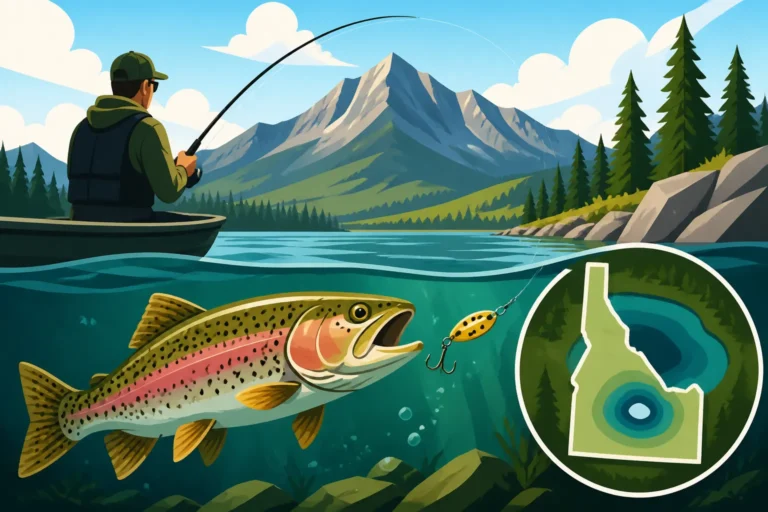
That moment when the ice finally pulls away from the shore, revealing open water that's been hidden all winter, is truly magical for us Idaho anglers. But if you’ve ever rushed out there with your usual summer gear, only to be met with frustratingly few bites, you know the struggle is real. Those fish aren't quite ready for their summer party yet! This guide is all about mastering the best fishing technique right after Idaho's ice-out so you can find success when those early spring waters open up.
Understanding the Frigid Post-Ice-Out Environment
The transition from a frozen lake or reservoir to open water is a dramatic one, and it changes everything for the fish beneath the surface. It's not just about the visible ice disappearing; it's about the entire ecosystem resetting. Trying to fish the same way you would in July simply won't cut it, and that can be a real head-scratcher if you're not prepared.
The Chill of Post-Thaw Waters and Fish Metabolism
Imagine stepping out of a warm house into a brisk, 35-degree morning. You're probably not going to be sprinting, right? Fish are much the same in these newly thawed waters. After a long winter under the ice, the water temperature, especially in the shallower zones, is still incredibly cold—often hovering just above freezing. This frigid environment significantly slows down a fish's metabolism. They're sluggish, their digestive systems are slow, and they're not expending a lot of energy. This means they aren't going to chase down a fast-moving lure like they would in warmer months.
Their hunger levels are also different. While they need to eat to survive and recover from winter, they're not in a frenzy. Instead, they're looking for easy meals that require minimal effort. Understanding this metabolic slowdown is the absolute foundation for successful ice-out fishing. It dictates everything from where they hold to what they'll bite.
Reading the Water: Turbidity and Clarity Challenges
Another major factor right after ice-out, especially in areas with significant snowmelt, is water clarity. All that melting snow and ice can bring a flush of sediment, organic material, and runoff into our lakes and rivers, turning what might typically be clear water into a murky soup. This increased turbidity can make it harder for fish to see your lure, and it can also affect their comfort levels and where they choose to position themselves.
Conversely, some waters, particularly higher elevation lakes or those fed by stable springs, might actually clear up quickly once the ice is gone. In these exceptionally clear conditions, fish can become incredibly spooky, making stealth and subtle presentations even more critical. Learning to observe the water's color and clarity is key. Are you seeing only a foot or two down, or can you spot the bottom in several feet of water? This observation will inform your lure choice and presentation speed. Check out our comprehensive guide on Idaho Fishing Techniques Guide for more insights on adapting to various water conditions.
The Undisputed King: Slow and Low Presentations
When the water is cold and fish are lethargic, your number one tactic for success after ice-out needs to be "slow and low." This isn't just a suggestion; it's practically a commandment. You're trying to appeal to a fish that’s conserving energy, not one looking for a workout.
Why Patience Becomes Your Ultimate Weapon
Think about it: a fish that's barely moving isn't going to expend precious energy chasing something zipping by. They want a meal that's practically handed to them. This means your retrieve needs to be agonizingly slow—slower than you probably think is necessary. We're talking about pausing, subtle twitches, and letting your lure sit for extended periods on the bottom or in the strike zone. Sometimes, the fish only decides to bite during these pauses, when your lure appears utterly vulnerable and effortless to consume.
This requires a mental shift for many anglers. It's easy to get impatient, to feel like nothing's happening, and to speed up your retrieve. But resist that urge! The fish are telling you what they want with their subdued behavior. Embrace the quiet moments, focus on feeling even the most delicate tap, and remember that sometimes the most effective presentation is the one that barely moves at all.
Ideal Lures and Baits for Post-Ice-Out Success
With fish metabolism in slow motion, what you offer them is just as important as how you offer it. You need presentations that mimic easy prey and are visible without being overly aggressive.
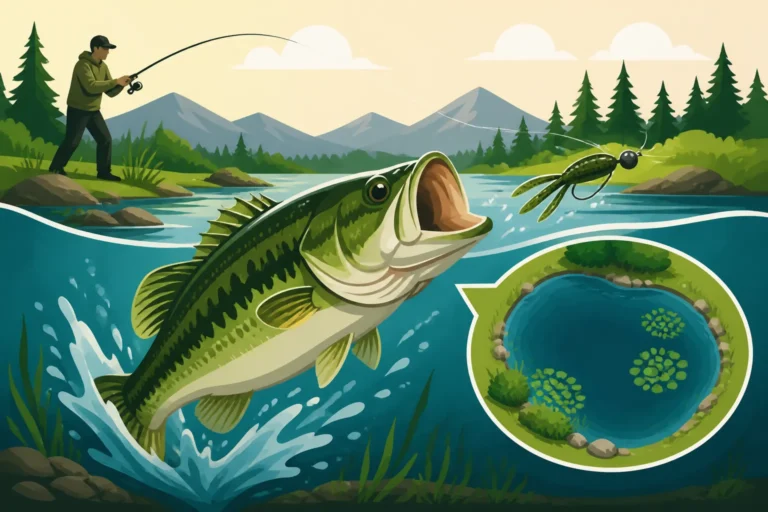
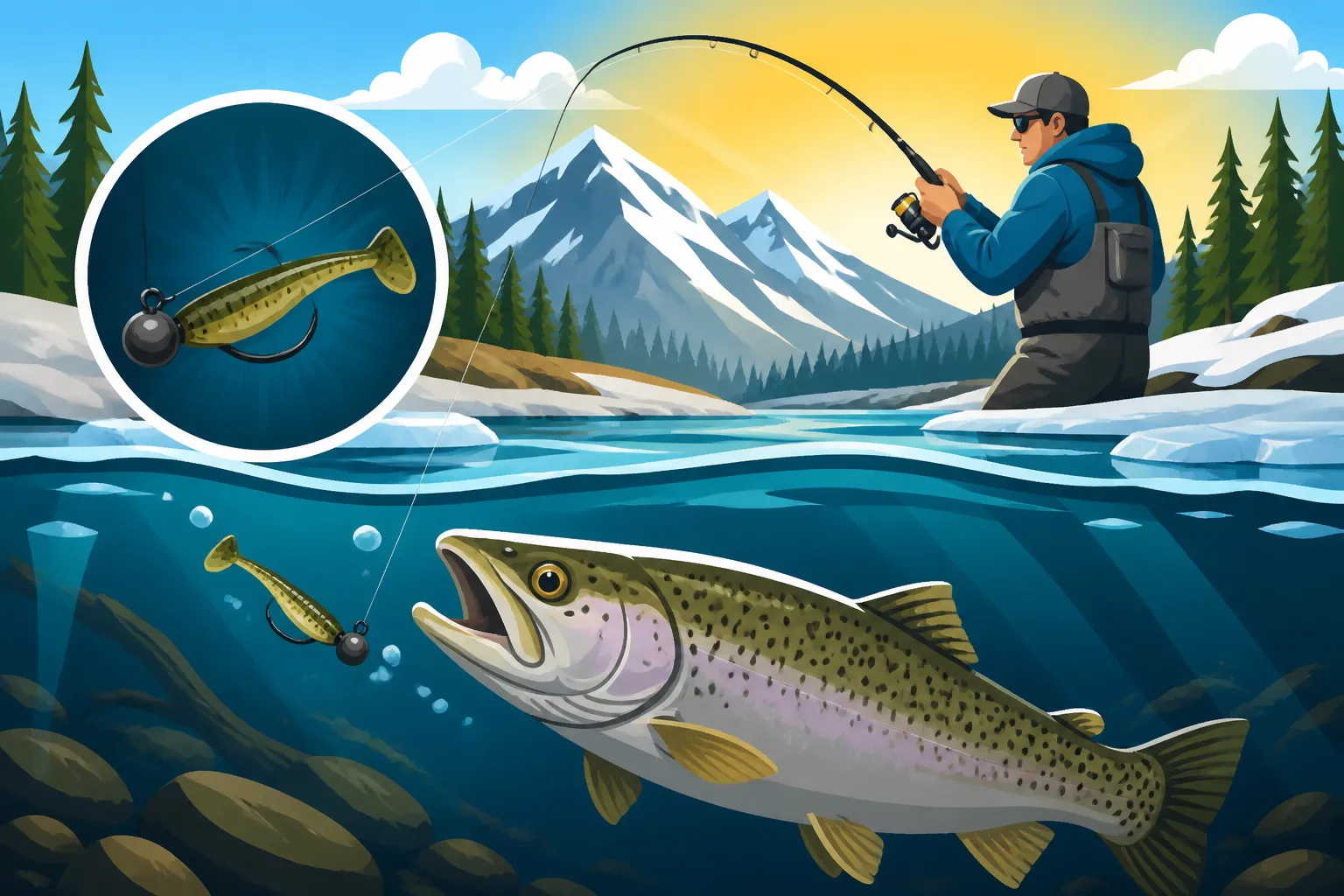
- Jigs: Small jigs, especially those tipped with a piece of worm, PowerBait, or a minnow, are fantastic. The key is their controlled descent and the ability to work them vertically or with very short hops. Colors like white, chartreuse, black, or natural baitfish patterns are often productive. You can find a fantastic selection of these on Amazon, from brands like Berkley PowerBait or Mister Twister, which are perfect for a slow, vertical presentation.
- Soft Plastics: Tiny tubes, grubs, or small creature baits on a lightweight jig head are incredibly versatile. The subtle action of soft plastics with minimal movement is exactly what a cold-water fish is looking for. Experiment with scents; fish are often relying more on smell in cold, murky water.
- Minnow Imitations: These can be small jerkbaits or suspending stickbaits. The trick here is to retrieve them with long pauses, letting them suspend in the water column right in front of a fish's face. The suspending feature allows you to keep the lure in the strike zone for much longer than a floating or sinking bait.
- Live Bait: A small worm, maggot, or piece of a nightcrawler on a small hook with a split shot can be deadly. There's nothing more natural and easy to consume than live bait, and its subtle movements can entice even the most reluctant fish.
- Spoons: Thin, fluttery spoons like a Kastmaster or a Pixie Spoon can be effective when jigged vertically or retrieved with a slow, erratic action. The flash can attract attention in low-light or murky conditions.
For more detailed bait and lure recommendations, especially for trout, check out our guide on Best Lures for Idaho Trout Fishing.
Targeting the Right Depths Where Fish Hunker Down
Right after ice-out, fish aren't usually scattered everywhere. They'll gravitate to specific areas where conditions are slightly more favorable or where food might be concentrated.
- Shallow Spawning Areas: Many fish, especially trout and perch, will begin to think about spawning as water temperatures slowly creep up. Look for shallower flats, rocky points, or gravel beds adjacent to deeper water. These areas warm up slightly faster than the main body of the lake.
- Inflow and Outflow Zones: Areas where streams or rivers flow into (or out of) a lake or reservoir can be hotspots. These inflows can bring in slightly warmer water, new food sources, and increased oxygen. Fish will often stage here.
- Structured Drop-offs: Fish will often hold along steep drop-offs, submerged humps, or old creek channels. These provide quick access to both shallow feeding grounds and deeper, more stable water if conditions change. They can move up to feed and quickly retreat if needed.
- Deep Water Edges: For species like lake trout or larger kokanee, they might still be holding in deeper water, but they'll often position themselves along the edges of structure, just waiting for an easy meal to drift by.
Your fish finder, if you have one, will be an invaluable tool for locating these depth transitions and identifying schools of fish holding tight to the bottom. Don't be afraid to experiment with depths until you find where the fish are concentrating.
Species-Specific Ice-Out Strategies for Idaho Anglers
While the "slow and low" principle applies broadly, refining your technique for specific Idaho species will significantly boost your success. It’s about knowing what each fish wants when they’re still shaking off the winter chill.
Trout Tactics: Rainbows, Cutthroats, and Brookies
Idaho is a trout paradise, and these finned beauties are often among the first to become active after ice-out. Rainbows, cutthroats, and brook trout will all be looking for an easy meal.
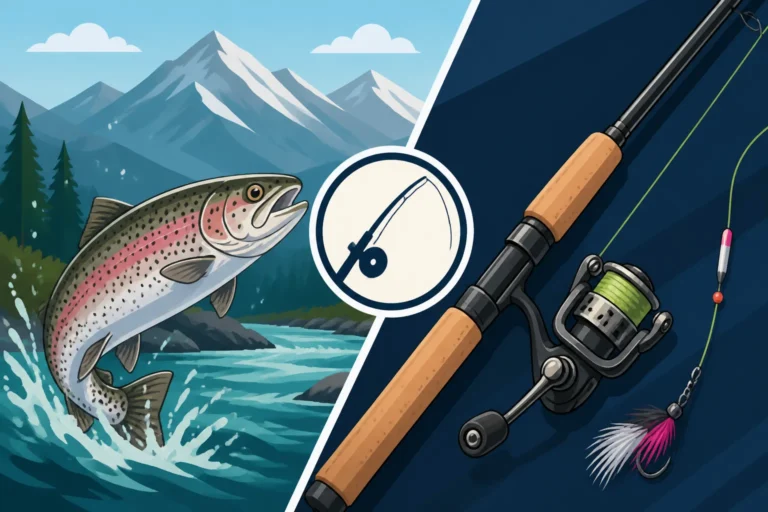
- Rainbow Trout: These adaptable fish often move into shallower bays and flats where the water might be a degree or two warmer, and where insect larvae or small minnows become active. A small jig tipped with a worm or a scented soft plastic, retrieved incredibly slowly with long pauses, is a prime tactic. Try suspending bait like PowerBait off the bottom with an egg sinker or a small bobber, especially in areas where they're actively cruising.
- Cutthroat Trout: Especially the native Westslope and Yellowstone cutthroat, they tend to be a bit more cautious. Target creek mouths and areas with submerged timber or rock structure. Small spinners (like a Panther Martin or a Mepps Aglia, often available on Amazon) retrieved just fast enough to get the blade spinning, or tiny spoon jigs, can work wonders. Stealth is key; these fish are easily spooked in clear, cold water. Our article on Westslope Cutthroat Trout in Idaho details their habitats further.
- Brook Trout: Often found in smaller, higher elevation lakes and streams, brookies are less picky but still prefer a slow presentation. Small jigs, worms, or even tiny dry flies (if a sparse hatch is occurring, which is rare right at ice-out) can be effective. They'll often hug the bottom or structure.
Remember, trout are still trying to conserve energy. Don’t expect aggressive takes; a subtle tug or simply a feeling of weight on your line could be a fish.
Perch and Panfish: The Early Eaters
If you're looking for consistent action and a tasty meal right after ice-out, perch and other panfish like bluegill and crappie are often your best bet. They tend to school up in large numbers and are usually more willing to bite than their trout or salmon counterparts.
- Yellow Perch: These guys are incredibly active right after ice-out and are often found in large schools. Look for them in bays and along the first major drop-offs, especially near weed beds that are just starting to show signs of life. Small jigs tipped with a maggot, a piece of worm, or a tiny soft plastic grub are irresistible. Jigging them slowly, with frequent pauses, is the ticket. You can sometimes catch dozens from a single school once you find them.
- Crappie and Bluegill: While sometimes a bit slower to activate than perch, crappie and bluegill will also move into shallower, sun-warmed areas. Tiny tube jigs, grubs, or even small pieces of live bait fished under a sensitive bobber are highly effective. Focus on areas with submerged brush, docks, or standing timber that hold residual heat.
These panfish are a fantastic option for families or beginners looking for early spring success. Don't overlook them!
Kokanee and Chinook Salmon: The Deepwater Game
For anglers targeting kokanee and Chinook salmon right after ice-out, the game changes a bit, often involving deeper waters and specific techniques.
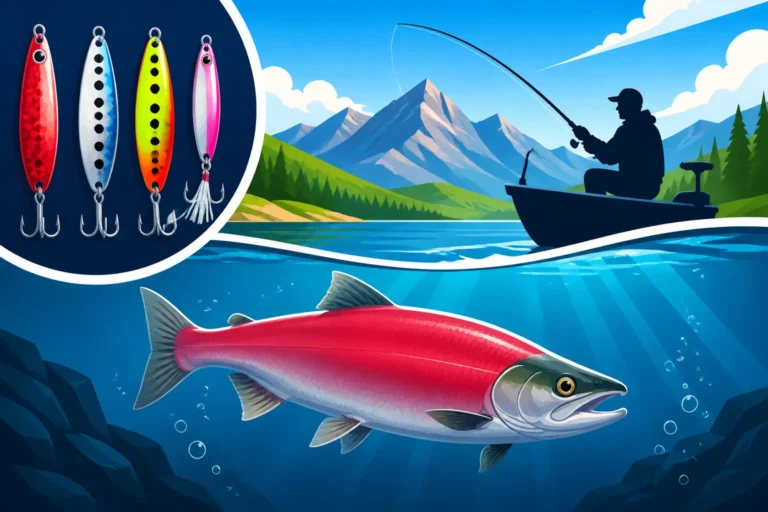
- Kokanee Salmon: These landlocked sockeye are still pretty deep right after ice-out, often suspending over the deepest parts of the lake. Trolling with downriggers or lead core line is typically the most effective method. Small dodgers or flashers paired with kokanee wedding rings, small hoochies, or mini squid, usually tipped with a kernel of shoepeg corn, are the standard. The key is to troll very slowly (often 0.8 to 1.5 mph) and target specific depths, usually in the upper 30-60 feet of the water column. Finding the right depth is crucial, which your fish finder will help with. Our article on How to Find Kokanee on a Fish Finder offers great advice.
- Chinook Salmon: In lakes like Lake Coeur d'Alene, Chinook salmon will also be deeper. They are still actively feeding, often on the abundant kokanee, but their bites will be subtle. Larger spoons, plugs, or even baitfish imitations, again pulled behind a downrigger or deep-diving planer, are the go-to. Maintain a slow troll and pay close attention to any resistance on the line. The Idaho Chinook Salmon Fishing Guide provides more detail on targeting these impressive fish.
For both kokanee and Chinook, sensitive rods are a huge asset, allowing you to detect those light, cold-water bites.
Essential Gear and Safety for Early Spring Angling
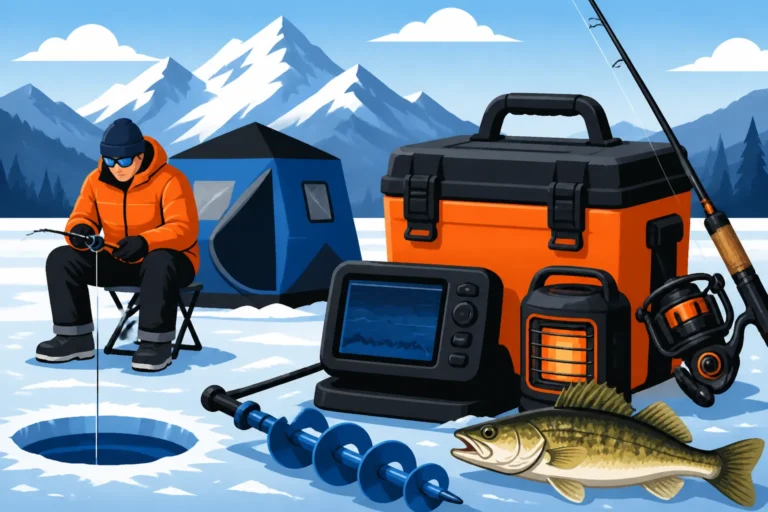
Beyond techniques and lures, being prepared with the right gear and knowledge of safety protocols is paramount for an enjoyable and safe ice-out fishing experience in Idaho. The weather can be fickle, and the water is unforgivingly cold.
Layering Up: Staying Warm in Unpredictable Weather
Early spring in Idaho is notorious for its wildly fluctuating weather. One minute it's sunny and calm, the next a cold front rolls in with rain or even snow. Hypothermia is a serious risk if you're not dressed appropriately.
- Base Layers: Start with moisture-wicking synthetic or merino wool base layers against your skin. Cotton is a definite no-go as it retains moisture and loses its insulating properties when wet.
- Mid-Layers: Add fleece or insulated jackets for warmth. Multiple thinner layers are better than one thick one, as they allow you to adjust to changing conditions.
- Outer Shell: A waterproof and windproof jacket and pants are essential. Look for breathable options, but prioritize protection from the elements. Brands like Columbia or Frogg Toggs (widely available on Amazon) offer reliable and affordable options.
- Extremities: Don't forget a warm hat, gloves, and waterproof boots. Your head, hands, and feet are major points of heat loss. Insulated, waterproof boots are critical, especially if you're bank fishing on soggy ground.
Always bring more layers than you think you’ll need. You can always take them off, but you can’t conjure them up if you're cold! Our guide on What to Wear Fishing Idaho Rivers in Early Spring dives deeper into proper attire.
The Right Tools for the Job: Rods, Reels, and Line
The subtle bites and lethargic fish of early spring call for refined tackle that maximizes sensitivity and feel.
- Rods: Look for light to medium-light action rods with a fast or extra-fast tip. This sensitivity will allow you to feel those faint taps and subtle "dead weight" bites that are common in cold water. Shorter rods (5.5-6.5 feet) can be beneficial for vertical jigging or working small baits in tight spots, while slightly longer rods (7-8 feet) are good for casting lighter lures.
- Reels: Pair your sensitive rod with a smooth spinning reel in the 1000-2500 size range. A good drag system is important, even for smaller fish, as cold-water fish can still put up a surprising fight when hooked.
- Line: Light line is often preferred for stealth and sensitivity. 4-6 pound test monofilament or fluorocarbon is excellent for trout and panfish. Braided line (with a fluorocarbon leader) offers incredible sensitivity and minimal stretch, which can be a game-changer for detecting light bites, especially when fishing deeper. Brands like Berkley Trilene or Seaguar Red Label are dependable choices you can easily find.
Make sure your knots are fresh and strong, and inspect your line for nicks or abrasions before each outing.
Ice-Out Safety Precautions: Don't Take Chances!
Just because the ice is "out" doesn't mean all danger is gone. Early spring conditions can still be incredibly hazardous.
- Residual Ice: Even if a lake looks open, patches of thin, rotten ice can persist, especially in shaded areas or near points. Never assume a patch of ice is safe to walk on. Keep a safe distance from any remaining ice formations.
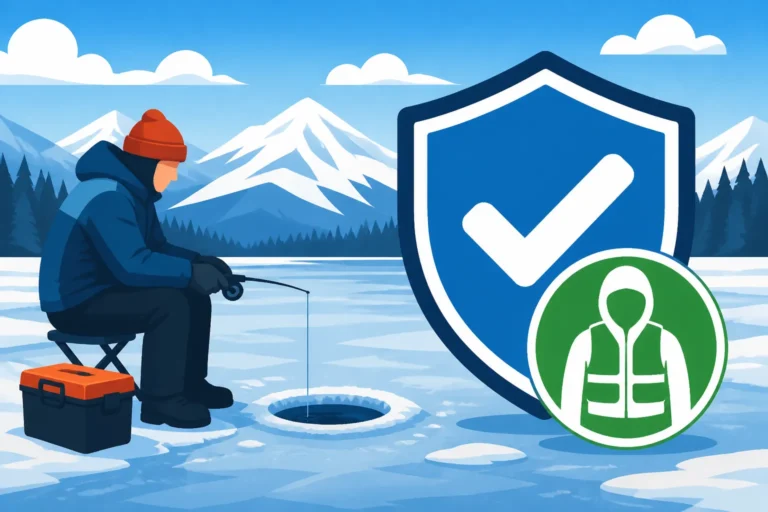
- Cold Water Shock: This is perhaps the biggest danger. If you fall into cold water (anything below 70°F, and ice-out water is often 40°F or colder), your body will react violently. Involuntary gasping, hyperventilation, and disorientation can quickly lead to drowning, even for strong swimmers. Always wear a personal flotation device (PFD) when on the water, whether in a boat, kayak, or even wading. It buys you precious time if you go in.
- Waders and Boots: Ensure your waders are in good condition and fit properly. If wading, always wear a wading belt to minimize water entry if you take a spill.
- Buddy System: Whenever possible, fish with a buddy. Having someone else there can be life-saving in an emergency.
- Check Conditions: Always check local weather forecasts and water conditions (like river flows or lake levels) before heading out. The Idaho Fish and Game website or local tackle shops often have the most up-to-date information.
Stay safe out there so you can enjoy many more Idaho fishing adventures!
Ice-Out Fishing Techniques Comparison
Here’s a quick overview comparing some common techniques and their effectiveness right after ice-out for various Idaho species:
| Technique | Target Species | Ideal Lures/Baits | Effectiveness Post-Ice-Out | Key Considerations |
|---|---|---|---|---|
| Slow Jigging | Trout, Perch, Crappie, Bass | Small jigs (1/32-1/8 oz), soft plastics, worms, maggots, minnows | Excellent: Mimics sluggish prey; vertical presentation targets inactive fish. | Extremely slow retrieve; feel for subtle bites. |
| Bottom Bouncing | Trout, Perch, Catfish | Worms, PowerBait, scented soft plastics | Very Good: Presents bait directly to bottom-holding fish. | Light sinker, long leader; watch for light resistance. |
| Suspending Lures | Trout, Bass, Kokanee | Small suspending jerkbaits, stickbaits | Good: Keeps lure in strike zone for extended pauses. | Long pauses, subtle twitches; good for clear water. |
| Slow Trolling | Kokanee, Chinook, Lake Trout | Wedding rings, hoochies, small spoons, plugs, minnows | Excellent (for deeper species): Covers water, presents bait at specific depths. | Use downriggers/lead core; very slow speed (0.8-1.5 mph). |
| Light Spinners/Spoons | Trout, Perch | Small inline spinners, casting spoons | Fair to Good: Can attract attention with flash, but retrieve must be slow. | Retrieve just fast enough to activate; good for active feeders. |
Remember that "slow" is the operative word across almost all successful ice-out techniques! When Idaho's waters first open up, patience and precision will always outfish speed and aggression. For more insights into planning your trips, check out our Idaho Fishing Season Dates and Limits.
Disclaimer
Fishing regulations, conditions, and fish behavior can change rapidly. Always consult the current Idaho Fish and Game regulations and local advisories before heading out on any fishing trip. Be aware of weather conditions and practice responsible angling to preserve Idaho's natural resources for future generations.