Idaho Fishing Techniques Guide
Idaho's waters are an angler's paradise, but let's be honest, the sheer variety of fish and habitats can feel overwhelming. From roaring rivers holding powerful steelhead to serene mountain lakes hiding trophy trout, knowing how to approach each unique situation is the key to a successful day on the water. This comprehensive guide will break down the essential Idaho fishing techniques, helping you confidently tackle any waterway and bring home some incredible memories, and maybe even a fish or two!
Understanding Idaho's Diverse Waters and Target Species
Before you even think about what lure to tie on, it's crucial to understand the environment you're fishing and the fish species you're hoping to encounter. Idaho isn't a one-size-fits-all fishing destination; its waters are as varied as its landscapes, and each requires a different mindset and skillset. This foundational knowledge will inform every technique you employ.
Rivers, Lakes, and Reservoirs: A Different Approach for Each
Idaho boasts an incredible array of aquatic environments, each with its own characteristics that dictate fishing techniques. Think of the mighty Snake River versus a small, tranquil alpine lake—they're worlds apart in terms of current, depth, structure, and even the type of fish that thrive there. Recognizing these differences is the first step to becoming a versatile and successful Idaho angler.
Rivers, especially larger ones like the Salmon, Clearwater, and the mainstem Snake, are dynamic and ever-changing. You're dealing with current, eddies, riffles, and deep pools, all of which affect where fish hold and how they feed. Techniques here often involve drifting baits or lures, back-trolling, or carefully presenting flies upstream. The key is to understand how the water moves and how fish use that current to their advantage, whether they're actively feeding or resting in a seam. These powerful flows also mean you often need heavier gear and a keen eye for subtle bites.
Lakes and reservoirs, on the other hand, present a different challenge—vast expanses of still water with less obvious structure. Here, depth, water temperature, and forage play a much larger role. You might be targeting fish suspended in the water column in the middle of Lake Coeur d'Alene, or perhaps bass hiding in submerged timber in C.J. Strike Reservoir. Techniques often involve trolling, jigging, or casting to visible structure. The absence of current means fish can roam more freely, and locating them often relies on sonar, understanding their seasonal patterns, and covering a lot of water.
Matching Techniques to Idaho's Iconic Fish Species
Once you've got a handle on the water type, you need to consider the specific fish you're after. Idaho is home to a spectacular variety of game fish, from hard-fighting anadromous species like steelhead and salmon, to resident trout, colossal sturgeon, and feisty bass. Each species has unique feeding habits, preferred habitats, and fight characteristics that demand specialized techniques. Our comprehensive Idaho Fish Species Guide delves into this in detail.
For instance, if you're chasing the legendary Idaho steelhead, you'll find yourself on a powerful river like the Clearwater or Salmon, often employing techniques like drift fishing with bait, jigs, or artificial eggs, or back-trolling plugs from a boat. These fish are strong, migratory, and often hold in specific current breaks. Conversely, targeting kokanee salmon in a lake like Coeur d'Alene or Payette Lake often means precise trolling with downriggers and specific dodgers and lures, as these landlocked sockeye feed on tiny plankton and hold in open water at specific depths.
Then you have species like smallmouth bass, which are often found in warmer rivers like the Snake, or largemouth bass in shallower reservoirs. Their aggressive nature and tendency to ambush prey mean techniques like casting crankbaits, jigs, or soft plastics to cover are highly effective. For the truly adventurous, battling a giant white sturgeon on the Snake River requires heavy-duty tackle, strong bait, and a patient, catch-and-release approach as outlined in our Idaho Catch-and-Release Sturgeon Rules guide. Understanding these nuances is what transforms a casual outing into a truly targeted and rewarding fishing experience.
Essential Gear and Tackle for Idaho Anglers
Let's face it, walking into a tackle shop or browsing online can feel like stepping into a foreign land if you're not sure what you need. The right gear, however, isn't just about spending money; it's about matching your tools to the task at hand. Idaho's diverse fisheries demand a thoughtful approach to selecting your rods, reels, lines, and terminal tackle. Having the proper equipment not only makes your day more enjoyable but significantly increases your chances of success.
Rods, Reels, and Lines: The Right Setup for Every Scenario
Your rod and reel are the primary tools in your fishing arsenal, and selecting them depends heavily on the technique and species you're targeting. For lighter trout fishing in a small stream or lake, a sensitive ultralight or light action spinning rod, around 5'6" to 6'6" long, paired with a small 1000 or 2000 series reel spooled with 4-6 lb monofilament or fluorocarbon line, will give you the sensitivity and casting ability needed for smaller lures and subtle bites. This setup is perfect for throwing small spinners or bait on a bobber.
When you step up to chasing larger river trout, smallmouth bass, or even general purpose panfishing, a medium-light to medium action spinning rod, 6'6" to 7' long, with a 2500 or 3000 series reel spooled with 6-10 lb test monofilament or braided line, becomes more appropriate. This offers a bit more backbone for fighting stronger fish and handling slightly heavier lures or baits. For those looking to get serious about fly fishing, selecting the right fly rod involves considering weight (e.g., a 5-weight for general trout, an 8-weight for steelhead) and action, along with matching it to a quality fly reel and a floating or sinking fly line. Learning How to Fly Fish in Idaho requires specific gear considerations.
For the true heavy hitters like steelhead or sturgeon, you'll need specialized equipment. Steelhead fishing often calls for longer, more powerful casting or drift rods, typically 8'6" to 10'6" in length, paired with baitcasting or large spinning reels capable of handling 12-20 lb monofilament or 30-50 lb braided line. This leverage helps control powerful fish in strong currents. Sturgeon fishing, a truly unique experience on the Snake River, demands robust, heavy-action rods, often 7'6" to 9' long, paired with large, powerful conventional reels spooled with 60-100 lb braided line. You can find a vast selection of these specialized items, often with helpful customer reviews, on platforms like Amazon. Our Idaho Fishing Gear Guide by Season also provides more tailored advice on equipment choices throughout the year.
Terminal Tackle and Accessories: Don't Forget the Details
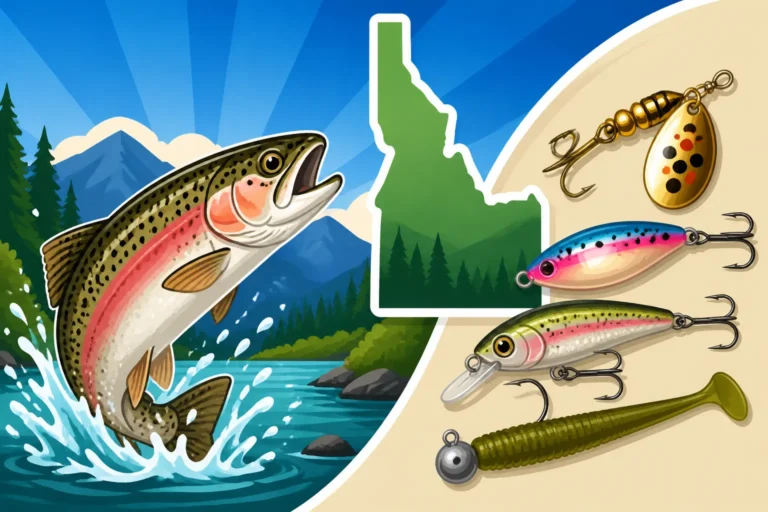
It's often the small, easily overlooked items that make or break a fishing trip. Terminal tackle includes everything that goes on the end of your fishing line: hooks, swivels, sinkers, leaders, and lures or bait. For trout, a selection of small single hooks (sizes 6-12), split shot, and barrel swivels is standard. Adding a variety of small inline spinners like a Rooster Tail or Panther Martin, and spoons like a Kastmaster, will cover many situations. Different sizes and styles of jigs, from small marabou jigs for trout to heavier lead head jigs for bass or larger species, are also invaluable.
Leaders are another critical component, especially in clear Idaho waters where fish can be line-shy. Fluorocarbon leaders, known for their invisibility underwater and abrasion resistance, are highly recommended for most trout and steelhead applications. The strength and length of your leader will vary depending on the target species and water conditions. For example, a 6-8 lb fluorocarbon leader is common for trout, while steelhead anglers might use 10-15 lb test. Don't forget a good pair of pliers or forceps for hook removal, line clippers, a measuring tape, and a small net, especially if you plan on practicing catch-and-release.
Beyond terminal tackle, several accessories can vastly improve your comfort and success. A good fishing vest or pack keeps your essentials organized and accessible, while polarized sunglasses are a game-changer for spotting fish and underwater structure, especially on clear rivers like the Henry's Fork. Waders and wading boots are indispensable for accessing prime spots on many Idaho rivers and streams. Having a reliable cooler for keeping your catch fresh (if allowed by Idaho Catch Limits and Bag Limits Explained) is also crucial. These seemingly minor details contribute significantly to a well-prepared and enjoyable day of fishing, whether you're purchasing them from a local shop or browsing options online.
Mastering Idaho's Primary Fishing Techniques
Now that you're geared up and understand the lay of the land, it's time to dive into the techniques themselves. While countless variations exist, mastering a few core approaches will equip you for the vast majority of Idaho's fishing opportunities. These techniques are your bread and butter, adaptable to a wide range of species and water conditions.
Spin Fishing: Versatility for Every Angler
Spin fishing, utilizing a spinning rod and reel, is arguably the most popular and versatile method, largely due to its ease of learning and effectiveness across diverse fisheries. It involves casting a lure or bait and retrieving it in a manner that imitates natural prey or simply draws attention. This technique is fantastic for beginners but also offers endless refinements for seasoned anglers.
One common spin fishing technique is casting and retrieving spinners or spoons. Small inline spinners, like the classic Mepps or Blue Fox, are incredibly effective for trout in rivers, streams, and lakes. Cast them slightly upstream or across the current and retrieve them at a speed that keeps the blade spinning. For larger trout or aggressive species like bass, larger spoons or crankbaits can be cast towards structure or along drop-offs and retrieved with a varied cadence to entice a strike. The key here is experimentation with retrieval speed and ensuring your lure is in the strike zone.
Bait fishing with a spinning setup is also highly effective, particularly for resident trout or panfish. This can be as simple as a hook, sinker, and bait (worms, PowerBait, corn) cast to the bottom, or using a bobber to suspend your bait at a specific depth. In lakes, still-fishing with bait often works wonders, allowing the scent to attract fish. In rivers, drift fishing bait like cured roe or worms can be deadly for trout and even steelhead. The natural drift presents the bait subtly, making it appear as an easy meal to wary fish.
Fly Fishing: The Art of the Cast and Presentation
Fly fishing is often perceived as complex, but at its heart, it's about presenting an artificial fly that mimics an insect or small baitfish with grace and precision. Idaho's world-class fly-fishing destinations, like the Henry's Fork or Silver Creek, attract anglers globally, but opportunities abound everywhere. Learning How to Fly Fish in Idaho opens up a truly immersive and rewarding experience.
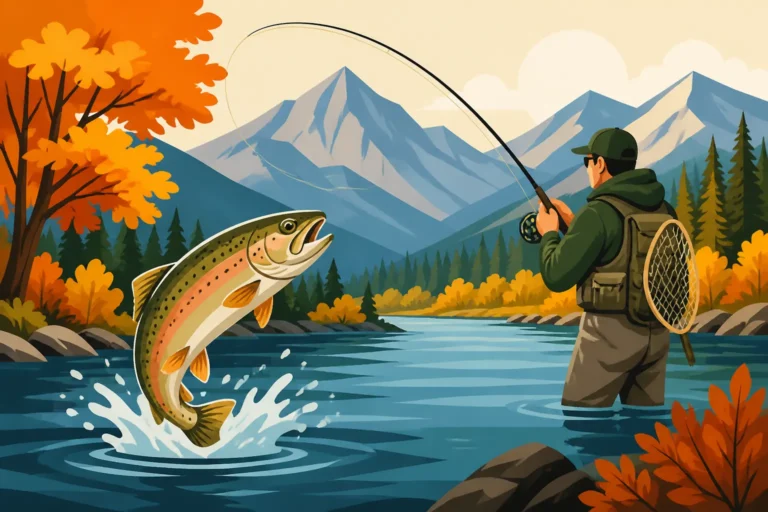
Dry fly fishing is perhaps the most iconic form, where you cast a floating fly to imitate an adult insect on the water's surface. This technique requires careful observation of hatches (when insects emerge) and precise casting to present the fly naturally without "drag"—where the line pulls the fly unnaturally across the current. The thrill of watching a trout rise to your perfectly presented dry fly is unmatched. This is particularly effective on calmer rivers or spring creeks where fish are actively feeding on the surface.
Nymphing involves using weighted flies (nymphs) that imitate immature insects drifting beneath the surface. This is often the most productive fly-fishing method, as fish feed subsurface far more often than on the surface. Techniques include tight-line nymphing, where you maintain direct contact with your flies, or indicator nymphing, where a small bobber (indicator) helps detect subtle strikes. Streamer fishing, another potent fly technique, uses larger flies that imitate baitfish or leeches. These are stripped or swung through the water to provoke an aggressive reaction strike from larger trout, bass, or even steelhead.
Trolling: Covering Water and Finding Fish
Trolling is a highly efficient technique for covering large expanses of water, especially in Idaho's lakes and reservoirs. It involves dragging lures or bait behind a moving boat, allowing you to explore different depths and areas until you locate active fish. This is particularly effective for species that roam open water, like kokanee, lake trout, or even large rainbow trout. Our dedicated Idaho Trolling Techniques Guide provides a deep dive into this method.
For kokanee salmon, precision is key. Anglers often use downriggers to get small dodgers and wedding rings or specialized kokanee lures (like those from Kokanee Kid or Mack's Lures) down to specific depths, often anywhere from 20 to 80 feet, depending on the season and water temperature. The boat's speed, typically 1.0 to 1.8 mph, and lure color are critical factors. Lake Pend Oreille's trophy rainbow trout and Priest Lake's monster lake trout are also frequently targeted using trolling techniques, often with larger spoons, plugs, or even live bait behind lead core line or downriggers.
Trolling isn't just for open water. It can also be effective near structure in reservoirs for species like bass or crappie, especially if you're using side imaging sonar to locate submerged features. Long-lining, where lures are simply let out a long distance behind the boat without the aid of downriggers, is another simpler trolling method often used for shallower-holding fish or when exploring new waters. The ability to systematically search large areas makes trolling an indispensable technique for many Idaho anglers targeting specific species.
Jigging and Vertical Fishing: Targeting Depths and Structure
When fish are concentrated in specific depths or around structure, jigging or vertical fishing often proves to be the most effective technique. This involves presenting a weighted lure (jig) directly beneath the boat or over a specific spot and imparting action to it to attract strikes. This technique is incredibly versatile, working for everything from tiny panfish to massive sturgeon.
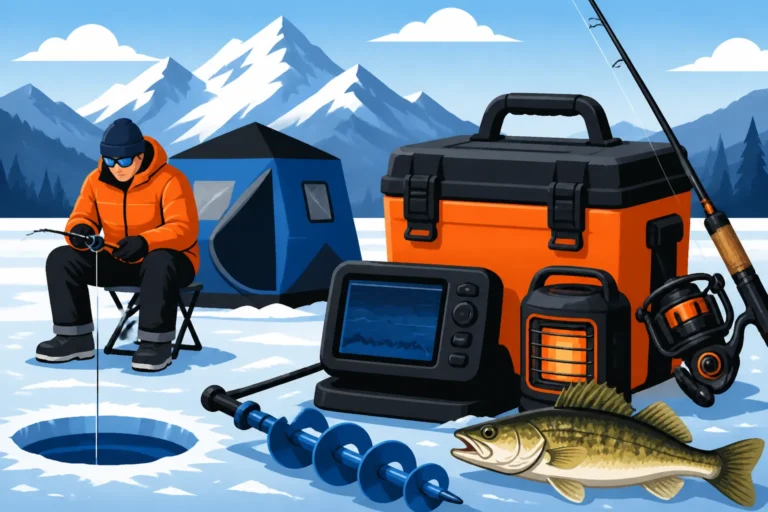
Ice fishing is a prime example of vertical jigging, where anglers drop small jigs tipped with bait (like maggots or mealworms) or soft plastics through holes in the ice. This is a deadly method for perch, crappie, trout, and even kokanee in frozen lakes like Payette Lake or Cascade Reservoir. The key is to use electronics (like a flasher or fish finder) to locate fish beneath the ice and then present your jig right in front of them, using subtle rod movements to impart action. Our guide on How to Ice Fish in Idaho covers this in detail.
Open-water jigging is equally effective. For example, jigging for smallmouth bass or crappie around submerged timber, rock piles, or bridge pilings in reservoirs like C.J. Strike can be incredibly productive. You're trying to mimic a wounded baitfish or crawfish. For lake trout in deep waters like Priest Lake, heavy metal jigs or tube jigs, often tipped with a piece of bait, are dropped to the bottom and "ripped" upwards to trigger aggressive strikes. The direct presentation and ability to precisely target specific depths make jigging an essential technique, especially when fish are schooled up or holding tight to cover.
| Technique | Primary Species | Typical Water Type | Key Gear |
|---|---|---|---|
| Spin Fishing | Trout, Bass, Panfish | Rivers, Lakes, Reservoirs | Spinning rod/reel, various lures/bait |
| Fly Fishing | Trout, Steelhead | Rivers, Streams, Spring Creeks | Fly rod/reel, fly line, artificial flies |
| Trolling | Kokanee, Lake Trout, Chinook | Large Lakes, Reservoirs | Boat, downriggers, specific lures |
| Jigging | Perch, Crappie, Lake Trout, Bass | Lakes, Reservoirs (Ice/Open) | Jigging rod/reel, jigs, electronics |
| Drift Fishing | Steelhead, Trout | Rivers, Streams | Long drift rod, baitcasting/spinning reel, float/weight |
Specialized Techniques for Idaho's Prized Catches
While the general techniques provide a strong foundation, some of Idaho's most sought-after fish require highly specialized approaches. These species often present unique challenges—whether it's navigating powerful river currents, deciphering subtle bites, or adhering to strict conservation rules.
Steelhead Fishing Strategies: Battling Anadromous Powerhouses
Steelhead, those magnificent sea-run rainbow trout, are one of Idaho's most iconic game fish. Chasing these powerful fish typically means heading to the Salmon and Clearwater Rivers during their fall, winter, or spring runs. This isn't your average trout fishing; it's a dedicated pursuit that tests patience, skill, and grit. Our comprehensive Idaho Steelhead Fishing Guide provides all the details you need to get started.
One of the most popular and effective methods for steelhead is drift fishing. This involves using a relatively long, sensitive rod to present bait (like cured roe, shrimp, or worms) or artificials (such as jigs or plastic worms) naturally along the bottom. Anglers often use a "slinky" or conventional lead weight to achieve the correct sink rate, allowing the offering to tumble along the riverbed with the current, just like a natural food source. The key is to mend your line upstream to avoid drag, allowing a perfect, uninterrupted drift through known steelhead holding lies like current seams, tailouts of pools, and behind large rocks. Detecting the often-subtle tap of a steelhead bite requires extreme focus and feel.
Another highly effective technique, especially from a boat, is back-trolling plugs. This involves using the boat's motor to slowly reverse upstream, allowing diving plugs (like a Kwikfish or a Wiggle Wart) to work their way down through prime steelhead water, often right in front of holding fish. The plug's erratic action and vibration often trigger aggressive strikes. Side-drifting, where anglers use the current to drift their boat and present multiple baits or jigs simultaneously, is another potent technique, particularly on wide river sections. Regardless of the method, success often comes down to precise weight, proper bait presentation, and covering productive water thoroughly.
Kokanee Fishing Secrets: The Landlocked Sockeye Challenge
Kokanee salmon, the landlocked relatives of sockeye salmon, offer a unique and delicious fishing opportunity in many of Idaho's deep, cold lakes, most notably Lake Coeur d'Alene, Payette Lake, and Anderson Ranch Reservoir. These schooling fish feed almost exclusively on plankton, which means finding them and presenting a lure that triggers an instinctual bite is paramount. Our guide on How to Fish for Kokanee in Idaho outlines successful approaches.
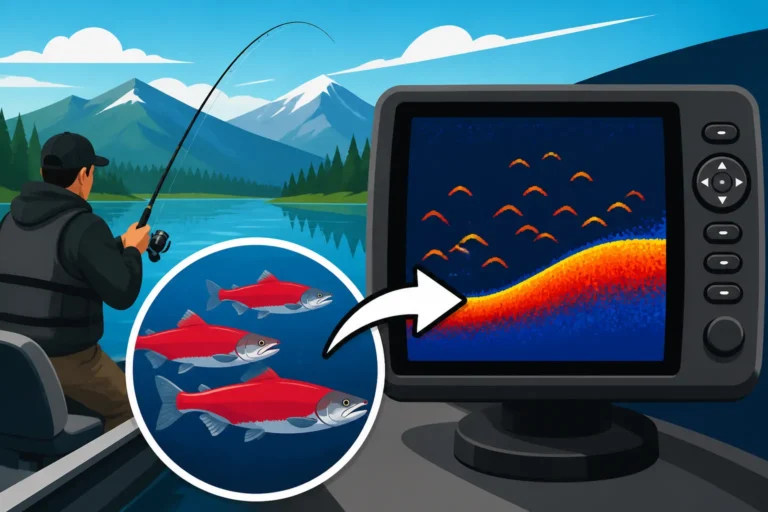
The primary technique for kokanee is trolling with downriggers. This specialized equipment allows anglers to precisely control the depth of their lures, which is critical because kokanee often hold in tight depth bands. Typical setups involve a dodger or flasher followed by a small, colorful lure like a wedding ring, a small hoochie, or a specialized kokanee spoon, often tipped with a kernel of shoepeg corn for scent and added attraction. Experimentation with lure color, scent, and depth is essential, as kokanee can be incredibly finicky. Successful kokanee anglers pay close attention to their sonar to identify schools of fish and then adjust their depth and speed accordingly.
Jigging for kokanee can also be effective, especially when schools are concentrated in a specific area or during ice fishing season. Small, bright jigs (often tipped with corn) are lowered to the depth of the fish and then "pumped" or "snapped" with the rod tip to imitate a fleeing baitfish or plankton. The bite can be very subtle, often just a slight slackening of the line or a tiny tick. Understanding the time of year and water temperature is key, as kokanee migrate through the water column, moving deeper in summer and shallower in spring and fall.
Sturgeon Fishing: Monster Fish, Delicate Approach
Fishing for white sturgeon on the Snake River is an experience like no other. These ancient giants can grow to incredible sizes, often exceeding 10 feet and living for over 100 years. Due to their protected status, sturgeon fishing in Idaho is strictly catch-and-release, with regulations like mandatory barbless hooks and rules against removing them from the water. This means the technique focuses entirely on hookup, fight, and safe release.
The fundamental technique for sturgeon involves anchoring your boat in a deep hole or current seam and presenting a large, scent-rich bait on the bottom. Preferred baits include cut pieces of oily fish like pikeminnow, sucker, or even salmon or steelhead carcasses (where legal and available). The terminal tackle is heavy-duty: a large, strong circle hook (often 10/0 to 14/0) tied to a heavy fluorocarbon or braided leader, with a substantial lead sinker (8-24 ounces or more, depending on current) to hold the bait firmly on the bottom. A strong swivel prevents line twist.
Patience is a virtue when sturgeon fishing. You're waiting for a fish that might slowly mouth the bait before taking it decisively. When a sturgeon does take the bait, the rod will often bend over violently. The fight is legendary—long, powerful runs, headshakes, and sometimes even spectacular jumps. It's a true test of your tackle and your stamina. Once landed, quick and careful handling is critical for the fish's survival. Keep the fish in the water, unhook it gently, take any photos quickly, and ensure it swims off strong. This is a bucket-list experience for many anglers, available primarily on the Snake River, particularly below dams like C.J. Strike and Swan Falls.
Seasonal Considerations and Adapting Your Approach
Idaho's seasons dramatically influence fish behavior, water conditions, and ultimately, which fishing techniques will be most effective. What works in the heat of summer might be completely useless in the dead of winter. A successful angler understands these cycles and adapts their approach accordingly, ensuring a productive outing regardless of the calendar.
Spring Fishing: Navigating Runoff and Post-Spawn Activity
Spring in Idaho is a time of transition, marked by warming temperatures and often, significant snowmelt and runoff. Early spring, just after ice-out on many lakes, can offer fantastic fishing as fish become more active and move into shallower waters. Trout and perch in lakes are often eager to feed, making simple jigging or bait fishing effective. However, as the snowpack melts, rivers swell with cold, turbid water, leading to what anglers call "runoff." This can make river fishing challenging due to high flows and reduced visibility.
During runoff, many anglers shift their focus to lower elevation lakes and reservoirs, or to rivers that are less affected by snowmelt, such as spring-fed creeks or rivers below dams where flows are controlled. In rivers, finding slower, clearer water in eddies, backchannels, or feeder creek mouths becomes crucial. Fish will often hold in these calmer areas to escape the main current and find food. Techniques might involve using heavier weights to get bait or lures down in faster water, or targeting clearer tributaries with aggressive presentations.
Post-spawn activity for many species also occurs in the spring. For instance, rainbow trout often spawn in early spring, and after they recover, they'll be hungry and aggressive, presenting good opportunities for spin anglers with flashy lures or fly anglers with streamers. Steelhead runs are typically winding down in the spring, but late-season fish can still be found in rivers like the Clearwater and Salmon. Understanding the specific timing of these biological events and the severity of local runoff is critical for spring success.
Summer Fishing: Beating the Heat and Finding Deep Water
Summer in Idaho brings warm, sunny days, and with it, changes in fish behavior. Many cold-water species, particularly trout, will seek refuge in deeper, cooler water, or in sections of rivers with strong currents and ample shade. Fishing in the middle of a hot afternoon on a shallow lake can be slow, but early mornings and late evenings often provide excellent windows of opportunity as water temperatures are cooler and fish are more active.
In lakes and reservoirs, targeting deeper sections with downriggers for kokanee or lake trout becomes the norm. Fish will often suspend in the thermocline—a layer of rapidly changing water temperature—where oxygen levels are optimal and food is available. Bass, crappie, and perch in warmer reservoirs will often relate to submerged structure in deeper water during the day, moving shallower at dawn and dusk. Jigging or deep cranking lures can be very effective for these species.
River fishing in summer often means focusing on swift, oxygenated riffles and deep pools for trout, or targeting smallmouth bass around current breaks and rocky structure. Fly fishing with terrestrial patterns (imitating grasshoppers, ants, or beetles) can be deadly on warmer days, especially along grassy banks. Early mornings can also see strong hatches of aquatic insects, leading to exciting dry fly action. Avoiding the peak heat of the day, seeking shade, and understanding that fish metabolism slows in warm water are key strategies for summer success.
Fall Fishing: The Peak of the Action for Many Species
Ah, fall in Idaho—many anglers consider it the best time of year to fish. Cooler temperatures invigorate fish, and many species begin aggressive feeding frenzies in preparation for winter. This is also when some of Idaho's most significant migratory runs occur, making it a prime time for specific techniques.
Fall is synonymous with steelhead fishing in Idaho, with strong runs pushing into the Salmon and Clearwater Rivers. Drift fishing with roe, jigging, or back-trolling plugs are highly effective as these powerful fish move upstream. The vibrant fall colors along the riverbanks add to the magic of this pursuit. Chinook salmon also have fall runs in some systems, offering another exciting big-game opportunity.
Resident trout in lakes and rivers become incredibly active, often feeding heavily on baitfish and larger insects. Streamer fishing with fly rods and casting larger spoons or crankbaits with spin gear can result in encounters with trophy-sized trout. Kokanee salmon, towards the end of their life cycle, often move shallower and become brilliantly colored, offering opportunities for shore anglers or those trolling in shallower depths before they spawn and die off. Bass fishing also remains strong, with fish aggressively feeding on crankbaits and jigs before winter sets in.
Winter Fishing and Ice Fishing: Embracing the Cold
While many anglers pack away their gear, winter in Idaho offers unique and often highly productive fishing opportunities, primarily through ice fishing on frozen lakes and reservoirs. This quiet, solitary pursuit allows access to spots normally only reachable by boat, and can yield impressive catches of perch, crappie, trout, and kokanee. Our detailed guide on How to Ice Fish in Idaho covers everything you need to know.
Ice fishing techniques revolve around jigging small lures or bait through holes drilled in the ice. Flashers or fish finders are invaluable for locating fish and presenting your offering at the correct depth. Small spoons, tungsten jigs tipped with maggots or waxworms, or even tiny soft plastics are standard fare. Setting up tip-ups with live minnows (where legal) is another popular method for targeting larger predatory fish like trout or tiger muskie. Safety on the ice, checking ice thickness, and having appropriate cold-weather gear are paramount.
For those not keen on ice fishing, a few Idaho rivers remain open year-round, offering opportunities for hardy anglers. Winter steelheading on the Clearwater and Salmon rivers can be spectacular, though challenging due to cold temperatures and potentially icy conditions. Fish metabolism slows in cold water, so slower, more subtle presentations are often required, and bites can be incredibly light. Targeting deep, slow pools where fish conserve energy is often the most productive strategy.
Advanced Tips and Water Reading Skills
Moving beyond the basic mechanics, truly effective fishing in Idaho often boils down to understanding the environment, the fish, and how they interact. These advanced tips focus on developing your intuition and observational skills, turning you into a more strategic and successful angler.
Reading the Water: Unlocking Idaho's Currents and Structure
One of the most valuable skills an angler can develop, especially on Idaho's rivers, is the ability to "read the water." This means understanding how currents move, where fish are likely to hold, and where food sources accumulate. It's a skill that takes time to hone but pays immense dividends. Our guide on Reading Water on Idaho's Rivers provides an in-depth look.
Look for current seams, where fast water meets slow water. Fish often sit in the slower current, conserving energy while waiting for food to be swept by in the faster lane. Obvious examples include the downstream side of a large rock or log, or the edge where a riffle flows into a deeper pool. Eddies, those swirling pockets of calmer water often found downstream of obstructions or on the inside bends of rivers, are also prime holding areas where food can accumulate. Casting into the upstream edge of an eddy and allowing your lure or fly to drift naturally through it can be highly effective.
Also, pay attention to visible structure, both in rivers and lakes. Submerged logs, rock piles, weed beds, drop-offs, and even changes in bottom composition (e.g., gravel to sand) all create habitat that attracts fish. In lakes, use your electronics to identify humps, ledges, and channels. In rivers, notice how the water flows over different substrate—gravelly riffles produce oxygen and insect life, while deeper, slower pools offer refuge. The more you observe and connect these features to where you find fish, the more intuitive your approach will become.
Understanding Fish Behavior: Feeding, Spawning, and Resting
Fish aren't always actively feeding; their behavior is heavily influenced by their metabolic needs, water conditions, and life cycle stages like spawning. Understanding these patterns allows you to predict where fish will be and how receptive they might be to your offerings.
During active feeding periods, such as early morning, late evening, or during an insect hatch, fish are often more willing to chase and strike lures. They might move into shallower water or more aggressive feeding lanes. Conversely, during periods of high heat, bright sun, or after heavy fishing pressure, fish often retreat to deeper, cooler, or more sheltered areas to rest and conserve energy. This is when a more subtle, precise presentation is required, or perhaps a shift to a different technique or location.
Spawning is another critical behavioral aspect. For example, many trout species spawn in spring (rainbows) or fall (browns), and during these times, they'll congregate in specific areas, often shallow gravelly sections of rivers or lake inlets. While some regulations restrict fishing during spawning periods to protect fish, understanding these movements can inform where fish will be before or after they spawn, when they are often aggressively feeding to regain strength. Being mindful of spawning fish and giving them space is also part of ethical angling.
Ethical Angling and Conservation: Protecting Idaho's Resources
As anglers, we are stewards of Idaho's incredible natural resources. Practicing ethical angling and conservation is not just about following the rules outlined in the Idaho Fishing Regulations Explained; it's about ensuring these fisheries thrive for generations to come.
This includes adhering strictly to all bag limits and possession limits. If you plan to release fish, minimize handling and use appropriate tools like forceps to remove hooks quickly and gently. Consider using single, barbless hooks, especially when fishing for sensitive species like sturgeon or wild steelhead, which are catch-and-release only. Avoid dragging fish onto dry ground or handling them with dry hands, as this removes their protective slime layer.
Proper disposal of trash, old fishing line, and bait is also crucial. Pack out everything you pack in, and perhaps even a little extra. Respect private property, avoid trespassing, and be courteous to other anglers on the water. Finally, consider supporting conservation efforts through organizations like Trout Unlimited or by participating in local stream cleanups. Our collective actions directly impact the health and abundance of Idaho's fish populations, making every mindful decision an investment in the future of fishing here.
Troubleshooting Common Idaho Fishing Challenges
Even the most experienced anglers encounter tough days on the water. Idaho fishing, with its varied conditions and sometimes finicky fish, can present its fair share of frustrations. Knowing how to diagnose problems and adjust your tactics can turn a potentially disappointing outing into a successful one.
Dealing with Finicky Fish and Tough Bites
We've all been there: you're on a beautiful piece of water, the conditions look perfect, and yet the fish just aren't biting. This is often a sign of finicky fish that are either stressed, not actively feeding, or highly selective about what they'll eat. Don't throw in the towel; instead, it's time to experiment and make adjustments.
One of the first things to change is your lure or bait. If what you're using isn't working, try a different color, size, or type. Sometimes a subtle change, like switching from a flashy spinner to a drab nymph, or a bright PowerBait to a natural worm, can make all the difference. Vary your presentation: if you're retrieving a lure quickly, try slowing it down, or vice-versa. If you're drifting bait, try adjusting your weight to get a more natural drift, or let it sit still for longer. The key is to constantly adapt and try new things until you find what triggers a strike.
Sometimes, fish are simply "spooked" by too much pressure, loud noises, or unnatural movements. In these situations, try making longer casts to present your offering from a distance, or switch to lighter line and smaller lures for a more subtle approach. Early mornings, late evenings, or even night fishing can also be productive when fish are less wary. Don't be afraid to leave a unproductive spot and try somewhere completely different; sometimes a change of scenery for you and the fish is all that's needed.
Navigating Challenging Weather and Water Conditions
Idaho's weather can be notoriously unpredictable, and water conditions can change rapidly. High winds, heavy rain, sudden temperature drops, or muddy runoff can all make fishing challenging. However, with the right approach, you can still find success.
Wind is a common adversary, making casting difficult and creating choppy water. On lakes, fish can sometimes become more active during windy conditions as the chop breaks up the surface and stirs up food. However, it can also push baitfish, and thus predatory fish, to specific banks. Adjust your casting angle, use heavier lures to cut through the wind, and consider moving to a more sheltered cove or bank. On rivers, wind can make boat control a nightmare, so focus on bank fishing or using techniques that require less precise boat handling.
Heavy rain and runoff can quickly turn clear rivers into murky torrents. While this typically makes fishing difficult due to reduced visibility, some species, like catfish or certain trout, can still feed by scent. Using strong-smelling baits like worms, PowerBait, or cured roe, and fishing in slower, slightly clearer water near the banks, can be productive. Fluorescent or dark-colored lures can also be more visible in stained water. Conversely, during periods of low, clear water, fish become extremely wary. This is when light line, long leaders, small lures, and subtle presentations shine. Always consult the latest river conditions and forecasts before heading out, as safety is always the top priority.
Disclaimer
The information provided in this guide is for general informational purposes only and is not intended as legal advice or an exhaustive list of all regulations. Idaho fishing rules and regulations, including season dates, bag limits, and specific water rules, can change frequently. Always consult the most current Idaho Fishing Seasons and Rules brochure published by the Idaho Department of Fish and Game before engaging in any fishing activities. Compliance with all applicable laws and regulations is the responsibility of the individual angler.