Idaho Fishing Spots You Can Only Reach by Boat
You've been driving for hours, passing countless pull-offs with anglers already lining the banks. You know those spots are picked over, the fish warier than a politician during an election year. But deep down, you're craving that feeling of pulling up to a remote shoreline, casting into waters that haven't seen a hundred lures this week. That's the magic of Idaho's boat-access-only fishing spots, and this guide is all about helping you unlock those secluded havens.
The Allure of Boat-Access-Only Fishing in Idaho
There's something uniquely satisfying about fishing waters that aren't easily reached by foot. In a state as wild and expansive as Idaho, the sheer volume of lakes, reservoirs, and rivers means there are countless stretches of water that remain relatively unpressured simply because you need a boat to get there. It’s not just about bragging rights; it's about the quality of the experience, the solitude, and often, the quality of the fish themselves.
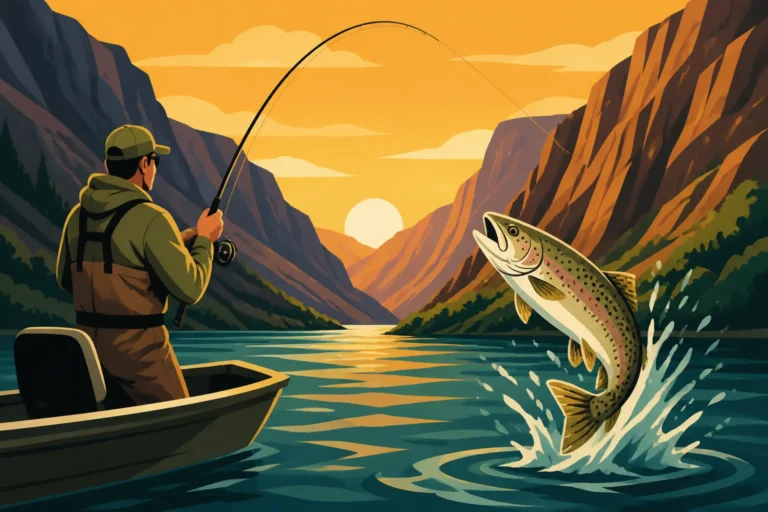
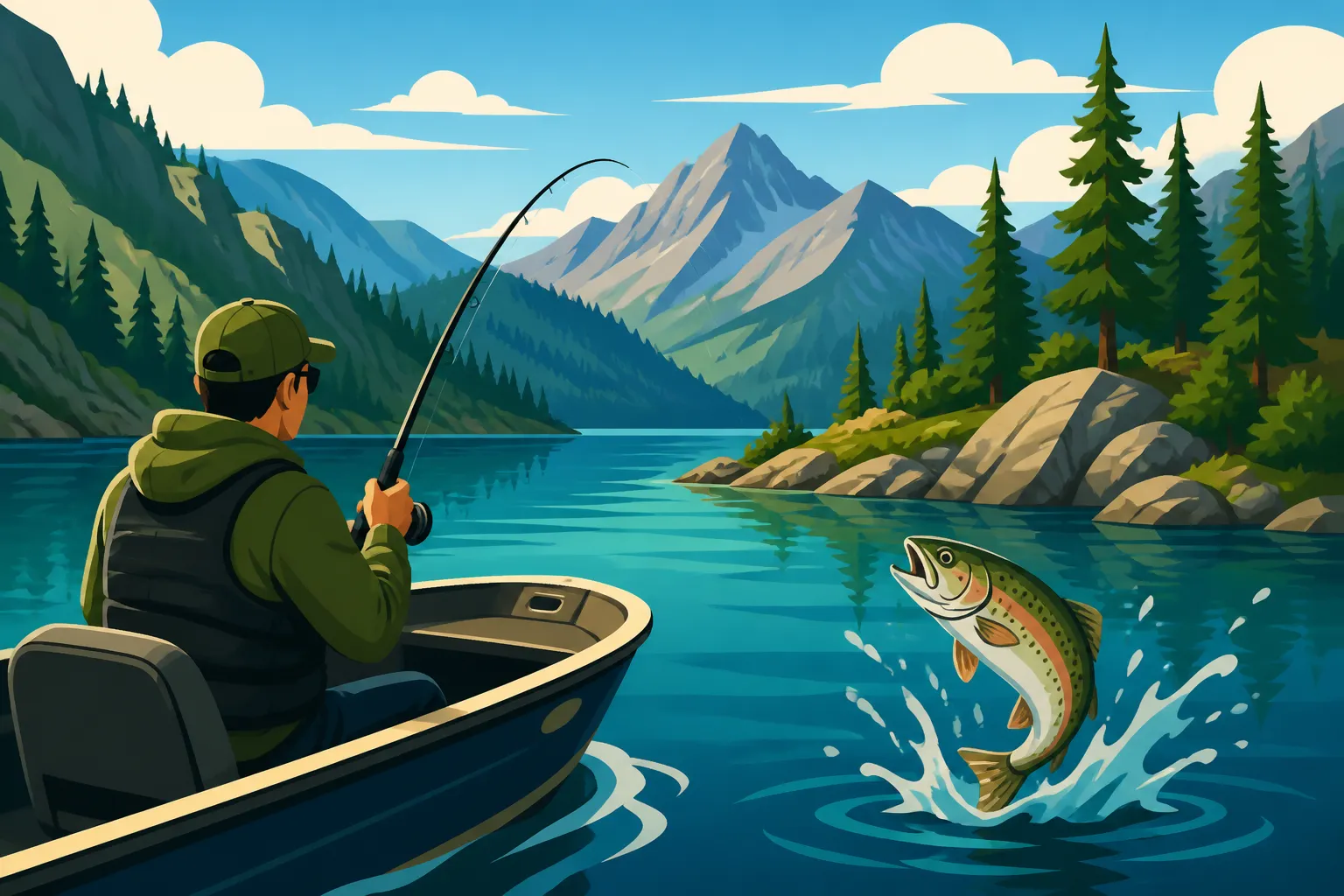
Imagine a crisp Idaho morning, the mist rising off the water, and the only sound is the gentle lapping against your hull. No crowds, no competing for casting space – just you and the wild. This isn't just a dream; it's a reality accessible to those willing to put in the effort of launching a boat, whether it's a powered motorboat, a quiet drift boat, or a nimble kayak. These spots offer a stark contrast to the readily available shore fishing areas, presenting both challenges and immensely rewarding experiences that can redefine your fishing adventures.
Escaping the Crowds and Finding Solitude
One of the most compelling reasons to seek out boat-access-only fishing spots is the promise of solitude. In a world that often feels increasingly crowded, finding a peaceful stretch of water where you can truly connect with nature is a precious commodity. Think about popular fishing destinations near urban centers – places like the lower sections of the Boise River or readily accessible shores of Lake Lowell. While these spots offer convenient fishing, they often come with company. You might be shoulder-to-shoulder with other anglers, the air filled with chatter, and the water showing signs of heavy pressure.
Now, picture yourself on a vast reservoir like Dworshak, miles from the nearest ramp, tucked away in a quiet cove only accessible by boat. The silence is profound, broken only by the call of an osprey or the splash of a rising fish. This solitude allows for a deeper immersion in the fishing experience, a chance to truly observe the water, and to cast without interruption. It's an escape not just from other anglers, but from the everyday hustle and bustle, offering a mental reset that shore fishing often can't provide.
Targeting Unpressured Fish
It’s no secret that fish in heavily fished areas tend to be warier. They've seen more lures, dodged more lines, and been caught and released more often. This makes them significantly harder to fool. Conversely, fish in boat-access-only locations often haven't developed the same level of caution. They might be more aggressive, less suspicious of your presentation, and, consequently, more willing to bite. This can translate to more consistent action and, excitingly, the chance to land larger, more mature fish that have had ample time and less pressure to grow.
For instance, a trophy Lake Trout lurking in the deep, remote waters of Priest Lake is far less likely to have encountered a trolled lure than its counterpart near a popular access point. Similarly, a healthy smallmouth bass tucked into a rocky point on the Snake River, far from any road, will often strike a well-placed lure with gusto. By reaching these less-pressured areas, you're not just enhancing your chances of a catch, but you're also often targeting fish that are in their prime, offering a more exhilarating fight and a truly memorable angling experience.
Prime Idaho Lakes and Reservoirs Requiring Boat Access
Idaho is a treasure trove of large lakes and sprawling reservoirs, many of which are so vast that their most productive and serene fishing grounds are only practical to reach by boat. While these bodies of water often have public access points, the real magic happens once you venture away from the ramps and popular day-use areas. These are the places where the biggest fish often hide, and where the scenery can take your breath away. Understanding the character of these waters and the fish they hold is key to a successful outing.
When planning your trip, always consult the Idaho Fishing Regulations Explained for specific rules, bag limits, and any special restrictions on these diverse waters. Being prepared with the right information ensures a responsible and enjoyable adventure.
Lake Coeur d'Alene's Remote Coves and Channels
Lake Coeur d'Alene, a jewel of North Idaho, is a prime example of a vast waterway where boat access unlocks incredible opportunities. While the main lake offers plenty of action, especially for Kokanee and Chinook Salmon, some of the most productive and peaceful fishing is found in its numerous remote coves and the far reaches of its lengthy arms, like the St. Joe and Coeur d'Alene River arms. These areas, particularly away from the bustling city of Coeur d'Alene, offer respite from heavy boat traffic and often hold excellent concentrations of fish.
Anglers seeking trophy Chinook salmon often find success trolling the deeper, less-frequented channels, while kokanee can be targeted in specific thermocline depths within secluded coves. You might launch from a public ramp like Mineral Ridge or Higgins Point, but you'll then journey further afield, using your boat to explore the hidden contours of the lake. Techniques vary widely, from deep trolling with downriggers for those elusive Chinook, to vertical jigging for Kokanee or casting to submerged structure for bass in the quieter backwaters. If you're looking to consistently hook up with Kokanee, mastering How to Troll for Kokanee on Lake Coeur d'Alene will be invaluable.
The Depths of Priest Lake and Lake Pend Oreille
Moving further north, Priest Lake and Lake Pend Oreille are legendary for their monstrous Lake Trout, also known as Mackinaw, and their robust populations of Rainbow Trout, including the famous Kamloops strain in Pend Oreille. While both lakes have multiple public boat launches, the sheer size and depth of these waters mean that the most productive fishing grounds for these big, cold-water species are almost exclusively accessed by boat, often requiring significant travel from the launch.
Priest Lake is renowned for its trophy Lake Trout. These giants often hold in the deepest parts of the lake, far from shore, necessitating specialized techniques like deep trolling with heavy tackle. Similarly, Lake Pend Oreille, home to world-record Rainbow Trout, sees anglers venturing far out into its vast expanse, often using sophisticated sonar and trolling setups to find and tempt these elusive fish. Reaching these fish means navigating miles of water, making your boat an indispensable tool. Exploring Lake Pend Oreille's Grounds for Trophy Rainbow Trout is a must for any serious angler considering these waters.
Vast Reservoirs Like Anderson Ranch and Dworshak
Idaho’s central and southern regions boast massive reservoirs that exemplify boat-only access fishing opportunities. Anderson Ranch Reservoir, located east of Boise, and Dworshak Reservoir in North Central Idaho, are prime examples. Both are huge, rugged, and feature complex underwater topography that holds a variety of species. Public ramps are available, but to truly explore their potential, a boat is essential.
Anderson Ranch Reservoir is a favorite for Kokanee and Rainbow Trout, especially in its sprawling upper reaches and quieter arms where boat traffic is minimal. Anglers often spend days exploring the coves and submerged timber that line its shores, casting for smallmouth bass or trolling for trout. Dworshak Reservoir, on the other hand, is a deep, clear impoundment famous for its immense smallmouth bass fishery and thriving Kokanee populations. Its incredibly steep, rocky shores and numerous submerged canyons make it a perfect habitat for these species. To effectively fish Dworshak, you need a boat to navigate its vast, winding arms and target the fish holding at various depths along its submerged structure. Using a good fish finder is critical on these waters to locate the fish.
Navigating Idaho's Rivers by Boat for Hidden Gems
Idaho's rivers are legendary, offering some of the finest fishing experiences in the country. While many sections are accessible to bank anglers, some of the most pristine and productive stretches, particularly those holding migratory species like Steelhead and Chinook Salmon, are best, or even exclusively, accessed by boat. The type of boat you choose will largely depend on the river's character, from the swift currents of a steelhead river to the gentle glides of a trout stream.
Understanding the specific fishing regulations for each river is crucial. For instance, the Idaho Fishing Season Dates and Limits will dictate when you can target certain species, and knowing if there are any Idaho Barbless Hook Requirements is vital for compliance and fish conservation.
Drift Boat Adventures on the South Fork of the Snake River
The South Fork of the Snake River, particularly the stretches in eastern Idaho, is world-renowned for its incredible dry fly fishing and healthy populations of native Yellowstone Cutthroat and robust Rainbow Trout. While there are some walk-in access points, the quintessential experience of fishing the South Fork involves floating it in a drift boat or raft. These specialized boats allow anglers to stealthily cover miles of water, presenting flies and lures to prime holding water that is simply inaccessible from the bank.
A drift boat provides a stable platform for casting, easy maneuverability through rapids and riffles, and the ability to stop and work productive runs thoroughly. Guided trips, easily found via platforms like FishingBooker, often utilize drift boats to navigate specific sections, allowing anglers to focus on fishing while a skilled guide handles the oars. This method is not just about covering distance; it’s about reading the water, understanding the subtle currents, and precisely presenting your offering to unpressured trout. If you're dreaming of a classic Western trout fishing experience, a drift boat trip on the South Fork is unmatched. You can learn more about booking such trips through Best Guided Trips for the South Fork of the Snake River.
Jet Boat Access to Steelhead and Salmon Rivers
When it comes to targeting Idaho's legendary Steelhead and Chinook Salmon, especially on mighty rivers like the Salmon River and the Clearwater River, jet boats are often the only practical way to reach the most productive and remote fishing holes. These powerful vessels are designed to navigate shallow, rocky rivers, pushing anglers deep into canyons and upriver stretches that would otherwise be impassable. The best sections of these rivers, often miles from any road, are typically where these hard-fighting anadromous fish congregate before spawning.
Imagine roaring up the Salmon River, passing towering canyon walls, to reach a secluded run teeming with Steelhead. Without a jet boat, these prime spots would remain untouched. Guided Steelhead trips, often booked months in advance, rely heavily on jet boats to transport anglers and gear to these inaccessible havens. These powerful boats allow anglers to access multiple runs in a single day, maximizing their chances of hooking into a chrome-bright fish. For anyone serious about How to Fish for Steelhead in Idaho, especially in the middle and upper sections of the Clearwater or Salmon, a jet boat is an indispensable tool, whether you're running your own or hiring a reputable guide service that can be found on sites like FishingBooker.
Kayak and Canoe Exploration of Smaller, Remote Waters
While motorboats and jet boats dominate the big waters, don't underestimate the power of a kayak or canoe for accessing smaller, often overlooked fishing spots. These nimble, silent vessels can get you into skinny water, tight channels, and secluded coves on lakes and smaller rivers that larger boats simply can't reach. Think about those hidden sloughs off the main river channel, small mountain lakes with no developed access, or slow-moving backwaters teeming with bass and panfish.
Kayaks and canoes offer a unique blend of stealth and accessibility. You can paddle silently into a weed bed for largemouth bass, slip through a narrow passage to find a secluded trout pond, or explore the quiet eddies of a smaller river. They require less gear, are easier to launch from undeveloped access points, and connect you intimately with the water. For anglers who enjoy a more active, minimalist approach, a kayak or canoe opens up a whole new world of remote fishing opportunities in Idaho. Many anglers are now exploring Kayak Fishing Techniques for Idaho Lakes to access these previously untouchable spots.
Essential Gear and Safety for Boat-Only Fishing Trips
Venturing into Idaho's boat-access-only fishing spots promises incredible rewards, but it also demands careful preparation. Unlike simply walking down to a local pond, these trips require more thought about gear, navigation, and, most importantly, safety. Being adequately equipped and prepared for potential challenges is paramount to ensuring a successful and enjoyable outing on these wild waters.
Before embarking on any trip, make sure your Idaho Fishing License Guide is current and that you understand the specific requirements for the waters you plan to fish, including any special permits that might be needed.
The Right Watercraft for Your Adventure
Choosing the right boat is the first critical step for a boat-access-only fishing trip. The diverse waters of Idaho call for different types of vessels, and matching your boat to the specific environment and target species will make all the difference.
| Watercraft Type | Best Use Cases | Key Advantages | Typical Target Fish |
|---|---|---|---|
| Motorboat (Larger) | Vast lakes (Coeur d'Alene, Pend Oreille), large reservoirs (Dworshak), fast rivers (jet boats) | Speed, capacity for gear/people, ability to cover vast distances quickly, deep trolling capability | Lake Trout, Chinook Salmon, Steelhead, Smallmouth Bass |
| Drift Boat/Raft | Rivers with moderate to swift current (South Fork Snake, Salmon, Clearwater) | Stealthy approach, excellent for fly fishing and back-trolling, very maneuverable in rapids | Rainbow Trout, Cutthroat Trout, Steelhead, Whitefish |
| Kayak/Canoe | Small lakes, sloughs, slow rivers, shallow backwaters, high mountain lakes | Extremely quiet, access to very shallow/tight spots, portable, good exercise | Largemouth Bass, Panfish, Smaller Trout, Cutthroat Trout |
| Pontoon Boat | Calm to moderately sized lakes/reservoirs (Cascade, Anderson Ranch) | Stability, comfort, ample deck space for multiple anglers, social fishing | Perch, Crappie, Bass, Rainbow Trout |
For the largest lakes and reservoirs, a robust motorboat with a reliable engine is essential to safely cover vast distances and navigate potentially choppy waters. For rivers like the South Fork of the Snake, a drift boat or raft allows for the classic float-fishing experience, offering stealth and precision. Jet boats are specifically designed for the often shallow and powerful currents of Idaho's major steelhead and salmon rivers, providing unique access to remote runs. And for the ultimate in quiet exploration, a kayak or canoe can get you into hidden pockets that heavier boats can only dream of.
Safety First: Life Jackets, Communication, and Emergency Prep
When you're miles from the nearest road or even another boat, safety becomes paramount. The lack of immediate assistance means you must be self-reliant and prepared for contingencies. The absolute non-negotiable item for every person on board is a properly fitting life jacket. Even strong swimmers can be overwhelmed by cold water or sudden capsizing. Beyond that, a well-stocked first-aid kit, a repair kit for your boat, and extra fuel are essential.
Communication is another vital aspect. Cell service is notoriously unreliable in many of Idaho's remote fishing locales. Consider carrying a satellite phone, a two-way satellite messenger like a Garmin InReach, or at least a marine-band VHF radio, especially on large lakes or rivers with other boat traffic. Always inform someone on shore of your float plan, including your launch point, intended route, and estimated return time. Weather in Idaho can change rapidly, so having up-to-date weather information and understanding how to recognize dangerous conditions is crucial. Being caught in a sudden thunderstorm or high winds on a large lake can turn a pleasant trip into a perilous situation in minutes.
Navigation and Trip Planning for Remote Waters
Effective navigation and meticulous trip planning are the foundations of a safe and successful boat-only fishing trip. Don't rely solely on your phone's GPS; carry physical maps (like USGS topographic maps or specific fishing maps) and a handheld GPS device as backup. Familiarize yourself with the waterway before you go, identifying potential hazards, good fishing structure, and all available launch and take-out points. Knowing the Idaho Fishing Regulations Explained for specific areas is also vital to avoid unintentionally fishing in restricted zones or exceeding bag limits.
Additionally, always check current river flows if you're floating a river, as high or low water can drastically change conditions and hazards. For lakes and reservoirs, pay attention to current water levels, as they can affect boat launch usability and expose new submerged hazards. Pack enough food, water, and emergency supplies for more than just your planned trip duration, in case unforeseen delays arise. Platforms like FishingBooker often provide detailed information about specific fishing spots, including access details and recommended guides who can help plan intricate trips. Finally, always let someone know where you're going and when you expect to return. This simple step can be a lifesaver if something goes awry.
Disclaimer
Please be aware that fishing regulations, conditions, and access points can change. Always consult the most current Idaho Fish and Game regulations and local advisories before planning any fishing trip. Safety is your responsibility, and proper preparation for weather, water conditions, and emergencies is essential.