Beginner Water Near Boise
It's a common feeling, isn't it? You've got that itch to cast a line, maybe you've just moved to the Gem State or simply decided it's time to explore a new hobby, but then you look at all the maps and regulations, and it feels like trying to decipher an ancient scroll. Finding genuinely accessible and rewarding "beginner water" near Boise, Idaho, where you can actually learn the ropes without feeling completely overwhelmed, can feel like a Herculean task. This guide is here to cut through all that noise, pointing you straight to the spots that are perfect for getting your feet wet – literally – and building your confidence on the water.
Understanding What Makes a Fishing Spot Beginner-Friendly in Idaho
When you're just starting out, or introducing someone new to the joys of fishing, not all waters are created equal. Idaho is famous for its wild, remote, and often challenging fisheries, which are incredible once you've gained some experience, but they can be a real turn-off for a novice. For us beginners around Boise, "friendly" means a few key things that make the experience less about frustration and more about fun.
Ease of Access and Navigation
One of the biggest hurdles for new anglers is simply getting to the water. Many of Idaho’s most fabled fishing holes require long drives on gravel roads, extensive hiking, or even specialized boats to reach. For someone with a basic spinning rod, a handful of tackle, and perhaps a family in tow, that's just not practical.
A truly beginner-friendly spot offers paved road access, ample parking close to the water, and clear, safe pathways to the shoreline. Think about places where you don't need a heavy backpack full of gear, an off-road vehicle, or a GPS just to find your starting point. Public parks, well-maintained reservoirs with designated recreation areas, and stretches of river that are literally in town are prime examples. The less time you spend wrestling with maps and navigating rough terrain, the more time you have to actually fish. This also reduces the physical demand, making it enjoyable for all ages and abilities. Imagine trying to manage a couple of excited kids, a tackle box, a cooler, and maybe a chair, all while scrambling over rocks. Easy access removes that stress entirely.
Predictable Fishing and Simpler Techniques
Let's be honest, going home "skunked" (without a single bite) after your first few outings can be incredibly disheartening. While every angler experiences slow days, beginners need a higher chance of success to stay motivated. This means looking for waters where fish are relatively abundant and willing to bite on simpler, more straightforward techniques. You don't want to start by trying to master a technical upstream nymph rig on a finicky spring creek or deep-water trolling with downriggers.
Instead, seek out spots where a basic bait-and-bobber setup, a simple cast-and-retrieve with a spinning lure, or fundamental bottom-fishing strategies are effective. These are often waters that are regularly stocked with rainbow trout by Idaho Fish and Game, or healthy populations of panfish like bluegill and perch that are generally less selective about what they eat. The goal here isn't necessarily to catch a trophy, but to feel that exciting tug on the line, build confidence in your casting and retrieval, and learn how to identify a bite. That initial success is crucial for fostering a lifelong love of fishing. It's about building those foundational skills before you ever tackle something like the technical waters of Silver Creek.
Safety and Amenities
The thought of heading out to a remote, isolated stretch of water can be intimidating for a solo beginner or a family. A beginner-friendly fishing spot often comes with a degree of infrastructure and other people around. This isn't just about comfort; it's about safety.
Look for locations that offer developed facilities such as clean restrooms, picnic areas, and readily available drinking water. Clear cellular service can also be a huge plus in case of an emergency or if you just need to look up a quick regulation or identification for a fish. Moderately populated spots also offer a sense of security and, if you're lucky, the chance to observe other anglers and pick up a tip or two. If you're a parent taking your child out for their very first time, having these amenities close by can turn a potentially challenging outing into a smooth, enjoyable memory.
Top Beginner Fishing Spots Within a Short Drive of Boise
Now that we know what to look for, let's dive into some specific, tried-and-true locations near Boise that fit the bill perfectly for new anglers. These are the places where you can genuinely relax, learn, and have a good shot at catching some fish.
Eagle Island State Park Ponds (Eagle, ID)
Just a short 15 to 20-minute drive from downtown Boise, Eagle Island State Park is a fantastic resource for beginner anglers. The park features several small, accessible ponds that are regularly stocked with rainbow trout by Idaho Fish and Game. This consistent stocking means a higher likelihood of success, which is exactly what a beginner needs.
The ponds are surrounded by paved paths and open grassy areas, making access incredibly easy for families, those with limited mobility, or anyone just wanting a hassle-free experience. You can easily pull a wagon with your gear, set up chairs right by the water, and enjoy the day. Beyond trout, you might also find some small bass and bluegill, offering a bit of variety. For techniques, a simple bait-and-bobber setup using worms, PowerBait, or even corn is often highly effective. Small spinners cast from shore can also entice a bite. The park also boasts restrooms, picnic areas, and plenty of space to spread out. If you're looking for an ideal spot for a family outing, where kids can easily participate, you'll find it here. You can learn more about Idaho Fishing Rules for Kids and Families to ensure everyone has a great, legal time.
Settlers Park Pond (Meridian, ID)
Even closer for many residents in Boise's western suburbs, Settlers Park in Meridian offers another excellent urban fishing opportunity. This well-maintained city park features a pond that, like Eagle Island, receives regular stockings of rainbow trout. It's designed for community recreation, so everything is geared towards ease of use and enjoyment.
The pond is easily accessible with paved paths, ample parking, and open shoreline. It’s perfect for a quick, impromptu fishing trip after work or school, or a dedicated weekend morning. The species you'll encounter are primarily stocked trout, along with some bluegill and bass. The same simple techniques — bait under a bobber or small spinners — will serve you well here. What makes Settlers Park particularly appealing for families is the proximity to playgrounds and other park amenities, providing options for restless companions. It truly embodies the spirit of Family-Friendly Fishing Spots in Idaho.
Boise River (Greenbelt Sections within Boise)
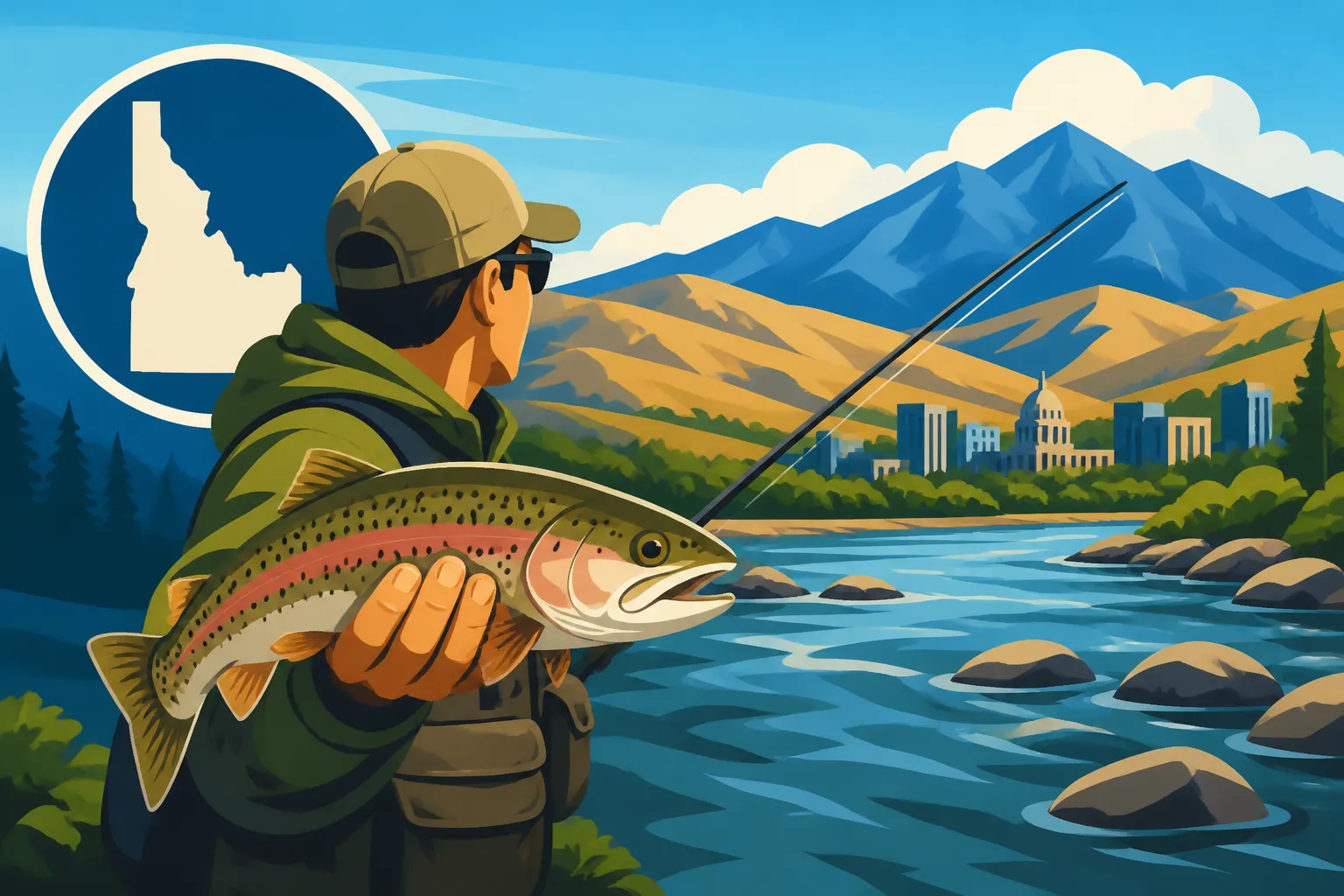
While certain stretches of the Boise River are revered by experienced fly anglers for their challenging wild trout, the sections flowing directly through the city along the popular Greenbelt offer surprisingly good and incredibly convenient fishing for beginners. Don't let the urban setting fool you; the river receives consistent stockings from Idaho Fish and Game, especially in the spring and fall, ensuring a healthy population of fish.
You can access numerous spots along the Greenbelt by foot or bike, often just minutes from your home or workplace. Species include stocked rainbow trout, some wild trout, smallmouth bass, and mountain whitefish. While fly fishing is popular, beginners can absolutely find success with conventional gear. Try drifting a worm or PowerBait under a bobber, or casting small spinning lures like Rooster Tails or Panther Martins. Wading is possible in some shallower areas, but many spots offer excellent bank access. This is an unparalleled opportunity to experience river fishing without leaving the city limits. It’s a fantastic way to engage in Fishing the Boise River Through Town and practice your casting from shore. For more detailed insights, check out Bank Fishing Tips for the Boise River Greenbelt.
Lucky Peak Reservoir (Boise National Forest)
For those ready to venture a little further and experience a larger body of water, Lucky Peak Reservoir, just a 20 to 30-minute drive up Highway 21 from Boise, offers diverse opportunities. While it's a big reservoir, certain areas, particularly around the dam and various recreation sites (like Sandy Point or Spring Shores), provide excellent and accessible shore fishing.
Lucky Peak is home to rainbow trout, kokanee salmon, smallmouth bass, and yellow perch. For beginners, shore casting with bait (PowerBait, worms) or simple lures (spoons, spinners) can be productive, especially for trout and bass. If you have access to a small boat or even a kayak, some simple trolling with wedding rings or small spoons can yield kokanee. It offers that classic "reservoir fishing" experience without requiring a long drive into the backcountry. It's often where Why Boise Anglers Fish Lucky Peak Reservoir After Work comes into play, providing a quick escape to larger waters. For those considering a boat, our Idaho Trolling Techniques Guide might offer some useful starting points.
Wilson Springs Ponds (Nampa, ID)
Though a slightly longer drive, about 30-40 minutes west of Boise near Nampa, the Wilson Springs Ponds are a hidden gem for beginners due to their exceptional productivity. Part of the Nampa Fish Hatchery complex, these ponds are managed specifically for public fishing and are heavily stocked.
The focus here is primarily on rainbow trout, and the consistent stocking ensures a very high success rate. The ponds are easy to access, with clear banks perfect for setting up chairs and gear. The most effective technique is often bottom fishing with PowerBait or worms, allowing your bait to sit on the bottom where the trout are cruising. The facilities are good, and the hatchery itself is interesting to visit, offering a glimpse into Idaho's fish stocking programs. If you want a nearly guaranteed chance to catch fish and build confidence, Wilson Springs is an excellent choice. This location demonstrates How Often Idaho Lakes Get Restocked with Trout and what that means for angler success.
Here's a quick overview of these beginner-friendly spots:
| Fishing Spot | Distance from Boise (Approx.) | Primary Species | Beginner Techniques Recommended | Key Amenities |
|---|---|---|---|---|
| Eagle Island State Park | 15-20 min | Rainbow Trout, Panfish | Bait & Bobber, Small Spinners | Restrooms, Picnic Areas, Paved Paths |
| Settlers Park Pond | 10-15 min | Rainbow Trout, Panfish | Bait & Bobber, Small Spinners | Restrooms, Playgrounds, Walking Paths |
| Boise River (Greenbelt) | 0-10 min (within city) | Trout, Smallmouth Bass | Bait, Small Spinners, Light Lures | Paved Greenbelt, Restrooms (nearby) |
| Lucky Peak Reservoir | 20-30 min | Trout, Kokanee, Perch | Shore Casting (Bait/Lure), Simple Trolling | Restrooms, Boat Ramps, Picnic Areas |
| Wilson Springs Ponds | 30-40 min | Rainbow Trout | Bottom Fishing (PowerBait, Worms) | Restrooms, Hatchery Access, Picnic Tables |
Essential Gear and Simple Techniques for New Anglers
Stepping into a sporting goods store for the first time can feel like walking into a foreign country – so much jargon, so many options! But for beginner fishing in Idaho, you truly only need a handful of reliable, straightforward items to get started. Don't let the overwhelming array of choices deter you; keep it simple, effective, and budget-friendly.
Starting with the Basics: Rod, Reel, and Line
The cornerstone of your fishing arsenal is a good, basic rod and reel combo. For beginners, a spinning combo is by far the easiest to learn and most versatile. You don't need to break the bank for your first setup. Look for an inexpensive, pre-spooled spinning combo that includes both the rod and reel.
- Rod Length: A rod between 5.5 and 7 feet is a great all-around choice. Shorter rods are easier to handle for kids and in tighter spaces, while longer rods allow for longer casts.
- Rod Action/Power: A "medium-light" or "medium" action rod is versatile enough for the species you'll encounter in beginner waters. It has enough backbone to cast lures and handle fish, but enough flexibility to feel lighter bites.
- Line: Most beginner combos come pre-spooled with monofilament line, which is perfect. A 6 to 8-pound test monofilament line is an excellent choice for these waters – it’s strong enough for most trout and panfish, forgiving to cast, and relatively inexpensive. Resist the urge to go for braided lines or specialty fluorocarbons right away; they introduce unnecessary complexity for a beginner. You'll find many excellent and affordable options from brands like Ugly Stik or Shakespeare at retailers like Sportsman's Warehouse, Cabela's, or even Walmart.
Bait, Lures, and Tackle Box Essentials
Once you have your rod and reel, the next step is what you'll use to attract fish. Again, simplicity is key. You don't need dozens of different lures; a few proven options will do the trick.
- Baits:
- PowerBait (Trout Dough): This is a trout-catching staple, especially in stocked ponds. Available in various colors and scents, it floats, keeping your hook off the bottom. "Chartreuse" and "rainbow" are classic colors.
- Worms (Nightcrawlers): The original and often still the best. Worms are irresistible to nearly all freshwater fish. A small piece on a hook can be incredibly effective.
- Corn: Believe it or not, a few kernels of canned corn on a small hook can be a secret weapon for stocked trout and panfish.
- Lures:
- Spinners: Brands like Rooster Tail, Panther Martin, or Mepps are highly effective. Their spinning blade creates flash and vibration that fish can't resist. Start with smaller sizes (1/16 oz to 1/8 oz) in silver, gold, or bright colors.
- Small Spoons (e.g., Kastmaster): These simple metal lures wobble through the water and are great for casting and retrieving. Again, stick to smaller sizes.
- Tackle Box Essentials:
- Hooks: A variety of small bait hooks (sizes 8-12) will cover most situations.
- Sinkers: Split shot sinkers (small, squeezable weights) and egg sinkers (for bottom fishing with bait) are crucial for getting your bait to the right depth.
- Bobbers: Round or slip bobbers are essential for suspending your bait at a desired depth and visually indicating bites.
- Pliers/Forceps: For safely removing hooks from fish. Needle-nose pliers are perfect.
- Stringer or Cooler: If you plan to keep fish within legal limits, you'll need a way to store them.
- Nail Clippers/Small Scissors: For cutting line.
This small, focused selection will allow you to fish effectively without feeling overwhelmed by choices. Many of the Best Bait and Lures for Idaho Fishing are quite simple!
Mastering the Simple Cast and Retrieve
Learning to cast smoothly is one of the most satisfying parts of getting started. It takes practice, but the basic spinning cast is quite easy to master.
- Hold the Rod: Grip the rod with the reel stem between your middle and ring fingers.
- Open the Bail: Use your index finger to pick up the fishing line, and then use your other hand to open the bail (the metal arm on the reel). This frees the line for casting.
- Aim: Point your rod tip towards your target.
- Backswing: Bring the rod straight back, just past your shoulder, keeping your elbow relatively close to your body.
- Forward Cast: In one fluid motion, swing the rod forward, releasing your index finger as the rod reaches roughly the 10 o'clock position. This takes practice to get the timing right!
- Close the Bail: As your lure hits the water, manually close the bail or give the reel handle a crank to engage it.
- Retrieve: For lures, a slow and steady retrieve is often best. For bait, simply watch your bobber for any dips or movement.
Don't get frustrated if your first few casts are wobbly or tangled. Everyone starts there! Practice in your yard without a hook on the line to get a feel for it.
Understanding Idaho Fishing Licenses and Regulations
This is super important, and thankfully, it's quite straightforward for beginners. In Idaho, every angler aged 14 and older needs a valid fishing license. It doesn't matter if you're catch-and-release or planning to keep a limit; if you're 14 or older, you need a license.
The good news is that buying one is incredibly easy. You can purchase an Idaho fishing license online through the Idaho Fish and Game website, or visit a local license vendor like a sporting goods store (e.g., Cabela's, Sportsman's Warehouse, or even some local tackle shops and grocery stores). You can learn exactly How to Buy an Idaho Fishing License Online in a few simple steps.
Beyond the license, it’s crucial to understand basic regulations, primarily daily bag limits (how many fish of a certain species you can keep per day) and possession limits (how many you can have in your cooler or at home). For most stocked ponds and general waters near Boise, the daily bag limit for trout is usually six. Always, always check the current Idaho Fishing Regulations brochure (available online or at license vendors) before you go. Rules can vary by water body and species, so staying informed prevents accidental violations. Sites like FishingBooker, where you might eventually look for guided trips, often remind you about license requirements, which is a good habit to adopt for any fishing outing. For a deeper dive into the rules, check out Idaho Fishing Regulations Explained.
Making the Most of Your First Idaho Fishing Trips Near Boise
Fishing is more than just catching fish; it’s an experience, a connection to nature, and a lesson in patience. Especially as a beginner, focusing on the broader enjoyment will make every trip a success, even if the fish aren't cooperating.
Patience, Persistence, and Enjoying the Outdoors
It’s easy to get caught up in the idea that a successful fishing trip means a full stringer. But for new anglers, the true success lies in the experience itself. There will be days when the fish just aren't biting, no matter what you try. This is normal, and every experienced angler has been there. Don't let a slow day discourage you.
Instead, embrace the moments. Notice the wildlife around you – the osprey diving for fish on Lucky Peak, the deer grazing along the Boise River Greenbelt, or the ducks paddling across an urban pond. Enjoy the fresh air, the quiet (or cheerful chaos, depending on your companions!), and the simple act of being outdoors. Fishing is a wonderful way to de-stress and reconnect with nature, even within city limits. Patience is truly a virtue in fishing, and persistence often pays off. Sometimes just moving to a different spot on the same pond can change your luck.
Safety First and Leave No Trace
Your safety, and the safety of those fishing with you, should always be a top priority.
- Hook Safety: Be mindful when casting and handling hooks. Always keep hooks away from faces and bodies, especially when kids are around. Needle-nose pliers are great for safely unhooking fish.
- Sun Protection: Idaho's sun can be intense, even on cloudy days. Bring sunscreen, a hat, and sunglasses.
- Water: Stay hydrated, especially during warmer months.
- Awareness: Be aware of your surroundings, whether it's slippery banks, uneven terrain, or other park users.
Equally important is practicing Leave No Trace principles. This means packing out everything you pack in, including all trash, food wrappers, and especially discarded fishing line. Monofilament line can be deadly to wildlife, so always retrieve tangled line and dispose of it properly. Leave the area cleaner than you found it. This ensures that these beginner-friendly spots remain beautiful and accessible for everyone for years to come.
Considering a Guided Trip for a Boost in Confidence
Even with easy-access spots and simple techniques, some beginners might still feel a bit overwhelmed or just want to fast-track their learning. If that sounds like you, considering a guided fishing trip can be an invaluable investment. Local guides know the waters intimately, understand fish behavior, and can quickly teach you effective techniques for specific species and conditions.
A guide provides all the necessary gear, bait, and local knowledge, removing much of the logistical stress. They can help you refine your cast, teach you how to "read" the water, and ensure you understand regulations firsthand. This can be especially helpful if you want to try a more challenging technique on the Boise River, or get comfortable on a larger body of water like Lucky Peak. Platforms like FishingBooker can be an excellent resource for finding reputable local guides who specialize in beginner or family-friendly trips on Boise-area waters. Booking a guide through FishingBooker means you can often read reviews and choose someone who explicitly caters to new anglers, helping you build skills and confidence quickly. For more information, check out our guide on How to Book a Fishing Guide in Idaho and get an idea of Idaho Fishing Guide Cost Guide.
Embracing the Learning Curve and Future Adventures
Fishing is a journey, not a destination. No one becomes an expert overnight, and even seasoned veterans are constantly learning. Embrace the learning curve, celebrate your small victories (that first bite, that first successful cast, that first fish landed!), and don't be afraid to try new things once you're comfortable.
Once you've gained confidence on these beginner-friendly waters, a whole world of Idaho fishing opens up to you. You might find yourself wanting to explore the famous fly fishing on Henry's Fork, chase steelhead on the Clearwater River, or venture into the high mountain lakes of the Sawtooths. Perhaps you'll even be booking a multi-day adventure through FishingBooker for a remote wilderness experience. But for now, focus on enjoying the simple pleasures of casting a line in the beautiful, accessible waters right here near Boise. The journey begins with that first cast, and it promises endless adventures and memories. To see what else Idaho has to offer, check out our comprehensive guide to the Best Fishing Spots in Idaho or dive into Idaho Fishing Techniques Guide. Happy fishing!
Disclaimer
Please remember that fishing regulations, access points, and fish stocking schedules can change. Always check the current Idaho Fish and Game regulations and local conditions before heading out on any fishing trip. This guide provides general information and recommendations, but it is your responsibility to ensure you are compliant with all current rules and safe practices.